Santo Domingo: The First City of the Americas, the Columbus Palace, Merengue, and the Caribbean Malecon
Santo Domingo, the first permanent European settlement in the Americas and the capital of the Dominican Republic, combines the UNESCO colonial zone with the oldest cathedral in the Western Hemisphere, the birthplace of merengue and bachata music, and the vibrant Malecon coastal social life of a Caribbean capital.
- 1
Zona Colonial: The First City of the Americas
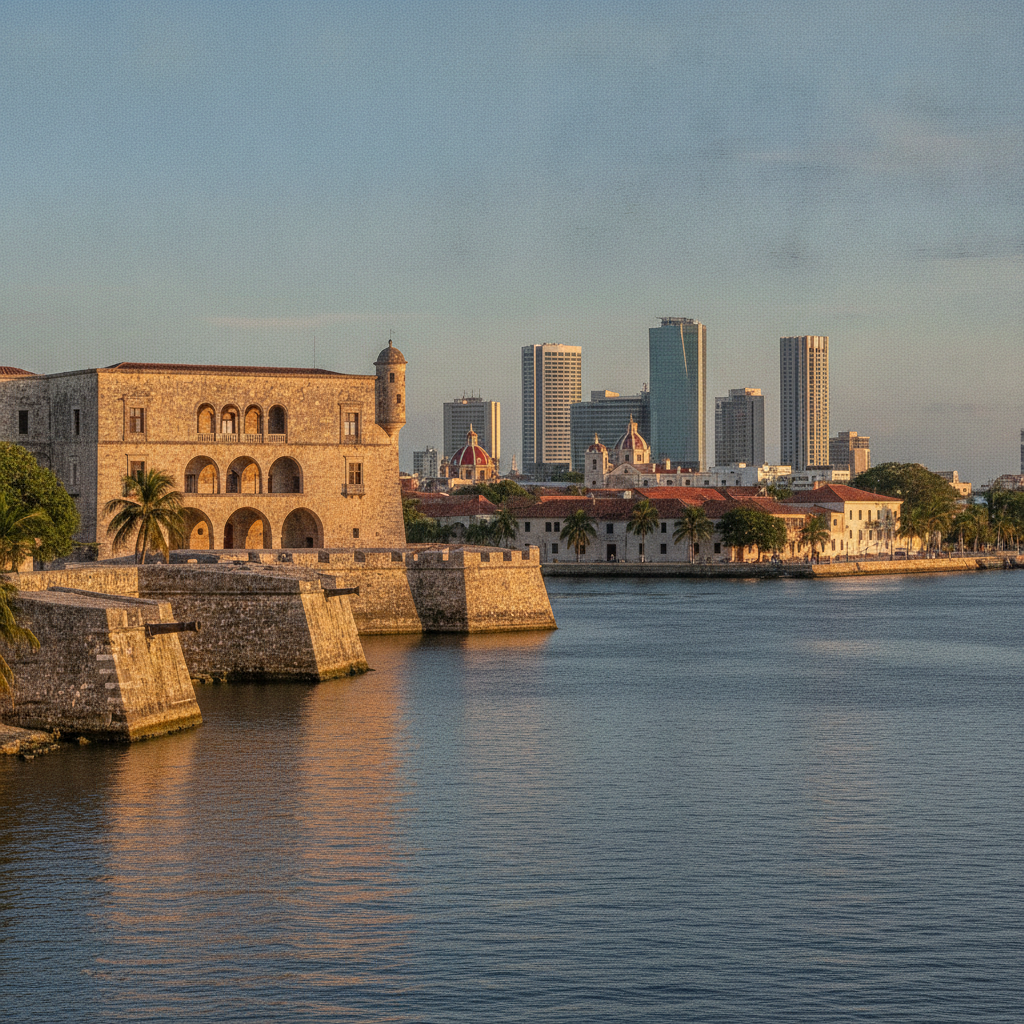
The Zona Colonial of Santo Domingo, declared a UNESCO World Heritage Site in 1990, is the oldest continuously inhabited European settlement in the Americas, founded by Bartolome Columbus in 1498 and containing the first cathedral, first university, first hospital, and first paved road in the Western Hemisphere. The Calle Las Damas, the first paved street in the Americas, runs through the fortified colonial center where the Alcazar de Colon, the palace built for Diego Columbus son of the Admiral, overlooks the Ozama River.
- 2
Alcazar de Colon: The Columbus Palace
The Alcazar de Colon, the Renaissance palace built between 1510 and 1514 as the official residence of Diego Columbus, Viceroy of the Indies, and his wife Maria de Toledo, is the most significant colonial building in the Americas and the symbol of the Spanish imperial power that administered the entire New World from this building in the first decades of the 16th century. The museum inside the Alcazar presents the furnishings and artifacts of the viceregal period.
- 3
Catedral Primada de America: The First Cathedral
The Catedral Santa Maria la Menor, begun in 1514 and consecrated in 1541, is the oldest cathedral in the Americas and the most important religious building in the Western Hemisphere for its historical primacy, with the characteristic late Gothic and early Renaissance architectural fusion that was being developed in Spain at the time of construction. The cathedral contains the contested relics of Christopher Columbus in a marble sarcophagus.
- 4
Malecon and the Caribbean Coast
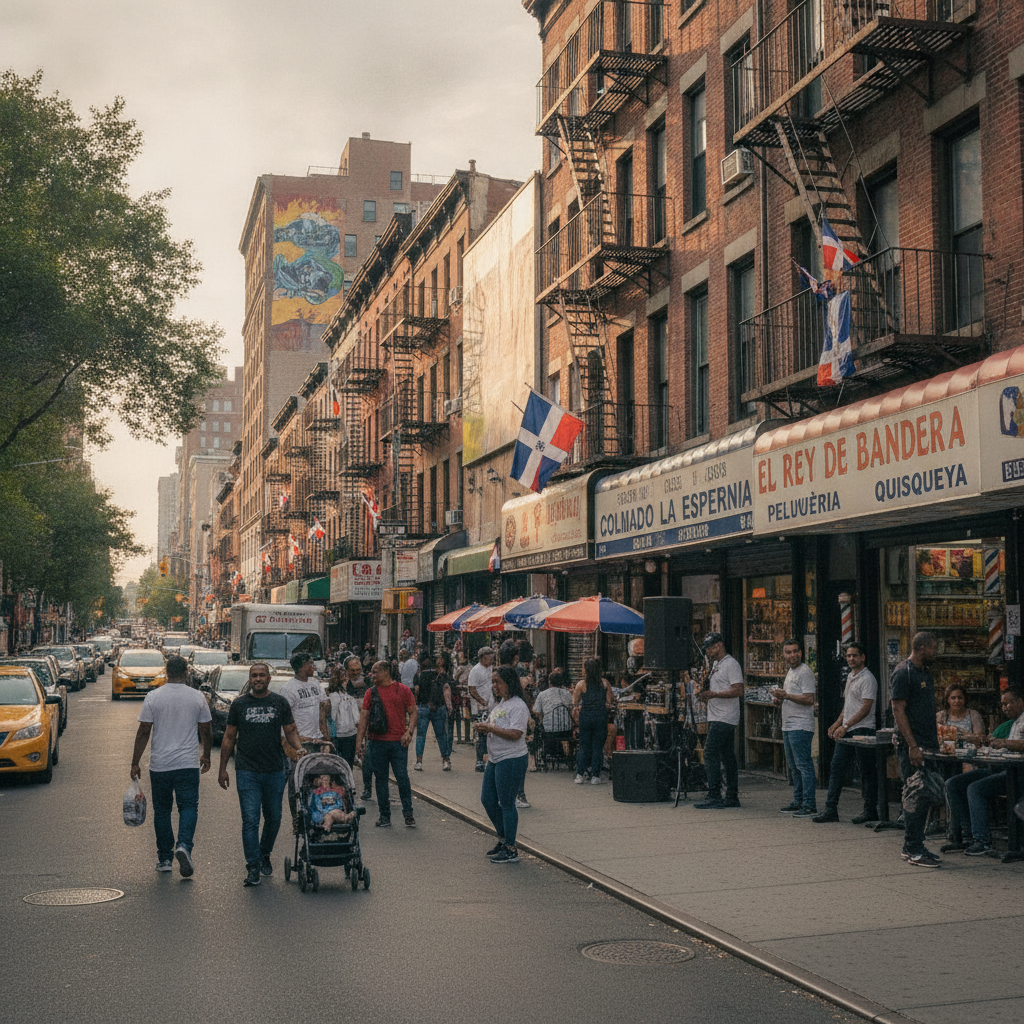
The Malecon of Santo Domingo, the coastal boulevard extending along the southern shore of the capital, is the social spine of the city's evening and weekend leisure culture, with the open-air restaurants, the merengue and bachata music coming from the bars and the passing cars, and the Dominican families and couples promenading along the sea wall creating the most concentrated expression of the Caribbean coastal city social life. The Malecon is the most democratic public space in Santo Domingo.
- 5
Merengue and Bachata: The Dominican Music
The Dominican Republic is the origin of two of the most globally recognized Caribbean dance music genres: merengue, the fast accordion and tambora drum music that is the national dance of the Dominican Republic and an essential element of Latin dance culture worldwide, and bachata, the guitar-based romantic music that originated in the rural barrios of the Dominican Republic and that since its international popularization through Romeo Santos has become one of the most streamed music genres globally.
- 6
Los Tres Ojos: The Cave Lagoons
Los Tres Ojos, the system of three freshwater cave lagoons accessed through a natural rock opening in the eastern suburbs of Santo Domingo, is the most visited natural attraction within the capital, with the underground lakes of extraordinary clarity connected by a wooden walkway system through limestone caverns decorated with stalactites and draped with the roots of the tropical trees above. The three eyes of the name refer to the three main cave chambers.
Walk this route with audio
Stories play automatically as you reach each stop — no tapping needed.
More in Santo Domingo
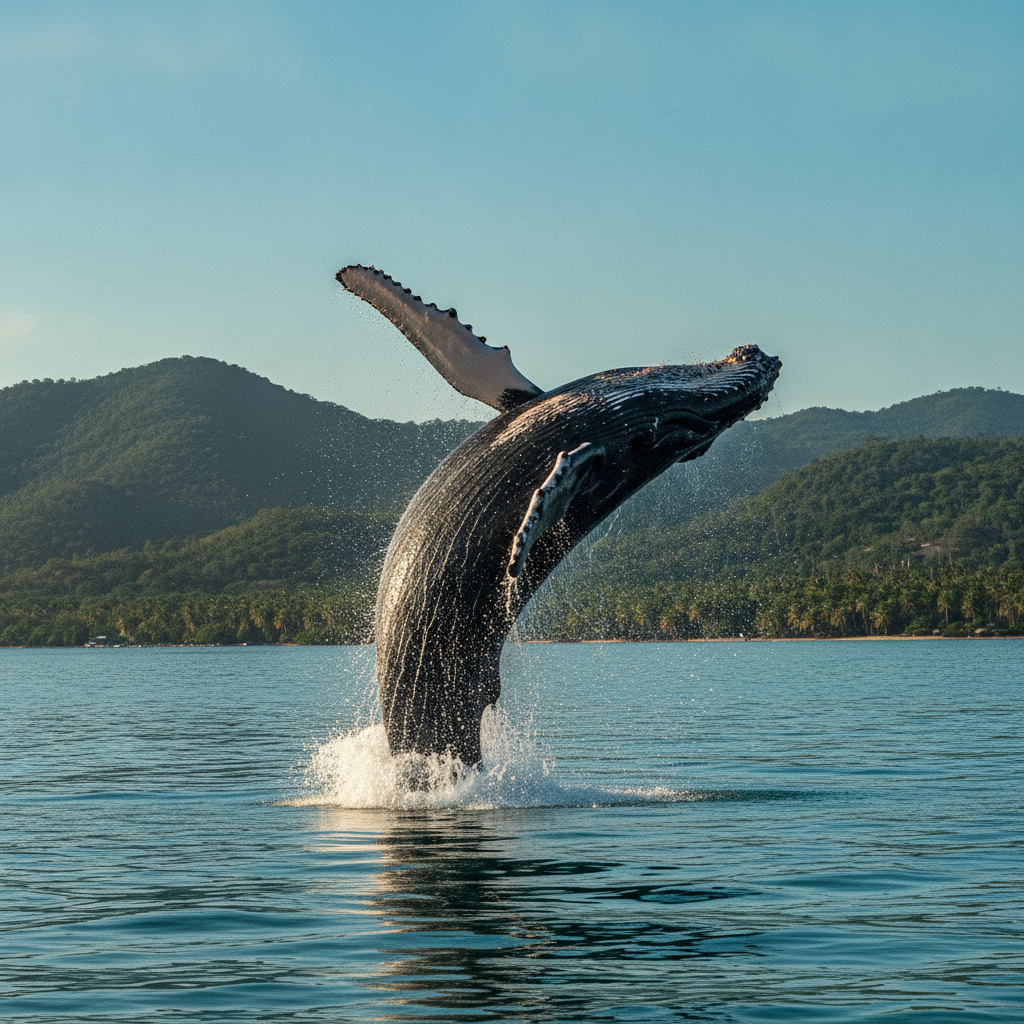
Santo Domingo Practical Guide: Metro Transport, Dominican Carnival, Samana Whale Watching, and Jarabacoa Mountain Adventures
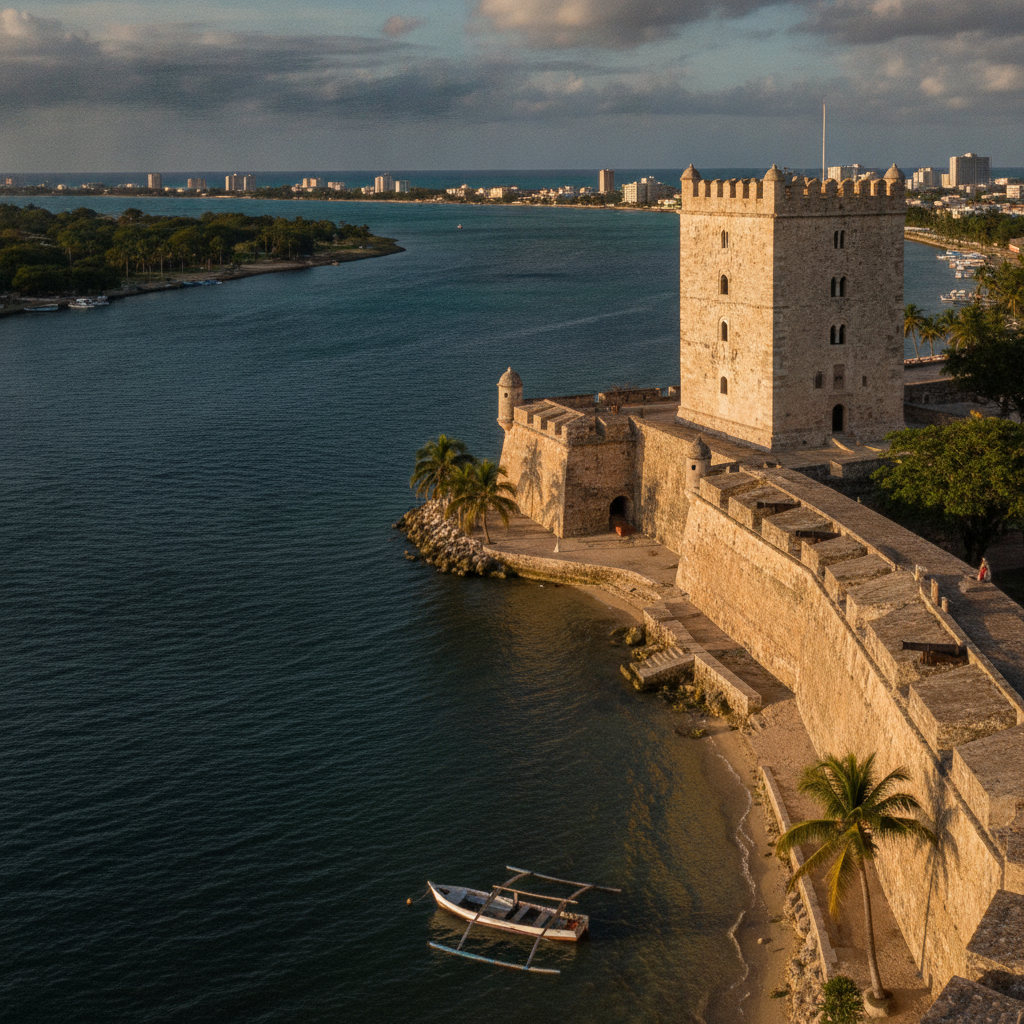
Santo Domingo Dark History: Trujillo Dictatorship, the 1937 Massacre, the Haiti Border Relationship, and the First Americas University
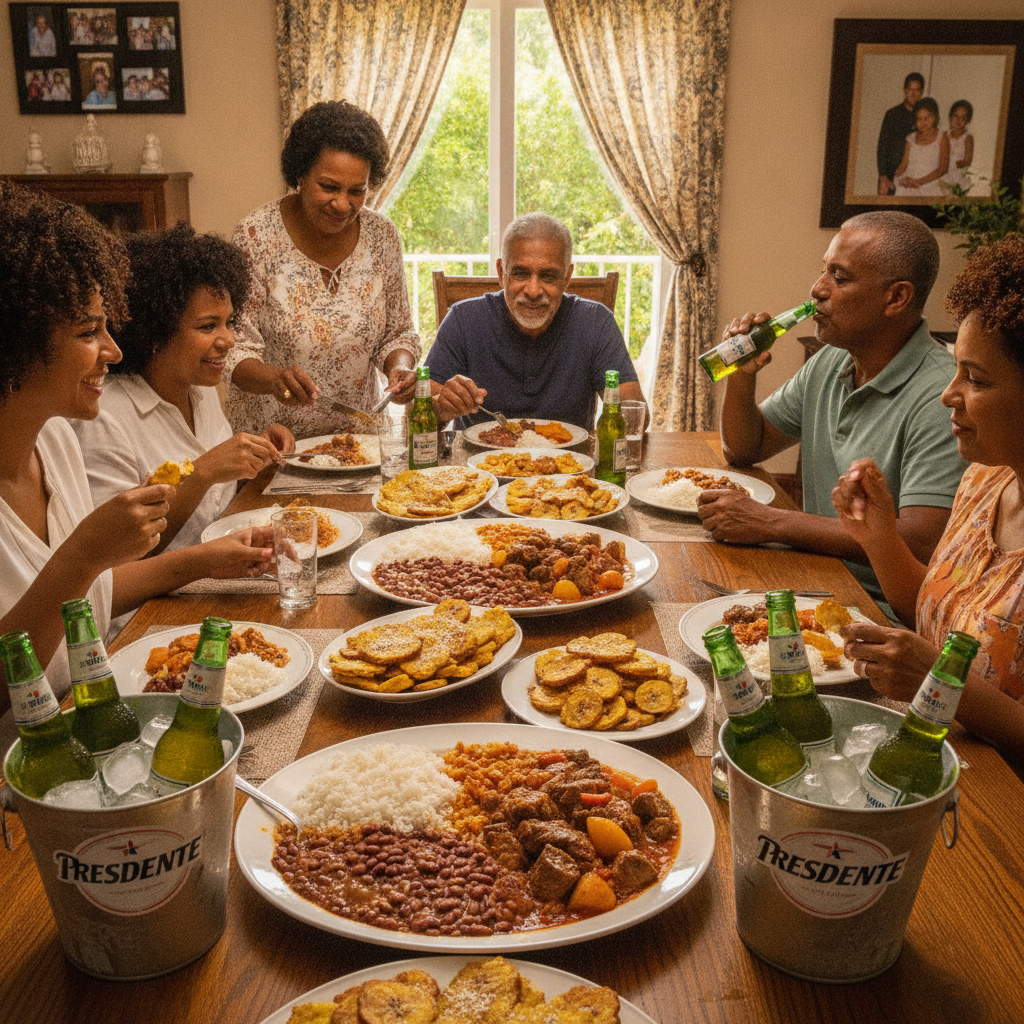
Dominican Republic Food: La Bandera, Sancocho, Presidente Beer, Brugal Rum, and the Street Food Chimichurri
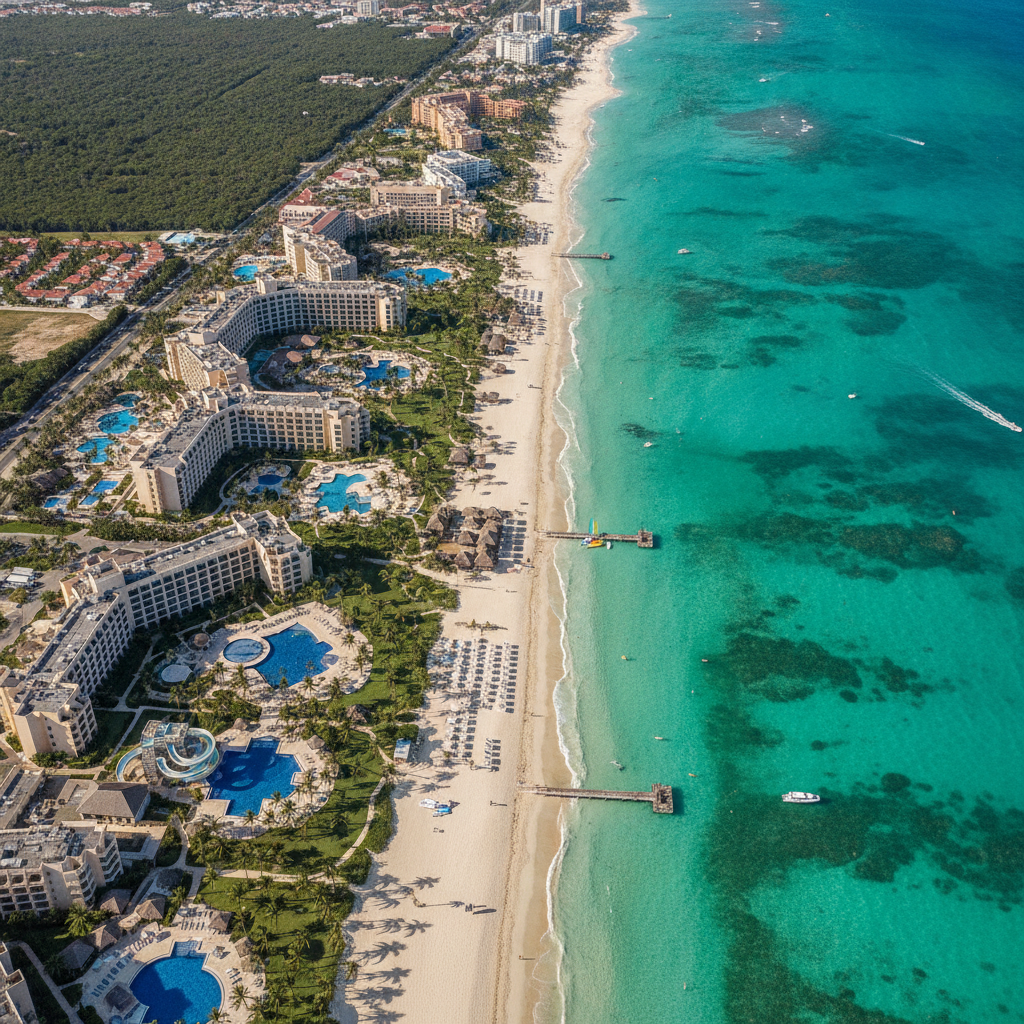
Santo Domingo Practical Guide: Las Americas Airport, Punta Cana All-Inclusive, Peso Economy, and Caribbean Hub Connections
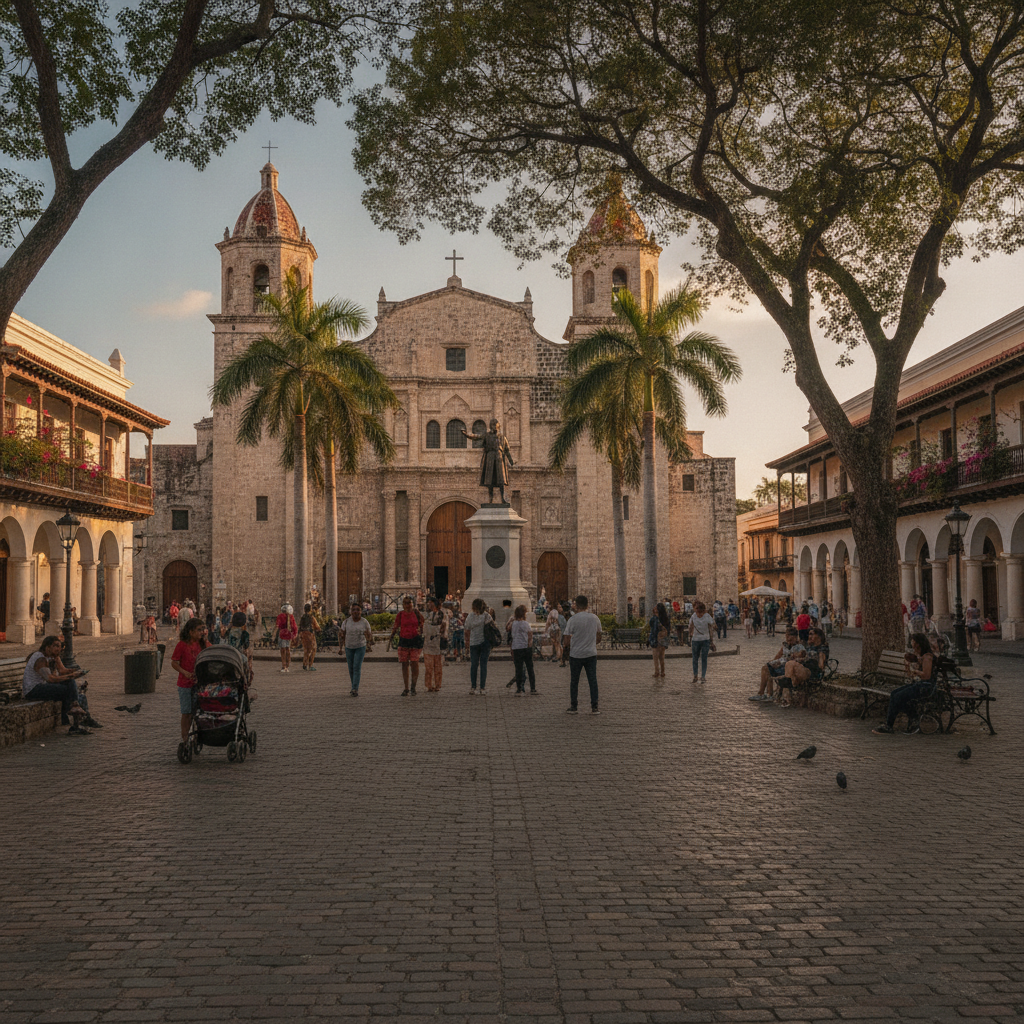
Santo Domingo Culture: Baseball Nation, the Gazcue Neighborhood, Dominican Gastronomy, and Merengue Nightlife