Dominican Republic Food: La Bandera, Sancocho, Presidente Beer, Brugal Rum, and the Street Food Chimichurri
The food culture of the Dominican Republic centers on the La Bandera national plate and the sancocho celebration stew, the Presidente beer colmado culture, the Brugal rum tradition, and the Dominican chimichurri street burger that defines the informal food life of Santo Domingo.
- 1
Dominican Republic Food: La Bandera
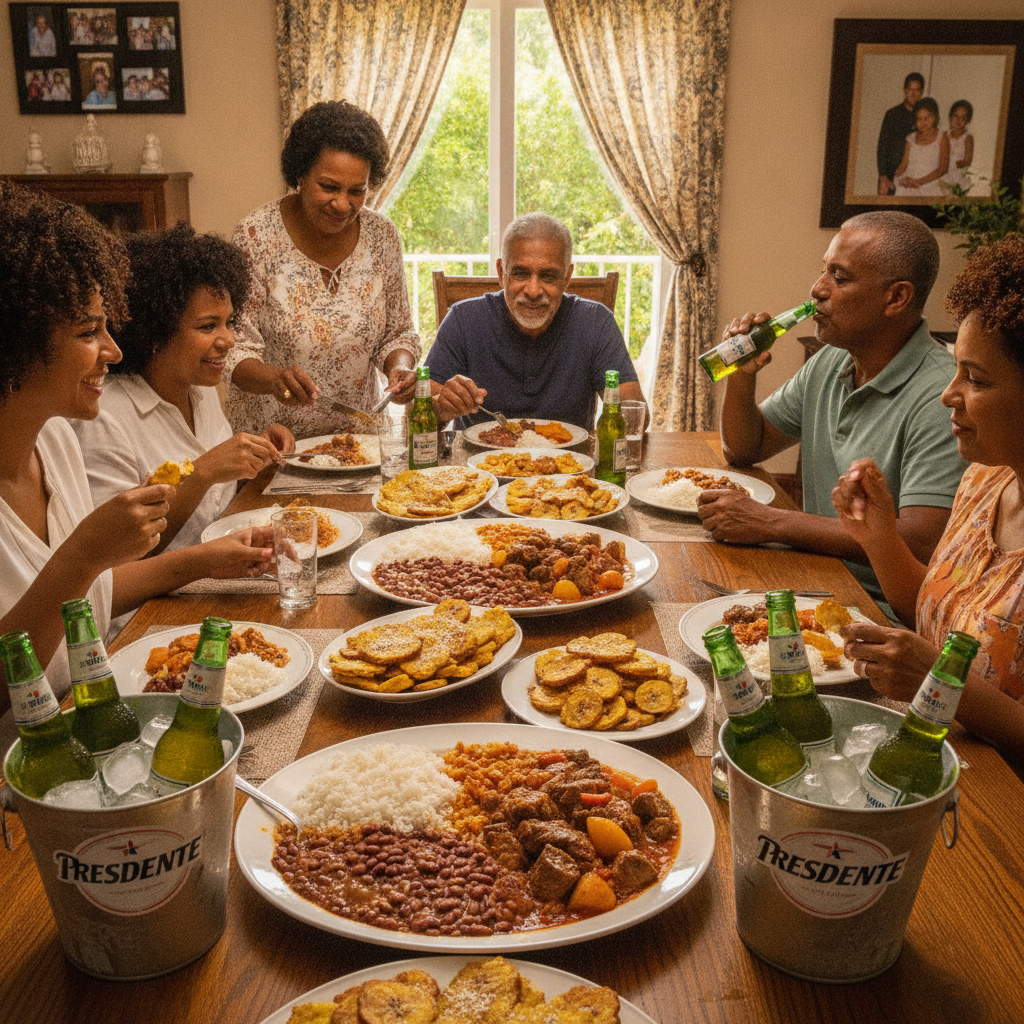
La Bandera, the Dominican national plate of white rice, red kidney beans, and meat stew with fried plantains and salad, is the most widely consumed meal in the Dominican Republic and the most complete expression of the Spanish, African, and Taino indigenous food traditions that constitute the Dominican culinary heritage. The name La Bandera means the flag, reflecting the colors of the rice, beans, and meat on the plate.
- 2
Sancocho: The National Stew
Sancocho, the slow-cooked stew of multiple meats, root vegetables, and plantains that is prepared for celebrations, family gatherings, and hangover cure mornings throughout the Dominican Republic, is the most emotionally significant food of the Dominican culture and the dish most associated with the collective social life of the nation. The seven-meat sancocho prepared for the largest celebrations is the most elaborate version of the national stew tradition.
- 3
Presidente Beer and Dominican Drinking Culture
Presidente Beer, the Dominican national lager brewed since 1935 and the most consumed beer in the country, is the social lubricant of Dominican life in the colmado corner shop culture where the cold Presidente in the small returnable bottle, consumed with the platano chips and the bachata music coming from the colmado sound system, constitutes the most democratic social institution in the Dominican Republic. The colmado culture is the most accessible encounter with daily Dominican social life.
- 4
Ron Brugal: The Dominican Rum Tradition
Brugal Rum, produced by the Brugal family distillery in Puerto Plata since 1888 and now one of the most consumed rums in the world, is the defining spirit of the Dominican Republic and the base of the Mama Juana, the Dominican herbal rum infusion of rum, red wine, and honey with tree bark and herbs that is consumed as a traditional medicine, a digestif, and a social ritual throughout the country.
- 5
Dominican Desserts: Dulce de Leche and Majarete
The Dominican dessert tradition includes the dulce de leche caramel spread that is the universal breakfast and after-dinner sweet, the majarete corn pudding flavored with coconut and cinnamon that is the most distinctively Dominican dessert, and the habichuelas con dulce sweet bean pudding served only during Semana Santa Holy Week in a dessert that is simultaneously the Dominican Lenten discipline and the most anticipated annual food experience.
- 6
Street Food: Chimichurri Burger and Tostones
The Dominican chimichurri, not to be confused with the Argentine herb sauce of the same name, is the Dominican street hamburger in a soft pan de agua roll with a fried egg, coleslaw, and the spicy sauces that make it the defining Dominican street food experience. The tostones, the twice-fried green plantain rounds that accompany virtually every Dominican meal, are the most universally present side dish of the Dominican food culture and the snack sold from the colmado corner shops throughout the country.
Walk this route with audio
Stories play automatically as you reach each stop — no tapping needed.
More in Santo Domingo
Santo Domingo Practical Guide: Metro Transport, Dominican Carnival, Samana Whale Watching, and Jarabacoa Mountain Adventures
Santo Domingo Dark History: Trujillo Dictatorship, the 1937 Massacre, the Haiti Border Relationship, and the First Americas University
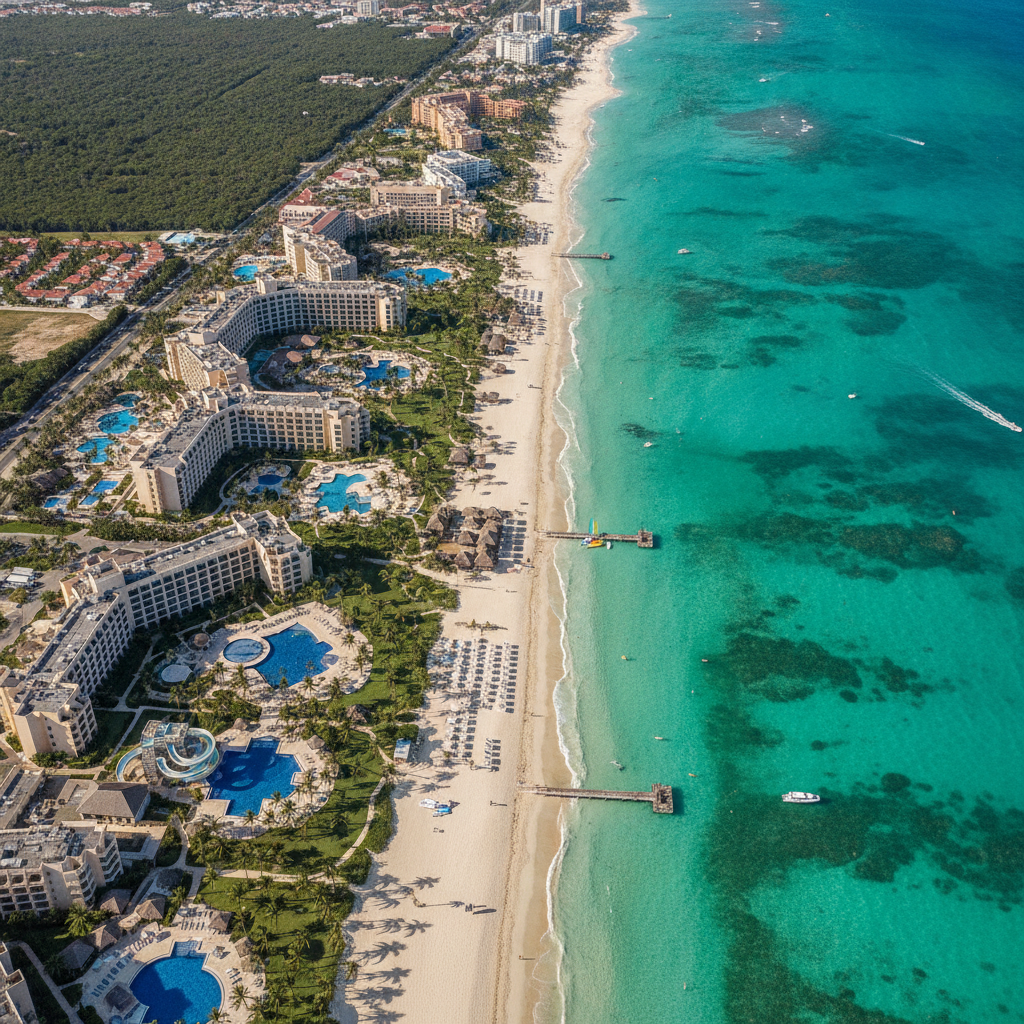
Santo Domingo Practical Guide: Las Americas Airport, Punta Cana All-Inclusive, Peso Economy, and Caribbean Hub Connections
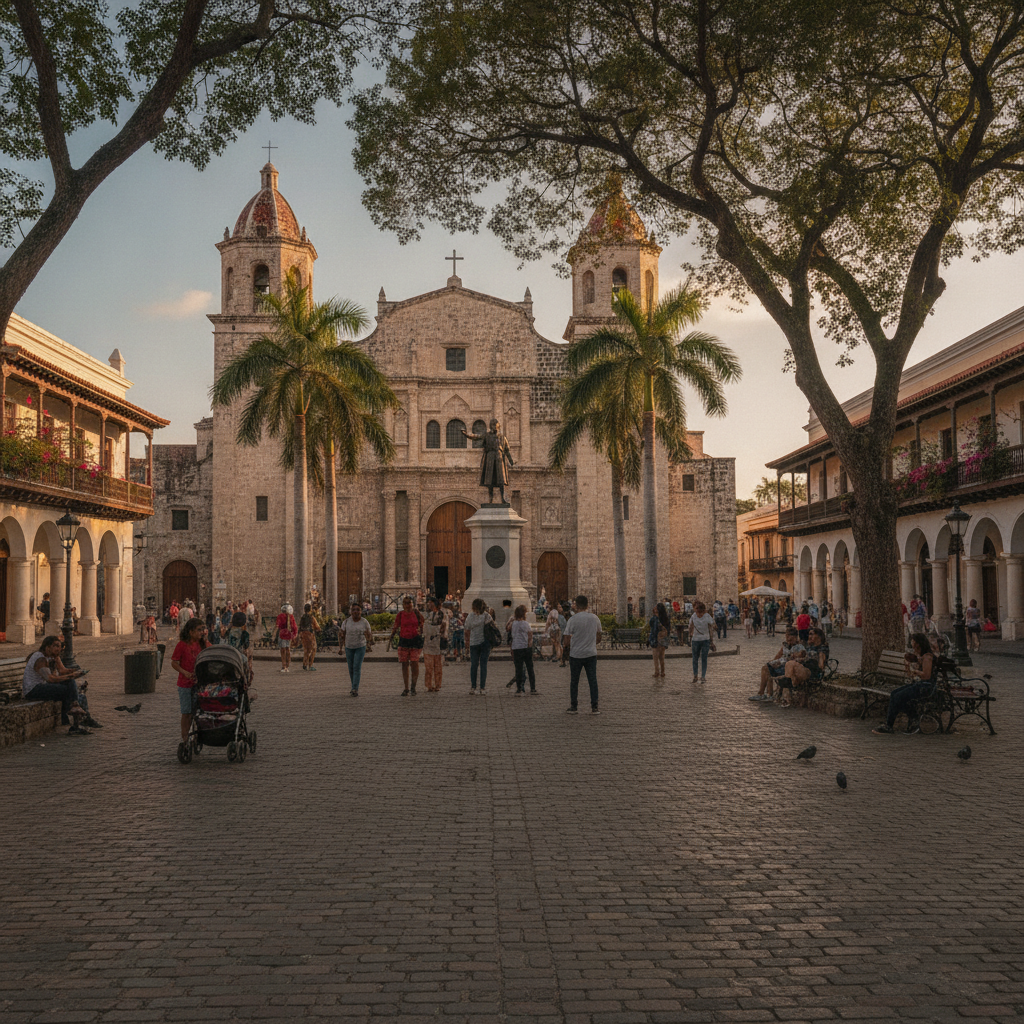
Santo Domingo Culture: Baseball Nation, the Gazcue Neighborhood, Dominican Gastronomy, and Merengue Nightlife
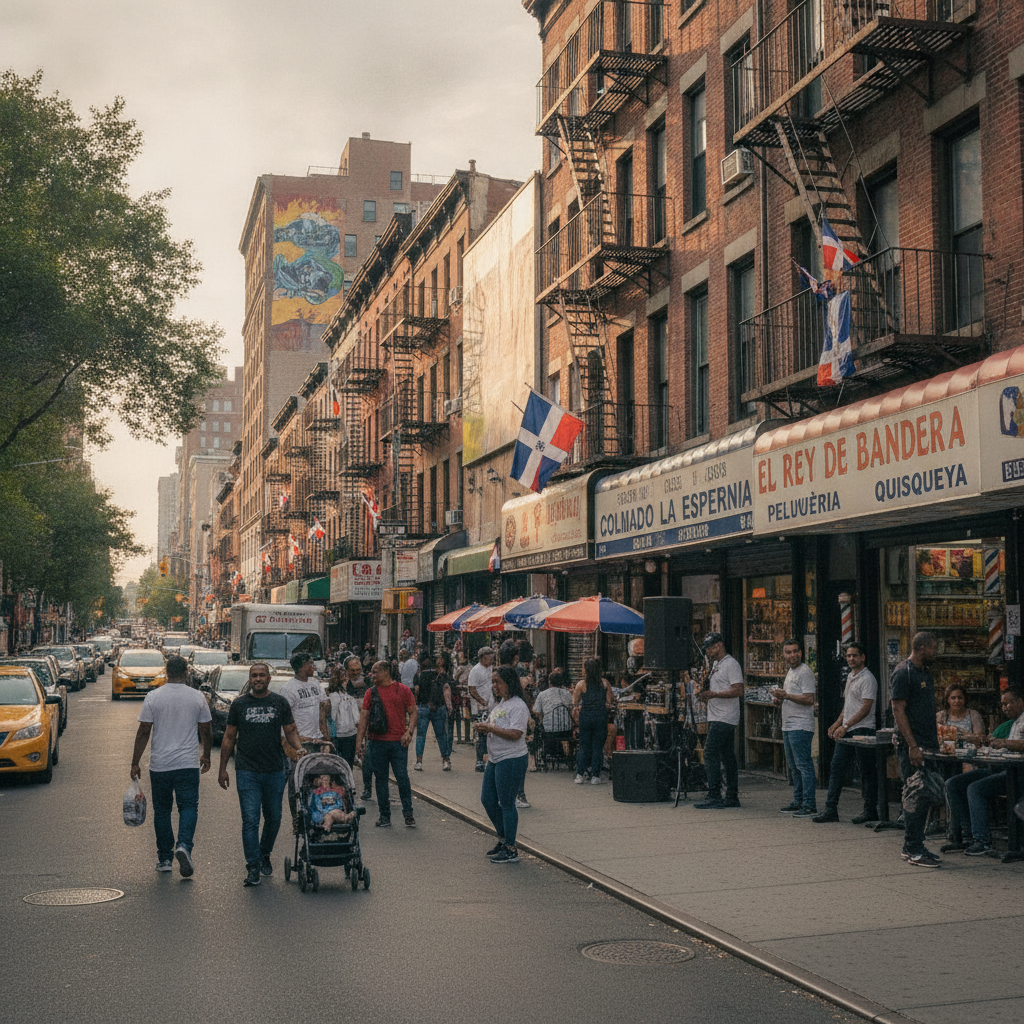
Dominican Republic Identity: Taino Legacy, the New York Diaspora, Semana Santa, Dominican Cigars, and Political Culture