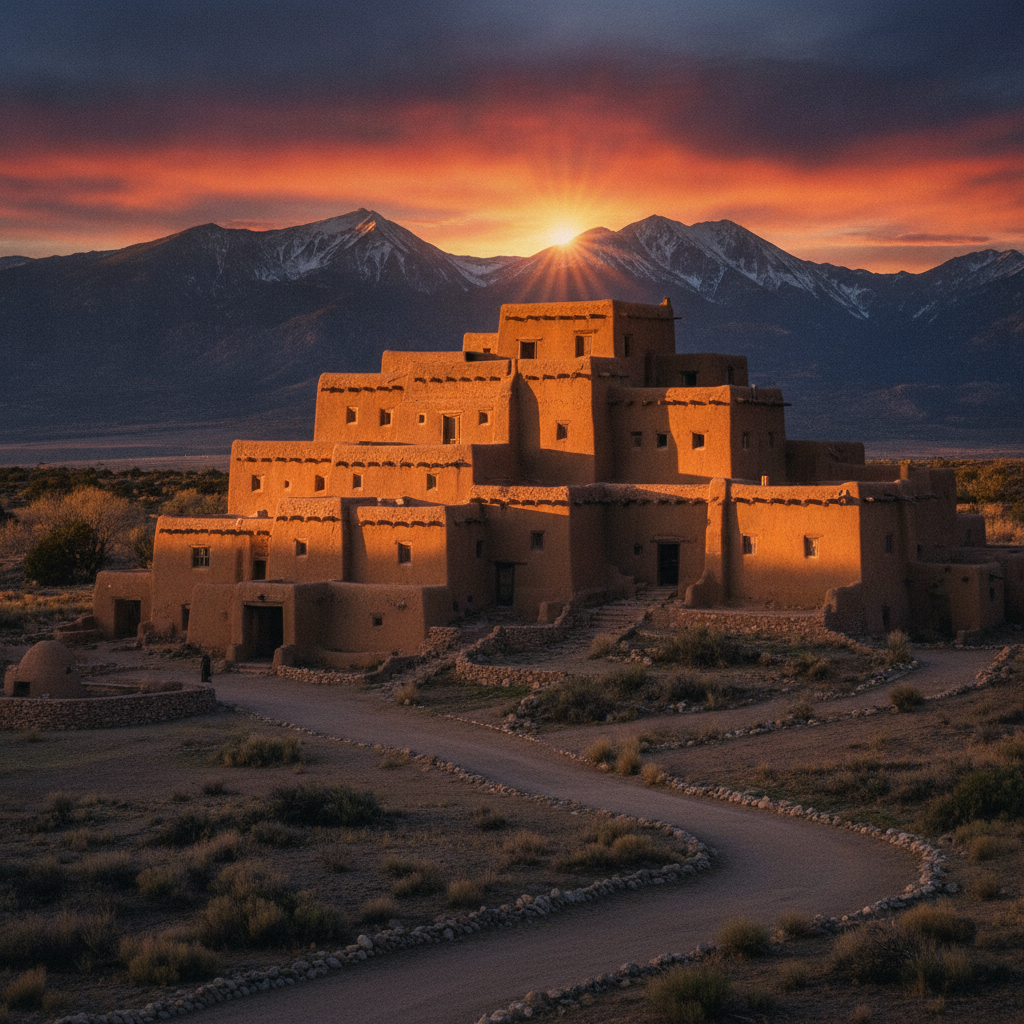
Santa Fe: O Keeffe Country, Ancient Trade Routes and Complexity Science
Visit the only US museum dedicated to a single female artist, drive the Turquoise Trail through artists villages, trace El Camino Real 1,800 miles of colonial history, experience Tesuque Pueblo feast day traditions, ride the heritage railway to Lamy, and discover why the world leading complexity science institute chose Santa Fe.
- 1
Georgia O Keeffe Museum
The Georgia O Keeffe Museum at 217 Johnson Street, opened in 1997, is the only museum in the United States dedicated to the work of a single female artist. O Keeffe spent the second half of her life in New Mexico, living at Ghost Ranch in Abiquiu from 1949 until her death in 1986 at age 98. The museum holds over 3,000 works including paintings, drawings, and sculpture, representing the largest single collection of her work. O Keeffe painted the New Mexico landscape, flowers, bones, and sky in a style that synthesized Modernist abstraction with the specific visual character of the Southwest. Her skull paintings using animal bones bleached white by the desert sun became among the most recognized American artworks of the 20th century. Museum tours to Ghost Ranch and her Abiquiu home operate seasonally.
- 2
Turquoise Trail and Cerrillos Hills
The Turquoise Trail, New Mexico Scenic Byway 14 running 52 miles from Albuquerque to Santa Fe through the Ortiz and Sandia Mountains, passes through the historic mining communities of Madrid and Cerrillos. Cerrillos Hills State Park protects the site of one of the oldest turquoise mines in North America, worked by Pueblo peoples for at least 1,000 years before Spanish contact and later mined for lead, zinc, and silver in the 19th century. The village of Madrid, a coal mining town that went bankrupt in 1954 and was subsequently sold house by house, has been revived since the 1970s as an artists community. The Mineshaft Tavern in Madrid, operating in a former company store, has been a roadhouse bar since the 1970s and appears in the 2007 film Wild Hogs.
- 3
El Camino Real and Spanish Colonial Trade
El Camino Real de Tierra Adentro, the Royal Road of the Interior Land, ran 1,800 miles from Mexico City to Santa Fe and was the longest road in North America from its establishment in 1598 until the early 19th century. Spanish colonists, missionaries, soldiers, and trade caravans traveled this route to supply the New Mexico colony. The El Camino Real International Heritage Center, 45 miles south of Albuquerque, interprets the road history. In Santa Fe, the southern terminus of the trail is marked near the Plaza. The road brought Spanish language, Catholicism, and colonial governance to the Pueblo peoples; it also brought epidemics that reduced the Pueblo population by an estimated 90 percent between 1600 and 1680. The 1680 Pueblo Revolt expelled the Spanish from New Mexico for 12 years before the Reconquest of 1692.
- 4
Tesuque Pueblo and Northern Pueblos
Tesuque Pueblo, six miles north of Santa Fe, is one of the closest Pueblo communities to the state capital and maintains its traditional ceremonial calendar including the feast day of San Diego on November 12. The Eight Northern Indian Pueblos, a cooperative organization of the northernmost New Mexico Pueblo communities, coordinates cultural programs and tourism initiatives. Tesuque Pueblo operates the Camel Rock Casino and the Tesuque Pueblo Flea Market, one of the largest outdoor markets in New Mexico. The pueblo retains its historic multi-story adobe structure in the pueblo core, which is generally not open to visitors during ceremonial periods. The Eight Northern Indian Pueblos Artist and Craftsman Show, held each July at the Poeh Cultural Center in Pojoaque, is the largest Pueblo-only art market in New Mexico.
- 5
Santa Fe Southern Railway
The Santa Fe Southern Railway, a heritage rail operation running 18 miles of former AT&SF track between Santa Fe and Lamy, where connections to Amtrak Southwest Chief service operated, offers weekend excursion trains and special event rides including wine trains, sunset rides, and the Polar Express Christmas service. The railway saved the tracks from abandonment in 1992. The Lamy depot, a 1910 Harvey House railroad hotel, was restored and is now a private residence but remains historically significant as one of the few surviving Harvey Girls establishments. The Santa Fe area was a critical junction in the development of the transcontinental railroad despite the main line passing through Lamy rather than Santa Fe itself, requiring a spur that became the foundation for today heritage operation.
- 6
Santa Fe Institute and Complexity Science
The Santa Fe Institute, founded in 1984 by George Cowan and colleagues from Los Alamos National Laboratory, is the world leading research center for complexity science, the interdisciplinary study of complex adaptive systems ranging from ant colonies and immune systems to economies and ecosystems. The institute, which has no departments or permanent faculty in the traditional sense, brings together physicists, biologists, economists, anthropologists, and computer scientists on collaborative research projects. Alumni and associated researchers have included multiple Nobel laureates. The institute operates an education center and public lecture series in Santa Fe and has generated foundational concepts in network theory, artificial life, and economic complexity. Its location in Santa Fe reflects the city tradition as a place that attracts unconventional thinkers outside the structures of conventional academia.
Walk this route with audio
Stories play automatically as you reach each stop — no tapping needed.
More in Santa Fe
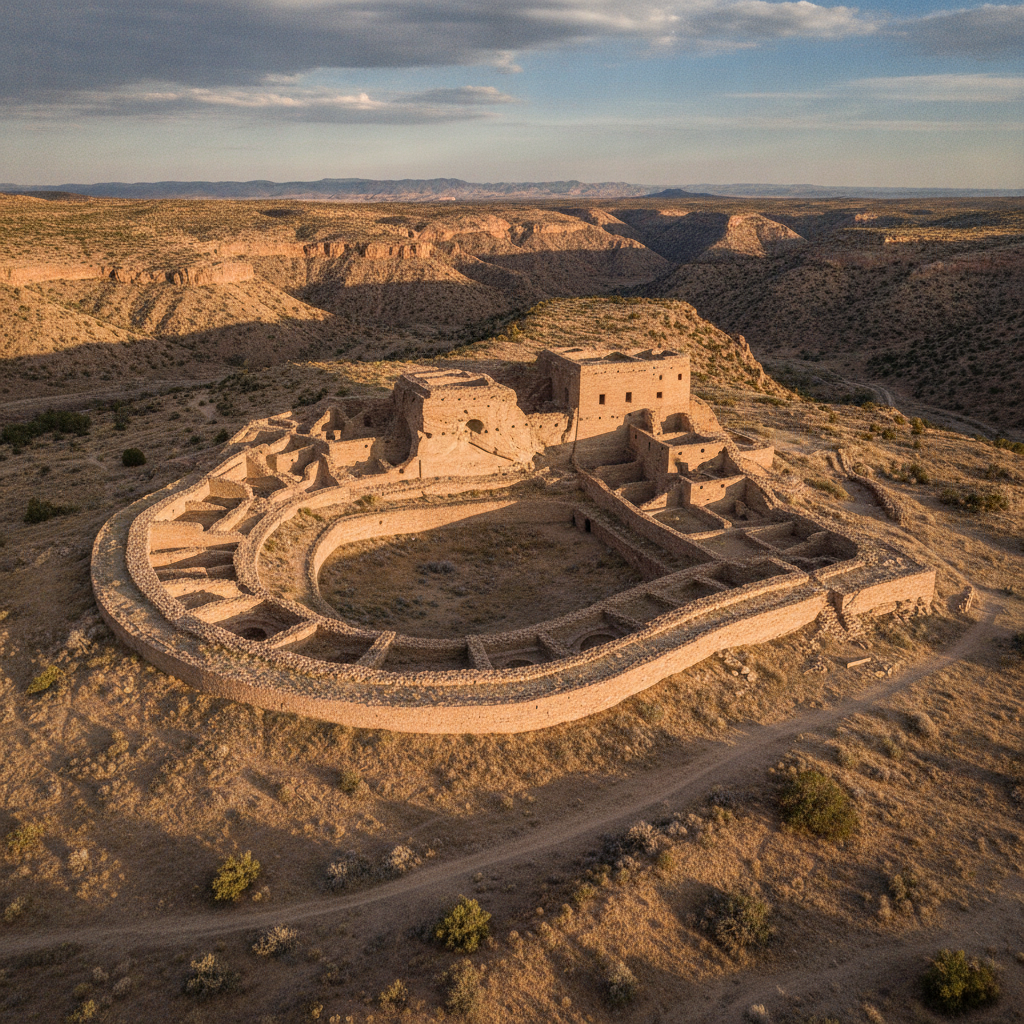
Santa Fe: Roswell, Chaco Culture, Turquoise Trail, Billy the Kid, Farm-to-Table Dining, and City Demographics
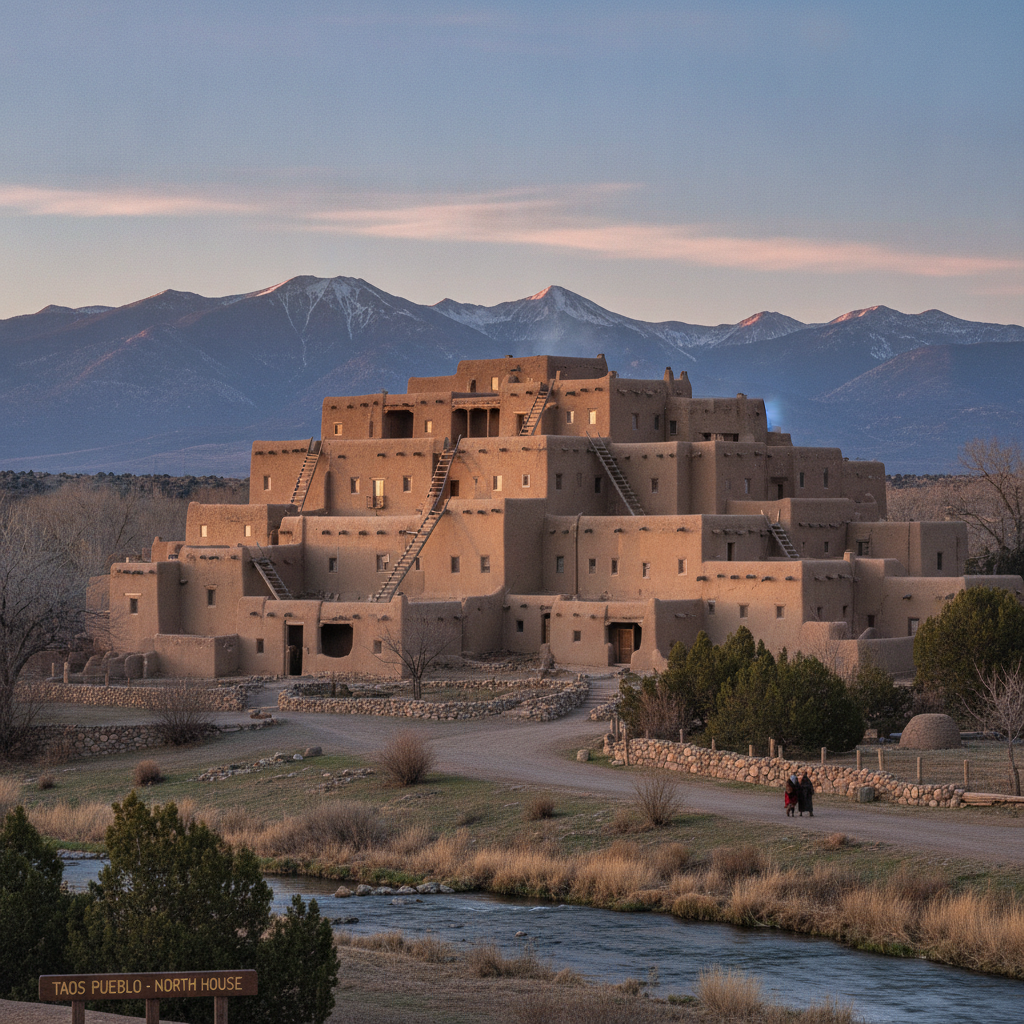
Santa Fe: Pueblo Revolt, Taos Pueblo, High Road, Santa Fe Opera, and Adobe Architecture
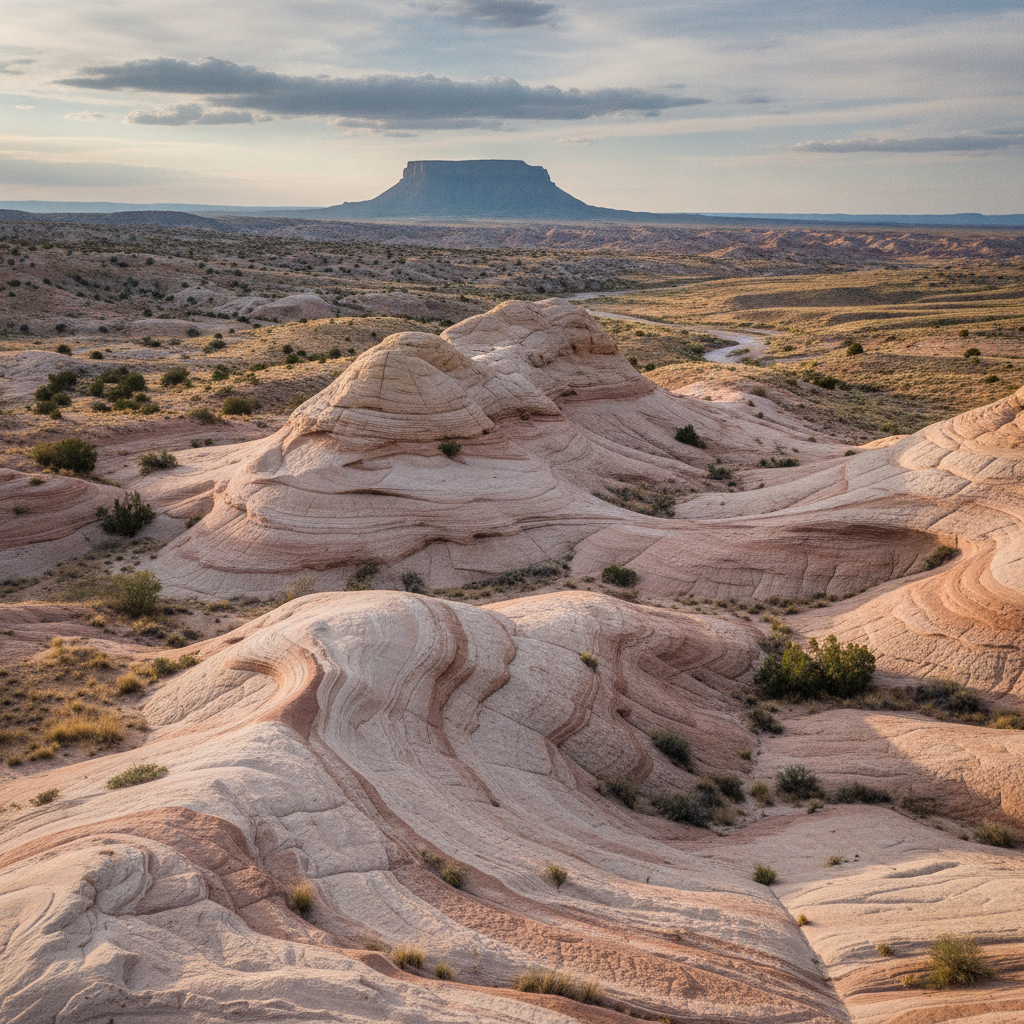
Santa Fe: SITE Santa Fe, Nuclear Heritage, Santa Fe Trail, O'Keeffe at Abiquiu, Acequia Culture, and Economy
Santa Fe: Plaza, Canyon Road, O'Keeffe, Loretto Chapel, Bandelier, and New Mexican Cuisine
Santa Fe: Literary Colony, Museum of Art, Chimayo Weaving, Railyard District, Mountain Life, and Practical Tips