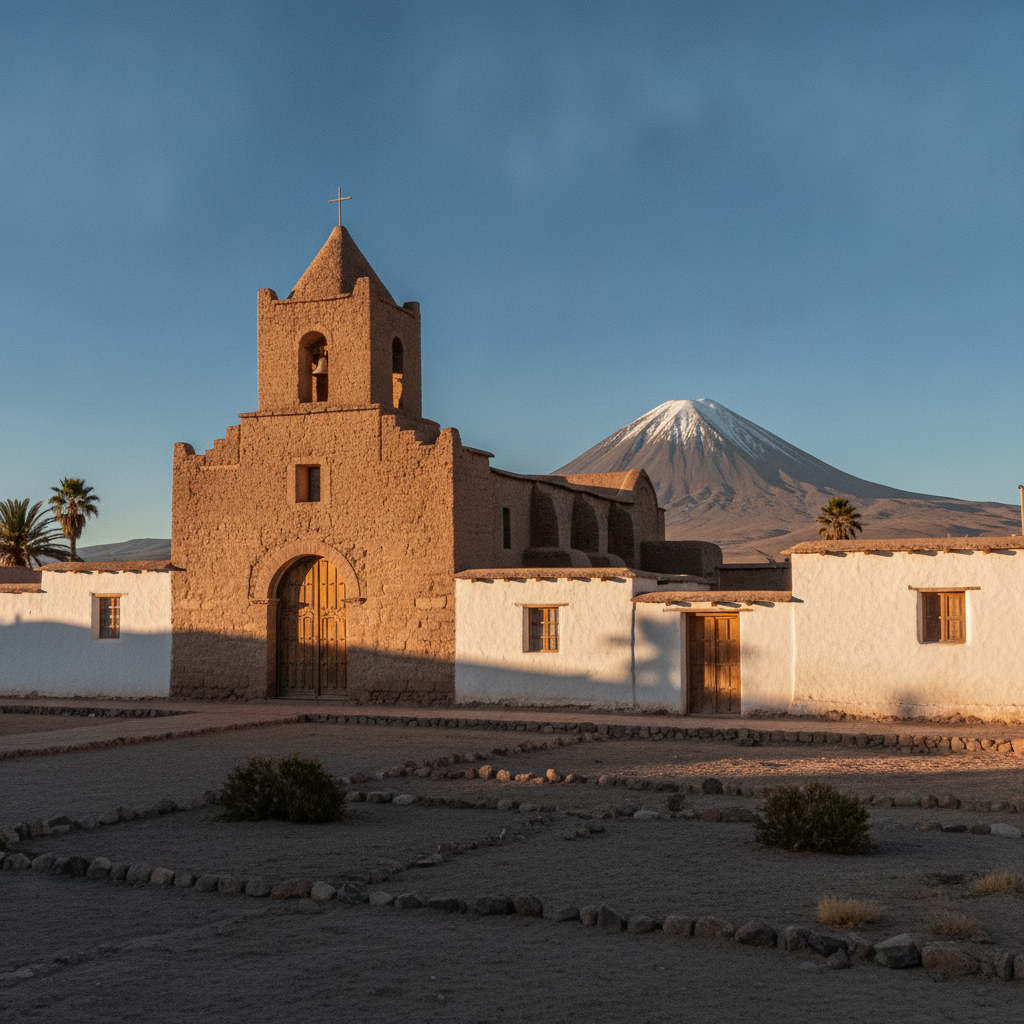
Salar de Atacama: The Flamingo Lagoons, the Lithium Brine Fields, Laguna Chaxa, and the World's Most Mineral-Rich Salt Flat
The Salar de Atacama route covers the world's third-largest salt flat and the most lithium-rich single geological resource on Earth, the Laguna Chaxa flamingo sanctuary as the most accessible single three-species flamingo congregation point in South America, and the brine extraction operations as the most economically significant single mineral resource in the Atacama.
- 1
Laguna Chaxa: The Three-Species Flamingo Colony
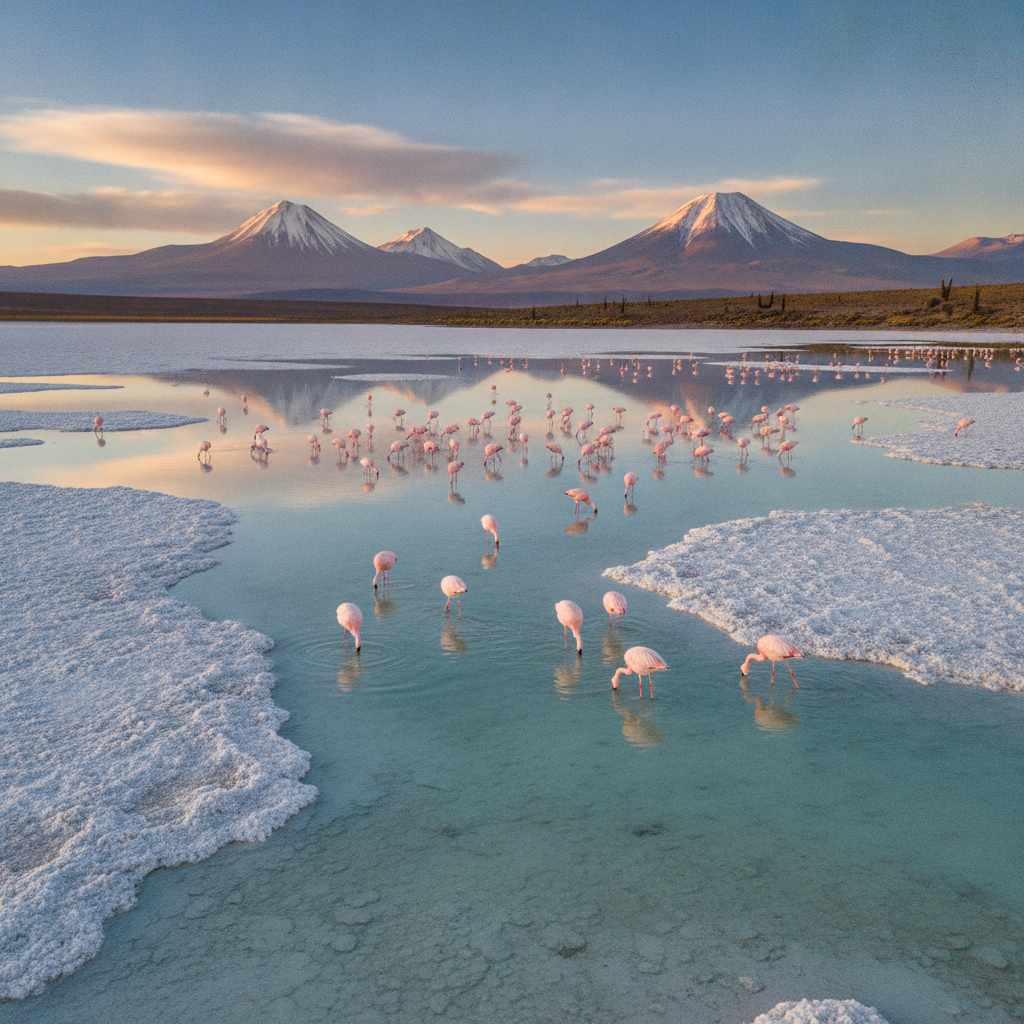
Laguna Chaxa within the Los Flamencos National Reserve on the western edge of the Salar de Atacama is the most accessible single location in the world where all three South American flamingo species (Chilean flamingo, Andean flamingo, and the endangered James's flamingo) feed and breed in the same lagoon, creating the most diverse single flamingo viewing experience in the hemisphere. The lagoon's extreme salinity supports the algae and brine shrimp that the flamingos filter-feed on, and the combination of pink flamingo colonies, white salt crust, volcanic Andes backdrop, and the perfect mirror reflection in the brine creates the most photographically extraordinary single wildlife landscape in South America.
- 2
Salar de Atacama: The Geological Giant
The Salar de Atacama, the 3,000-square-kilometer salt flat at 2,300 meters elevation 55 kilometers south of San Pedro de Atacama, is the world's third-largest salt flat and the most economically significant single mineral deposit currently being extracted in Chile, with brine reserves containing the largest single commercially viable lithium deposit in existence at an estimated 27% of global lithium reserves. The white salt surface stretching to the volcanic Andes horizon, the crystalline halite formations, and the industrial lithium extraction evaporation ponds create the most geologically and economically layered single landscape in the Atacama.
- 3
Lithium Triangle: The White Gold Economy
The Salar de Atacama sits at the center of the Lithium Triangle, the South American region comprising northern Chile, Argentina's Jujuy Province, and Bolivia's Salar de Uyuni that together contain the most concentrated single lithium resource in the world, estimated at 60% of global reserves. The lithium extracted from the Atacama brine by SQM and Albemarle corporations feeds the most critical single supply chain in the global electric vehicle battery industry, making the Salar de Atacama the most geopolitically significant single mineral deposit in the twenty-first century economy and the most strategically important single natural resource in the climate transition era.
- 4
Laguna Tebinquiche: The Sunset Reflections
Laguna Tebinquiche on the western shore of the Salar de Atacama 10 kilometers south of San Pedro de Atacama is the most atmospherically accessible single salt lagoon in the Salar, with the calm brine surface reflecting the western sky in the most mirror-flat single natural reflection in the Atacama and the flamingo silhouettes at sunset creating the most cinematically composed single wildlife-and-light image in northern Chile. The lagoon's accessibility by bicycle from San Pedro de Atacama makes it the most independently reachable single Salar de Atacama landscape feature for self-guided visitors.
- 5
Ojos del Salar: The Freshwater Eyes
Ojos del Salar (Eyes of the Salt Flat), the two circular freshwater pools on the edge of the Salar de Atacama where underground freshwater springs break through the salt crust and maintain the most improbably clear single freshwater lens floating above the dense saline brine, are the most geologically anomalous single water feature in the Atacama Desert and the most counterintuitively crystalline single swimming spot accessible from San Pedro de Atacama. The freshwater transparency revealing the saline brine below, the surrounding white salt crust, and the Andes backdrop create the most surreally contrasted single natural pool experience in South America.
- 6
Flamingo Breeding Biology: The Atacama Life
The flamingo breeding ecology of the Salar de Atacama, where the extreme salinity concentrations that make the habitat uninhabitable for most life create the most productive single food environment for the brine shrimp and diatom algae that the flamingos exclusively feed on, represents the most extreme single example of biological specialization in the Atacama Desert and the most scientifically instructive single case of animal adaptation to hyperarid conditions in the Southern Hemisphere. The CONAF ranger-guided interpretive tours at Laguna Chaxa provide the most biologically educational single flamingo ecology explanation available in the Atacama Region.
Walk this route with audio
Stories play automatically as you reach each stop — no tapping needed.
More in San Pedro de Atacama

Valle de la Luna at Sunset: The Salt Formations, Valle de la Muerte, the Cordillera de la Sal, and the Most Spectacular Desert Dusk
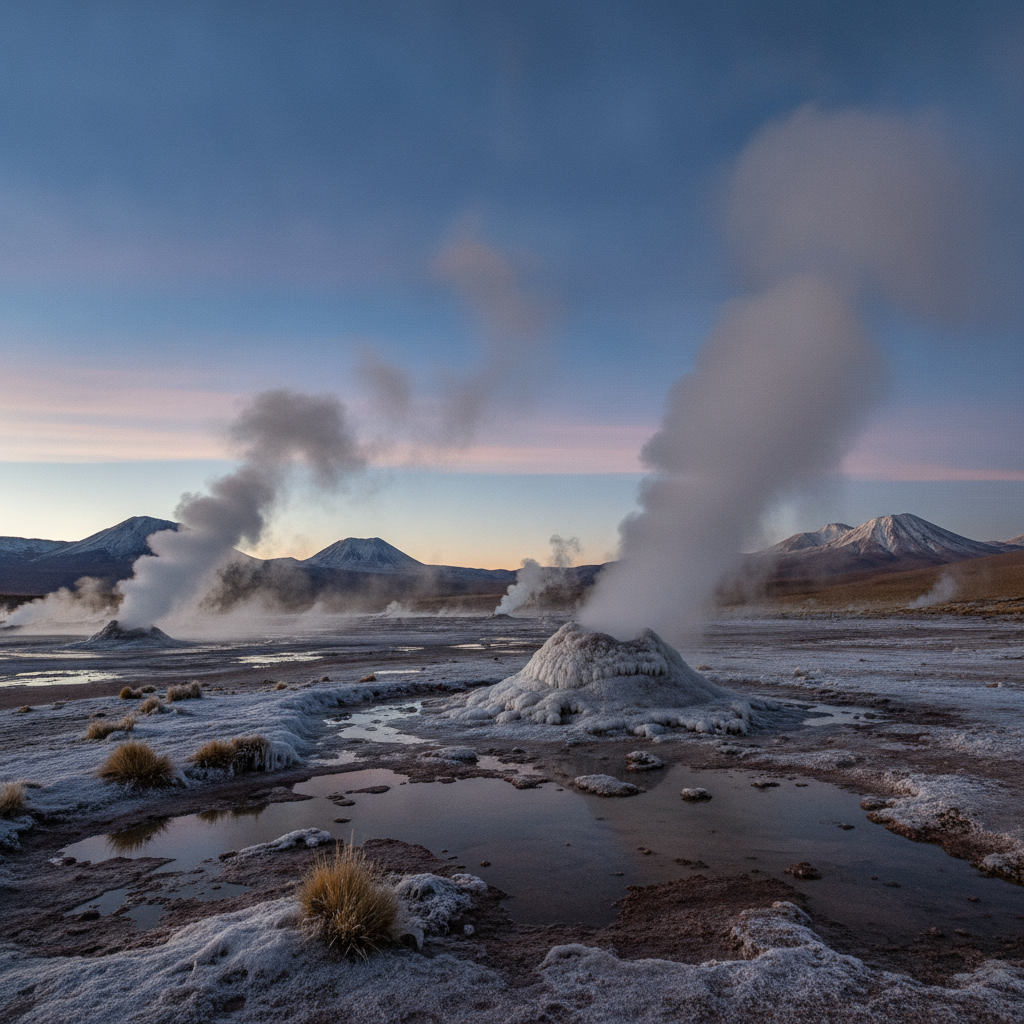
El Tatio Geysers: The Dawn Eruptions, the Thermal Pools, the Altiplano Wildlife, and the Third-Largest Geyser Field in the World
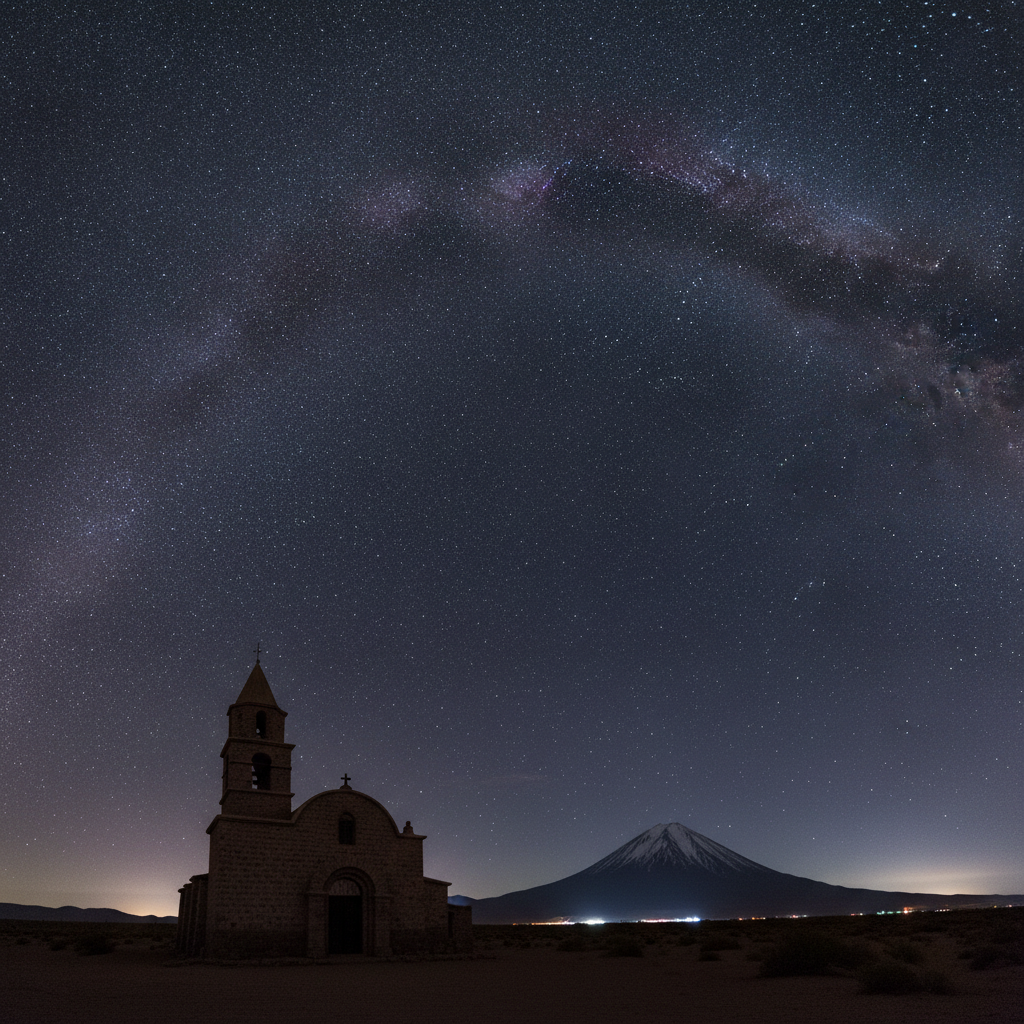
San Pedro de Atacama Stargazing: The Darkest Sky, the Private Observatories, the ALMA Radio Telescope, and the World's Premier Astronomical Destination
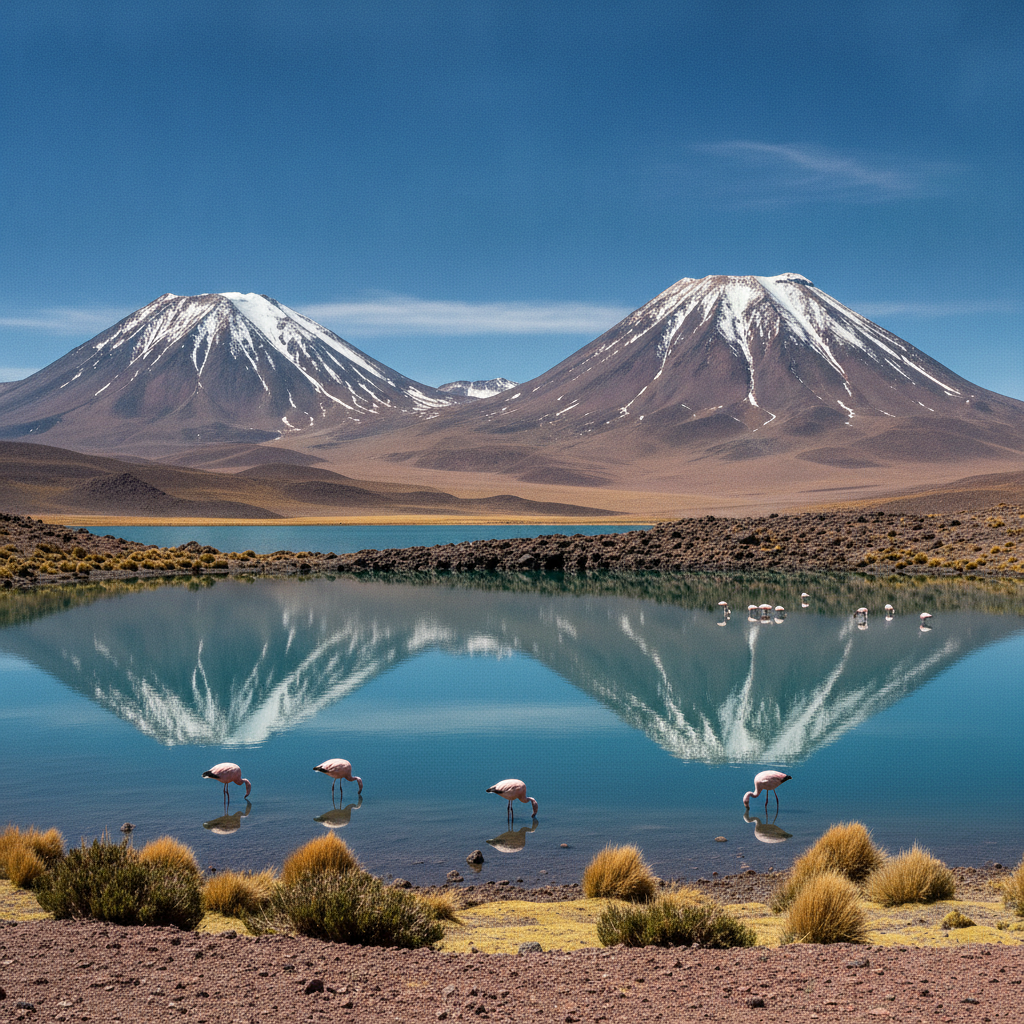
Altiplano Lagoons: Lagunas Miscanti and Miñiques, the 4300-Meter Andes Scenery, and the Atacama Altiplano Wildlife
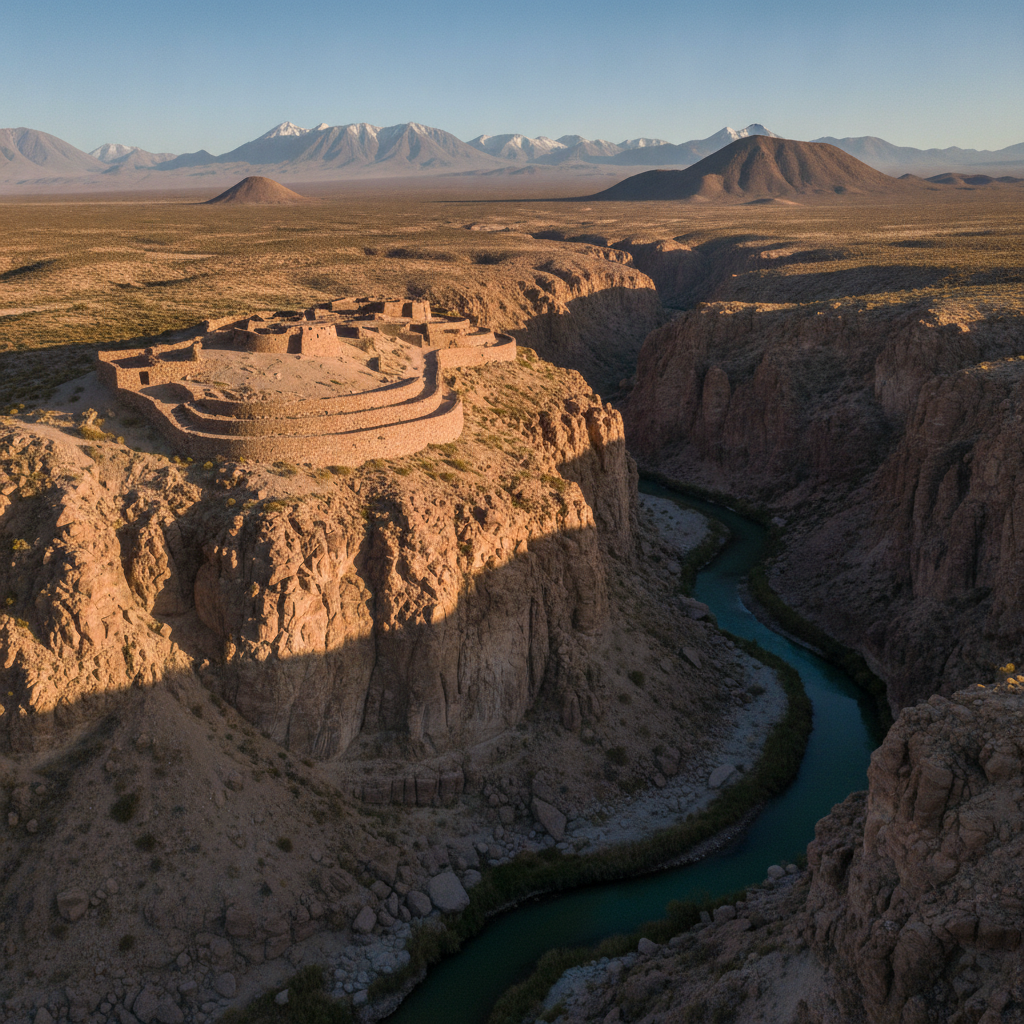
Atacameño Archaeological Heritage: Pukará de Quitor, Aldea de Tulor, the Atacameño Cultural Tradition, and 10,000 Years of Desert Civilization