San Juan: Old City Cobblestones, El Morro Fortress, Salsa Music Origins, and El Yunque Rainforest
San Juan, the capital of Puerto Rico and the most visited destination in the Caribbean, combines the finest Spanish colonial city in the United States in Old San Juan, the 16th-century Atlantic fortress of El Morro, the origin of modern salsa music, and the only tropical rainforest in the US National Forest system.
- 1
Old San Juan: The Blue Cobblestone City
Old San Juan, the fortified colonial city on a small island connected to the main Puerto Rico island by bridges, is the most completely preserved Spanish colonial city in the United States, with the blue-painted cobblestone streets, the colorful colonial houses, the 16th-century fortifications, and the Puerto Rican cultural life creating a walking environment of extraordinary richness. The islet is completely enclosed by the Spanish military fortification system of La Muralla, the city walls that define the perimeter of the colonial settlement.
- 2
El Morro: The Atlantic Sentinel
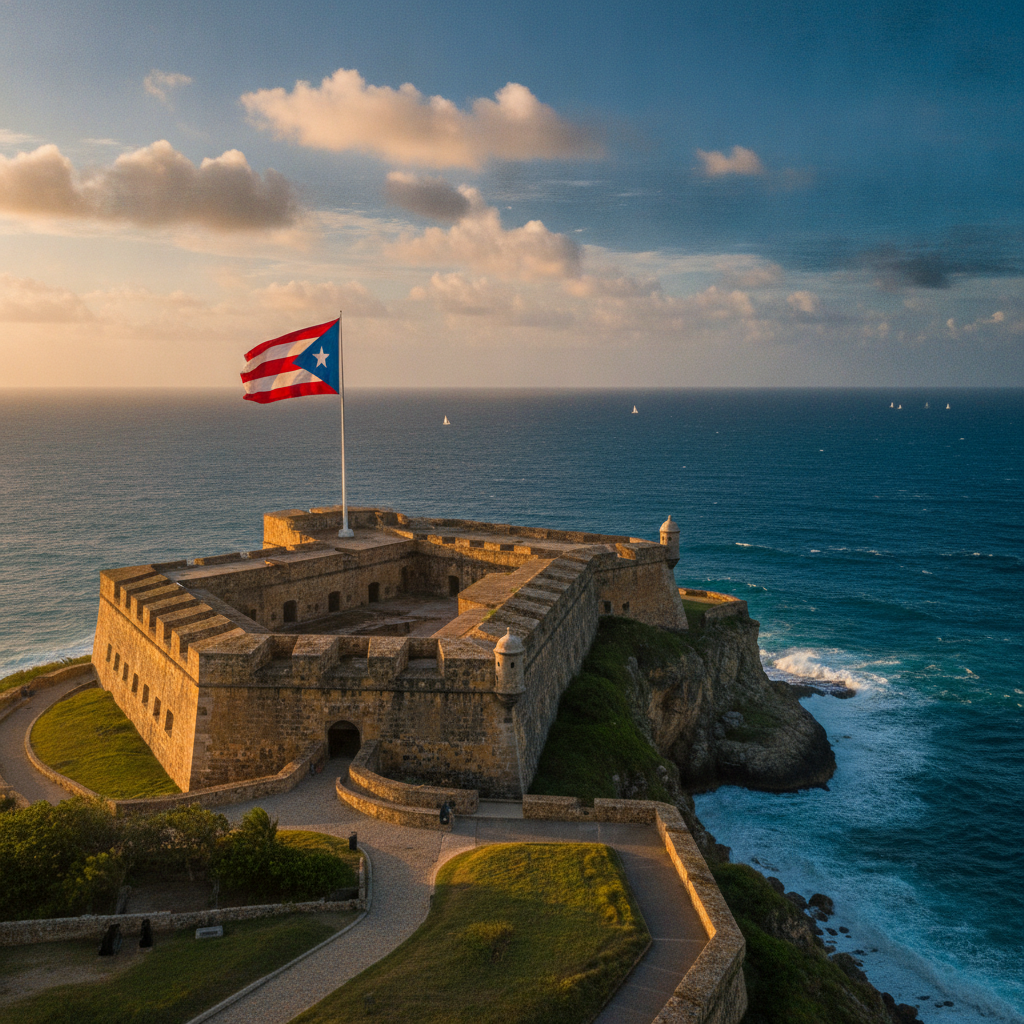
El Castillo San Felipe del Morro, the six-level fortification built from 1539 to 1787 on the headland guarding the entrance to the San Juan Bay, is the finest example of Spanish colonial military architecture in the Americas and the symbol of Puerto Rico's strategic position as the gateway to the Spanish empire. The lighthouse at the tip of El Morro, the expansive grassy esplanade used for kite flying, and the dramatic ocean views from the fortification walls make El Morro the most visited site in Puerto Rico.
- 3
San Cristobal: The Eastern Defense
Castillo San Cristobal, the largest fortification built by the Spanish in the Americas and the eastern anchor of the Old San Juan defensive system, was built between 1634 and 1783 to protect the city from land-based attacks from the east. The vast tunnel system, the dry moat, and the multiple redoubt system of San Cristobal demonstrate the engineering sophistication of the 18th-century Spanish military architecture that made Puerto Rico impregnable from both sea and land.
- 4
Salsa and the Puerto Rican Music Identity
Puerto Rico is the origin of salsa music in its modern form, with the musicians of the Puerto Rican barrios of New York who connected with the Cuban son tradition in the 1960s and 1970s to create the Fania Records salsa phenomenon. The Puerto Rican salsa tradition runs from Tito Puente and Celia Cruz through the Fania All Stars and Ruben Blades to the contemporary generation of Puerto Rican urban music that has made Daddy Yankee and Bad Bunny the most streamed Spanish-language musicians in the world.
- 5
Condado and Isla Verde: The Modern Beach District
Condado and Isla Verde, the hotel and beach districts of the San Juan metropolitan area adjacent to Old San Juan, provide the luxury resort hotel infrastructure and the Atlantic ocean beach access that supplements the colonial city experience. Condado, with the art deco hotel towers and the beach bar culture of the Ventana del Mar beach park, is the social center of the upscale San Juan tourism while Isla Verde, closer to the airport, hosts the casino hotels.
- 6
El Yunque: The Caribbean National Forest
El Yunque National Forest, the only tropical rainforest in the United States National Forest system, is located 40 kilometers east of San Juan in the Sierra de Luquillo mountains and protects the last significant area of the subtropical wet forest that once covered most of Puerto Rico. The La Mina waterfall trail, the tower viewpoints, and the extraordinary bird diversity including the endemic Puerto Rican parrot make El Yunque the most important natural attraction accessible from the capital.
Walk this route with audio
Stories play automatically as you reach each stop — no tapping needed.
More in San Juan
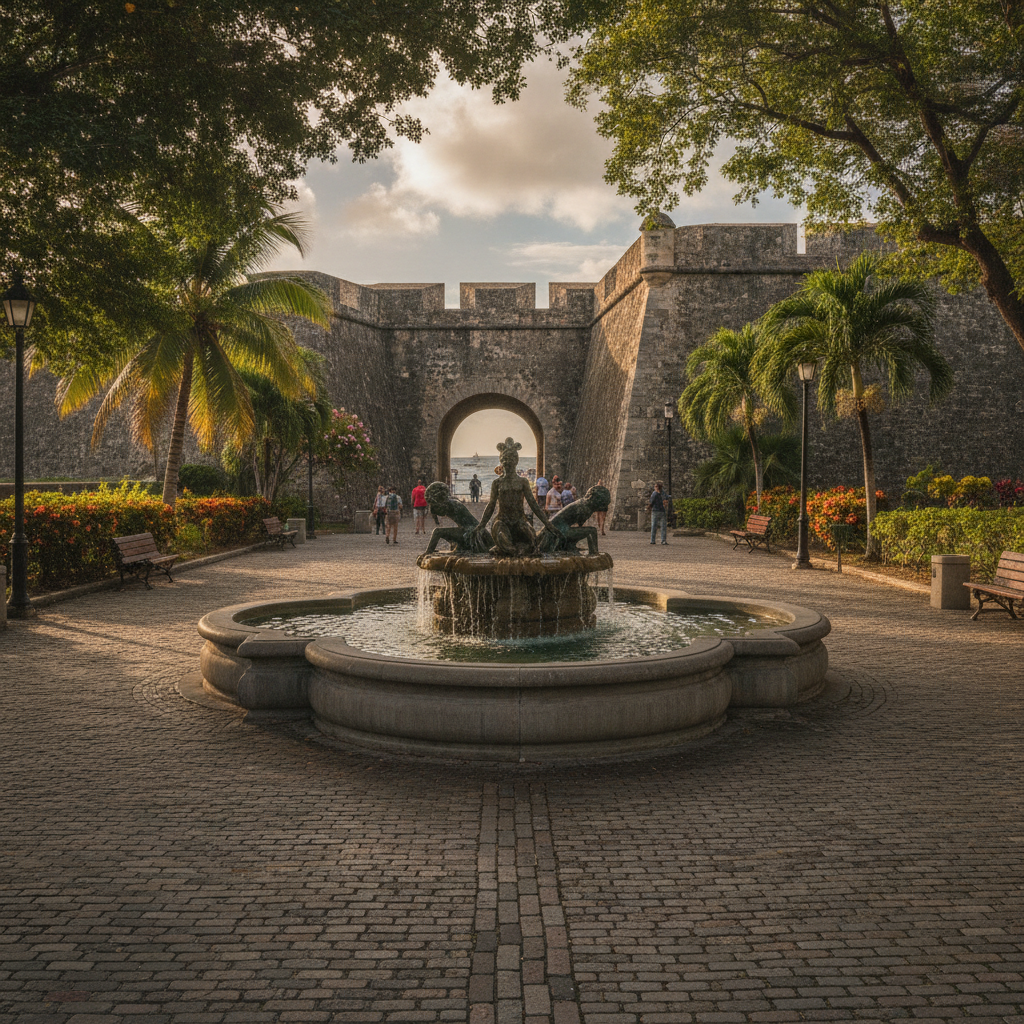
San Juan Historic Institutions: El Capitolio, La Fortaleza Governor's Mansion, Casa Blanca, and the Waterfront Promenade
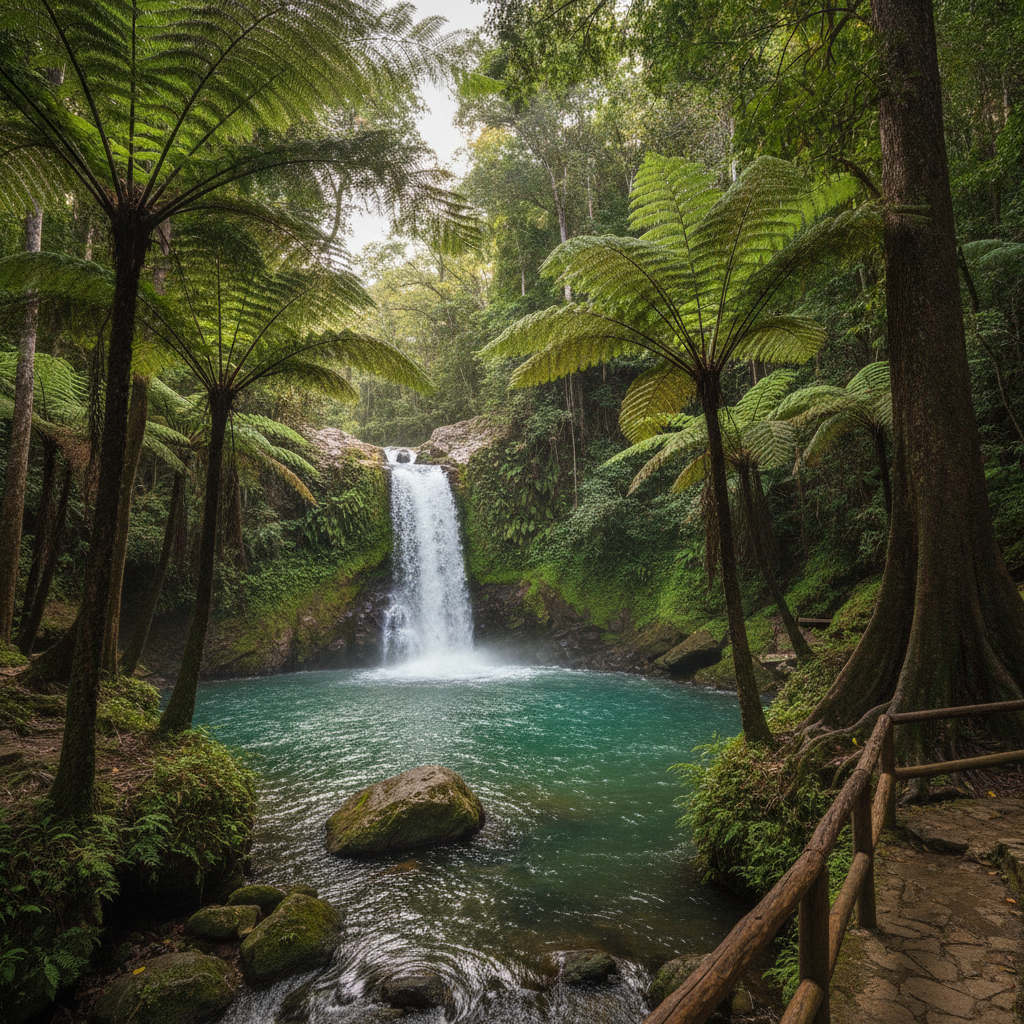
Puerto Rico Nature: El Yunque Waterfall, Puerto Rican Parrot Recovery, Coqui Frog Chorus, Taino Rock Art, and the Arecibo Observatory Legacy
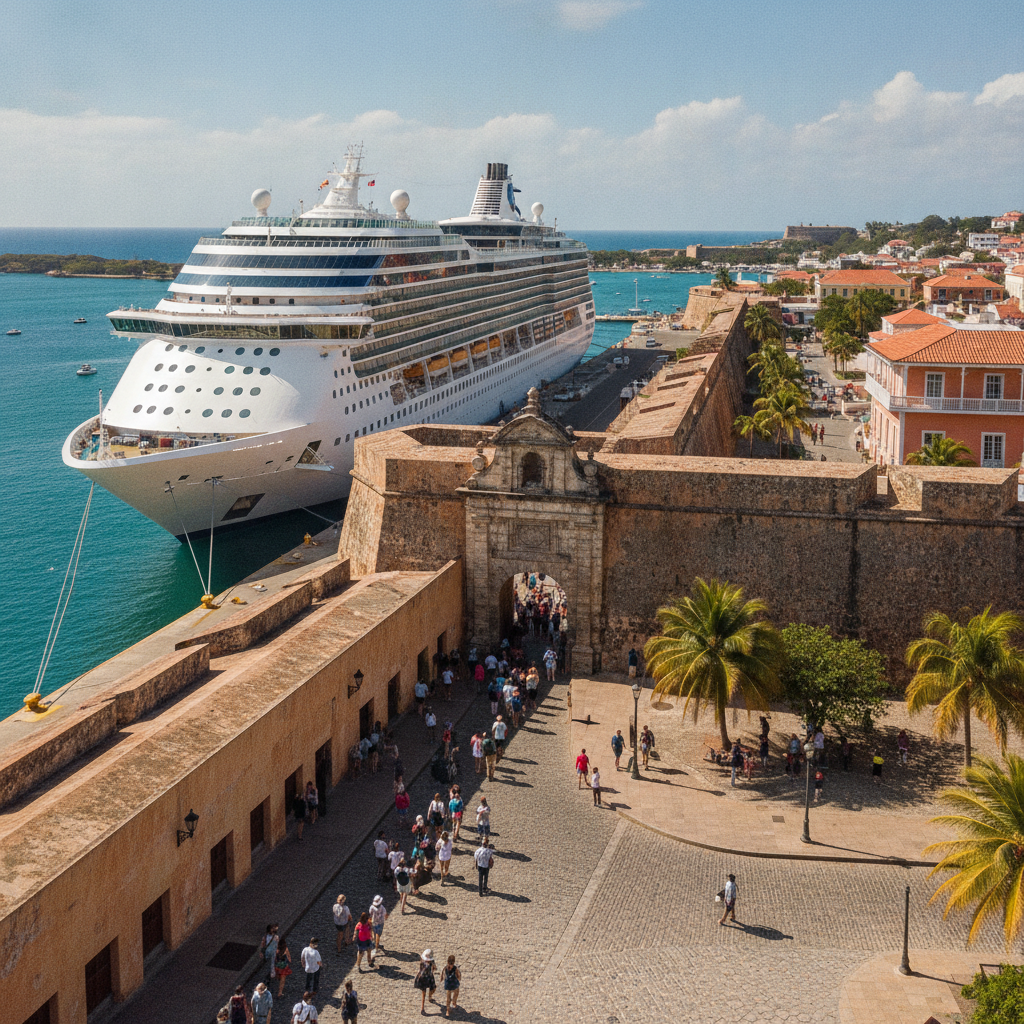
San Juan Infrastructure and Economy: Caribbean Crossroads Airport, Cruise Port, Act 60 Digital Nomads, Puerto Rican Rum, and Santurce Street Art
San Juan Food and Culture: Mofongo, La Mallorca Breakfast, Santurce Arts District, Piragua, and the Pinones Beach Food
Puerto Rico: Political Status, Hurricane Maria, Boricua Identity, Fania Records, and Regueton World Domination