San Jose Arts, Music, and the Contemporary Cultural Scene
San Jose has a denser cultural infrastructure than its size and regional position would suggest. The National Symphony Orchestra, founded in 1970, is one of the oldest in Central America. The contemporary art scene is concentrated in Barrio Escalante and Barrio Amon. The marimba and cimarrona traditions of popular music coexist with a jazz scene, an electronic music community, and the most active theater circuit in Central America. This route maps the cultural geography of a city whose self-confidence as a cultural capital has grown significantly in the past decade.
- 1
Teatro Nacional and the National Symphony Orchestra
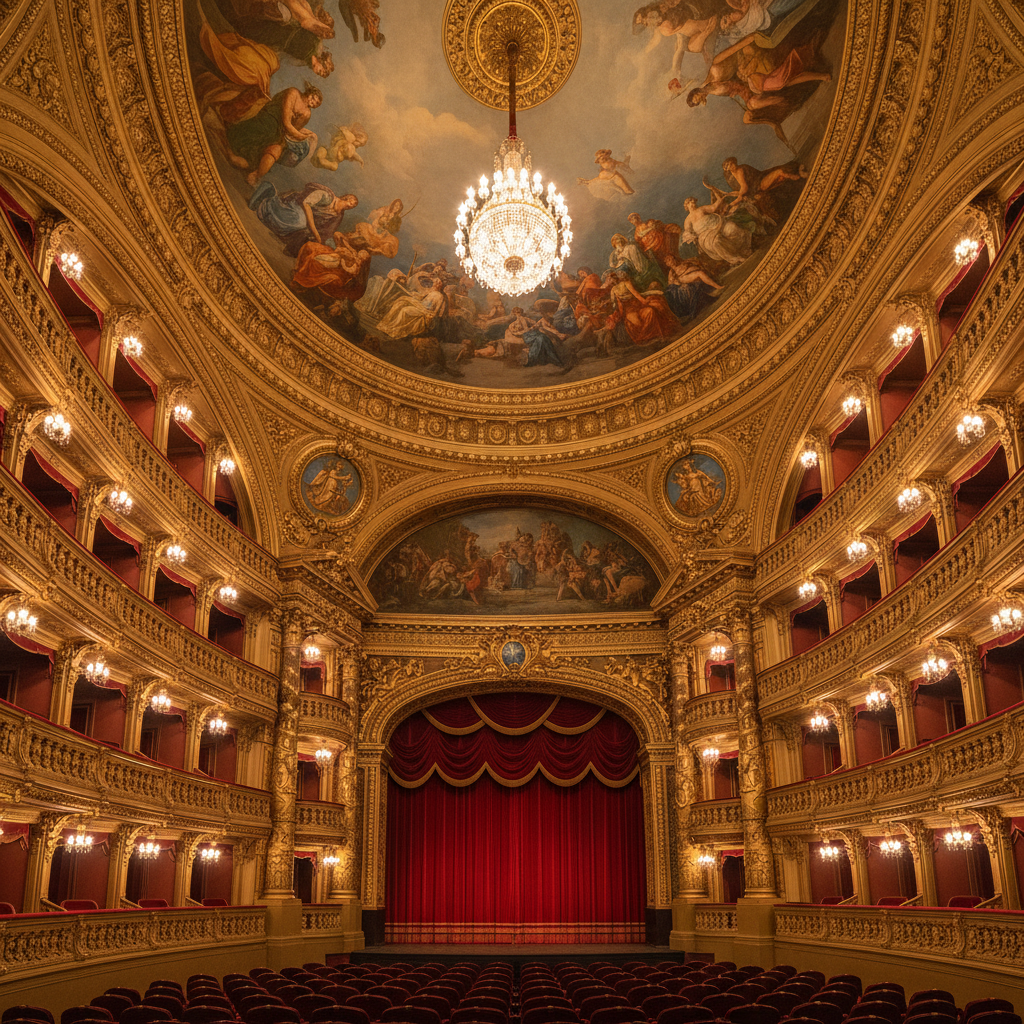
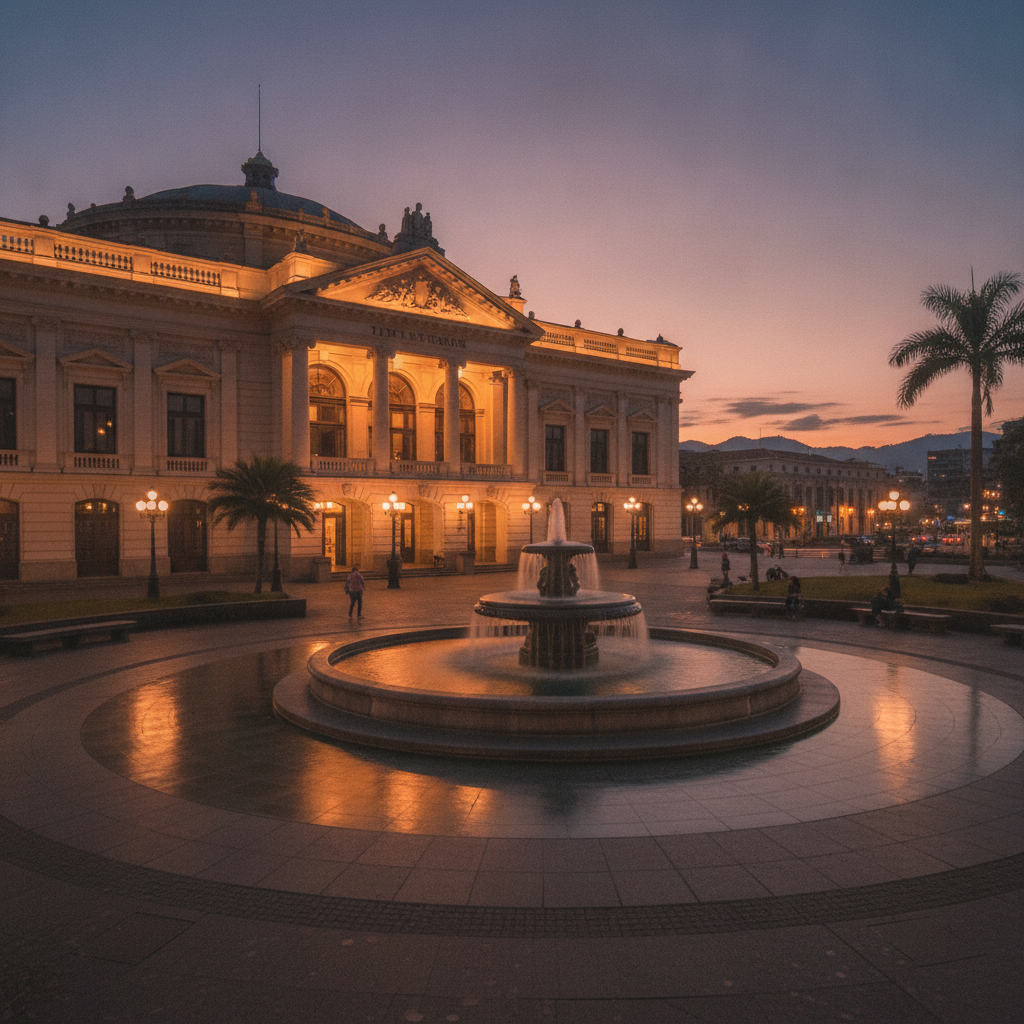
The Teatro Nacional built in 1897 houses the Orquesta Sinfonica Nacional, one of the oldest symphony orchestras in Latin America. The orchestra was reconstituted in 1970 after a dormant period and has maintained a year-round season since. The building itself, with its Italian marble foyer, French-painted allegorical ceiling, and gilded horseshoe auditorium, remains the most formally beautiful interior in Costa Rica. Tickets are accessible and inexpensive by comparison with equivalent venues in North America and Europe. The plaza in front of the Teatro Nacional is a social hub, with cafes and informal performances extending the cultural life of the building into the surrounding space.
- 2
Contemporary Art Galleries: Barrio Amon and the Exhibition Circuit
The gallery circuit of San Jose concentrates in Barrio Amon, where restored Victorian-era houses have been converted to exhibition spaces, and in Barrio Escalante, which has attracted younger galleries with a more experimental program. The Museo de Arte y Diseno Contemporaneo (MADC) in the former National Liquor Factory building is the primary public institution for contemporary art, with a permanent collection and rotating exhibitions covering Costa Rican and regional Central American work. The gallery openings on the last Thursday of each month, known as Jueves Cultural, create a circuit through Barrio Amon that functions as the social center of the visual arts community.
- 3
Traditional Music: Marimba, Cimarrona, and Regional Folk Traditions
The marimba, adopted from African and indigenous instruments and developed into the distinctive Central American form, is the national instrument of Costa Rica as it is of Guatemala. The cimarrona, a brass and percussion ensemble, plays at religious festivals, civic events, and horse parades (topes) that are among the most popular public celebrations in the country. The December 26 horse parade through San Jose attracts hundreds of thousands of spectators. The Guanacaste province preserves the most intact regional folk music tradition, with punto guanacasteco, a guitar and vocal form, designated as the national dance and music of Costa Rica.
- 4
Jazz, Theater, and the Independent Cultural Economy
San Jose has a jazz scene anchored by the Jazz Cafe, a dedicated jazz venue that has hosted international and Latin jazz artists since 1997 and operates as a restaurant and music venue in San Pedro near the University of Costa Rica. The theater circuit is the most active in Central America, with multiple companies producing Spanish-language work in venues from the Teatro Nacional to small black-box spaces in Barrio Escalante. The independent cultural economy, cooperatives, artist collectives, and self-funded festivals, has grown through the 2010s as a response to limited public arts funding and has produced a more diverse and experimental cultural ecology.
- 5
Street Art, Public Murals, and Barrio Escalante Visual Culture
Barrio Escalante has accumulated one of the densest concentrations of commissioned and unsanctioned street art in Central America. Several blocks along the Paseo Gastronomico and surrounding streets are effectively an outdoor gallery of murals ranging from political commentary to abstract design. The municipality has alternated between tolerance and removal campaigns, and the most significant works have been documented before disappearing under new paint. The street art scene draws from a young Costa Rican artist community that intersects with the tattoo industry, the design community, and the festival culture that brings international artists to the city for residencies and collaborative projects.
- 6
Festivals and Cultural Calendar: Transitarte, FIA, and the International Arts Circuit
The Festival Internacional de las Artes (FIA), held in even years, brings international theater, dance, music, and visual art productions to San Jose venues and public spaces for two weeks. Transitarte, a mobile festival that takes performances into peripheral neighborhoods not usually served by the formal arts infrastructure, operates in odd years as a counterpart. The Envision Festival in Uvita on the Pacific coast has made Costa Rica a destination on the international transformational festival circuit. The cultural calendar is densest between January and April, when the dry season makes outdoor programming reliable, and the competition for audiences and venues is most intense.
Walk this route with audio
Stories play automatically as you reach each stop — no tapping needed.
More in San Jose

San Jose Practical Guide: Getting Around, Neighborhoods, Safety, and Living Costs
Costa Rican Food Culture: Gallo Pinto, Sodas, Coffee, and the Farm-to-Table Revolution
Costa Rica History: Coffee Republic, 1948 Civil War, and the Abolition of the Army
San Jose as Base: Volcanoes, Cloud Forests, and the Central Valley Day Trip Circuit
San Jose Costa Rica: Gold Museum, Barrio Amon, Teatro Nacional, and the Meseta Central