San Diego: Eocene Sea Cliffs, the World Largest Chicano Mural Collection and Bing Crosby Racetrack
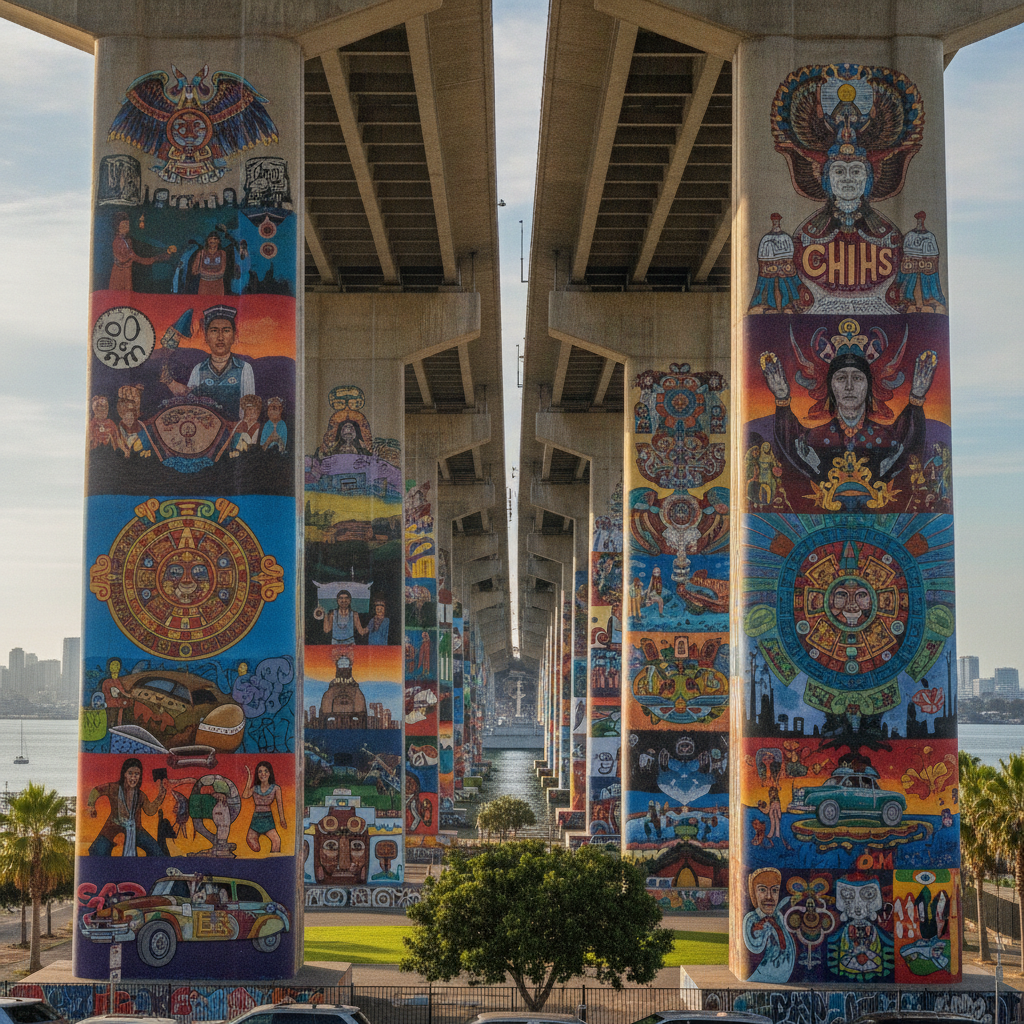
Watch the sunset from Sunset Cliffs sandstone formation eroded into blowholes and sea caves on the Point Loma coast, sit on the grass berm at Petco Park to watch the Padres play the Dodgers in the best regional rivalry on the NL West, tour the 80-plus Chicano murals covering the Coronado Bridge pylons in Barrio Logan created after a 1970 occupation, see thoroughbreds race where Pacific Ocean surf meets turf in Del Mar since Bing Crosby founded the track in 1937, and understand the Mediterranean biodiversity of the Californias bioregion at the Natural History Museum.
- 1
Sunset Cliffs and Coastal Geology
Sunset Cliffs Natural Park on the western edge of Point Loma Peninsula preserves 1.5 miles of dramatic sandstone and mudstone sea cliffs eroded by wave action into caves, arches, surge channels, and blowhole formations. The cliffs reach 40 feet in height and are composed of sedimentary rock deposited during the Eocene epoch approximately 50 million years ago. The park is one of the premier sunset viewing locations in San Diego and draws crowds nightly. The tide pools at the base of the cliffs, accessible at low tide, contain hermit crabs, sea anemones, mussels, urchins, and occasional octopus. The area is a surfing destination for experienced surfers who navigate rocky entries. The cliff tops are unguarded and have been the site of multiple fatal falls over decades. The surrounding Ocean Beach and Point Loma community is one of the more geographically isolated neighborhoods in San Diego due to the peninsula topography.
- 2
San Diego Padres and Baseball Culture
Petco Park in the East Village district of downtown San Diego, designed by Populous architects and opened in 2004, is built into the surrounding street grid rather than set apart as a standalone stadium, with warehouse buildings incorporated into the outfield structure and the 14-story Western Metal Supply Co. building forming the left-field foul pole corner. The Park at the Park is a 2.7-acre grassy berm beyond the center field fence where fans can watch the game on the grass for a reduced ticket price. The Padres history includes the great Tony Gwynn, arguably the best pure hitter of his generation, eight-time National League batting champion, and local hero who spent his entire career in San Diego rather than taking higher-paying offers elsewhere. The San Diego Padres have been the perennial underdogs of the NL West against the Los Angeles Dodgers, a rivalry with geographical and cultural dimensions that resonates strongly with San Diegans.
- 3
Barrio Logan and Chicano Park
Barrio Logan, a predominantly Mexican American neighborhood south of downtown San Diego along the waterfront between the San Diego Bay and Interstate 5, is home to Chicano Park, a community park created in 1970 when neighborhood activists occupied land beneath the Coronado Bridge after the state attempted to build a highway patrol substation there. The park contains the largest collection of outdoor Chicano murals in the world, with over 80 murals covering the concrete pylons of the Coronado Bridge painted by artists from across the Chicano art movement beginning in 1973. The murals document Aztec history, Mexican American labor history, the Chicano movement, and local community identity. Barrio Logan has developed an arts district around National Avenue with galleries, studios, restaurants, and a community of working artists. The neighborhood is adjacent to naval shipbuilding facilities creating an unusual juxtaposition of heavy industry and vibrant community art.
- 4
Del Mar and the Horse Racing Season
Del Mar, a coastal city 20 miles north of downtown San Diego known for its beaches, upscale restaurants, and the Del Mar Thoroughbred Club racetrack, has hosted thoroughbred racing every summer since 1937 when Bing Crosby founded the track with Pat O Brien and other Hollywood celebrities. The track song Where the Turf Meets the Surf captures the unique setting where the Pacific Ocean is visible from the grandstands. Del Mar holds one of the most prestigious turf racing programs on the American circuit. The Del Mar Fairgrounds, the same venue in the racing off-season, hosts the San Diego County Fair each summer, drawing over 1 million visitors and operating as one of the largest county fairs in California. The downtown Del Mar village of independent shops and restaurants along 15th Street is small and walkable. Real estate in Del Mar is among the most expensive in California.
- 5
San Diego Natural History Museum
The San Diego Natural History Museum in Balboa Park, founded in 1874, is the oldest scientific institution in Southern California and holds collections of over 8 million specimens of regional and global natural history. The museum focuses specifically on the biodiversity of the Californias bioregion, meaning Baja California and coastal Southern California, which constitute one of only five Mediterranean climate regions on earth and contain extraordinary levels of plant and animal endemism. The museum conducts active field research documenting species in Baja California and operates mobile biodiversity units. The IMAX theater shows natural history films. The museum was designed in the early 20th century Spanish Colonial Revival style that defines Balboa Park but the interior was modernized. The Canyons of Baja California exhibition connects San Diego to its cross-border ecological twin in ways most San Diegans do not encounter in daily life.
- 6
San Diego International Airport and Practical Guide
San Diego International Airport at Lindbergh Field, opened on the site where Charles Lindbergh tested his Spirit of St. Louis before the 1927 transatlantic flight, is one of the busiest single-runway airports in the world handling over 25 million passengers annually. The airport is 3 miles from downtown and served by the MTS Rapid 992 express bus. The downtown trolley system connects major neighborhoods and crosses the Mexican border to Tijuana at the San Ysidro crossing. San Diego weather is the most consistently pleasant of any large American city, with June Gloom, a marine layer of low clouds in the morning from May through July, being the primary complaint. Average temperature ranges from 57 degrees in January to 72 degrees in August. Hotel rates are highest in summer and around Comic-Con weekend in July. The city divides naturally into beach communities, inland neighborhoods, and downtown, each requiring different logistical approaches.
Walk this route with audio
Stories play automatically as you reach each stop — no tapping needed.
More in San Diego
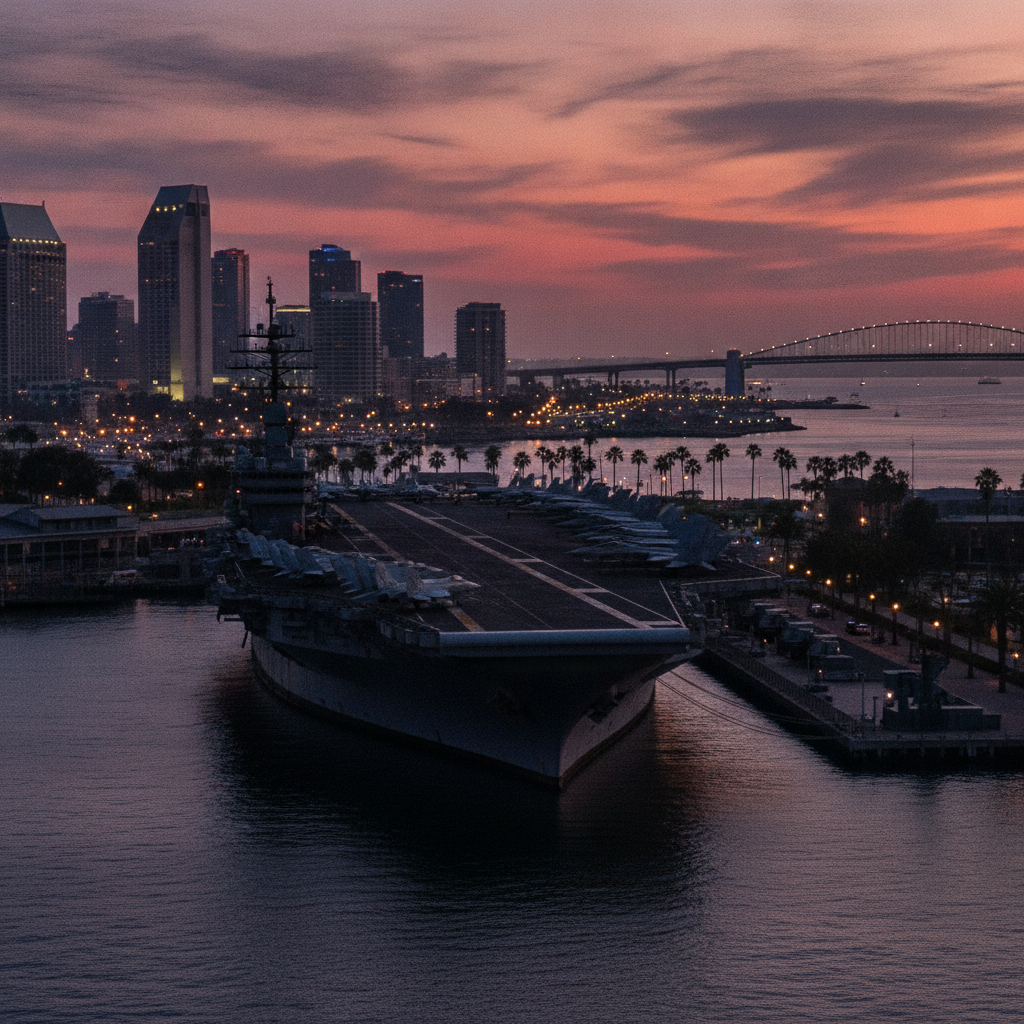
San Diego: Tijuana Day Trip (world busiest border crossing, Caesar salad origin 1924, Baja Med cuisine, Tijuana craft beer), USS Midway Museum (longest-serving 20th century carrier, 29 restored aircraft), Torrey Pines State Reserve (rarest North American pine, gliderport paragliding, Del Mar Racetrack), Mission Bay SeaWorld and Ocean Beach, Julian Gold Rush Town (apple pie, Cuyamaca Mountains, Cedar Fire recovery), and San Diego to Los Angeles Pacific Coast Highway Drive
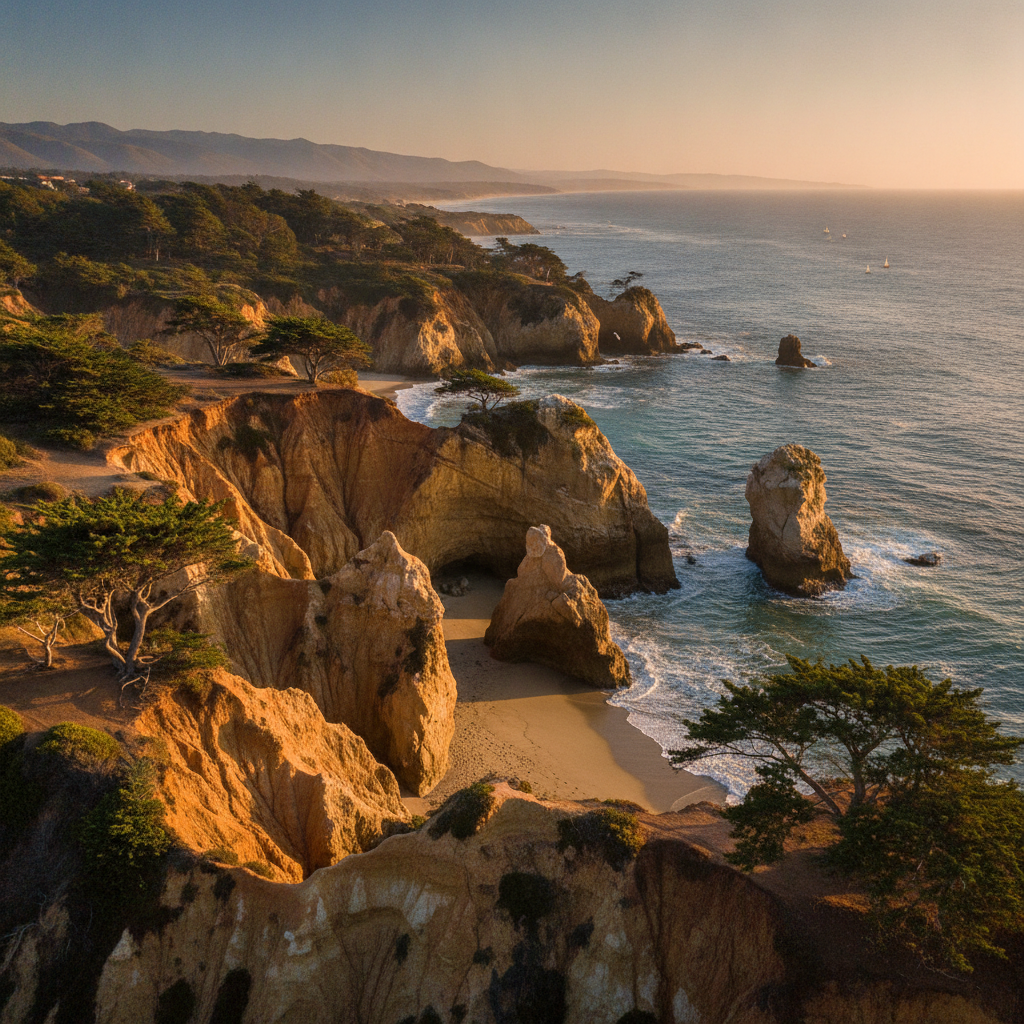
San Diego: Rarest Pine Tree in America, the World Oldest Sailing Ship and a 7000 Acre City Wilderness
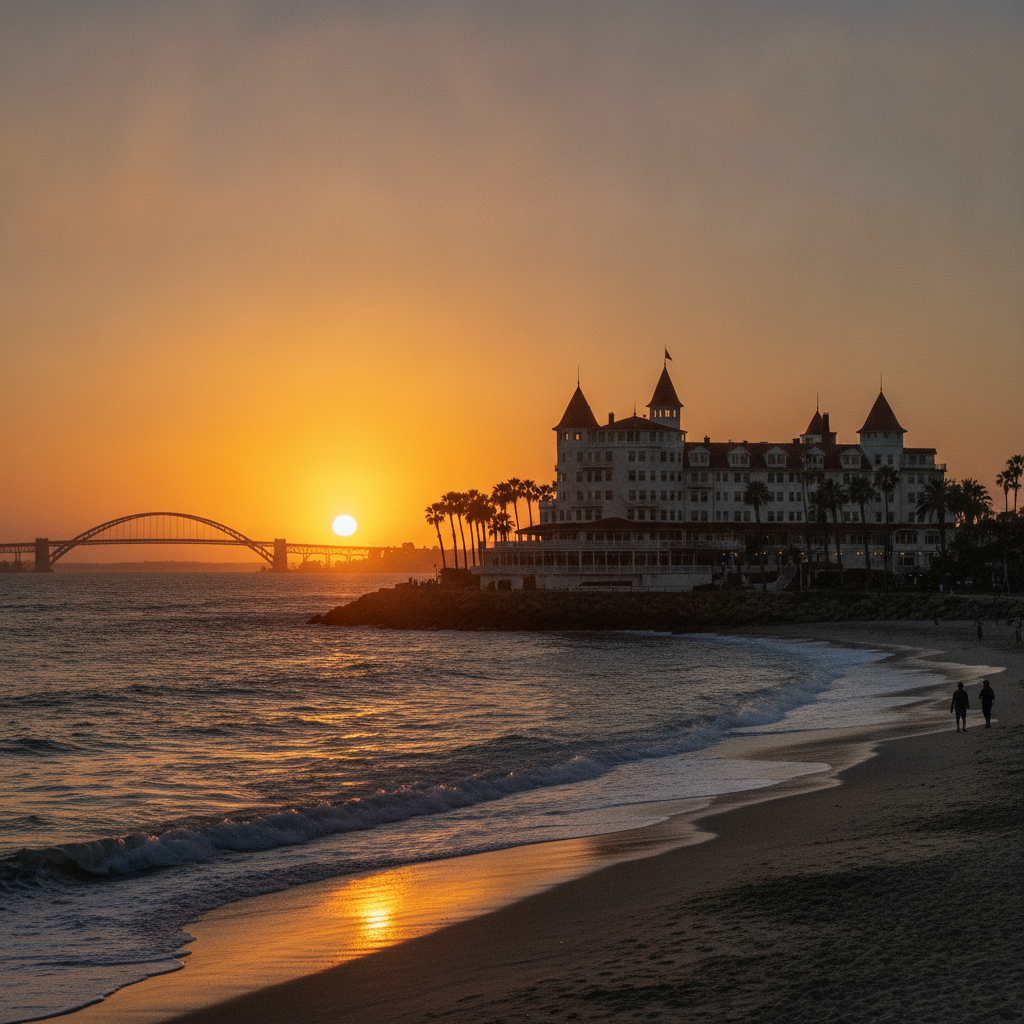
San Diego: Victorian Beach Palace, Free Organ Concerts Since 1915 and Caesar Salad Birthplace
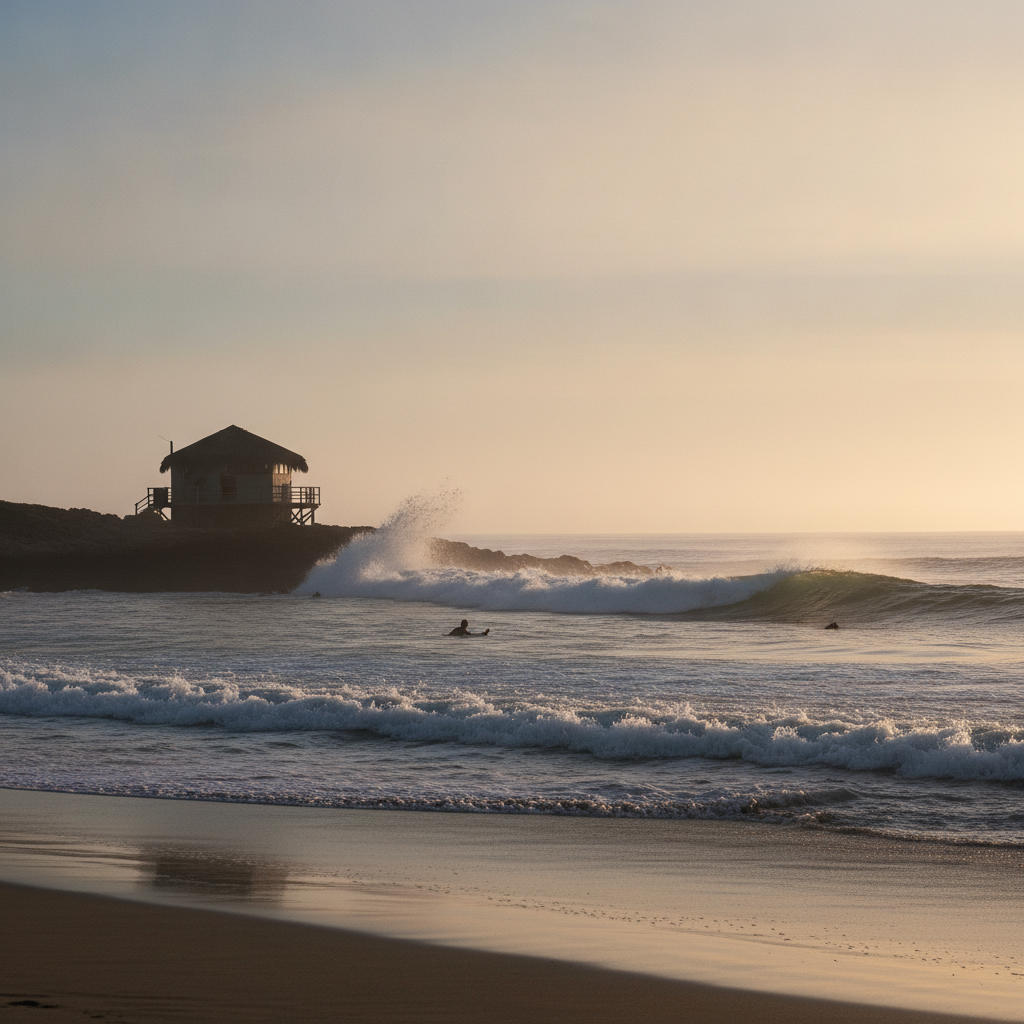
San Diego: Surf Culture (Windansea Beach, Ocean Beach Sunset Cliffs, The Pump House Gang), Old Town San Diego Historic Park (1769 Spanish presidio, Whaley House, Casa de Estudillo), UCSD and Salk Institute Architecture (Louis Kahn masterpiece, Scripps Oceanography, polio vaccine Jonas Salk), Petco Park and Padres Baseball (Tony Gwynn, Trevor Hoffman, Western Metal Supply Building), Hillcrest LGBTQ+ Neighborhood and San Diego Pride, and Practical Guide (Lindbergh Field airport, light rail, beach comparison)
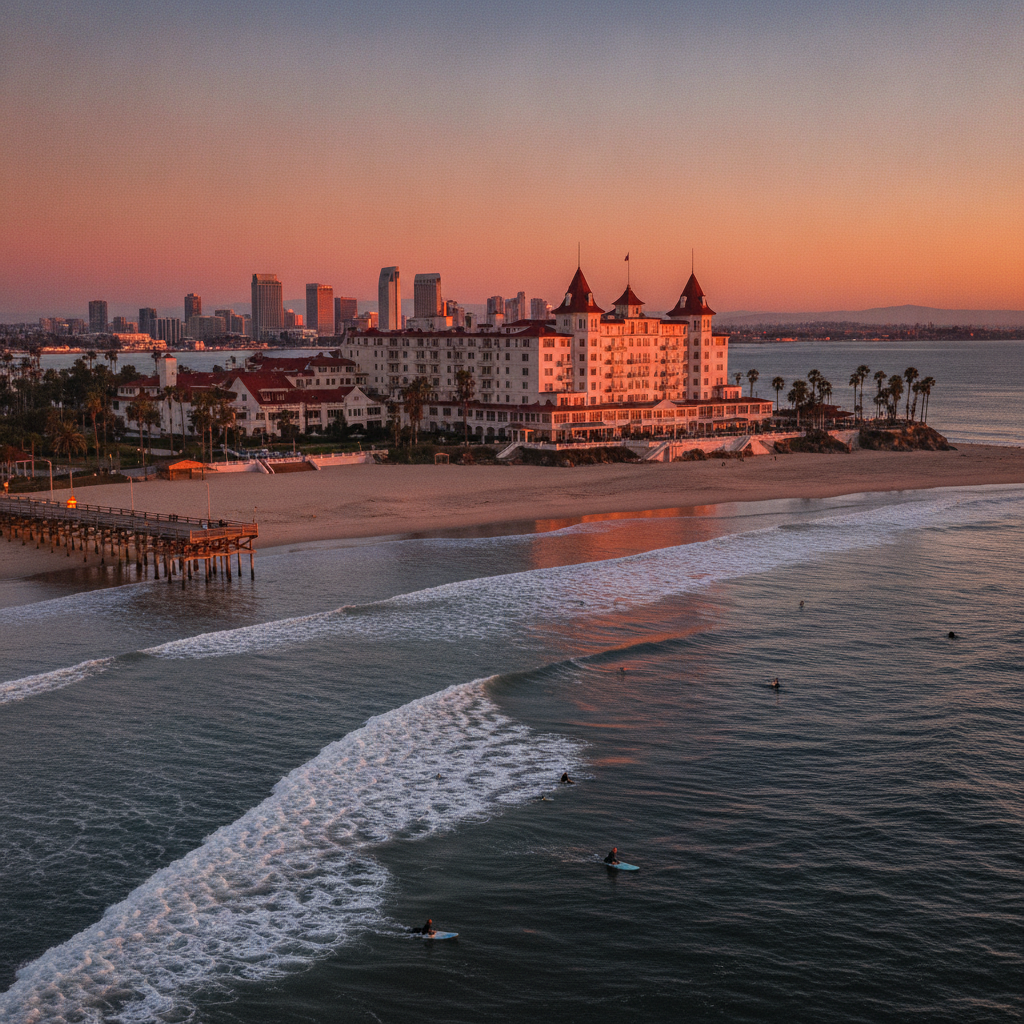
San Diego: Balboa Park Cultural Complex (17 museums, 1915 Spanish Colonial Revival, San Diego Museum of Art), San Diego Zoo (3700 animals, giant pandas returned 2024, Safari Park), Hotel del Coronado (1888 Victorian resort, 14 US presidents, Wizard of Oz inspiration), La Jolla Cove (sea lion colony, Birch Aquarium at Scripps), and Craft Beer Capital USA (180+ breweries, Stone Brewing, Ballast Point USD 1B, fish taco history)