San Diego: 150 Craft Breweries, Sea Lions in the Cove and the World Most Visited Warship
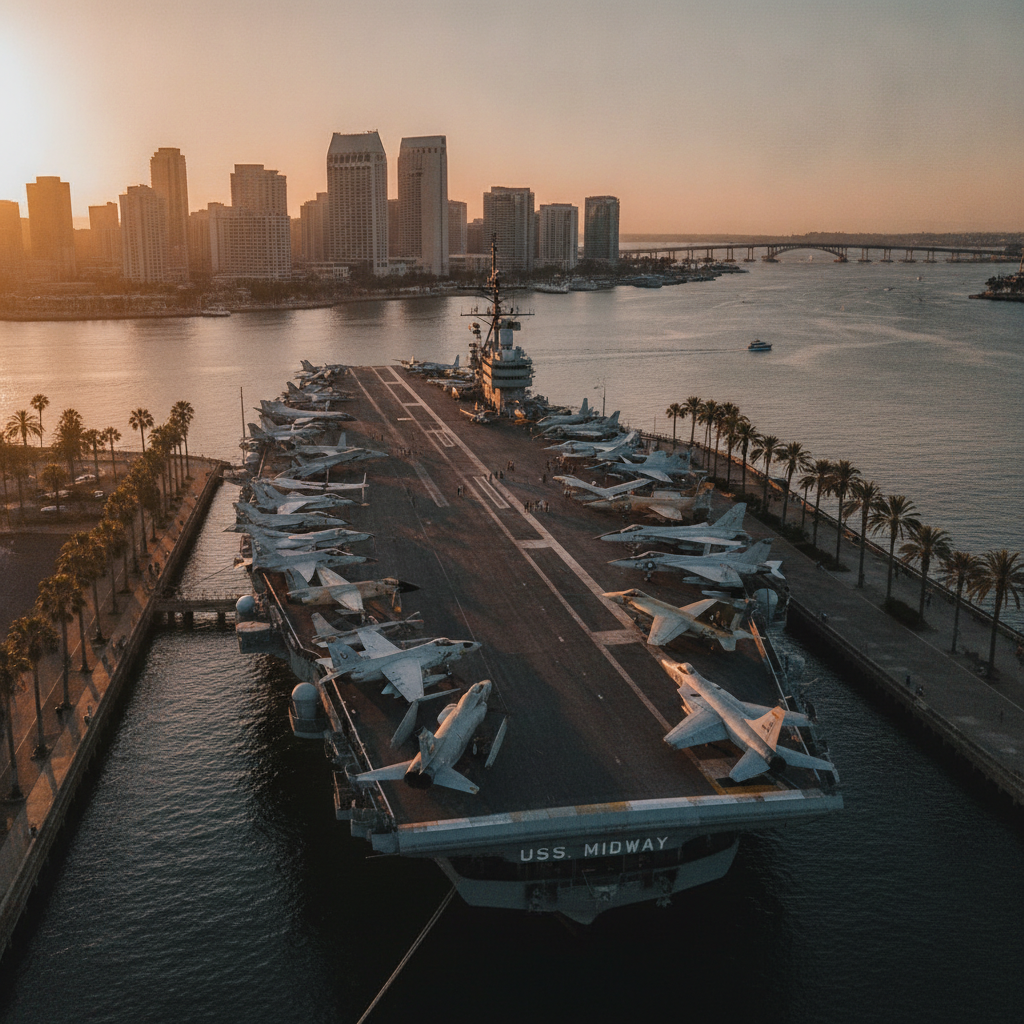
Board the USS Midway aircraft carrier museum at Navy Pier, the most visited ship museum on earth, explore the Victorian commercial district of Gaslamp Quarter in one of the largest historic districts west of the Mississippi, taste West Coast IPA where San Diego 150 craft breweries invented the style in North Park, learn how Chula Vista trains US Olympic athletes a mile from the Mexican border, sit on the Petco Park grass berm during a Padres game, and snorkel with leopard sharks at La Jolla Cove beside the Salk Institute.
- 1
San Diego Military History and Museums
San Diego is the largest military installation in the world, home to Naval Base San Diego, Marine Corps Air Station Miramar, Naval Air Station North Island, and numerous other facilities, with approximately 100,000 active-duty military personnel in the metropolitan area. The USS Midway Museum at Navy Pier, a decommissioned aircraft carrier opened as a museum in 2004, is the most visited ship museum in the world, drawing over 1.5 million visitors annually who explore flight deck aircraft, below-deck exhibits, and restored crew quarters. The Museum of the Marine Corps and Air Force Heritage Foundation installations at Miramar preserve military aviation history. The San Diego Air and Space Museum in Balboa Park houses a replica of Charles Lindberghs Spirit of St. Louis, whose original was built in San Diego at Ryan Airlines in 1927 before its transatlantic flight. The city economy is substantially tied to defense contracting.
- 2
North Park and San Diegos Craft Beer Scene
North Park, a neighborhood 3 miles northeast of downtown San Diego centered on 30th Street and University Avenue, is the acknowledged center of San Diegos nationally prominent craft beer industry. San Diego County has over 150 craft breweries, more than any county in the United States, and is credited with pioneering West Coast IPA style characterized by pronounced hop bitterness and aroma. Stone Brewing, founded in 1996 in San Marcos, became one of the largest craft breweries in America and its Escondido World Bistro and Gardens is a destination brewing campus. Ballast Point, acquired by Constellation Brands for 1 billion dollars in 2015, brought national attention to San Diego craft beer. The North Park Beer Company, Modern Times, and Coronado Brewing are among the dozens of taprooms in walking distance in North Park. The neighborhood also has a strong restaurant and coffee scene.
- 3
Gaslamp Quarter and Downtown History
The Gaslamp Quarter, a 16-block national historic district in downtown San Diego bounded by Broadway, 6th Avenue, Harbor Drive, and 4th Avenue, contains the largest collection of Victorian commercial architecture in the United States west of the Mississippi. The district was the commercial center of San Diego from the 1870s through the early 20th century and descended into a zone of saloons, gambling houses, and eventually a skid row before urban renewal and designation as a historic district in the 1970s brought restoration. The Horton Grand Hotel is a reconstruction of two 1886 hotels moved stone by stone to a new site. William Heath Davis House, the oldest surviving structure in downtown San Diego, built in 1850, is a museum at the corner of Island and State Streets. The Gaslamp Quarter hosts the overflow of San Diego Comic-Con International, which takes over the convention center and neighboring hotels each July.
- 4
Chula Vista and the US-Mexico Borderlands
Chula Vista, the second-largest city in San Diego County with 280,000 residents, sits immediately north of the US-Mexico border and has a population that is over 60 percent Hispanic or Latino. The city and nearby National City are defined by their proximity to the border, extensive military presence, and large working-class Mexican American communities. The Chula Vista Elite Athlete Training Center, operated by the US Olympic Committee on 155 acres near the Otay Lakes, is the primary Olympic and Paralympic training facility for the United States, hosting over 400 resident athletes from dozens of sports annually. The Otay Mesa border crossing south of Chula Vista is one of the busiest commercial border crossings in the world, handling billions of dollars in trade between the maquiladora manufacturing zones of Tijuana and the US distribution network.
- 5
San Diego Padres and Petco Park
Petco Park, opened in 2004 in the East Village district of downtown San Diego at Park Boulevard and 10th Avenue, is consistently ranked among the best ballparks in baseball for its sightlines, intimate scale, and the Park in the Park grass berm area in left-center field where fans can sit on the grass during games. The ballpark helped catalyze development in the East Village, which was largely a warehouse and light industrial zone before the park opened. The San Diego Padres, founded as an expansion team in 1969, have reached the World Series twice, in 1984 and 1998, without winning. Tony Gwynn, who played all 20 of his Major League seasons with the Padres from 1982 to 2001, is the greatest player in franchise history and one of the finest contact hitters in baseball history with a career batting average of .338. Gwynn never played in a World Series as the winning team.
- 6
La Jolla and the Scripps Institution
La Jolla, an affluent coastal community 15 miles north of downtown San Diego, is home to the Scripps Institution of Oceanography, founded in 1903, one of the oldest and most important marine research institutions in the world, and to the University of California San Diego, which has grown since its 1960 founding into a top-ten public research university. The Birch Aquarium at Scripps offers ocean education with exhibits on kelp forest ecology and deep-sea research. La Jolla Cove, a small beach protected by rocky cliffs, is a permanent home to California sea lions and leopard sharks that are visible from the surface and snorkel-accessible. The Salk Institute for Biological Studies, designed by Louis Kahn and opened in 1963, is considered one of the great masterworks of American modernist architecture, with travertine marble laboratory buildings flanking a concrete courtyard open to the Pacific Ocean horizon.
Walk this route with audio
Stories play automatically as you reach each stop — no tapping needed.
More in San Diego
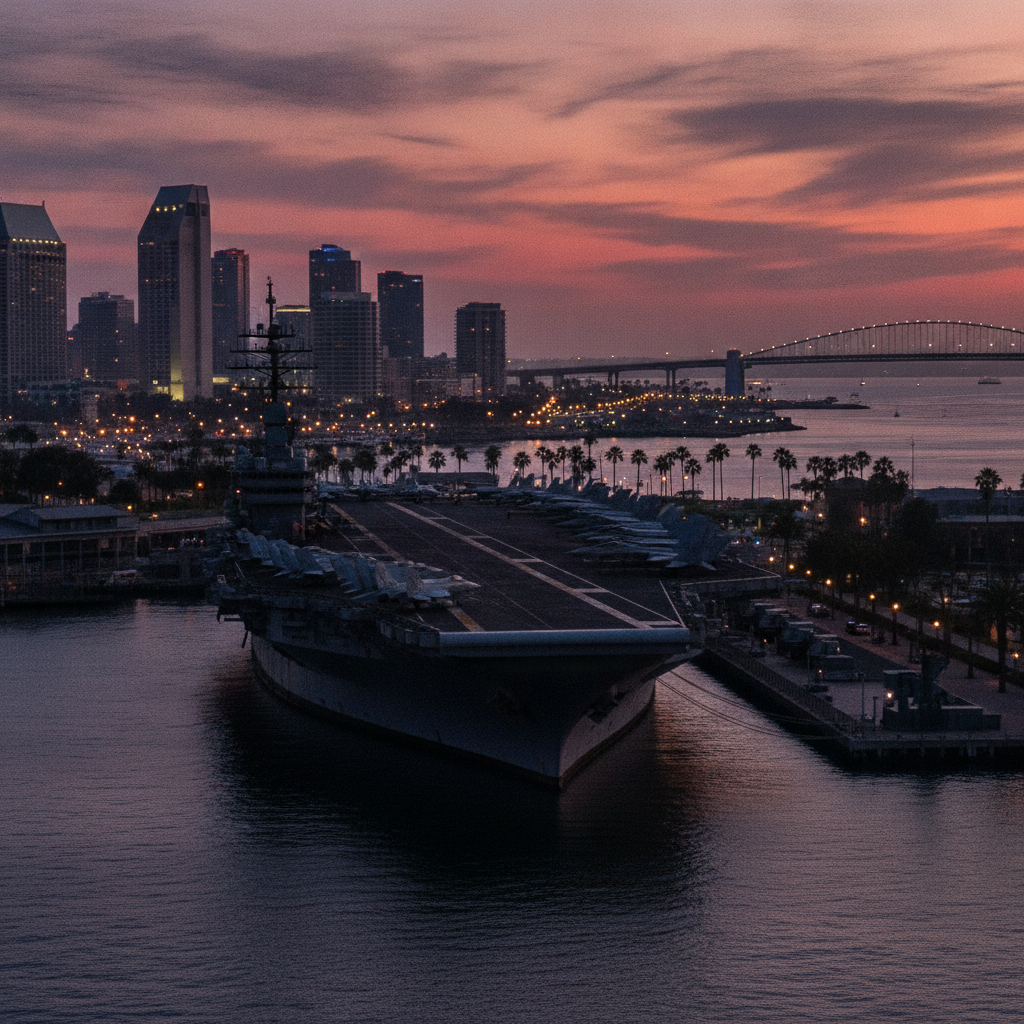
San Diego: Tijuana Day Trip (world busiest border crossing, Caesar salad origin 1924, Baja Med cuisine, Tijuana craft beer), USS Midway Museum (longest-serving 20th century carrier, 29 restored aircraft), Torrey Pines State Reserve (rarest North American pine, gliderport paragliding, Del Mar Racetrack), Mission Bay SeaWorld and Ocean Beach, Julian Gold Rush Town (apple pie, Cuyamaca Mountains, Cedar Fire recovery), and San Diego to Los Angeles Pacific Coast Highway Drive
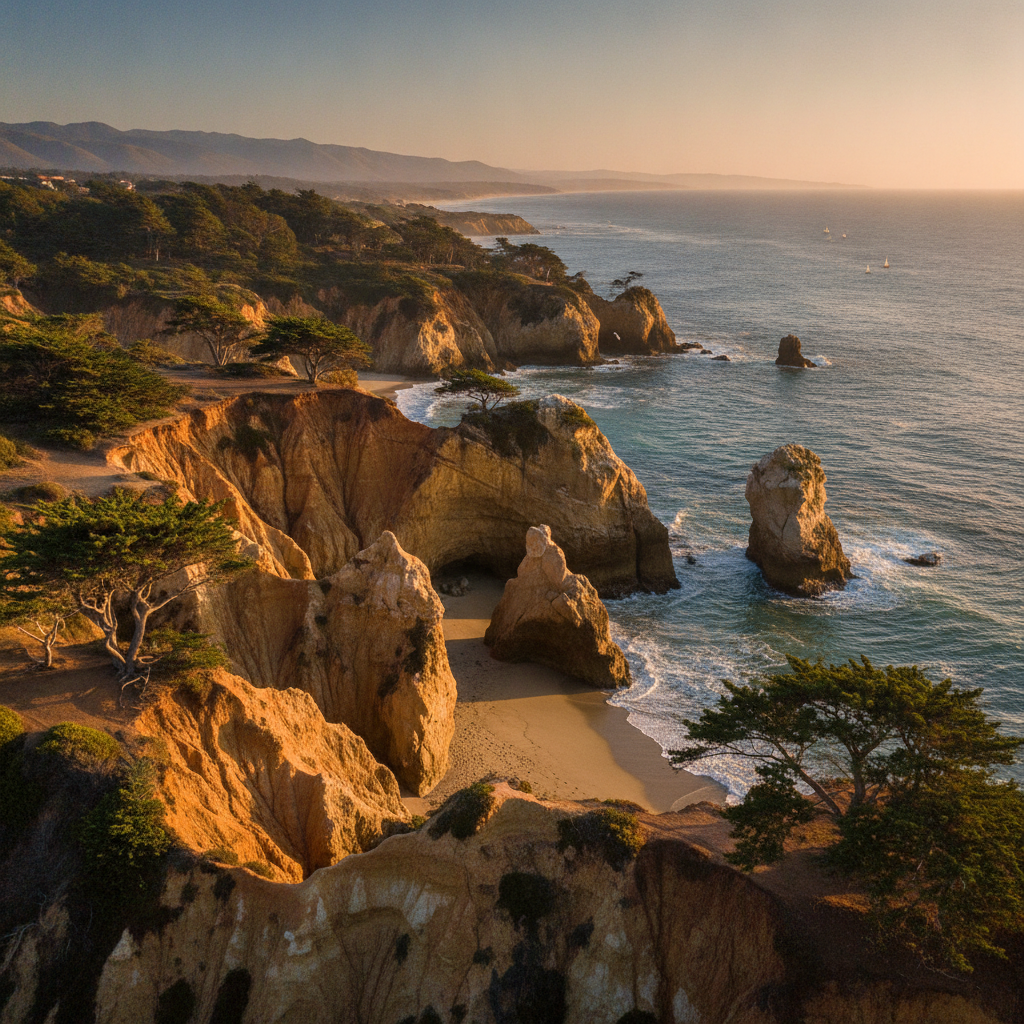
San Diego: Rarest Pine Tree in America, the World Oldest Sailing Ship and a 7000 Acre City Wilderness
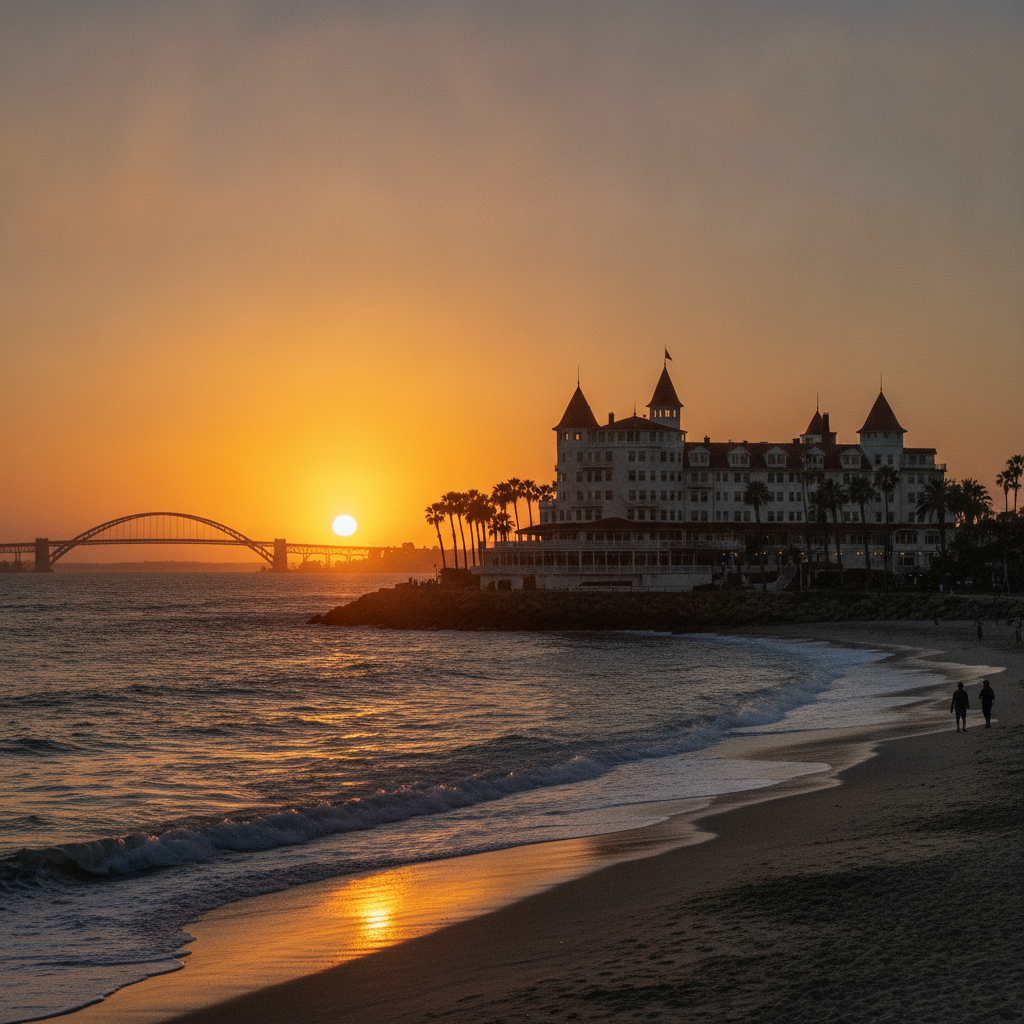
San Diego: Victorian Beach Palace, Free Organ Concerts Since 1915 and Caesar Salad Birthplace
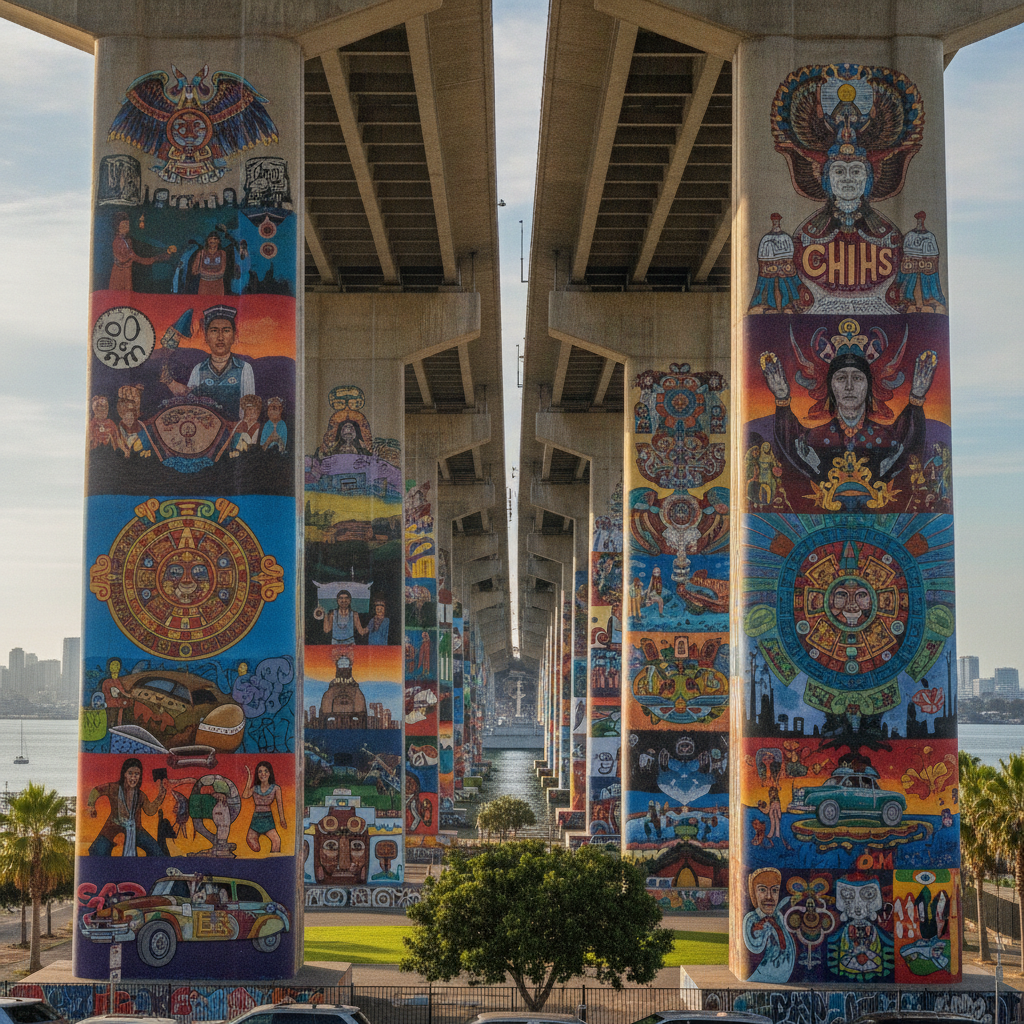
San Diego: Eocene Sea Cliffs, the World Largest Chicano Mural Collection and Bing Crosby Racetrack
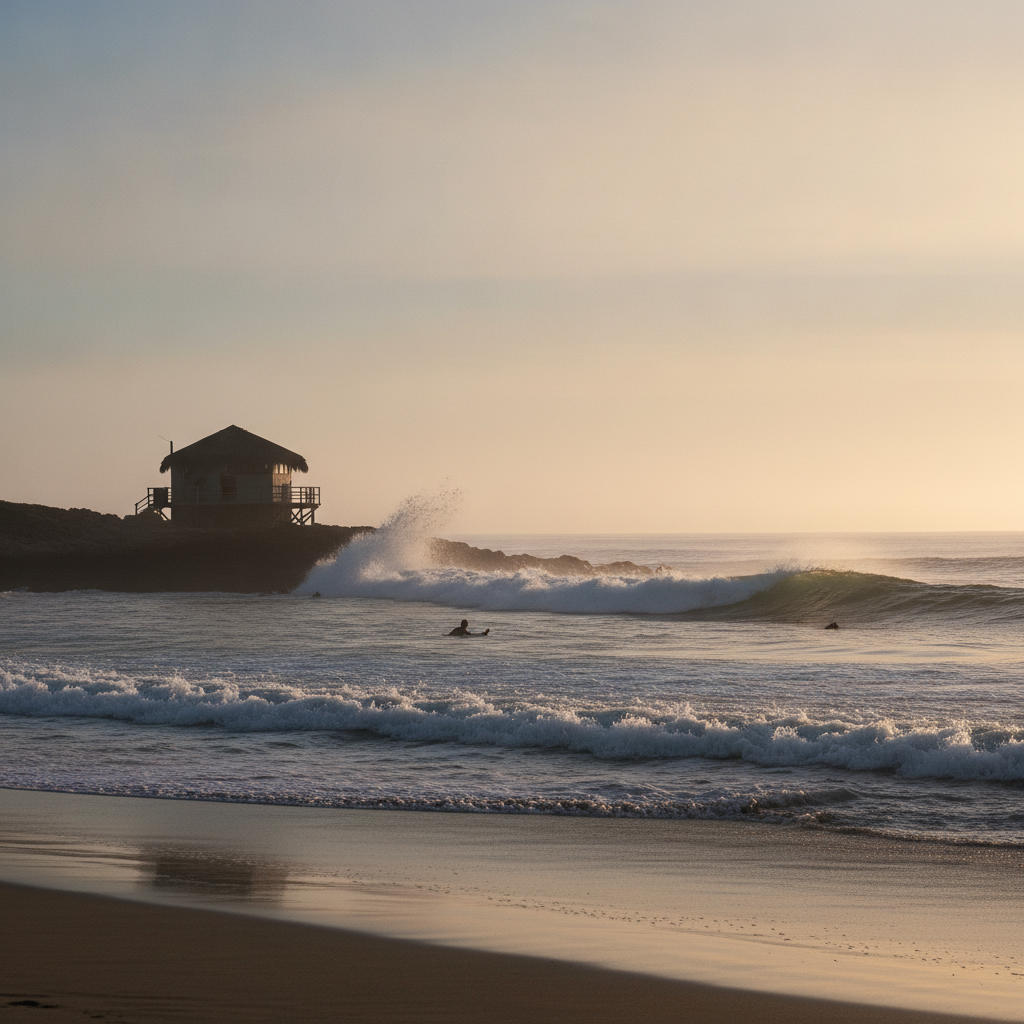
San Diego: Surf Culture (Windansea Beach, Ocean Beach Sunset Cliffs, The Pump House Gang), Old Town San Diego Historic Park (1769 Spanish presidio, Whaley House, Casa de Estudillo), UCSD and Salk Institute Architecture (Louis Kahn masterpiece, Scripps Oceanography, polio vaccine Jonas Salk), Petco Park and Padres Baseball (Tony Gwynn, Trevor Hoffman, Western Metal Supply Building), Hillcrest LGBTQ+ Neighborhood and San Diego Pride, and Practical Guide (Lindbergh Field airport, light rail, beach comparison)