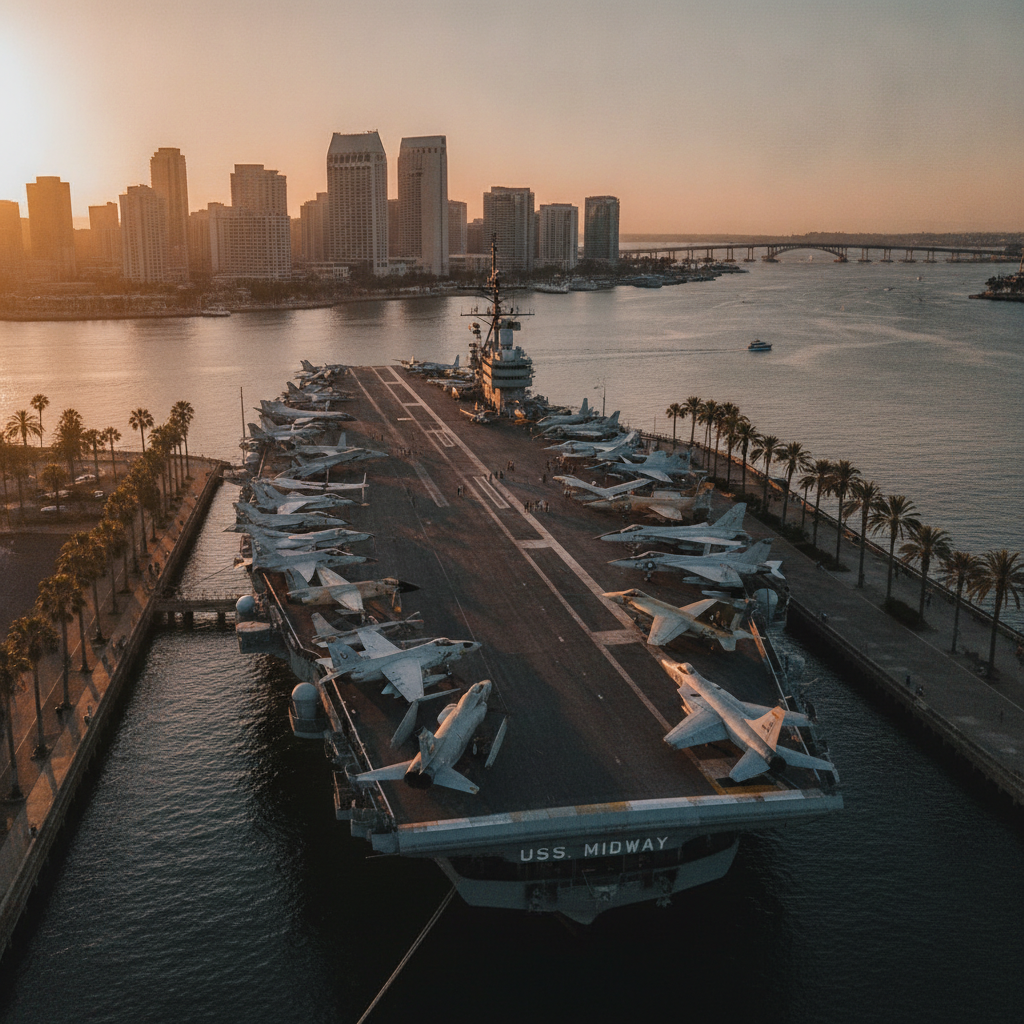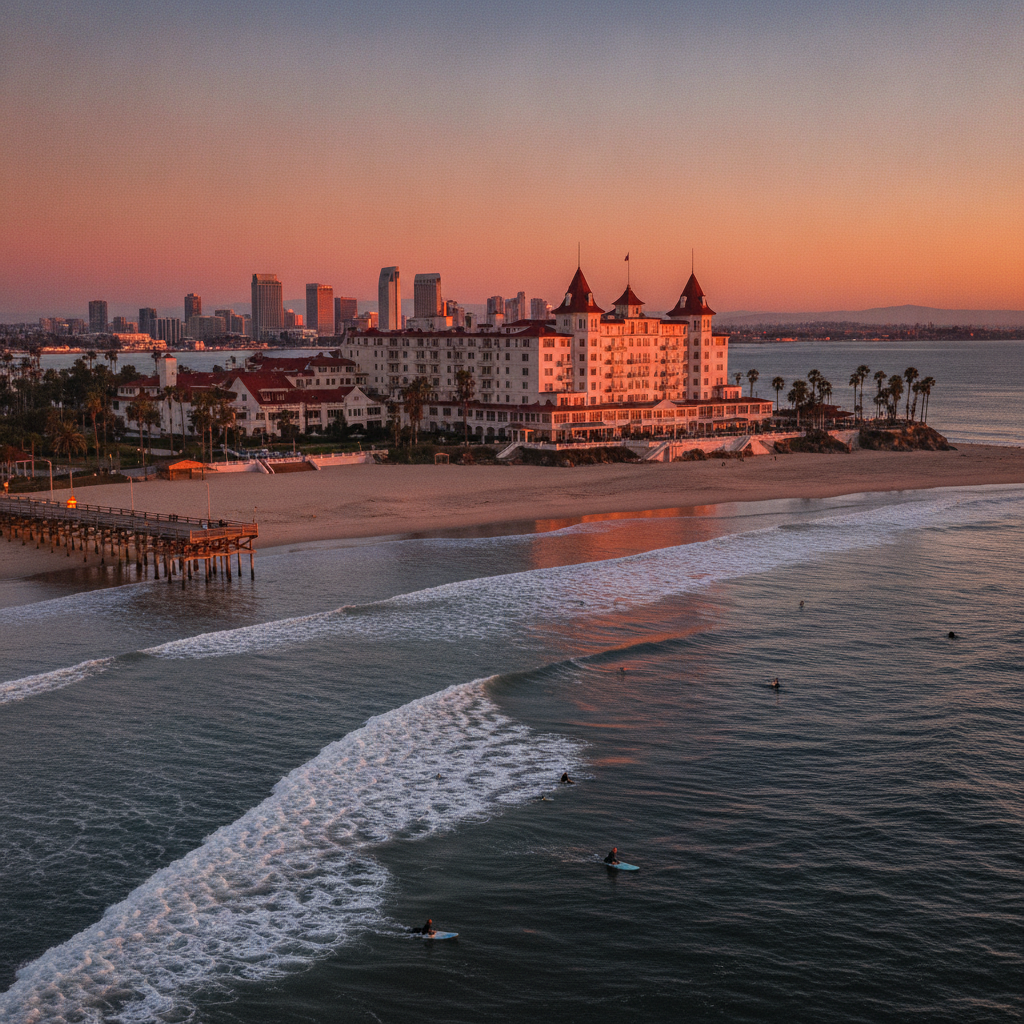
San Diego: Balboa Park Cultural Complex (17 museums, 1915 Spanish Colonial Revival, San Diego Museum of Art), San Diego Zoo (3700 animals, giant pandas returned 2024, Safari Park), Hotel del Coronado (1888 Victorian resort, 14 US presidents, Wizard of Oz inspiration), La Jolla Cove (sea lion colony, Birch Aquarium at Scripps), and Craft Beer Capital USA (180+ breweries, Stone Brewing, Ballast Point USD 1B, fish taco history)
San Diego highlights: Americas Finest City overview (Mediterranean climate, largest naval complex in world, oldest California city 1769), Balboa Park (1,200 acres, 17 museums, 1915 Panama Exposition Spanish Colonial Revival, Botanical Building), San Diego Zoo (3,700 animals, pioneered open-air zoo, pandas returned 2024, Safari Park), Hotel del Coronado (1888 Victorian landmark, 14 presidents, Wizard of Oz origin, Coronado Beach golden mica sand), La Jolla Cove (sea lion colony, Scripps Aquarium, Pacific Beach boardwalk), and craft beer capital (180+ breweries, Stone IPA, Sculpin IPA, fish taco Ralph Rubio 1983, Gaslamp Quarter).
- 1
San Diego - Americas Finest City and the Pacific Navy
San Diego (population approximately 1.4 million city, 3.3 million metro area): the second largest city in California and the eighth largest in the United States, on the Pacific Coast at the US-Mexico border. San Diego is known as Americas Finest City based on the combination of the near-perfect climate (the Mediterranean climate provides year-round temperatures of 16-26C with minimal humidity and approximately 266 sunny days per year), the Pacific beaches, the major Navy and Marine Corps military presence, and the tourism infrastructure. San Diego climate: the most equable climate of any major US city, with the least variation in temperature between summer and winter of any large American city; the average temperature ranges from 13C in January to 24C in August, with the most characteristic weather condition being the June Gloom (the persistent morning coastal cloud cover that burns off by early afternoon, approximately May-July). San Diego military: San Diego is the largest naval military complex in the world, with the Naval Base San Diego (the largest fleet concentration area in the US Pacific Fleet, home to approximately 50 naval vessels and 47,000 military personnel), the Naval Air Station North Island (on Coronado Island, across the bay), the Marine Corps Base Camp Pendleton (the largest US Marine Corps base on the West Coast, 80 km north of downtown), and multiple other installations. San Diego history: the first European settlement in California (the Spanish Mission San Diego de Alcala, founded by Junipero Serra on 16 July 1769), making San Diego the oldest city in California.
- 2
Balboa Park - the Cultural Heart of San Diego
Balboa Park (the 1,200-acre urban cultural park in the heart of San Diego, approximately 3 km northeast of downtown): the largest urban cultural park in the United States, containing 17 museums, multiple performing arts venues, the San Diego Zoo, the Japanese Friendship Garden, the Spanish Colonial Revival architecture of the 1915 Panama-California Exposition, and 180 acres of garden. Balboa Park history: the park was established in 1835 as a public reservation on the mesa northeast of downtown San Diego; it was landscaped and developed for the 1915 Panama-California Exposition (celebrating the opening of the Panama Canal), with a series of Spanish Colonial Revival buildings designed by architect Bertram Goodhue. The 1915 buildings (now museums and cultural institutions) include the California Building (housing the Museum of Man), the Fine Arts Gallery (now the San Diego Museum of Art), the Botanical Building (the lath structure housing 2,000+ tropical plants), and El Prado (the main promenade of the Exposition). The San Diego Museum of Art (at El Prado, Balboa Park): the largest art museum in San Diego, with the most comprehensive permanent collection of European and American art in Southern California outside of Los Angeles. The Museum of Man (Kate Sessions Park): the anthropology museum with pre-Columbian and Native American collections. The San Diego Air and Space Museum (at the south end of Balboa Park, in the Ford Building): the most comprehensive aviation history collection on the West Coast.
- 3
San Diego Zoo - One of the World Greatest Wildlife Parks
The San Diego Zoo (at the north end of Balboa Park): one of the most famous zoos in the world, with approximately 3,700 animals of over 650 species in a 100-acre park. The San Diego Zoo is credited with pioneering the open-air, cage-less zoo design (the African habitat areas), the concept of bioclimatic zones (organizing animals by the environment they live in rather than by taxonomic category), and the multiple conservation breeding programs that have saved species from extinction. The giant panda history at the San Diego Zoo: the San Diego Zoo was the first zoo in the United States to successfully breed giant pandas in captivity; the pandas Bai Yun, Gao Gao, and their offspring were among the most popular attractions in San Diego for over 20 years until their return to China in 2019. The Giant Panda Research Station (the pandas returned in 2024 when China sent two new pandas, Yun Chuan and Xin Bao, to the San Diego Zoo, making San Diego one of only four US zoos with giant pandas). The San Diego Zoo Wildlife Alliance: the research and conservation organization manages the San Diego Zoo Safari Park (at Escondido, 50 km north of downtown): the 1,800-acre wildlife preserve where large savannah animals (African rhinoceros, giraffe, cheetah, southern white rhinoceros) live in expansive habitat areas. The Zoo tram and gondola: the guided tram tour (35-40 min) covers approximately 75% of the zoo and includes narration on the animal inhabitants.
- 4
Coronado Island and the Silver Strand
Coronado (the island city connected to San Diego by the Coronado Bridge and to Imperial Beach by the Silver Strand isthmus): the most prestigious residential address in San Diego, with the Naval Air Station North Island occupying the northern portion of the island and the civilian resort community of Coronado Village on the southern portion. The Hotel del Coronado (at 1500 Orange Avenue, Coronado): the grande dame of San Diego hotels, a Victorian wooden beach resort built in 1888 and one of the largest wooden structures in the United States. The Hotel del Coronado has hosted 14 US presidents, is listed on the National Register of Historic Places, and inspired the L. Frank Baum novel The Wizard of Oz (Baum stayed at the Del in 1904). The Coronado Beach (the 2 km beach adjacent to the Hotel del Coronado): consistently ranked among the most beautiful beaches in the United States, with fine white sand (the sand contains trace amounts of mica that give it a golden glitter in sunlight), the backdrop of the Victorian hotel, and views of the San Diego skyline across the bay. The Coronado Bridge (the 3.7 km bridge connecting downtown San Diego to Coronado, opened 1969): a distinctive curved bridge with a 52 m clearance that allows aircraft carriers to pass beneath; the bridge curve was designed not for aesthetics but to provide a longer approach for traffic at highway speeds. The Silver Strand State Beach (the 7 km beach on the narrow isthmus connecting Coronado to the mainland): the primary swimming, camping, and beach volleyball beach in South Bay.
- 5
Pacific Beach and La Jolla Cove - Coastal San Diego
Pacific Beach (PB, the beach community approximately 13 km north of downtown San Diego, centered on Garnet Avenue and the Mission Beach boardwalk): the most active beach community in San Diego, with a young demographic, dense concentration of bars and restaurants on Garnet Avenue, and the 7 km Mission Beach and Pacific Beach Boardwalk (the paved path along the beach used by cyclists, runners, skaters, and pedestrians). La Jolla (the affluent coastal community approximately 20 km north of downtown, meaning the jewel in Spanish): the most beautiful and expensive coastal neighborhood in San Diego, with the La Jolla Cove (the small protected cove with brilliant blue water, sea caves, snorkeling, and the California sea lion colony), the La Jolla Shores (the family beach with gentle surf and the UCSD Scripps Institution of Oceanography pier), and the Ellen Browning Scripps Park (the blufftop park above the La Jolla Cove, with the cypress trees and the views of the Pacific). La Jolla Cove: the California sea lion colony (approximately 200 sea lions year-round, with numbers swelling in the summer pupping season) at the Children Pool (La Jolla Cove lower beach) is the primary wildlife attraction in La Jolla; access to the Children Pool beach is restricted during the sea lion pupping season. The Birch Aquarium at Scripps (at the UCSD Scripps Institution of Oceanography): the primary marine science aquarium in San Diego, with the California coastal ecosystem exhibits and the tide pool demonstrations.
- 6
San Diego Food and Craft Beer - the Craft Brewing Capital
San Diego food and craft beer scene: San Diego is the craft brewing capital of the United States by brewery density, with over 180 craft breweries in San Diego County (more per capita than any other US county). The San Diego craft beer origins: Karl Strauss Brewing Company (founded 1989): the first post-Prohibition brewery in San Diego, credited with starting the San Diego craft beer revolution. Stone Brewing (founded 1996 in San Marcos, now headquartered in Escondido): the most significant San Diego craft brewery, known for the Arrogant Bastard Ale and the Stone IPA, and for being the first US craft brewery to operate its own bistro restaurants. Ballast Point Brewing (founded 1996): known for the Sculpin IPA (awarded World Beer Cup Gold for American IPA); acquired by Constellation Brands in 2015 for USD 1 billion (the highest price paid for a craft brewery at the time). The San Diego IPA style: San Diego (and the broader West Coast) is credited with popularizing the hop-forward, bitter American IPA style (the West Coast IPA) that defined the first wave of American craft brewing. The San Diego food scene: the Mexican food influence (the proximity to Tijuana means San Diego has the most authentic Mexican food in the United States north of the border): the fish taco (a cornerstone of the San Diego food culture, claimed to have been introduced to San Diego by Ralph Rubio, who ate the first fish taco in San Felipe, Baja California in 1974 and opened Rubios Fish Tacos in 1983). The Gaslamp Quarter (the 16-block historic district between 4th and 6th Avenues in downtown San Diego): the primary restaurant and entertainment district in downtown, in restored Victorian commercial buildings.
Walk this route with audio
Stories play automatically as you reach each stop — no tapping needed.
More in san-diego
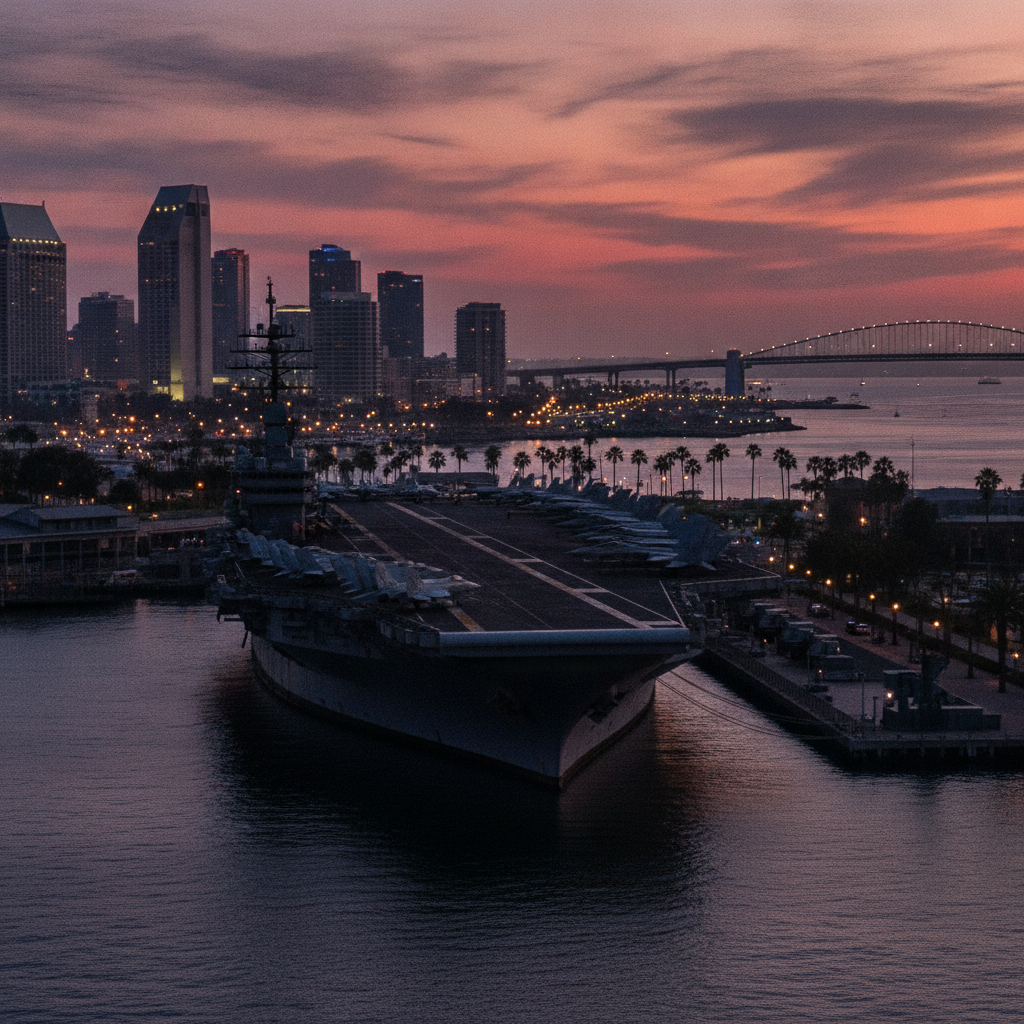
San Diego: Tijuana Day Trip (world busiest border crossing, Caesar salad origin 1924, Baja Med cuisine, Tijuana craft beer), USS Midway Museum (longest-serving 20th century carrier, 29 restored aircraft), Torrey Pines State Reserve (rarest North American pine, gliderport paragliding, Del Mar Racetrack), Mission Bay SeaWorld and Ocean Beach, Julian Gold Rush Town (apple pie, Cuyamaca Mountains, Cedar Fire recovery), and San Diego to Los Angeles Pacific Coast Highway Drive
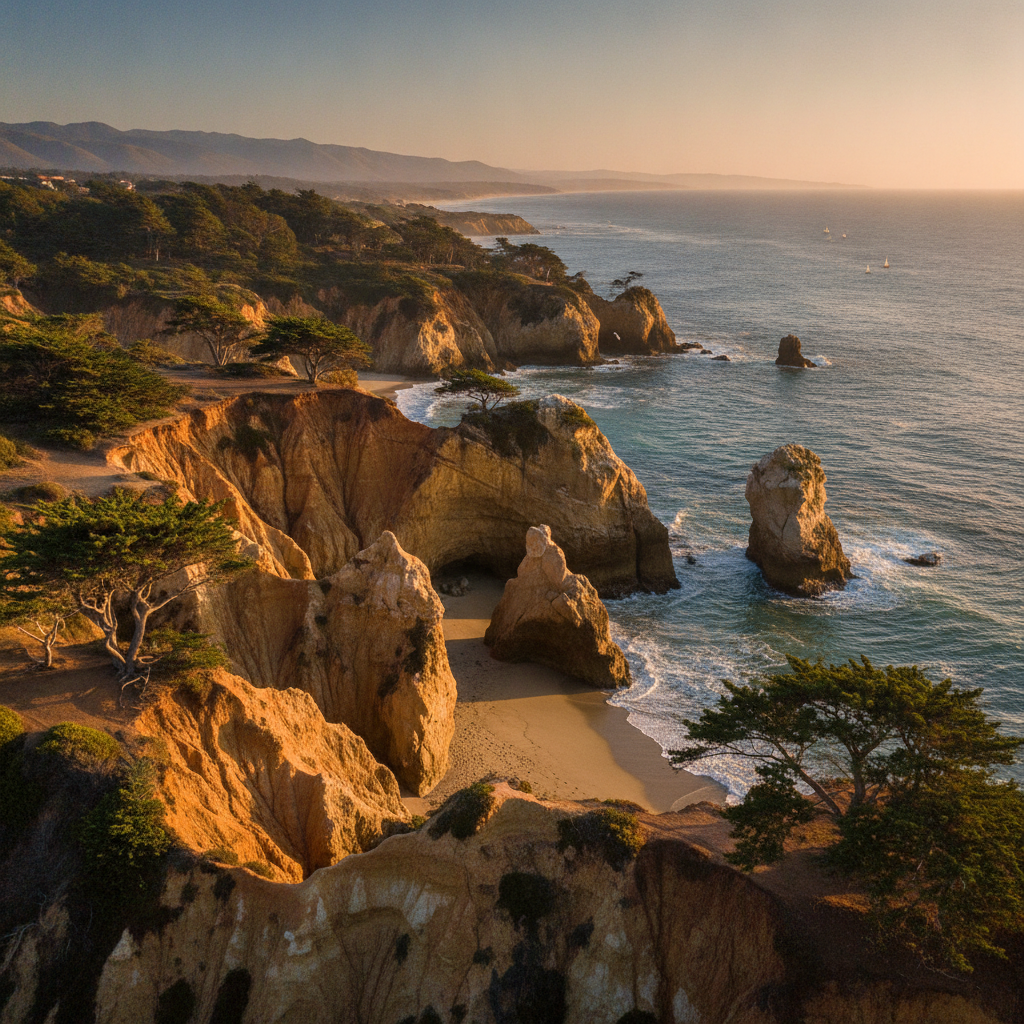
San Diego: Rarest Pine Tree in America, the World Oldest Sailing Ship and a 7000 Acre City Wilderness
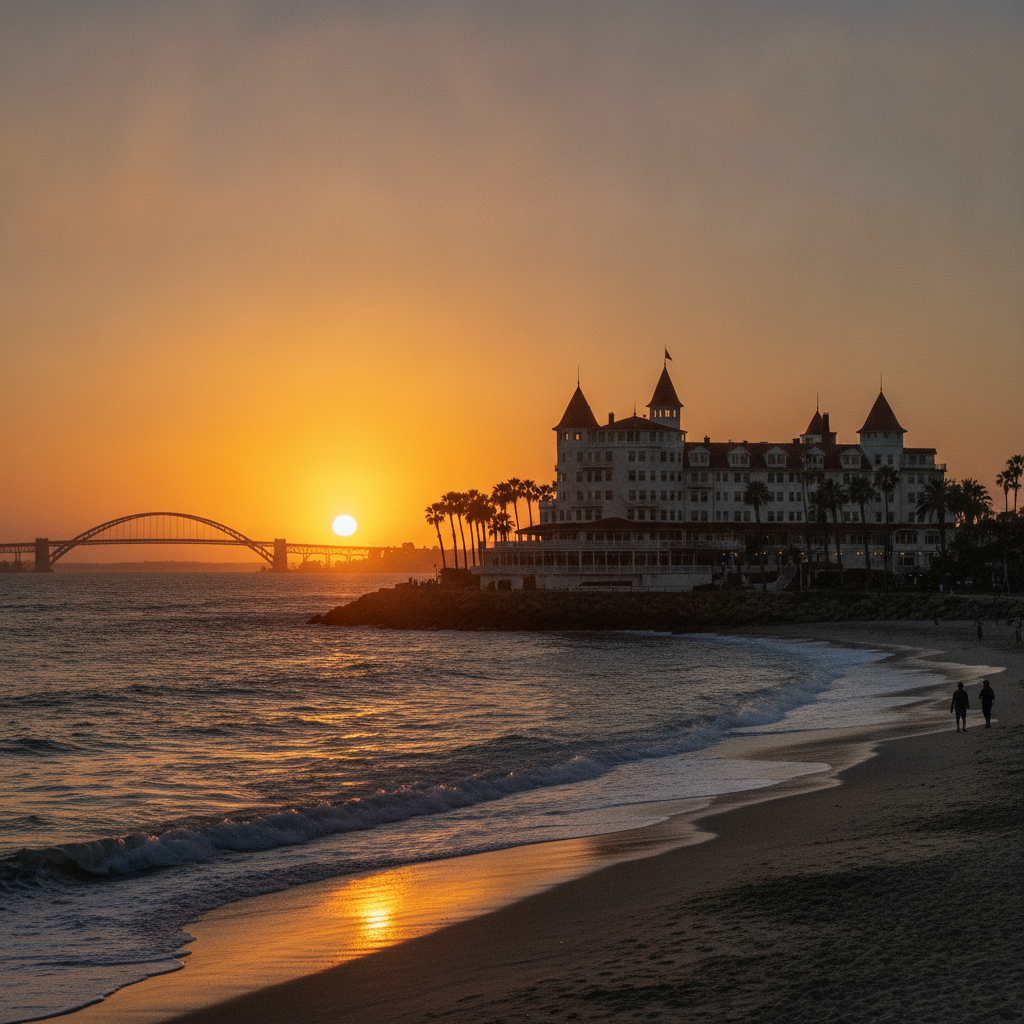
San Diego: Victorian Beach Palace, Free Organ Concerts Since 1915 and Caesar Salad Birthplace
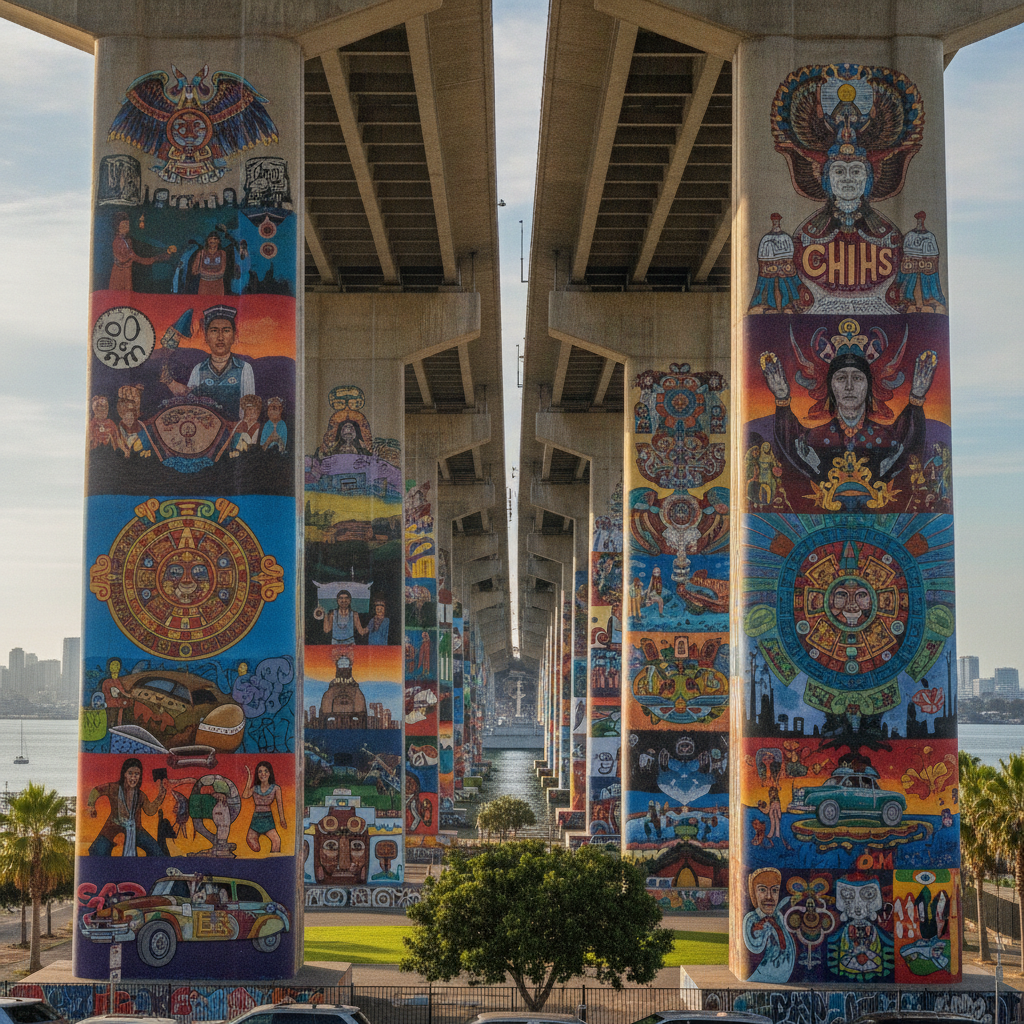
San Diego: Eocene Sea Cliffs, the World Largest Chicano Mural Collection and Bing Crosby Racetrack
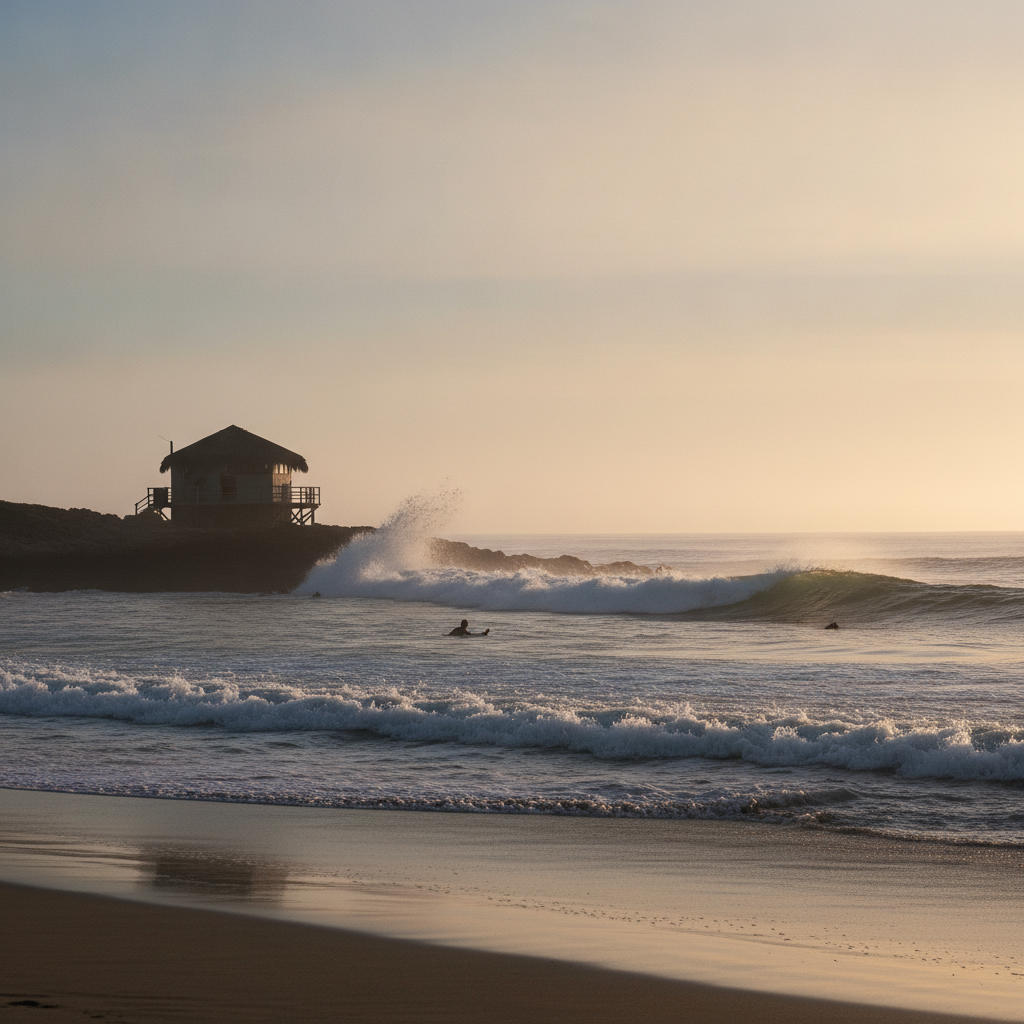
San Diego: Surf Culture (Windansea Beach, Ocean Beach Sunset Cliffs, The Pump House Gang), Old Town San Diego Historic Park (1769 Spanish presidio, Whaley House, Casa de Estudillo), UCSD and Salk Institute Architecture (Louis Kahn masterpiece, Scripps Oceanography, polio vaccine Jonas Salk), Petco Park and Padres Baseball (Tony Gwynn, Trevor Hoffman, Western Metal Supply Building), Hillcrest LGBTQ+ Neighborhood and San Diego Pride, and Practical Guide (Lindbergh Field airport, light rail, beach comparison)