San Antonio: Puffy Taco Capital, the Only Working Spanish Colonial Irrigation Ditch and German Victorian Mansions
Eat a puffy taco, uniquely San Antonian, at a taqueria on the River Walk or in the Pearl District, cycle the 8-mile Mission Reach to four UNESCO World Heritage missions where a 1700s acequia still irrigates fields, learn how 26 ethnic groups built Texas at the Institute of Texan Cultures in the HemisFair geodesic dome, attend the million-person February rodeo at AT&T Center, walk the restored San Pedro Creek art corridor back to the 1718 city founding site, and tour German merchant mansions in King William Historic District.
- 1
San Antonio Food Scene and Puffy Tacos
San Antonio has one of the most distinctive regional food cultures in Texas, anchored by the puffy taco, a uniquely San Antonio creation in which a raw masa tortilla is deep-fried to create a crisp, airy shell before being filled with ground beef, cheese, and toppings. Ray Lopez, founder of Ray Ray puffy taco stands, is credited with popularizing the style widely in the city. El Mirasol, La Gloria, and dozens of family-operated taquerias define the San Antonio Mexican food scene, which is distinct from the Tex-Mex of Dallas and Houston through closer proximity to traditional Coahuila and Nuevo León cooking from across the border. The Pearl Brewery District along the San Antonio River has become the most curated food destination, with Brucesers, Jazz, TX, Southerleigh Brewery, and weekend farmers markets. San Antonio also has a strong tradition of barbacoa, beef head slow-cooked overnight, served on weekend mornings.
- 2
San Antonio Missions National Historical Park
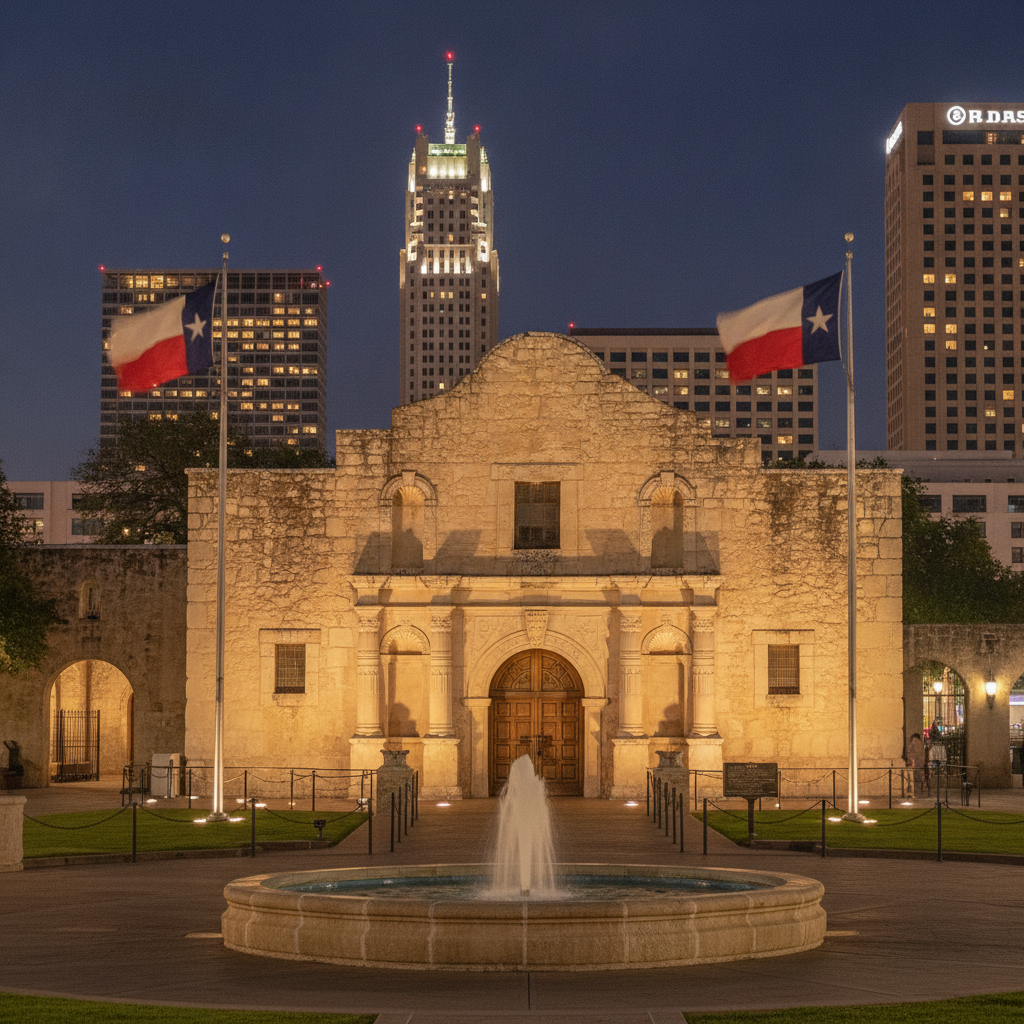
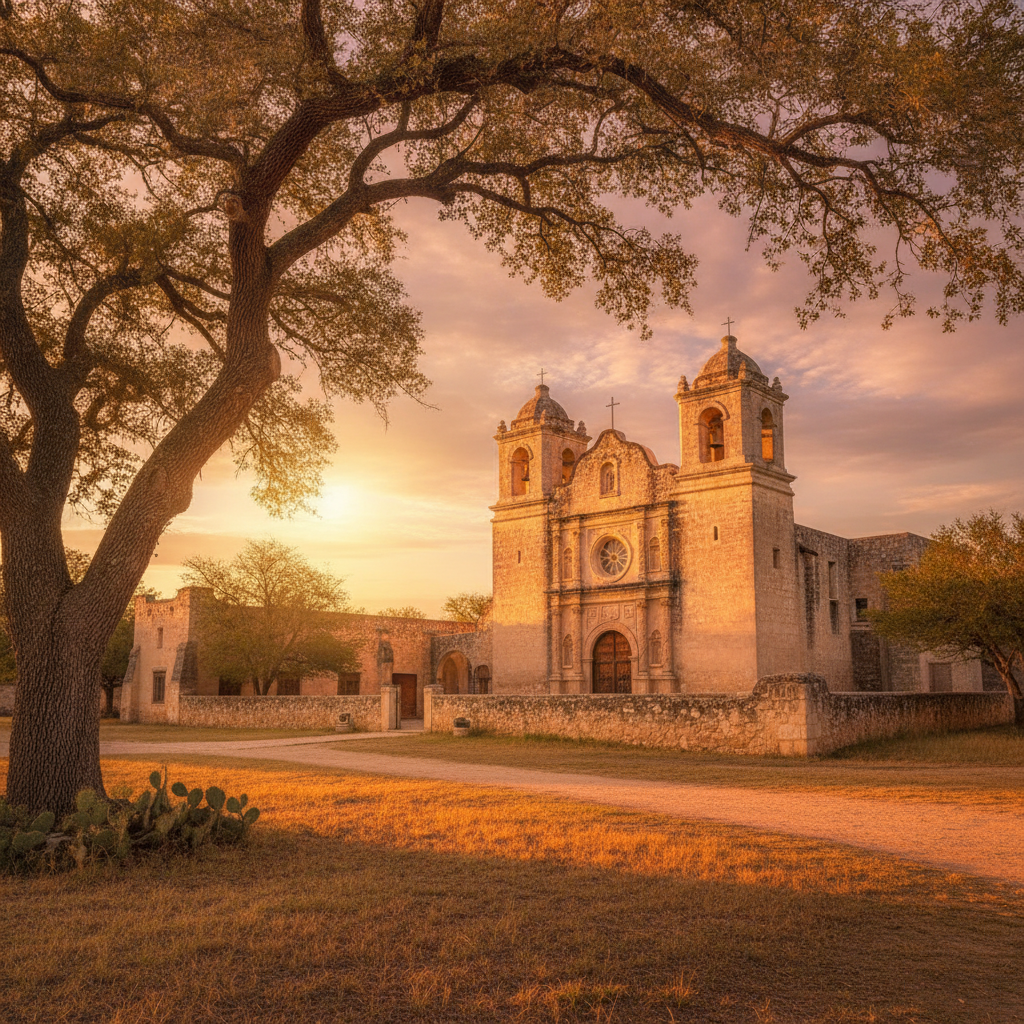
San Antonio Missions National Historical Park, a UNESCO World Heritage Site designated in 2015 and the only such site in Texas, preserves four 18th century Spanish colonial missions along the San Antonio River south of downtown: Mission Concepcion, Mission San Jose, Mission San Juan, and Mission Espada. The Alamo, a fifth mission downtown, is managed separately by the state. Mission San Jose, called the Queen of the Missions and established in 1720, is the largest and most complete of the four and still serves as an active Catholic parish. All four missions continue as active parishes. The missions connected by the eight-mile Mission Reach segment of the San Antonio River Walk trail form one of the most historically significant cultural landscapes in the American Southwest. The acequia system of irrigation canals constructed by mission residents in the 18th century still irrigates gardens at Mission Espada, the only functioning Spanish colonial acequia in the country.
- 3
Institute of Texan Cultures
The Institute of Texan Cultures on South Alamo Street, opened for the 1968 HemisFair World Exposition and now a part of the University of Texas at San Antonio, documents the 26 ethnic groups whose immigration and labor built the state of Texas through permanent and rotating exhibitions. The building was designed as a geodesic pavilion and retains the circular exhibition floor from the 1968 exposition. HemisFair Park surrounding the institute contains the Tower of the Americas, a 750-foot observation tower built for the exposition that remains the tallest building in San Antonio. The park is undergoing a multi-decade redevelopment effort to transform it from an underused exposition remnant into an active urban park and mixed-use district. The Yanaguana Garden, a family play and gathering space, opened in 2015 as an early phase. The institute hosts the Texas Folklife Festival each June, a three-day celebration of the cultural groups documented in its exhibitions.
- 4
San Antonio Rodeo and Stock Show
The San Antonio Stock Show and Rodeo, held annually for 16 days in February at the AT&T Center, is one of the largest outdoor rodeos in the United States and draws over 1 million visitors, making it one of the top-attended events in Texas. The rodeo has been held continuously since 1949. The event combines Professional Rodeo Cowboys Association-sanctioned competition in bull riding, bareback riding, roping, and barrel racing with concerts at the AT&T Center featuring country music headliners. A livestock show and carnival operate alongside the rodeo. The Cowboy Breakfast held on the first Friday of the rodeo at La Villita Historic Arts Village is a free public breakfast for thousands of attendees. San Antonio rodeo culture reflects the deep ranching heritage of the surrounding Texas Hill Country and South Texas plains, where cattle ranching remains economically significant. The King Ranch, the largest ranch in the continental United States, is 200 miles south near Kingsville.
- 5
San Pedro Creek Culture Park
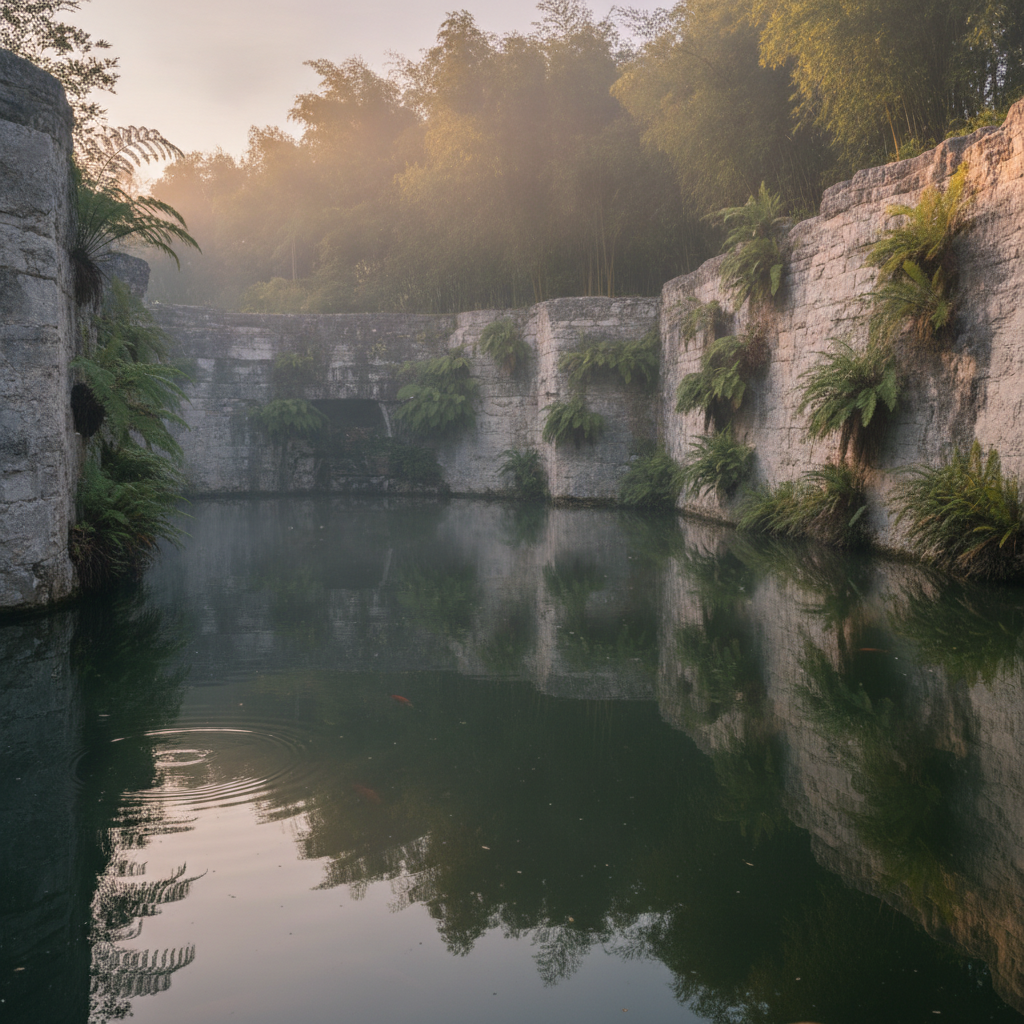
San Pedro Creek Culture Park, a linear public park and stormwater management project along San Pedro Creek in downtown San Antonio completed in 2021, is the most significant new public space created in the city in decades. The project restored 1.7 miles of San Pedro Creek, which had been channelized in concrete in the 1950s and was prone to flooding, into a naturalistic stream corridor with native plantings and continuous public art. The creek was the site of a Spanish mission and military settlement, Mission San Antonio de Valero precursor, in 1718. The park tells San Antonio history through a sequence of public art installations, murals, and sculptural works by over 30 artists commissioned for the project. The creek connects the San Pedro Springs Park, which has the oldest known public park history in the United States dating to the founding of San Antonio in 1718, to the San Antonio River Walk downtown.
- 6
King William Historic District
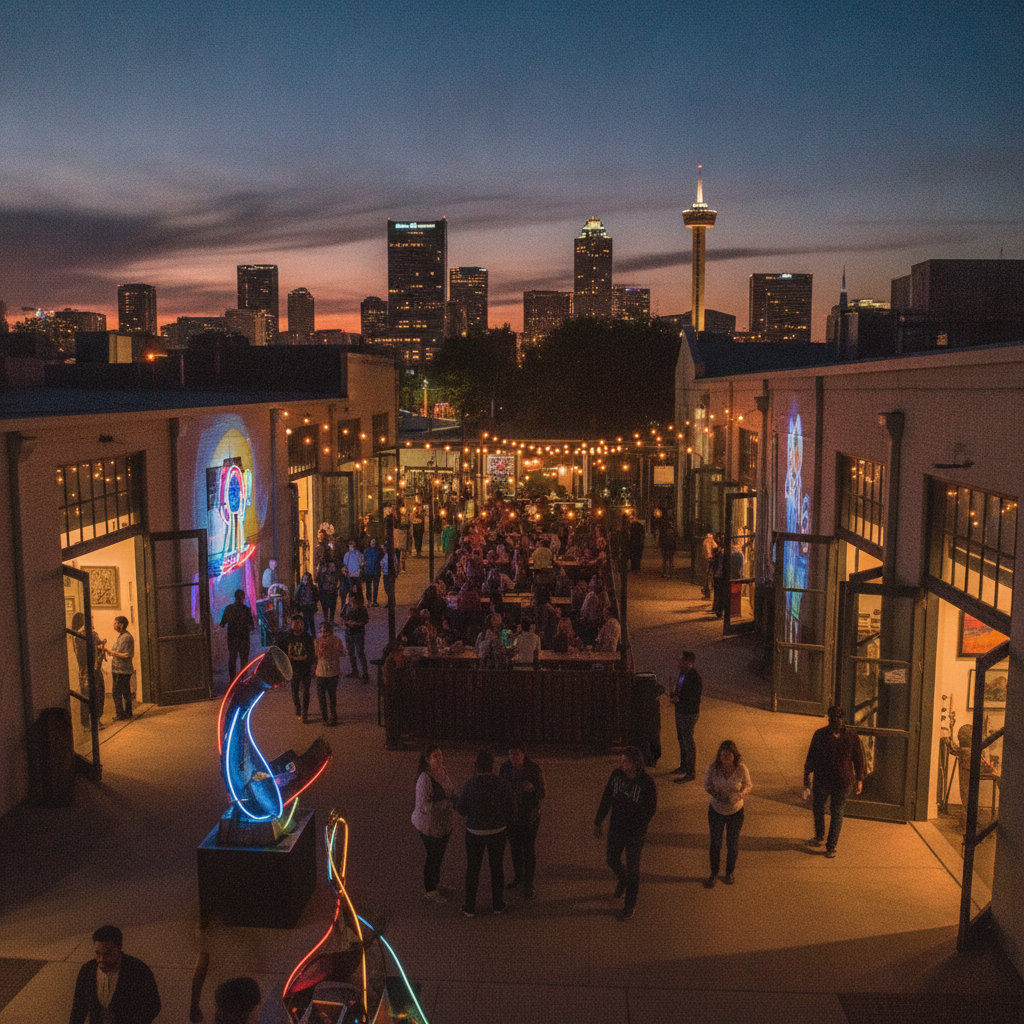
The King William Historic District, a neighborhood of Victorian mansions built by prosperous German merchant families in the 1870s and 1880s along King William Street south of downtown, is the most intact 19th-century residential neighborhood in San Antonio and one of the most significant concentrations of Victorian architecture in Texas. The German immigrants who settled in Texas beginning in the 1840s were among the most educated and prosperous immigrant groups, founding institutions including the first newspaper in Texas, the first public school system, and the first orchestra. The Steves Homestead, the largest house in the district, is operated as a museum. The Guenther House at the Pioneer Flour Mills, which has operated continuously since Carl Hilmar Guenther began milling flour in 1859, serves breakfast and lunch in a Victorian parlor setting. The Blue Star Arts Complex in an adjacent warehouse district has been an anchor of San Antonio contemporary art since 1986.
Walk this route with audio
Stories play automatically as you reach each stop — no tapping needed.
More in San Antonio
San Antonio: Zoo and Museum District (Nelson Rockefeller Latin American Art, Witte Natural History, McNay first modern art museum Texas), Southtown Arts District (Blue Star Complex, King William Victorian mansions, Tobin Center), Six Flags Fiesta Texas and San Antonio Rodeo (second largest US rodeo, February), Guadalupe Cultural Arts Center and Conjunto Music (Flaco Jimenez, Tejano Festival, Westside), New Braunfels Tubing (Comal River, Schlitterbahn, Gruene Hall), and Full Practical Guide
San Antonio: Spurs 5 Championships (Big Three Duncan-Parker-Ginobili, 2014 Finals masterpiece, Wembanyama era), Brackenridge Park (Blue Hole headwaters, Japanese Tea Garden 1918, Sunken Garden Theater), Fredericksburg Wine Road 290 (50 wineries, Hill Country AVA, Becker Vineyards, Texas Tempranillo), Fort Sam Houston Military Heritage (Geronimo prisoner 1886, Rough Riders 1898, Lackland AFB), San Antonio to Austin Texas Triangle Comparison, and Laredo US-Mexico Border Culture (40% US-Mexico trade, 96% Hispanic, Republic of the Rio Grande 1840)
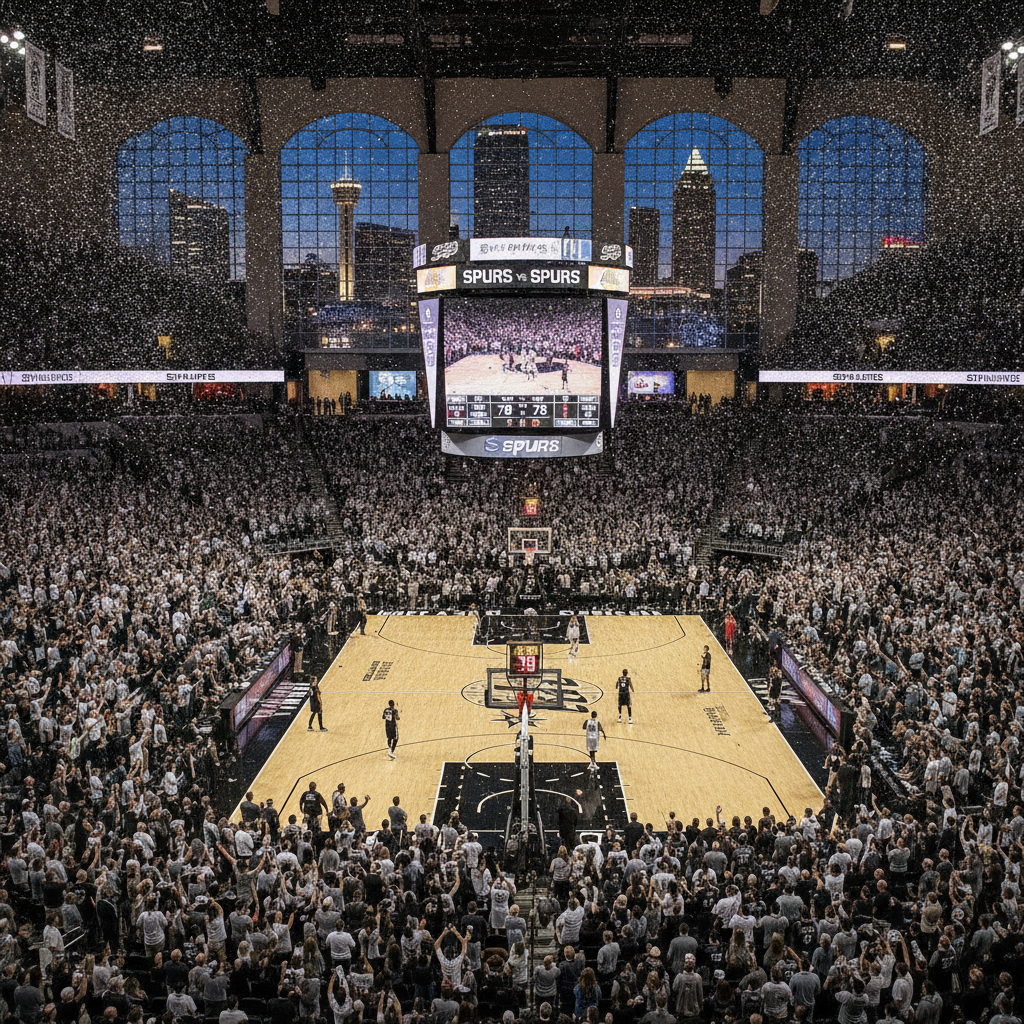
San Antonio: Five NBA Championships, Texas First Modern Art Museum and a 300-Year-Old Spring
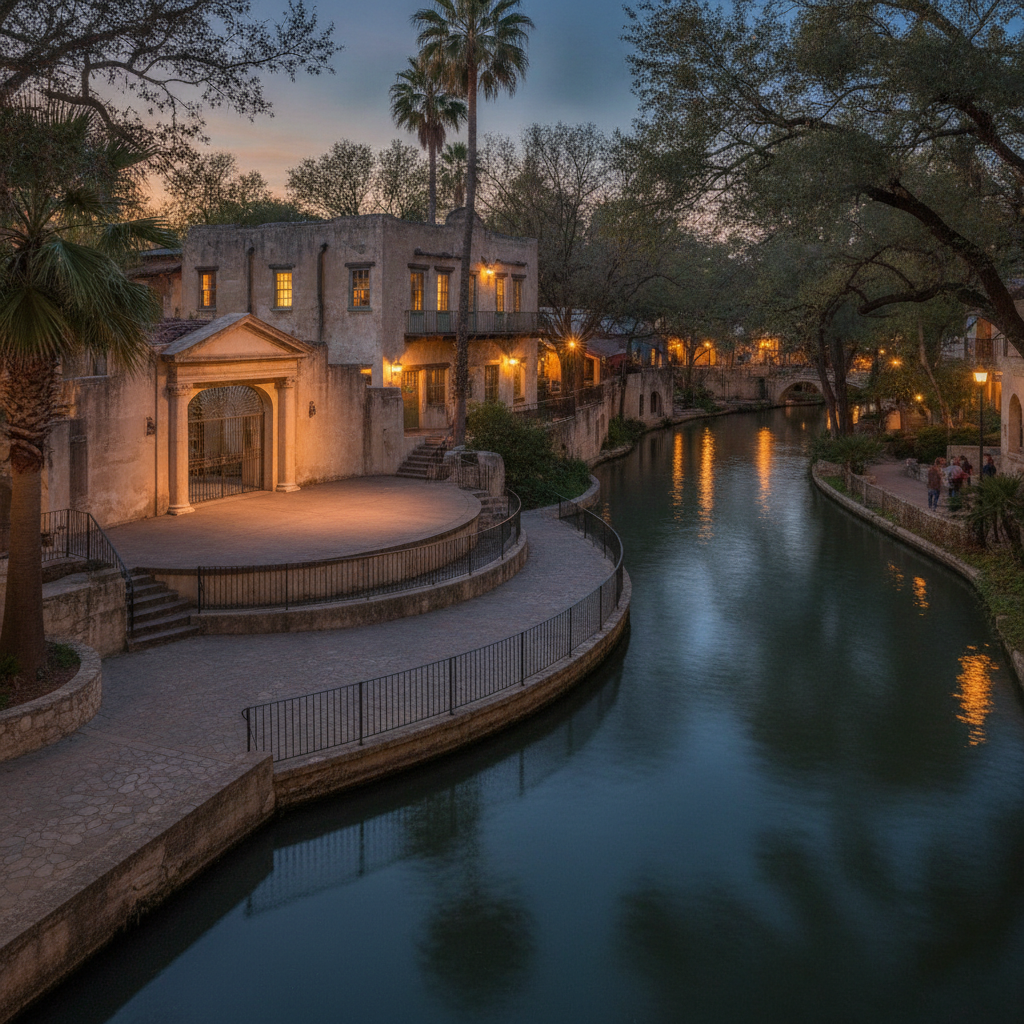
San Antonio: America Oldest Church, Confetti Egg Battles at Fiesta and the Maverick Who Named a Word
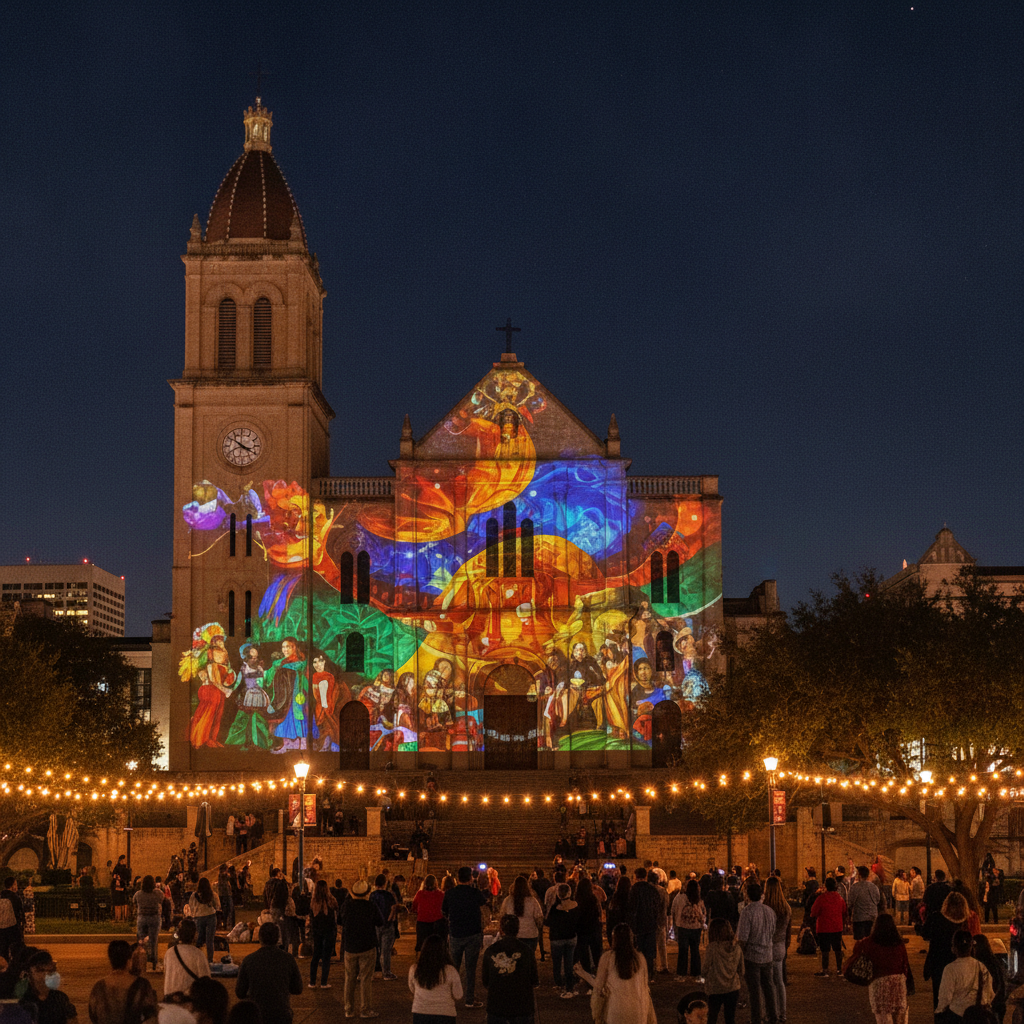
San Antonio: Natural Bridge Caverns and Edwards Aquifer Karst (Texas blind salamander, Comal Springs), Market Square El Mercado (Mi Tierra 24-hour Mexican bakery, puffy taco origin, breakfast taco civic debate), San Fernando Cathedral (oldest operating US cathedral 1749, Alamo defenders buried here, nightly projection show), San Pedro Creek Culture Park (2.2km mosaic tile linear park, 13 cultures of San Antonio), African American Heritage (Juneteenth oldest traditions, Carver Center, Buffalo Soldiers Fort Sam Houston), and 21st Century Growth (Toyota manufacturing, USAA headquarters, Rackspace, San Antonio affordability)