Salzburg — the Hohensalzburg Fortress, Mozart's Birthplace & the Sound of Music City
Salzburg (the capital of the Austrian state of Salzburg, population 155,000, the 'City of Mozart' — the birthplace of Wolfgang Amadeus Mozart in 1756, the city that gave the world its most beloved classical composer — the UNESCO World Heritage Old Town the most complete Baroque city north of the Alps, the city immortalized in The Sound of Music 1965 and the Salzburg Festival the most prestigious classical music festival in the world)
- 1
Hohensalzburg Fortress — the Medieval Summit
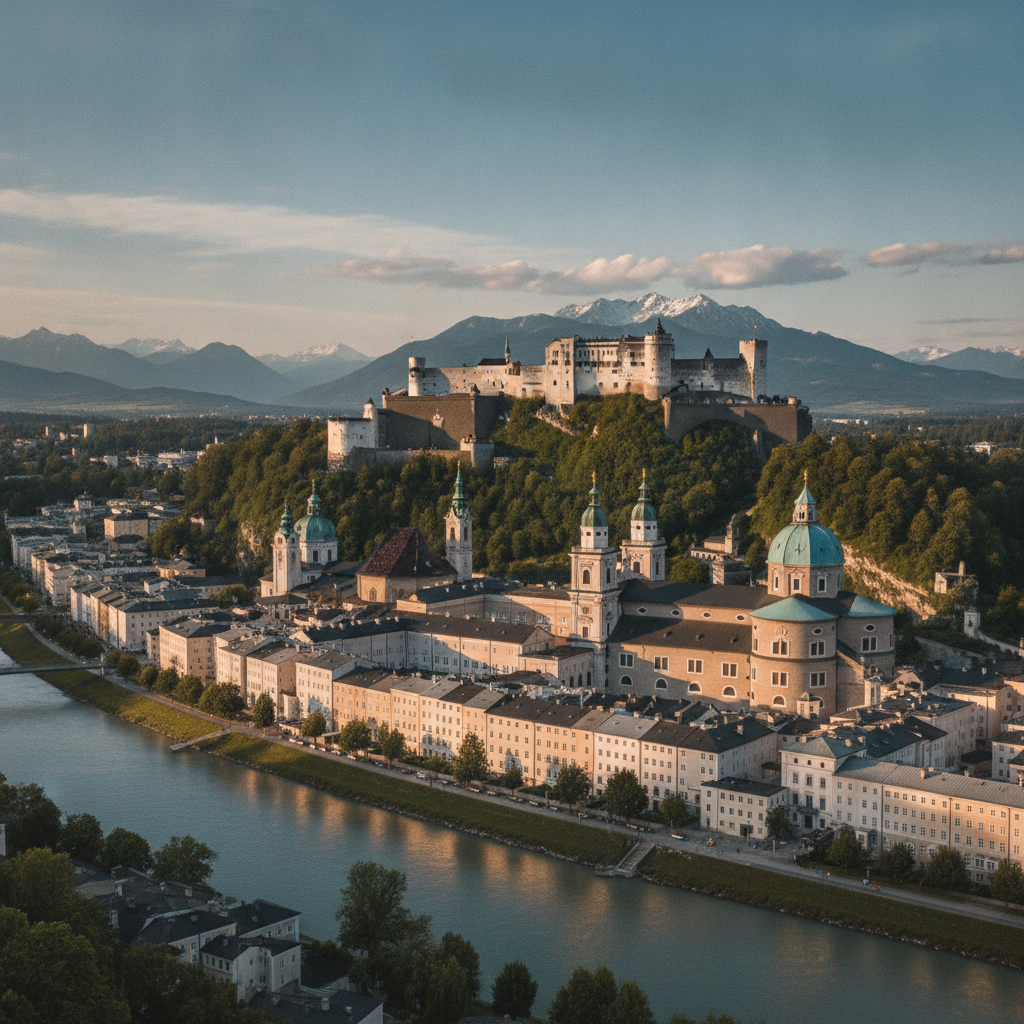
Festung Hohensalzburg (the fortress on the 120m Festungsberg hill above the Old Town, the largest fully preserved castle in central Europe, built 1077 by Archbishop Gebhard von Helffenstein and expanded continuously until the 17th century, the fortress the seat of the Prince-Archbishops of Salzburg — the religious rulers who governed Salzburg as an independent state within the Holy Roman Empire until 1803, the fortress never successfully stormed in its entire history, accessible by the Festungsbahn funicular every 10 minutes from the Festungsgasse station at €13 adults return including fortress entry, or on foot via the 20-minute Festungsgasse path at free access, the fortress open daily 9am-7pm in summer, 9am-5pm in winter): the State Rooms (the Golden Hall and the Golden Room — the Archbishop's private apartments of the late 15th century, the most elaborate secular Gothic interior in Austria, the gilded rib vaulting and the painted ceiling the most technically impressive elements, included in the fortress entry), the fortress view (the panoramic view from the bastions: the Salzburg Old Town directly below, the Salzach River curving south, the Alps rising immediately to the south and southeast — the Untersberg and the Berchtesgadener Land — the most dramatic Alpine capital panorama in Europe, the view at sunset from the east bastion the most photographed view in Salzburg), the Marionette Theatre (the summer performances of the Mozart operas in the marionette theatre in the fortress grounds — the Salzburger Marionettentheater the most famous marionette company in the world, performances April-October, tickets €30-50 at marionettentheater.at) and the Rainer Museum (the military museum in the fortress, the historical weapons and the Austrian Imperial military objects, included in the fortress entry).
- 2
Mozart's Birthplace and the Getreidegasse
Mozarts Geburtshaus (Getreidegasse 9, the house where Wolfgang Amadeus Mozart was born on January 27, 1756 — the third floor apartment of the house the Mozart family rented from 1747 to 1773, the apartment preserved as the most visited museum in Salzburg, €13 adults, daily 9am-5:30pm in summer, the furnishings not original — the family moved out in 1773 — but the reconstruction of the Mozart period including the child's violin, the portrait miniatures, and the family harpsichord, the most complete documentation of Mozart's childhood available in a single location): the Getreidegasse itself (the 300m pedestrian shopping street from the Old Market square west, the most photographed street in Salzburg — the wrought iron guild signs hanging over the shop doors the characteristic element, the signs the Baroque commercial signage system by which illiterate shoppers could identify the trades — the sign of the lock for the locksmith, the sign of the shoe for the cobbler, the sign of the crown for the pharmacy — the McDonald's wrought iron sign the most discussed contemporary addition to the Baroque street), the Mozart Wohnhaus (Makartplatz 8 on the Salzburg New Town side, the house where Mozart lived 1773-1780 — the family's second and larger Salzburg residence — now the second Mozart museum, €13 adults, daily 9am-5:30pm, the combination ticket with the Geburtshaus at €20), and Café Tomaselli (Alter Markt 9, the coffeehouse founded 1703, the oldest operating café in Austria, the Salzburg marble tables and the silver coffee services, the Salzburger Kugel — the Reber chocolate truffle of the city — available at the counter at €5-8 per piece, the café the most historically embedded social institution in the Salzburg Old Town).
- 3
Salzburg Cathedral and the Old Town Squares
Salzburger Dom (Domplatz 1, the Baroque cathedral rebuilt 1614-1628 by Archbishop Markus Sittikus after the Romanesque cathedral was damaged by fire, the first fully Italian Baroque cathedral north of the Alps, the twin towers 79m tall, the interior the most elaborately decorated Baroque church interior in Austria — the ceiling frescoes of the life of St. Rupert and St. Virgil, the sculptural programme by the south German Baroque masters, the font where Mozart was baptized January 27 1756 the single most historically charged object in Salzburg, the cathedral free, open daily 8am-7pm in summer): Domplatz (the cathedral square with the Immaculate Conception pillar of 1771, the square the main outdoor venue of the Salzburg Festival — the stage for the outdoor Jedermann performance, the annual performance of Hugo von Hofmannsthal's Everyman that opens the Salzburg Festival since 1920, the most attended outdoor theatrical performance in Europe at 2,500 seats per performance — and the Residenzplatz, the adjacent square with the Residenz fountain — the 15m Baroque fountain of 1661 the largest Baroque fountain north of the Alps, the most photographed single fountain in Austria) and the Kollegienkirche (the Collegiate Church at Universitätsplatz, the Fischer von Erlach Baroque masterpiece of 1707 — the architect who designed the Karl von Erlach churches in Vienna also built this church, the most architecturally distinguished Baroque church exterior in Salzburg, free, open daily).
- 4
The Mirabell Palace and Gardens
Schloss Mirabell (Mirabellplatz, the palace built 1606 by Prince-Archbishop Wolf Dietrich von Raitenau for his mistress Salome Alt — a scandal that led to the Archbishop's imprisonment in the Hohensalzburg Fortress — the palace rebuilt in the Baroque style 1721-1727 by Johann Lukas von Hildebrandt, the palace interior including the Marble Hall — the most beautiful Baroque secular interior in Salzburg, the stucco and the frescoes by the Raphael Donner school, the venue for the regular evening Mozart concerts, tickets €35-55 at salzburg-concerts.com): the Mirabell Gardens (the formal Baroque garden south of the palace, the garden the primary Sound of Music filming location — the Do-Re-Mi scene shot on the fountain terrace and the steps of the garden — the most visited film location in Europe, the garden free, open daily 6am-dusk, the dwarf garden with the 28 Baroque marble dwarfs the most unusual element of the garden, the dwarfs dating from the early 18th century Archbishop's menagerie), and the Pegasus Fountain (the central fountain of the garden terrace, the gilded Pegasus horse on the granite basin, the fountain the geographical centre of the Sound of Music garden sequence, the most photographed garden element in Salzburg after the central avenue of the formal parterre) and the garden concerts (the free outdoor Mozart concerts in the Mirabell Garden in July-August from 10:30am on selected Sundays and Wednesdays — the programme at salzburg.info, the most relaxed musical experience in Salzburg at no cost).
- 5
The Salzburg Festival — the World's Premier Classical Music Event
Salzburger Festspiele (the Salzburg Festival, the annual festival of classical music and theatre held in Salzburg from late July to end of August, the most prestigious classical music festival in the world — the festival founded 1920 by Hugo von Hofmannsthal, Richard Strauss, and Max Reinhardt, the annual attendance 270,000 over 200+ performances, the tickets the most difficult to obtain of any European cultural event, the ticket lottery for the main performances opening in November for the following summer's festival — the complete sold-out status for the major operas by January, the tickets at salzburgerfestspiele.at): the Jedermann (the annual opening performance of Hugo von Hofmannsthal's morality play 'Everyman' on the Domplatz, the performance the most famous theatrical event in Austria, the voice of Death calling Everyman — 'Jedermann!' — from the cathedral towers while the actor runs across the square the most theatrical moment in the Salzburg cultural calendar, the performance rained out 2-3 times per decade requiring the indoor Felsenreitschule venue), the opera programme (the 5-6 opera productions per festival the primary cultural event, the Große Festspielhaus the main opera venue — the 2,179-seat hall carved into the Mönchsberg cliff, the most architecturally dramatic opera house in the world — the programme typically including 2 Mozart operas, 1 Verdi or Wagner, and 1 contemporary work), and the concerts (the Wiener Philharmoniker — the Vienna Philharmonic Orchestra — performing 10-12 concerts per festival, the most important orchestral residency in Salzburg, the tickets the most expensive in Salzburg at €200-450 per concert for the premium seats, the 'Ouverture Spirituelle' religious concert series the most affordable festival concerts at €30-80).
- 6
Salzburg Practical — The Sound of Music Tour and the Mozart Balls
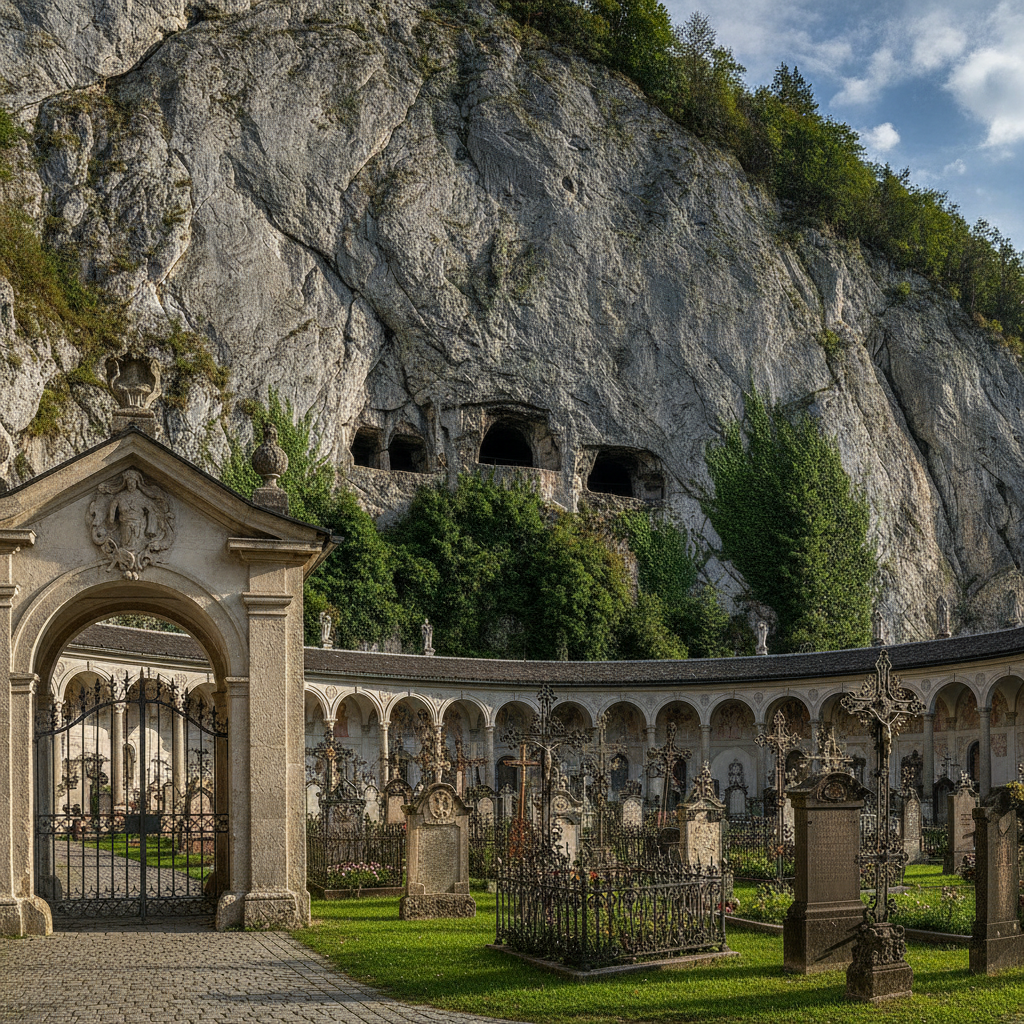
Salzburg practical: The Sound of Music tour (the 3-4 hour bus tour visiting the filming locations of the 1965 Robert Wise film — the Mirabell Garden, the St. Peter's Cemetery, the Werfen Alps used for the escape scenes, and the Nonnberg Abbey where Maria Trapp was a novice — the tour the most purchased activity by English-speaking visitors to Salzburg at €45-60 per person, the operators including Panorama Tours and Bob's Special Tours, the booking essential in July-August), Salzburger Mozartkugel (the spherical chocolate with the marzipan and pistachio centre, the most famous Austrian chocolate product, created by confectioner Paul Fürst in 1890, the authentic Fürst Mozartkugel in the round silver-gold-red wrapper at €1.50 per piece at Fürst Konditorei at Brodgasse 13, distinguishable from the mass-produced Reber version in the red-silver-gold wrapper at €0.80 per piece in every tourist shop — the taste difference significant, the Fürst version the correct purchase, the Fürst original available at the 4 Salzburg Fürst locations only, not in the general tourist shops), access (the Salzburg Airport 4km west, bus 2 to the city centre in 20 minutes at €2, or the direct train from Vienna 2.5 hours at €20-50 in advance, Munich 1.5 hours at €15-40, and Innsbruck 2 hours at €20-45), and the Salzburg Card (the tourist card at €30/24h, €38/48h, €44/72h covering all public transport and museum entry including the fortress and the Mozart museums, worthwhile for visitors doing 3+ attractions per day, available at the Salzburg tourist information at Mozartplatz 5).
Walk this route with audio
Stories play automatically as you reach each stop — no tapping needed.
More in salzburg
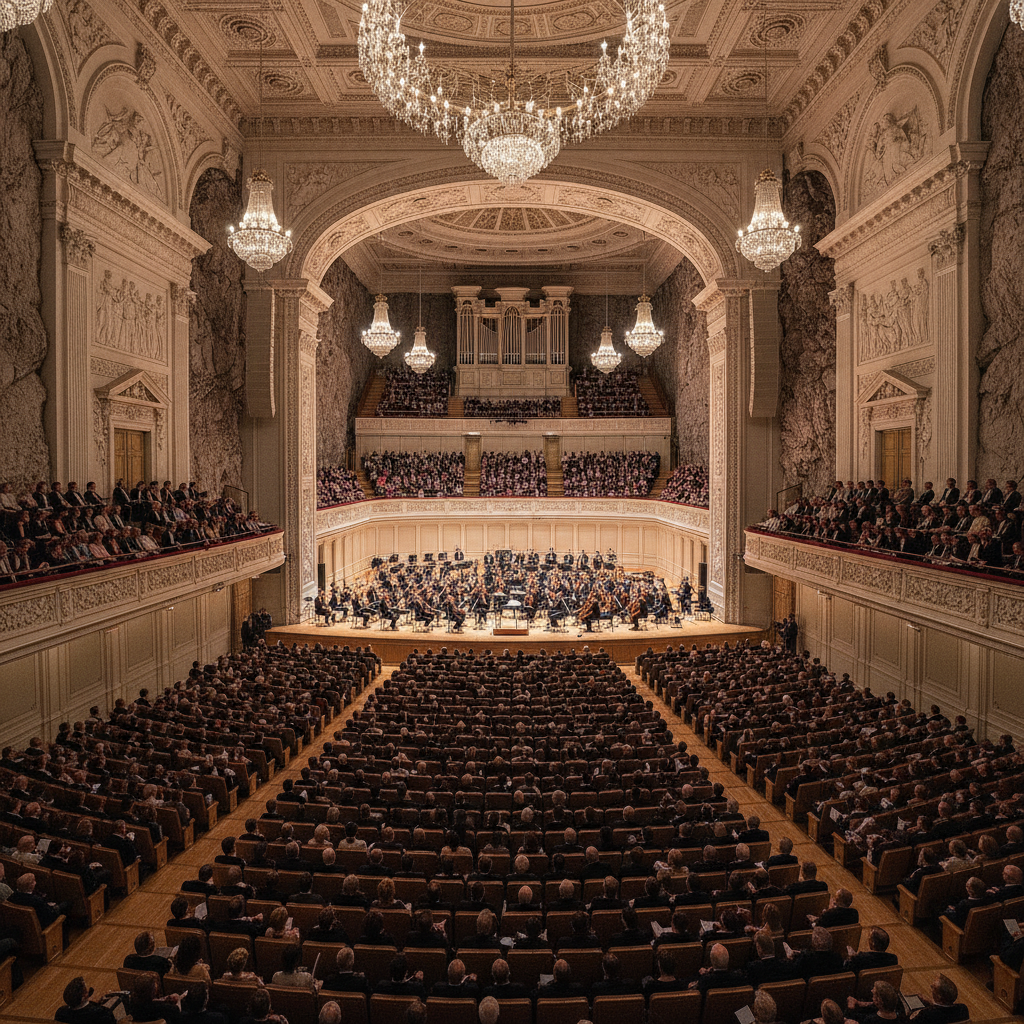
Salzburg Mozart — the Mozarteum Foundation, Mozart Museums & the Complete Musical Legacy
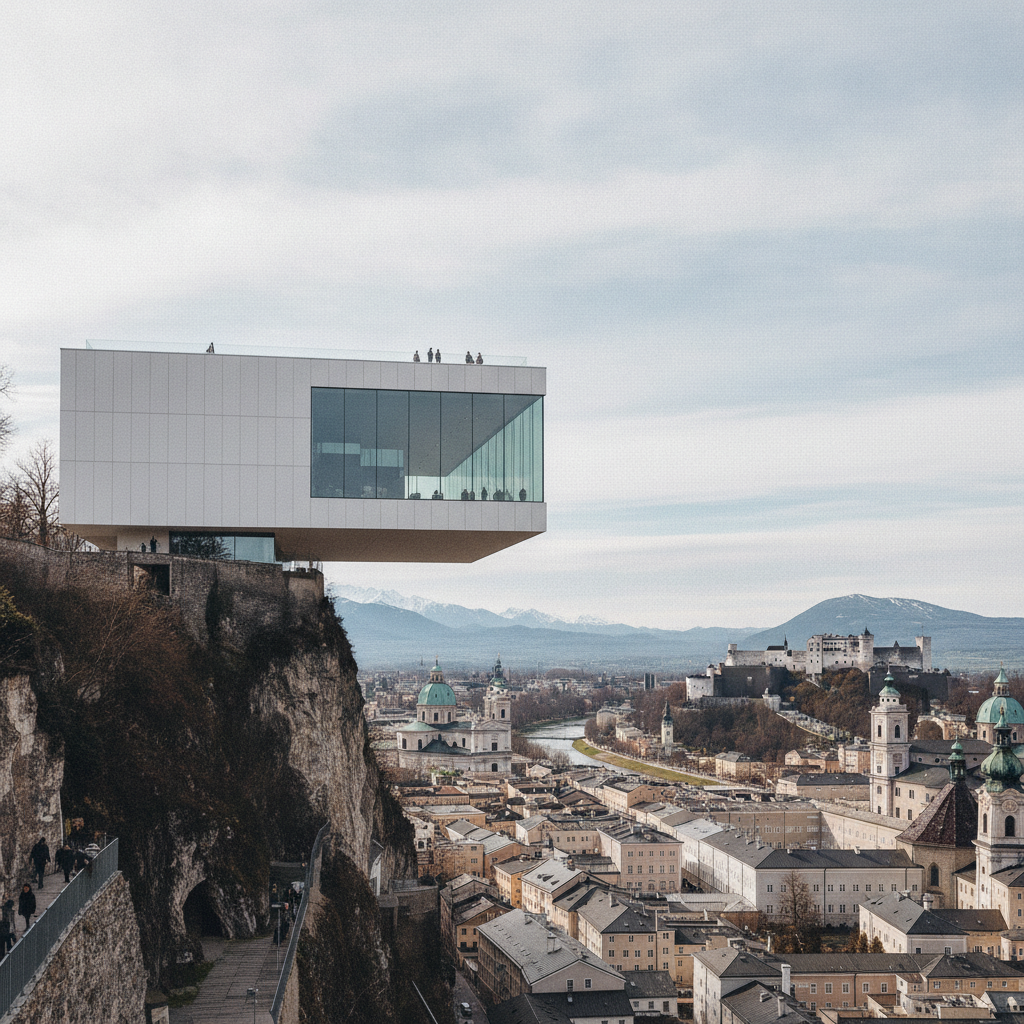
Salzburg Art and Museums — the Museum der Moderne, Salzburg Museum & the Rupertinum
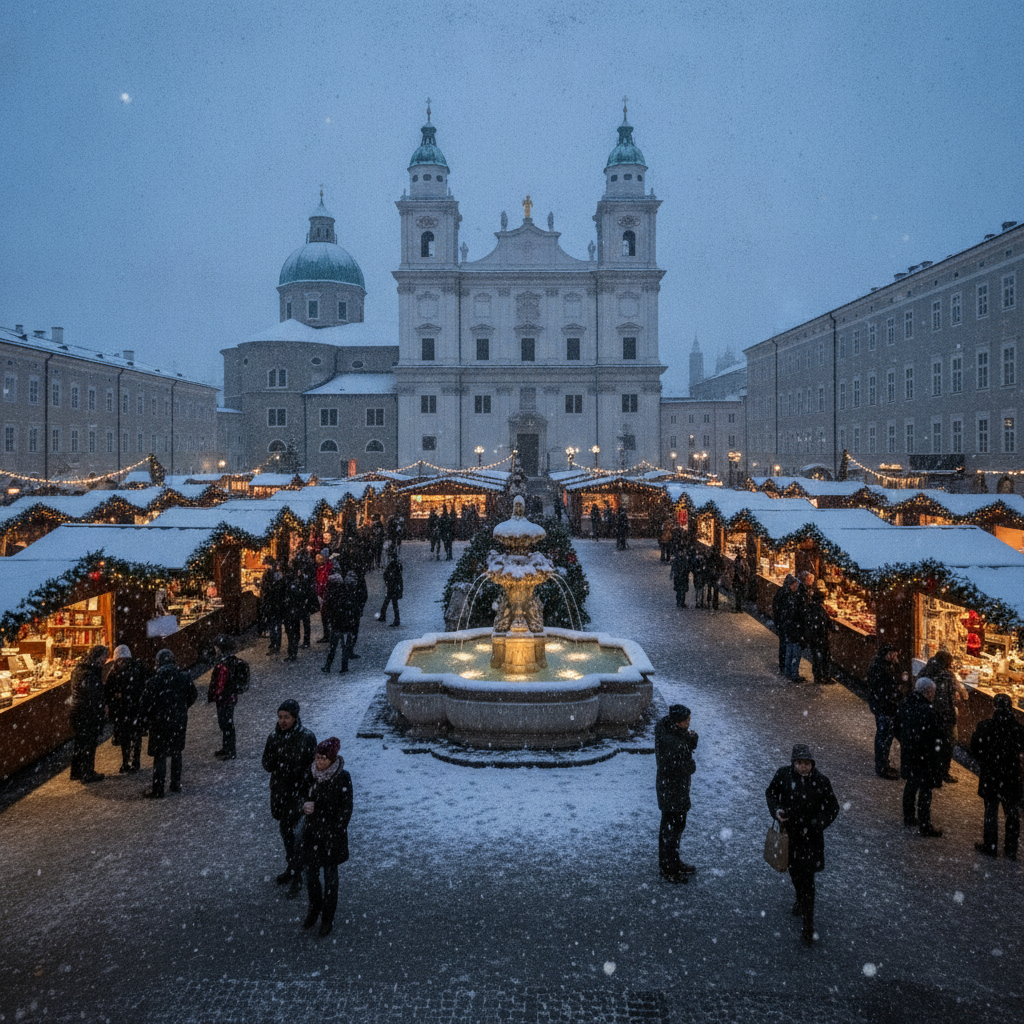
Salzburg Practical — Seasons, the Mozart Week, Christmas Market & Getting Around
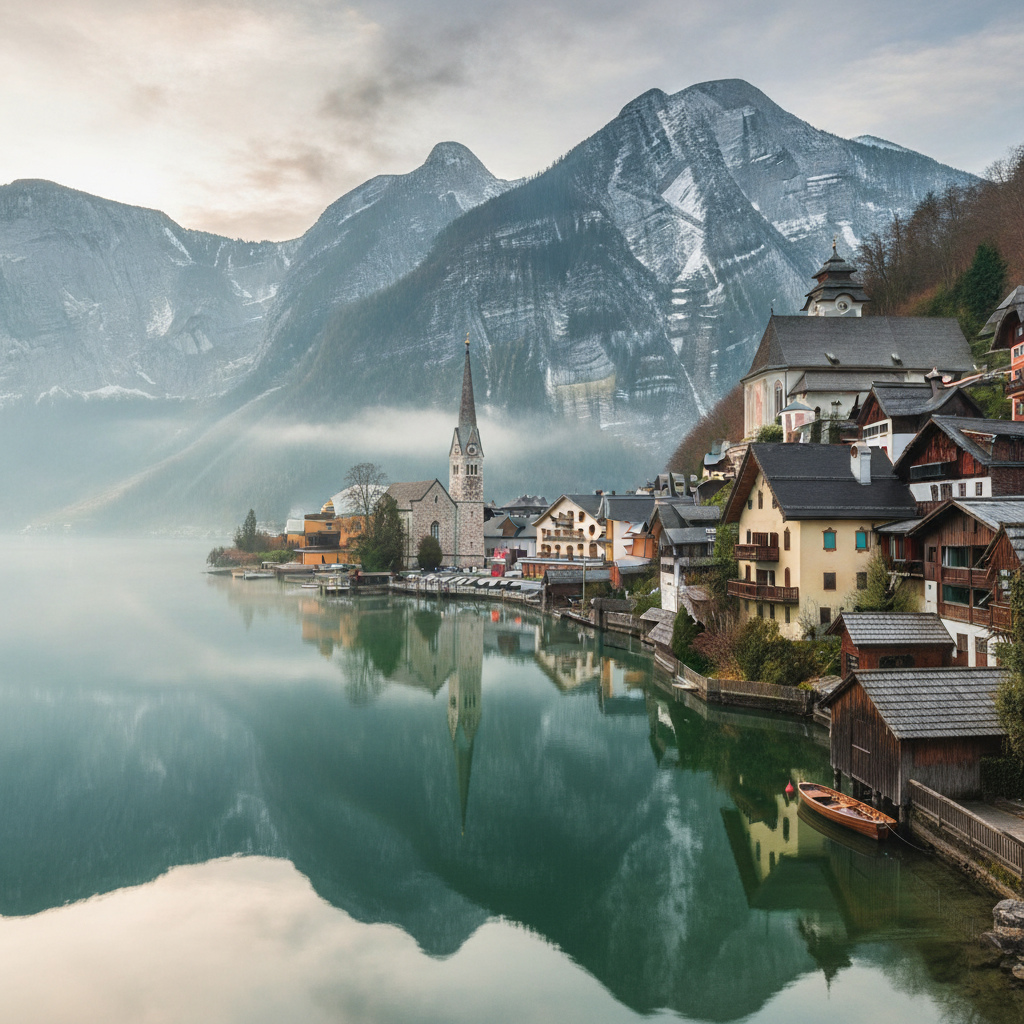
Salzburg Day Trips — the Salzkammergut Lakes, Hallstatt & the Austrian Alpine Landscape