Salvador: Pelourinho, Candomble, Capoeira, and the African Cultural Capital of the Americas
Salvador, the first capital of colonial Brazil and the city most shaped by the African heritage of the enslaved people who built its churches and estates, is the most important center of Afro-Brazilian culture in the Americas, where Candomble religion, capoeira martial art, olodum drumming, and acarajé street food form a living cultural tradition of extraordinary richness.
- 1
Pelourinho: The African Heart of Colonial Brazil
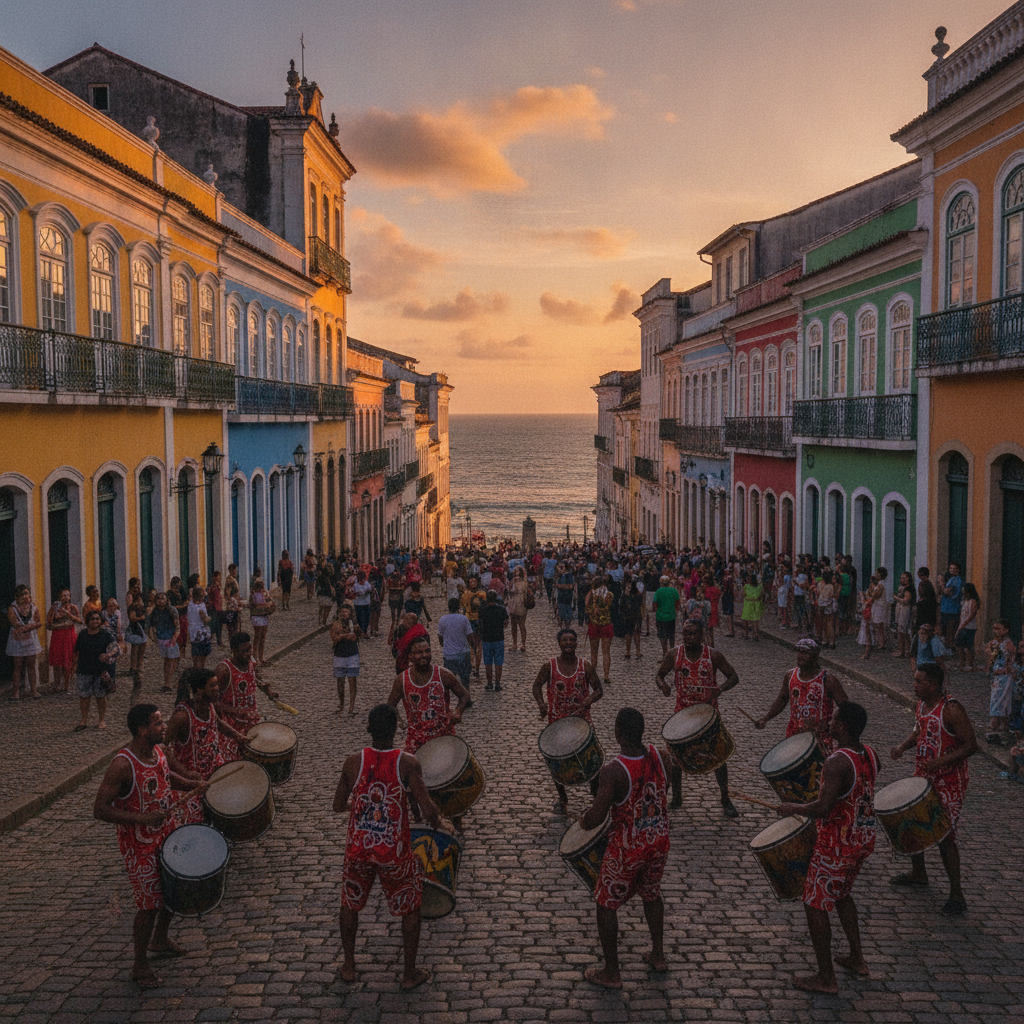
Pelourinho, the hilltop colonial center of Salvador and UNESCO World Heritage Site, is the most concentrated expression of Afro-Brazilian culture in the Americas, where the Portuguese colonial architecture painted in vivid tropical colors provides the backdrop for candomble rituals, capoeira schools, and the olodum drum group performances that have given Salvador its identity as the black cultural capital of Brazil. The whipping post that names the neighborhood stands as a reminder of the enslaved labor that built and sustained the colonial economy.
- 2
Candomble: The Living African Religion
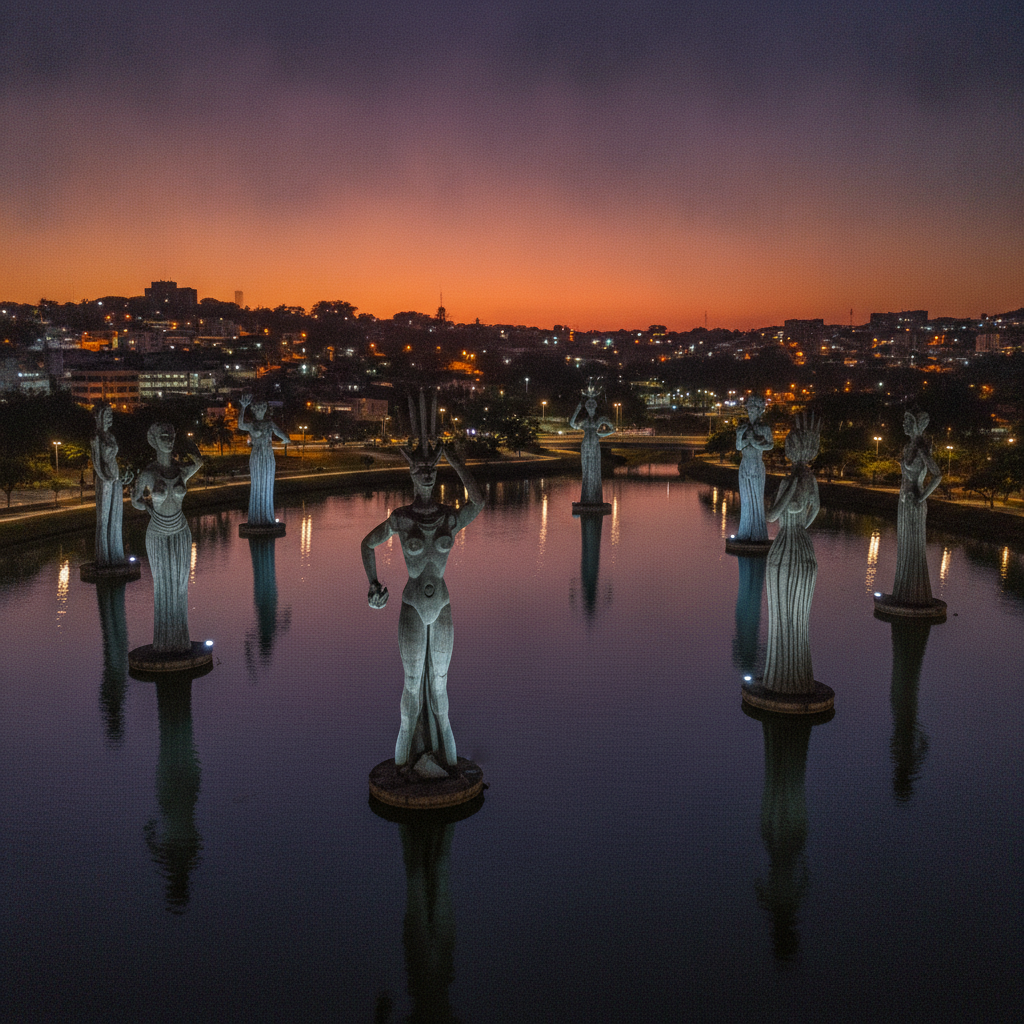
Candomble, the Afro-Brazilian religion that preserved the Yoruba, Fon, and Bantu spiritual traditions of enslaved Africans in the structure of the Catholic saint-orixá syncretism, is more present and publicly accessible in Salvador than anywhere else in Brazil; the terreiros, the Candomble ceremonial houses, number in the thousands in the Salvador metropolitan area, and the rhythm of the Candomble ceremonial calendar shapes the cultural life of the city throughout the year.
- 3
Capoeira: The Martial Art Dance
Capoeira Angola, the oldest form of the Afro-Brazilian martial art that was developed in the Bahia plantation system as both a combat technique disguised as dance and a spiritual practice connecting the practitioner to the African heritage, is most authentically practiced in Salvador by the Mestre Joao Grande academy and the Grupo de Capoeira Angola Pelourinho who maintain the tradition of the founder Mestre Pastinha. The street capoeira demonstrations of Pelourinho, while tourist-oriented, provide the most accessible first encounter with the form.
- 4
Olodum and Axe: The Salvador Music Tradition
Olodum, the afoxe and samba-reggae percussion group founded in Pelourinho in 1979, became internationally known through the collaboration with Paul Simon on the Graceland follow-up album and with Michael Jackson in the video filmed in Pelourinho, combining Yoruba ceremonial drumming rhythms with Caribbean reggae in a sound that defined the axe music movement of the 1980s and 1990s. The Olodum rehearsal performances in Pelourinho on Tuesday nights are the most accessible introduction to the Salvador music tradition.
- 5
Baianas and the Food of the Street
The baianas de acaraje, the women in white Candomble-associated dress who sell the deep-fried acarajé bean fritter stuffed with vatapa and caruru shrimp paste from their street stalls throughout Salvador, are the most visible expression of the Afro-Brazilian food culture and are recognized by UNESCO as bearers of an intangible cultural heritage. The acarajé is the most distinctive food of Salvador and the best introduction to the Afro-Bahian cuisine that has influenced Brazilian food nationally.
- 6
Iemanja Festival: The Sea Goddess Celebration
The festival of Iemanjá on February 2 in the Rio Vermelho neighborhood, when Candomble devotees and secular Bahians together carry offerings of flowers, mirrors, and perfume to the sea in decorated baskets in honor of the orixá goddess of the ocean, is the most publicly celebrated Candomble ceremony in Brazil and a demonstration of the integration of African spiritual traditions into the mainstream culture of Salvador.
Walk this route with audio
Stories play automatically as you reach each stop — no tapping needed.
More in Salvador
Salvador History: Slavery, the Colonial Capital, the Reconcavo Plantation Zone, and the Afro-Brazilian Legacy
Salvador Practical Guide: Upper and Lower City, Carnival Planning, Neighborhoods, and the Bahia Coast Route
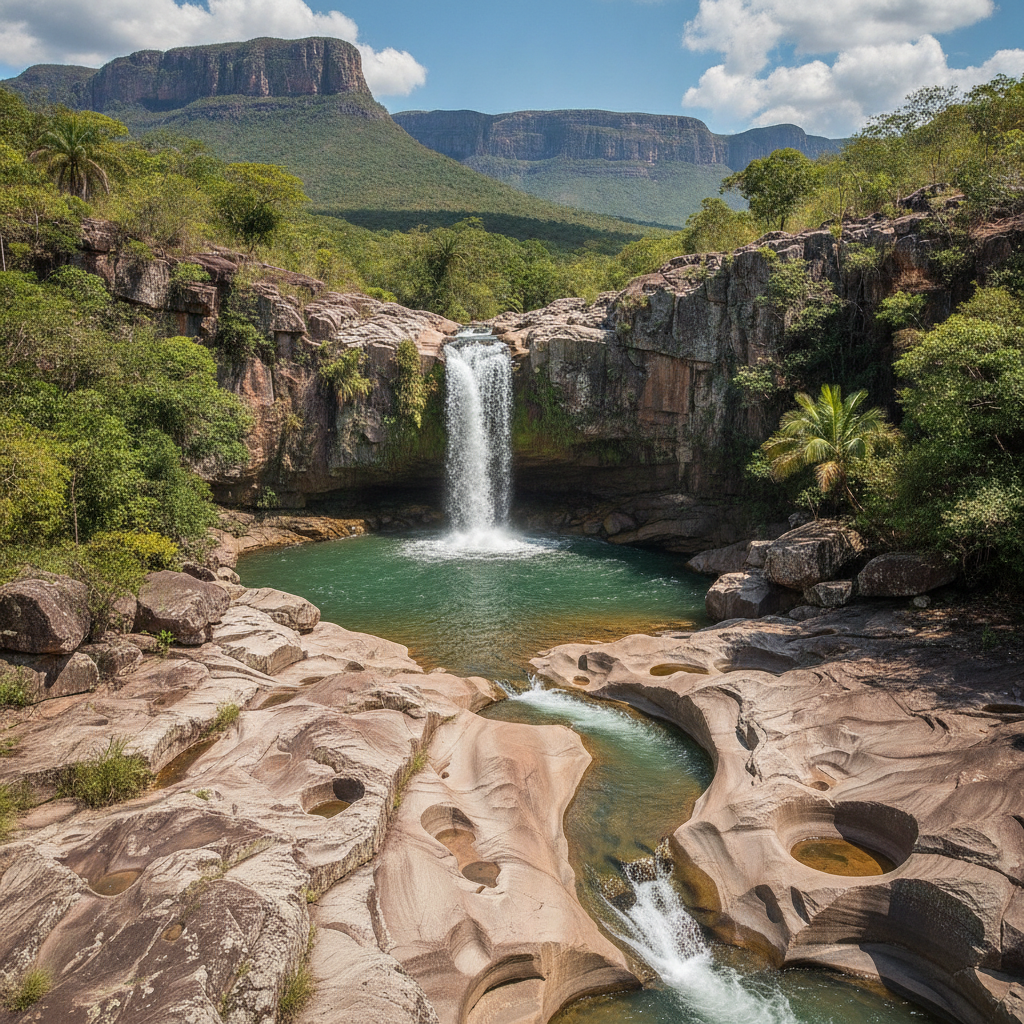
Salvador Day Trips: Chapada Diamantina, Whale Sharks at Praia do Forte, Morro de Sao Paulo, and the Irmandade da Boa Morte
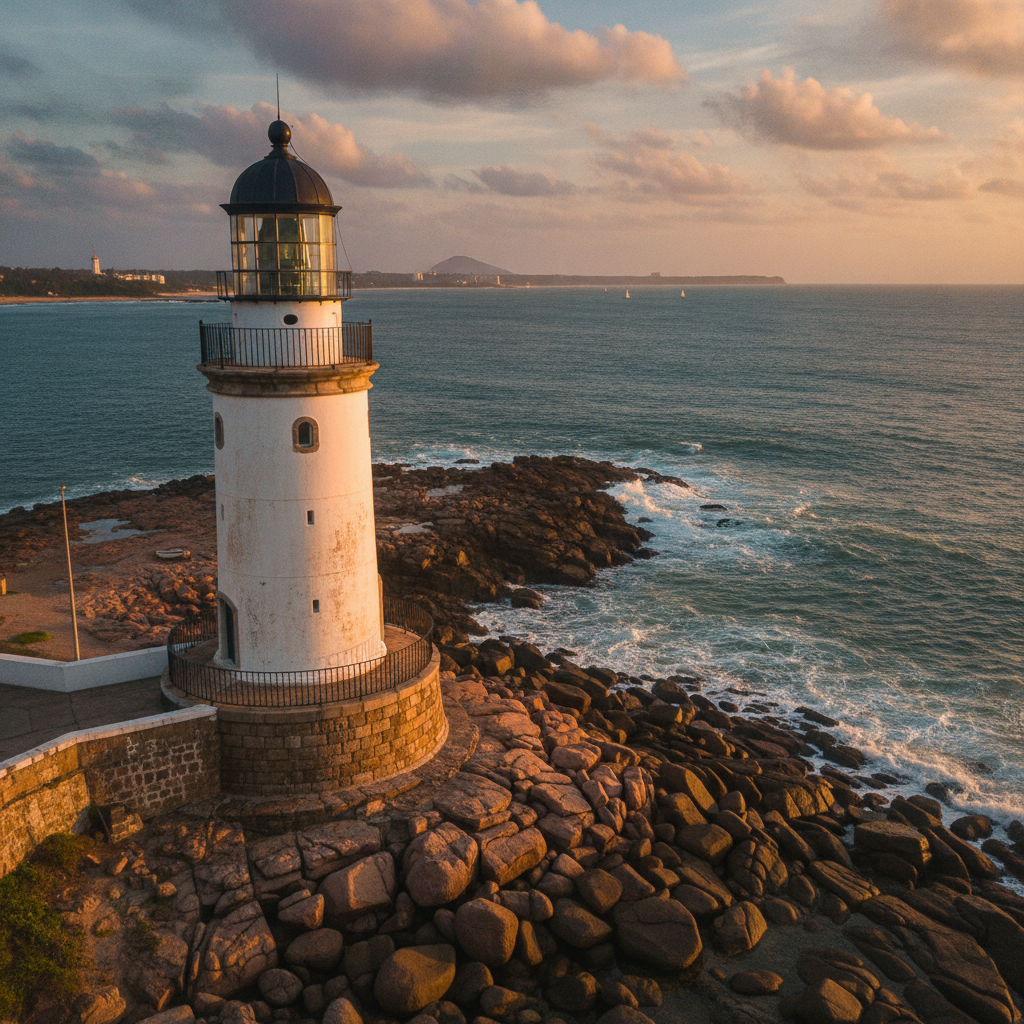
Salvador: Barra Lighthouse, Quilombo Communities, Afro-Brazilian Fashion, and the Bahian Night Culture
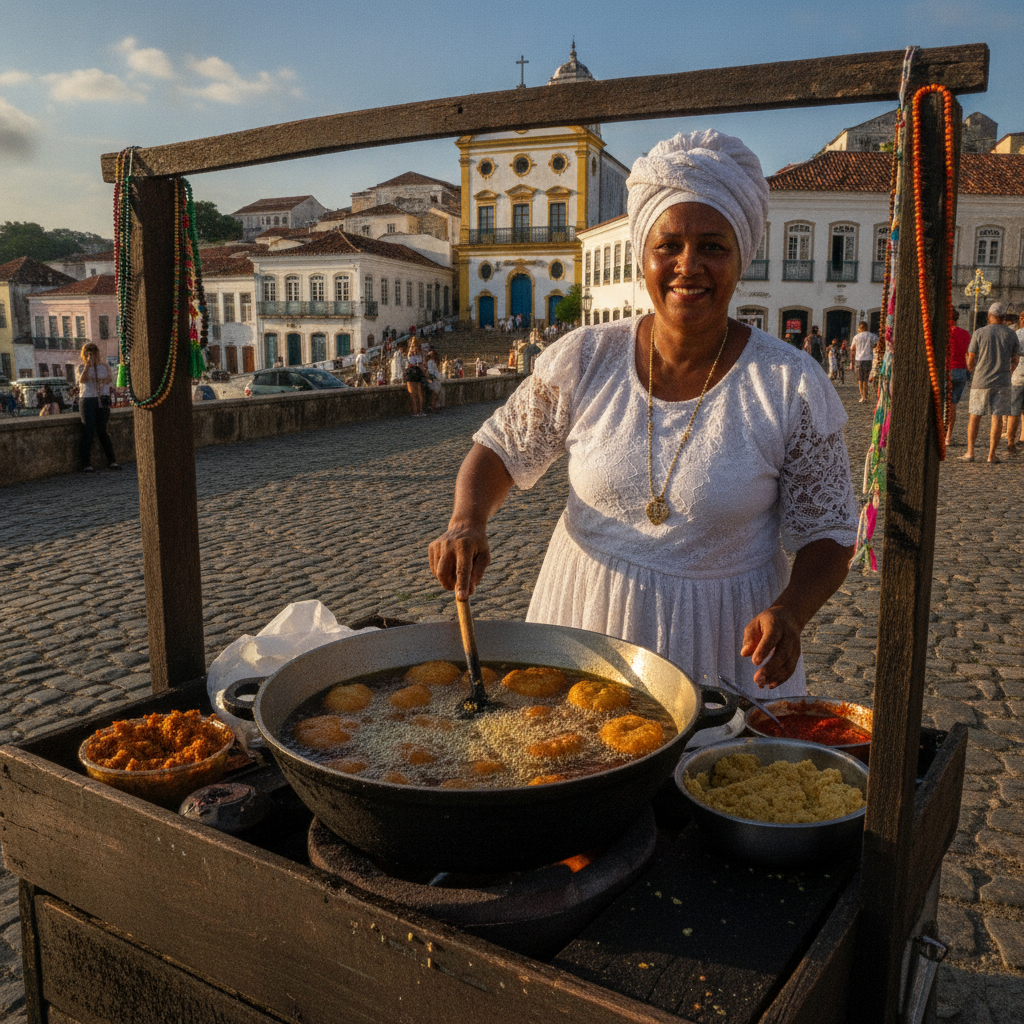
Salvador Food: Moqueca, Acarajé, the Afro-Bahian Kitchen, and the Art of the Baiana