Salvador: Barra Lighthouse, Quilombo Communities, Afro-Brazilian Fashion, and the Bahian Night Culture
The final facets of Salvador include the Barra lighthouse sunset, the international art residency on Itaparica Island, the Afro-Brazilian fashion aesthetic, the contemporary quilombo rights movement, and the late-night boteco culture that is the most authentic expression of Bahian sociability.
- 1
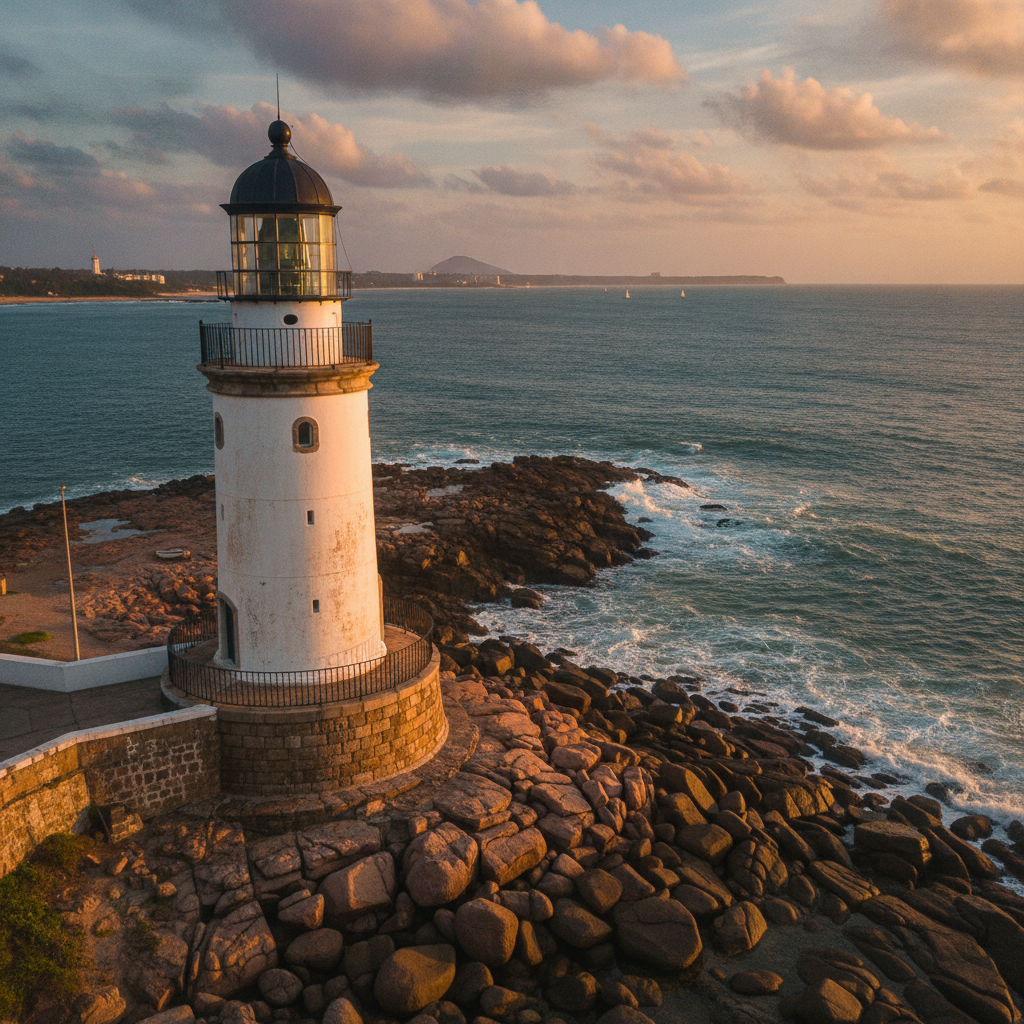
Barra Lighthouse and the Atlantic Current
The Farol da Barra, the lighthouse at the point where the Baia de Todos os Santos meets the Atlantic, is the most popular sunset viewpoint in Salvador and the historical marker for the entry to the bay first described by Amerigo Vespucci on November 1, 1501, giving the bay its name Baia de Todos os Santos. The oceanographic museum inside the lighthouse explains the Atlantic current systems and the maritime history of the bay.
- 2
Instituto Sacatar: Art Residency on the Bay
The Instituto Sacatar on Itaparica Island in the Baia de Todos os Santos, one of the most important international artist residency programs in South America, invites artists from around the world to work in the Bahia environment and has produced a body of work influenced by the Afro-Brazilian cultural environment that provides an international artistic perspective on the Salvador cultural context.
- 3
Afro-Brazilian Fashion: The White Bahia Aesthetic
The white linen and cotton fashion associated with Candomble purity requirements and the Bahian street aesthetic of white-clad practitioners has influenced Brazilian fashion broadly and created a distinctive visual identity for Salvador that is expressed in the luxury fashion brands of the Pelourinho boutiques and the simple white dress of the baiana. The annual Bahia fashion week in Salvador presents the contemporary evolution of this aesthetic.
- 4
Alexandre Dumas and the Bahia Stereotypes
The European romanticization of Bahia, from Alexandre Dumas who described it as the most beautiful city in the world to the succession of travel writers who used Salvador as the setting for their tropical fantasies, has created a layer of stereotype around the city that Bahian intellectuals and artists have both exploited and pushed back against. The question of authenticity in the presentation of Afro-Brazilian culture to foreign visitors is a permanent tension in the cultural economy of Salvador.
- 5
Land Quilombo Communities: The Bahia Descendants
The quilombo descendant communities recognized under the Brazilian constitution as entitled to territorial rights include hundreds of communities in the Bahia interior whose members descend from the enslaved people who escaped the plantation system to form free communities in the colonial period. The contemporary quilombo rights movement is one of the most politically significant Afro-Brazilian social movements and has particular force in Bahia where the quilombo history is most documented.
- 6
Bahia by Night: The Botecos and the Late-Night Culture
The social life of Salvador extends late into the night in the botecos, the simple bars where beer is served in the communal 600ml long-neck bottle tradition, and the music-focused bars of Rio Vermelho and Barra where the forró, pagode Baiano, and axe music performances continue until the early hours. The late-night culture of Salvador, which begins most evenings after 10pm, is the most relaxed and socially egalitarian expression of Bahian life.
Walk this route with audio
Stories play automatically as you reach each stop — no tapping needed.
More in Salvador
Salvador History: Slavery, the Colonial Capital, the Reconcavo Plantation Zone, and the Afro-Brazilian Legacy
Salvador Practical Guide: Upper and Lower City, Carnival Planning, Neighborhoods, and the Bahia Coast Route
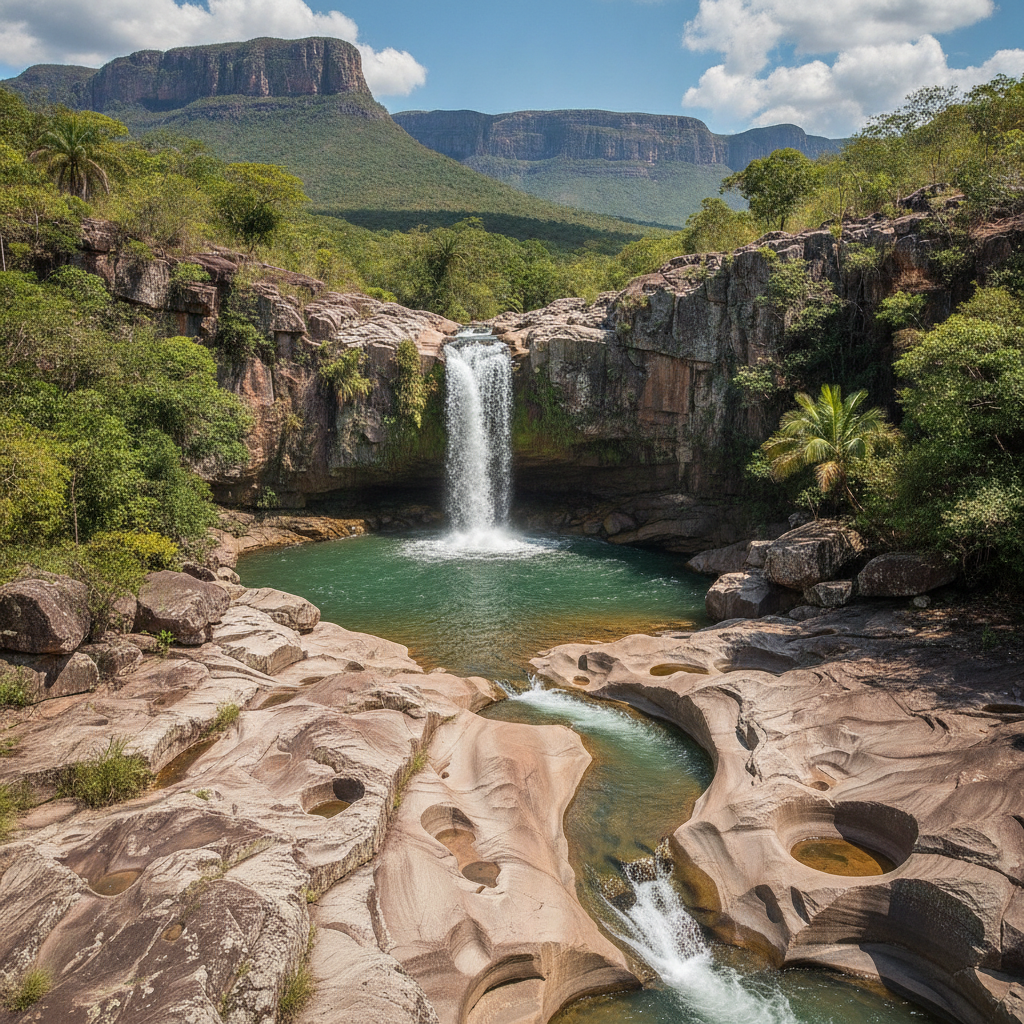
Salvador Day Trips: Chapada Diamantina, Whale Sharks at Praia do Forte, Morro de Sao Paulo, and the Irmandade da Boa Morte
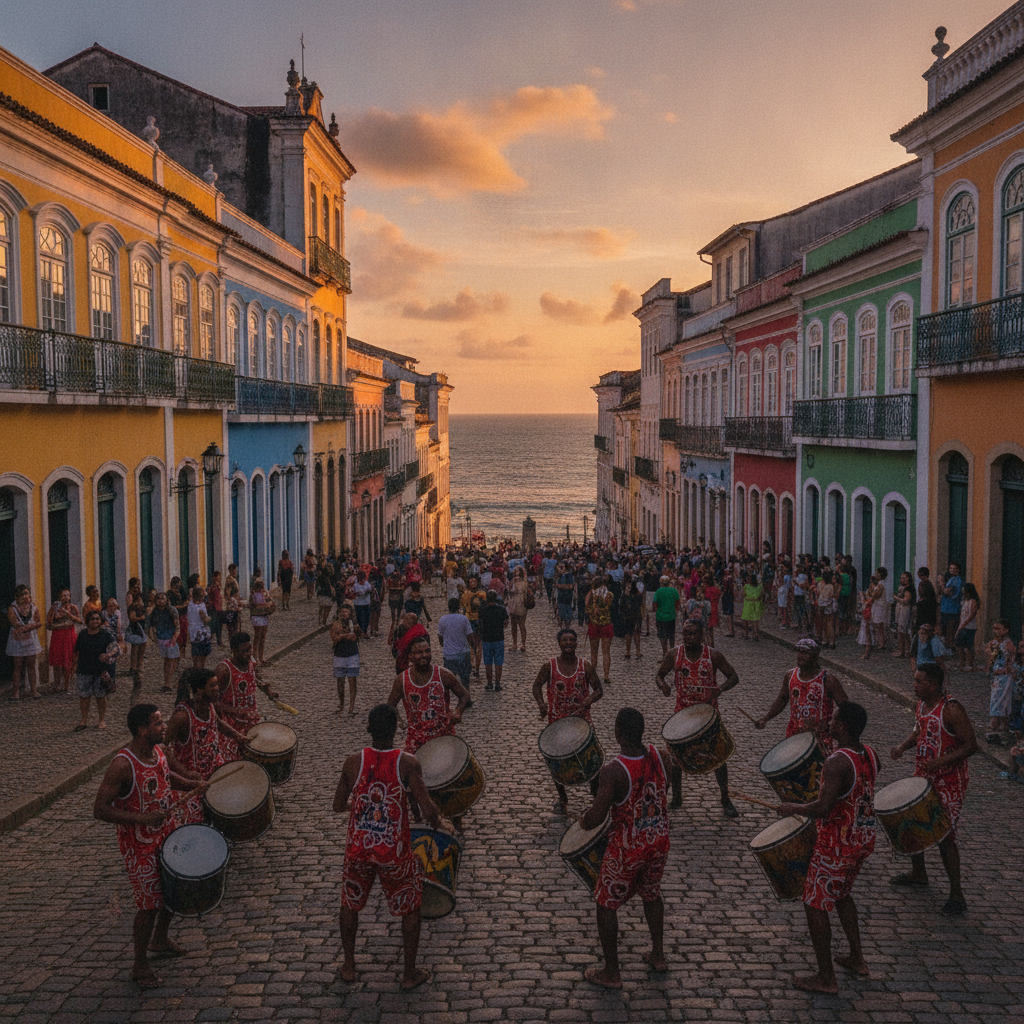
Salvador: Pelourinho, Candomble, Capoeira, and the African Cultural Capital of the Americas
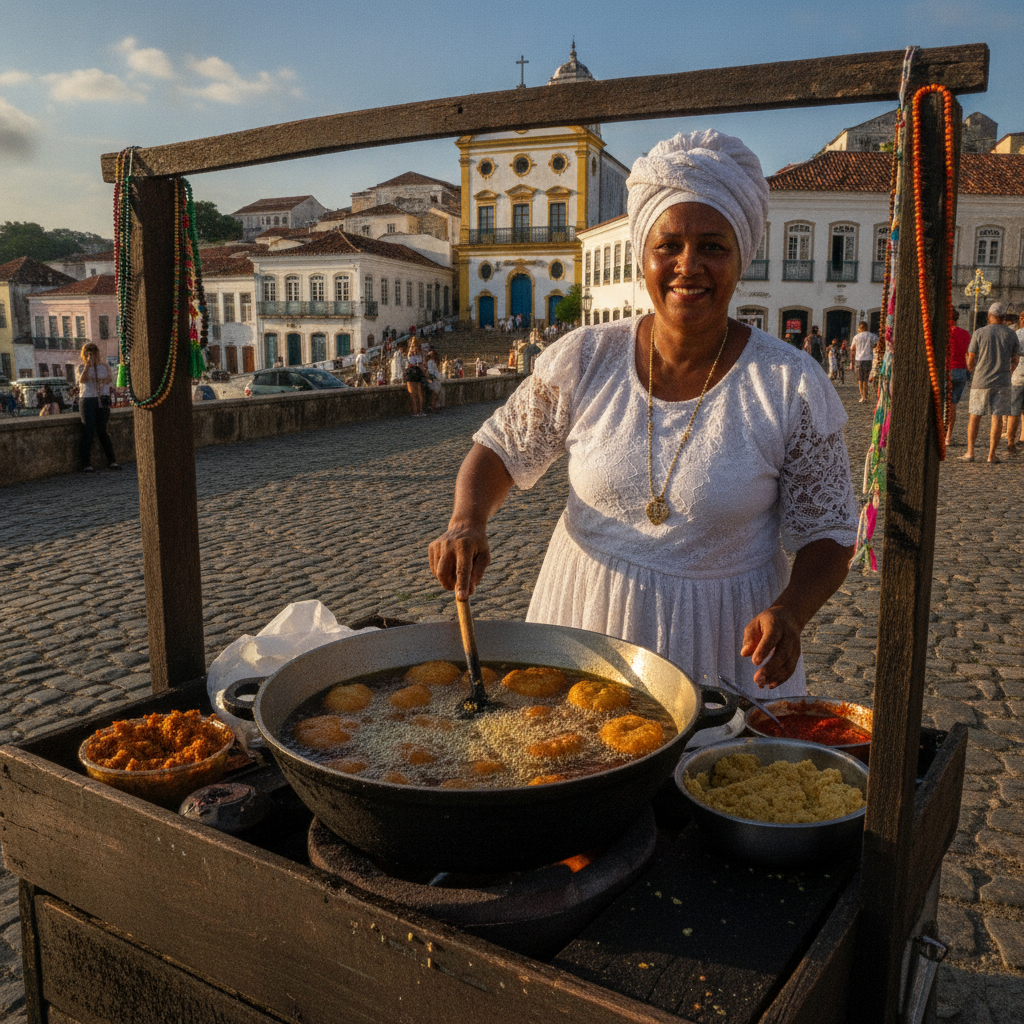
Salvador Food: Moqueca, Acarajé, the Afro-Bahian Kitchen, and the Art of the Baiana