Salt Lake City R2-R6: Utah parks (Zion 4.5M visitors/year Narrows wade upstream 300m walls Angels Landing permits since 2022, Bryce Canyon hoodoos 2400-2800m, Arches 2000 arches Delicate Arch 16m on license plate, Canyonlands 1366 km2 White Rim Road 160km 4WD, Dead Horse Point Thelma Louise 1991, Moab uranium tailings 16M tons Colorado River), Pioneer history (400 settlements 1847-1877 Great Basin, Utah War 1857-1858 Buchanan army 2500 soldiers, Mountain Meadows Massacre September 11 1857 120 killed most damning LDS event, polygamy Manifesto 1890 Edmunds-Tucker 1887, FLDS 30,000-50,000 continue), Great Salt Lake crisis (shrimp harvest 50M kg/year USD 50M most earthly commercial brine shrimp, dust threat arsenic mercury exposed lakebed, overallocation water rights 80% agriculture, canal Pacific proposal USD 50B), neighborhoods (Avenues Victorian Craftsman 1880s-1930s, Beehive House 1854 Lion House Young wives, Tabernacle 1867 pin drop 7000 seats, Sugar House penitentiary site 112 acres, Gilgal Sculpture Garden sphinx Joseph Smith face), food (Word of Wisdom no coffee tea alcohol tobacco, state liquor stores grocery 5% beer, Granary District craft beer Uinta 1993 150,000 barrels Squatters 1989 first brewpub, Utah Pride June 50,000 LGBTQ Capitol Hill).
Salt Lake City R2-R6: Utah parks (Zion 4.5M/year Narrows wade 300m walls, Angels Landing permits since 2022 fatalities, Bryce hoodoos 2400-2800m, Arches 2000 arches Delicate 16m license plate, Canyonlands 1366km2 White Rim 160km 4WD Dead Horse Point Thelma Louise 1991, Moab uranium tailings), pioneer history (400 settlements 1847-1877, Utah War 1857 Buchanan 2500 soldiers, Mountain Meadows September 11 1857 120 killed worst LDS event, polygamy Manifesto 1890, FLDS 30-50,000 continue), Great Salt Lake (brine shrimp 50M kg USD 50M largest commercial harvest, dust arsenic mercury exposed lakebed health threat, overallocation 80% agriculture, Pacific canal proposal USD 50B), neighborhoods (Avenues Victorian 1880s-1930s, Beehive House 1854 Lion House, Tabernacle 1867 pin drop 7000 seats, Sugar House penitentiary park 112 acres, Gilgal sphinx Joseph Smith), food (Word of Wisdom no coffee tea alcohol, state stores 5% grocery, Uinta 1993 150,000 barrels Squatters 1989, Utah Pride 50,000 June Capitol Hill).
- 1
Zion and Bryce Canyon - Utah's Red Rock Wonderland
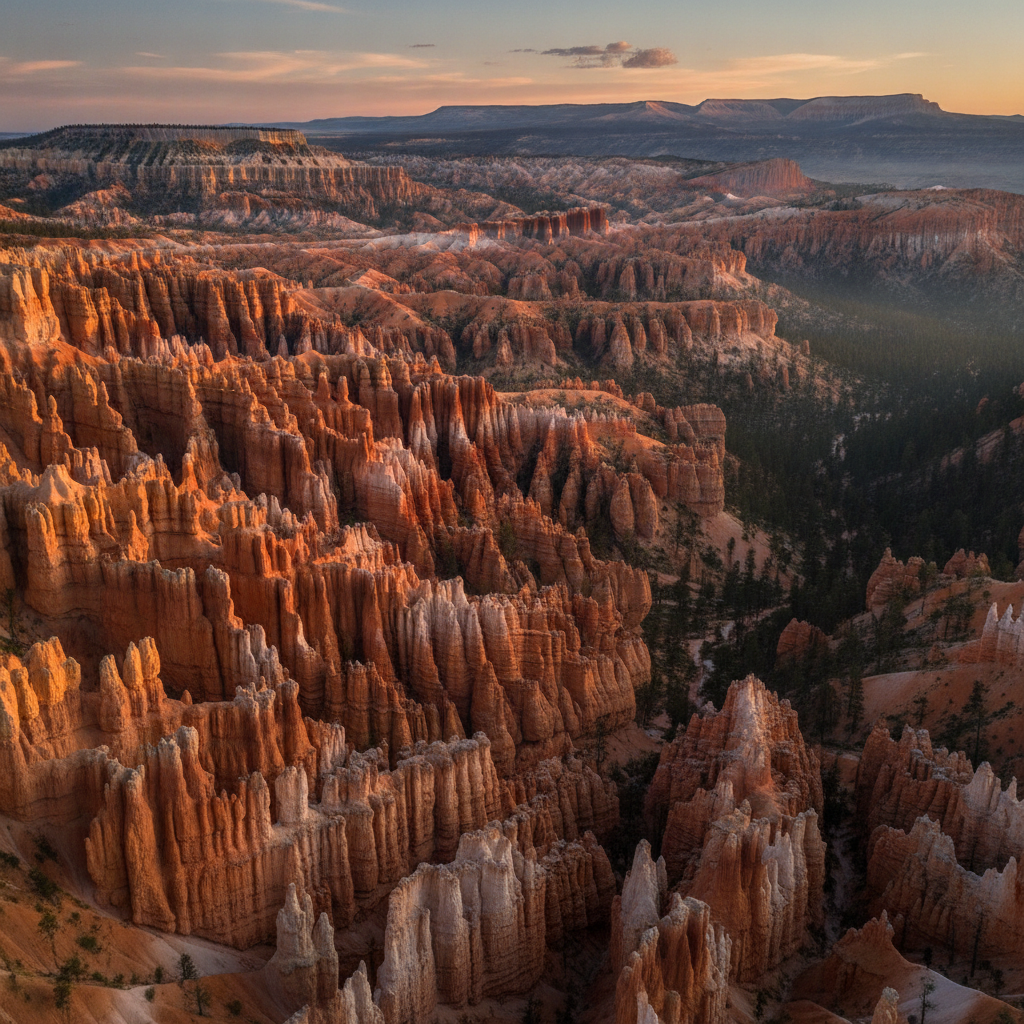
Utah's national parks: Utah is home to five national parks (dubbed the Mighty Five in the state's tourism branding) — Zion, Bryce Canyon, Capitol Reef, Arches, and Canyonlands — all within a 400-km radius of Salt Lake City, making the city the best base for exploring the most concentrated collection of extraordinary red rock canyon landscapes in North America. Zion National Park (at South Entrance Road, Springdale, Utah, 4.5 hours south of Salt Lake City): the most visited of the Utah national parks (approximately 4.5 million visitors per year), with the Zion Canyon (a 24-km slot canyon carved by the Virgin River through Navajo Sandstone to depths of 800 m) containing the most dramatic combination of sheer vertical walls, hanging gardens (the seep-fed gardens of columbine, maidenhair fern, and monkeyflower on the canyon walls), and accessible backcountry of any park in the American West. The Narrows (the slot canyon section of the Zion Canyon where the Virgin River fills the entire canyon floor — hikers wade upstream through knee-to-waist deep water between walls 18 m wide and 300 m tall): the most iconic day hike in the American West. Angels Landing (the 1,488-m summit accessed by the final 500 m of trail via chains bolted into the sandstone on exposed ridgeline with 300-m drops on both sides): the most spectacular and frightening hike in the American West — permits required since 2022 following multiple fatalities. Bryce Canyon National Park (at 1 Bryce Canyon Road, 4 hours south of Salt Lake City): the amphitheater of thousands of hoodoos (tall, thin spires of red, orange, and white Claron limestone) at elevations of 2,400-2,800 m, with Inspiration Point and Bryce Point offering the most spectacular viewpoints.
- 2
The Mormon Pioneer Trail and Utah History
Utah as a Mormon homeland: the settlement of Utah by the Church of Jesus Christ of Latter-day Saints represents the most successful planned religious colonization in American history. Brigham Young's colonization: between 1847 and 1877 (the year of Young's death), the LDS Church established approximately 400 settlements throughout the Great Basin, from southern Idaho to Arizona and from Nevada to Wyoming — creating an autonomous Mormon empire in the American West that controlled land, water, business, politics, and daily life in ways that were in constant tension with the federal government. The Utah War (1857-1858): President James Buchanan, alarmed by reports of theocratic excess in Utah Territory, sent an army of 2,500 soldiers to replace Brigham Young as territorial governor and assert federal authority. Young called the approaching army and invasion, relocated much of the Salt Lake City population south to Provo, and arranged for guerrilla resistance. The crisis was resolved diplomatically (Young stepped down as governor but retained actual authority), but the Mountain Meadows Massacre (September 11, 1857, near Cedar City, Utah) — in which a company of emigrants from Arkansas was killed by a combined force of LDS militiamen and Paiute Native Americans, killing approximately 120 men, women, and children — became the most damning event in LDS history outside of Joseph Smith's polygamy. Polygamy: the LDS Church practiced plural marriage from the 1840s until the Manifesto of 1890 (in which Church President Wilford Woodruff officially ended the practice under enormous federal pressure, including the Edmunds-Tucker Act of 1887 which had disenfranchised women in Utah, dissolved the LDS Corporation, and threatened the Church's very existence). Fundamentalist splinter groups that continue to practice polygamy (estimated 30,000-50,000 members) operate in communities in southern Utah, northern Arizona, and internationally.
- 3
Great Salt Lake in Crisis and Utah's Water Future
The Great Salt Lake crisis in detail: the Great Salt Lake is one of the most significant ecological and economic emergencies in the American West, with direct consequences for millions of people across Utah. The lake's ecological role: the lake's brine shrimp (harvested commercially for aquaculture feed — the Great Salt Lake brine shrimp harvest is the largest commercial wild harvest of brine shrimp on earth, with approximately 50 million kg harvested per year, worth approximately USD 50M annually) and the 10 million migratory shorebirds that feed on the shrimp and flies represent an irreplaceable node in the Pacific Flyway migratory bird highway. The dust threat: as the lake recedes, the exposed lakebed (composed of extremely fine mineral-rich silt that contains arsenic, mercury, and other heavy metals) becomes vulnerable to wind erosion, creating dust storms that can transport these toxins to Salt Lake City and the Wasatch Front (home to approximately 80% of Utah's 3.4 million population). Scientists have compared the potential health consequences to the Owens Lake dust disaster (in which the draining of Owens Lake by the Los Angeles Aqueduct created the worst dust pollution site in the United States from the 1920s to the present). The water policy failure: the Great Salt Lake crisis is a direct result of overallocation of water rights in the Great Basin — more water has been legally allocated than actually flows through the system in an average year, and with climate change reducing snowpack in the Wasatch Range by approximately 25% since 1950, the shortfall is becoming catastrophic. Proposed solutions include a canal from the Pacific Ocean to the Great Salt Lake (estimated cost USD 50B), conservation mandates for agriculture (which uses approximately 80% of Utah's water), and acquisition and retirement of water rights from farmers.
- 4
Arches and Canyonlands National Parks
Arches National Park (at 5 miles north of Moab, Utah, on US Highway 191, 4.5 hours south of Salt Lake City): the national park containing the greatest concentration of natural stone arches in the world — approximately 2,000 documented arches within 310 km2, ranging from 1 m to 88.4 m (Landscape Arch, the longest natural arch in the world). The formation of the arches: the arches are formed in the Entrada Sandstone (a Jurassic-age sandstone deposited approximately 150-175 million years ago as desert dune sands) by the dissolution of salt deposits beneath the sandstone layer, which causes the surface to collapse into fins, from which arches are carved by freeze-thaw weathering and erosion. Delicate Arch (the 16-m freestanding arch that is the most photographed arch in the world and the symbol of Utah, appearing on the Utah license plate): the 3.5-km round-trip hike to Delicate Arch is the most popular single hike in Utah. Canyonlands National Park (at the Island in the Sky district entrance, 2 km north of Moab, Utah, 5 hours south of Salt Lake City): the largest national park in Utah (1,366 km2), divided into three districts (Island in the Sky, Needles, and The Maze) by the confluence of the Green and Colorado Rivers. The White Rim Road (a 160-km four-wheel-drive road running around the Island in the Sky mesa, 300 m below the main rim): the most spectacular backcountry driving route in Utah, requiring 3-4 days to complete. Dead Horse Point State Park (adjacent to the Island in the Sky district): the promontory 610 m above the Colorado River where the opening sequence of Thelma and Louise (1991) was filmed, offering the most dramatic viewpoint of the canyon country of the American Southwest. The uranium mining legacy of Moab: Moab's economy was dominated by uranium and vanadium mining from the 1950s to the 1980s, leaving the Atlas Mill Site (a 16-million-ton uranium tailings pile on the bank of the Colorado River, in process of remediation since 2009) as a ongoing contamination challenge.
- 5
Salt Lake City Neighborhoods - the Avenues, Sugar House, and 9th and 9th
Salt Lake City neighborhood character: the city's unusual planning history (the super-wide streets, the Temple-centered grid, the LDS Church's dominance of the built environment) creates a distinctive urban character unlike any other American city. The Avenues (the historic neighborhood north of South Temple Street and east of State Street, with streets named B through V running east-west and numbered 1st through 18th running north-south): the most historic residential neighborhood in Salt Lake City, with late Victorian and Craftsman bungalow architecture from the 1880s-1930s, mature trees, and views of the Salt Lake Valley from the rising foothills of the Wasatch Range. Temple Square vicinity: the immediate area around Temple Square includes the Beehive House (at 67 E South Temple, Brigham Young's primary official residence, built 1854, now a museum), the Lion House (at 63 E South Temple, Young's residential compound for his wives and children, now a popular restaurant), the Joseph Smith Memorial Building (at 15 E South Temple, the former Hotel Utah, built 1909, now an LDS meeting facility and event space with two restaurants), and the Tabernacle (the 1867 elliptical-domed assembly hall with extraordinary acoustics — a pin dropped at the podium can be heard at the back of the 7,000-person hall). Sugar House (the neighborhood at 21st South and 11th East, 5 km southeast of downtown): the most demographically diverse neighborhood in Salt Lake City, with independent shops, restaurants, and the Sugar House Park (the 112-acre park on the site of the former Utah State Penitentiary). The 9th and 9th neighborhood and the Gilgal Sculpture Garden (at 749 E 500 South, open daily, free): the outsider art garden with sphinx with Joseph Smith face and 12 enigmatic sculptures.
- 6
Salt Lake City Food, Nightlife, and the Peculiar Mormon Influence on Urban Life
Salt Lake City food culture and the LDS influence on dining: the LDS health code (the Word of Wisdom, a revelation received by Joseph Smith in 1833) prohibits coffee, tea, alcohol, and tobacco for observant members — creating a food culture that diverges significantly from the American norm. The impact on Salt Lake City dining: Utah has the lowest per-capita alcohol consumption of any US state (approximately 60% of the national average), and the state's restrictive alcohol laws (state-run liquor stores, grocery store beer capped at 5% ABV until 2019 now 5% by weight, bars required to be private clubs until 2009) have historically suppressed the development of a bar and restaurant culture. The transformation: Salt Lake City's dining scene has been dramatically transformed in the past decade, with the Avenues neighborhood, Sugar House, and the Granary District (at 800-900 South, between State Street and West Temple) developing concentrated restaurant and bar districts. Notable restaurants: Valter's Osteria (at 173 W Broadway, downtown, chef Valter Nassi, the finest Italian restaurant in Utah), Pago (at 878 S 900 E, Sugar House, farm-to-table, multiple James Beard semifinalist), and Current Fish and Oyster (at 270 S Main Street, the finest seafood restaurant in Utah, a surprising achievement in a landlocked desert state). The Granary District and craft beer: despite Utah's restrictive alcohol laws, Salt Lake City has a thriving craft beer scene, with Uinta Brewing Company (at 1722 Fremont Drive, founded 1993, the largest brewery in Utah, producing approximately 150,000 barrels annually) and Squatters Pub Brewery (at 147 W Broadway, founded 1989, the first brewpub in Utah). The LGBTQ+ community of Salt Lake City: despite the dominant LDS culture, Salt Lake City has a significant and visible LGBTQ+ community centered in the Capitol Hill neighborhood, with the Utah Pride Festival (held in June in Washington Square Park, drawing approximately 50,000 attendees) being one of the largest Pride events between San Francisco and Chicago.
Walk this route with audio
Stories play automatically as you reach each stop — no tapping needed.
More in salt-lake-city
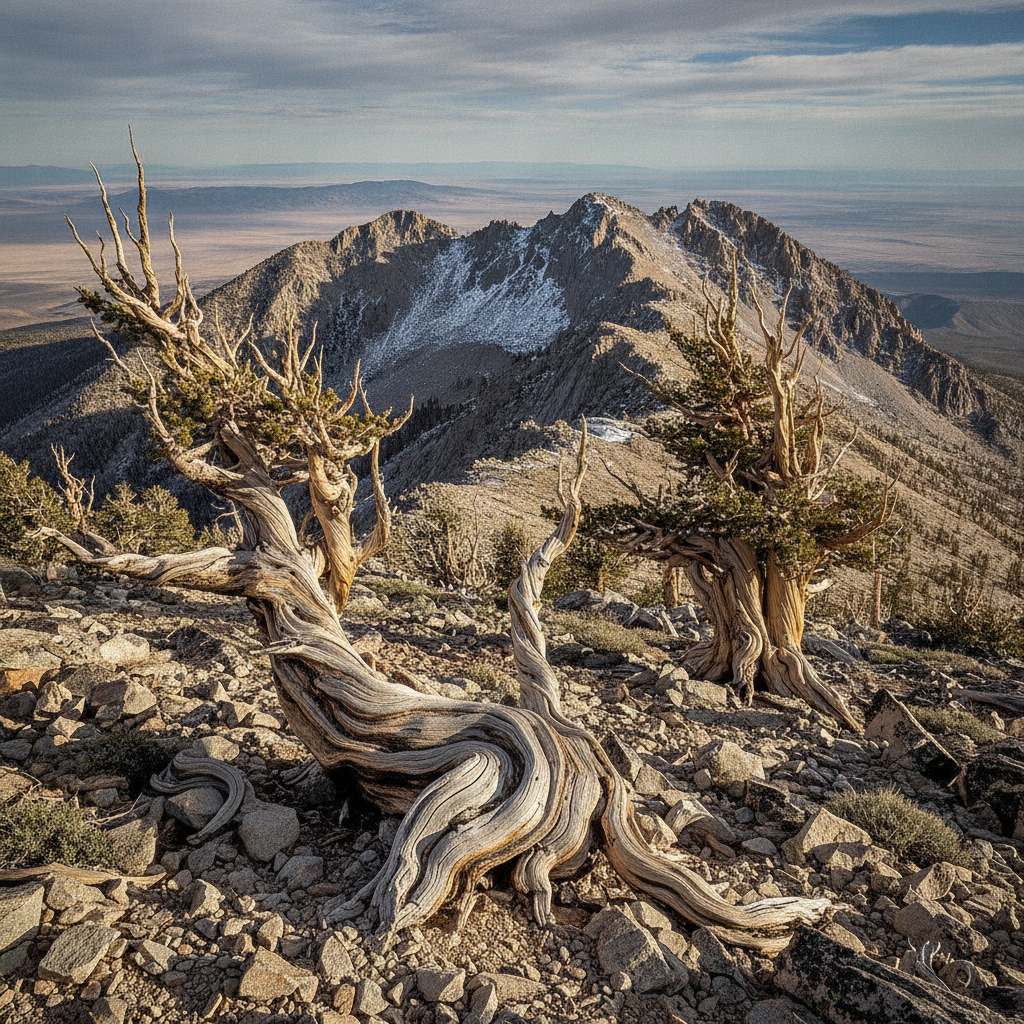
Salt Lake City R5: Polygamy FLDS (Warren Jeffs born 1955 died 2022 FBI Most Wanted convicted sexual assault, Yearning for Zion Ranch April 2008 462 children largest US child welfare operation, Colorado City Hildale FLDS headquarters now depopulated), Utah wildlife (Uinta Mountains only E-W major range continental US Kings Peak 4123m, elk 80-90,000 bulls 500kg antlers 1.7m, Ashley National Forest Flaming Gorge 150km reservoir 1964 dam, Colorado drains 40% Utah), University of Utah (1850 University of Deseret 34,000 students, Philo Farnsworth born 1906 Beaver Utah electronic television 1927 first image straight line, Huntsman Cancer Institute 1995 USD 500M Jon Huntsman USD 300M/year research, Mario Capecchi Nobel 2007 gene targeting knockout mice), LGBTQ (Capitol Hill most diverse, Utah Pride June 50,000 largest between SF and Chicago, LDS Proposition 8 USD 22M 2008, November 2015 Exclusion Policy reversed April 2019, SLC 75-80% Democratic, Encircle LGBTQ support Larsen 2017), Great Basin National Park (285km west, Wheeler Peak 3982m, Lehman Caves shields helictites, bristlecone pine oldest organisms Prometheus cut 1964 4862 years old most significant inadvertent destruction, Ely Nevada Northern Railway Museum best preserved steam), Rock art (Newspaper Rock 4 cultures 4000BCE to 19thC, Nine Mile Canyon 10,000 petroglyphs 60km highest density American West, Edge of Cedars Museum finest Ancestral Puebloan pottery, Hovenweep 1200-1300 CE towers most mysterious prehistoric achievement).
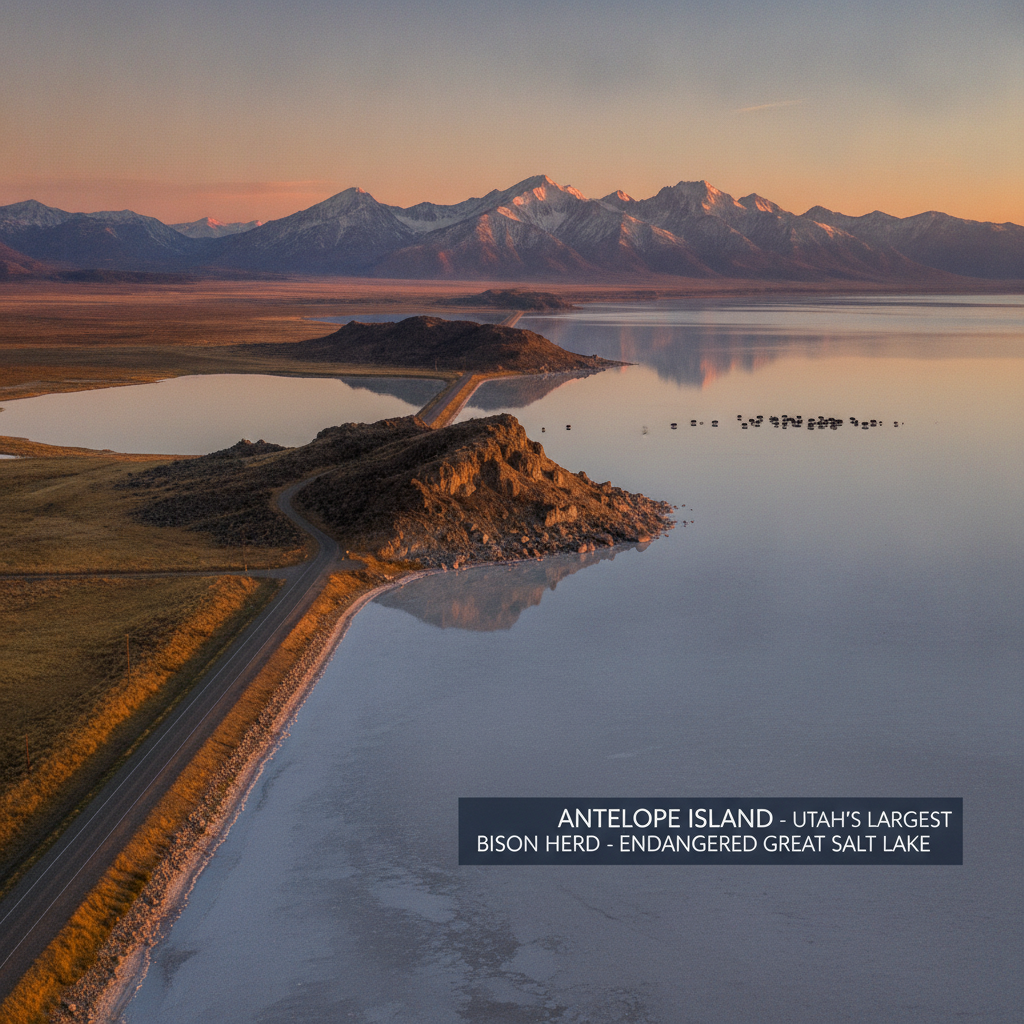
Salt Lake City R4: Bonneville Salt Flats (46,000ha flattest large surface earth, Speed Week SCTA September, salt flats shrinking 40% since 1950 potash mining Intrepid, Wendover Nevada casinos dry Utah), Antelope Island (39km 700 bison 1893 first conservation attempt, pronghorn 95km/h fastest Western Hemisphere, brine fly billions per hectare Great Basin Shoshone food, 1.5M Wilsons phalaropes 85% world population August-September), Ski resorts (Alta 1939 ski-only no snowboards since 1994 1400cm/year 500 inches most challenging expert terrain, Snowbird aerial tram 10min Hidden Peak 11000ft 125 passengers, Park City Mountain largest US 7300 acres 2015 merger, Deer Valley most upscale valet ski parking top ranked US), Moab (5000 residents 3M visitors/year, Slickrock Bike Trail 1980s 35 degree slopes friction sandstone, Dead Horse Point 16km descent, Canyons MAZE most remote continental US 3-5 days 4WD), Architecture (Utah State Capitol 1916 copper dome 97m Richard Kletting, Cathedral Madeleine 1909 Gothic Revival finest High Victorian Gothic west Mississippi, Vivint Arena USD 28.5M naming rights 10 years, 2002 figure skating venue), Hiking (Cottonwood Canyons 20-40min to trailheads, Timpanogos 3582m 40,000 hikers/year, Timpanogos Cave 244m elevation gain stalactites helictites, Red Butte Garden summer concerts).
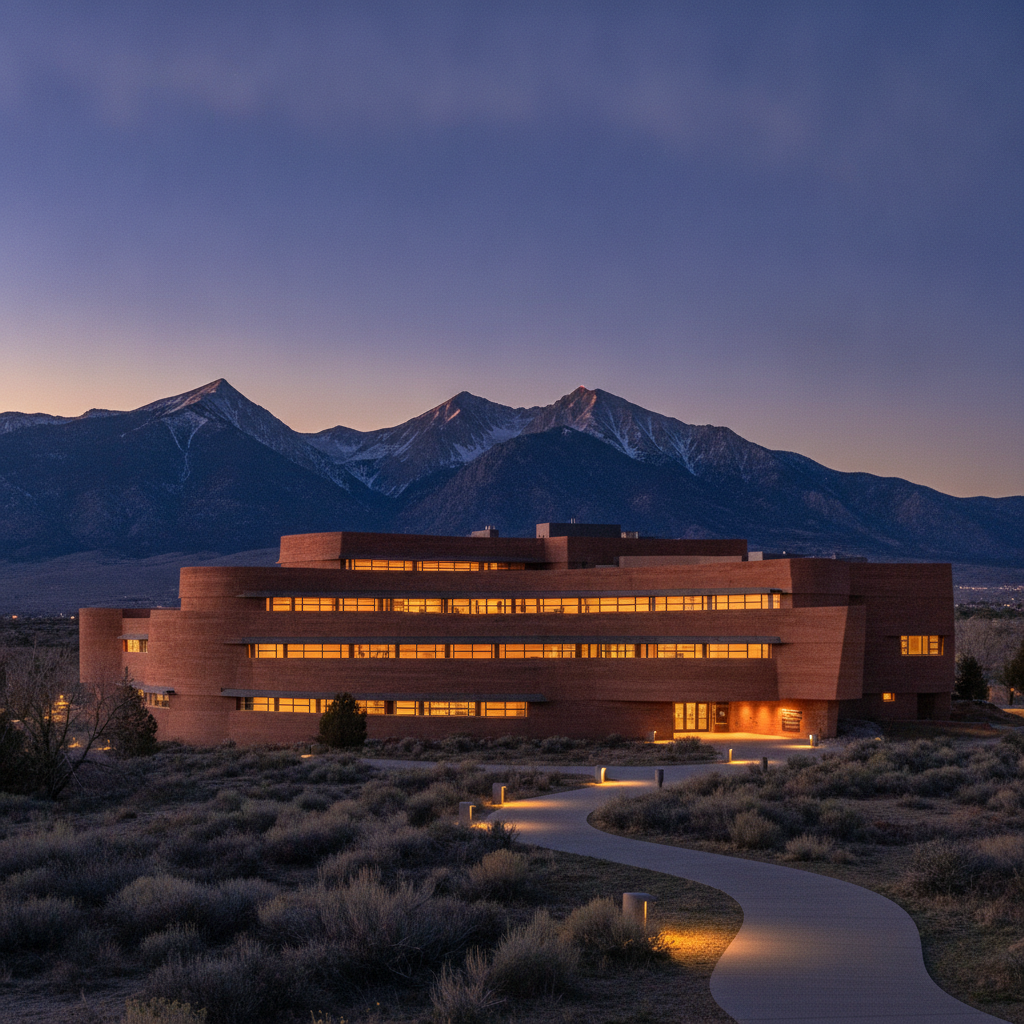
Salt Lake City: Dinosaur Science, Sundance Cinema and a Lake in Crisis
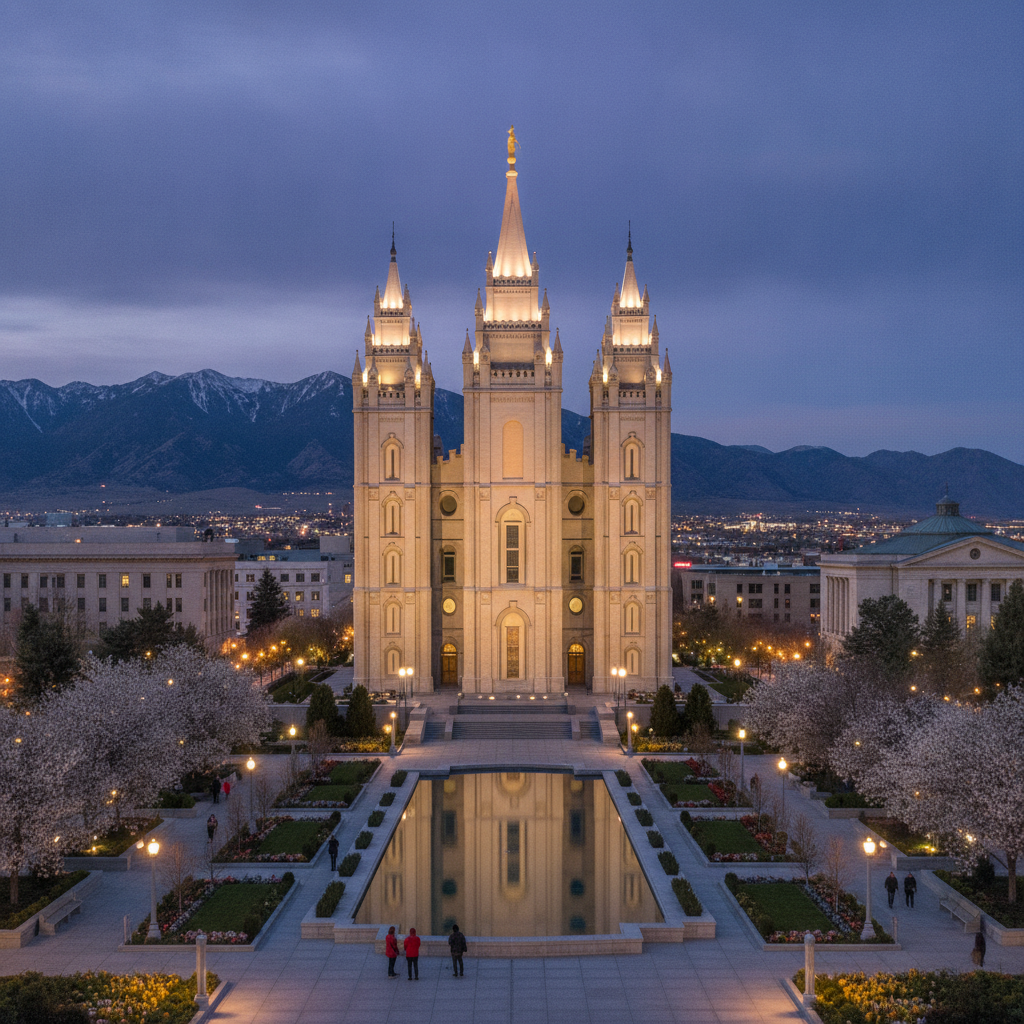
Salt Lake City: Great Salt Lake, Temple Square, Transcontinental Railroad, skiing, culture, and practical guide
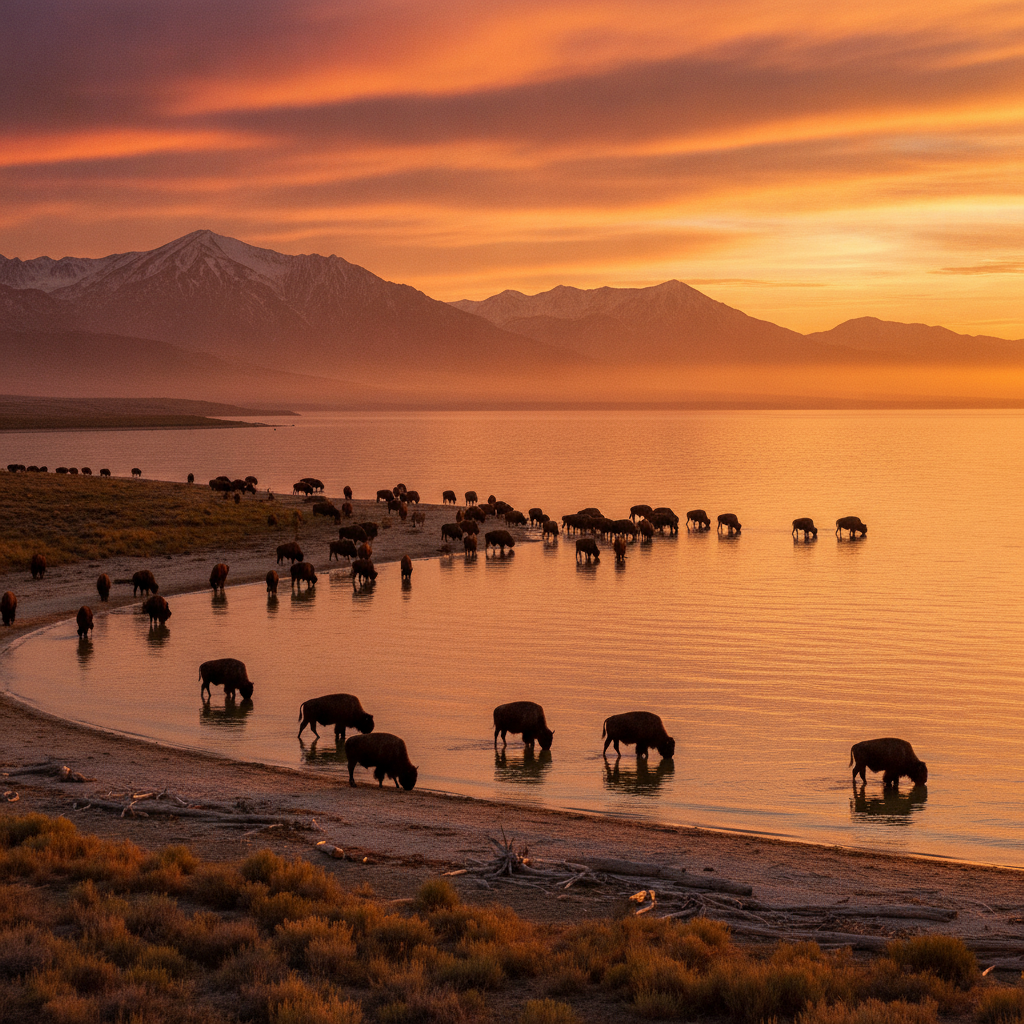
Salt Lake City: Canyon Skiing, Sphinx Gardens and a Lake of Buffalo