Salt Lake City: Dinosaur Science, Sundance Cinema and a Lake in Crisis
Explore world-class dinosaur collections at the Natural History Museum, drive to Park City for Sundance Film Festival history, follow Stockton and Malone Jazz basketball legacy, learn the Great Salt Lake ecological emergency, hike and hear concerts at Red Butte Garden, and visit the seismically reinforced state capitol.
- 1
Natural History Museum of Utah
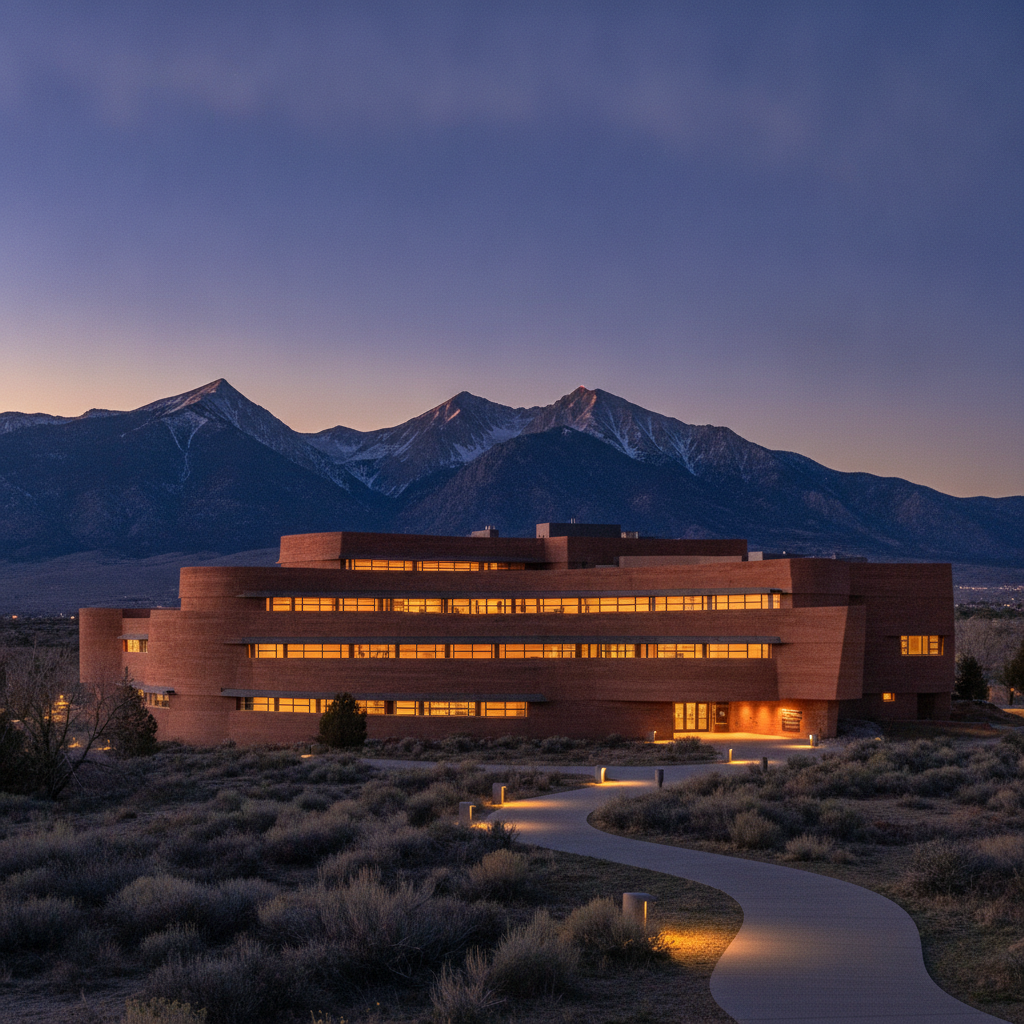
The Natural History Museum of Utah, housed in the 163,000 square foot Rio Tinto Center designed by GSBS Architects and opened in 2011 at a cost of 102 million dollars, holds one of the premier paleontology collections in the world. Utah has produced some of the most significant dinosaur discoveries in North America, and the museum displays 31 mounted dinosaur skeletons including specimens of Allosaurus, Stegosaurus, and the Utah-endemic Utahraptor. The museum also interprets the geology of the Colorado Plateau and Great Basin through a 4-billion-year timeline exhibit. The building is constructed with rammed earth walls and achieves LEED Gold certification. The museum sits on the University of Utah campus with views of the Wasatch Mountains directly behind the building.
- 2
Park City and Sundance Film Festival
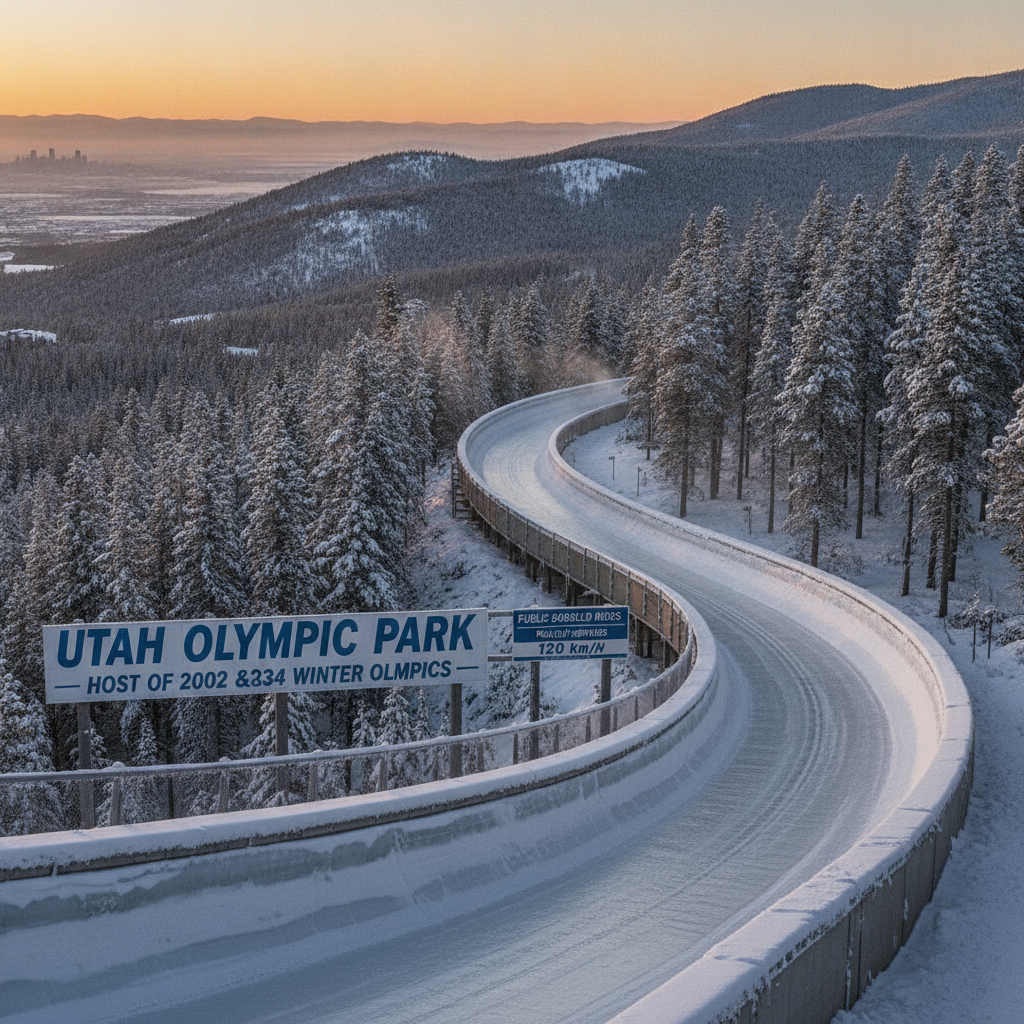
Park City, 30 miles east of Salt Lake City through Parley Canyon, is a former silver mining town that became a world-class ski resort destination and home of the Sundance Film Festival. Robert Redford founded the Sundance Institute in 1981 and established the film festival in Park City in 1985 to support independent cinema. The festival now runs 10 days each January, screening over 100 films and drawing 120,000 attendees from across the film industry. Park City Mountain Resort and Deer Valley Resort together offer over 10,000 acres of ski terrain. The Utah Olympic Park north of Park City hosted the bobsled, luge, ski jump, and Nordic combined events of the 2002 Salt Lake Winter Olympics and now operates as a training facility and visitor attraction year-round.
- 3
Utah Jazz and NBA History
The Utah Jazz NBA franchise relocated from New Orleans to Salt Lake City in 1979, bringing its incongruous name to a city with no jazz tradition but abundant basketball enthusiasm. The team reached its greatest heights in the 1990s with the John Stockton and Karl Malone partnership, which produced back-to-back NBA Finals appearances in 1997 and 1998, both times losing to the Chicago Bulls. Stockton retired as the NBA all-time leader in assists and steals, records he still holds. The Delta Center, opened in 1991 and expanded multiple times, seats 18,306 for basketball. The arena was renamed the Delta Center in a naming rights deal in 1993 and underwent a major renovation beginning in 2022. Salt Lake City was awarded an NBA expansion franchise for the 2025-2026 season, making it one of the most basketball-dense markets in North America.
- 4
Great Salt Lake Ecology and Crisis
The Great Salt Lake, covering 1,700 square miles at its historic average level and supporting the largest migratory bird stopover site in the Western Hemisphere, has dropped to historically low levels in recent decades due to agricultural water diversion and climate change. By 2022 the lake had lost 73 percent of its surface area compared to its 1987 high water mark. The lake supports brine shrimp, brine flies, and 10 million migratory birds annually including 98 percent of the American population of Wilson Phalarope. A 2023 Utah Legislature emergency funding package of 40 million dollars began addressing minimum stream flows. Dust storms from exposed lakebed contain arsenic and heavy metals that blow into Salt Lake City, creating a public health concern that has elevated the lake crisis to national attention.
- 5
Red Butte Garden and Wasatch Foothills
Red Butte Garden on the University of Utah campus, opened to the public in 1985, covers 150 acres of cultivated gardens and 4 miles of natural area trails rising into the Wasatch foothills. The outdoor amphitheater seats 4,000 and hosts a summer concert series that has presented artists including Wilco, Bonnie Raitt, and Ben Harper. The garden specializes in plants adapted to the Intermountain West climate, including an extensive collection of Utah native plants. Adjacent Fort Douglas, a military post established in 1862 ostensibly to protect the Overland Mail route but in practice to monitor the Mormon population, is now part of the University of Utah campus with a museum in the original sandstone buildings interpreting army life in the territorial West.
- 6
Utah State Capitol and Pioneer Heritage
The Utah State Capitol, completed in 1916 on a hill above downtown Salt Lake City at a cost of 2.7 million dollars, was designed by Richard K.A. Kletting in Corinthian neoclassical style with a dome modeled on the US Capitol but 165 feet tall rather than 289. The building underwent a 5-year seismic retrofit and restoration completed in 2008 at a cost of 256 million dollars, the largest preservation project in Utah history. The Pioneer Memorial Museum across the street holds the largest collection of Mormon pioneer artifacts in the world, maintained by the Daughters of Utah Pioneers since 1950. The Capitol grounds contain bronze statues of Brigham Young and Philo T. Farnsworth, the Utah inventor who demonstrated the first fully electronic television in 1927 and 1928.
Walk this route with audio
Stories play automatically as you reach each stop — no tapping needed.
More in Salt Lake City
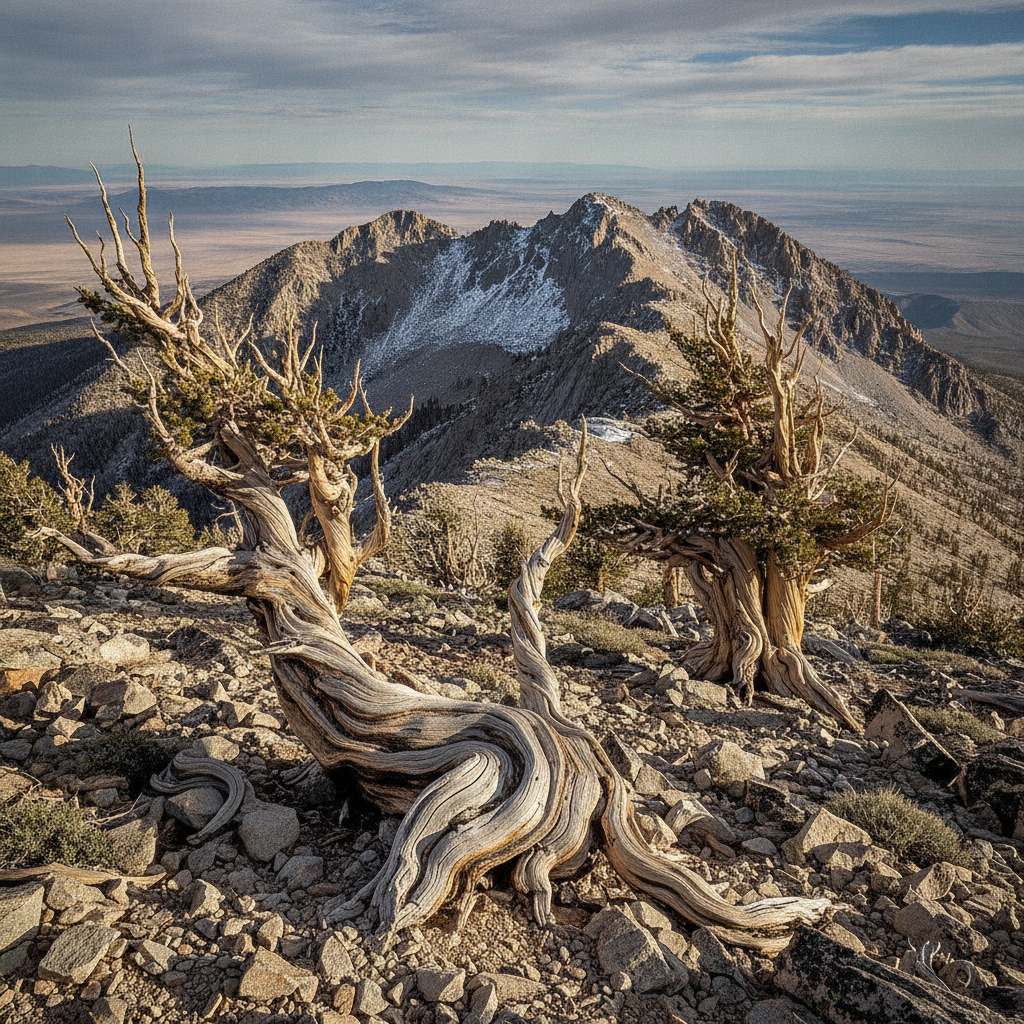
Salt Lake City R5: Polygamy FLDS (Warren Jeffs born 1955 died 2022 FBI Most Wanted convicted sexual assault, Yearning for Zion Ranch April 2008 462 children largest US child welfare operation, Colorado City Hildale FLDS headquarters now depopulated), Utah wildlife (Uinta Mountains only E-W major range continental US Kings Peak 4123m, elk 80-90,000 bulls 500kg antlers 1.7m, Ashley National Forest Flaming Gorge 150km reservoir 1964 dam, Colorado drains 40% Utah), University of Utah (1850 University of Deseret 34,000 students, Philo Farnsworth born 1906 Beaver Utah electronic television 1927 first image straight line, Huntsman Cancer Institute 1995 USD 500M Jon Huntsman USD 300M/year research, Mario Capecchi Nobel 2007 gene targeting knockout mice), LGBTQ (Capitol Hill most diverse, Utah Pride June 50,000 largest between SF and Chicago, LDS Proposition 8 USD 22M 2008, November 2015 Exclusion Policy reversed April 2019, SLC 75-80% Democratic, Encircle LGBTQ support Larsen 2017), Great Basin National Park (285km west, Wheeler Peak 3982m, Lehman Caves shields helictites, bristlecone pine oldest organisms Prometheus cut 1964 4862 years old most significant inadvertent destruction, Ely Nevada Northern Railway Museum best preserved steam), Rock art (Newspaper Rock 4 cultures 4000BCE to 19thC, Nine Mile Canyon 10,000 petroglyphs 60km highest density American West, Edge of Cedars Museum finest Ancestral Puebloan pottery, Hovenweep 1200-1300 CE towers most mysterious prehistoric achievement).
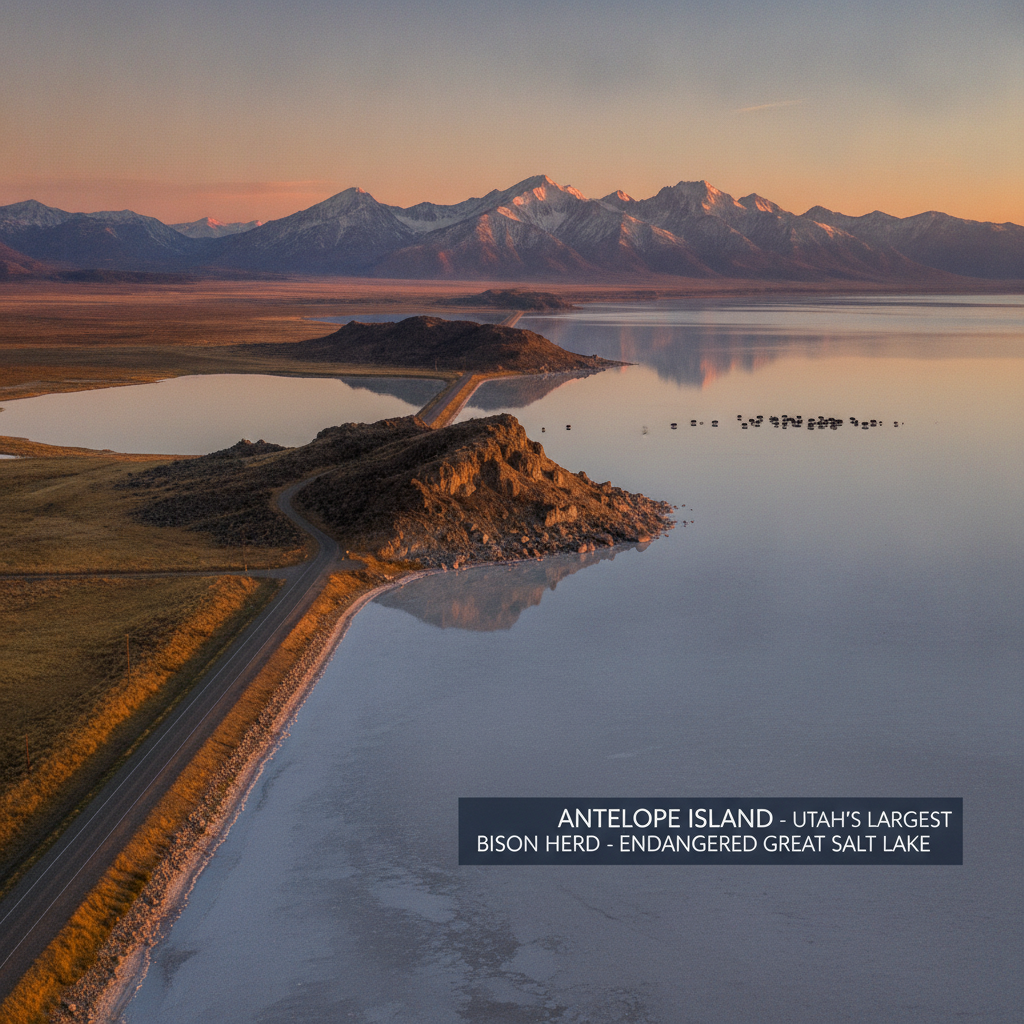
Salt Lake City R4: Bonneville Salt Flats (46,000ha flattest large surface earth, Speed Week SCTA September, salt flats shrinking 40% since 1950 potash mining Intrepid, Wendover Nevada casinos dry Utah), Antelope Island (39km 700 bison 1893 first conservation attempt, pronghorn 95km/h fastest Western Hemisphere, brine fly billions per hectare Great Basin Shoshone food, 1.5M Wilsons phalaropes 85% world population August-September), Ski resorts (Alta 1939 ski-only no snowboards since 1994 1400cm/year 500 inches most challenging expert terrain, Snowbird aerial tram 10min Hidden Peak 11000ft 125 passengers, Park City Mountain largest US 7300 acres 2015 merger, Deer Valley most upscale valet ski parking top ranked US), Moab (5000 residents 3M visitors/year, Slickrock Bike Trail 1980s 35 degree slopes friction sandstone, Dead Horse Point 16km descent, Canyons MAZE most remote continental US 3-5 days 4WD), Architecture (Utah State Capitol 1916 copper dome 97m Richard Kletting, Cathedral Madeleine 1909 Gothic Revival finest High Victorian Gothic west Mississippi, Vivint Arena USD 28.5M naming rights 10 years, 2002 figure skating venue), Hiking (Cottonwood Canyons 20-40min to trailheads, Timpanogos 3582m 40,000 hikers/year, Timpanogos Cave 244m elevation gain stalactites helictites, Red Butte Garden summer concerts).
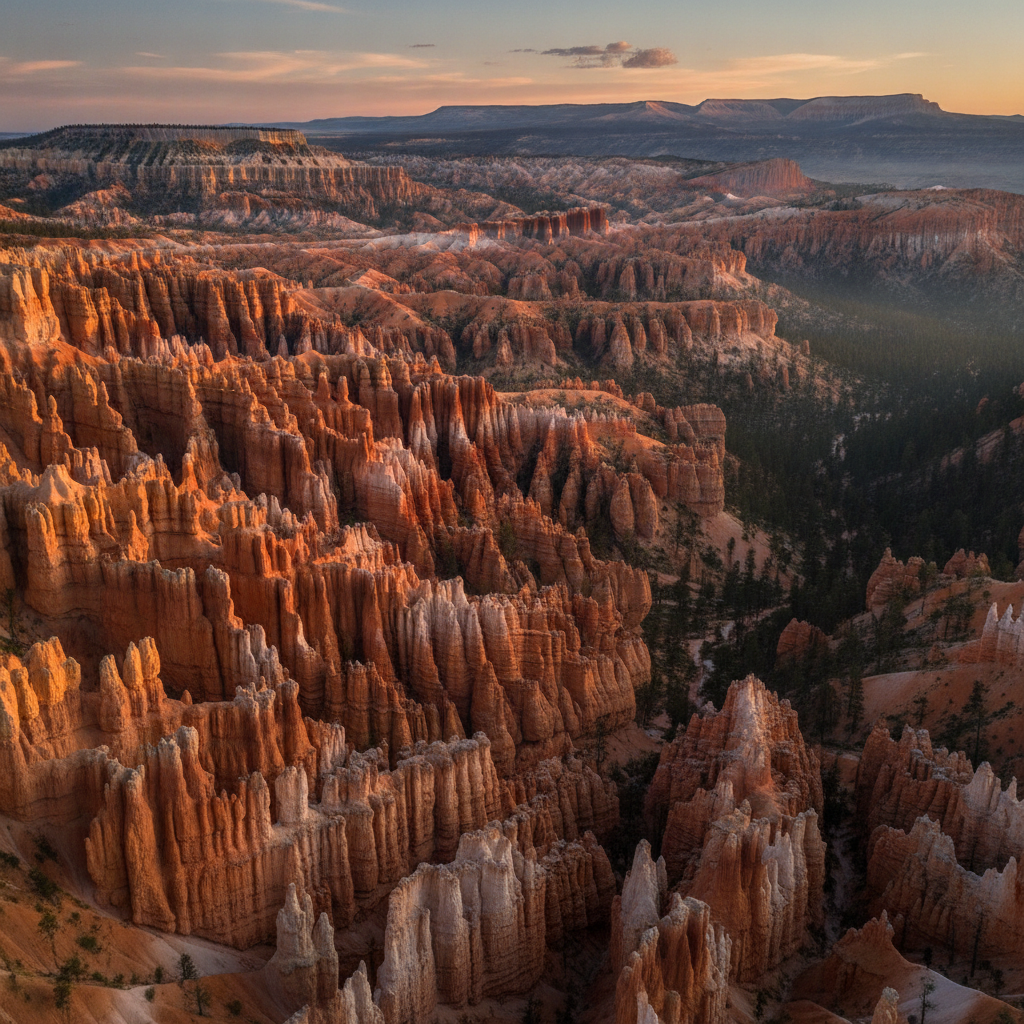
Salt Lake City R2-R6: Utah parks (Zion 4.5M visitors/year Narrows wade upstream 300m walls Angels Landing permits since 2022, Bryce Canyon hoodoos 2400-2800m, Arches 2000 arches Delicate Arch 16m on license plate, Canyonlands 1366 km2 White Rim Road 160km 4WD, Dead Horse Point Thelma Louise 1991, Moab uranium tailings 16M tons Colorado River), Pioneer history (400 settlements 1847-1877 Great Basin, Utah War 1857-1858 Buchanan army 2500 soldiers, Mountain Meadows Massacre September 11 1857 120 killed most damning LDS event, polygamy Manifesto 1890 Edmunds-Tucker 1887, FLDS 30,000-50,000 continue), Great Salt Lake crisis (shrimp harvest 50M kg/year USD 50M most earthly commercial brine shrimp, dust threat arsenic mercury exposed lakebed, overallocation water rights 80% agriculture, canal Pacific proposal USD 50B), neighborhoods (Avenues Victorian Craftsman 1880s-1930s, Beehive House 1854 Lion House Young wives, Tabernacle 1867 pin drop 7000 seats, Sugar House penitentiary site 112 acres, Gilgal Sculpture Garden sphinx Joseph Smith face), food (Word of Wisdom no coffee tea alcohol tobacco, state liquor stores grocery 5% beer, Granary District craft beer Uinta 1993 150,000 barrels Squatters 1989 first brewpub, Utah Pride June 50,000 LGBTQ Capitol Hill).
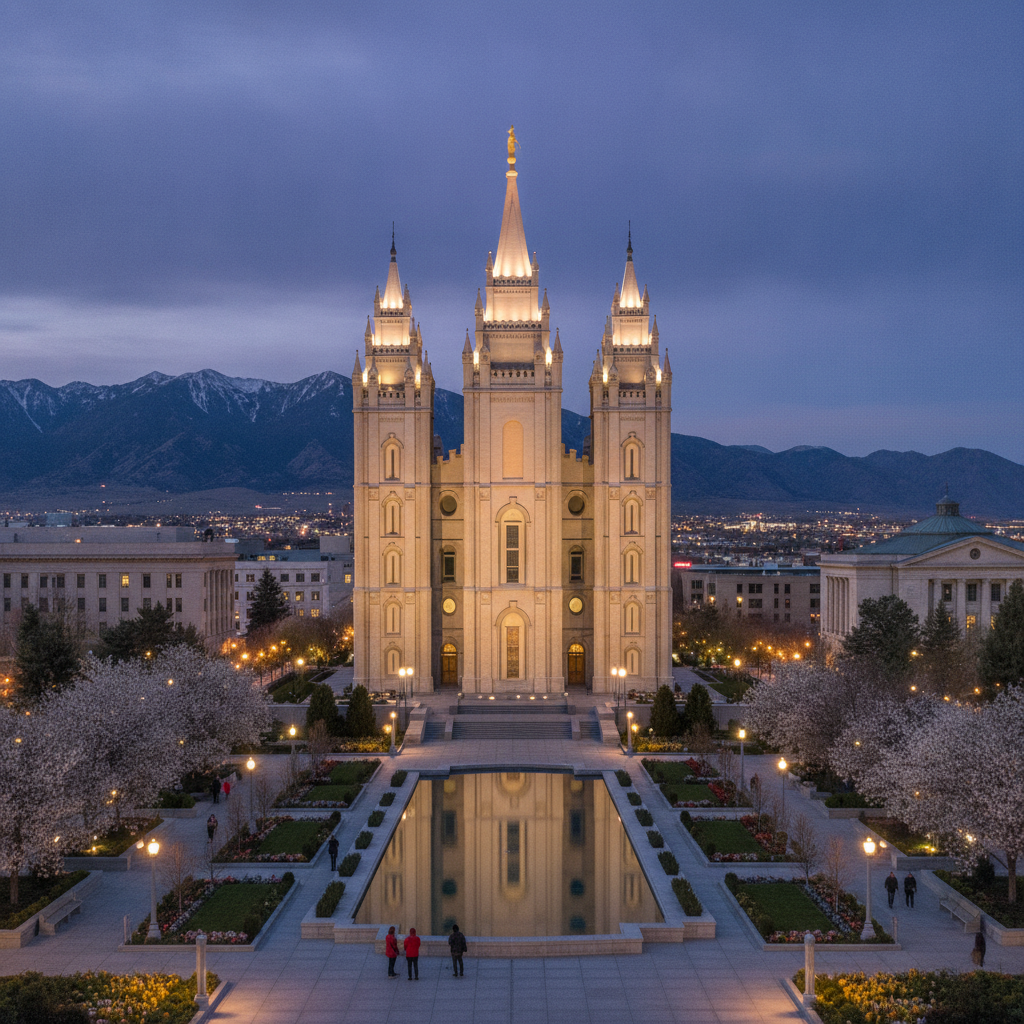
Salt Lake City: Great Salt Lake, Temple Square, Transcontinental Railroad, skiing, culture, and practical guide
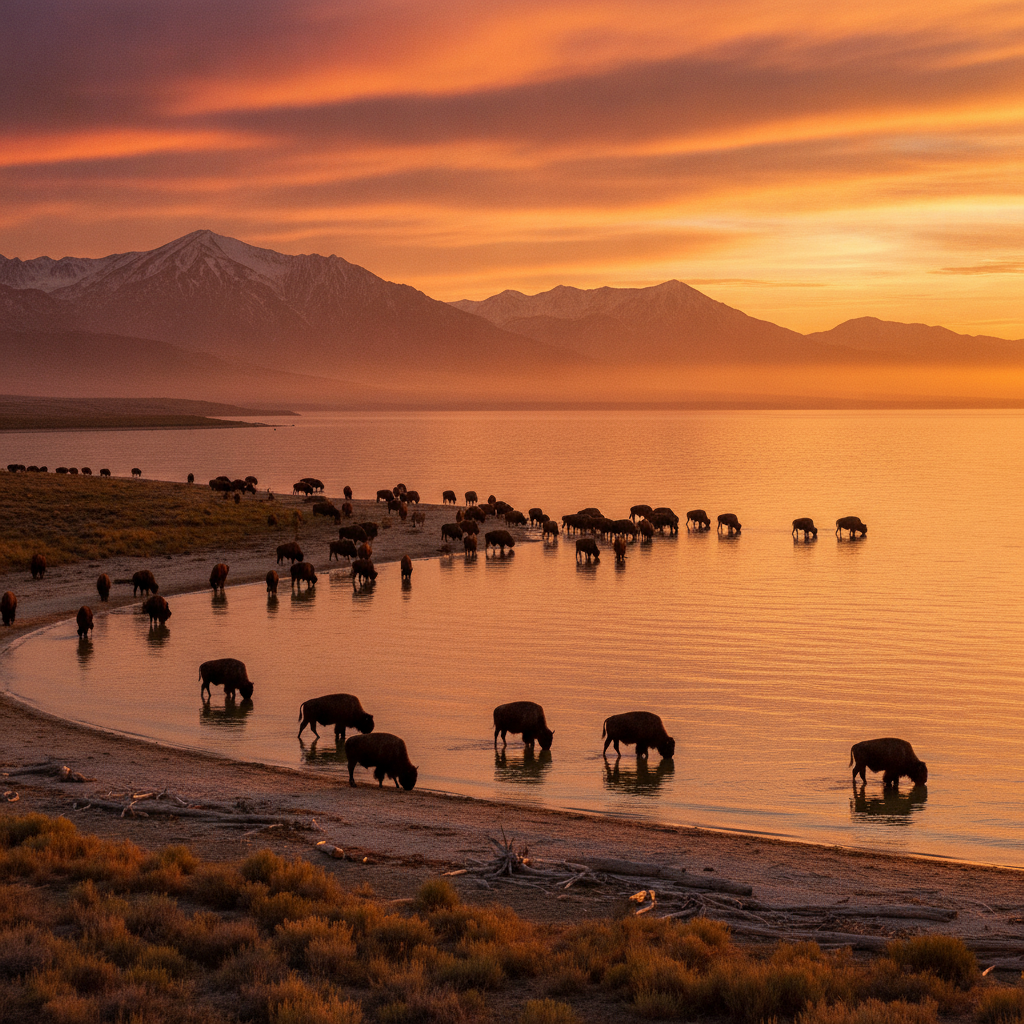
Salt Lake City: Canyon Skiing, Sphinx Gardens and a Lake of Buffalo