Salt Lake City R3: Capitol Reef (Waterpocket Fold 160km monocline, Fruita orchards 1880 2700 trees pick free in season, Goblin Valley mushroom hoodoos free roam, Grand Staircase-Escalante Clinton 1996 reduced Trump 2017 restored Biden 2021), LDS Church (17M members 70,000 missionaries 160 countries, fastest growing US religion, sub-Saharan Africa 1M to 3M 2010-2024, Mitt Romney 2012 first LDS nominee, priesthood restriction 1978 Official Declaration 2 Spencer Kimball, Deseret News KSL Bonneville Communications 35 stations), Jazz (relocated New Orleans 1979 hence Jazz name, Karl Malone 36,928 points second all-time, Stockton all-time assists steals, 1997-1998 Finals lost to Bulls, Jordan Flu Game 38 points, Jordan Last Shot 5.2 seconds 1998, Holy War BYU Utes), Native American (Fremont Culture 700-1300 CE petroglyphs, Newspaper Rock 650+ petroglyphs 2000 years, Ancestral Puebloans Mesa Verde, Ute people Utah named for, Black Hawk War 1865-1868 Uintah Ouray Reservation), Wasatch Front (2.5M people 80% Utah, highest US birth rate 2.1 statewide, Silicon Slopes Qualtrics USD 15B Domo Overstock, BYU 36,000 largest private US university LDS honor code), 2002 Olympics (IOC scandal USD 1.2M expelled 10 members, figure skating French judge Russian pair gold Canadian Sale Pelletier second gold unprecedented, Utah Olympic Park bobsled public 120km/h, Oval Uytdehaage two world records fastest ice, 2034 awarded July 2023 USD 3.5-4B).
Salt Lake City R3: Capitol Reef (Waterpocket Fold monocline, Fruita 2700 trees pick free, Goblin Valley free roam hoodoos, Grand Staircase Clinton 1996 Trump reduced Biden restored), LDS (17M members 70,000 missionaries 160 countries, Africa 1M to 3M 2010-2024, Romney 2012 first LDS major nominee, priesthood restriction 1978 Kimball, Deseret News KSL Bonneville), Jazz (New Orleans 1979 Malone 36,928 second all-time, Stockton all-time assists steals, 1997-1998 Finals lost Bulls, Flu Game Last Shot 5.2 seconds 1998), Native American (Fremont 700-1300 CE petroglyphs, Newspaper Rock 650+ glyphs 2000 years, Ute people Utah named for, Black Hawk War 1865-1868 Uintah Reservation), Wasatch Front (2.5M 80% Utah, highest birth rate, Silicon Slopes Qualtrics USD 15B Domo Overstock, BYU 36,000 largest private LDS), Olympics (IOC scandal USD 1.2M 10 expelled, figure skating French judge second gold unprecedented, park bobsled 120km/h, oval fastest ice, 2034 USD 3.5-4B).
- 1
Capitol Reef, Goblin Valley, and the Colorado Plateau
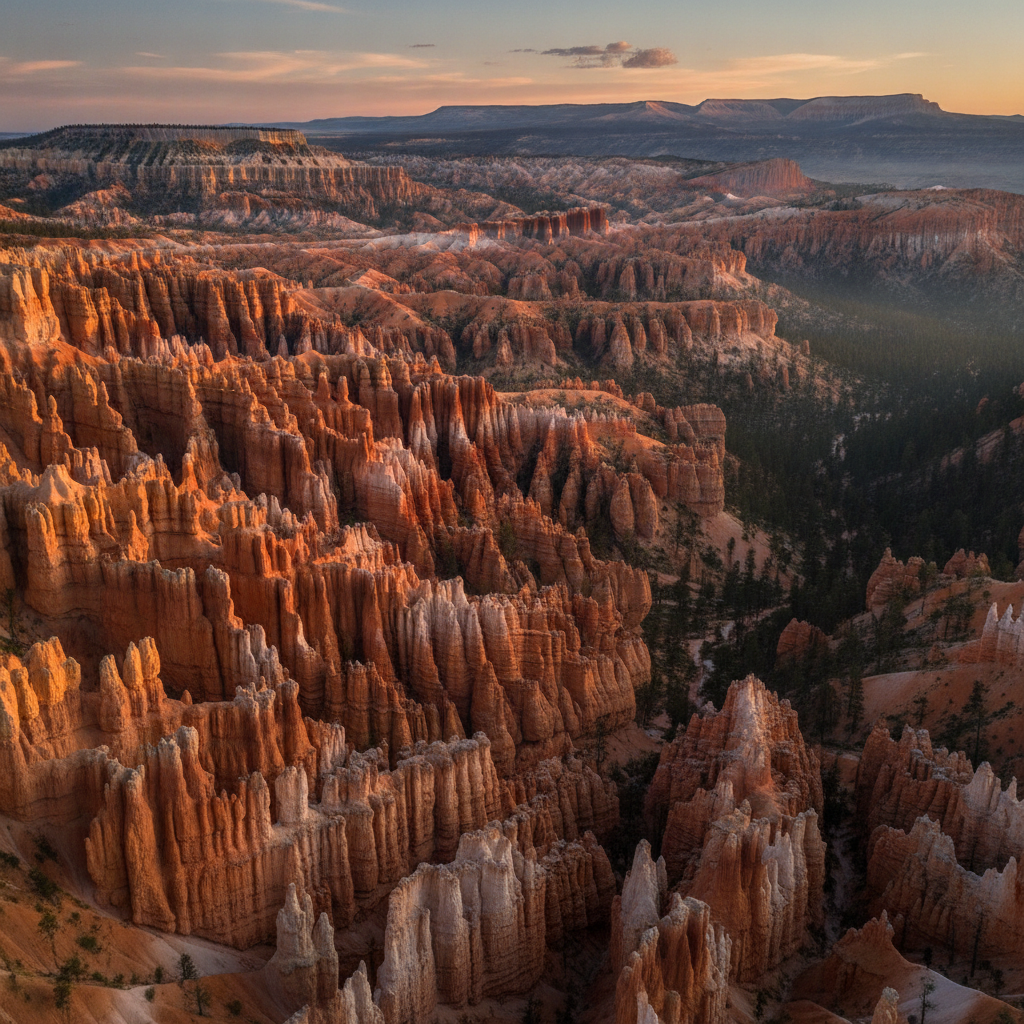
Capitol Reef National Park (at 52 Scenic Drive, Torrey, Utah, 3.5 hours south of Salt Lake City via I-15 and US 50): the least visited of the Utah Mighty Five national parks (approximately 1.3 million visitors per year), and in many ways the most rewarding — a 160-km long monocline (the Waterpocket Fold, a wrinkle in the earth's crust created 65-90 million years ago when the Colorado Plateau was uplifted) that contains extraordinary geological formations in red, white, and cream Navajo Sandstone. The Fruita Rural Historic District (within Capitol Reef): the preserved orchards of the Mormon pioneer settlers who established the Fruita community in 1880, with approximately 2,700 fruit trees still producing in season (visitors may pick fruit in season for free — cherries in June, peaches in August, apples in September). Goblin Valley State Park (at 2801 N Goblin Valley Road, Green River, Utah, approximately 3.5 hours south of Salt Lake City): the extraordinary landscape of thousands of mushroom-shaped sandstone formations (called goblins or hoodoos) in red-orange Entrada Sandstone, accessible for free-roaming exploration (no trails required) that makes Goblin Valley the most playful and tactile outdoor experience in Utah. Grand Staircase-Escalante National Monument (at 745 km2, established by President Clinton on September 18, 1996, the largest national monument in the United States at the time of its creation, subsequently reduced by President Trump in 2017 and partially restored by President Biden in 2021): the remote canyon and mesa landscape between Capitol Reef and Bryce Canyon, with some of the finest slot canyons in the American Southwest (Peek-a-Boo and Spooky Gulch slot canyons) accessible only by 4WD vehicles.
- 2
The LDS Church Today - Growth, Controversy, and Global Reach
The Church of Jesus Christ of Latter-day Saints in the 21st century: the LDS Church is the fastest-growing religion of American origin, with approximately 17 million members in 2024 (compared to approximately 1 million in 1950 — a 17-fold increase in 74 years). The church's growth has been driven primarily by an extraordinary missionary program (approximately 70,000 full-time missionaries in 160 countries at any given time, serving 18-24 month missions beginning at age 18-19 for men and 19 for women), a high birth rate among observant members (Utah's birth rate is the highest of any US state), and conversion growth in Latin America, Africa, and Asia (the church is growing fastest in sub-Saharan Africa, where membership has grown from approximately 1 million in 2010 to approximately 3 million in 2024). Latter-day Saints and the 2012 US presidential election: Mitt Romney (born March 12, 1947, Detroit, Michigan) became the first LDS presidential nominee of a major American party in 2012, losing to Barack Obama. Romney was elected to the US Senate from Utah in 2018 and became one of the most prominent Republican critics of Donald Trump. The priesthood restriction controversy: from the founding of the church until June 1, 1978, the LDS Church denied the priesthood (and therefore full participation in temple ceremonies and access to leadership positions) to members of African descent — a policy that is now acknowledged by the church as having been wrong. The 1978 revelation (Official Declaration 2, June 8, 1978) was received by Church President Spencer W. Kimball and ended the restriction. The LDS Church's political and economic influence in Utah: the church owns approximately 1-2 million acres of agricultural land in Utah and the western US, the Deseret News (one of Utah's two major daily newspapers), Bonneville Communications (a media company owning 35 radio and television stations), and KSL Television.
- 3
Salt Lake City and the Utah Jazz - Sports Culture
Utah Jazz: the NBA franchise relocated from New Orleans to Salt Lake City in 1979 (after two seasons as the New Orleans Jazz — hence the name Jazz in a city with no particular jazz tradition, one of the more ironic franchise name retentions in American sports). The Delta Center (at 301 S Temple, downtown Salt Lake City, opened 1991, capacity 18,306): the home arena of the Jazz, also used for Utah Grizzlies (ECHL hockey) games and major concerts. The Jazz golden era (1994-1998): the Utah Jazz with Karl Malone (born July 24, 1963, Summerfield, Louisiana) at power forward and John Stockton (born March 26, 1962, Spokane, Washington) at point guard — the greatest power forward-point guard combination in NBA history — reached the NBA Finals in both 1997 and 1998, losing both times to Michael Jordan's Chicago Bulls. Karl Malone (the Mailman, second all-time NBA scorer with 36,928 points, behind only Kareem Abdul-Jabbar) and John Stockton (the all-time leader in both assists and steals) are two of the 75 greatest NBA players ever named in the league's 75th anniversary celebration. The heartbreak of 1997-1998: the Jordan-led Bulls (the greatest dynasty in NBA history, winning 6 championships in 8 years with Michael Jordan) defeated the Jazz in both Finals — the 1997 Game 5 (the Flu Game, in which Jordan played and scored 38 points while suffering from apparent food poisoning or illness that left him barely able to stand) and the 1998 Game 6 (the Last Shot, in which Jordan hit the championship-winning jump shot over Bryon Russell with 5.2 seconds left) are two of the most famous moments in NBA history. BYU Cougars and University of Utah Utes: the football and basketball rivalry between Brigham Young University (in Provo, 50 km south of Salt Lake City) and the University of Utah is one of the most intense in college sports — the Holy War.
- 4
The Great Basin and Native American Heritage of Utah
Utah Native American heritage: Utah was home to several distinct Native American cultures before European contact, and remains home to approximately 50,000 Native Americans representing 9 federally recognized tribes. The Fremont Culture (approximately 700 CE to 1300 CE): the prehistoric people of the Great Basin who lived in pit houses, farmed corn and beans in the valleys, and created an extraordinary tradition of petroglyphs (rock images pecked into desert varnish on canyon walls) and pictographs (painted rock images) that are among the finest examples of prehistoric rock art in North America. Newspaper Rock State Historic Monument (at US Highway 211, 87 km west of Moab, Utah): the single panel of rock containing over 650 petroglyphs attributed to multiple Native cultures over approximately 2,000 years — one of the most dense and diverse concentrations of prehistoric rock art in the world. The Ancestral Puebloans (formerly called Anasazi): the prehistoric culture (approximately 100 BCE to 1300 CE) that built the cliff dwellings and mesa-top villages of the Four Corners region (where Utah, Colorado, Arizona, and New Mexico meet) — including Mesa Verde National Park (in Colorado, 6 hours south of Salt Lake City) and the Hovenweep National Monument (in southeastern Utah). The Ute people (the indigenous people for whom Utah is named, from the Nuutsiu — People of the Mountains — in the Ute language): the Ute Nation historically occupied the Wasatch Range, the Uinta Basin, and the Colorado River plateau, and were forcibly relocated to the Uintah and Ouray Reservation (in the Uinta Basin, approximately 200 km east of Salt Lake City) following the Black Hawk War (1865-1868, the most destructive Native American conflict in Utah history).
- 5
The Wasatch Front - Urban Utah and the Provo Corridor
The Wasatch Front (the urban corridor stretching 240 km from Ogden in the north to Provo in the south along the base of the Wasatch Range): the most densely populated region of Utah, with approximately 2.5 million people — 80% of Utah's total population — living within 80 km of Salt Lake City. The population boom: Utah is consistently among the three fastest-growing states in the United States (along with Texas and Florida), with population growth driven by high birth rates (the highest in the continental US, averaging 2.1 children per woman statewide and 2.5-3.0 in strongly LDS communities), domestic migration from California (approximately 100,000 California residents move to Utah each year, drawn by lower housing costs, tax structure, and the outdoor recreation economy), and technology sector growth. Silicon Slopes (the nickname for the technology corridor along the Wasatch Front, centered on Lehi, Draper, and south Salt Lake County, approximately 25-40 km south of downtown Salt Lake City): the concentration of technology companies that has made Utah one of the fastest-growing tech economies in the United States. Notable Silicon Slopes companies include Qualtrics (founded 2002 in Provo, now a $15B data analytics company), Domo (founded 2010 by Josh James, the entrepreneur who also co-founded Omniture), Overstock.com (founded 1999 in Salt Lake City by Patrick Byrne), and numerous startups funded by the LDS venture capital ecosystem. Brigham Young University (at 1 BYU Campus, Provo, Utah, 50 km south of Salt Lake City, founded 1875): the largest private university in the United States by enrollment (approximately 36,000 students), owned and operated by the Church of Jesus Christ of Latter-day Saints, with the highest athletic-academic balance of any major sports school (the university does not allow alcohol, coffee, or premarital sex — its honor code is the most restrictive of any major US university).
- 6
Salt Lake City and the Winter Olympics Legacy
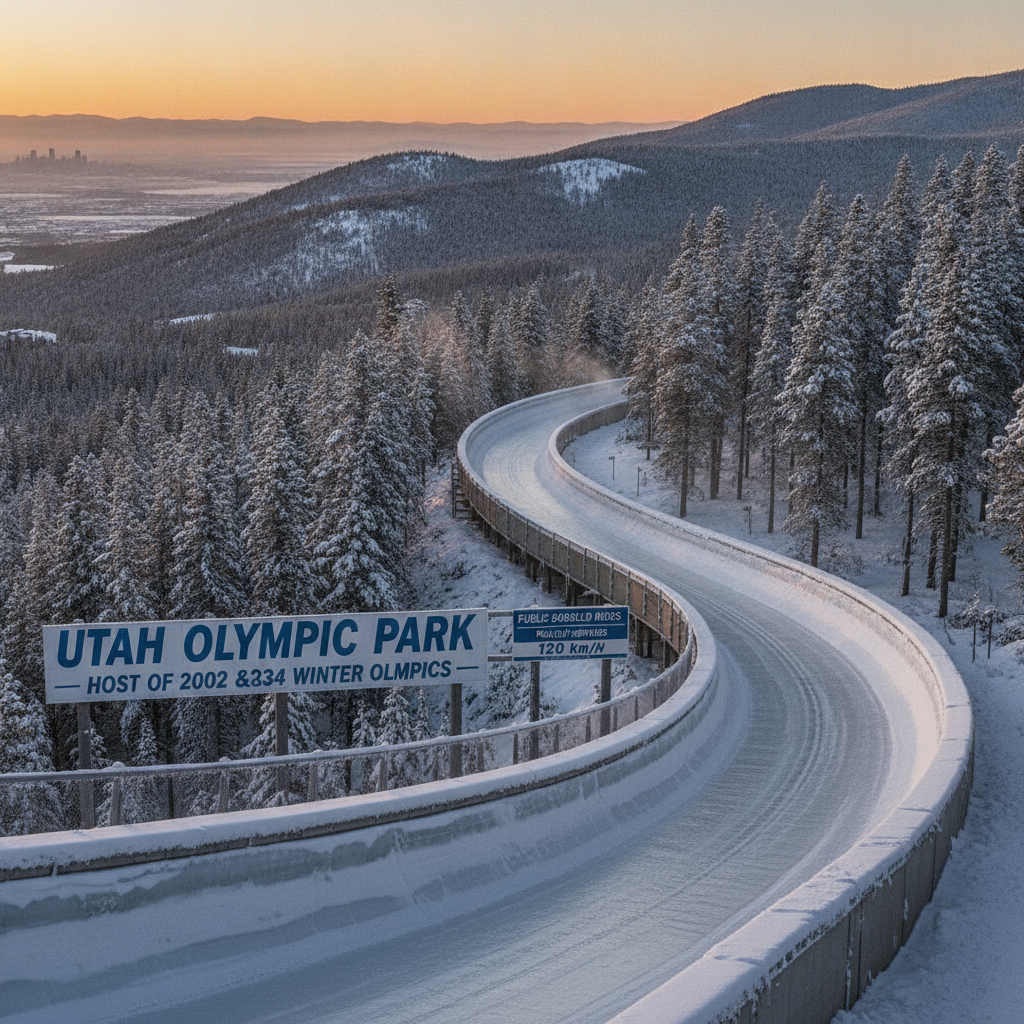
The 2002 Winter Olympics in Salt Lake City: the Games were marked by controversy before the opening ceremony (the Salt Lake City bid committee had paid approximately USD 1.2 million in payments, gifts, and benefits to IOC members and their relatives — a scandal that erupted in 1998 and led to the expulsion of 10 IOC members and major reforms of the IOC bidding process) and by the figure skating scandal during the Games (the French judge Marie-Reine Le Gougne admitted under pressure to voting the Russian pair of Anton Sikharulidze and Elena Berezhnaya first in the pairs figure skating in exchange for French ice dancer judging support from the Russian federation — the first Olympic judging corruption scandal in the history of figure skating, resulting in the unusual decision to award a second gold medal to the Canadian pair of Sale and Pelletier). Despite the controversies, the 2002 Games were widely considered a sporting and organizational success. The Olympic venues: the Utah Olympic Park (at 3419 Olympic Pkwy, Park City, 55 km east of Salt Lake City): the alpine competition venue now operating as a public attraction with bobsled rides (the only public bobsled experience in the United States, operating year-round, reaching 120 km/h), freestyle skiing, and ski jumping exhibitions. The Utah Olympic Oval (at 5662 Cougar Lane, Kearns, 20 km southwest of downtown Salt Lake City): the indoor speed skating oval where the Dutch skater Jochem Uytdehaage set two world records and 7 national records were set in a single day — the fastest ice in Olympic history. The 2034 Winter Olympics: Salt Lake City was formally awarded the 2034 Winter Games by the IOC in July 2023, making it the first city to be awarded the Winter Olympics twice. The 2034 Games budget is projected at USD 3.5-4B.
Walk this route with audio
Stories play automatically as you reach each stop — no tapping needed.
More in salt-lake-city
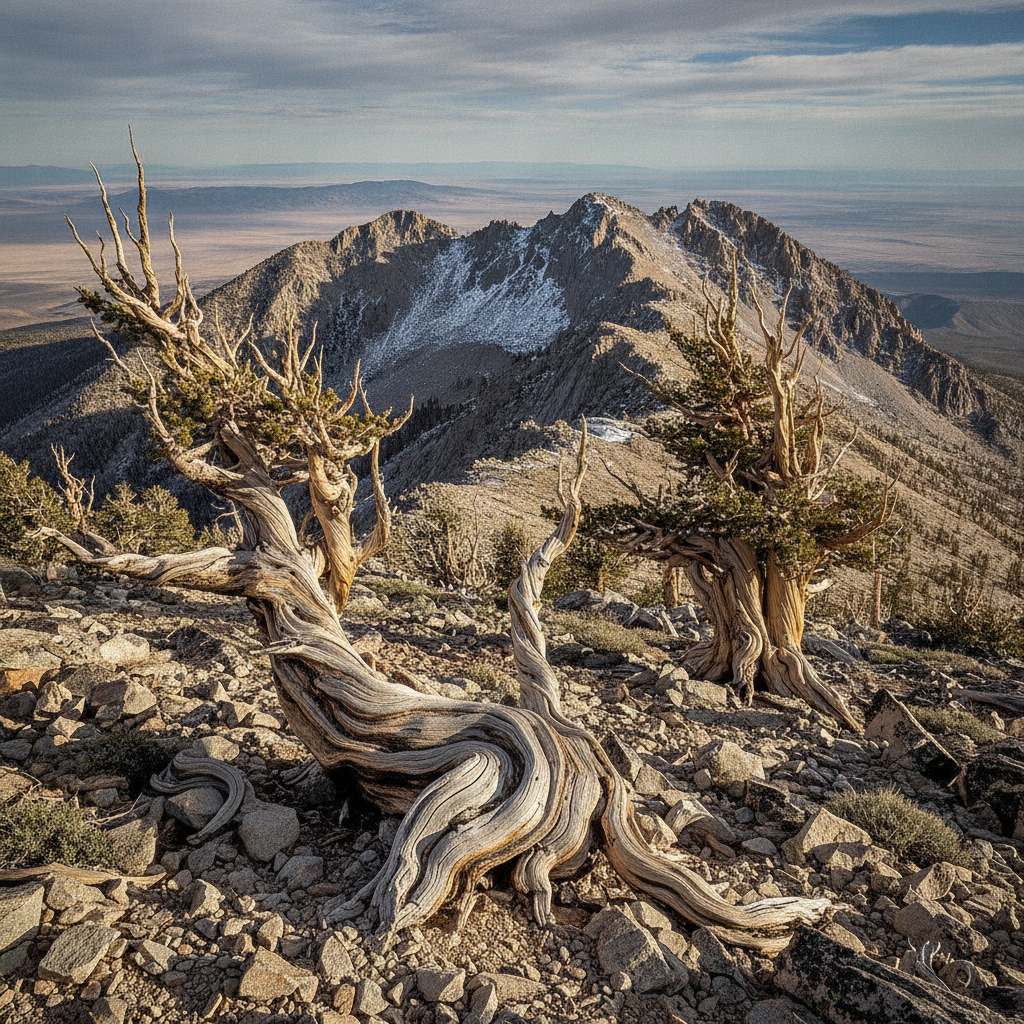
Salt Lake City R5: Polygamy FLDS (Warren Jeffs born 1955 died 2022 FBI Most Wanted convicted sexual assault, Yearning for Zion Ranch April 2008 462 children largest US child welfare operation, Colorado City Hildale FLDS headquarters now depopulated), Utah wildlife (Uinta Mountains only E-W major range continental US Kings Peak 4123m, elk 80-90,000 bulls 500kg antlers 1.7m, Ashley National Forest Flaming Gorge 150km reservoir 1964 dam, Colorado drains 40% Utah), University of Utah (1850 University of Deseret 34,000 students, Philo Farnsworth born 1906 Beaver Utah electronic television 1927 first image straight line, Huntsman Cancer Institute 1995 USD 500M Jon Huntsman USD 300M/year research, Mario Capecchi Nobel 2007 gene targeting knockout mice), LGBTQ (Capitol Hill most diverse, Utah Pride June 50,000 largest between SF and Chicago, LDS Proposition 8 USD 22M 2008, November 2015 Exclusion Policy reversed April 2019, SLC 75-80% Democratic, Encircle LGBTQ support Larsen 2017), Great Basin National Park (285km west, Wheeler Peak 3982m, Lehman Caves shields helictites, bristlecone pine oldest organisms Prometheus cut 1964 4862 years old most significant inadvertent destruction, Ely Nevada Northern Railway Museum best preserved steam), Rock art (Newspaper Rock 4 cultures 4000BCE to 19thC, Nine Mile Canyon 10,000 petroglyphs 60km highest density American West, Edge of Cedars Museum finest Ancestral Puebloan pottery, Hovenweep 1200-1300 CE towers most mysterious prehistoric achievement).
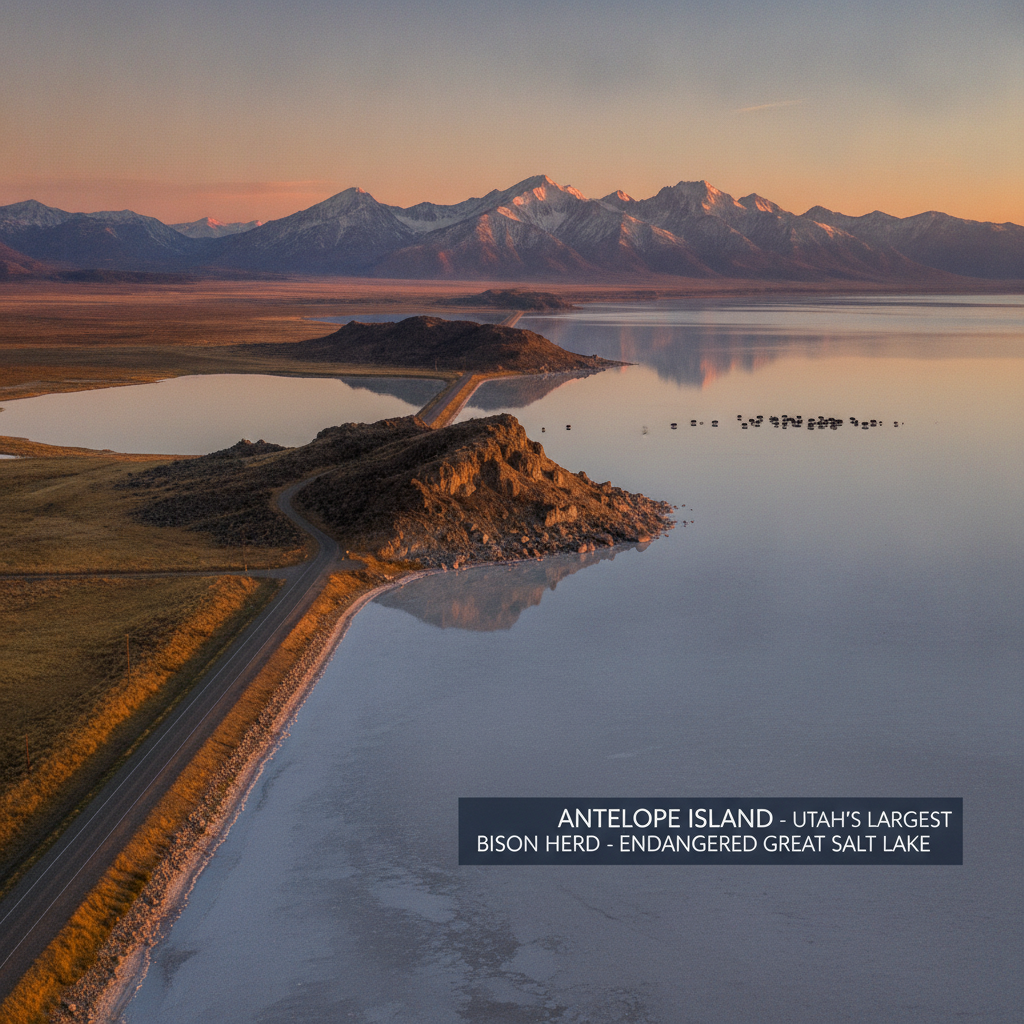
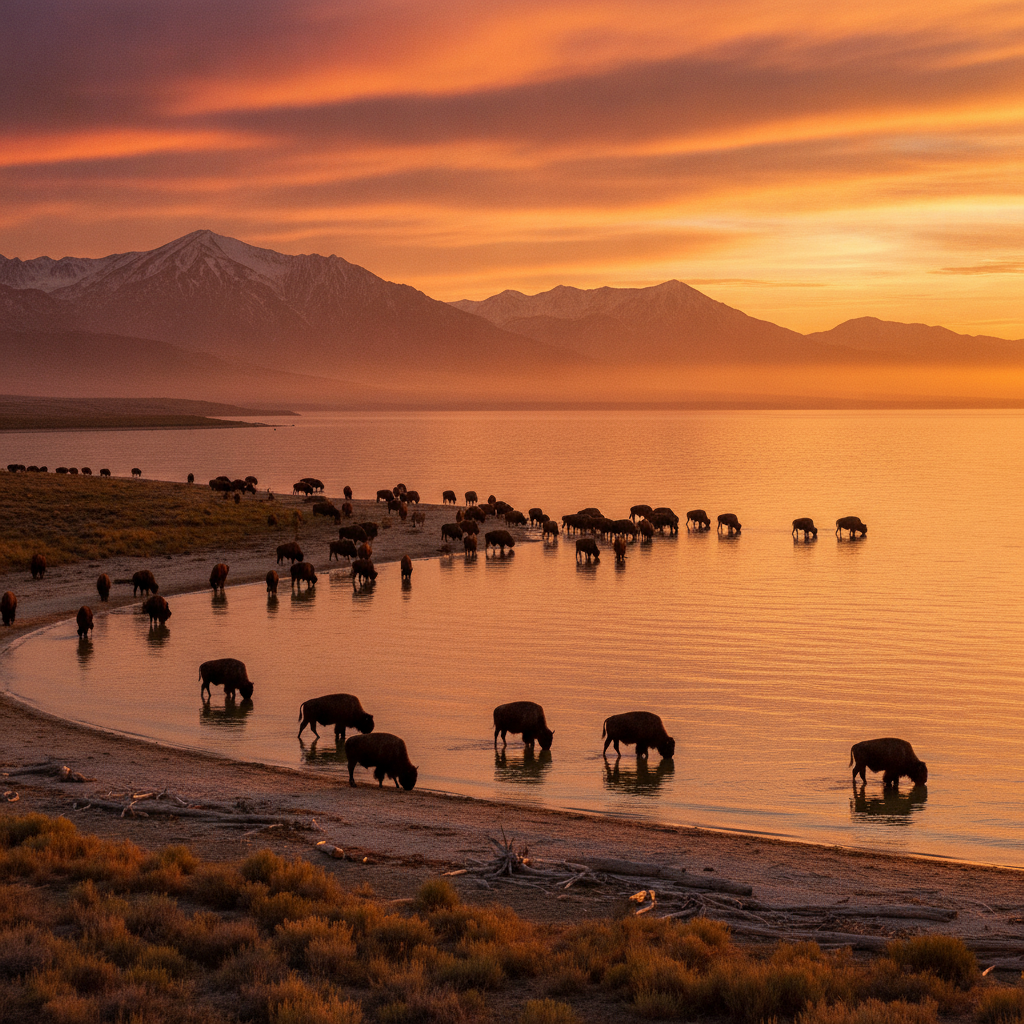
Salt Lake City R4: Bonneville Salt Flats (46,000ha flattest large surface earth, Speed Week SCTA September, salt flats shrinking 40% since 1950 potash mining Intrepid, Wendover Nevada casinos dry Utah), Antelope Island (39km 700 bison 1893 first conservation attempt, pronghorn 95km/h fastest Western Hemisphere, brine fly billions per hectare Great Basin Shoshone food, 1.5M Wilsons phalaropes 85% world population August-September), Ski resorts (Alta 1939 ski-only no snowboards since 1994 1400cm/year 500 inches most challenging expert terrain, Snowbird aerial tram 10min Hidden Peak 11000ft 125 passengers, Park City Mountain largest US 7300 acres 2015 merger, Deer Valley most upscale valet ski parking top ranked US), Moab (5000 residents 3M visitors/year, Slickrock Bike Trail 1980s 35 degree slopes friction sandstone, Dead Horse Point 16km descent, Canyons MAZE most remote continental US 3-5 days 4WD), Architecture (Utah State Capitol 1916 copper dome 97m Richard Kletting, Cathedral Madeleine 1909 Gothic Revival finest High Victorian Gothic west Mississippi, Vivint Arena USD 28.5M naming rights 10 years, 2002 figure skating venue), Hiking (Cottonwood Canyons 20-40min to trailheads, Timpanogos 3582m 40,000 hikers/year, Timpanogos Cave 244m elevation gain stalactites helictites, Red Butte Garden summer concerts).
Salt Lake City: Dinosaur Science, Sundance Cinema and a Lake in Crisis
Salt Lake City R2-R6: Utah parks (Zion 4.5M visitors/year Narrows wade upstream 300m walls Angels Landing permits since 2022, Bryce Canyon hoodoos 2400-2800m, Arches 2000 arches Delicate Arch 16m on license plate, Canyonlands 1366 km2 White Rim Road 160km 4WD, Dead Horse Point Thelma Louise 1991, Moab uranium tailings 16M tons Colorado River), Pioneer history (400 settlements 1847-1877 Great Basin, Utah War 1857-1858 Buchanan army 2500 soldiers, Mountain Meadows Massacre September 11 1857 120 killed most damning LDS event, polygamy Manifesto 1890 Edmunds-Tucker 1887, FLDS 30,000-50,000 continue), Great Salt Lake crisis (shrimp harvest 50M kg/year USD 50M most earthly commercial brine shrimp, dust threat arsenic mercury exposed lakebed, overallocation water rights 80% agriculture, canal Pacific proposal USD 50B), neighborhoods (Avenues Victorian Craftsman 1880s-1930s, Beehive House 1854 Lion House Young wives, Tabernacle 1867 pin drop 7000 seats, Sugar House penitentiary site 112 acres, Gilgal Sculpture Garden sphinx Joseph Smith face), food (Word of Wisdom no coffee tea alcohol tobacco, state liquor stores grocery 5% beer, Granary District craft beer Uinta 1993 150,000 barrels Squatters 1989 first brewpub, Utah Pride June 50,000 LGBTQ Capitol Hill).
Salt Lake City: Great Salt Lake, Temple Square, Transcontinental Railroad, skiing, culture, and practical guide