Riyadh Planning Guide: World's Largest Urban Park, $22 Billion Metro & the 4-Day Itinerary
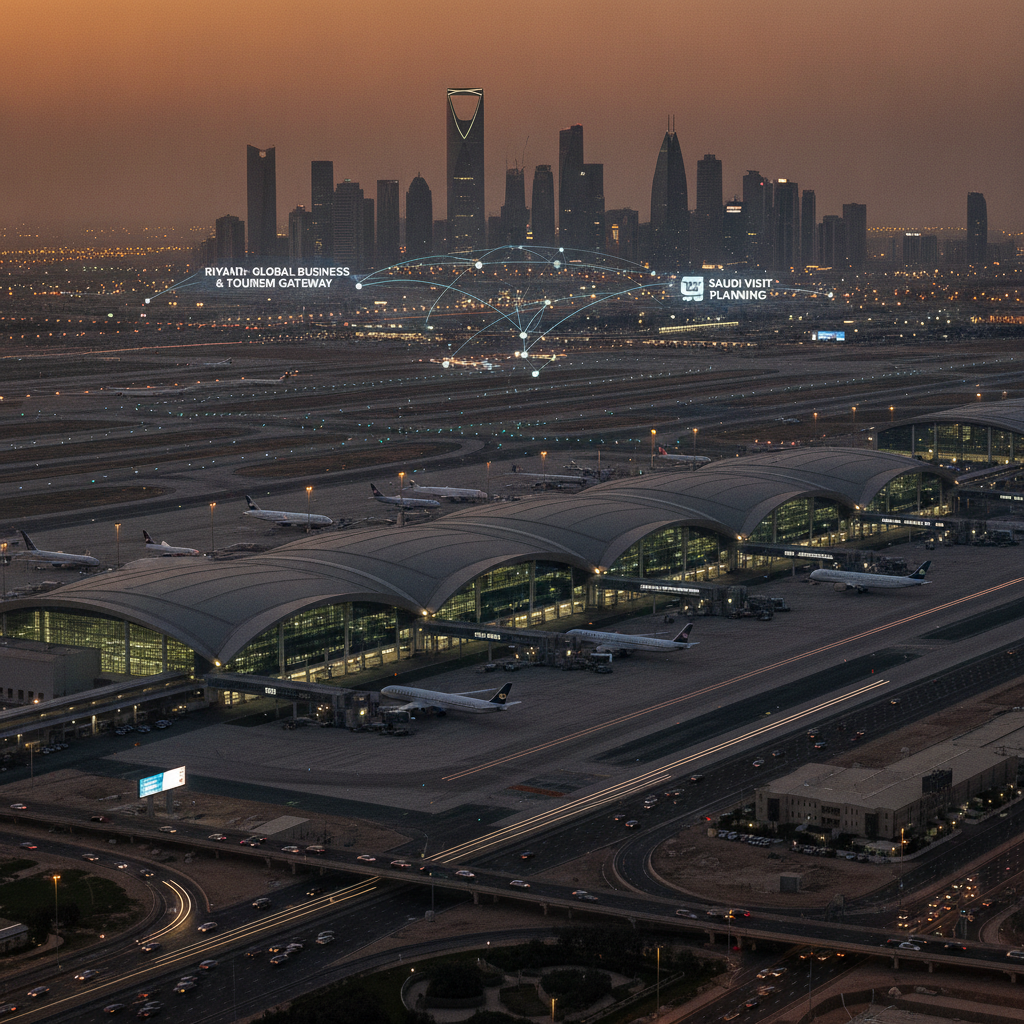
Plan Riyadh efficiently—the $22 billion metro (176 km built simultaneously in 6 years, Zaha Hadid-designed stations) connecting airport to city for SAR8, King Salman Park (13.4 km², twice Central Park) transforming one of the world's least green cities, the Saudi e-visa covering Al Ula day flights and Jeddah coral-reef weekend, and the 4-day itinerary that covers Masmak fortress, Diriyah UNESCO site, the Edge of the World cliff, and Riyadh Season.
- 1
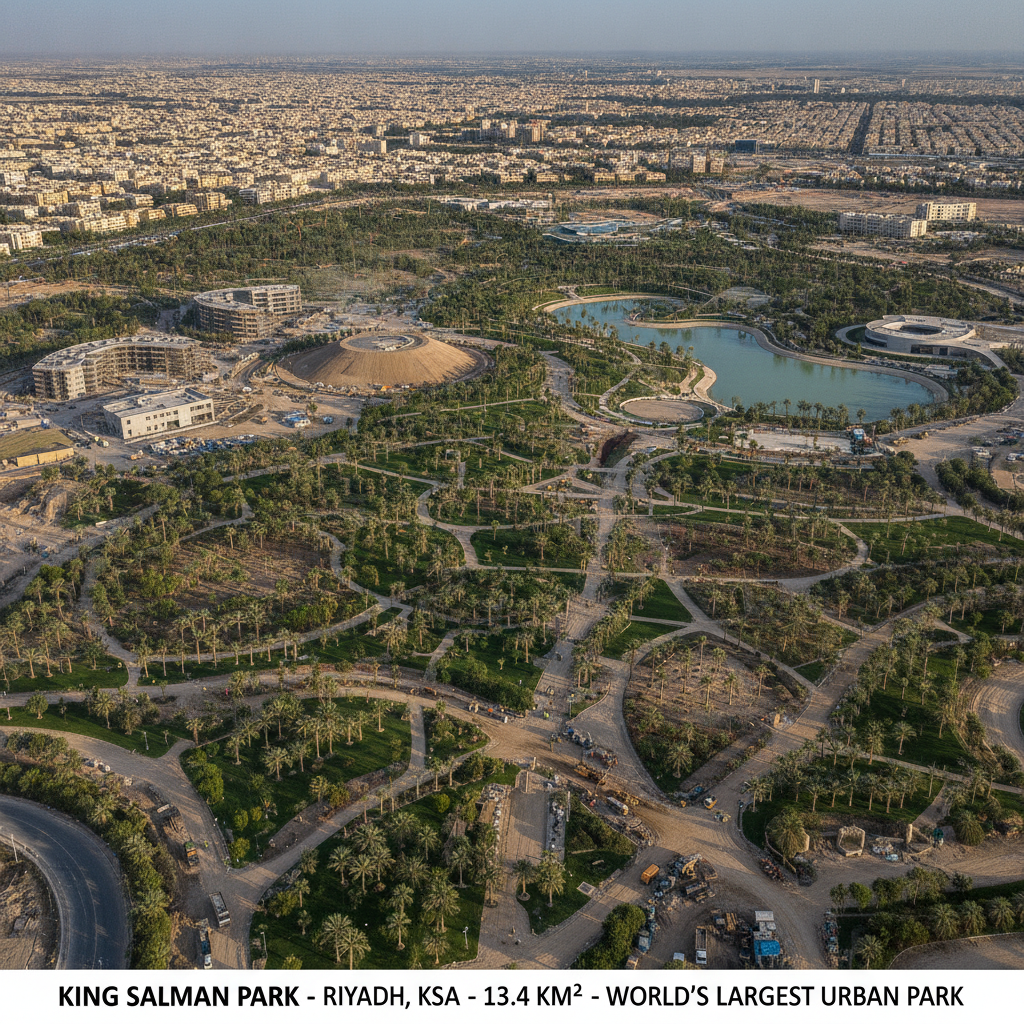
King Salman Park – The World's Largest Urban Park
King Salman Park—under construction in northern Riyadh, expected completion 2025–2026—will be the world's largest urban park at 13.4 km² (twice the size of New York's Central Park, three times London's Hyde Park). The park's master plan includes four cultural venues, a sports complex, an aviation museum, and extensive tree planting transforming a dry desert landscape into a green urban lung. The project is central to Riyadh's Vision 2030 liveability goals—the city is currently one of the world's lowest-ranked for green space per capita.
- 2
The Diplomatic Quarter & Embassies
The Diplomatic Quarter (Al-Safarat)—a 9 km² walled district in northwestern Riyadh housing 60+ foreign embassies, international schools, and the residences of the diplomatic community—is the most distinctive urban district in Riyadh. The DQ was designed in the 1980s by the German architectural firm Buro Happold with integrated Arabic architectural elements; its tree-lined streets, pedestrian paths, and parks make it the most pleasant neighbourhood in the city. The DQ's restaurants and cafés are the most international in Riyadh and are accessible to all visitors.
- 3
Riyadh's Metro – The New Transport Backbone
Riyadh's metro—6 lines, 85 stations, 176 km of track, opened in full in 2024—is the largest single metro project ever built simultaneously, the longest metro network in the world built in a single phase. The system was built in 6 years (2013–2019 construction, testing 2019–2024) for $22 billion. The metro's stations are designed by six different architectural firms including Zaha Hadid Architects and Arriyadh Development Authority. The system connects King Khalid International Airport, the city centre, and suburban districts; a single journey costs SAR4–8 (€1–2).
- 4
Riyadh Zoo & Natural History
Riyadh Zoo—one of the largest in the Middle East, holding 1,500 animals across 200 species—is a significant conservation centre for Arabian wildlife. The zoo maintains breeding programmes for the Arabian oryx (a species once extinct in the wild, now recovered to 1,000+ animals), sand gazelle, and Arabian sand cat. The Natural History Museum of Saudi Arabia (under development) will document the Arabian Peninsula's geology and palaeontology—the fossil beds of the Rub' al Khali contain marine fossils from when the desert was an ancient sea, and dinosaur footprints have been found in the north.
- 5
Day Trips from Riyadh – Desert & History
Riyadh's surroundings offer several rewarding day trips. Al Kharj (80 km south, 1 hour)—a farming oasis fed by artesian wells—supplies much of central Arabia's fresh produce and dates. Ushaiqer Heritage Village (200 km northwest)—a remarkably intact traditional Najdi mud-brick village, now a UNESCO tentative site—is the best surviving example of pre-oil Arabian town architecture. The Edge of the World escarpment (90 km northwest) is the most spectacular natural day trip. The Thumamah National Park (50 km north of Riyadh) offers dune landscapes and wildlife within easy driving distance.
- 6
Planning a Riyadh Visit – Visa, Best Season & Itinerary
Riyadh is best visited November–March (temperatures 15–28°C, outdoor activity viable). Summer (June–September) reaches 48°C—rooftop restaurants and outdoor venues close; only indoor attractions and malls are practical. The Saudi tourist e-visa (€120 for most nationalities) covers the entire country. Riyadh is the best base for Al Ula (2-hour flight), Jeddah (1-hour flight), and the Edge of the World. A well-planned 4-day Riyadh visit covers: Day 1 Masmak/National Museum/Al Dira; Day 2 Diriyah; Day 3 Edge of the World; Day 4 shopping/Riyadh Season/dining. Al Ula deserves a separate 2-night extension.
Walk this route with audio
Stories play automatically as you reach each stop — no tapping needed.
More in Riyadh
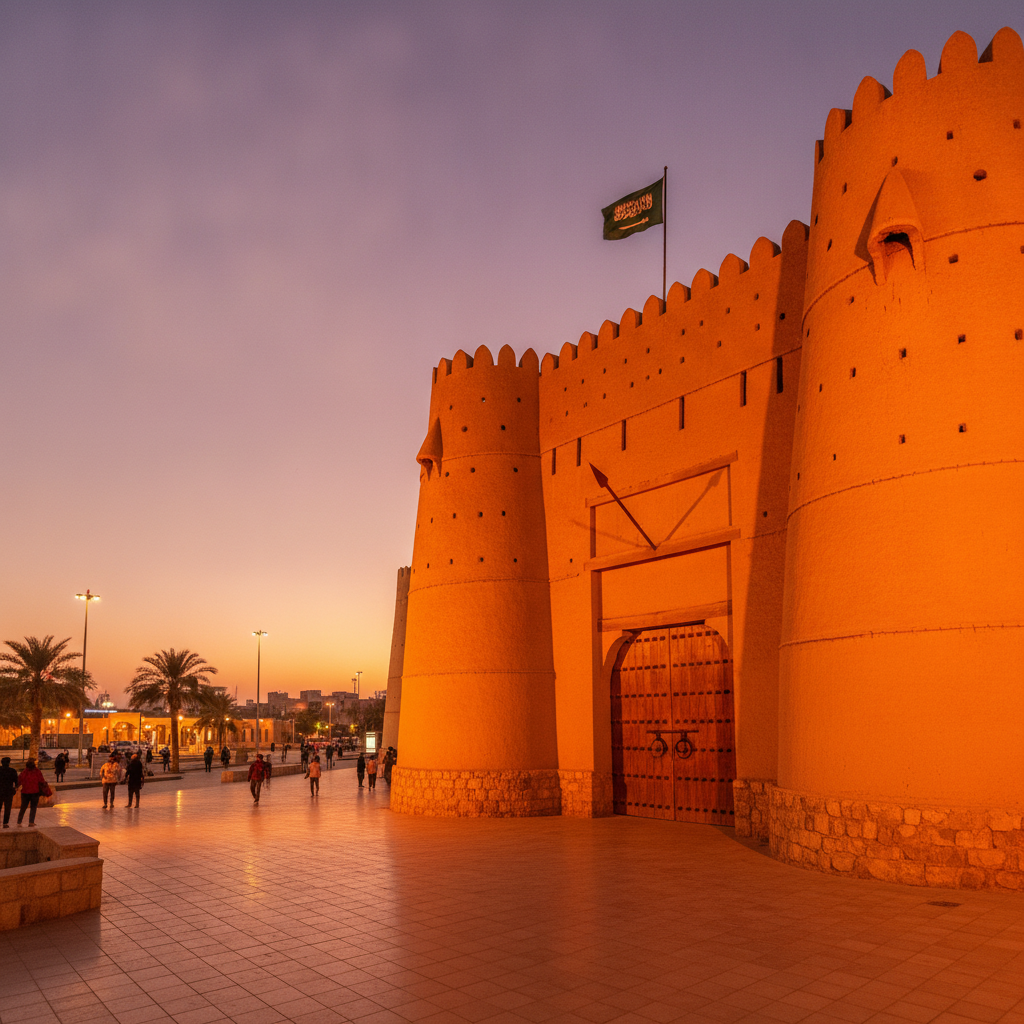
Riyadh Essentials: The Fortress That Founded a Kingdom, Norman Foster's Tower & Vision 2030
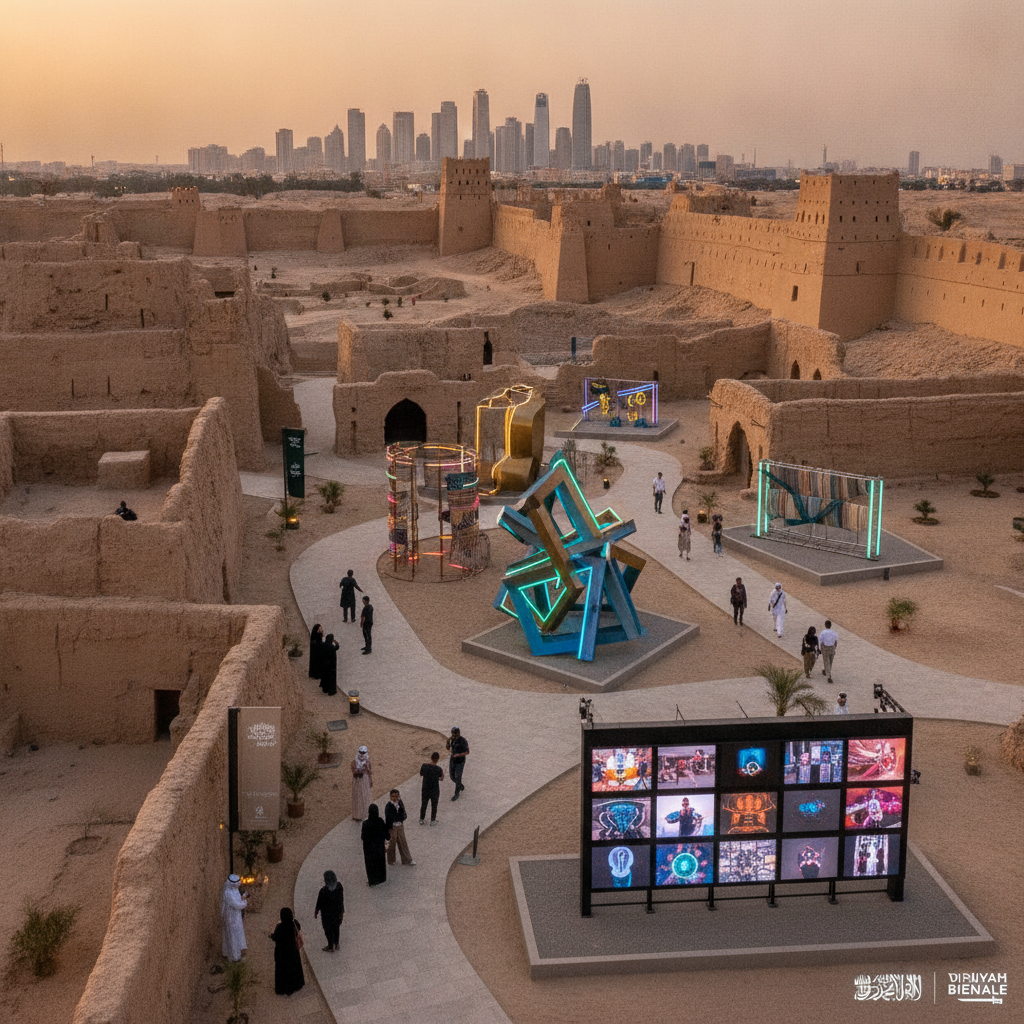
Riyadh Culture: The Diriyah Biennale, the Saudi Entertainment Season, the Arts Scene, and the Most Culturally Transformed Single Gulf Capital
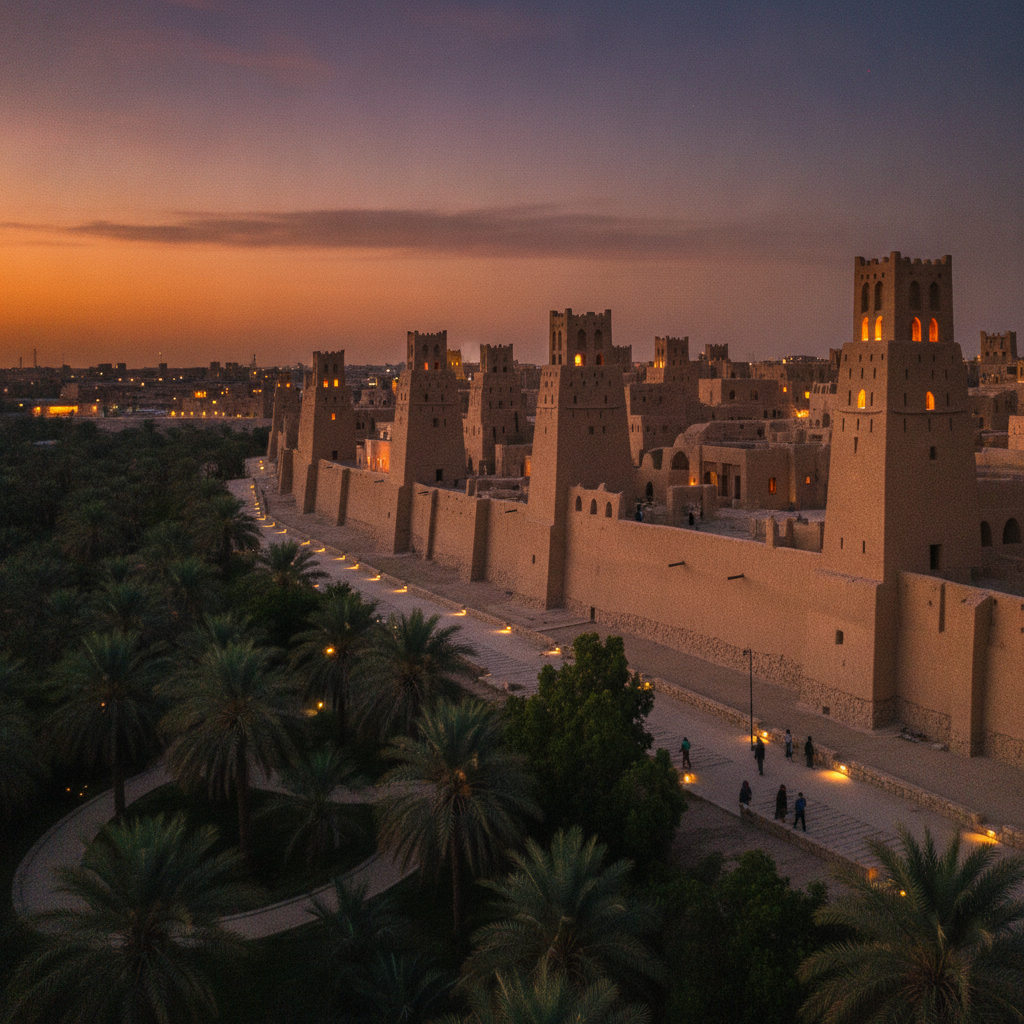
Riyadh's New Identity: Third-Wave Coffee Ceremony, Najdi Architecture Restored & LIV Golf Politics
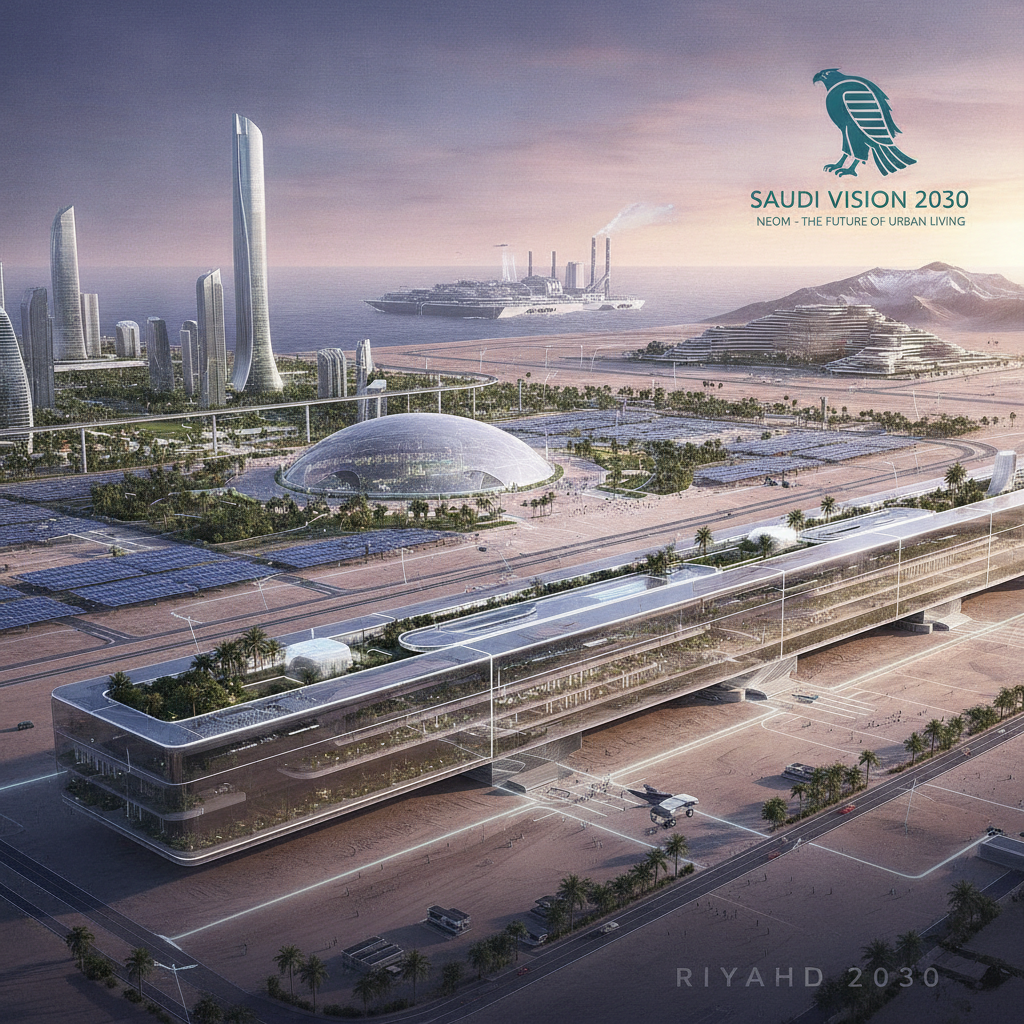
Riyadh Future: NEOM, the Saudi Futurist Projects, the Most Ambitious Single Urban Development Plans, and the Most Consequentially Transforming Single Gulf State
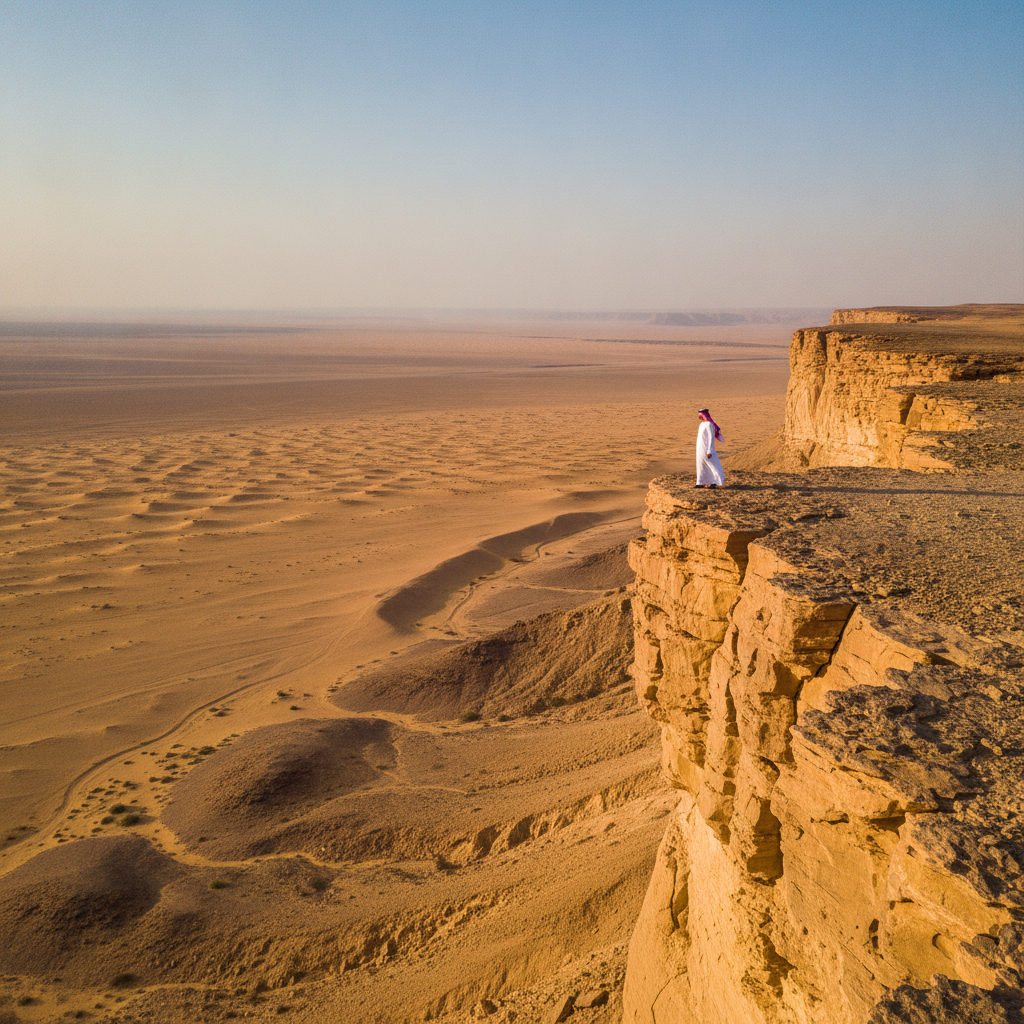
Beyond Riyadh: UNESCO Diriyah, the Edge of the World Escarpment & Nabataean Tombs at Al Ula