Saudi Arabia's Depth: Nabataean Hegra, Jeddah's Coral-Stone Tower Houses & the Empty Quarter
Go beyond Riyadh across Saudi Arabia—111 Nabataean tomb facades at Hegra (Saudi Arabia's first UNESCO site, comparable to Petra but in open desert), Jeddah's Al-Balad coral-stone tower houses with carved wooden bay windows unique to the Hejaz, the Rub' al Khali's 330-metre sand dunes (world's tallest) that Wilfred Thesiger crossed twice, and the Islamic heritage of a region where non-Muslims may not enter the world's two holiest cities.
- 1
Al Ula – Hegra & the Nabataean Tombs
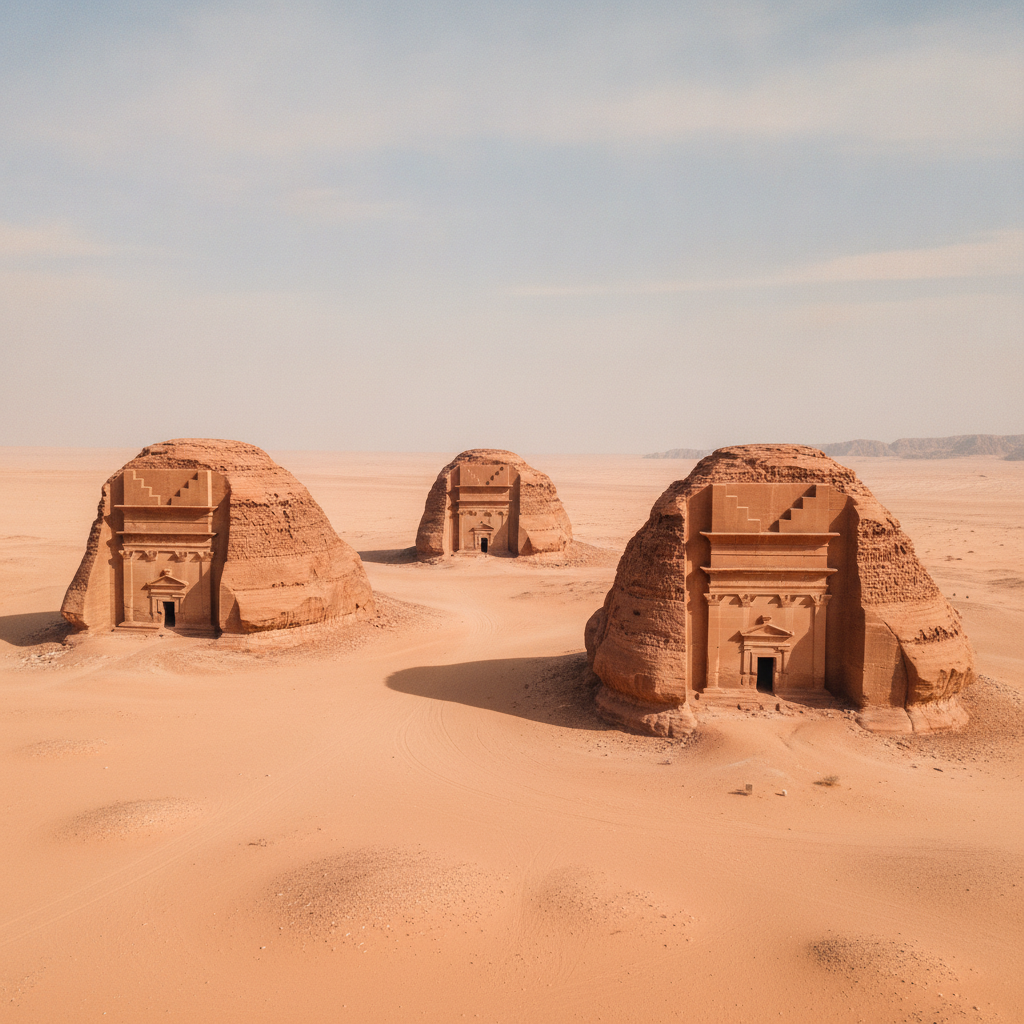
Hegra (Mada'in Salih) in Al Ula—Saudi Arabia's first UNESCO World Heritage Site (2008)—contains 111 monumental Nabataean tombs carved into sandstone outcrops between the 1st century BC and 1st century AD. The tombs are comparable to Petra in Jordan but sit in a more dramatic open desert landscape with isolated rock formations. Unlike Petra, Hegra was a sacred site that the Nabataeans themselves avoided inhabiting; only the dead and their guardians stayed within its boundaries. Flights from Riyadh to Al Ula (2 hrs) and from Jeddah (1 hr) are available.
- 2
Jeddah – Historic Al-Balad & the Red Sea
Jeddah, 900 km west of Riyadh on the Red Sea coast, is Saudi Arabia's second city and the gateway to Mecca for Muslim pilgrims. Al-Balad—the historic UNESCO-listed old city (2014)—contains coral-stone tower houses (Rawasheen) with elaborately carved wooden bay windows unique to the Hejaz region. The Red Sea off Jeddah has some of the world's finest coral reef diving; the Jeddah Corniche (30 km) is the longest seafront promenade in the Arab world. The King Fahd Fountain (312 m) is the world's tallest fountain, visible from the city.
- 3
Riyadh's Shopping Culture – Malls & Gold Souqs
Riyadh is a mall city par excellence—temperature extremes make indoor, air-conditioned retail the default social space. The Mall of Arabia, Riyadh Park Mall, and Hayat Mall are among the largest in the Arabian Peninsula. Traditional shopping survives in the Al-Dira gold souk (21-karat Arabic gold sold by weight plus craftsmanship), the Haraj district (second-hand goods, antiques, and traditional items), and the Thumairi Street spice market. Saudi Arabia's VAT (15%, one of the highest in the Gulf) makes it slightly less attractive for luxury shopping than Dubai (5% VAT).
- 4
Riyadh's Expat Experience
Riyadh's expat community—approximately 38% of Saudi Arabia's population (13 million people) are non-nationals—is concentrated in the diplomatic quarter (DQ), Olaya, and the compound system. Western expats (primarily in oil, engineering, and healthcare sectors) have historically lived in secured residential compounds with their own recreational facilities (pools, tennis courts, cinemas, alcohol in private) separated from the broader Saudi society. This compound lifestyle is changing under Vision 2030—public entertainment has replaced much of what only compounds previously offered.
- 5
The Rub' al Khali – The Empty Quarter
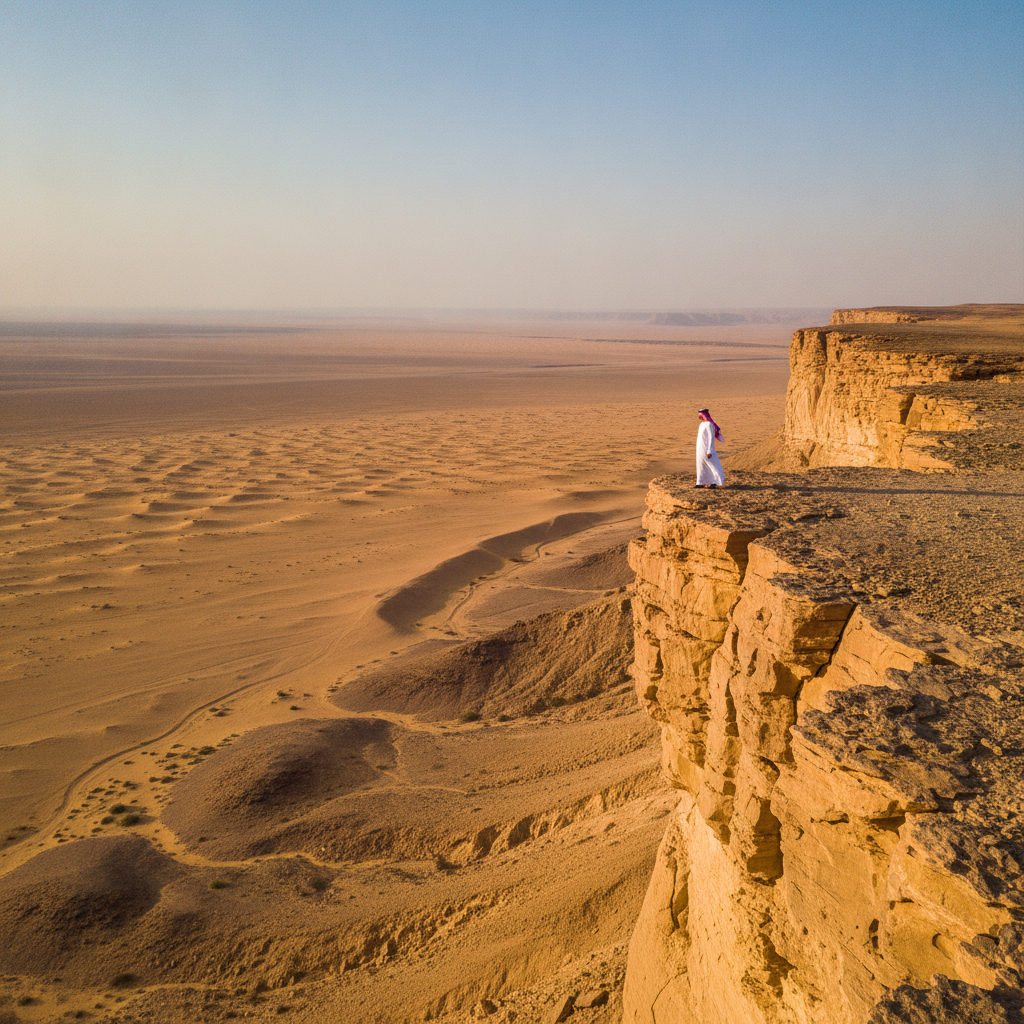
The Rub' al Khali (Empty Quarter)—the world's largest continuous sand desert at 650,000 km², covering southern Saudi Arabia and extending into UAE, Oman, and Yemen—is the most extreme landscape in Arabia. The Saudi portion of the Empty Quarter is accessible from Riyadh via the Najran road (600 km south); organised desert expeditions depart from Riyadh. The dunes reach 330 metres in height—the tallest sand dunes in the world. The British explorer Wilfred Thesiger crossed the Empty Quarter twice (1945, 1947–48) in journeys that remain the most celebrated desert explorations of the 20th century.
- 6
Saudi Arabia's Islamic Heritage
Saudi Arabia contains the two holiest sites in Islam: Mecca (the Masjid al-Haram, the world's largest mosque, surrounding the Kaaba—the direction of Muslim prayer worldwide) and Medina (the Prophet's Mosque, burial place of Muhammad). Non-Muslims are prohibited from entering Mecca or Medina; the closest non-Muslims can approach is the viewpoints on the road to Mecca. The annual Hajj pilgrimage (2–6 million pilgrims) is the world's largest human gathering. The Islamic heritage of the Hejaz region—the Quraysh tribe, the early caliphate sites, and the battlefields of early Islamic history—is the richest Islamic historical landscape on earth.
Walk this route with audio
Stories play automatically as you reach each stop — no tapping needed.
More in Riyadh
Riyadh Essentials: The Fortress That Founded a Kingdom, Norman Foster's Tower & Vision 2030
Riyadh Culture: The Diriyah Biennale, the Saudi Entertainment Season, the Arts Scene, and the Most Culturally Transformed Single Gulf Capital
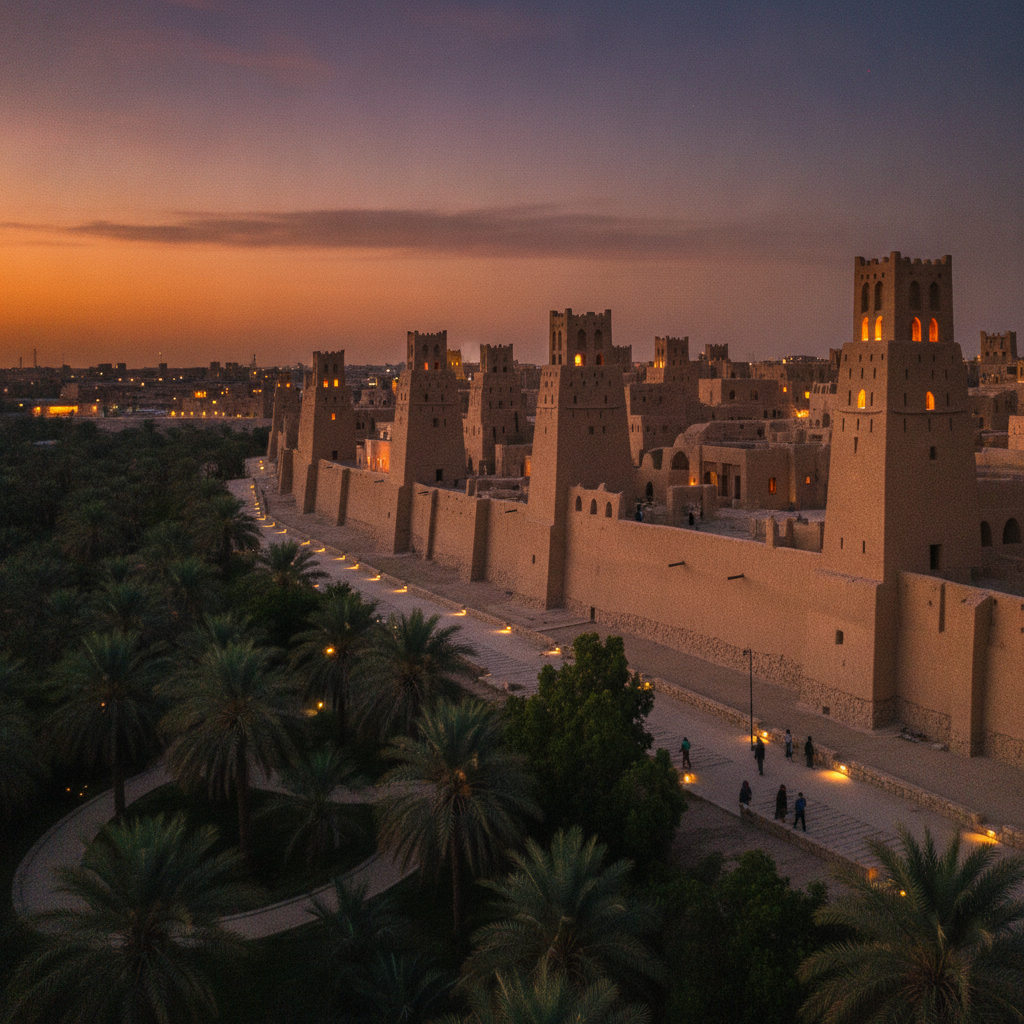
Riyadh's New Identity: Third-Wave Coffee Ceremony, Najdi Architecture Restored & LIV Golf Politics
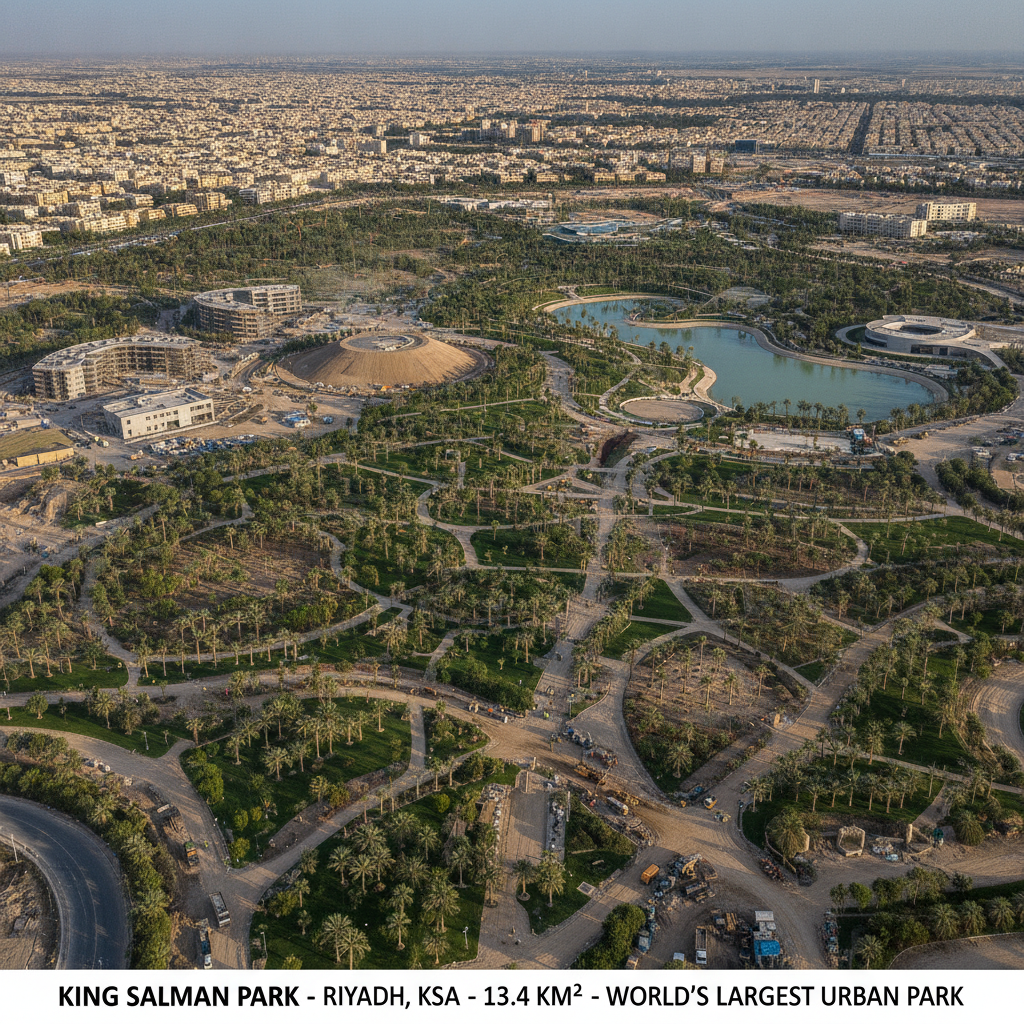
Riyadh Planning Guide: World's Largest Urban Park, $22 Billion Metro & the 4-Day Itinerary
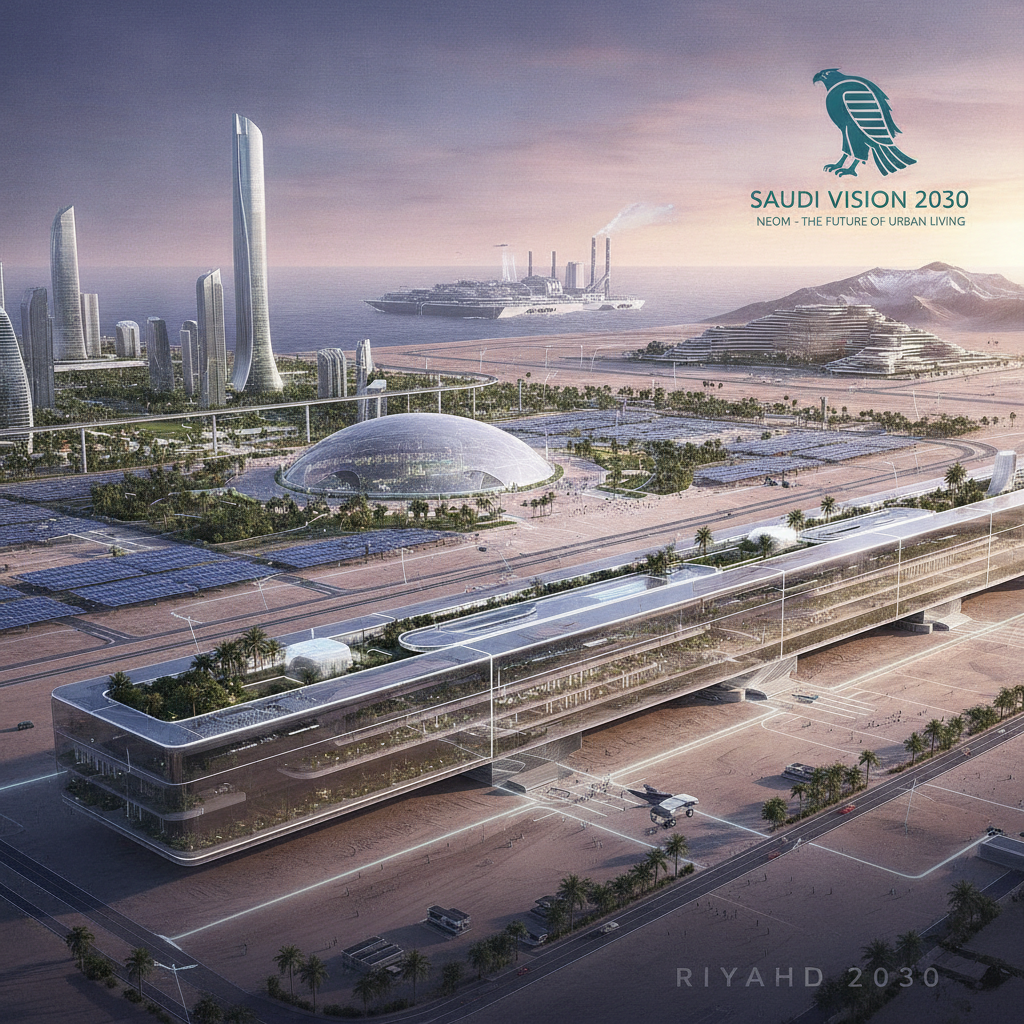
Riyadh Future: NEOM, the Saudi Futurist Projects, the Most Ambitious Single Urban Development Plans, and the Most Consequentially Transforming Single Gulf State