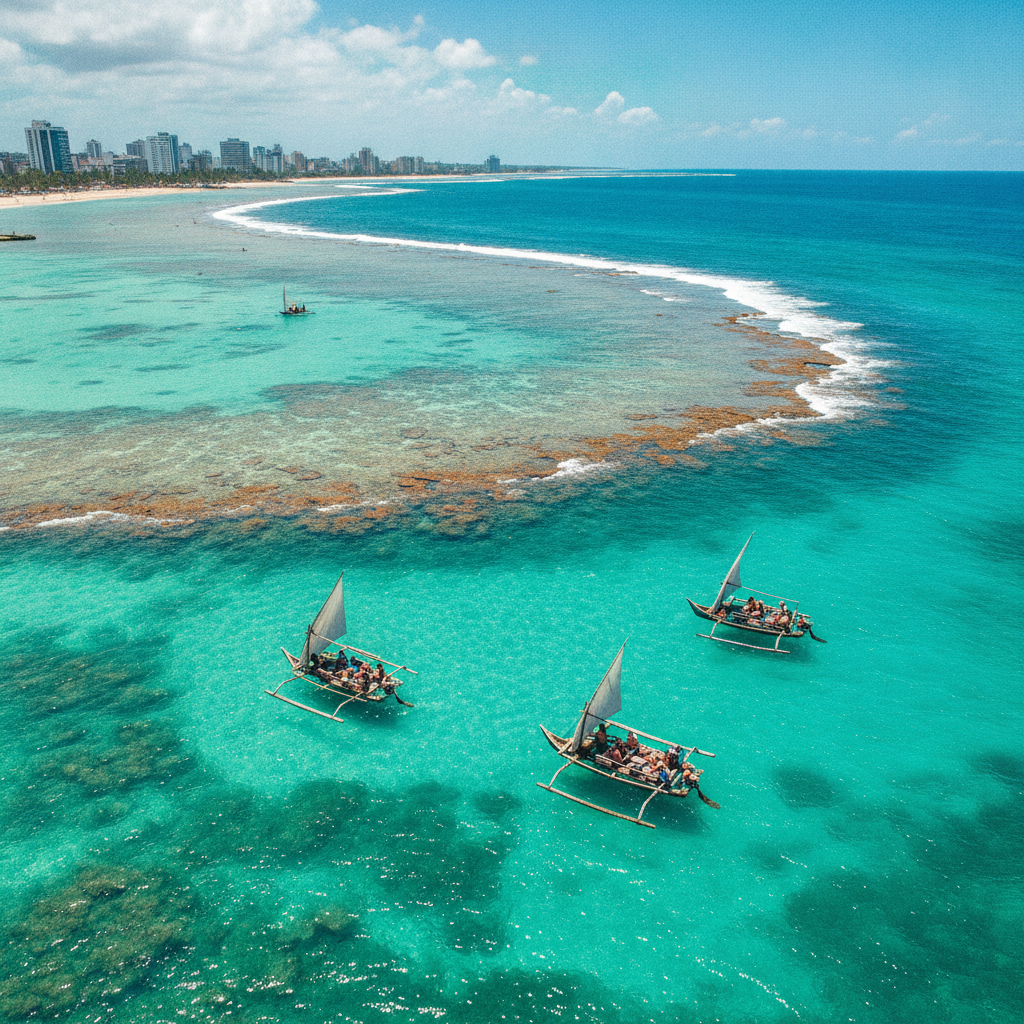
Recife Practical Guide: Airport, Carnival Planning, Olinda Access, and the Coconut Route North
The practical information for visiting Recife covers the festival calendar centered on the great street carnival, the choice between beach and historic center accommodation, the safe navigation of the city, and the coastal route north to Natal.
- 1
Practical Recife: Airport and City Navigation
Recife Guararapes-Gilberto Freyre International Airport, named after the Pernambuco social theorist whose work on racial mixture influenced Brazilian self-understanding throughout the 20th century, is one of the busiest in the northeast with international connections to Lisbon and domestic routes to all major Brazilian cities. The airport metro connection to the city center is the most convenient public transport option for visitors.
- 2
When to Visit Recife: Carnival and the Dry Season
The carnival season in February or March is the peak cultural event of the Recife year and the primary reason international visitors choose Recife over other northeast cities; the carnival accommodation books up a year in advance and prices increase significantly. Outside carnival, the dry season from September to March offers the best beach conditions, while the June festas juninas provide a secondary cultural peak.
- 3
Getting to Olinda: Walking and Local Transport
Olinda is accessible from Recife by local bus, taxi, or a 40-minute waterfront walk from Recife Antigo along the sea wall that passes through the adjacent Bairro do Recife neighborhood. The walk between the two cities at ground level reveals the transition from the Dutch-built commercial port to the Portuguese hilltop colonial city in a way that the bus or taxi does not.
- 4
Recife Accommodation: Boa Viagem vs Historic Center
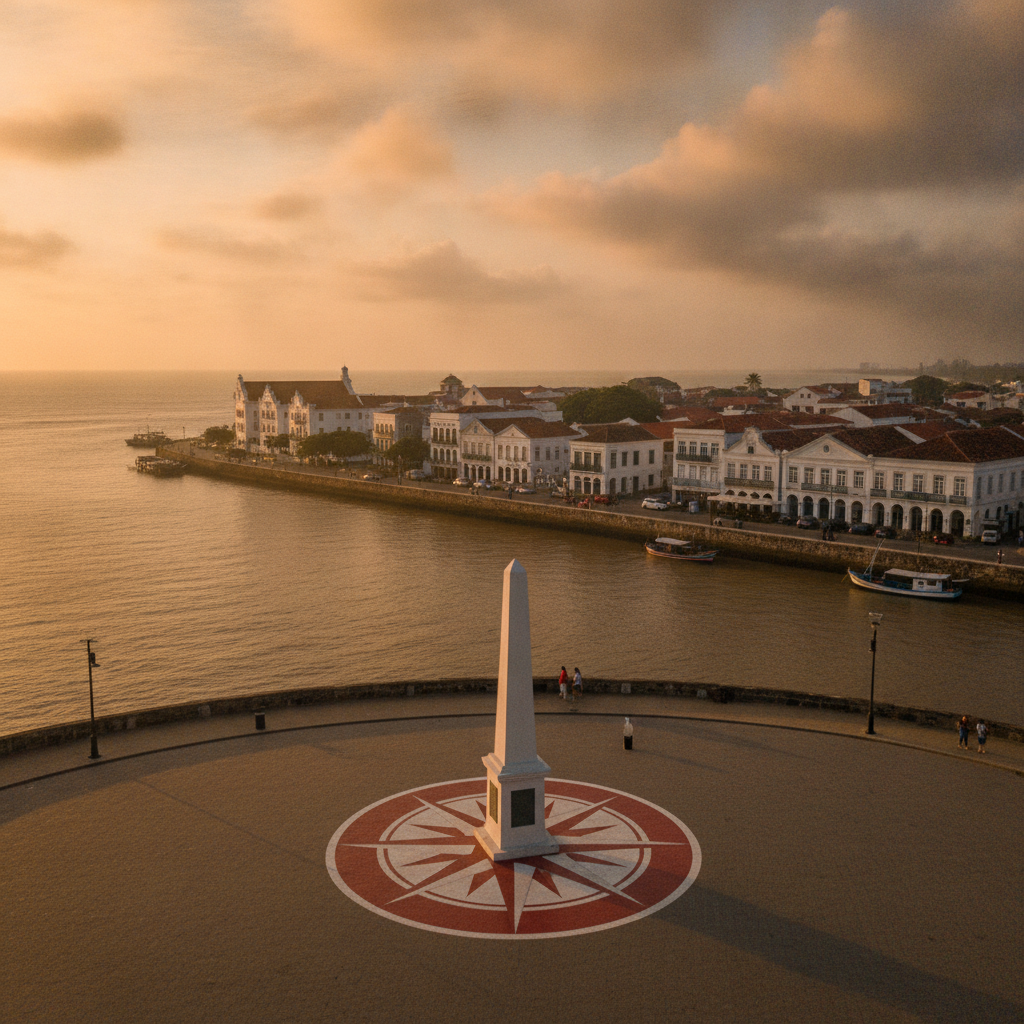
Visitors to Recife must choose between Boa Viagem, the beach neighborhood with the full range of hotels and the beach promenade, and the historic neighborhoods of Boa Vista and Santo Antonio near Recife Antigo, which offer fewer accommodation options but immediate access to the museums, the Marco Zero, and the Patio de Sao Pedro cultural space.
- 5
Safety in Recife: A Realistic Assessment
Recife has historically had high urban crime rates, and visitors should observe sensible precautions including using ride-share apps rather than street taxis, avoiding ostentatious display of cameras or electronics, and being alert in the historic center at night. The tourist zones around Marco Zero and Boa Viagem have significant police presence during the high season and carnival period.
- 6
Recife to Natal: The Coconut Route
The 300-kilometer coastal route north from Recife to Natal in Rio Grande do Norte, known as the Rota dos Coqueiros or Coconut Route, passes through a succession of beach towns including Catuama, Pitimbu, and Praia de Tabatinga that offer quieter beach experiences than the city beaches. The route is best traveled by rental car or organized buggy tour from either city.
Walk this route with audio
Stories play automatically as you reach each stop — no tapping needed.
More in Recife
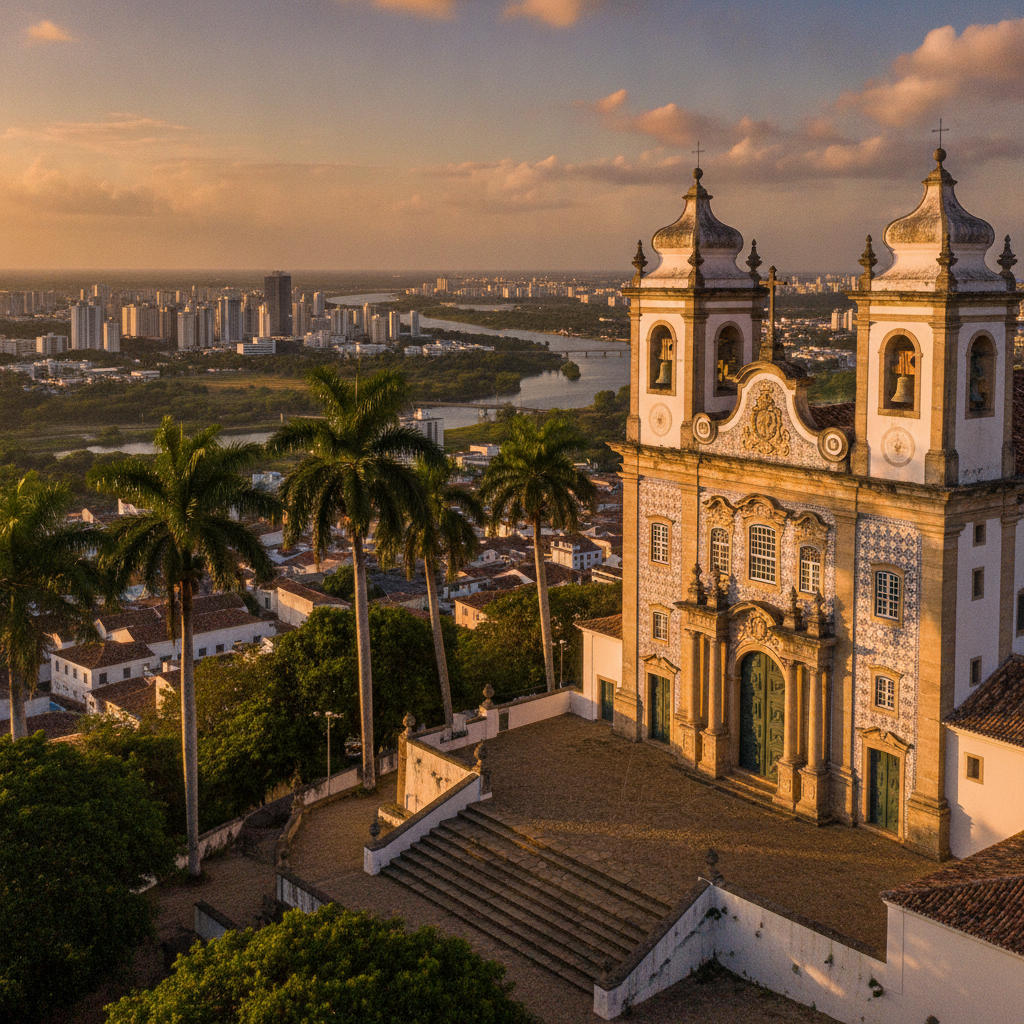
Recife Intellectual and Social History: Gilberto Freyre, Dutch Brazil, Quilombo Palmares, and the Cangaco Bandits

Pernambuco Music and Carnival: Frevo, Maracatu, Mangue Beat, and the Street Festival Tradition

Recife Food: Tapioca, Bolo de Rolo, the Northeast Street Snacks, and Contemporary Pernambuco Cuisine
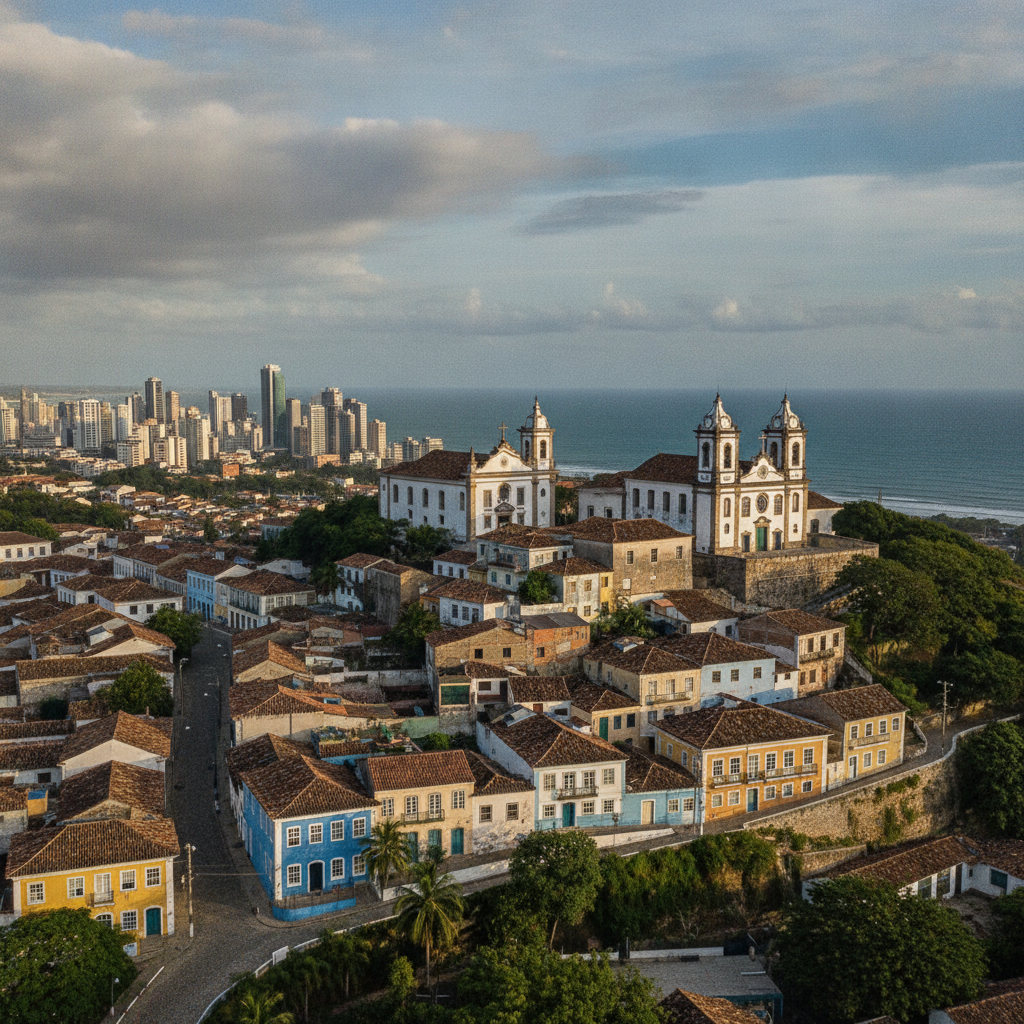
Recife and Olinda: Dutch Colonial Heritage, Frevo Carnival, and the Reefs of Porto de Galinhas

Recife Museums and Art: Brennand Castle, Ceramic Workshop, Street Art, and the Iron Market