Recife and Olinda: Dutch Colonial Heritage, Frevo Carnival, and the Reefs of Porto de Galinhas
Recife and its neighbor Olinda together form the cultural capital of the Brazilian northeast, combining the Dutch colonial heritage of Recife Antigo with the UNESCO baroque churches of Olinda, the frevo and maracatu music traditions of Pernambuco carnival, and the natural pool beaches of Porto de Galinhas.
- 1
Recife Antigo: The Dutch Colonial Heart
Recife Antigo, the peninsula that forms the historic core of the city between the Capibaribe and Beberibe rivers and the Atlantic, contains the oldest urban fabric in the Americas dating from the Dutch occupation from 1630 to 1654, when Recife served as the capital of Dutch Brazil under Maurice of Nassau. The restored warehouses, counting houses, and churches of the colonial period cluster around the Marco Zero point that marks the zero kilometer of Pernambuco state.
- 2
Olinda: The UNESCO Colonial Town on the Hill
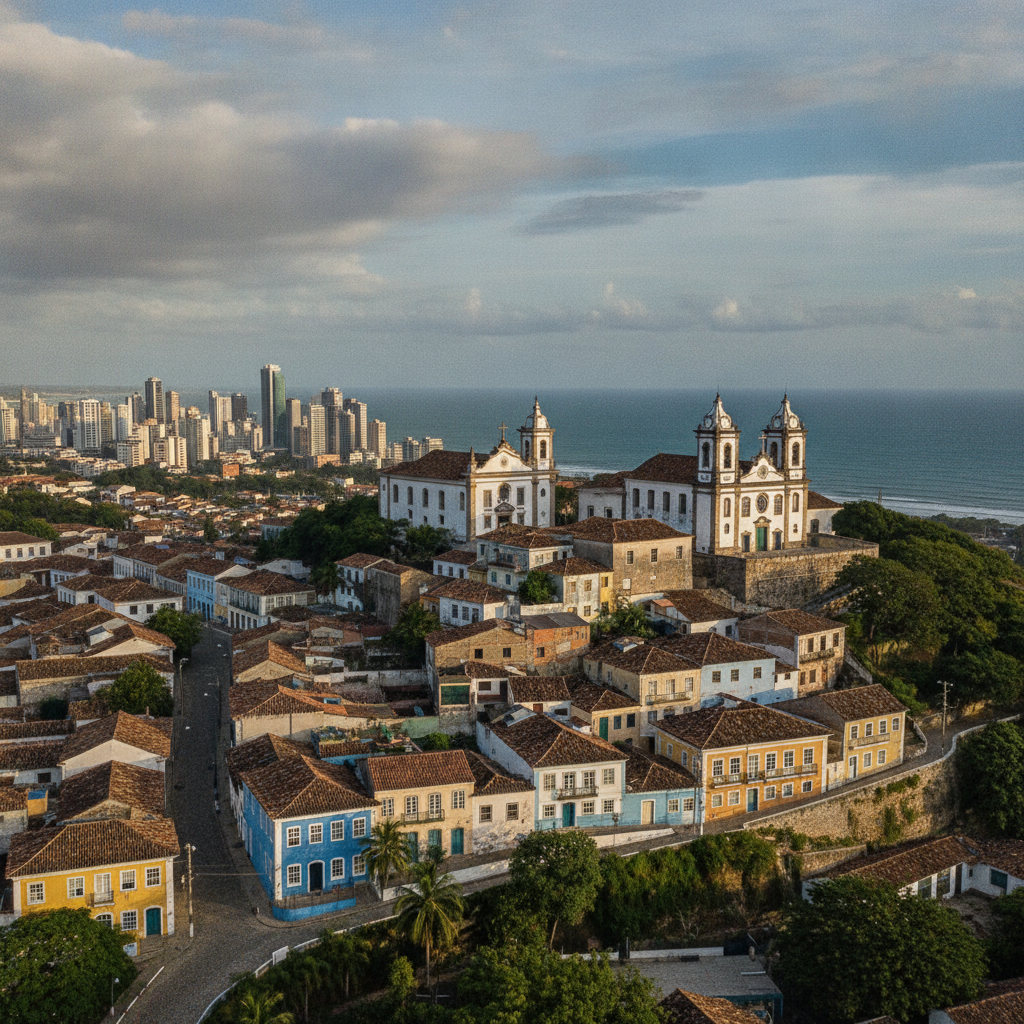
Olinda, the hilltop colonial city 6 kilometers north of Recife and the original capital of the Portuguese captaincy of Pernambuco, is a UNESCO World Heritage Site whose baroque churches, convents, and colonial mansions overlook the Recife cityscape and the Atlantic. The Carnival of Olinda, centered on the giant puppet figures known as bonecos gigantes that process through the colonial streets, is considered by many Brazilians to be the most authentic and enjoyable carnival celebration in the country.
- 3
Frevo and Maracatu: The Music of Pernambuco
Frevo, the frenetic umbrella-twirling dance music of Recife carnival, and maracatu, the Afro-Brazilian ritual percussion music whose troupes march through the streets in elaborate costumes, are the twin musical traditions that make Pernambuco carnival distinct from all other Brazilian carnival celebrations. The Patio de Sao Pedro neighborhood, a colonial square with permanent music programming, is the most accessible venue for experiencing the authentic frevo and maracatu traditions outside carnival season.
- 4
Porto de Galinhas: The Southern Reef Pools
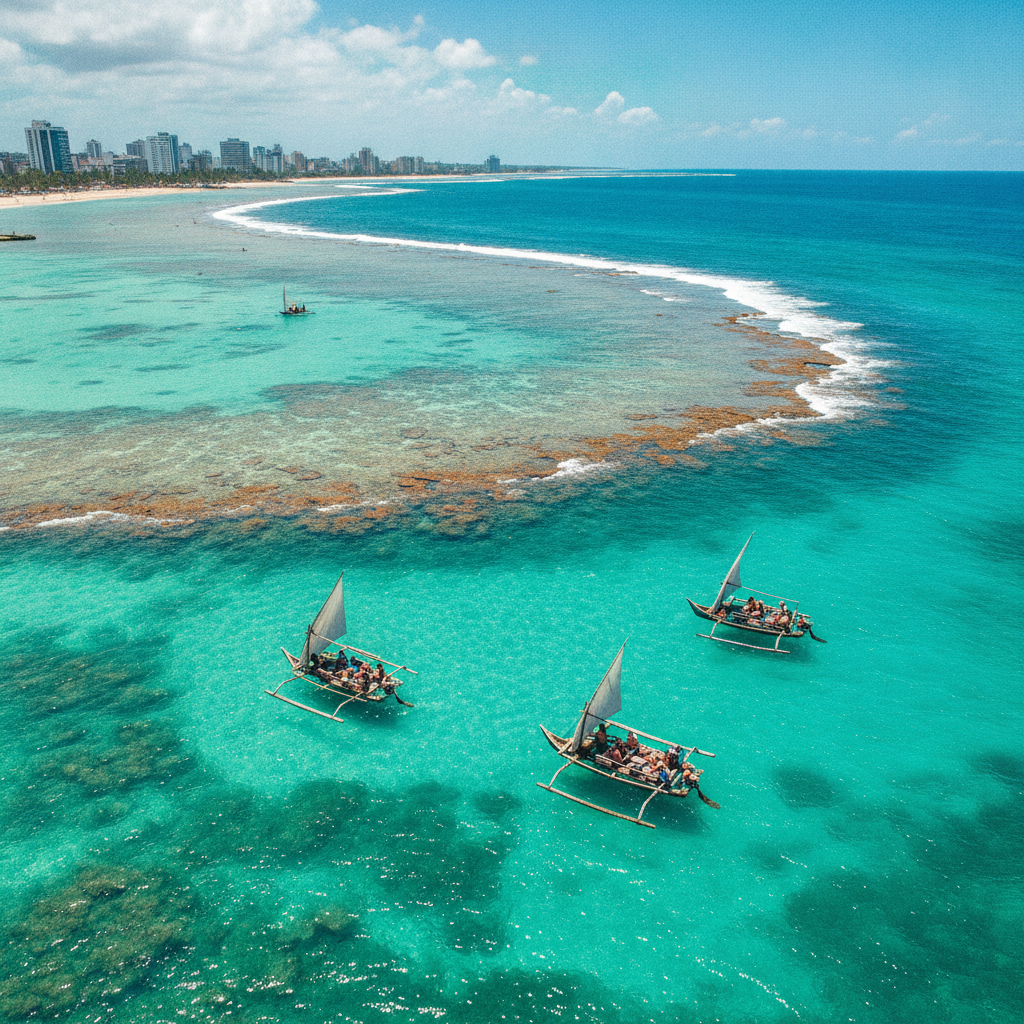
Porto de Galinhas, the beach destination 60 kilometers south of Recife famous for the natural pools formed by the offshore reef that can be explored on foot or by jangada at low tide, is one of the most photographed beach environments in Brazil and consistently voted the best beach in the country in Brazilian travel surveys. The village has grown substantially but retains enough of its small-town character to remain a more pleasant base than the large resort developments further south.
- 5
Caruaru: The Forro Capital and the Figurines of Alto do Moura
Caruaru, two hours west of Recife in the Pernambuco interior, is the self-proclaimed capital of forró music and the location of the largest street market in the northeast, the Feira de Caruaru, which UNESCO recognized as an intangible cultural heritage for its concentration of regional crafts, food, and the live forró performances. The adjacent village of Alto do Moura preserves the workshop tradition of Mestre Vitalino, whose clay figurines of northeastern life established one of the most important naive art traditions in Brazil.
- 6
Fernando de Noronha Access: The Pernambuco Archipelago
Fernando de Noronha, the UNESCO marine park archipelago 354 kilometers off the northeast coast, is administered by Pernambuco state and most conveniently reached by the regular flights from Recife. The archipelago's combination of spinner dolphins, sea turtles, and exceptional underwater visibility in the clear South Atlantic water makes it the finest marine wildlife destination in Brazil and one of the best dive destinations in the South Atlantic.
Walk this route with audio
Stories play automatically as you reach each stop — no tapping needed.
More in Recife
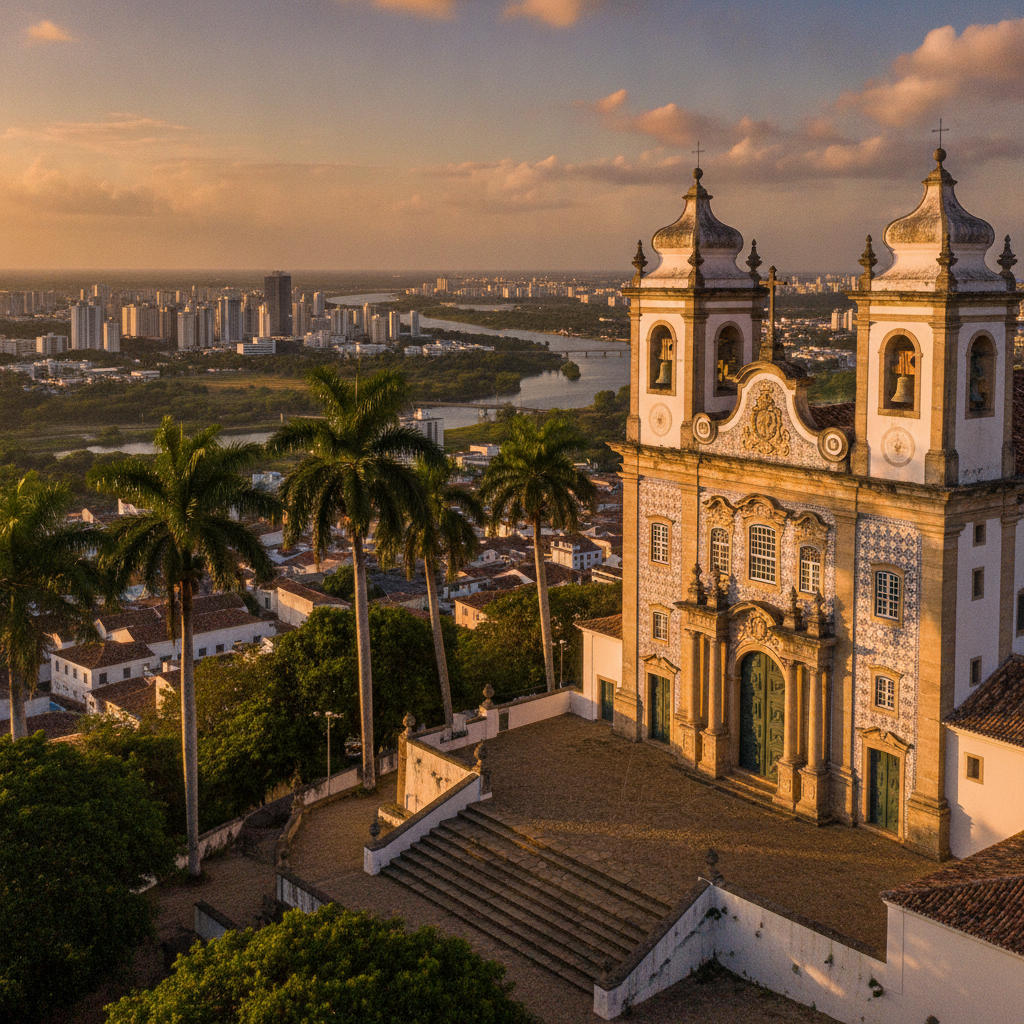
Recife Intellectual and Social History: Gilberto Freyre, Dutch Brazil, Quilombo Palmares, and the Cangaco Bandits
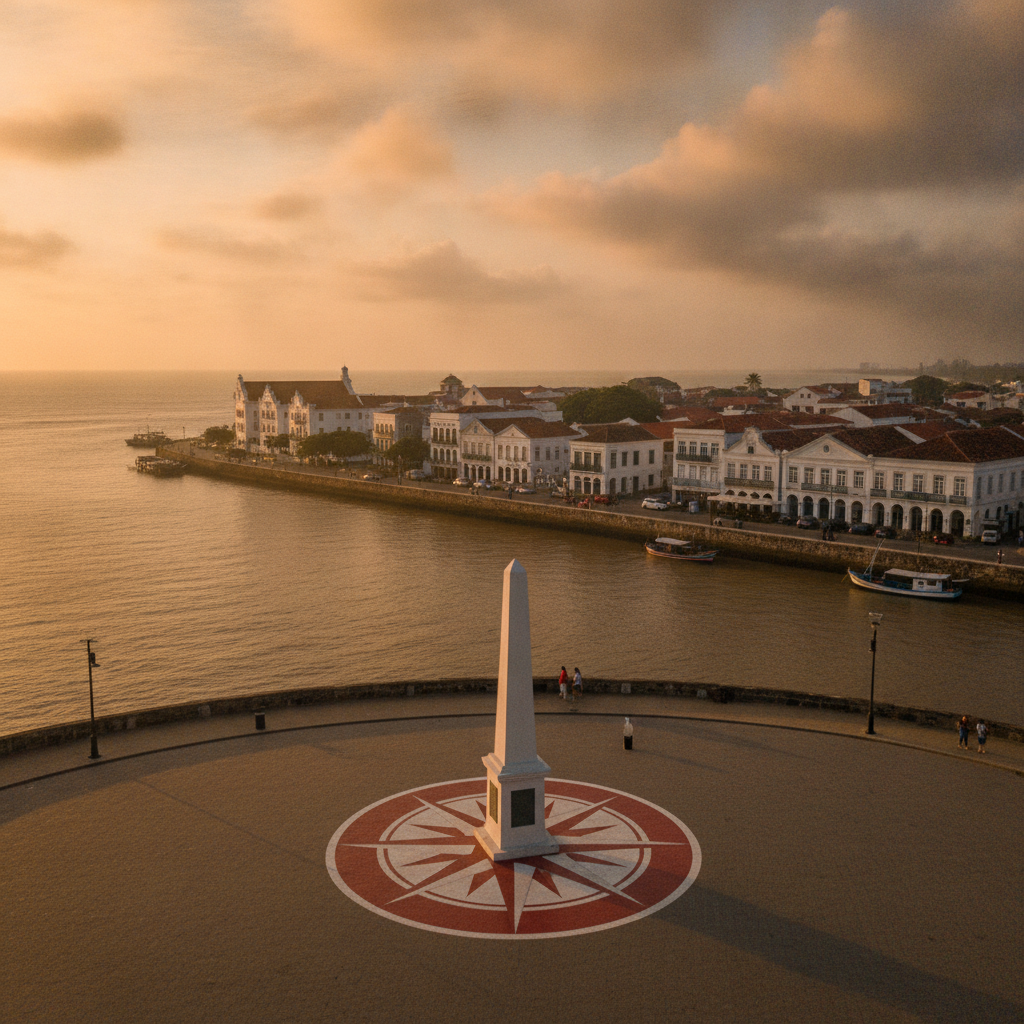
Recife Practical Guide: Airport, Carnival Planning, Olinda Access, and the Coconut Route North
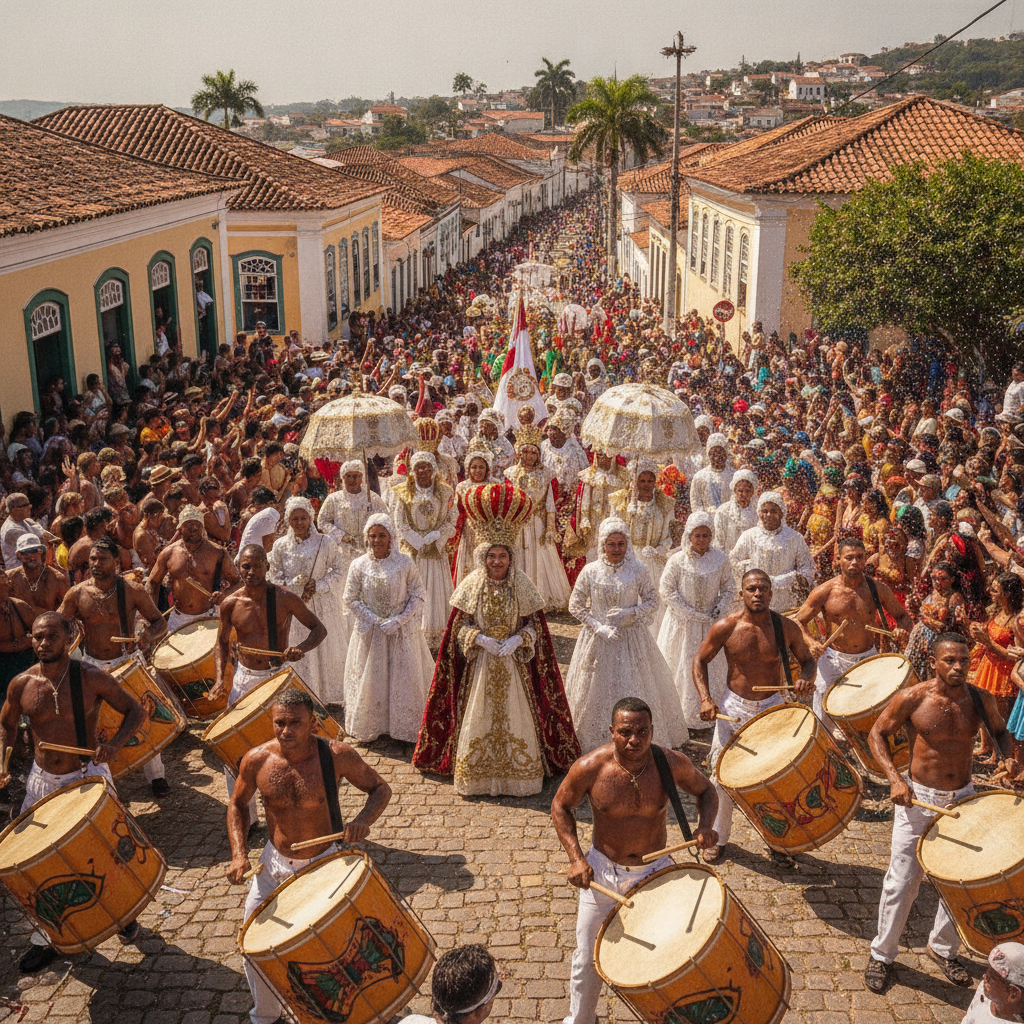
Pernambuco Music and Carnival: Frevo, Maracatu, Mangue Beat, and the Street Festival Tradition
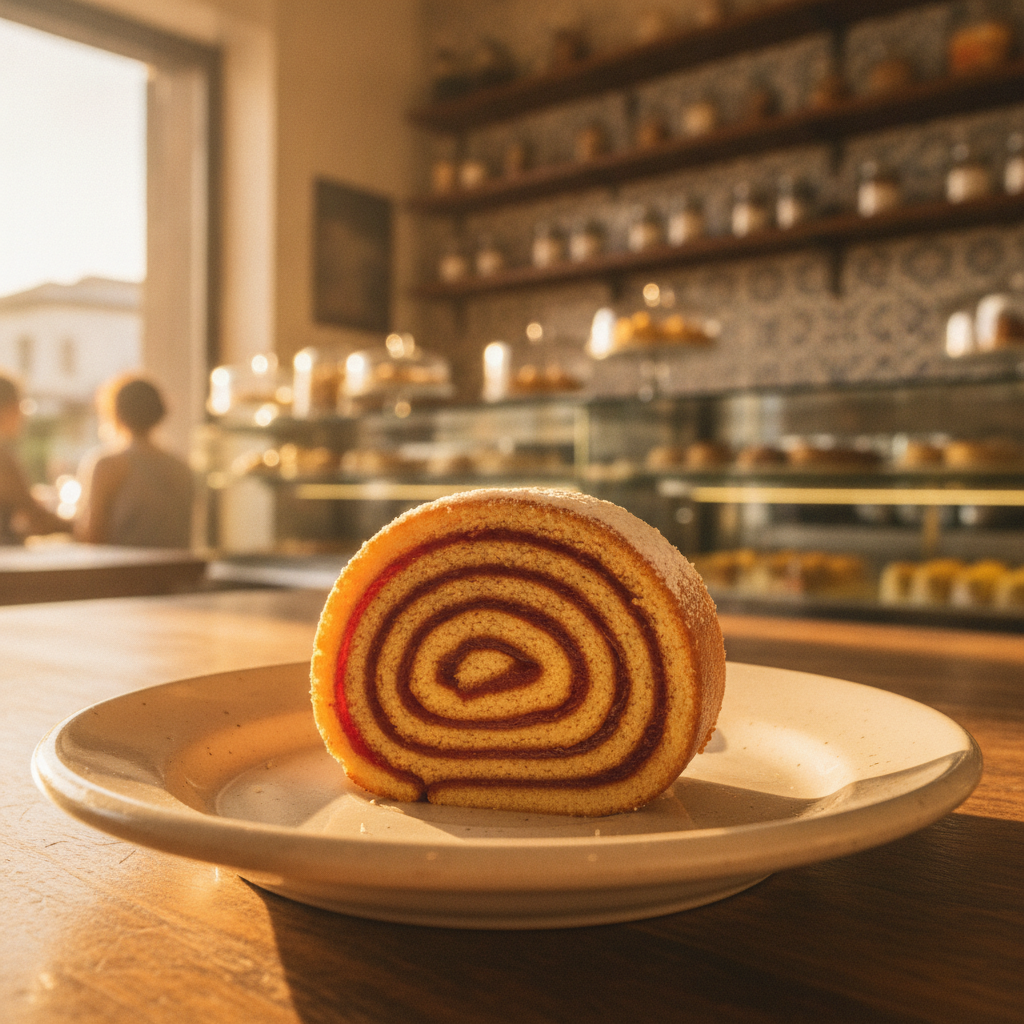
Recife Food: Tapioca, Bolo de Rolo, the Northeast Street Snacks, and Contemporary Pernambuco Cuisine
Recife Museums and Art: Brennand Castle, Ceramic Workshop, Street Art, and the Iron Market