Recife Food: Tapioca, Bolo de Rolo, the Northeast Street Snacks, and Contemporary Pernambuco Cuisine
The food culture of Recife combines the tapioca crepes and street snacks of the market circuit with the technically demanding bolo de rolo roll cake, the cane juice heritage of the plantation era, and the contemporary northeastern kitchen that has earned Recife a place in the national Brazilian gastronomy conversation.
- 1
Tapioca in Recife: The Native Grain Goes Global
Tapioca, the starch extracted from the manioc root that is a staple food of the Brazilian northeast, is prepared in Recife as thin crepes filled with coconut, cheese, or meat combinations in the market stalls and the informal tapioca shops that have become fashionable nationwide but remain most authentic in Pernambuco. The Tapiocaria do Gillette in Casa Amarela is the most famous traditional tapioca vendor in Recife.
- 2
Coxinha do Nordeste and Street Snacks
The street food culture of Recife includes the pastel de carne do sol, a baked pastry filled with the regional sun-dried beef, the pamonha sweet corn cake, and the seasonal fruit juices from umbu, caja, and the many tropical fruits of the northeast that appear in the market stalls. The snack culture of the northeast market circuit is one of the most diverse in Brazil.
- 3
Moqueca Pernambucana: The Inland Stew
The moqueca prepared in Pernambuco and the northeast interior differs from the Bahia and Espirito Santo versions in the greater use of dried shrimp and the coconut-free base of the sauce, reflecting the cooking tradition of the semi-arid interior rather than the coastal coconut and dende oil tradition of the southern northeast. The inland version of the northeast stew is less internationally known but equally distinctive.
- 4
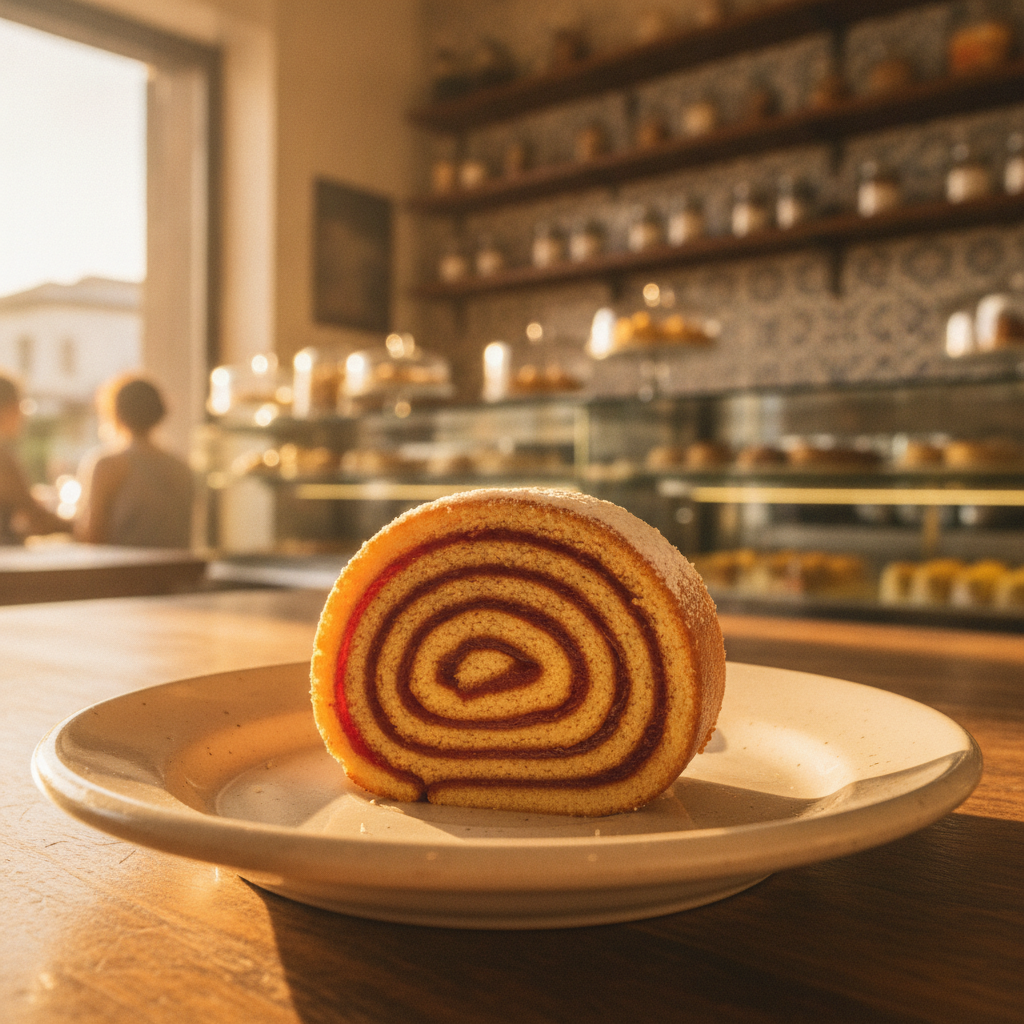
Bolo de Rolo: The Paper-Thin Roll Cake
Bolo de rolo, the Pernambuco roll cake of paper-thin layers of sponge cake spread with guava paste and rolled into a cylinder that reveals the swirled cross-section when sliced, is the most technically demanding and the most famous confectionery of the northeast and is sold in the pastry shops of Recife in individual slices as well as the full decorative roll. The Recife bakers who maintain the traditional technique are considered artisans of the highest skill.
- 5
Caldo de Cana and the Sugar Heritage
The sugar cane industry that shaped Pernambuco from the 16th century to the 19th century left a permanent mark on the food culture of the state, from the cachaca cane spirit to the rapadura unrefined cane sugar blocks to the caldo de cana fresh-pressed cane juice that is sold from mechanical presses in the markets and street stalls throughout the northeast. The sugar heritage of the northeast is also expressed in the architectural ruins of the colonial engenho sugar mills.
- 6
Recife Gourmet: The New Northeastern Kitchen
A generation of Recife chefs has developed a contemporary northeastern cuisine that applies professional kitchen technique to the traditional ingredients of the semi-arid interior, creating refined versions of carne de sol, baiao de dois, and the regional fruit preparations that have brought Recife into the national conversation about Brazilian gastronomy. The restaurant corridor of the Boa Viagem and Boa Vista neighborhoods concentrates the contemporary dining options.
Walk this route with audio
Stories play automatically as you reach each stop — no tapping needed.
More in Recife
Recife Intellectual and Social History: Gilberto Freyre, Dutch Brazil, Quilombo Palmares, and the Cangaco Bandits
Recife Practical Guide: Airport, Carnival Planning, Olinda Access, and the Coconut Route North
Pernambuco Music and Carnival: Frevo, Maracatu, Mangue Beat, and the Street Festival Tradition
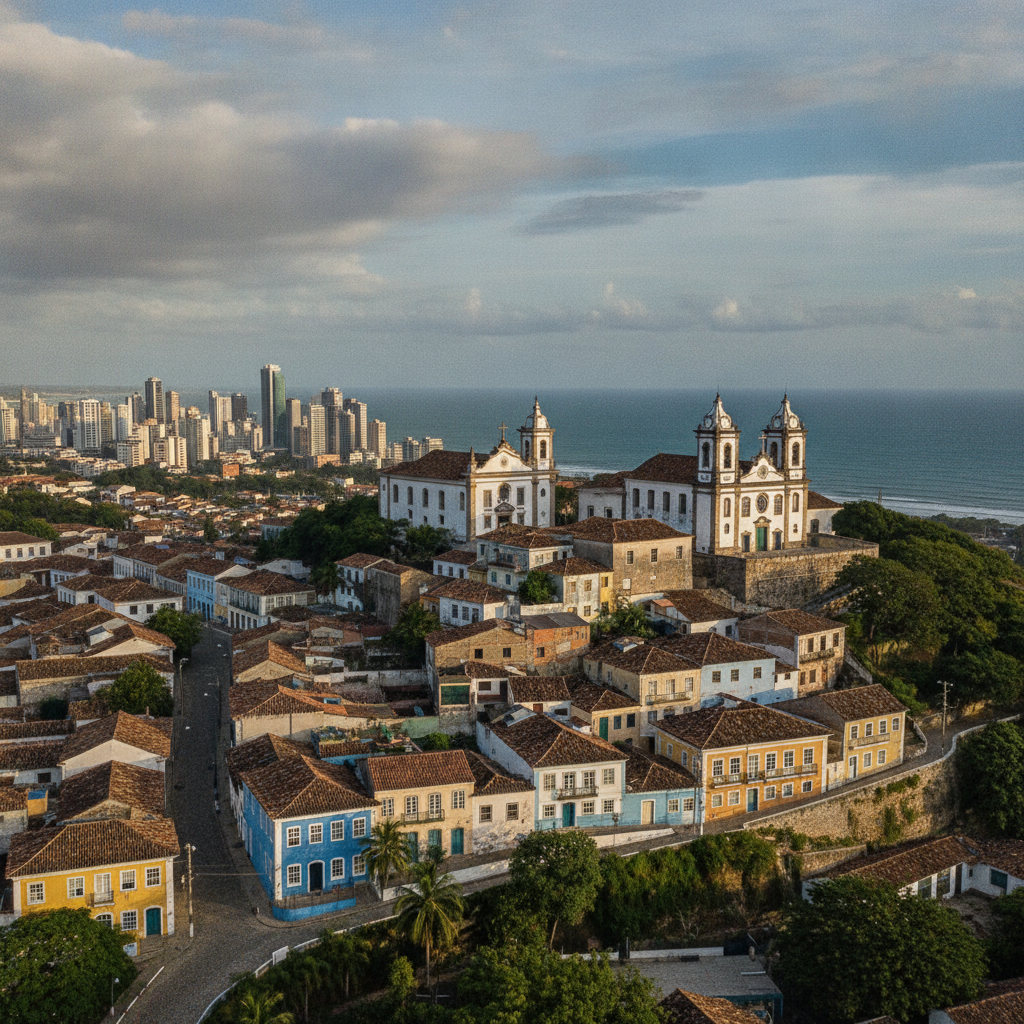
Recife and Olinda: Dutch Colonial Heritage, Frevo Carnival, and the Reefs of Porto de Galinhas

Recife Museums and Art: Brennand Castle, Ceramic Workshop, Street Art, and the Iron Market