Recife Environment and Heritage: Sharks, River Recovery, the First Americas Synagogue, and Indigenous Culture
The environmental and heritage dimensions of Recife include the famous shark problem at Bom Viagem, the industrial transformation of the southern coast, the oldest synagogue in the Americas, and the surviving indigenous Fulni-o language and ceremony of the Pernambuco interior.
- 1
Sharks at Bom Viagem: The Recife Shark Problem
Bom Viagem beach in Recife has had one of the highest rates of shark attack on bathers in the world since the 1990s, a problem attributed to the disruption of the bull and tiger shark habitat by the construction of the Suape industrial port south of the city. The shark warning flags, the prohibited swimming zones, and the ongoing scientific research into the Recife shark population are features of the beach experience that distinguish Bom Viagem from other Brazilian urban beaches.
- 2
Suape Port: The Industrial Transformation
The Suape industrial port complex south of Recife, developed since the 1970s and expanded significantly in the 2000s energy boom period, has transformed the southern Pernambuco coast from a fishing and agricultural area to the principal petrochemical and industrial logistics hub of the northeast. The environmental and social impacts of the Suape development are central to the contemporary political debate in Pernambuco.
- 3
Drought Polygono: The Northeast Water Crisis
The semi-arid Sertao interior of Pernambuco, which extends west from Recife to the Bahia border, has been the focus of water security infrastructure investment for more than a century, including the São Francisco River integration project that aims to bring water from the São Francisco to the semi-arid northeast. The relationship between the coastal urban economy of Recife and the struggling rural interior is the defining socioeconomic tension of Pernambuco.
- 4
Capibaribe River: Urban Recovery
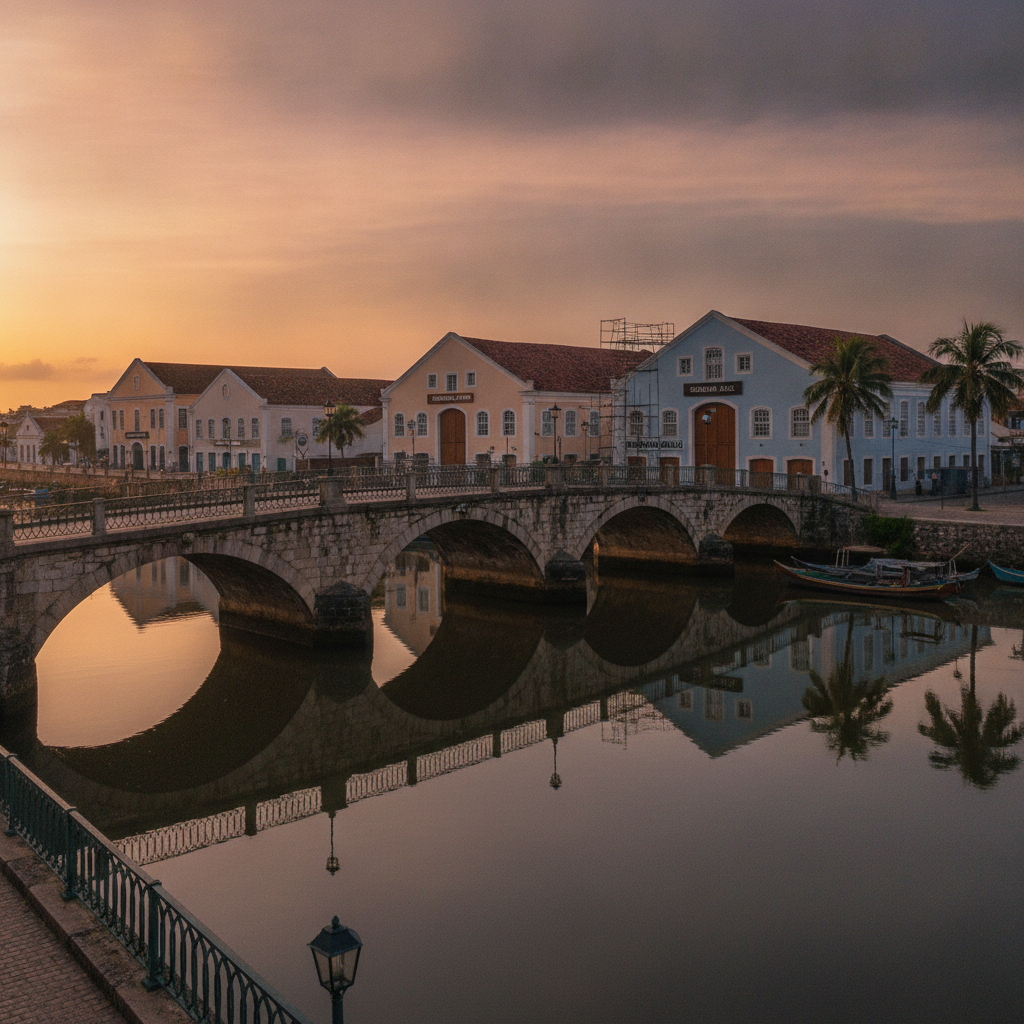
The Capibaribe River that bisects Recife and defines the historic island neighborhoods of Recife Antigo and Santo Antonio was severely polluted through the 20th century industrial and urban expansion period; the ongoing river recovery programs of the state government aim to restore the navigability and ecological health of the river that shaped the colonial city. The riverfront areas of Recife are being developed as cultural and recreation corridors.
- 5
Jewish Heritage: The First Synagogue of the Americas
The Kahal Zur Israel synagogue of Recife, established during the Dutch colonial period in 1636, is the oldest synagogue established in the Americas and reflects the significant role of Sephardic Jewish merchants in the Dutch colonial economy of Pernambuco. The synagogue building in Recife Antigo has been restored and converted into a museum documenting the Sephardic Jewish history of the Americas.
- 6
Indigenous Heritage: Fulni-o and the Toré Ceremony
The Fulni-o indigenous people of the Aguas Belas municipality in the Pernambuco interior are the only indigenous group in northeast Brazil to have maintained their own language, the Yate language, through the colonial and republican periods. The annual Ouricuri ceremony of the Fulni-o, a month-long ritual that the community withdraws to conduct in isolation, is the most important surviving indigenous ceremonial tradition in the northeastern region.
Walk this route with audio
Stories play automatically as you reach each stop — no tapping needed.
More in Recife
Recife Intellectual and Social History: Gilberto Freyre, Dutch Brazil, Quilombo Palmares, and the Cangaco Bandits
Recife Practical Guide: Airport, Carnival Planning, Olinda Access, and the Coconut Route North
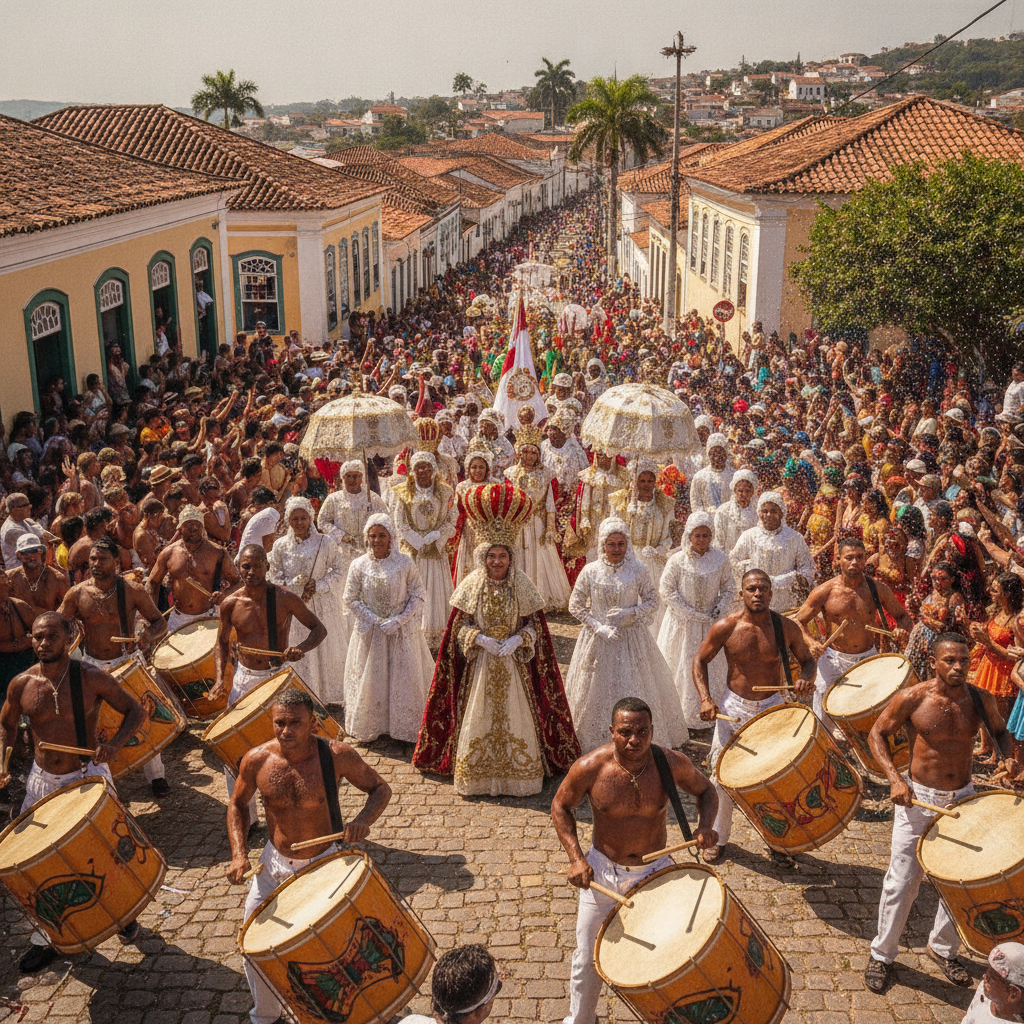
Pernambuco Music and Carnival: Frevo, Maracatu, Mangue Beat, and the Street Festival Tradition

Recife Food: Tapioca, Bolo de Rolo, the Northeast Street Snacks, and Contemporary Pernambuco Cuisine
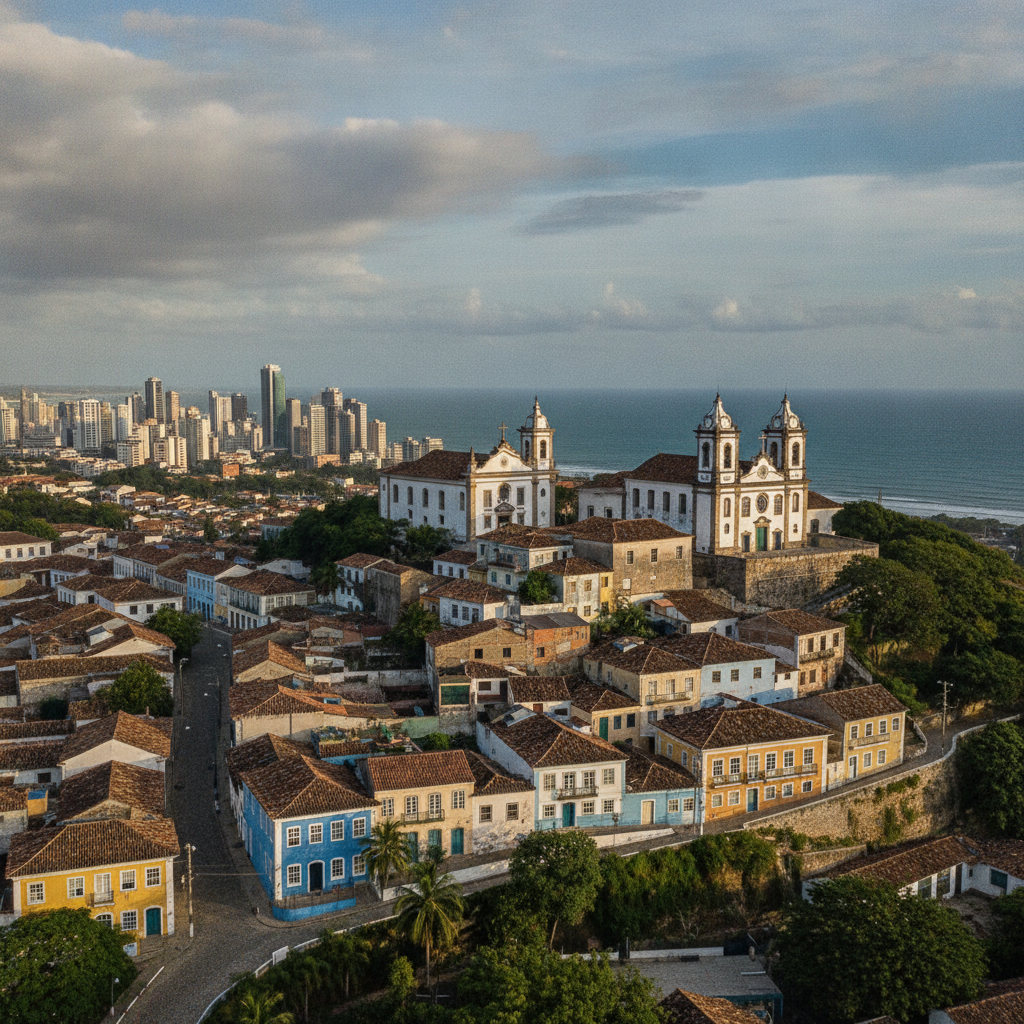
Recife and Olinda: Dutch Colonial Heritage, Frevo Carnival, and the Reefs of Porto de Galinhas