Quito Practical Guide: Altitude Acclimatization, Transport, and Neighborhoods
Quito presents several practical challenges specific to its high altitude location and Andean highland context. Altitude sickness is a real concern for visitors arriving directly from sea level; the city at 2,850 meters is high enough to cause symptoms in a significant portion of visitors. The historic center and the Mariscal district are the two primary tourist zones with different characters suited to different travel styles. The Quito metro opened in 2023 and transformed downtown transport. This route covers the essential practical information for a first-time visitor navigating Quito confidently.
- 1
Altitude Acclimatization: Arriving at 2,850 Meters
Quito sits at 2,850 meters above sea level, an altitude that causes mild altitude sickness symptoms including headache, fatigue, shortness of breath, and nausea in a significant percentage of visitors arriving from sea level. The standard advice is to take the first day quietly: avoid strenuous activity, drink large quantities of water, avoid alcohol for the first 24 hours, and eat light meals. Soroche pills, a traditional Andean altitude remedy containing acetazolamide, are sold over the counter in Quito pharmacies and are widely used by visitors. Most people feel substantially better after 24 to 48 hours as the body begins producing additional red blood cells to compensate for reduced oxygen. Visitors arriving from coastal Ecuador or lower altitude South American cities will experience minimal symptoms; those flying directly from Europe or North America should plan for a slow first day regardless of their physical fitness level.
- 2
The Quito Metro: How to Use the New Public Transport System
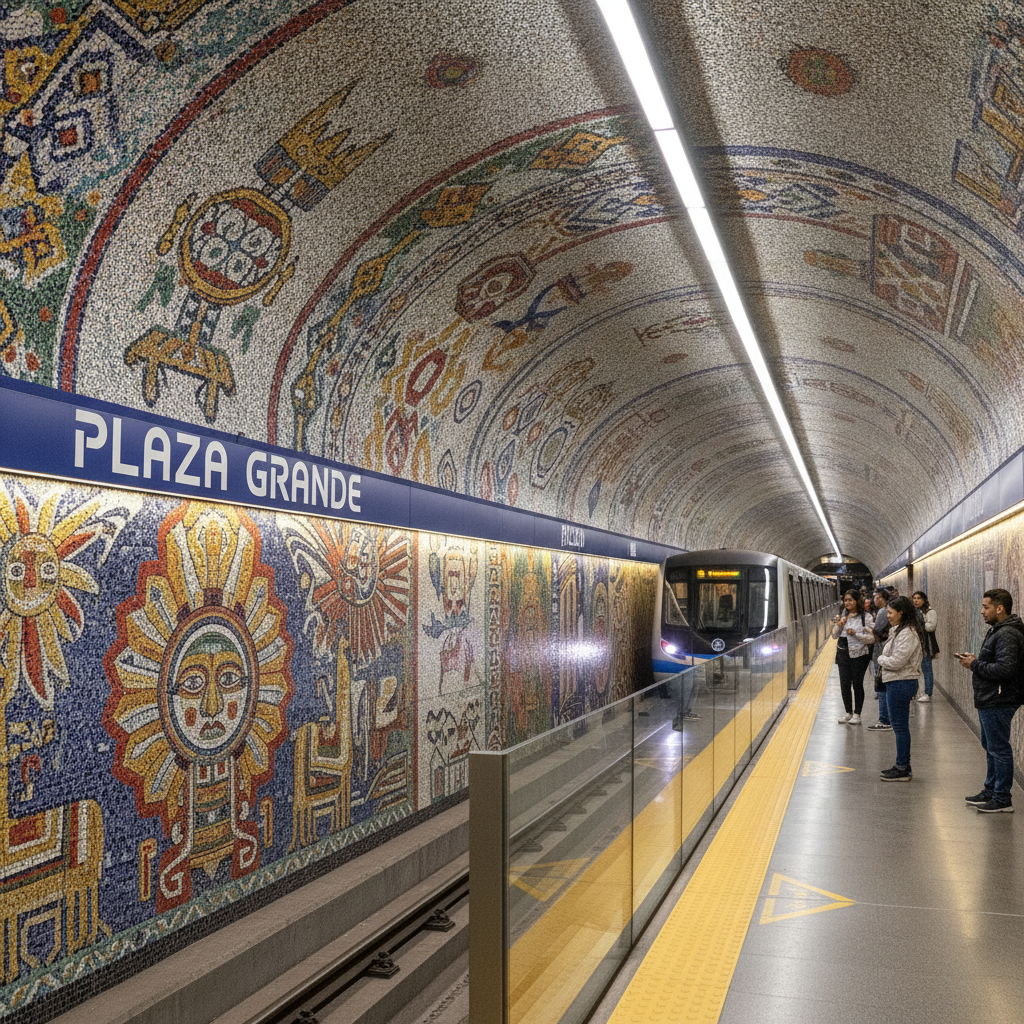
The Quito metro, inaugurated in December 2023 after nearly a decade of construction, runs 22 kilometers from the El Labrador station near the Mariscal district south through the historic center, following the length of the old city, and continuing to the southern residential and commercial zones. The metro represents a dramatic improvement in transport efficiency for the central corridor, reducing travel times that previously required 45 to 60 minutes by bus to under 20 minutes. Tickets are purchased at station machines and cost approximately 45 cents per ride. The metro stations in the historic center connect to the main tourist areas within a few minutes walk. The ecovia and trolleybus surface rapid transit lines provide connections to areas not served by the metro. Standard Quito taxis and ride-sharing apps including Cabify and InDriver supplement the public system for destinations not on the transit spine.
- 3
The Historic Center vs. The Mariscal: Choosing Your Quito Base
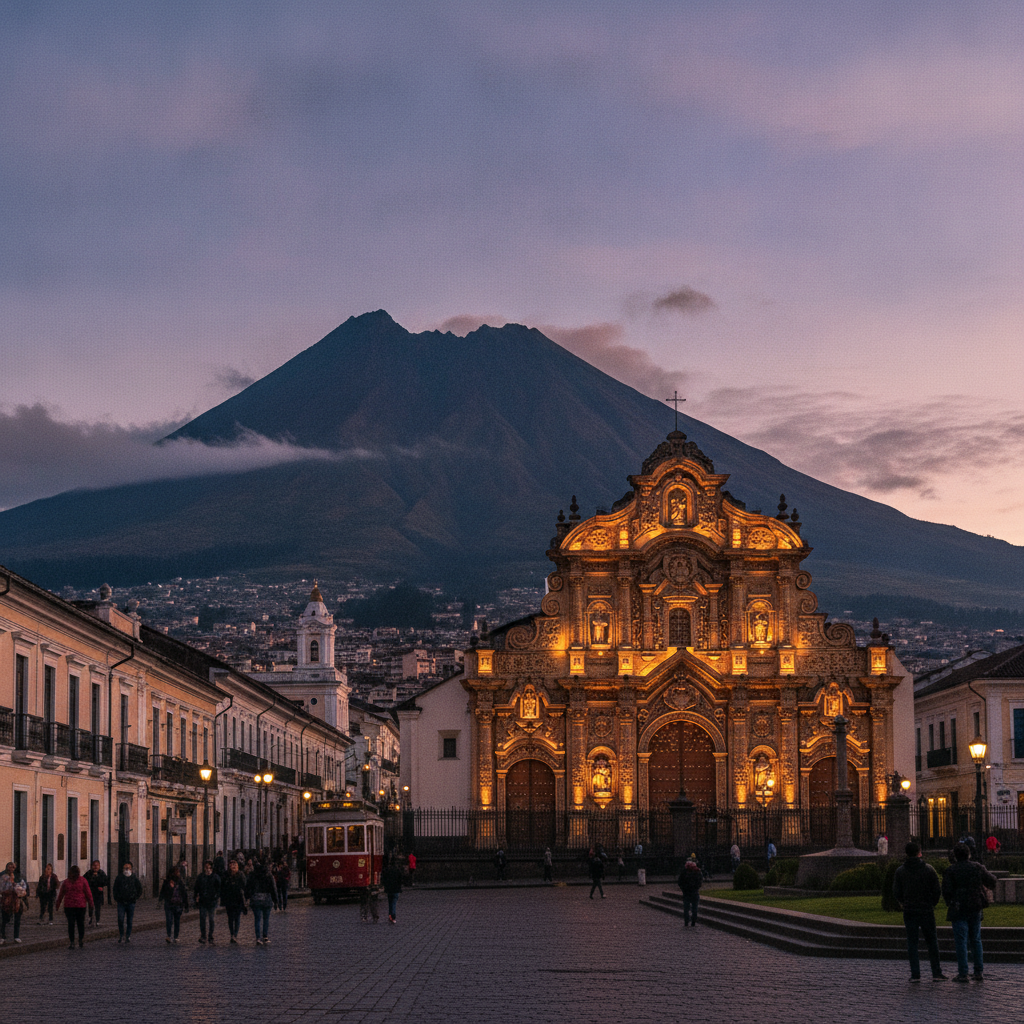
The two primary tourist zones in Quito offer fundamentally different experiences. The historic center offers the colonial architecture, the UNESCO-protected churches, the traditional food markets, and an authentically Ecuadorian urban environment; accommodation ranges from boutique colonial hotels to basic guesthouses, and the neighborhood quiets substantially after 8 PM. The Mariscal district, also called La Zona or the New Town, offers international restaurants, bars, hostels, and tourist services in a more cosmopolitan environment; it is noisier, more security-conscious, and has a concentration of backpacker social infrastructure. Budget travelers and those seeking nightlife typically prefer the Mariscal. Cultural travelers and those wanting proximity to the main sights typically prefer the historic center, which now has several excellent mid-range and boutique hotels in restored colonial buildings.
- 4
Security in Quito: Current Reality and Practical Precautions
Quito security situation has fluctuated significantly and visitors should consult current advisories before travel. The historic center, particularly around the main plazas and tourist sites, has a significant tourist police presence and is generally safe during daylight hours for standard sightseeing. The Mariscal district has experienced periodic tourist-targeted crime including express kidnappings, phone theft, and bar scams; valuables should be secured and the streets navigated with awareness after dark. The Ecovia and trolleybus rapid transit lines have been locations for opportunistic theft. Standard precautions for any Latin American city apply: avoid displaying expensive equipment, use reputable taxi apps rather than street taxis, be aware of surroundings when using ATMs, and avoid walking in unfamiliar areas after dark. The situation changes, so checking recent traveler reports and embassy advisories close to your travel date is advisable.
- 5
Getting to Quito: The Airport and Arrival Logistics
The Mariscal Sucre International Airport is located approximately 18 kilometers northeast of the city center and opened in 2013 replacing an airport that had been built in the middle of the city. The distance and the Andes topography mean the journey from the airport to the center takes 40 to 60 minutes depending on traffic. The Aeroservicios airport bus connects the airport to the Mariscal district and the historic center on a fixed route several times per hour at very low cost. Radio taxis from the airport use a fixed fare system; confirming the price before departure prevents misunderstandings. Uber and Cabify operate from the airport and are generally reliable. Most international flights arrive from Miami, Bogota, Lima, and European hubs via Madrid; LATAM, Avianca, and American are the primary carriers operating international routes.
- 6
Day-by-Day Quito Itinerary: Three Days in the Capital
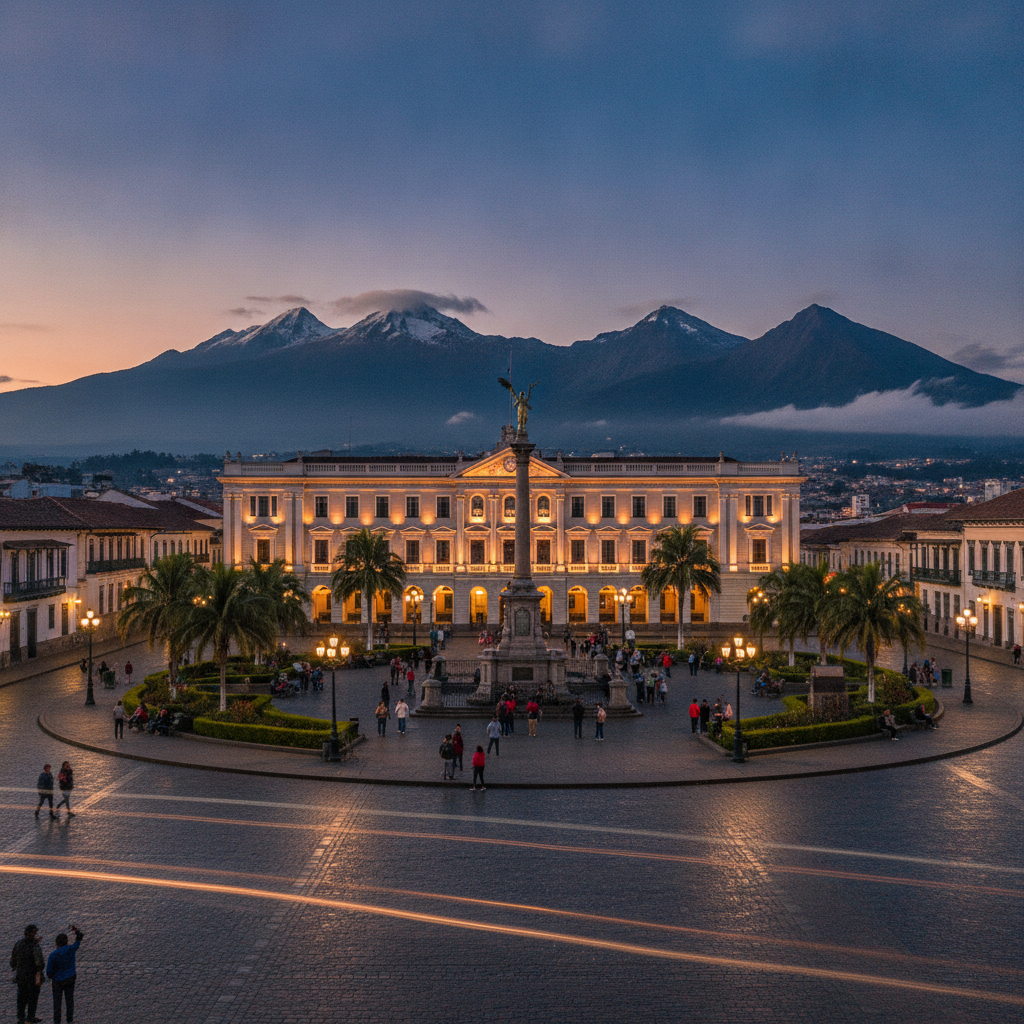
A three-day first visit to Quito might be structured as follows. Day one should be slow: arrive, check in, walk gently around the Mariscal or historic center neighborhood, take the Teleférico in the morning before the afternoon clouds build, eat locro and rest. Day two focuses on the historic center: Plaza Grande, the interior of La Compania, the San Francisco monastery museum, the Mercado Central for lunch, and the Alabado museum in the afternoon. Day three is a day trip: Otavalo on Thursday or Saturday for the market, or Mindo for cloud forest and birds, or Papallacta for hot springs. Four days adds Cotopaxi or the equator monument. The metro now makes the historic center easily accessible from the Mariscal, eliminating the taxi cost that was the main practical friction between the two zones.
Walk this route with audio
Stories play automatically as you reach each stop — no tapping needed.
More in Quito
Quito History: From Inca Conquest to Independence and the Modern Republic
Quito Birdwatching: Andean Specialties from the City Limits
Quito Day Trips: The Avenue of the Volcanoes and Andean Markets
Quito to Galapagos: Planning the Journey to the Enchanted Islands
Quito Arts, Music, and Contemporary Culture