Quito History: From Inca Conquest to Independence and the Modern Republic
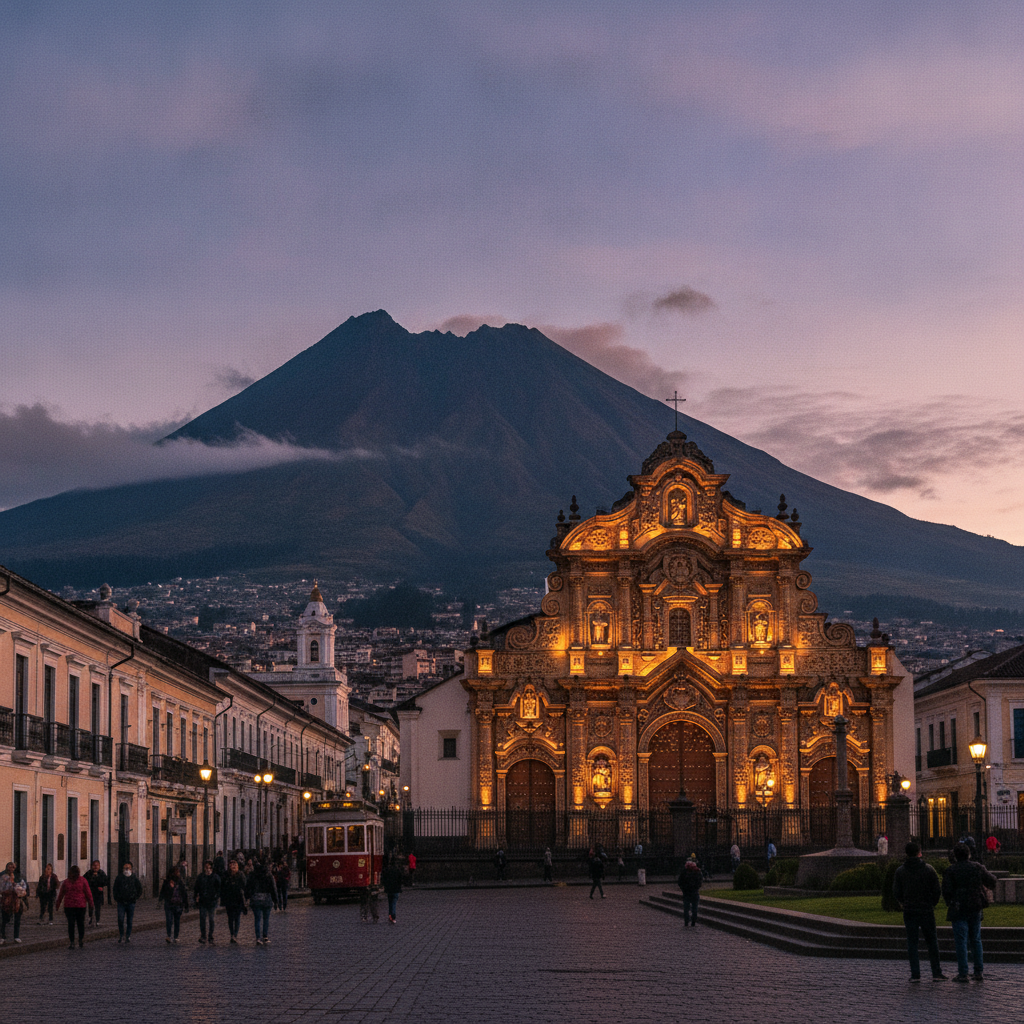
The site of present-day Quito has been inhabited since at least 500 BC and was an important city in the Cara and Quitu cultures before being incorporated into the Inca empire around 1470 under Tupac Yupanqui. The Inca ruler Huayna Capac made Quito his second capital, and the succession dispute between his sons Huascar in Cusco and Atahualpa in Quito triggered the civil war that fatally weakened the empire before the Spanish arrived in 1532. Sebastian de Benalcazar founded the Spanish city on the ruins of the Inca settlement in 1534. Three centuries of colonial rule ended when the Quito patriot revolt of August 10, 1809, the first independence declaration in Spanish America, began the process that led to Ecuador becoming a republic in 1830.
- 1
Pre-Inca Quito: The Quitu and Cara People of the Northern Andes
The northern Ecuadorian highlands were home to a succession of complex chiefdom societies before the Inca expansion reached the area around 1460. The Quitu people, for whom the city is named, occupied the basin where Quito now stands. The Cara, who had migrated from the coast, formed a confederation with the highland Quitu and created a federated chiefdom that the Inca found resistant to incorporation; Inca sources record years of warfare before the northern highlands were fully subjugated under Tupac Yupanqui and then Huayna Capac. Archaeological evidence for the pre-Inca cultures of the Quito basin is limited because subsequent Spanish colonial construction destroyed most surface evidence of the indigenous urban center. The Banco Central museum houses the most significant collection of pre-Columbian artifacts from the Quito region.
- 2
Atahualpa and the Inca Civil War That Preceded the Conquest
Huayna Capac, the Inca emperor who died of epidemic disease likely before the Spanish physical arrival in 1527, chose to divide the empire between his sons: Huascar would rule from Cusco over the southern empire, and Atahualpa, born of a Quiteño concubine, would govern the north from Quito. The arrangement broke down into civil war, with Atahualpa ultimately defeating and capturing Huascar. It was the weakened, post-civil-war Inca empire that Francisco Pizarro encountered when he arrived in 1532. Atahualpa met Pizarro at Cajamarca, was captured in the ambush that killed thousands of his attendants, offered an enormous ransom of gold and silver that was collected but not honored, and was executed in 1533. The speed of the Spanish conquest was substantially enabled by the pre-existing division of the Inca world.
- 3
The Founding of the Colonial City and the Destruction of Inca Quito
Sebastian de Benalcazar, one of Pizarro lieutenants, founded the Spanish city of Quito on December 6, 1534, on the site of the Inca administrative center. Before the Spanish arrived, the Inca general Rumiñahui, who had refused to accept Atahualpa death, systematically destroyed the Inca buildings, temples, and treasure stores of the city to prevent their falling intact into Spanish hands; historical sources describe large fires burning through the Inca structures before the Spanish entered. The Spanish colonial city was consequently built from the beginning rather than on converted Inca buildings as happened in Cusco. The Franciscans and later the Dominicans, Augustinians, Mercedarians, and Jesuits each established major religious complexes that now form the backbone of the UNESCO-protected historic center.
- 4
August 10, 1809: The First Cry for Independence in Spanish America
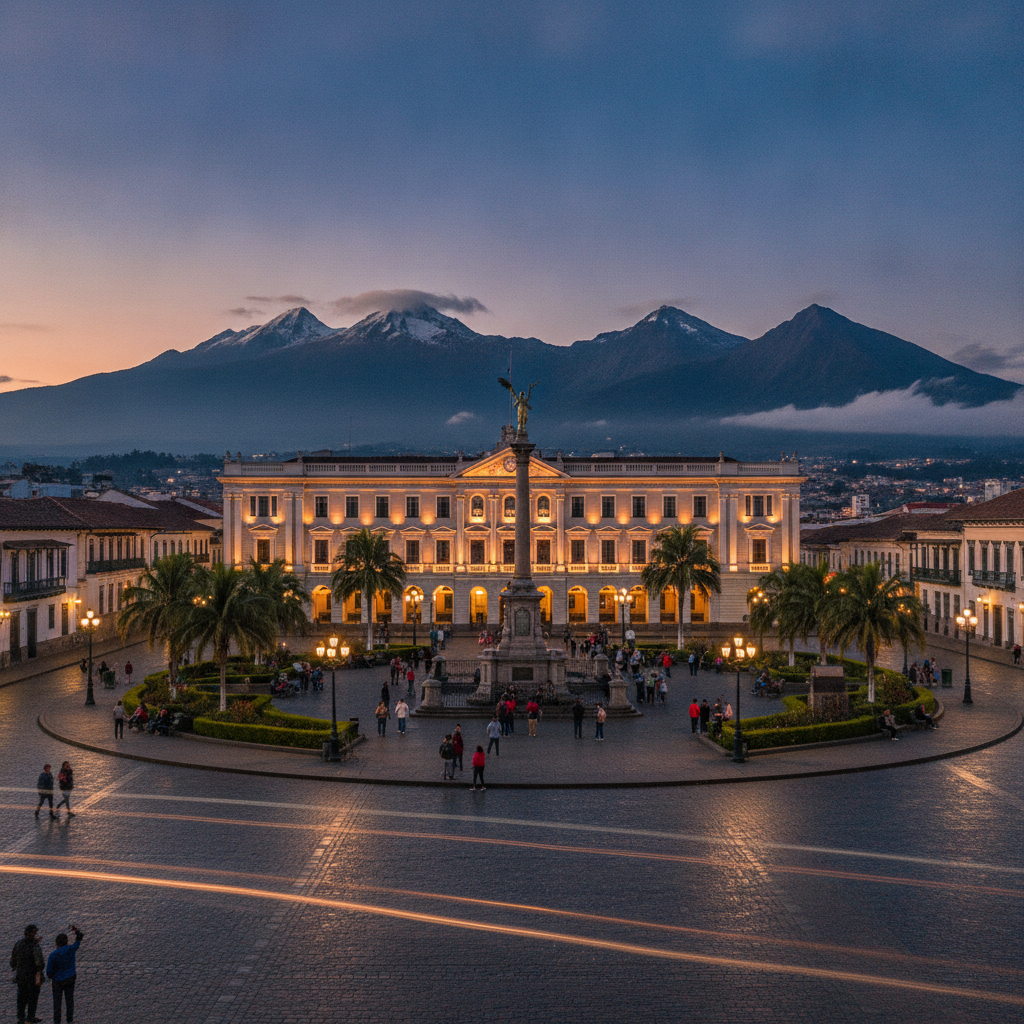
The Quito junta of August 10, 1809, in which a group of creole intellectuals and local patriots deposed the Spanish president and declared autonomous self-governance, is recognized as the first formal independence declaration in Spanish America, earning August 10 the title El Primer Grito de la Independencia. The uprising was suppressed by loyalist forces from Lima and Bogota within a year, and the captured patriots were massacred in the Quito prison on August 2, 1810. The martyrdom of these first patriots intensified independence sentiment across the Audiencia de Quito. Final independence came in May 1822 when Antonio Jose de Sucre, serving under Simon Bolivar, defeated the royalist forces at the Battle of Pichincha on the slopes of the volcano above the city. Ecuador became an independent republic in 1830 when it separated from Bolivar Gran Colombia federation.
- 5
The Battle of Pichincha: The Decisive Battle on the Volcano Slopes
The Battle of Pichincha, fought on May 24, 1822, at an altitude of approximately 3,000 meters on the slopes of Rucu Pichincha directly above Quito, was the decisive military engagement that secured independence for the Quito territory. Antonio Jose de Sucre led a combined force of Venezuelan, Colombian, Argentine, and British volunteers against the royalist forces in a battle that lasted approximately three hours. The royalists, defending from above, were driven back and the city capitulated that afternoon. Sucre wrote to Bolivar that evening from Quito. The date of May 24 is now the national holiday of Ecuador, called Batalla de Pichincha day. The summit of Rucu Pichincha, accessible by the Teleferico cable car and hiking trail, offers views of the battlefield site, now covered by the sprawling expansion of northern Quito.
- 6
20th Century Quito: Oil Wealth, Growth, and Urban Transformation
The discovery of large oil reserves in the Ecuadorian Amazon in the late 1960s and the beginning of export production in 1972 transformed Ecuador economy and Quito administrative role. Oil revenues funded significant urban expansion, public building programs, and infrastructure investment. The population of Quito grew from approximately 350,000 in 1960 to over 2 million by 2010 as migration from rural areas and the coast accelerated. The historic center, which had been neglected and deteriorating, became the subject of major restoration investment from the 1990s onward, funded in part by the UNESCO designation and municipal government commitment. The Quito metro system, inaugurated in 2023 after years of construction, represents the largest infrastructure project in the city history and connects the airport to the southern city through the historic center and northern residential districts.
Walk this route with audio
Stories play automatically as you reach each stop — no tapping needed.
More in Quito
Quito Birdwatching: Andean Specialties from the City Limits
Quito Day Trips: The Avenue of the Volcanoes and Andean Markets
Quito to Galapagos: Planning the Journey to the Enchanted Islands
Quito Arts, Music, and Contemporary Culture
Quito Practical Guide: Altitude Acclimatization, Transport, and Neighborhoods