Quito Arts, Music, and Contemporary Culture
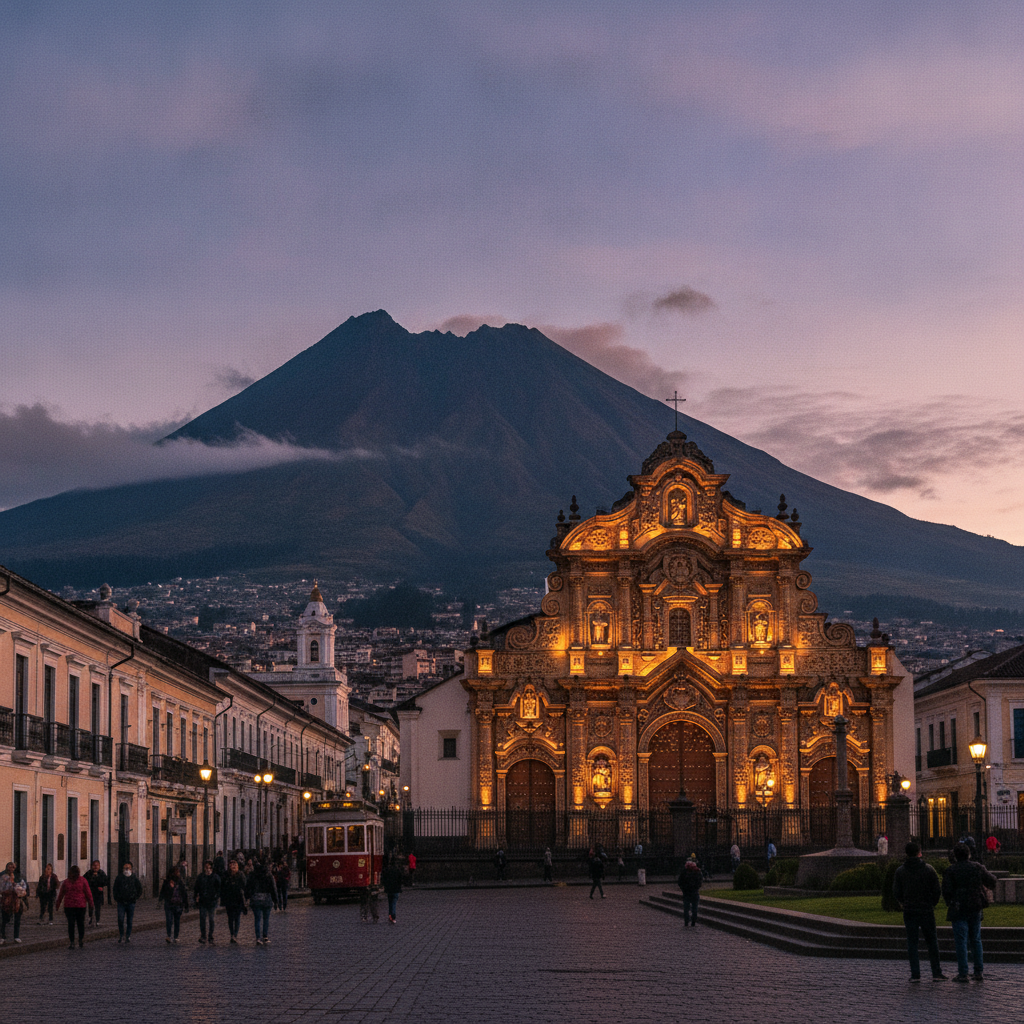
Quito cultural life is concentrated in the Casa de la Cultura Ecuatoriana, the Casa del Alabado museum of pre-Columbian art, and a network of neighborhood cultural centers that have expanded significantly since 2000. The city has a vibrant live music scene spanning traditional pasillo and sanjuanito, cumbia and reggaeton, and an emerging electronic and indie music community. The contemporary art scene, while smaller than Bogota or Buenos Aires, has grown with galleries in the Mariscal and La Floresta neighborhoods. The Quito Film Festival and the arts programming of the municipal government have created an annual calendar of cultural events that draws regional participation.
- 1
Casa de la Cultura Ecuatoriana: The National Cultural Institution
The Casa de la Cultura Ecuatoriana, founded in 1944 by the writer Benjamin Carrion as a center for Ecuadorian intellectual and artistic life, occupies a large complex on the Parque el Ejido in the center of Quito. The complex includes exhibition halls, a cinema, a theater, and the Museo del Banco Central, which houses the most comprehensive collection of pre-Columbian Ecuadorian art in the country alongside colonial religious art and 20th century Ecuadorian painting. The circular building designed by architect Oscar Etayo and completed in 1971 is one of the most architecturally significant mid-century modern buildings in Quito. The cultural center hosts rotating exhibitions, film cycles, music performances, and educational programs that make it the primary publicly accessible arts institution in the country.
- 2
Casa del Alabado: Pre-Columbian Art in a Colonial Setting
The Casa del Alabado, housed in a beautifully restored colonial building in the historic center near the San Francisco plaza, presents one of the finest collections of pre-Columbian Ecuadorian art in the world, including pieces from the coastal Valdivia culture, the Andean highland cultures, and the Amazon basin peoples. The museum approach is anthropological and contextual rather than purely aesthetic, presenting objects within their cultural and ritual contexts through interpretive design. The building itself, dating from the 17th century, is one of the best examples of colonial residential architecture in Quito. The small cafe in the courtyard is one of the most pleasant places to rest in the historic center. The museum is private rather than state-operated and charges admission; it is among the most intellectually satisfying museum experiences available in Ecuador.
- 3
Pasillo and Sanjuanito: The Traditional Music of Ecuador
The pasillo is the national music of Ecuador, a song form developed in the early 20th century from the Colombian and Ecuadorian highland tradition that combines melancholic lyrical themes with a characteristic waltz-derived rhythm. The most celebrated pasillo composer and performer was Julio Jaramillo, whose recordings from the 1950s through 1970s defined the emotional character of the genre and whose popularity extended across the entire Spanish-speaking world. His statue in Guayaquil and the regular performances of his songs in restaurants and on the radio maintain the pasillo presence in contemporary Ecuadorian culture. The sanjuanito is an older indigenous-origin dance music from the Imbabura highlands associated with the San Juan festival and performed with flutes, drums, and guitar in a fast and energetic style. Both forms appear in Quito penas, the traditional folk music restaurants.
- 4
La Floresta and the Contemporary Art Scene
La Floresta, a residential neighborhood east of the Mariscal district and adjacent to the Universidad Central campus, has developed over the past decade as the center of Quito contemporary creative culture, with independent bookshops, art galleries, design studios, and alternative music venues concentrated in its walkable streets. The Galeria del Siglo and several smaller gallery spaces present Ecuadorian contemporary artists working in painting, installation, photography, and performance. The neighborhood has the characteristic combination of young residents, independent commerce, and street art that marks a city creative district in transition. The Sunday food market at La Floresta, which mixes international food stalls with local producers, has become one of the most popular weekend social gatherings for Quito middle-class professionals and creative community members.
- 5
El Teatro Sucre and Quito Classical and Performing Arts
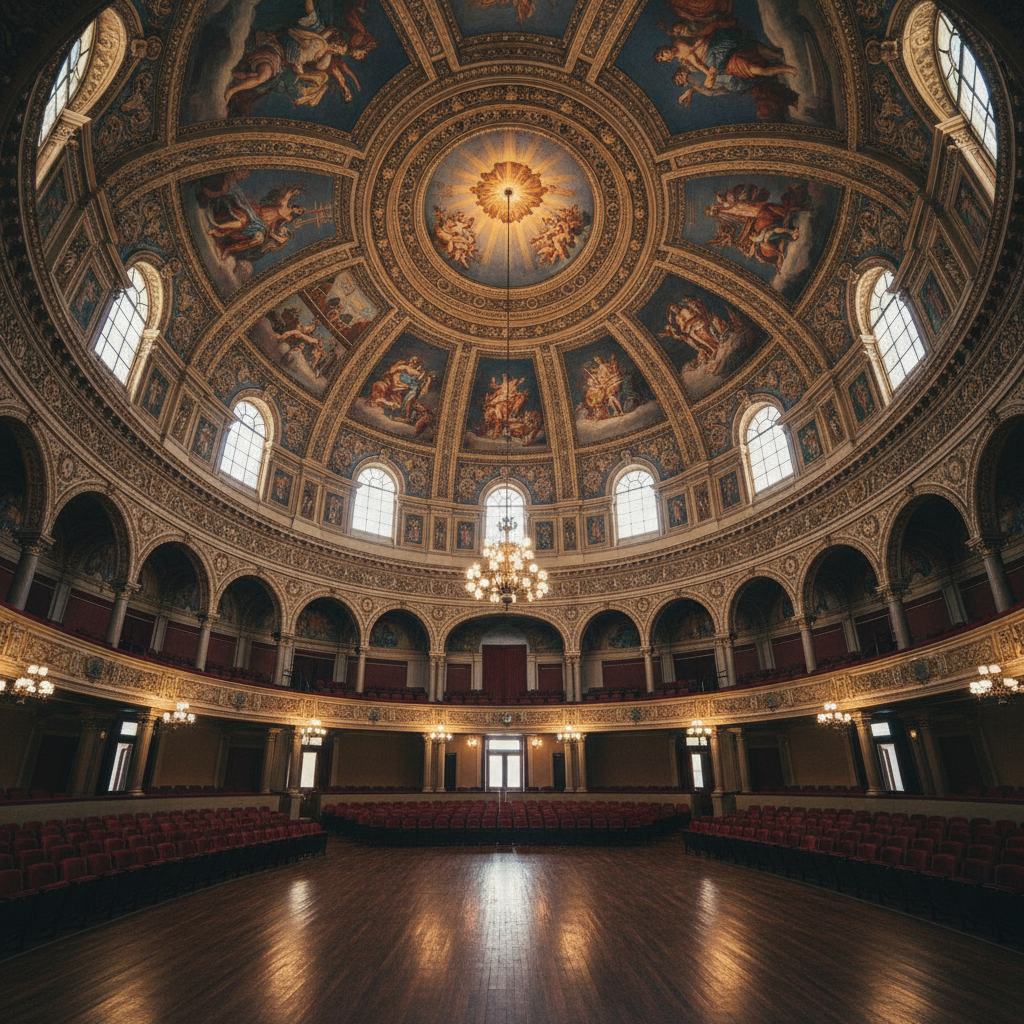
The Teatro Nacional Sucre, built between 1879 and 1886 and named for the independence hero Antonio Jose de Sucre, is the primary classical performing arts venue in Quito and one of the most significant 19th century theater buildings in South America. The interior is modeled on European grand opera house conventions, with tiered boxes, a painted ceiling, and excellent acoustics. The theater hosts the Orquesta Sinfonica Nacional del Ecuador, visiting classical music ensembles, opera productions, ballet, and the Quito classical music festival. The neoclassical facade on the Manabi street in the historic center has been restored to its original appearance. The Teatro Variedades Ernesto Albán, a smaller historic theater a few blocks away, presents more popular programming including comedy, salsa and Latin music performances, and folk art traditions.
- 6
Quito Street Art and Urban Culture in La Mariscal
The walls and underpasses of Quito, particularly in the Mariscal and La Floresta neighborhoods, have accumulated a significant body of large-format street murals over the past decade, ranging from politically engaged figurative work to abstract color field paintings to indigenous iconographic revivals. The municipal government has supported designated mural zones while tolerating unauthorized work in other areas. The result is a walking gallery that changes with the rhythms of the city creative community. The Mariscal neighborhood at night, while primarily known for its tourist bar scene, also hosts live music venues presenting cumbia, reggaeton, Andean fusion, and occasional jazz performances. The La Ronda street in the historic center, a narrow colonial alley that has been restored as a cultural and restaurant corridor, presents live music and cultural performances on weekend evenings in a more historically atmospheric setting.
Walk this route with audio
Stories play automatically as you reach each stop — no tapping needed.
More in Quito
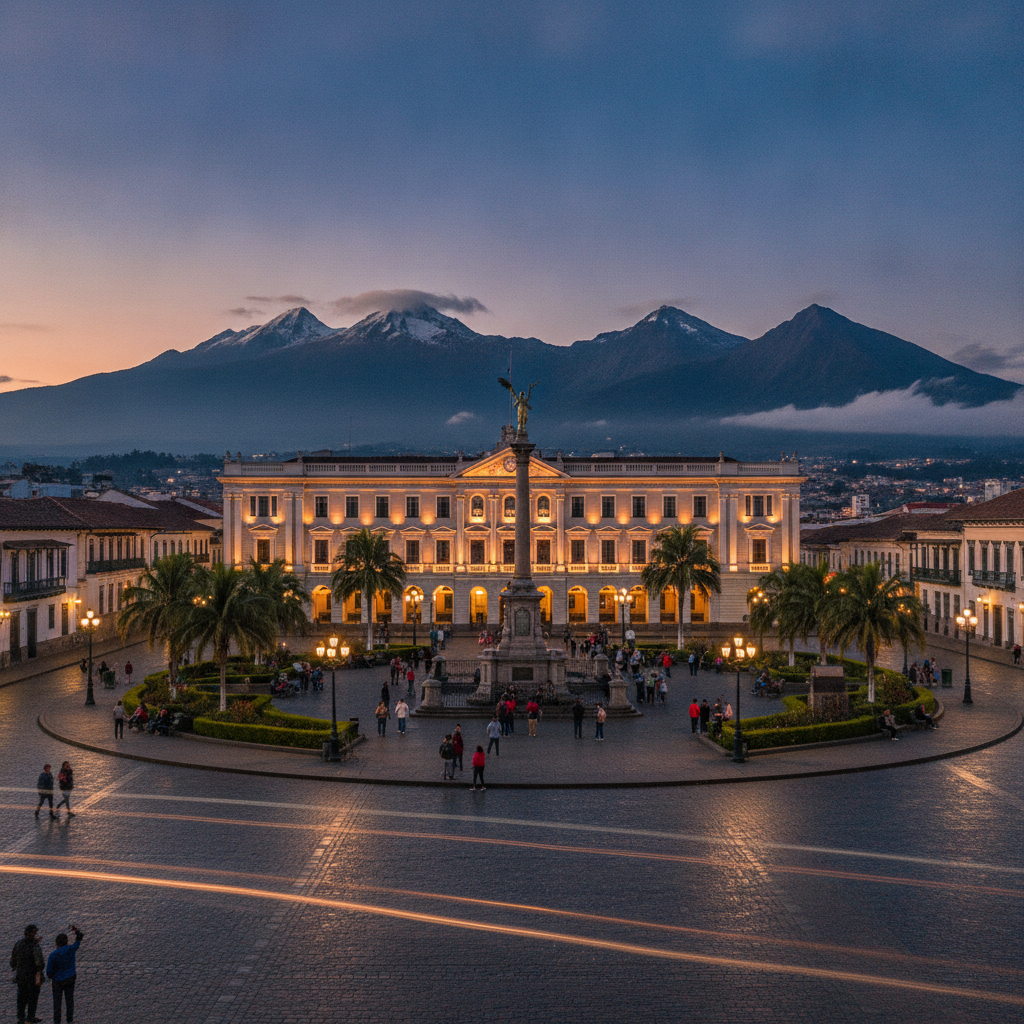
Quito History: From Inca Conquest to Independence and the Modern Republic
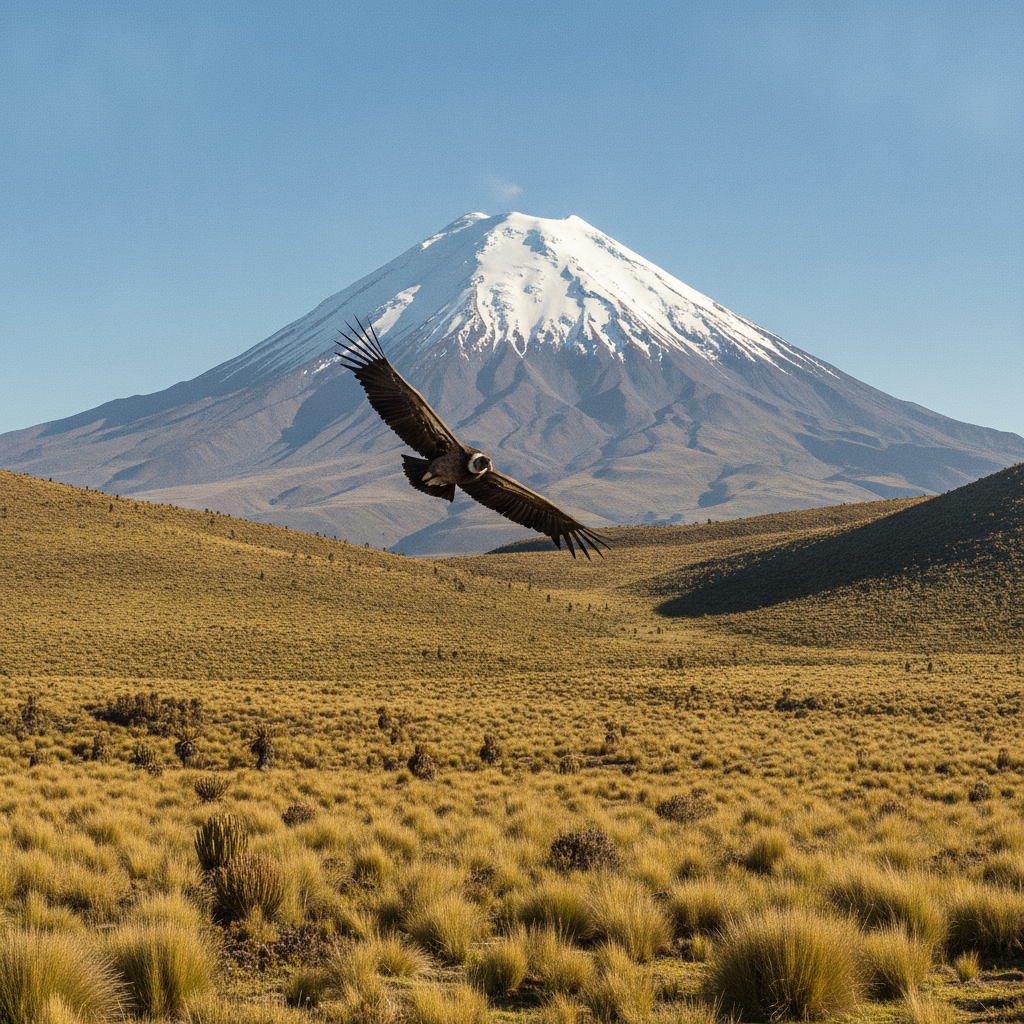
Quito Birdwatching: Andean Specialties from the City Limits
Quito Day Trips: The Avenue of the Volcanoes and Andean Markets
Quito to Galapagos: Planning the Journey to the Enchanted Islands
Quito Practical Guide: Altitude Acclimatization, Transport, and Neighborhoods