Queenstown: Coronet Peak Skiing, Heli-Skiing, Shotover River, Gold Rush History, Glenorchy, and Lord of the Rings Landscapes
Queenstown adventure: Coronet Peak and the Remarkables ski fields, the Harris Mountains heli-skiing (largest in southern hemisphere), Shotover River rafting and Otago gold rush, Queenstown apres-ski and winter festival, and the Glenorchy Lord of the Rings filming locations.
- 1
Coronet Peak and the Remarkables - Queenstown Ski Fields
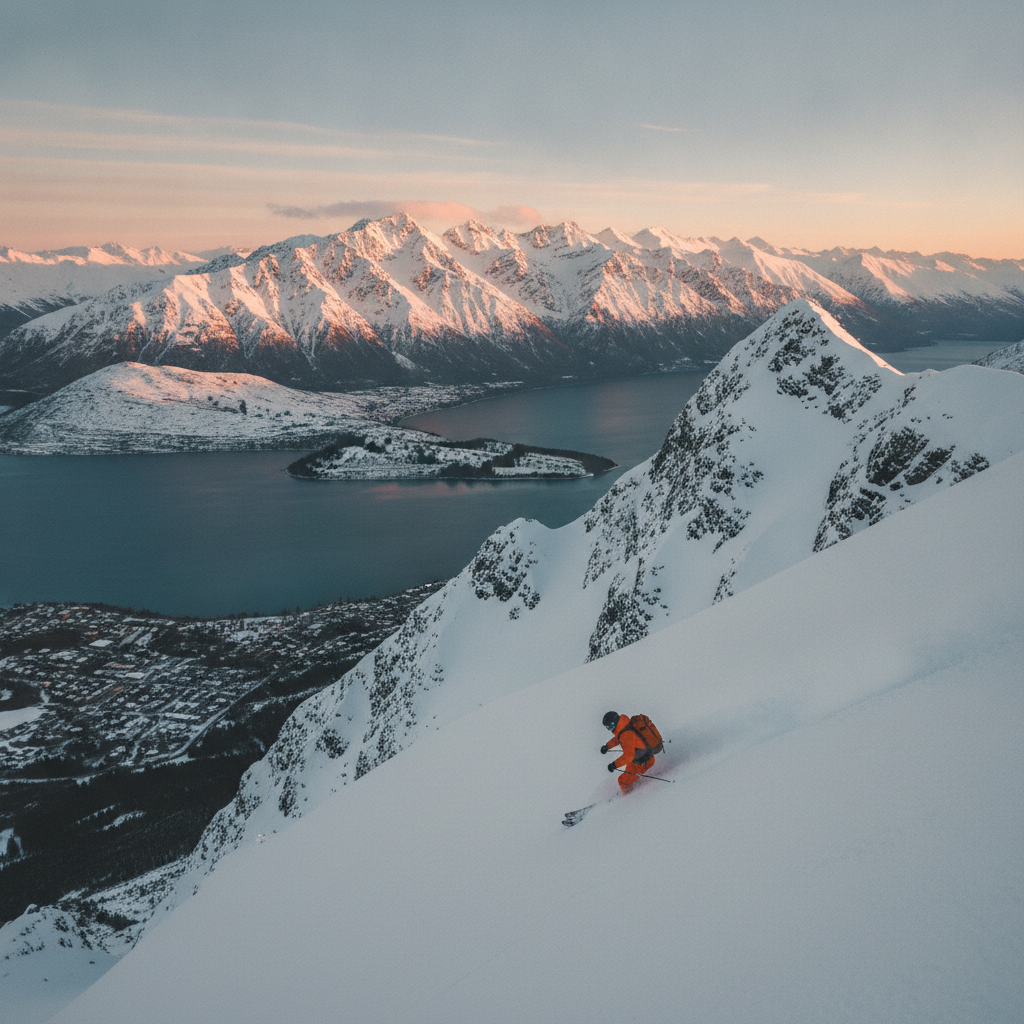
Coronet Peak (approximately 18 km from Queenstown): the oldest ski field in the South Island (established 1947), the most technically challenging ski area in the Queenstown region, with consistent snow and world-class grooming. The night skiing at Coronet Peak (Friday and Saturday nights in peak season): the only regularly operated night skiing in New Zealand. The Remarkables ski field (approximately 25 km from Queenstown, accessed via the steep Lake Dispute road): the more beginner-friendly ski area, with spectacular views of Lake Wakatipu. Both ski fields are operated by NZSki (the same company that operates the Mount Hutt ski field near Christchurch). The Queenstown ski season: late June to late September (the reliable southern hemisphere snow season).
- 2
Heli-Skiing the Harris Mountains
The Queenstown heli-skiing operation (Harris Mountains Heli-Ski): the largest heli-skiing operation in the southern hemisphere. Heli-skiing transports skiers and snowboarders by helicopter to the untracked powder snow of the remote mountain ranges around Queenstown (the Harris Mountains, the Buchanan Peaks, the Richardson Mountains). A typical day involves 4-6 helicopter drops to untracked mountain terrain, skiing a total of 12,000-22,000 vertical meters in pristine snow. The cost: approximately NZD 1,500-2,500 per person per day. The snow conditions: the Queenstown area receives significant snowfall in the Harris Mountains (typically 5-7 meters of snow per year) and the remoteness of the terrain means the powder remains untracked for days after a snowfall.
- 3
The Shotover River - Rafting the Canyon and the Gold Rush History
The Shotover River: the primary whitewater rafting river of Queenstown (the full-day Grade 3-5 rafting trip through the Shotover Canyon). The Shotover Canyon: the dramatic narrow gorge of the Shotover River, approximately 20 km of continuous rapids downstream of the Queenstown township, with the most technical rapids classified Grade 5. The New Zealand gold rush history: the Shotover River was one of the primary gold rush rivers of the Otago gold rush (1861-1865). Gabriel Read discovered gold at Gabriel Gully (near Lawrence, approximately 90 km from Queenstown) in May 1861, triggering the Otago gold rush. The Arrowtown (approximately 20 km from Queenstown): the best-preserved gold rush town in New Zealand, with the original gold-era main street (Buckingham Street) largely intact and the Lakes District Museum telling the Otago gold rush story.
- 4
The Queenstown Dining and Apres-Ski Scene
The Queenstown restaurant and bar scene: the most developed apres-ski and dining scene in New Zealand. The primary dining districts: the Queenstown CBD waterfront (the restaurants and bars along the lakefront), the Steamer Wharf precinct (the renovated Victorian wharf with upscale restaurants), and the Arrowtown village (the gold rush historic street with the Postmasters Residence restaurant and the Saffron). The food quality: Queenstown has driven the development of the New Zealand craft beer scene (the Altitude Brewing, the Sherwood Estate brewery) and the premium Central Otago wine scene. The apres-ski tradition: the après-ski bars of the Queenstown town center are the liveliest in New Zealand on winter evenings. The Queenstown Winter Festival (held annually in late June): the primary winter celebration, with fireworks, live music, and outdoor events around the lake.
- 5
Glenorchy and the Lord of the Rings Landscapes
Glenorchy (approximately 45 km north of Queenstown at the head of Lake Wakatipu): the small settlement at the most dramatic end of Lake Wakatipu, surrounded by the Mount Aspiring National Park and the Rees and Dart River valleys. The Glenorchy road from Queenstown: approximately 45 minutes on one of the most scenic lake road drives in New Zealand. The Lord of the Rings filming locations: the Glenorchy area and the Paradise estate (the private property along the Dart River) were used extensively for the Lothlorien and Amon Hen sequences in The Fellowship of the Ring and for various Rohan landscape shots. The Routeburn Track (one of New Zealand Great Walks: the 32 km 2-3 day track between Glenorchy and Te Anau, through the Fiordland National Park): the most scenic multi-day walk in the Queenstown area. The Dart River Jet (the jet boat safari up the Dart River into the Mt Aspiring National Park wilderness).
- 6
Queenstown Final - New Zealand Adventure Legacy
Queenstown five-route complete final. Route 1: adventure capital overview (bungy invention, Remarkables, Lake Wakatipu, winter vs summer seasons, Central Otago Pinot Noir, Milford Sound, Wanaka, practical guide). Route 2 (this route): Coronet Peak and Remarkables ski fields, heli-skiing Harris Mountains (largest in southern hemisphere), Shotover River rafting and gold rush history, Queenstown dining and winter festival, Glenorchy and Lord of the Rings landscapes. Queenstown summary: New Zealand most visited South Island destination, approximately 3.5 million visitors annually (more than 3 times the permanent population of Queenstown); the most complete adventure sports resort in the world; an extraordinary combination of mountain wilderness, wine culture, and outdoor sport. The most honest statement about Queenstown: no other town of 45,000 people on earth offers commercial bungee jumping from a 43-meter historic bridge, heli-skiing the world largest Southern Hemisphere heli-ski operation, wine from the world southernmost wine region, and a 4-hour road trip to one of the world most famous fiords — all within the same afternoon.
Walk this route with audio
Stories play automatically as you reach each stop — no tapping needed.
More in queenstown
Queenstown: Adventure Capital, Kawarau Bungy, Central Otago Pinot Noir, Milford Sound, Wanaka, and South Island Circuit
Queenstown: Fiordland (Milford and Doubtful Sounds), Stewart Island Wild Kiwi, Central Otago Wine Country, Annual Events, and Complete Practical Guide