Queenstown: Aoraki Mount Cook, Lake Tekapo Dark Sky Reserve, Arrowtown Gold Rush, Cycle Trails, and Complete South Island Legacy
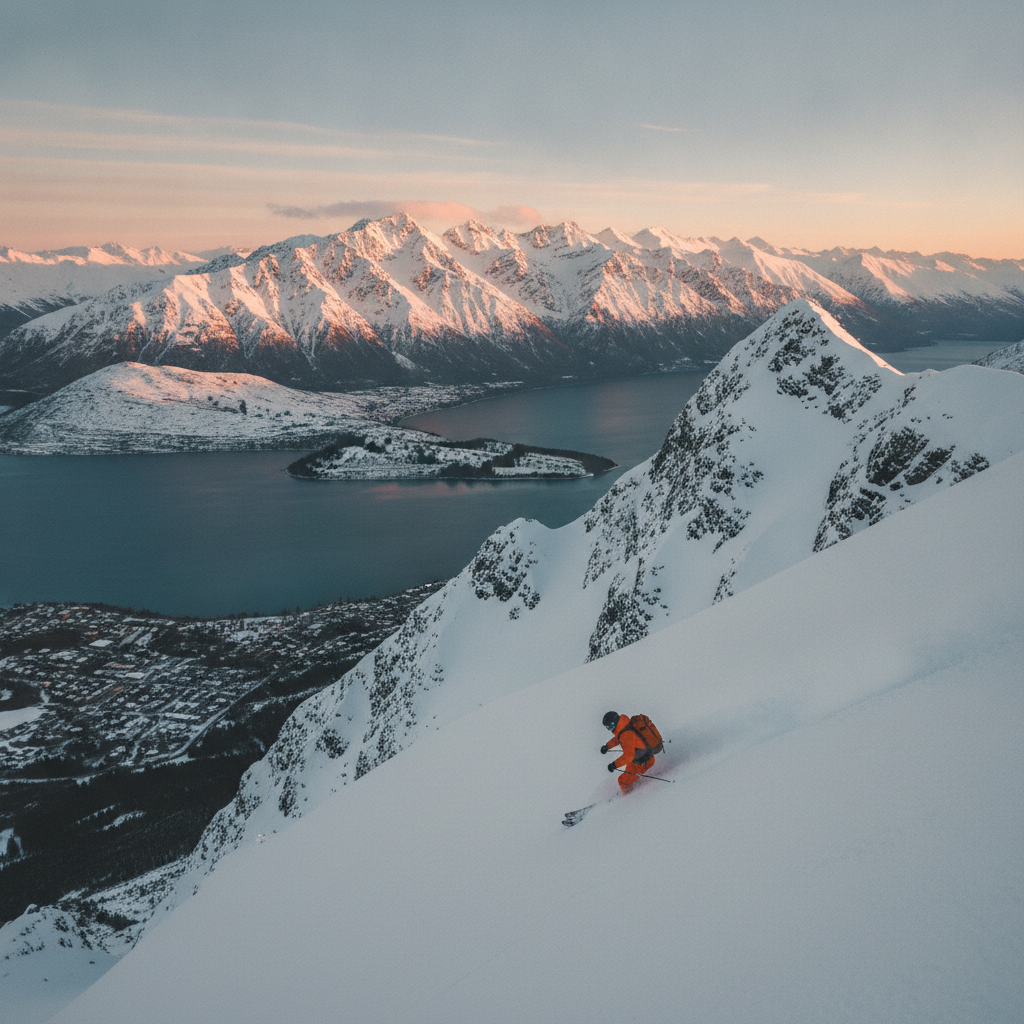
Queenstown region: Aoraki Mount Cook National Park (New Zealand highest peak), Lake Tekapo turquoise glacial lake and southern hemisphere Dark Sky Reserve, the Arrowtown gold rush heritage village, the Queenstown and Otago cycle trail networks, and the complete South Island adventure legacy.
- 1
Aoraki Mount Cook National Park from Queenstown
Aoraki Mount Cook (3,724 meters): the highest peak in New Zealand, in the national park approximately 260 km northeast of Queenstown (3.5-4 hours via Lake Pukaki and the Mount Cook Road). The Aoraki (the cloud piercer in te reo Maori) is the primary Maori sacred mountain of the South Island; the Ngai Tahu people regard Aoraki as their most sacred ancestor. The Hooker Valley Track (the most popular day walk in the Mount Cook National Park, approximately 3 hours return): the flat valley walk to the Hooker Glacier terminal lake, with views of the Aoraki summit. The Tasman Glacier (the longest glacier in New Zealand, approximately 27 km): accessible by guided boat tour on the Tasman Glacier Lake. The first ascent of Aoraki (25 December 1894 by Tom Fyfe, George Graham, and Jack Clarke): Christmas Day 1894, the most significant mountaineering achievement in New Zealand history.
- 2
Lake Tekapo and the International Dark Sky Reserve
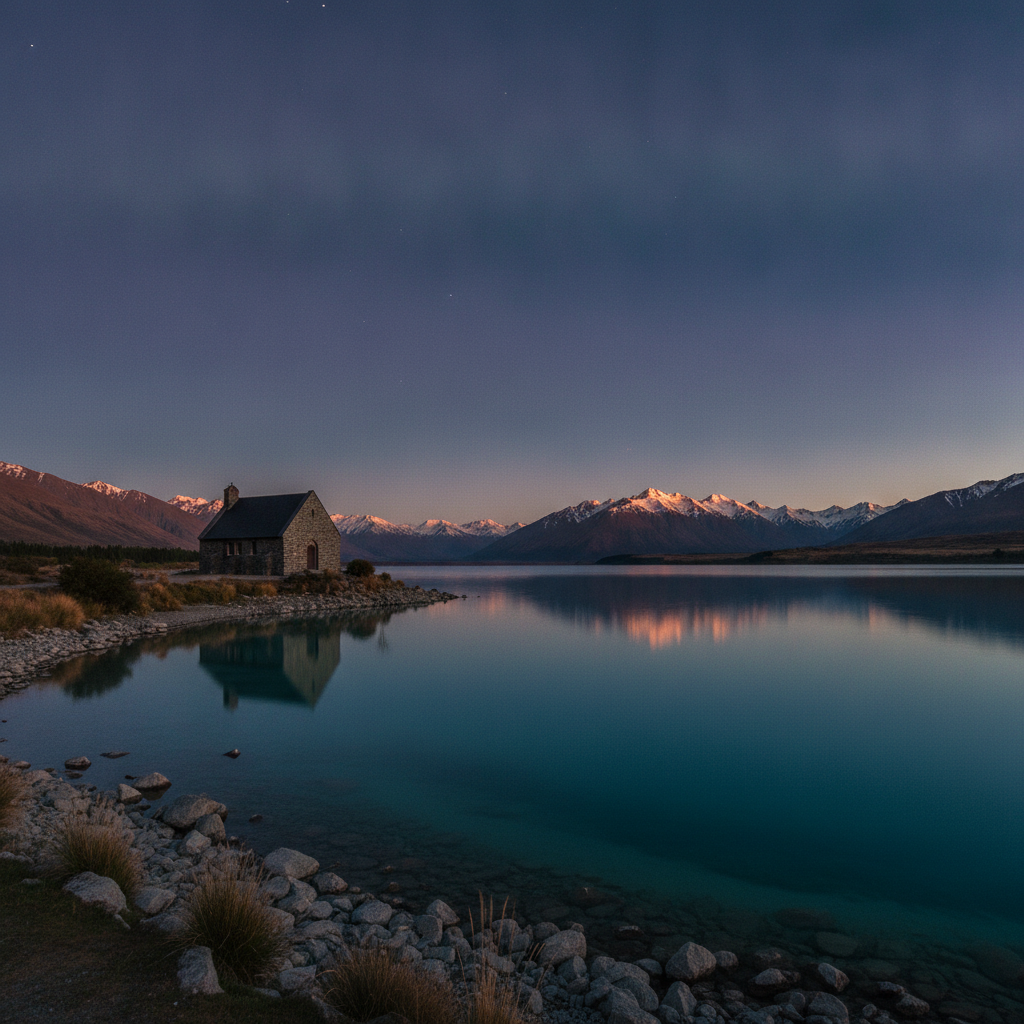
Lake Tekapo (approximately 200 km northeast of Queenstown, 2.5 hours): the vivid turquoise glacial lake of the Mackenzie Basin, fed by the glacial meltwater from the Southern Alps. The turquoise color: caused by the fine suspended glacial flour (rock particles ground to dust by glacial erosion) that reflects light in the blue-green spectrum. The Church of the Good Shepherd (the small stone church on the shores of Lake Tekapo): the most photographed building in New Zealand, with the lake and mountains as the view through the east window. The Mackenzie Basin Dark Sky Reserve (the largest Dark Sky Reserve in the southern hemisphere): the Tekapo area has the darkest skies in New Zealand and the Southern Alps block the light pollution of the West Coast. The Mount John Observatory (above Tekapo): the primary astronomical research facility in New Zealand, operated by the University of Canterbury.
- 3
Arrowtown - The Gold Rush Village Near Queenstown
Arrowtown (approximately 20 km northeast of Queenstown, 25 minutes by road): the most complete gold rush heritage town in New Zealand. The Arrow River: the primary gold-bearing river of the Arrowtown area, where alluvial gold was discovered in 1862 triggering the Otago gold rush of 1862-1866. The Buckingham Street heritage precinct: the original 1860s-era main street of Arrowtown, with the stone cottages and the small wooden commercial buildings largely preserved. The Lakes District Museum (the primary museum of the Otago gold rush): the Chinese settlement (the small stone Chinese miners cottages near the Arrow River at the edge of the Arrowtown village, preserved as a heritage site: the Chinese miners were the largest non-European group in the Otago gold rush, facing severe racial discrimination). The Arrowtown autumn (April-May): the most spectacular seasonal event in the Queenstown area, when the introduced deciduous trees along the Arrow River valley turn vivid gold and red.
- 4
Queenstown Cycle Trails and the Otago Rail Trail
The Queenstown Trail (the network of cycle and walking trails linking Queenstown, Arrowtown, Gibbston Valley, and Frankton): the primary cycle trail network in the Queenstown area. The Gibbston Valley cycle trail section (the 22 km trail along the Kawarau River through the Gibbston wine country): passes through several wineries accessible for tasting from the cycle trail. The Otago Central Rail Trail (approximately 150 km, 4-5 days cycling): one of the Great Rides of New Zealand, following the former Central Otago Railway through the dramatic Maniototo landscape from Clyde (near Alexandra, approximately 80 km from Queenstown) to Middlemarch. The trail passes through the historic gold rush tunnels and viaducts of the former railway. The Queenstown Winter Festival (annual in late June/early July): the largest winter festival in the southern hemisphere, with ice carving, skiing competitions, and outdoor concerts.
- 5
Queenstown Four-Route Complete Summary
Queenstown four routes complete. Route 1: adventure capital of the world, bungy invention at Kawarau Bridge 1988, Remarkables and Lake Wakatipu, Nevis Bungy 134m, Shotover Jet, Central Otago Pinot Noir, Milford Sound day trip, Wanaka, practical guide. Route 2: Coronet Peak and Remarkables ski fields, Harris Mountains heli-ski (largest in southern hemisphere), Shotover River rafting, gold rush history, Glenorchy and Lord of the Rings landscapes. Route 3 (this route): Aoraki Mount Cook National Park, Lake Tekapo turquoise glacial lake and Dark Sky Reserve, Arrowtown gold rush heritage village and Chinese settlement, Queenstown cycle trails and the Otago Rail Trail, Queenstown winter festival. Summary: Queenstown deserves 3-5 nights minimum. Absolute essentials: one adventure activity (bungy at Kawarau or Nevis, Shotover Jet, or skydiving), one wine tasting in Gibbston Valley or Bannockburn, one day trip (Milford Sound by road, or Aoraki Mount Cook by road), and the Arrowtown walk in autumn. Queenstown is never cheap: budget NZD 200-350 per person per day for accommodation, transport, and activities in the summer peak season.
- 6
Queenstown and the New Zealand South Island Final Legacy
Queenstown final: the adventure capital that redefined adventure tourism globally. Before Queenstown, adventure sports were fringe activities practiced by specialists; after Queenstown normalized commercial bungy jumping (1988) and the subsequent commercialization of skydiving, jet boating, white water rafting, and heli-skiing as accessible tourist activities, the global adventure tourism industry was fundamentally transformed. Queenstown is the proof that a town of 45,000 people in the remote South Pacific can become one of the most visited destinations on earth. New Zealand South Island final statement: from the adventure capital of the world (Queenstown) to the world most powerful waterfall (Victoria Falls), from the world southernmost wine region (Central Otago) to the world largest flight-less bird (the Great Spotted Kiwi), from the world only alpine parrot (the kea, found on the Queenstown ski fields) to the world rarest penguin (the Fiordland crested penguin, 3,000 pairs) — the South Island of New Zealand is the most extraordinary temperate wilderness on earth.
Walk this route with audio
Stories play automatically as you reach each stop — no tapping needed.
More in queenstown
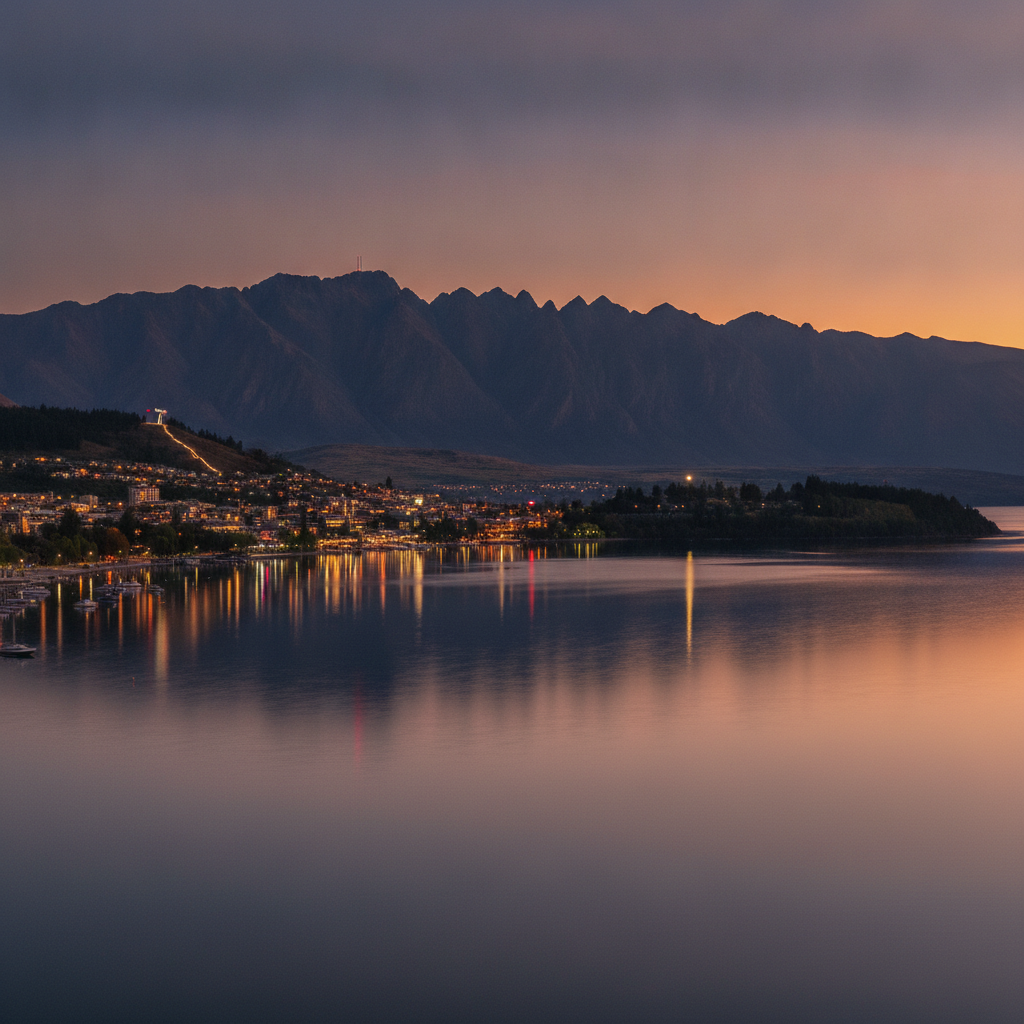
Queenstown: Adventure Capital, Kawarau Bungy, Central Otago Pinot Noir, Milford Sound, Wanaka, and South Island Circuit
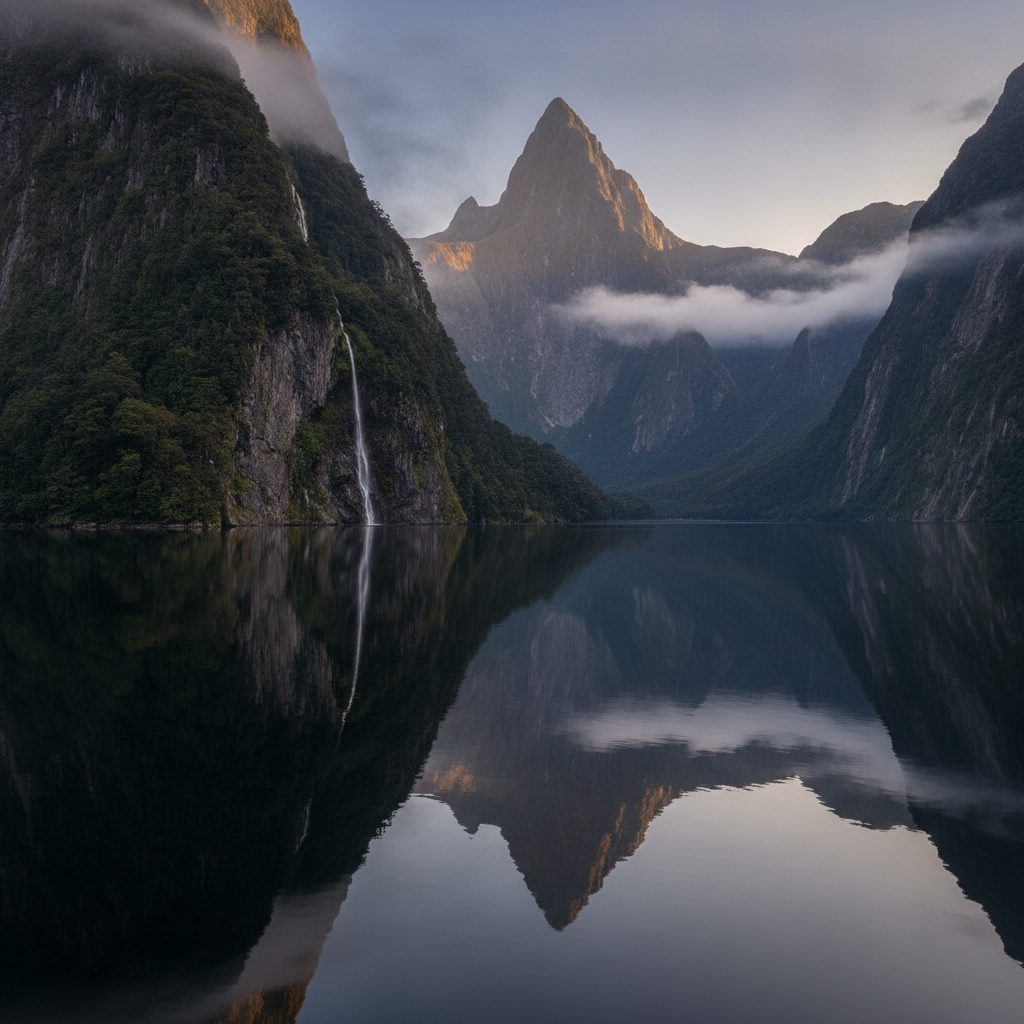
Queenstown: Fiordland (Milford and Doubtful Sounds), Stewart Island Wild Kiwi, Central Otago Wine Country, Annual Events, and Complete Practical Guide