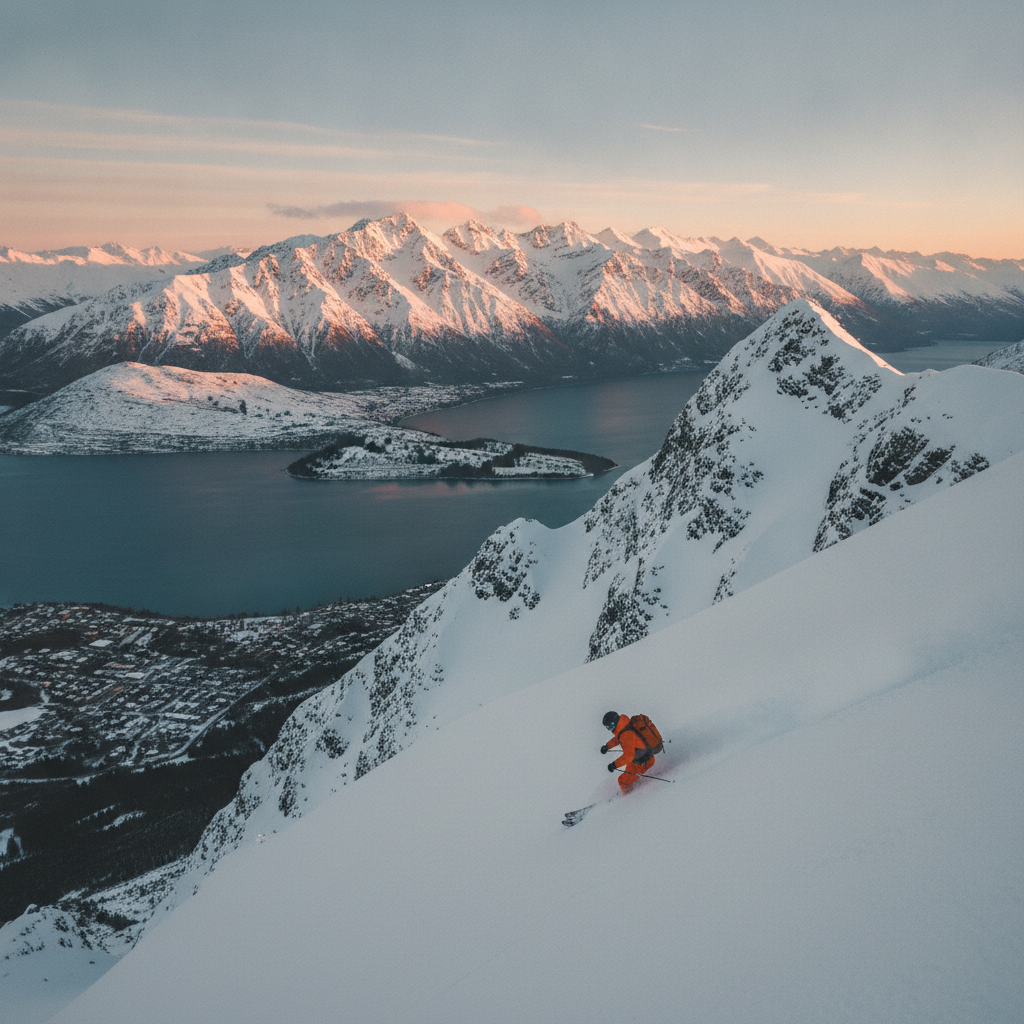
Queenstown: Fiordland (Milford and Doubtful Sounds), Stewart Island Wild Kiwi, Central Otago Wine Country, Annual Events, and Complete Practical Guide
Queenstown region: Milford Sound vs Doubtful Sound (choosing the right Fiordland fiord), Te Anau Glowworm Caves, Stewart Island (wild kiwi and Aurora Australis), Central Otago wine country deep dive (Gibbston Valley wine cave, Bannockburn Pinot Noir), Queenstown annual events, and the complete practical travel guide.
- 1
Milford Sound vs Doubtful Sound - Which Fiordland Fiord to Choose
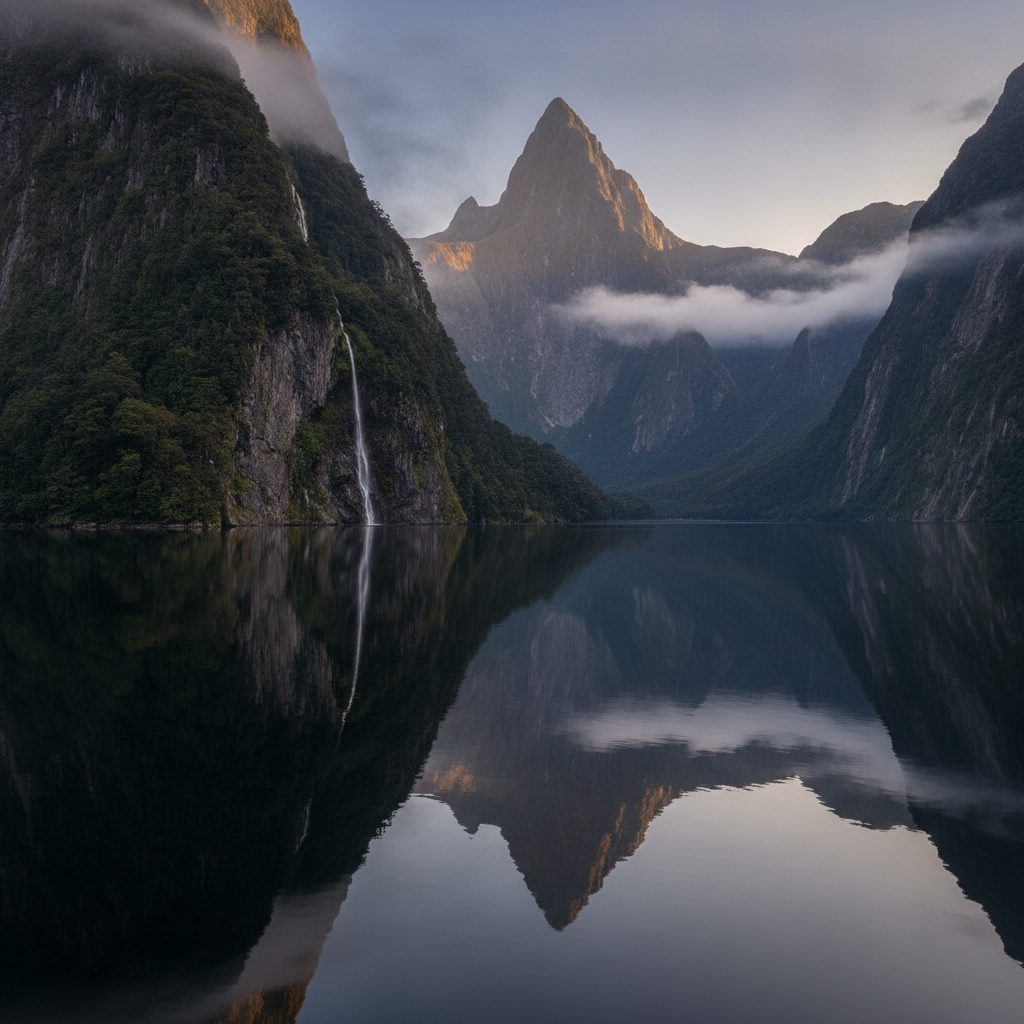
Milford Sound (292 km from Queenstown, 4 hours by road via Te Anau): the most visited fiord in New Zealand, with the famous Mitre Peak (1,692 meters) rising dramatically from the water. The Milford Sound drawback: the narrow single-lane Homer Tunnel creates a bottleneck and the Sound can be extremely crowded. Milford Sound rainfall: 182 rainy days per year; it is one of the wettest places on earth (over 7 meters of rain annually). Doubtful Sound (the second major fiord, accessible only by boat across Lake Manapouri then overland by bus): three times longer than Milford Sound and much less visited. Doubtful Sound was named by Captain James Cook (1770) because he was doubtful the winds would allow him to sail back out if he entered. The Doubtful Sound experience: 2 days minimum recommended; overnight cruises give the full stillness and wildlife experience. Fiordland National Park: the largest national park in New Zealand (12,500 sq km), UNESCO World Heritage Site.
- 2
Te Anau - the Gateway to Fiordland
Te Anau (population approximately 1,900): the primary service town for Fiordland National Park, 170 km from Queenstown (2 hours). The Te Anau Glowworm Caves (accessible only by boat tour on Lake Te Anau): the active glowworm system discovered in 1948, with a underground network of caves, waterfalls, and whirlpools carved by the Te Anau River. The glowworms in the Te Anau caves are Arachnocampa luminosa (the New Zealand glowworm, different from the European glow-worm): the larval stage produces the blue-green bioluminescence to attract prey into its sticky threads. Lake Te Anau (the largest lake in the South Island): formed by glacial erosion during the last glaciation; the lake level marks the upper limit of the fiords. The Kepler Track (the 60 km, 4-day Great Walk): one of the nine official Great Walks of New Zealand, circling the ridgeline above Lake Te Anau with panoramic views of Fiordland.
- 3
Stewart Island - the Third Island of New Zealand
Stewart Island (Rakiura in te reo Maori, population approximately 385 permanent residents): the third main island of New Zealand, 30 km south of the South Island across the Foveaux Strait. Stewart Island is accessible from Invercargill (approximately 200 km from Queenstown, 2.5 hours): either by ferry (1 hour) or small plane (20 minutes). Rakiura National Park (covers 85% of Stewart Island): one of the least visited national parks in New Zealand, with pristine temperate rainforest, extensive beaches, and the most reliable place in New Zealand to see wild kiwi. The Stewart Island kiwi sighting: the Stewart Island tokoeka (the largest kiwi subspecies) is active on the beaches at night (particularly Mason Bay on the west coast, accessible only by foot or floatplane), making it the most accessible wild kiwi viewing in New Zealand. The Aurora Australis from Stewart Island: the southernmost permanently inhabited settlement in New Zealand (-46.9 degrees latitude) gives some of the best aurora viewing in the country.
- 4
Queenstown Wine Country: Central Otago and Gibbston Valley Deep Dive
Central Otago: the southernmost wine region in the world (approximately 45 degrees south), with a continental climate (hot summers, cold winters) that produces uniquely intense Pinot Noir. The Central Otago wine regions: Gibbston (the sub-region closest to Queenstown, elevation 320-400 m, produces delicate and elegant Pinot Noir), Bannockburn (known as the Burgundy of the South, the warmest sub-region, producing richer and more structured wines), Cromwell Basin (the largest sub-region, covering Lowburn, Pisa, and Bendigo), and Wanaka. The Gibbston Valley Winery (founded 1981): the pioneer of the Gibbston sub-region, with the wine cave (carved into the schist rock, used for barrel aging and wine tasting: the largest wine cave in New Zealand). The Central Otago Pinot Noir characteristics: the intense ruby color, the cherry and plum fruit character, the characteristic schist-derived mineral notes, and the bright natural acidity of the cool climate.
- 5
The Queenstown Marathon and Major Annual Events
The Queenstown Marathon (annual in November): one of the most scenic marathon courses in the world, running along the shores of Lake Wakatipu through the wine country and the lakeside trails. The course passes through vineyards and along the Kawarau River gorge. The Queenstown Winter Festival (annual in late June): the longest-running and largest ski festival in the southern hemisphere, with 10 days of events including ice carving, live music, comedy, and the famous Birdman competition (competitors in homemade flying suits launch themselves from the Queenstown Pier). The Gibbston Valley Winery Concert (annual in February): one of the most popular outdoor concert events in New Zealand, held in the natural rock amphitheater of the Gibbston Valley. The Remarkables Ski Area opening: the first major opening event of the New Zealand winter ski season (typically late June). The Fireworks on Queenstown Bay (Guy Fawkes, early November): the largest fireworks display in the South Island, reflected in Lake Wakatipu.
- 6
Queenstown Practical Guide: Getting There, Getting Around, Costs, and Best Season
Getting to Queenstown: Queenstown Airport (ZQN) has direct flights from Auckland (approximately 2 hours), Christchurch (1 hour), Wellington (1.5 hours), and Sydney and Melbourne (approximately 3-3.5 hours). International connections from Queenstown: direct seasonal flights from Sydney, Melbourne, Brisbane, Gold Coast, Singapore, and various Australian cities are available during the New Zealand summer peak. Getting around Queenstown: the Queenstown town center is walkable, but most ski fields, wineries, and day trips require a rental car or organized tour. The Intercity bus network connects Queenstown to Christchurch (approximately 8 hours via the TranzAlpine rail journey from Greymouth to Christchurch), Dunedin (3 hours), and Te Anau (2 hours). Queenstown costs: NZD 120-200 per person per night for mid-range accommodation; NZD 50-150 per person for adventure activities; NZD 30-60 per person per day for food. Best season: December to February (summer, best for hiking and outdoor activities); June to August (winter, best for skiing).
Walk this route with audio
Stories play automatically as you reach each stop — no tapping needed.
More in queenstown
Queenstown: Adventure Capital, Kawarau Bungy, Central Otago Pinot Noir, Milford Sound, Wanaka, and South Island Circuit
Queenstown: Aoraki Mount Cook, Lake Tekapo Dark Sky Reserve, Arrowtown Gold Rush, Cycle Trails, and Complete South Island Legacy