Qom Political Power Iranian Revolution Heritage
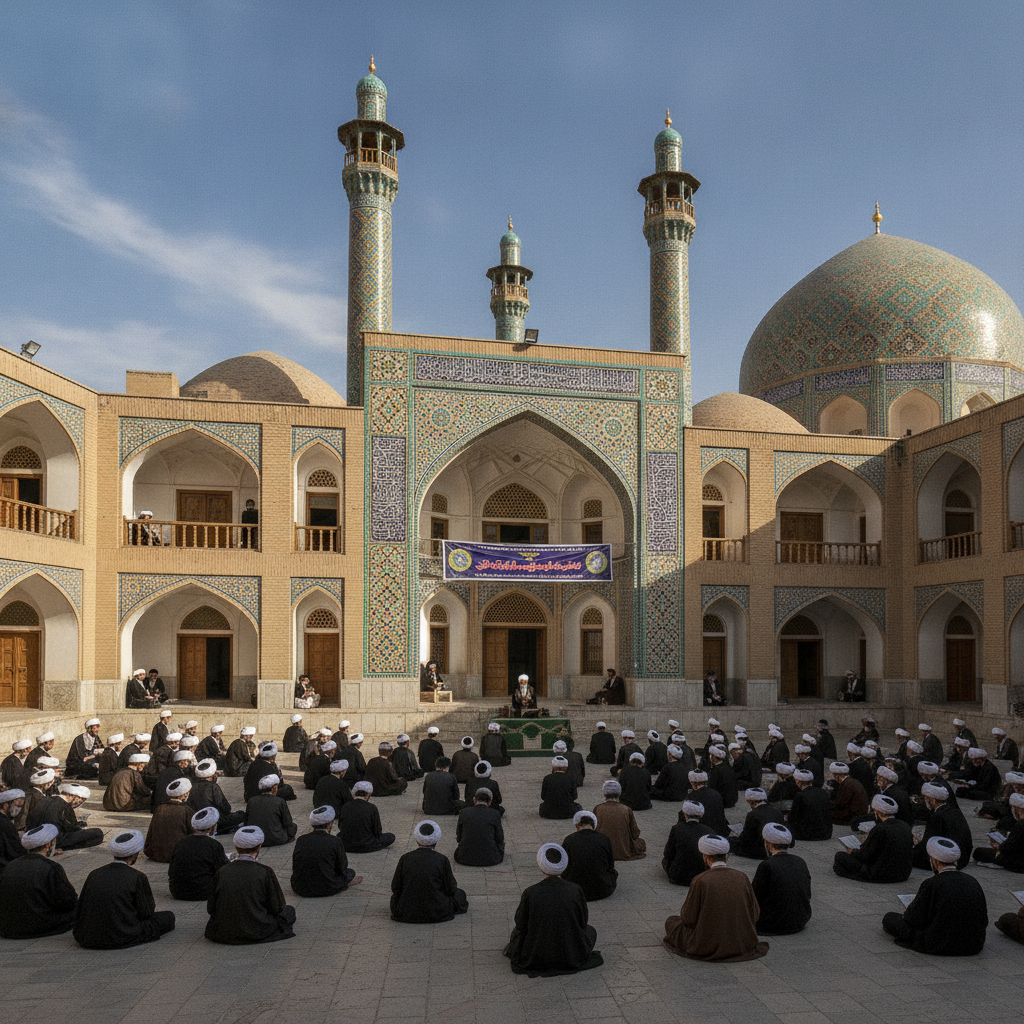
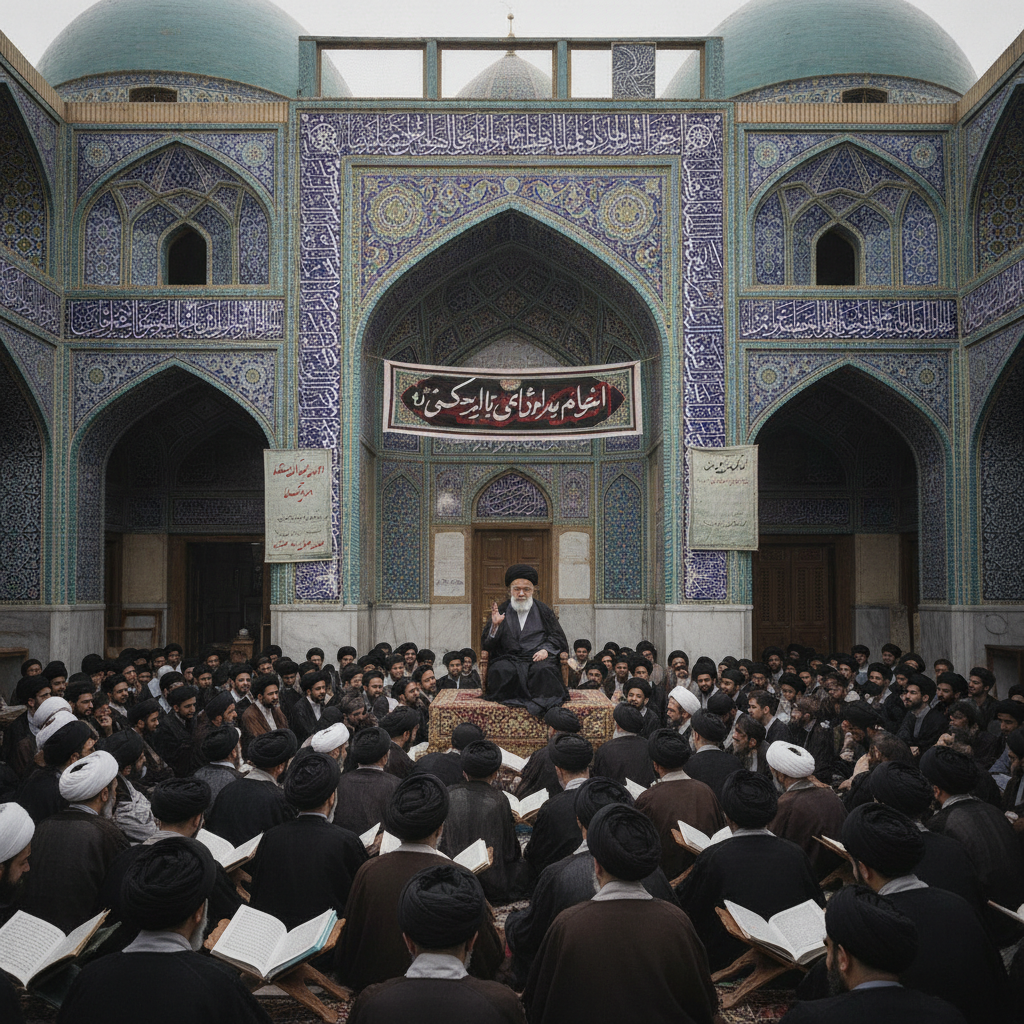
Explore Qom's role in modern Iranian political history where the theological seminaries produced the intellectual framework of the Islamic Revolution, and where the relationship between religious scholarship and political power continues to define the character of this city that is simultaneously a holy place and a seat of governmental influence.
- 1
Khomeini's Seminary
Visit the sites associated with Ayatollah Khomeini's years in Qom where he taught in the Fayziyeh Seminary and developed the doctrine of velayat-e faqih (guardianship of the jurist) that provided the theoretical basis for clerical rule in the Islamic Republic of Iran.
- 2
Fayziyeh Seminary Historical Moments
Learn about the Fayziyeh Seminary's role in the revolutionary movement where the 1963 attack on the seminary by Shah Mohammad Reza Pahlavi's forces — in which students were killed and injured — became a radicalizing event that accelerated the confrontation between the clerical establishment and the Pahlavi state.
- 3
Revolutionary History Exhibition
Visit the exhibition documenting Qom's role in the 1979 Islamic Revolution where the city's mosques and seminaries served as organizing centers for the opposition movement, the revolutionary energy generated in the theological city providing the ideological fuel for the transformation of the Iranian state.
- 4
Leader's Office Presence
See the visible security and institutional presence around the offices of the Supreme Leader's representatives in Qom, the city maintaining its role as the religious legitimizing authority for the Islamic Republic through the ongoing engagement between the political establishment in Tehran and the senior marjas in Qom.
- 5
Contemporary Clerical Politics
Understand the contemporary tensions within Qom where the relationship between religious scholarship and political power is debated among scholars, with some senior marjas maintaining positions of political quietism at odds with the Islamic Republic's doctrine of clerical governance.
- 6
Memorial Sites
Visit the memorial sites honoring clerics who were martyred or imprisoned during the Pahlavi period, the commemorations of these figures representing the narrative of religious resistance to secular state power that forms the central historical self-understanding of Qom's clerical community.
Walk this route with audio
Stories play automatically as you reach each stop — no tapping needed.