Puebla Contemporary City Art Scene Emerging Neighborhoods Barrio Chino and How a 500 Year Old Heritage City Is Reinventing Itself as a Creative Capital for the 21st Century Mexican Middle Class
Puebla is undergoing an urban transformation that parallels the gentrification of historic city centers throughout Latin America, with the UNESCO-designated historic center serving as the foundation for a creative economy of galleries, concept restaurants, craft mezcal bars, boutique hotels, and the design studios that the BUAP (Benemerita Universidad Autonoma de Puebla) and Iberoamericana university populations generate as they establish the cultural infrastructure of a Mexican mid-sized city that competes with Mexico City for creative talent and cultural relevance. The city of 3 million that surrounds the 72-block historic center UNESCO zone has developed through the metropolitan sprawl of the automotive economy and the lower-income housing expansion of the eastern and southern margins, creating the economic geography of a city whose tourist-facing heritage zone is surrounded by the Mexican working-class reality that the visitor experience carefully avoids. The Barrio del Artista has been the historical nexus of the Puebla creative scene since the 1940s, but the contemporary expansion of the creative economy has moved into the converted industrial buildings of the Analco neighborhood east of the historic center, the restored colonial houses of the Xanenetla neighborhood whose residents painted their own barrio as an open-air art museum in a self-organized community beautification project, and the Callejon de los Sapos antique and craft market that operates on weekends as the most socially animated outdoor market space in the historic center. The Cholula municipal area, west of Puebla city and technically a separate city, has developed since the 2000s into the nightlife and university social hub of the greater metropolitan area, with the rooftop bars of the San Andres Cholula zocalo area providing views of the pyramid hill church and Popocatepetl in a setting that the young Poblano population uses as the primary weekend social circuit.
- 1
Xanenetla Barrio and Community Street Art
Xanenetla, the historic barrio east of the Zocalo on the slope descending toward the Analco neighborhood, was one of the oldest and most economically marginalized neighborhoods of the Puebla historic center when the community organized a self-directed mural project in 2010 that transformed the barrio into an open-air art gallery. Community members invited professional muralists to paint the exterior walls of the colonial houses in the barrio, and the resulting concentration of large-scale murals on the facades of genuine colonial buildings, rather than the purpose-built walls of official street art programs, gave Xanenetla a visual character that the international street art community recognized as one of the most authentic community-based mural projects in Latin America. The Xanenetla murals address themes of Poblano cultural identity, pre-Hispanic heritage, social justice, and the everyday life of the barrio community in a visual language that mixes the Mexican muralist tradition of Diego Rivera and Jose Clemente Orozco with the contemporary international street art vocabulary of stencil, wheat paste, and spray can. The community impact of the mural project was both positive and problematic: the barrio became a tourism attraction that brought visitors and spending to an economically excluded community, but also triggered the early stages of gentrification as property values responded to the increased visibility and the arrival of tourism infrastructure. The continuing tension between community cultural ownership of the mural project and the tourist economy that has developed around it is the central issue of the Xanenetla experience for visitors who engage seriously with the barrio beyond the photograph opportunity of the painted facades.
- 2
Callejon de los Sapos Antiques and Weekend Markets
The Callejon de los Sapos, the frog-themed alley on 6 Sur street between 3 and 7 Oriente two blocks southeast of the Zocalo, is the antique and artisan market district of Puebla, operating on weekends as an open-air market where vendors of colonial period furniture, santos religious figures, talavera antiques, vintage textiles, and the full range of Mexican artisan production set up on the street and in the adjacent stores that operate throughout the week as antique shops. The Callejon takes its name from the carved frog stone ornaments on the colonial house facades of the street, part of the Puebla colonial architectural vocabulary of carved stone animal and fruit motifs that decorate the corners and lintels of the historic center buildings. The weekend market atmosphere of the Callejon de los Sapos, with the taco and tlayuda vendors setting up on the adjacent streets, the artisan craft and vintage clothing stalls extending the market into the surrounding blocks, and the mezcal bars opening their doors to the market crowd, creates the most socially animated outdoor gathering in the Puebla historic center outside of the Zocalo itself. The antique market offers the opportunity to find authentic Talavera de Puebla antique pieces, colonial period santos sculptures, and Mexican folk art objects at prices negotiated directly with individual vendors, in contrast to the fixed-price boutique shops of the Barrio del Artista and the tourist market of the Zocalo. The surrounding Analco neighborhood, traditionally a working-class barrio of indigenous origin and now undergoing the early stages of creative class gentrification, is developing the cafe, gallery, and concept store infrastructure of the creative economy around the Callejon de los Sapos market anchor.
- 3
Cholula Nightlife Bars and University Social Scene
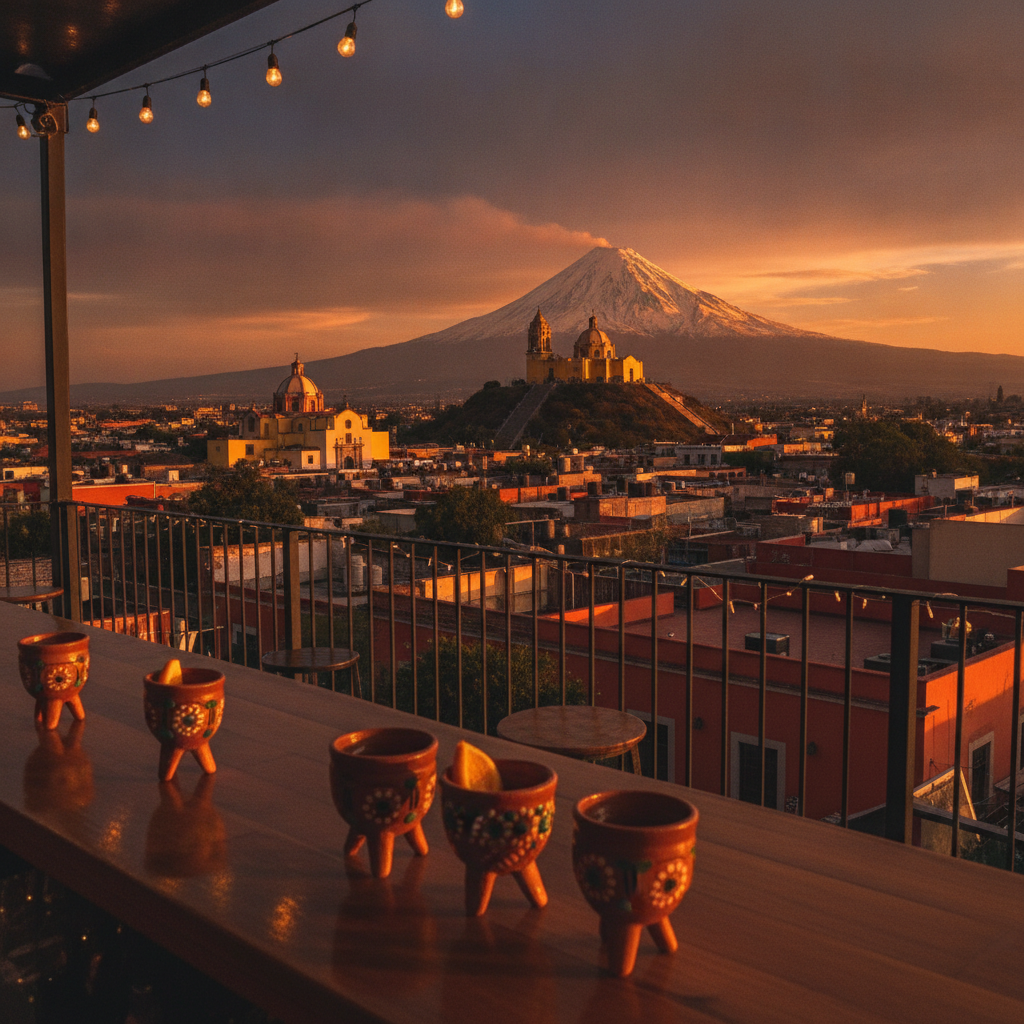
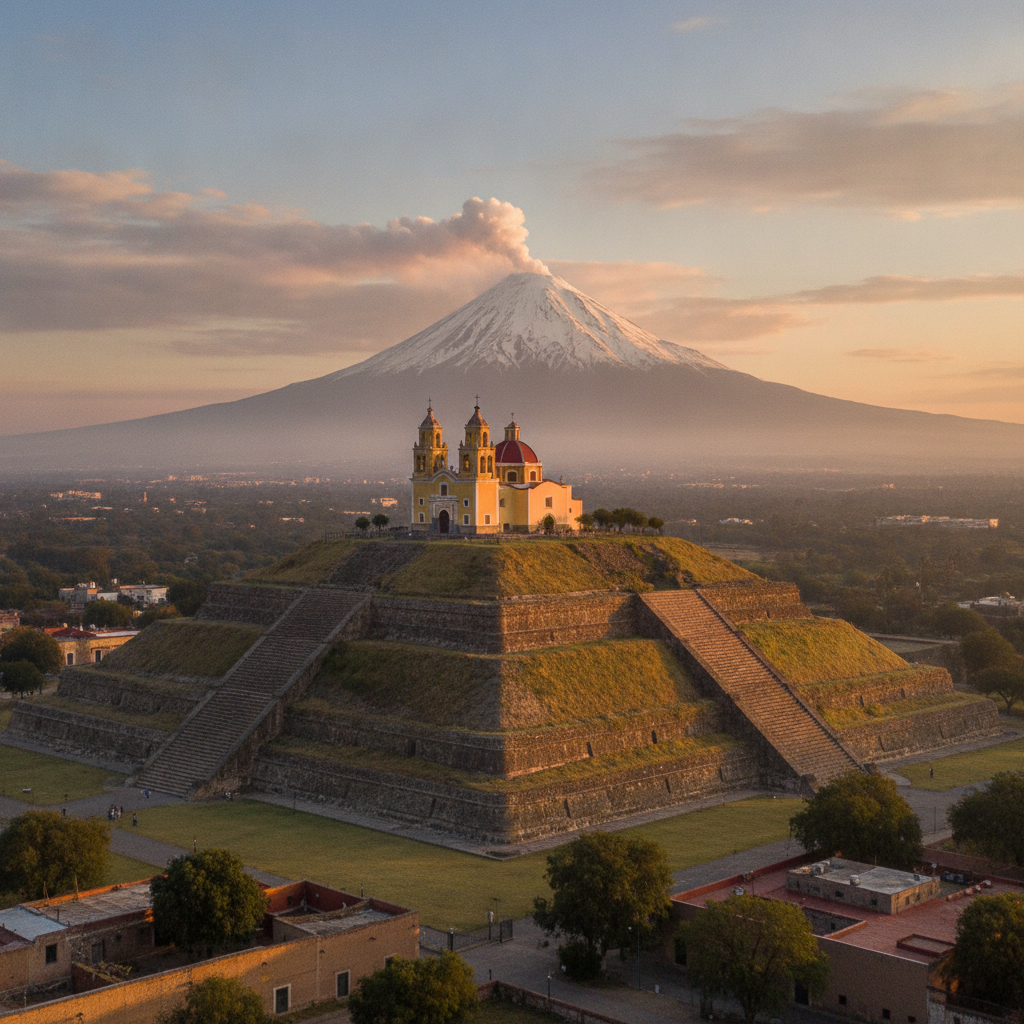
San Andres Cholula, the municipality surrounding the Great Pyramid of Cholula 12 kilometres west of Puebla, has developed since the 2000s into the primary nightlife and university social district of the greater Puebla metropolitan area, driven by the concentration of the Universidad de las Americas Puebla campus and its student population, the rooftop bar and restaurant market that exploits the view of the pyramid church and Popocatepetl, and the lower real estate costs that allowed the bar and restaurant economy to develop at a scale impossible in the Puebla historic center. The rooftop bar circuit of San Andres Cholula zocalo, with establishments on the colonial buildings facing the pyramid hill, offers what is arguably the most visually dramatic bar setting in Mexico: the church on the pyramid summit at eye level or above, the smoking cone of Popocatepetl visible to the south, and the colonial plaza below creating the foreground for the landscape composition. The craft beer market of Cholula, with several taprooms and craft beer bars operating in the converted colonial and modern buildings of the zocalo area, reflects the broader Mexican craft beer movement that has reached the university city markets of mid-sized Mexican metropolitan areas. The weekend night life circuit of Cholula, with the restaurants and bars on the zocalo and the adjacent streets operating until 3 or 4 am, draws the young Poblano and Cholulteca population from both the historic center of Puebla and the suburban residential areas of the metropolitan zone. The Wednesday student party night, a tradition at the UDLAP campus that spills into the surrounding restaurant and bar economy, is the mid-week social occasion that the student-oriented economy of Cholula has adapted to the university schedule.
- 4
BUAP University and Puebla Student Culture
The Benemerita Universidad Autonoma de Puebla, founded in 1587 as the Real y Pontificia Universidad and elevated to university status as the oldest continuously operating university in Mexico, enrolls approximately 90,000 students across its faculties in Puebla city and makes Puebla one of the most significant university cities in Mexico, with the student population generating the cultural, social, and economic activity of the neighborhoods surrounding the university campus in the historic center. The BUAP campus, distributed across the colonial center with the rectorate in the former Jesuit college, the humanities faculties in converted convent buildings, and the science faculties in modern constructions at the campus edge, creates a physical integration of the university with the historic center that the tourist economy and the academic community share. The student culture of Puebla, expressed in the cafe circuit of the 4 Norte and 6 Norte streets, the political mural tradition of the BUAP campus walls, and the alternative cinema and theater venues that the student organizations maintain, provides the intellectual energy that counterbalances the heritage tourism economy of the historic center. The Universidad Iberoamericana campus in the Cholula area, the Jesuit university serving the higher-income student market, complements the BUAP student culture with a more design and entrepreneurship-oriented creative economy that is developing in the Cholula startup ecosystem. The annual Puebla Design Week, organized by the design faculties of the Puebla universities and the creative community of the Barrio del Artista, is the emerging cultural event that positions Puebla as a design capital in the Mexican creative economy.
- 5
Puebla Craft Beer Mezcal and the New Bar Scene
The craft beer movement in Puebla, following the pattern of Mexican craft beer development that began in the northern border cities and has spread through the major university markets of the interior, has produced a taproom and craft bar ecosystem in the historic center and the Cholula area that offers the alternative to the commercial beer culture that the Puebla tourist economy otherwise delivers. The Poblano craft beer producers, including Distrito Federal and the Cholula-area breweries, use the water resources of the Puebla plateau and the local agricultural ingredients including local malt varieties and the endemic herbs of the Puebla sierra to produce beers with regional character that the craft market values as differentiation from the national brands. The mezcal bar culture of Puebla, less developed than in Oaxaca or Mexico City but growing in the historic center and the Cholula areas, reflects the national mezcal market expansion that has brought Guanajuato, Guerrero, Durango, and Puebla state denominations into the premium mezcal conversation alongside the established Oaxacan and Jalisco producers. The bar circuit of 4 and 6 Norte streets in the Puebla historic center, where the cafes transition to mezcal bars and craft cocktail venues in the evening, provides the social infrastructure of the young creative professional population that is establishing itself in the renovated colonial houses of the streets between the Zocalo and the Barrio del Artista. The traditional Cantina La Poblana, the Cantina Guadalupe, and the other traditional cantina establishments that have operated since the Porfiriato serve the contrasting market of working-class Poblano men who drink in the established Mexican cantina format of table service, botanas, and the conversation culture that the Mexican cantina tradition has maintained since the colonial period pulqueria.
- 6
Puebla Photography and Instagram Spots Beyond the Zocalo
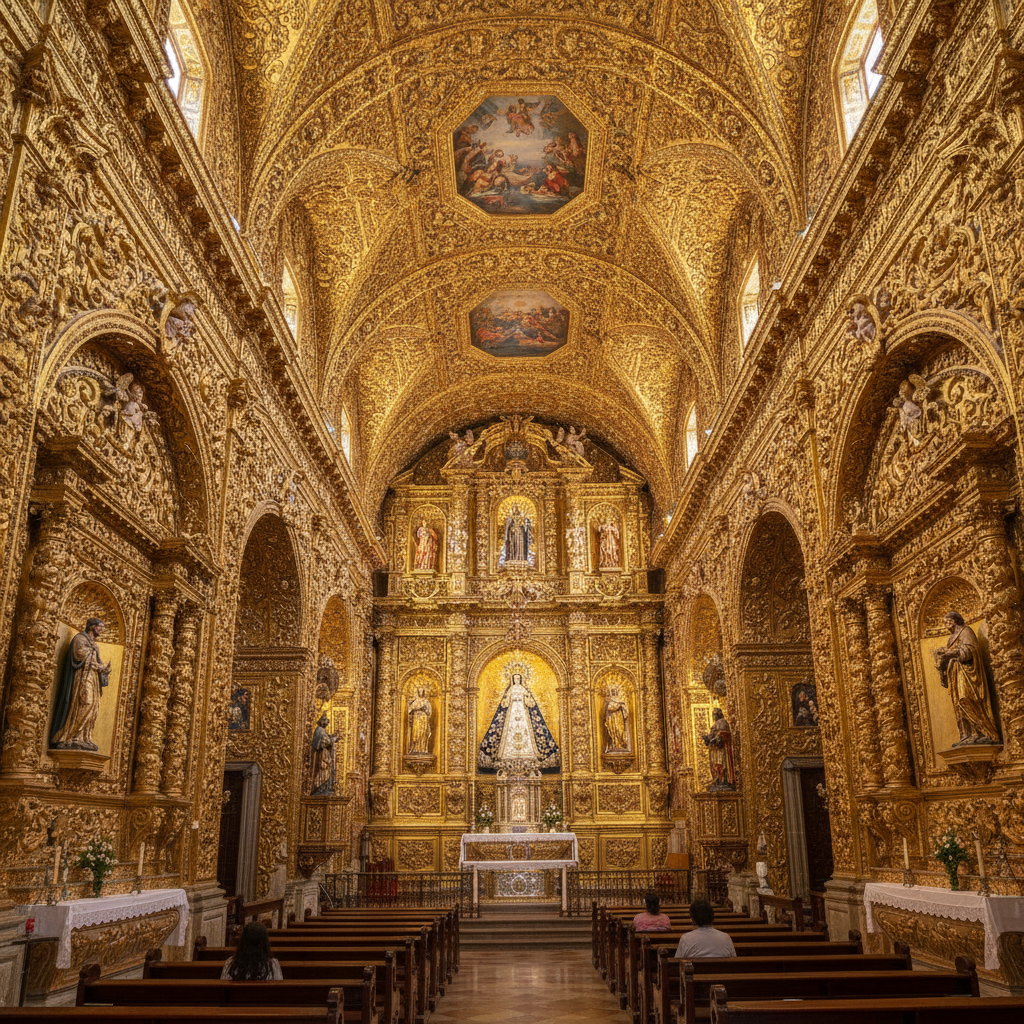
The photographic wealth of Puebla extends far beyond the cathedral and Zocalo compositions that appear in every tourism image, with the Barrio del Artista studios, the Xanenetla murals, the interior of the Capilla del Rosario, the Talavera facade buildings of the historic center streets, and the hilltop view of the Cholula pyramid church against Popocatepetl providing the more ambitious photographer with a full week of composition opportunities. The Capilla del Rosario interior is one of the most challenging and rewarding architectural photography subjects in Mexico, with the extreme contrast between the gilded vault and the darker side walls requiring the HDR or bracketed exposure approach that the smartphone camera automates but the DSLR requires manual management. The Talavera facade buildings of the Calle 6 Oriente and the adjacent streets in the historic center, including the Casa de los Munecos whose human figure tile satirizes the colonial city council, provide the opportunity for the medium-format architectural composition that the colonial street scale enables when the early morning light catches the east-facing walls before the street fills with pedestrian traffic. The Cholula rooftop bar view of the pyramid church and Popocatepetl is the iconic photograph of the Puebla region and requires either a bar terrace booking or a separate rooftop photography excursion to achieve the full landscape composition with both church and volcano in frame. The evening illumination of the Puebla Zocalo, when the cathedral facade is lit and the plaza trees create the chiaroscuro of lamp shadows, provides the nighttime heritage composition that is widely reproduced on social media but rarely credited to its Puebla origin rather than the generic Mexican colonial city category that the algorithm applies.
Walk this route with audio
Stories play automatically as you reach each stop — no tapping needed.
More in Puebla
Puebla Cathedral Capilla del Rosario Talavera Tiles Mole Poblano Cholula Pyramid and the City That Was Founded by Angels and Destroyed by the Volcano That Still Watches Over It
Puebla Pre-Hispanic Heritage Tlaxcala the Huejotzingo Codex Cholula as the Sacred City of Quetzalcoatl and the Indigenous Alliance That Made the Spanish Conquest of the Aztec Empire Possible
Puebla Day Trips Cuetzalan Cloud Forest Izucar de Matamoros Matamoros Tlaxiaco and the Sierra Norte de Puebla Where Indigenous Communities Maintain a Living Culture in Mexico's Most Biodiverse Mountain Range
Puebla Practical Guide Transport Safety Climate Neighborhoods Hotels and How to Eat and Move Through a UNESCO Colonial City That Is Also a Metropolitan Area of Three Million People With Heavy Traffic
Puebla Convents Churches and the Religious Architecture of a City Built by Angels Where 72 Colonial Churches Represent the Most Complete Ecclesiastical Cityscape in Mexico