Cape Verdean Music: Morna, Funaná & Cesária Évora's Legacy
Cape Verde produces music of extraordinary beauty and influence — morna's melancholic saudade, funaná's accordion-driven dance rhythm, and the global legacy of Cesária Évora define island culture
- 1
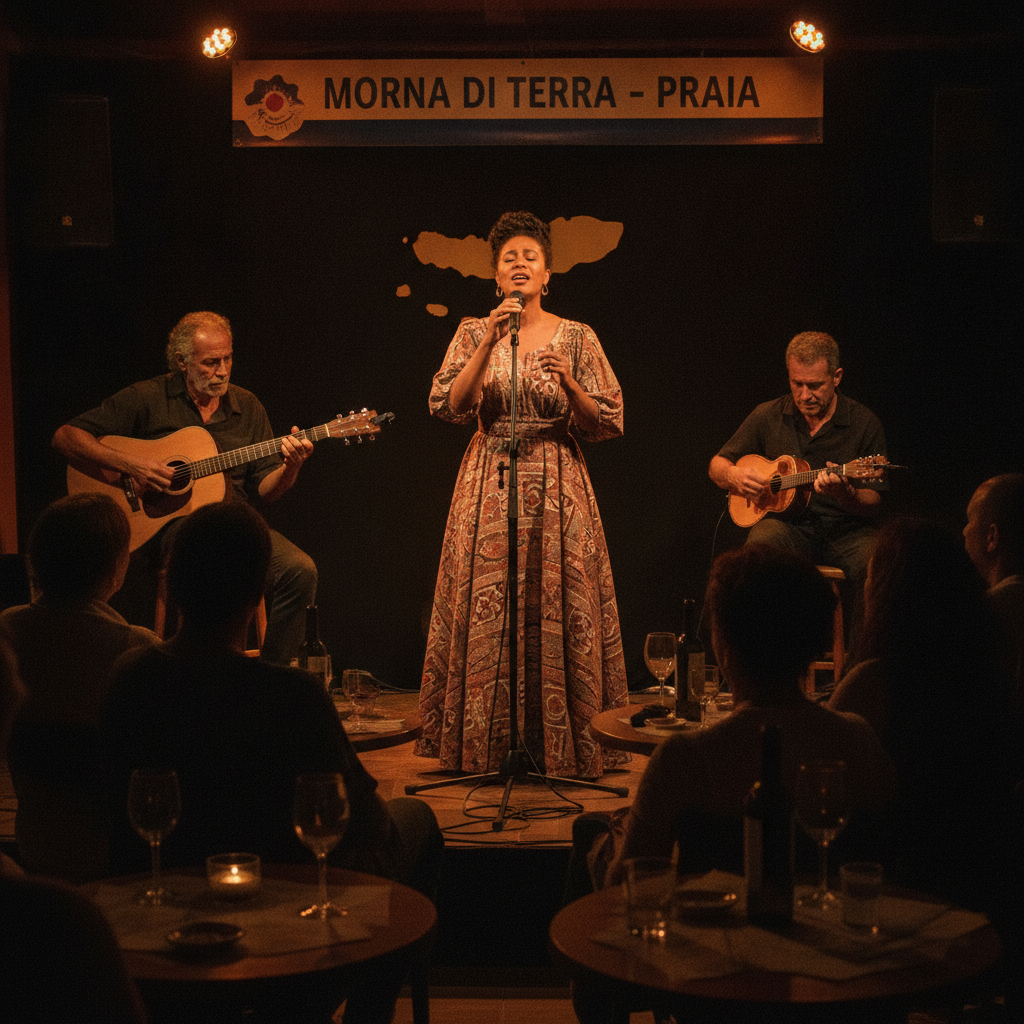
Morna Performance Evening
Morna — the musical genre of longing that made Cesária Évora famous — is performed in Praia's music venues; the modal melodies and Portuguese-Crioulo lyrics carry the weight of the diaspora
- 2
Cesária Évora Memorial
The "Barefoot Diva" from Mindelo became Cape Verde's biggest cultural ambassador – her statue and museum in São Vicente is a place of pilgrimage, but her music fills every bar in Praia
- 3
Funaná dance clubs
Funaná — the forbidden accordion music of Santiago's interior that was suppressed by the Portuguese as "African" — is now hailed as Cape Verdean identity; its rhythm is irresistible
- 4
Batuque Percussion Tradition
The batuken — a percussion circle with African roots performed only by women — predates Cape Verde's Portuguese colonization; it is danced at folk festivals in Santiago
- 5
Praia Live Music Scene
The bars around the plateau and in the Várzea district offer live music on the weekends — morna, funaná and the Cape Verdean pop known as cabo love fill the island nights
- 6
Cape Verdean Diaspora Music
The Cape Verdean diaspora in Lisbon, Rotterdam and Boston has created a global music scene — artists return to Praia for concerts that attract the wider Atlantic Crioulo community
Walk this route with audio
Stories play automatically as you reach each stop — no tapping needed.
More in Praia
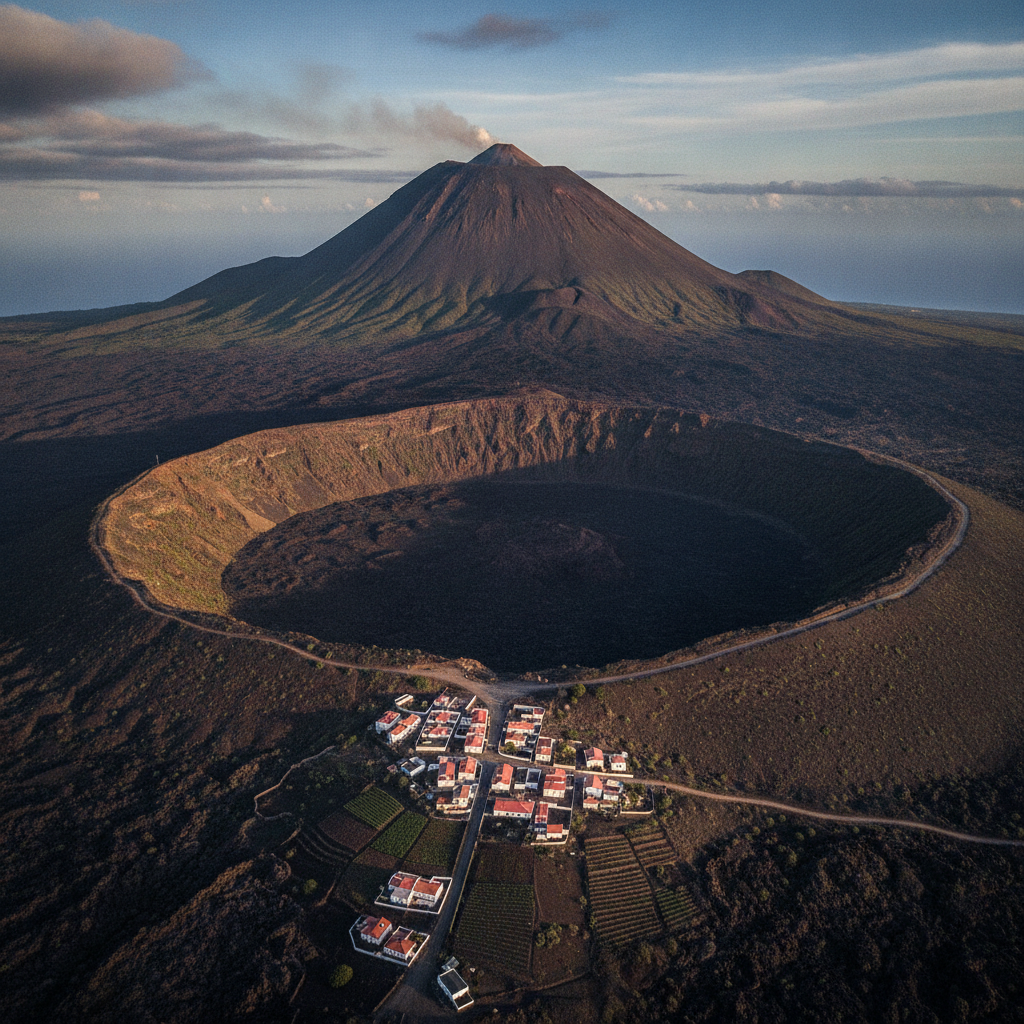
Fogo Island: Hiking Africa's Most Active Atlantic Volcano
Santo Antão: Cape Verde's Most Dramatic Hiking Island
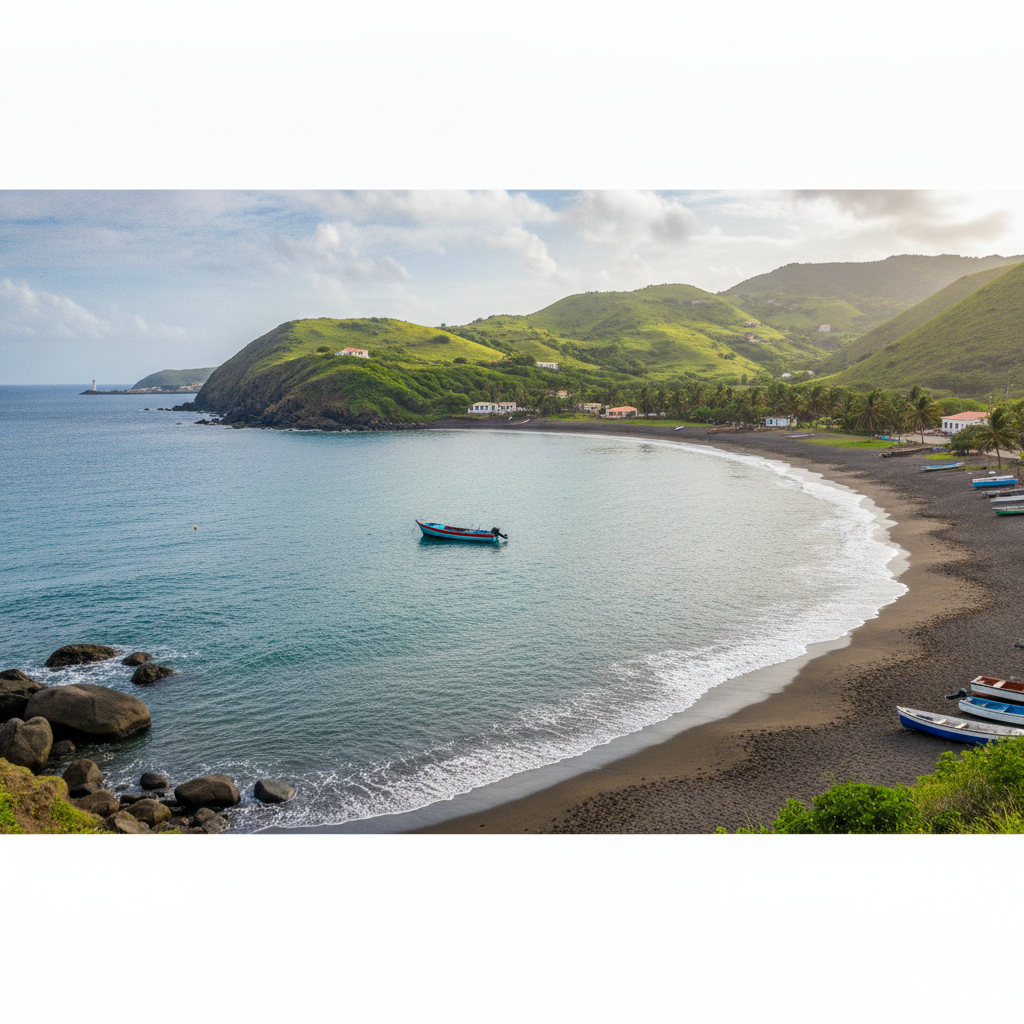
Santiago Island Beaches: Tarrafal, Black Sand & Cape Verdean Coast

Cape Verde's Global Diaspora: Saudade, Return & Crioulo Identity
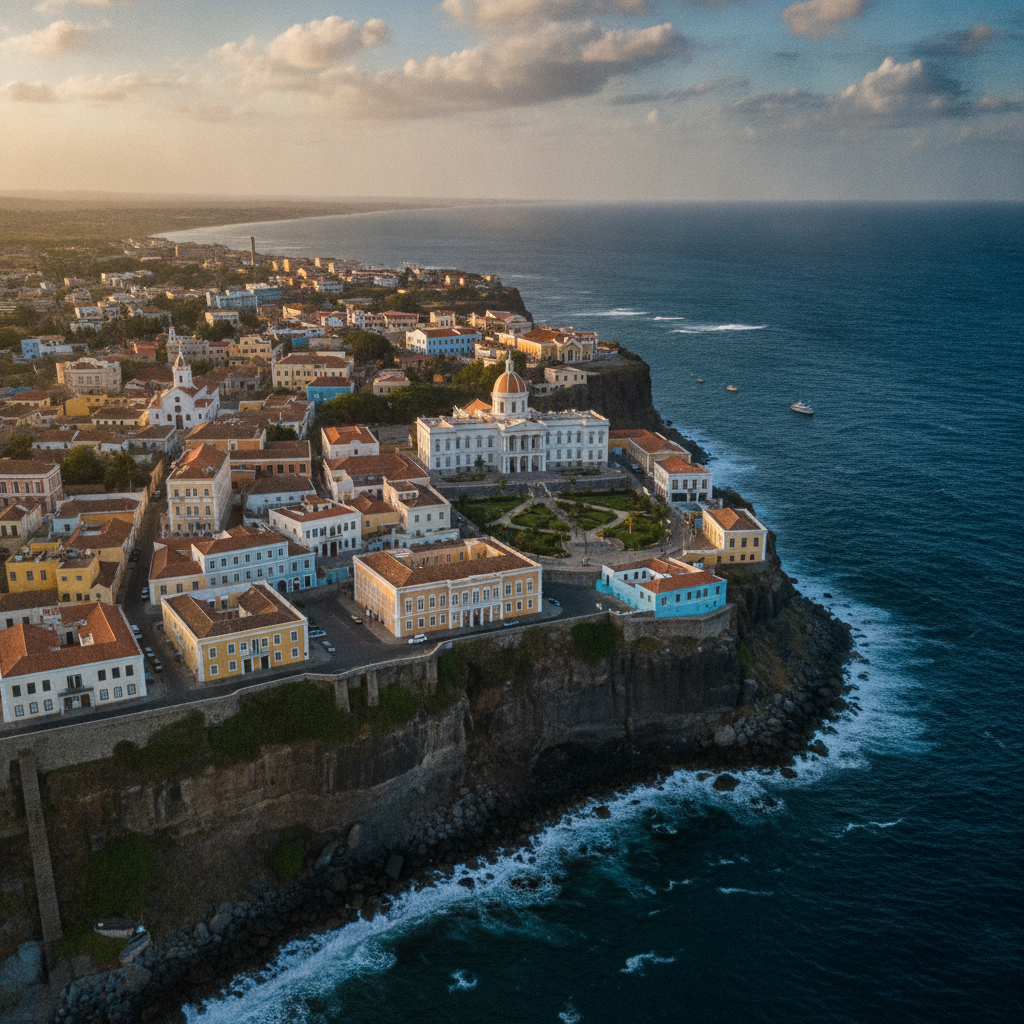
The Plateau & Praia's Colonial Heritage