Stone Saints & Hidden Gardens: Charles Bridge & Malá Strana
Cross the most beautiful bridge in Central Europe and descend into the quiet neighborhood of Malá Strana—the 'Lesser Town' of winding cobblestone streets, Baroque palaces, hidden gardens, and the Lennon Wall, where a Cold War act of defiance became a monument to peace. This walk connects two iconic landmarks with a neighborhood that rewards slow exploration.
- 1
Charles Bridge — Old Town Tower
The Gothic bridge tower on the Old Town side is considered one of the finest civil Gothic structures in the world, built around 1380. Climb its 138 steps for an elevated view of the bridge and river before setting foot on the crossing itself. The tower's carved stone decorations—royal emblems, patron saints, and heraldic devices—tell the story of the Luxemburg dynasty that built both the bridge and the tower. The view from the top at sunrise, when the city is still quiet and golden light catches the bridge statues, is one of Prague's defining experiences.
- 2
Charles Bridge
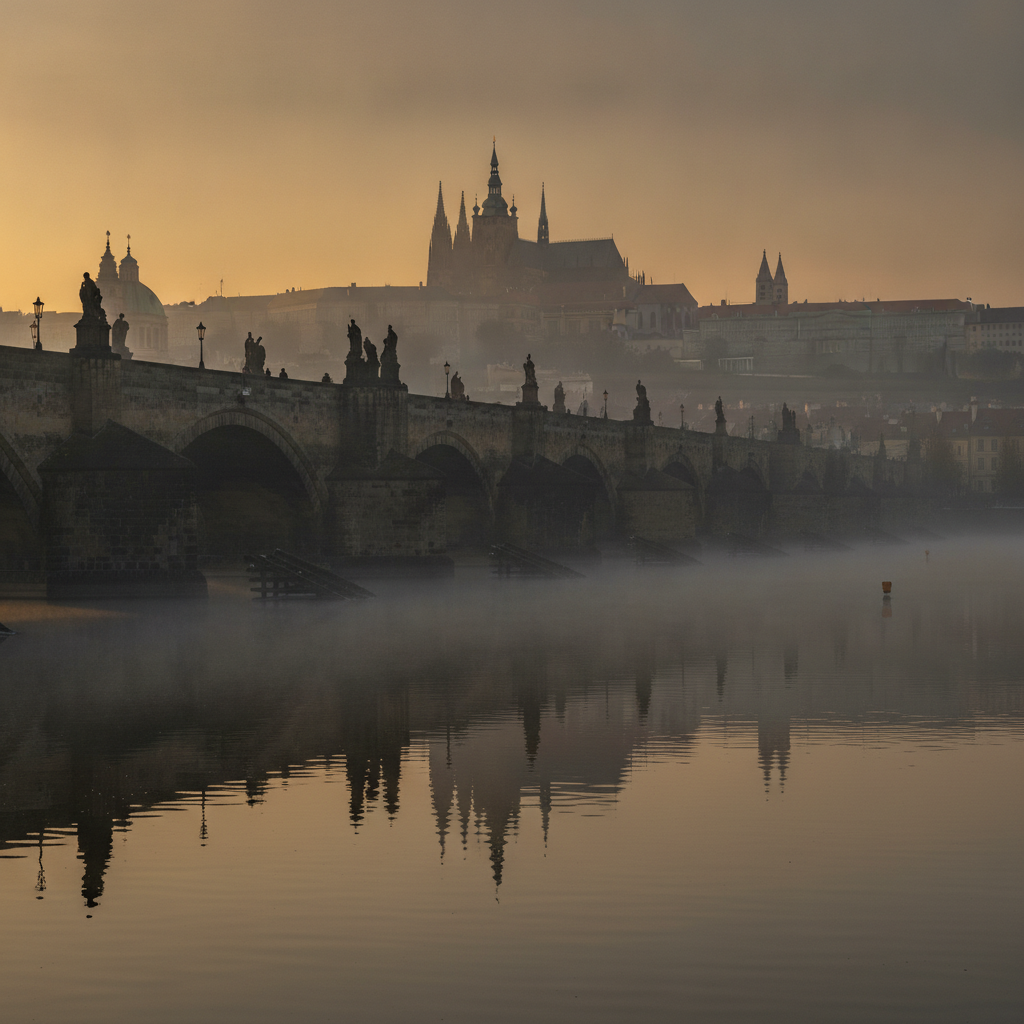
Built between 1357 and 1402 on the orders of Emperor Charles IV, the 516-meter-long bridge spans the Vltava on 16 arches and is lined with 30 Baroque statues added between 1683 and 1714—making it an open-air gallery of Central European religious sculpture. The most venerated statue is St. John of Nepomuk (5th on the right from the Old Town), where pilgrims rub a bronze plaque said to bring good luck. Early morning—before the tourist crowds arrive—is the ideal time to walk the bridge, when only local cyclists and joggers share the crossing with the stone saints and the sound of the river far below.
- 3
Malá Strana Bridge Tower
The Malá Strana end of the bridge is guarded by two towers of very different character: the shorter Romanesque tower from the 12th century and the taller Gothic tower built to match its Old Town counterpart in 1464. Together they frame a gateway through which kings, armies, and travelers have passed for 600 years. From this point, the Royal Route continued uphill through Malá Strana toward Prague Castle—the same processional path still followed today. The towers now house a small exhibition and another excellent viewpoint.
- 4
Malostranské Náměstí
The two-part square at the heart of Malá Strana—the 'Lesser Town Square'—is dominated by the enormous green Baroque dome of St. Nicholas Church, one of the finest Baroque churches in Central Europe. The church's interior, with its ceiling fresco of the Life of St. Nicholas by Jan Lukas Kracker (at 1,500 square meters, one of the largest ceiling paintings in Europe), its gilded altars, and the marble pulpit, represents the highest expression of High Baroque excess. The square surrounding it mixes Baroque palaces with Art Nouveau cafés and is the social heart of the neighborhood.
- 5
Kampa Island
Separated from Malá Strana by the Čertovka millstream—nicknamed the 'Prague Venice'—Kampa Island is one of the most peaceful spots in the city center. The Čertovka powered mills for centuries; the old millstones can still be seen at the water's edge. The northern end of the island has a small museum of modern Central European art in a converted mill, while the southern parkland opens onto sweeping views of the Vltava. The island's quiet lanes, lined with pastel houses, are among the few places in the tourist center where you can walk in genuine tranquility even in high summer.
- 6
Lennon Wall
After John Lennon's murder in 1980, young Czechs began painting his face and lyrics from Beatles songs on a wall in a private courtyard in Malá Strana. The Communist government repeatedly painted over the wall; the images reappeared every time. By the mid-1980s the Lennon Wall had become a symbol of resistance, and the government eventually gave up trying to suppress it. Since 1989 the wall has been repainted by visitors from around the world into a continuously evolving mosaic of peace messages, portraits, and song lyrics. It is never the same twice—repainted in layers after every major world event, it functions as both memorial and living manifesto.
Walk this route with audio
Stories play automatically as you reach each stop — no tapping needed.
More in prague
The High Ground: Letná Park, Holešovice & Prague's Creative Quarter
Memory & Stone: Prague's Jewish Quarter (Josefov)
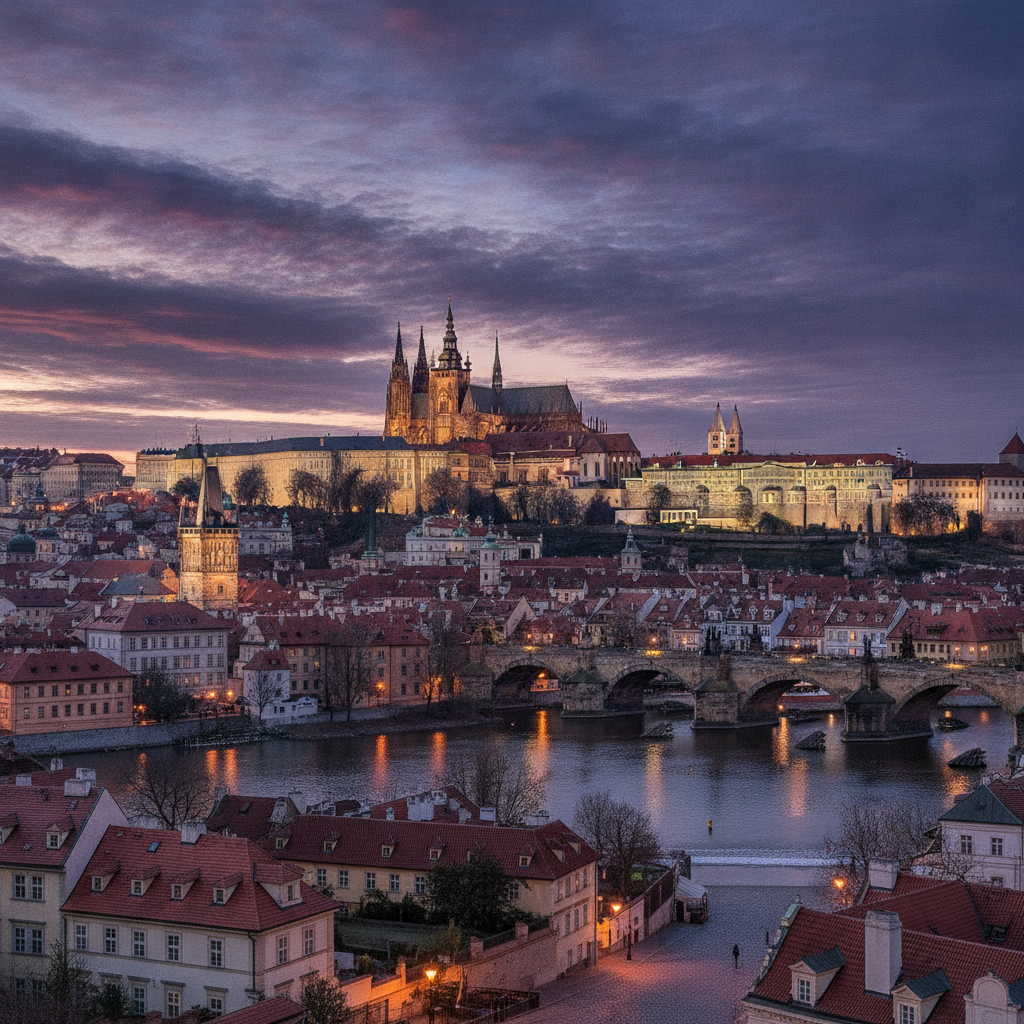
Bohemian Crown: Prague Castle & Hradčany
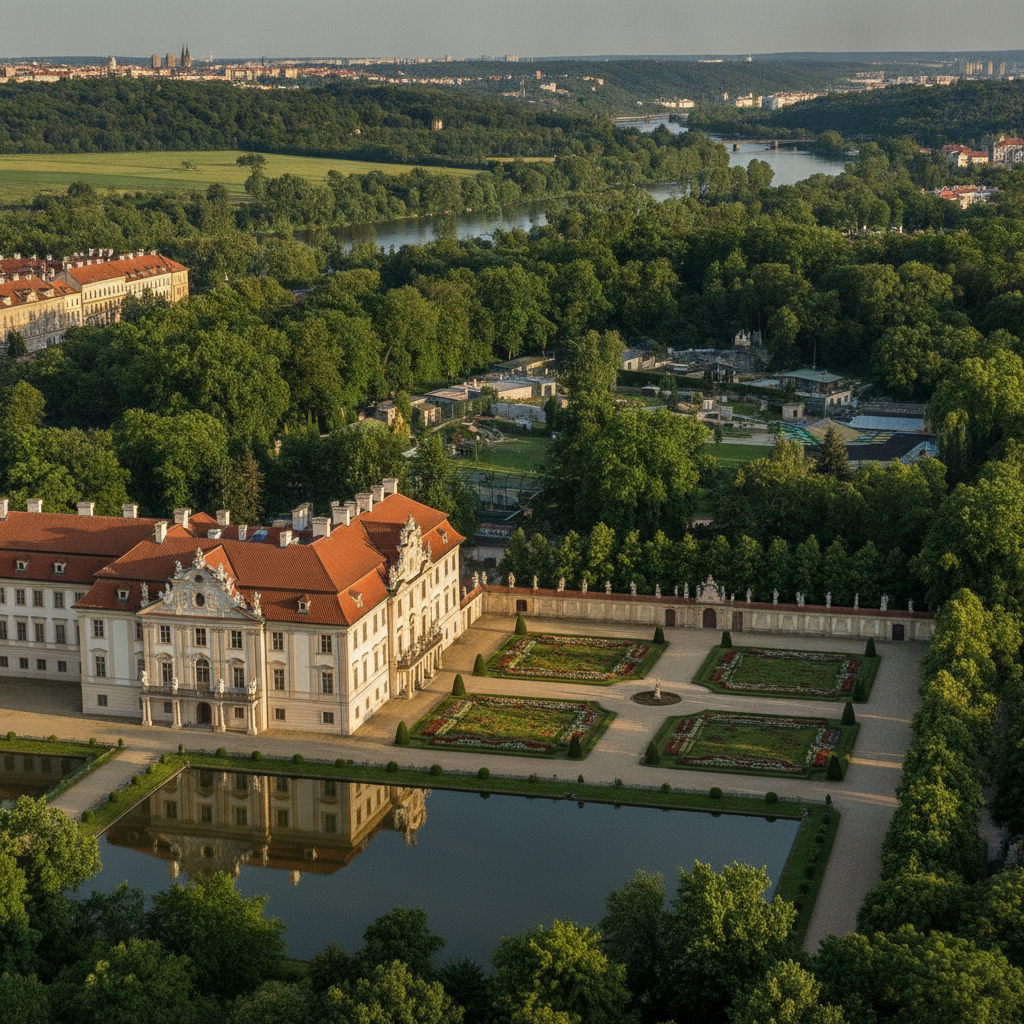
River & Gardens: Troja Chateau, Prague Zoo & the Wild North
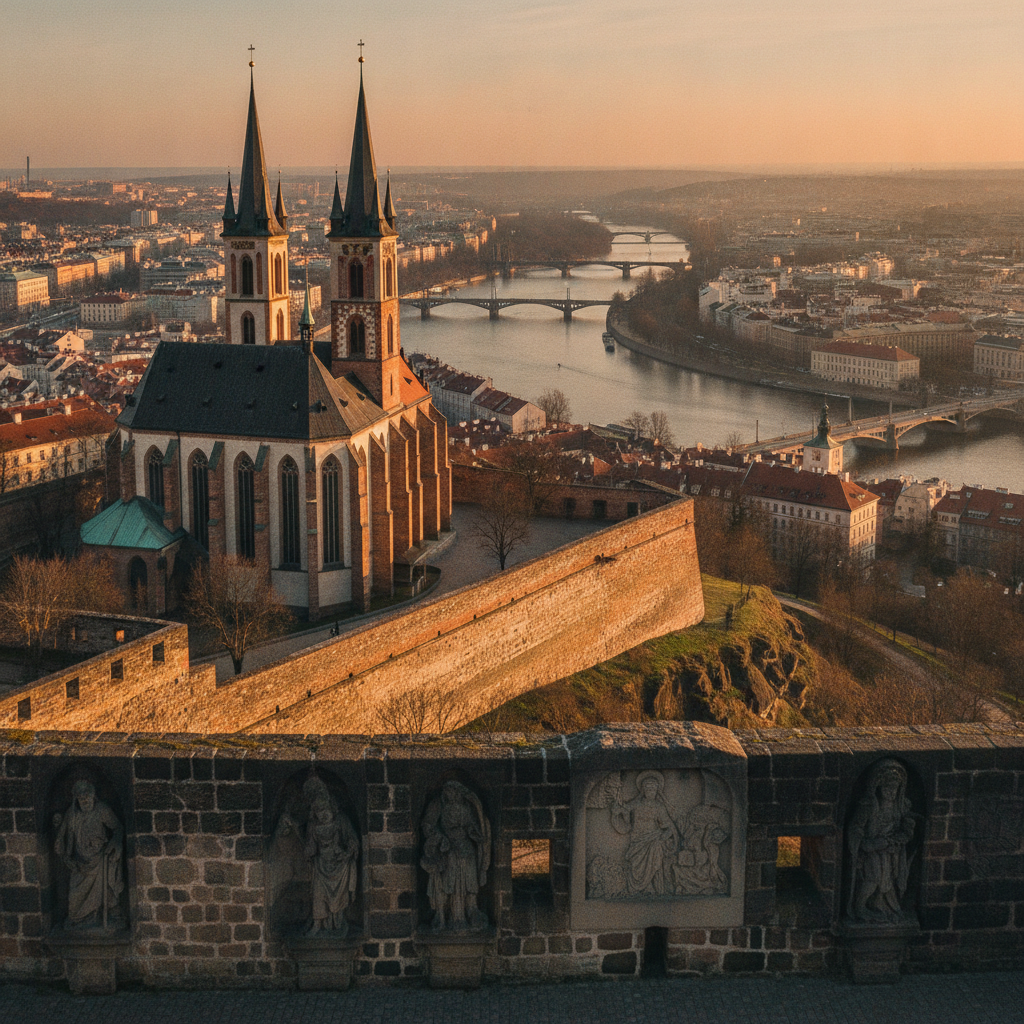
Legend & Sky: Vyšehrad Fortress & the Czech Pantheon