Festa de São João, Portuguese Sardines & Porto's Street Festivals
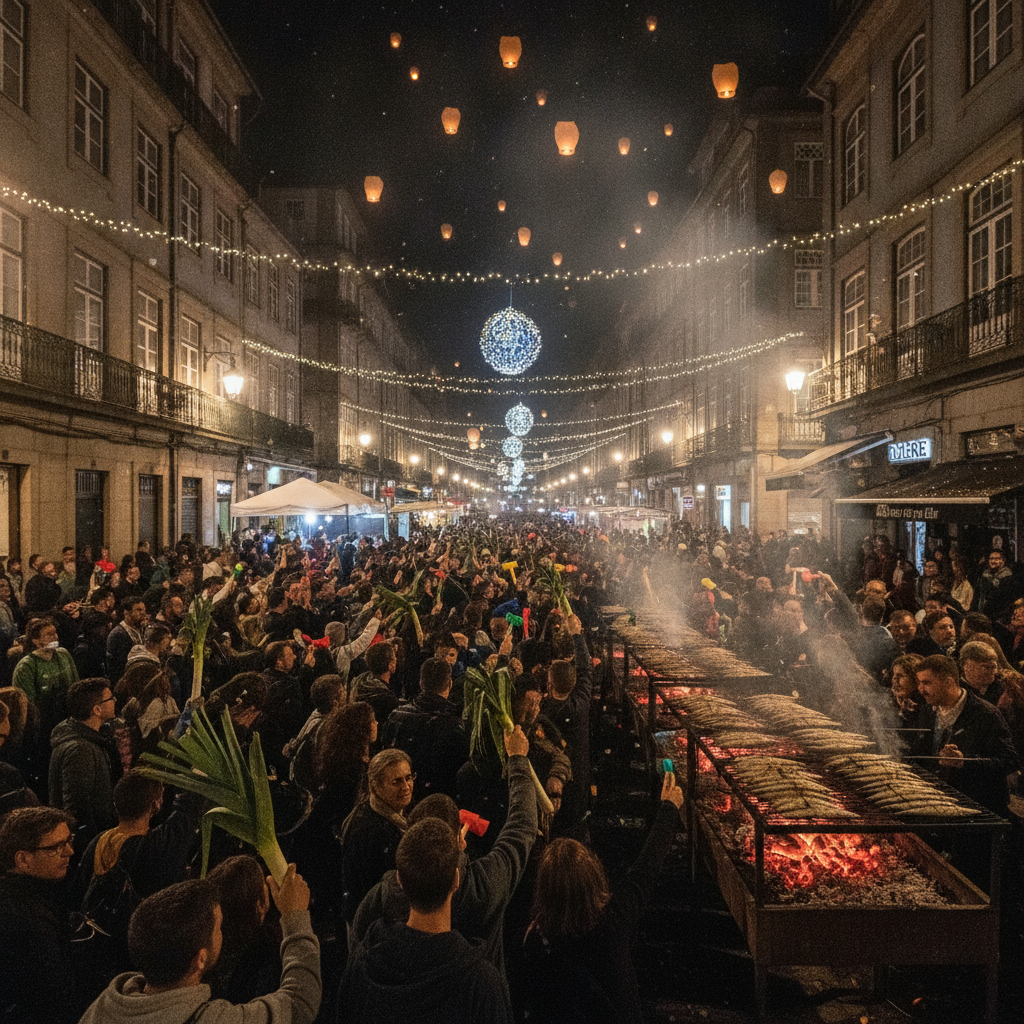
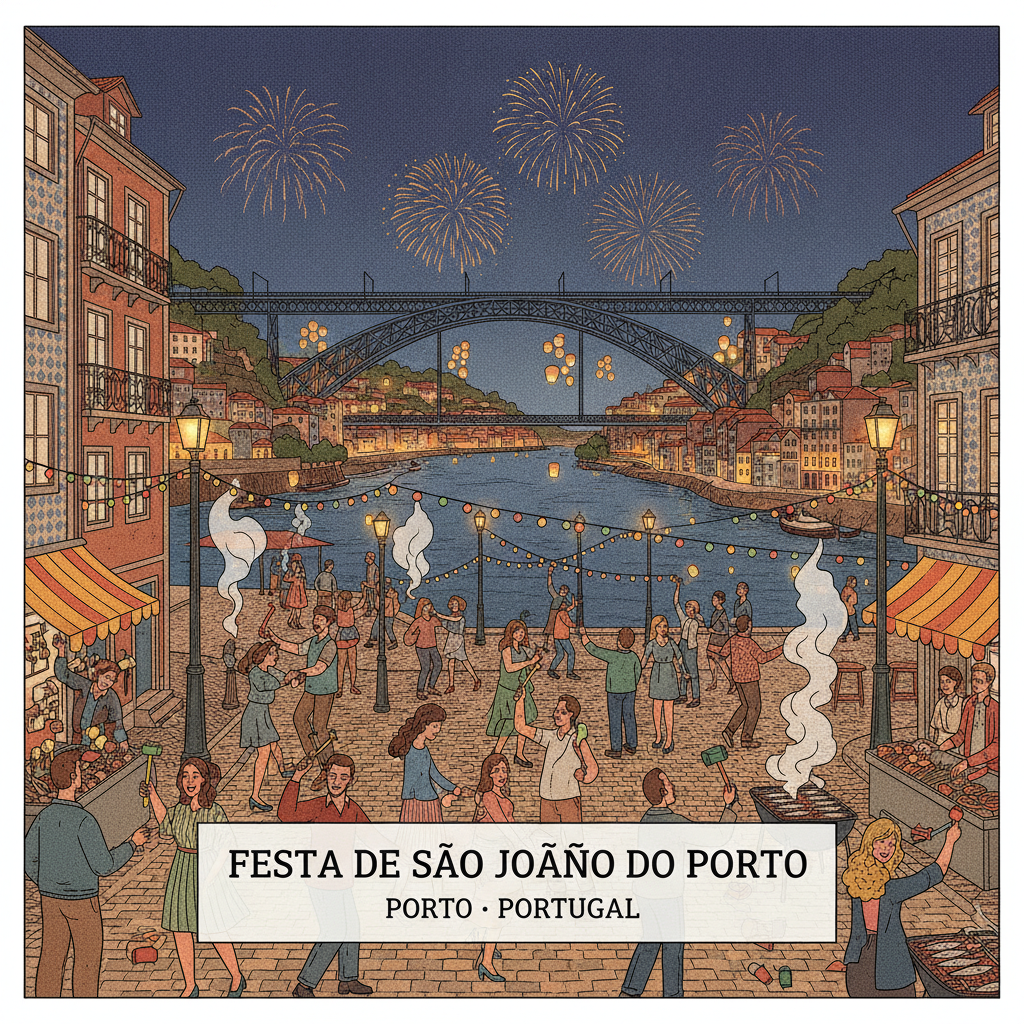
The Festa de São João do Porto (the 'Festival of Saint John of Porto' — held on the night of June 23, the eve of the feast day of Saint John the Baptist, the patron saint of the city of Porto): the festival where the entire city of Porto takes to the streets for the night, the festival of the plastic hammers ('martelos'), the grilled sardines, the paper sky lanterns, and the midnight fireworks over the Douro — is the most exuberant and the most beloved street festival in Portugal.
1. The Night of São João — Porto's Most Exuberant Festival
- 1
The Night of São João — Porto's Most Exuberant Festival
The Festa de São João do Porto (the 'Festival of Saint John the Baptist in Porto' — the annual street festival on the night of June 23 in Porto): the festival (the night of June 23 when the entire city of Porto is in the streets — the most exuberant and the most participatory street festival in Portugal, the festival that is unique to Porto (the festivals of São João in other Portuguese cities are much more restrained) and that is the expression of Porto's distinct urban identity and civic pride): the traditions (the traditions of the Porto São João — the 'martelos de borracha' (the plastic hammers — the green, yellow, red, and blue plastic hammers that are the most distinctive element of the Porto São João, sold on every street corner from late May until the festival, used by the revellers to tap each other on the head as a playful greeting — the plastic hammer a 20th-century replacement for the earlier tradition of tapping with the 'alho-porro' (the leek)), the grilled sardines (the 'sardinhas assadas' — the whole charcoal-grilled sardines that are the essential food of the São João night, grilled on the street barbecues ('assadores') set up in the streets of Porto from the evening of June 23), the paper sky lanterns ('balões de São João' — the paper hot-air lanterns released into the night sky from the Ponte Dom Luís I and the hills of Porto at midnight), and the midnight fireworks (the fireworks display over the Douro River that marks the midnight of São João): the location (the São João festival concentrated in the historic centre of Porto (the Ribeira, the Bonfim, the Cedofeita) but encompassing the entire city — the streets blocked to traffic from midnight, the Porto residents and the visitors filling every public space in the city).
- 2
Porto Cuisine — Tripas à Moda do Porto
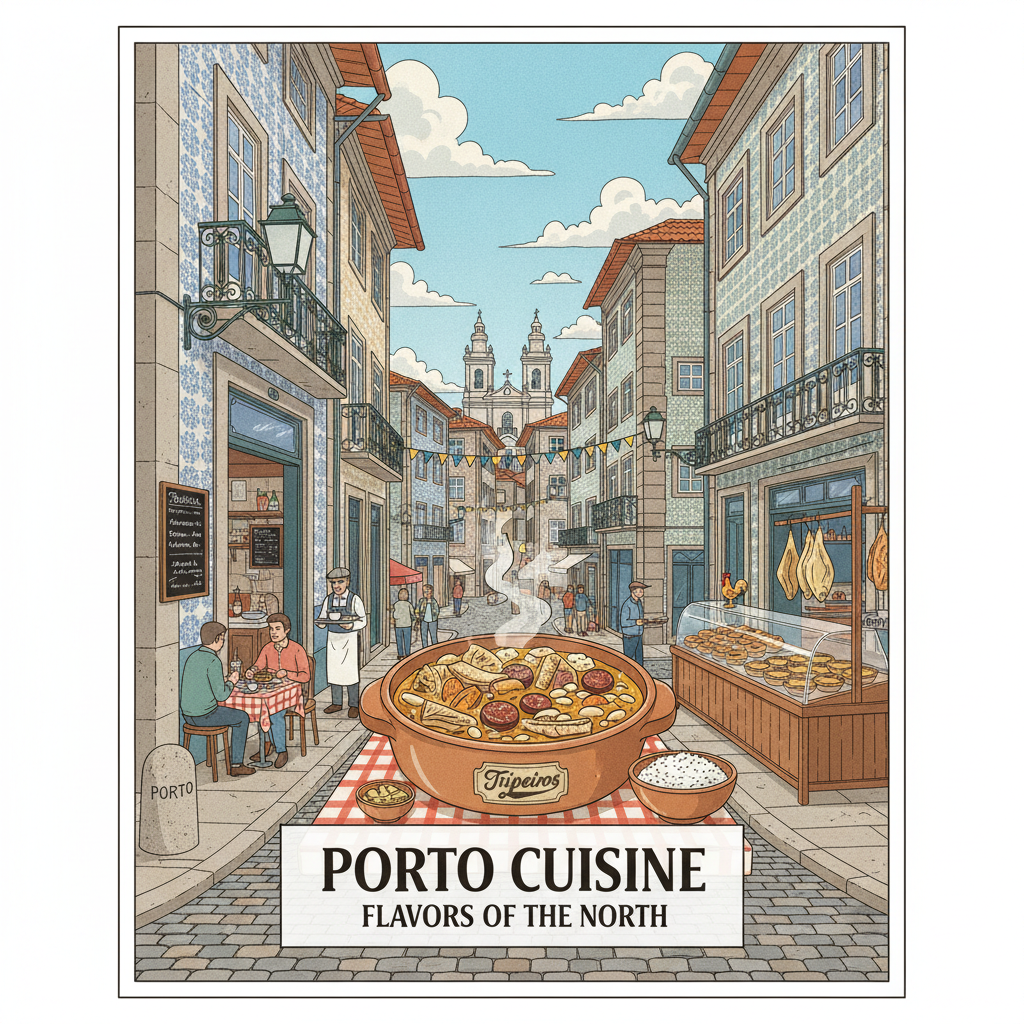
Porto cuisine (the food culture of a city whose residents are known as 'tripeiros' — the 'tripe eaters', the nickname earned in the most celebrated origin story in Porto culinary history: the legend that in 1415, when the Portuguese fleet assembled in Porto for the expedition to conquer Ceuta (the first major Portuguese overseas expansion), the Porto residents donated all the best cuts of meat to provision the fleet and kept only the tripe for themselves — the story that is apocryphal but that has given the Porto residents both the nickname 'tripeiros' and the most famous dish in Porto culinary tradition): 'Tripas à moda do Porto' (the 'Porto-style tripe' — the most iconic dish of Porto cuisine, the slow-braised tripe (the beef stomach, cleaned and cut into strips) cooked in the 'caldeirada' style with the white beans, the 'presunto' (the cured ham), the 'chouriço' (the smoked pork sausage), the 'morcela' (the blood sausage), the carrots, and the herbs in the veal broth, served over the boiled rice): the bacalhau (the 'bacalhau' — the salt cod that is the 'faithful friend' ('fiel amigo') of the Portuguese table, the essential ingredient of hundreds of Portuguese recipes (the Portuguese claim to have 365 salt cod recipes, one for each day of the year) and the product that defined the Portuguese economy and the Portuguese diet from the 15th century (when the Portuguese fishermen first exploited the cod-rich waters of the Grand Banks of Newfoundland) to the present): the pastel de nata (the 'custard tart' — the most famous Portuguese pastry, invented at the Jerónimos Monastery in Belém (Lisbon) in the early 19th century and sold throughout Porto in the city's bakeries, the 'pastelarias' (the pastry cafés that are the essential social institution of the Portuguese city), and the tourist shops.
- 3
Clerigos Tower & Porto's Historic Skyline
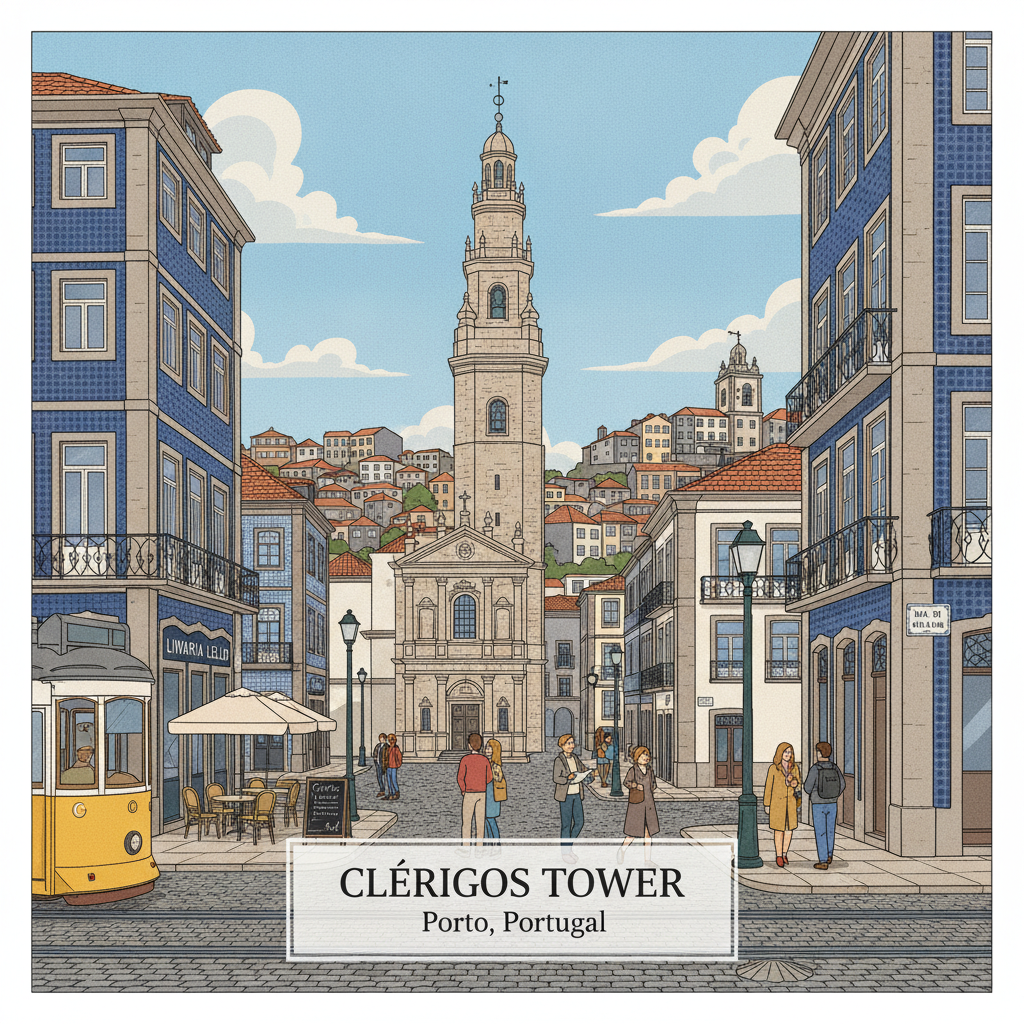
The Torre dos Clérigos (the 'Clerigos Tower' — the baroque bell tower of the Igreja dos Clérigos (the 'Clergy Church'), built 1754-1763 by the Italian architect Niccolò Nasoni (1691-1773), the most distinctive element of the Porto historic skyline): the tower (the Torre dos Clérigos — the 76-metre (249-foot) tall granite tower, the tallest tower in Portugal at the time of its construction and still the most distinctive skyscraper of the Porto historic skyline: the tower that is visible from virtually every viewpoint in Porto and that serves as the navigational landmark for finding one's way in the historic centre): the view (the view from the top of the Torre dos Clérigos — the 200-step climb to the top of the tower, rewarded by the 360° panoramic view of the Porto historic centre (the Sé, the Dom Luís I Bridge, and the Douro visible to the south; the church towers of the historic centre and the university building visible to the west and north; the Douro valley and the Arrábida Bridge visible to the east)): Niccolò Nasoni (the Italian architect Niccolò Nasoni (1691-1773) — the architect who defined the architectural character of 18th-century Porto, the architect who designed the Torre dos Clérigos, the Hospital de Santo António, the Palácio de Mateus (the most celebrated baroque country house in northern Portugal — the estate whose image was used on the label of the 'Mateus Rosé' wine bottle), and many other major buildings in Porto): the Rua das Carmelitas (the street on which the Torre dos Clérigos and the Livraria Lello are located — the most concentrated architectural heritage street in Porto, with the Torre dos Clérigos, the Carmelitas church (the 17th-century baroque church), the Carmelitas convent, and the Livraria Lello all within 200 metres of each other).
- 4
Bom Jesus & Braga — A Day Trip to Northern Portugal
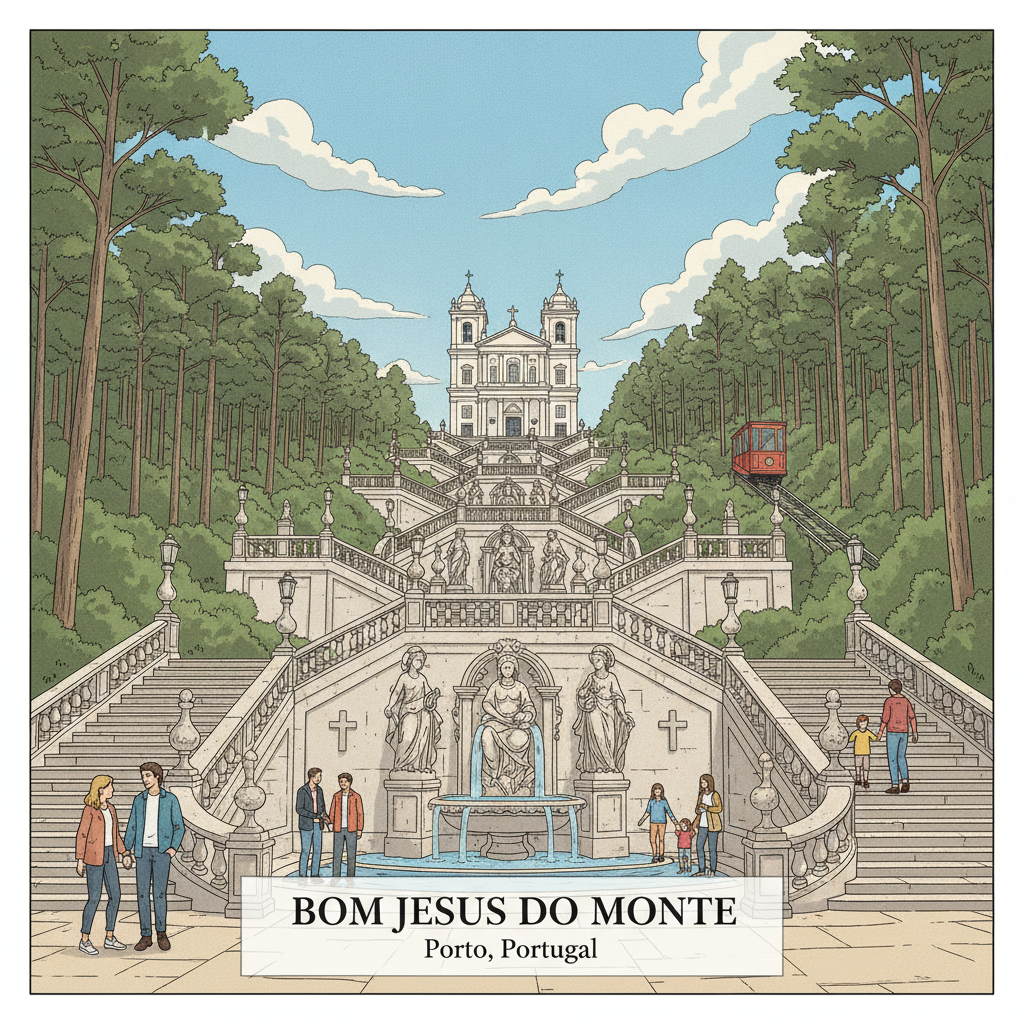
Braga (the city 55 km north of Porto, accessible in 45-50 minutes by the suburban train from Porto Campanhã (the CP intercity service) — the oldest city in Portugal and the 'Rome of Portugal', the city with the most churches per capita of any city in Portugal): the Bom Jesus do Monte (the 'Good Jesus of the Mount' — the baroque sanctuary on the hilltop above Braga, the most important pilgrimage site in northern Portugal and one of the most famous religious monuments in the Iberian Peninsula): the pilgrimage staircase (the 'Escadaria do Bom Jesus' — the baroque staircase of 116 metres (381 feet) ascending to the sanctuary on the hilltop, the staircase composed of 17 flights of stairs with the baroque fountains at each landing depicting the 5 Senses and the 3 Virtues (Faith, Hope, and Charity) and the Via Sacra (the Stations of the Cross) in the zigzag flights between the fountains): the funicular (the 'Elevador do Bom Jesus' — the hydraulic funicular railway built in 1882 (one of the oldest funicular railways in the world still in operation) that ascends the hillside alongside the staircase, the alternative to the pilgrimage stair climb): the Braga old town (the historic centre of Braga — the Arco da Porta Nova (the 18th-century triumphal arch at the entrance to the historic centre), the Sé de Braga (the Braga Cathedral — the oldest cathedral in Portugal, begun in 1070, one of the oldest functioning Christian churches in Europe), and the Palácio dos Arcebispos (the Archbishop's Palace — the former residence of the Archbishops of Braga, the most powerful clerical institution in Portugal from the medieval period to the liberal revolution of 1820)).
- 5
Sintra & the Portuguese Wine Route Day Trips
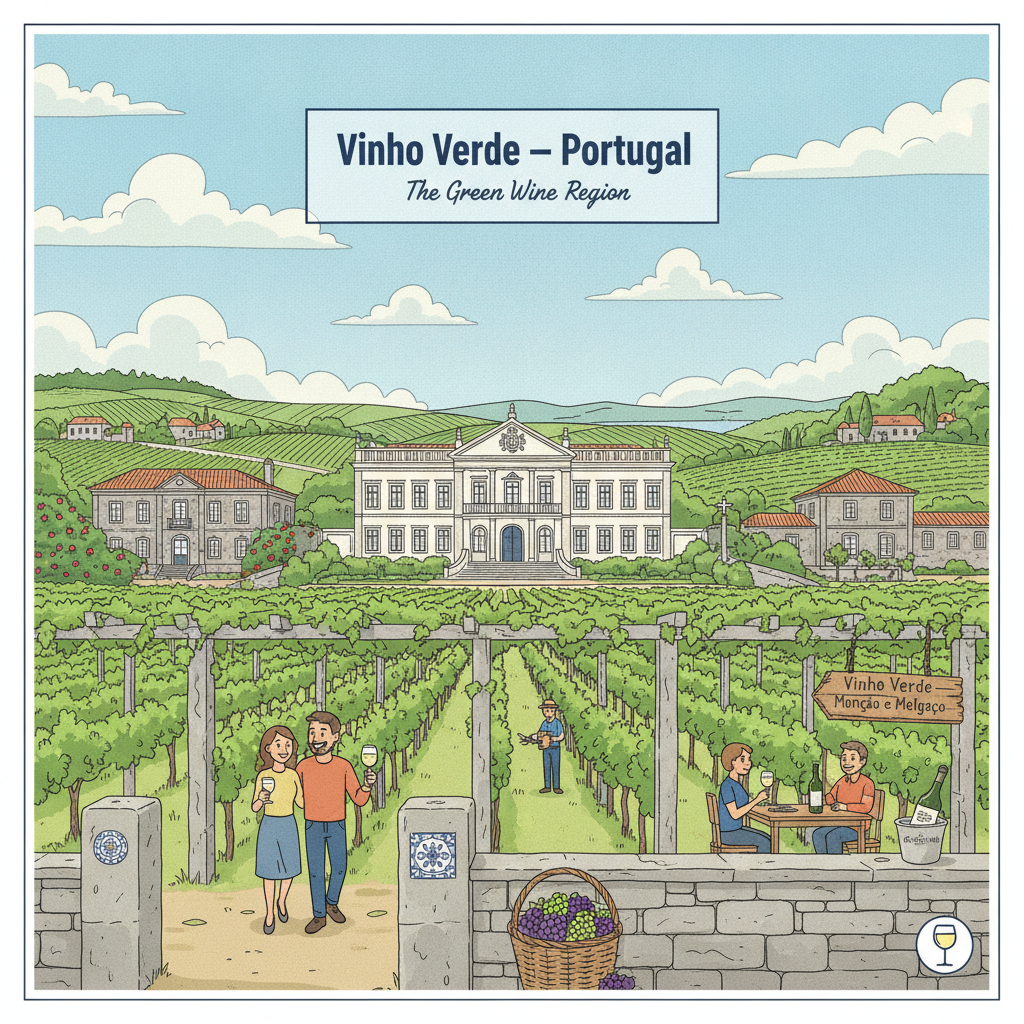
The Vinho Verde region (the 'Green Wine' region — the wine-producing region of the Minho (the northernmost province of Portugal, bordering Spain's Galicia), the region that produces the 'Vinho Verde' (the 'green wine' — the young, slightly effervescent, lower-alcohol white wine that is produced from the Loureiro, Alvarinho, Arinto, and other native grape varieties of the Minho region)): the Vinho Verde character (the 'Vinho Verde' — the wine that is 'green' not in colour (the wine is white, pink, or occasionally red) but in age (the 'verde' meaning 'young' in this context — the wine that is bottled young, within the first year of the vintage, before it loses the fresh fruit character and the natural carbonation ('perlé') that are the defining characteristics of the style)): the Alvarinho (the 'Alvarinho' — the finest of the Vinho Verde grape varieties, grown principally in the sub-region of Monção and Melgaço in the far north of the Minho, producing the fullest-bodied and the most complex of the Vinho Verde wines, the variety that has also been successfully planted in the Rias Baixas region of Galicia (where it is called 'Albariño') and that has become one of the most fashionable white wine varieties in the world): the wine estates (the wine estates of the Vinho Verde region accessible as a day trip from Porto — the Quinta de Aveleda (the Penafiel estate, 30 km east of Porto, the producer of the most internationally distributed Vinho Verde brand), the Quinta de Soalheiro (the Alvarinho producer in Melgaço, 90 km north of Porto), and the Palácio da Brejoeira (the neoclassical palace and estate in Monção, the most prestigious Alvarinho producer).
- 6
Palácio de Cristal Gardens & Porto's Green Spaces
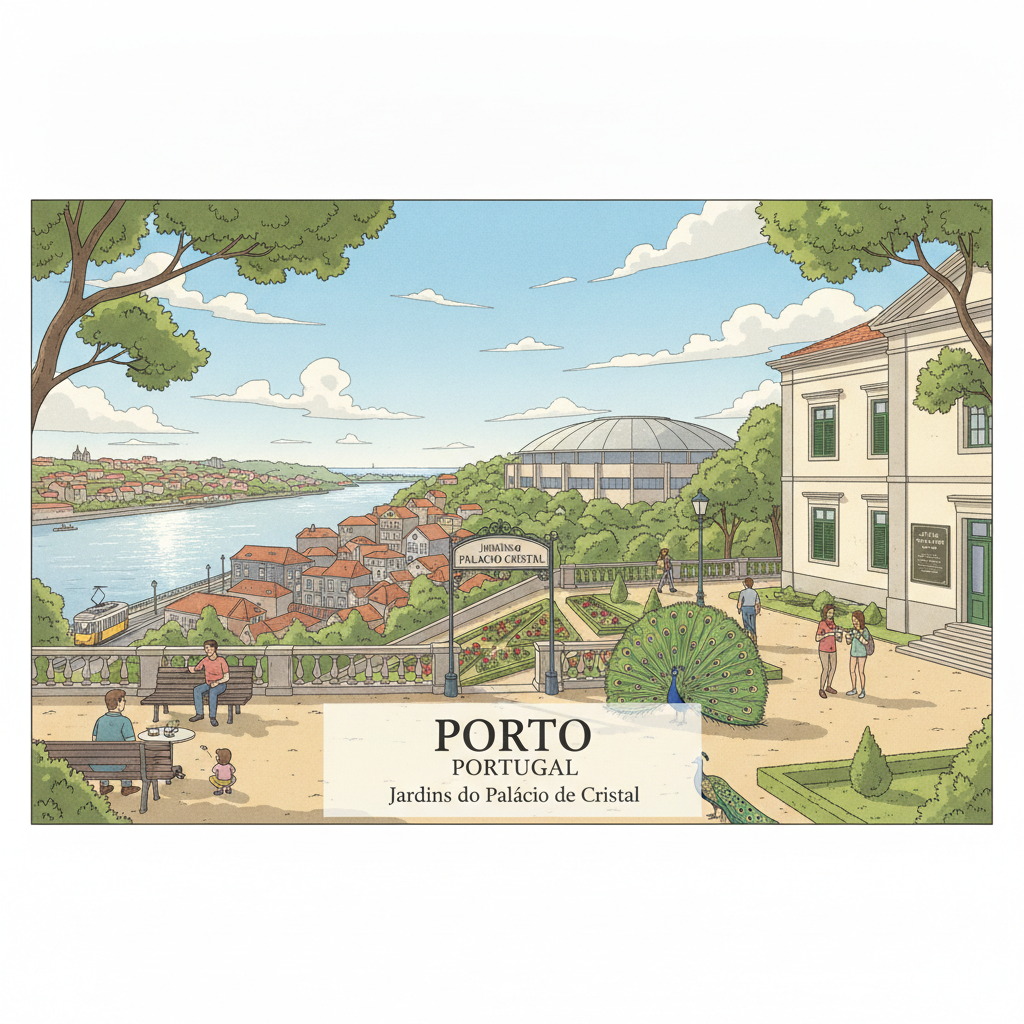
The Jardins do Palácio de Cristal (the 'Crystal Palace Gardens' — the public park on the hilltop in the Massarelos neighbourhood of Porto, the park built in the 1860s around the Crystal Palace (the 'Palácio de Cristal' — the iron-and-glass exhibition hall modelled on the London Crystal Palace of 1851, built for the Porto International Exhibition of 1865 and demolished in 1951, replaced by the current 'Pavilhão Rosa Mota' sports arena)): the gardens (the Jardins do Palácio de Cristal — the romantic landscape gardens on the hilltop above the Douro, the gardens with the rose garden, the woodland paths, the peacocks that roam freely through the park (the peacocks that are the most famous residents of the Jardins do Palácio de Cristal, the birds that have become the mascot of the park), the water features, and the café terrace): the viewpoint (the western viewpoint of the Jardins do Palácio de Cristal — the viewpoint at the western edge of the gardens, overlooking the Douro River, the Foz do Douro neighbourhood, and the Atlantic Ocean (visible on clear days) — one of the most romantic views in Porto): the Museu Romântico (the 'Romantic Museum' — the museum in the Quinta da Macieirinha villa on the edge of the Jardins do Palácio de Cristal, the 19th-century villa that was the final residence of the exiled King Carlos Alberto of Sardinia (1798-1849) who died in Porto in 1849 after abdicating in favour of his son Vittorio Emanuele II (who would become the first King of united Italy in 1861)): the Instituto do Vinho do Porto (the Port Wine Institute — the 'Solar do Vinho do Porto', the Port wine tasting bar in the Quinta da Macieirinha villa beside the gardens, the bar where all the major styles and producers of Port wine can be tasted by the glass in a civilized setting overlooking the Douro valley).
Walk this route with audio
Stories play automatically as you reach each stop — no tapping needed.
More in porto
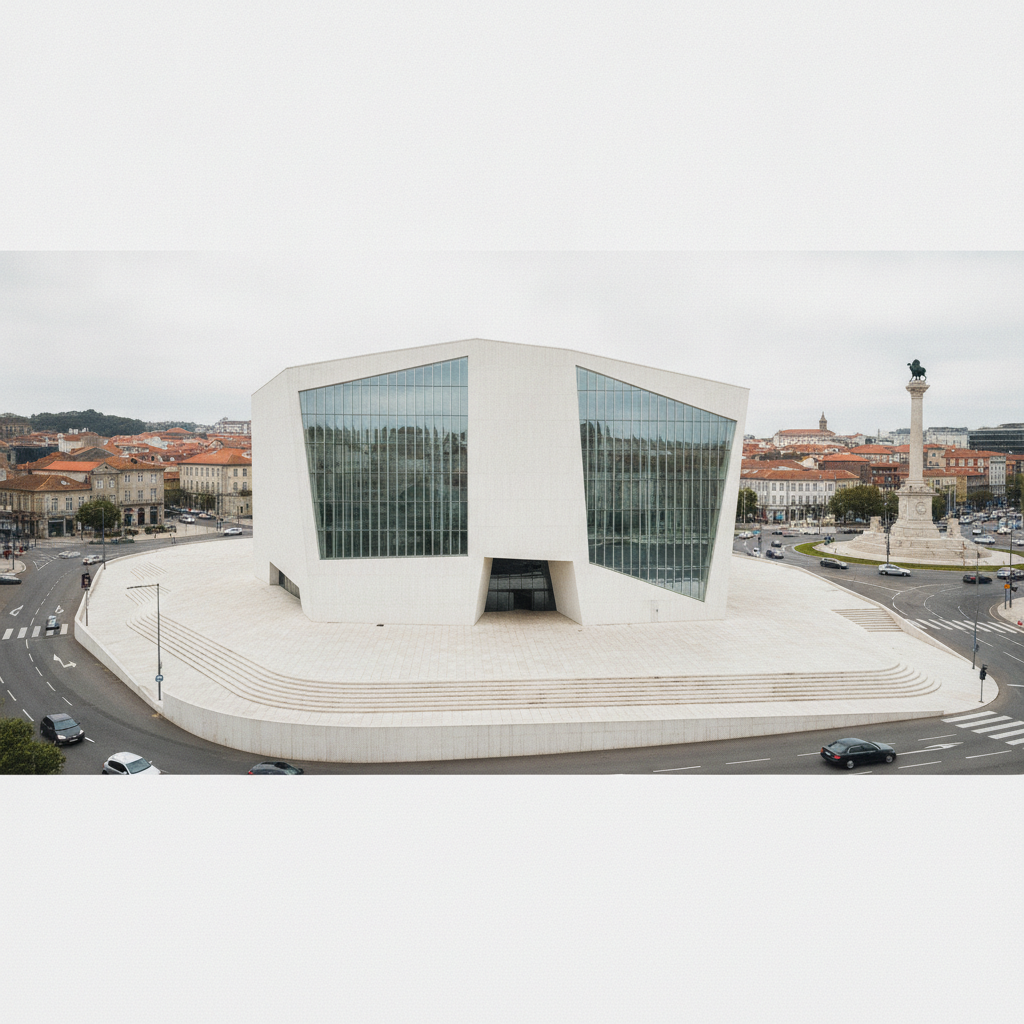
Casa da Música, Serralves & Porto's Contemporary Culture
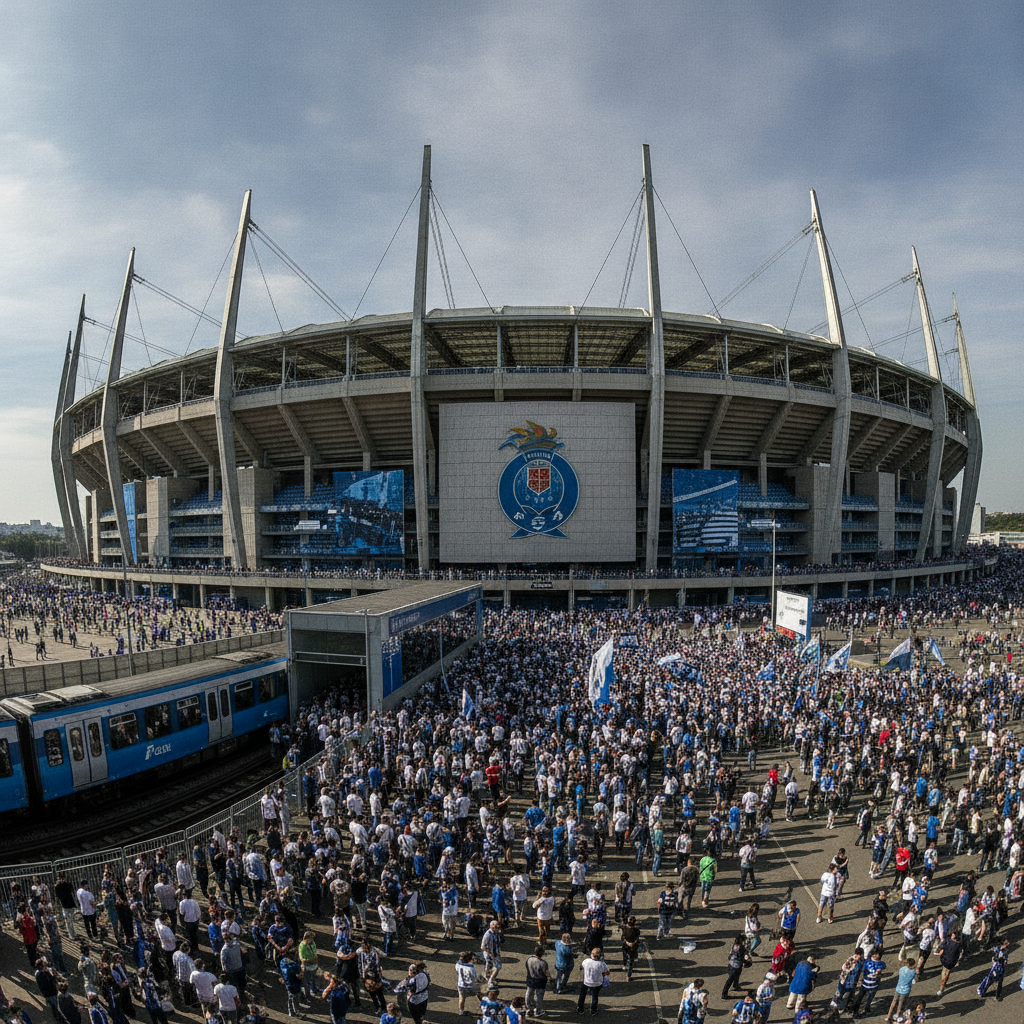
FC Porto, Estádio do Dragão & Portuguese Football Culture
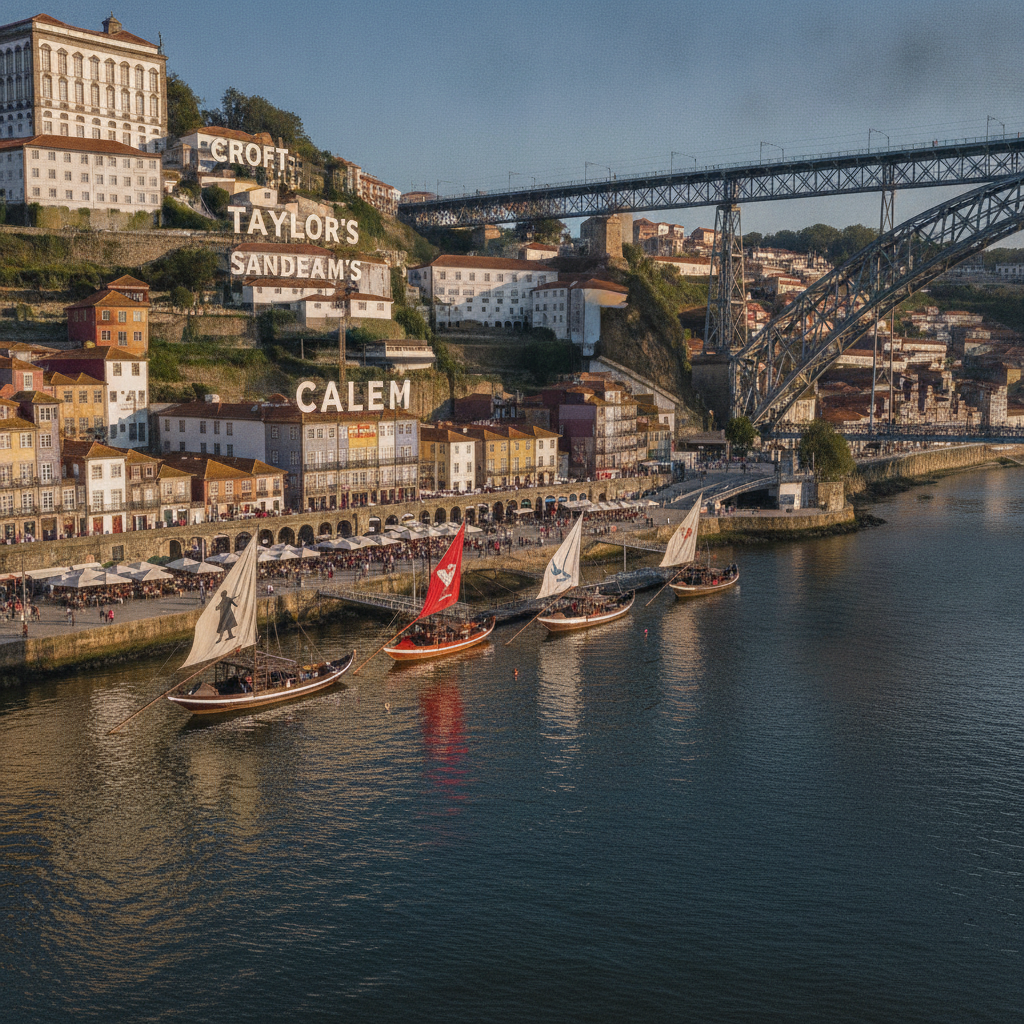
Vila Nova de Gaia, Port Wine Lodges & Tastings
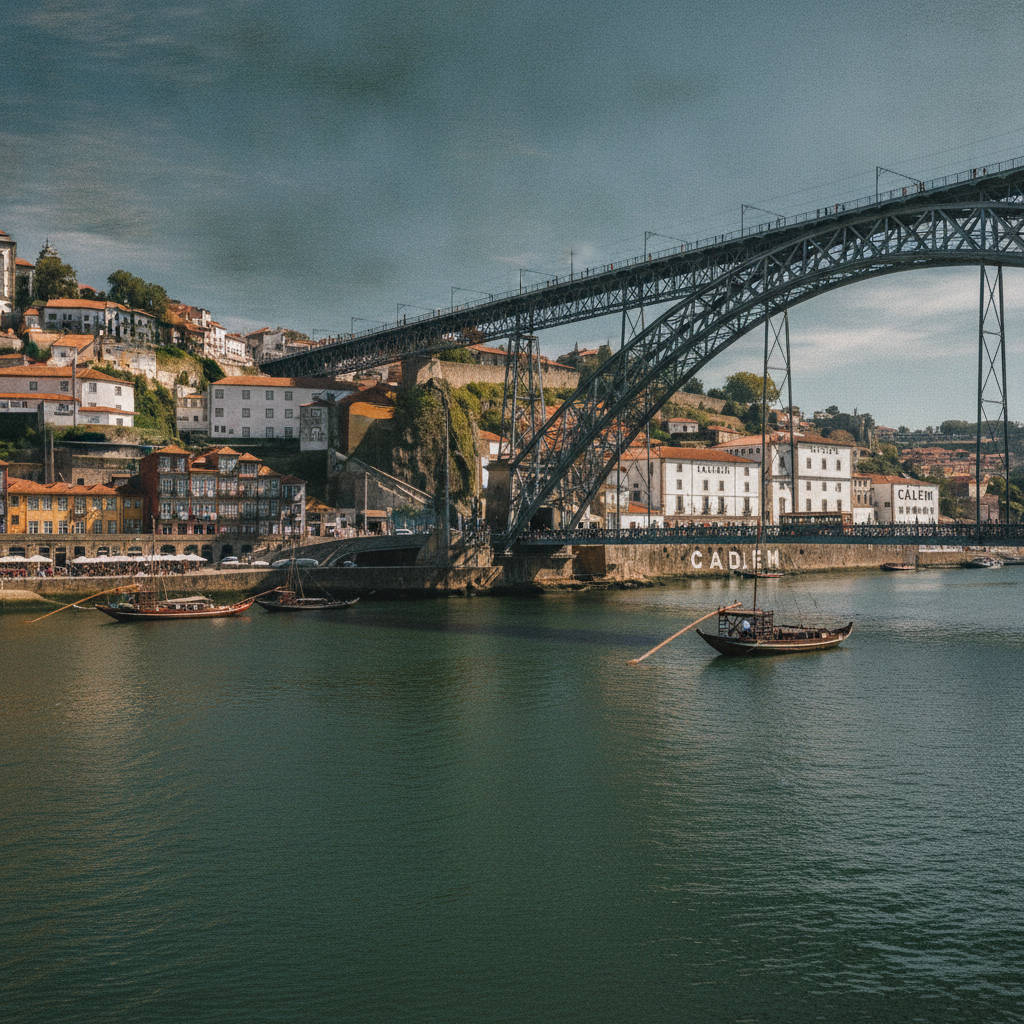
Ribeira, the Douro & Porto's UNESCO Waterfront
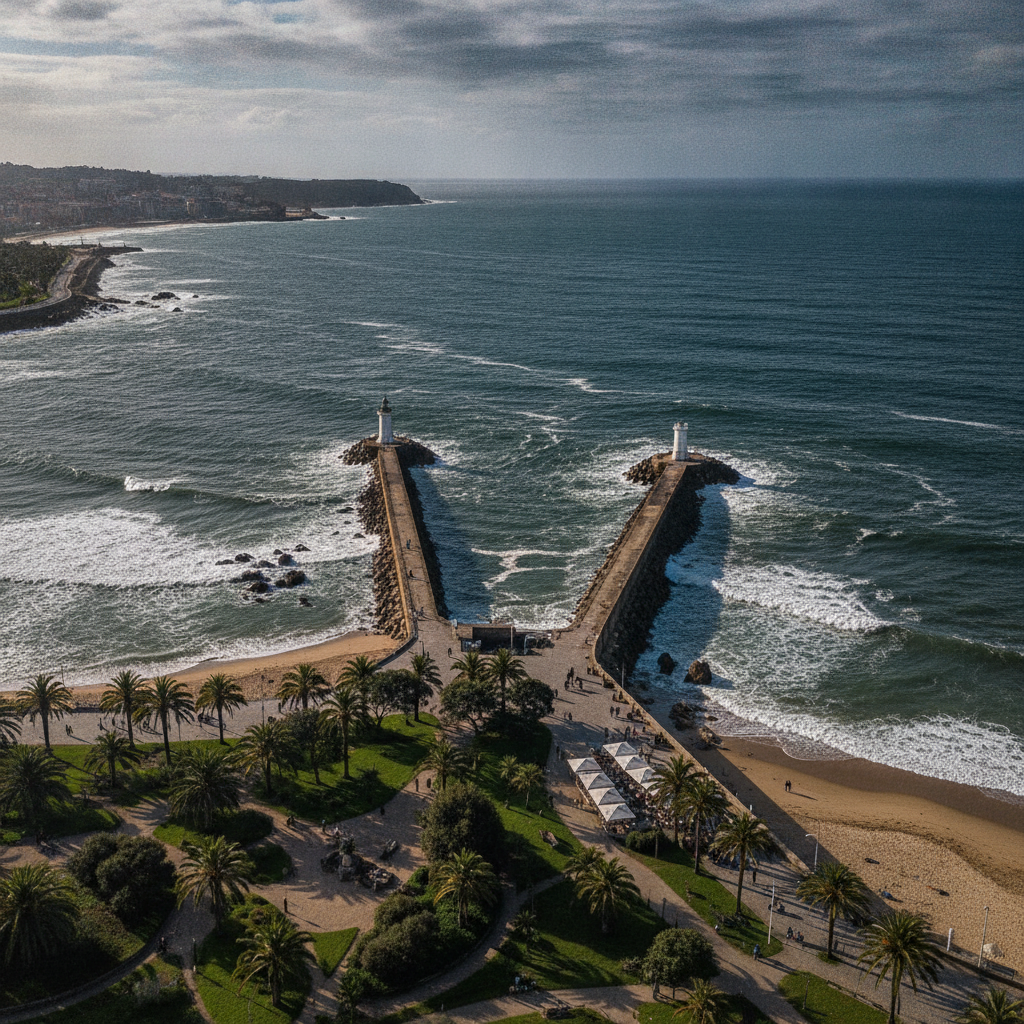
Foz do Douro, Atlantic Coast & Porto's Ocean Neighbourhood