Rua de Santa Catarina, Café Majestic & Porto's Shopping Heart
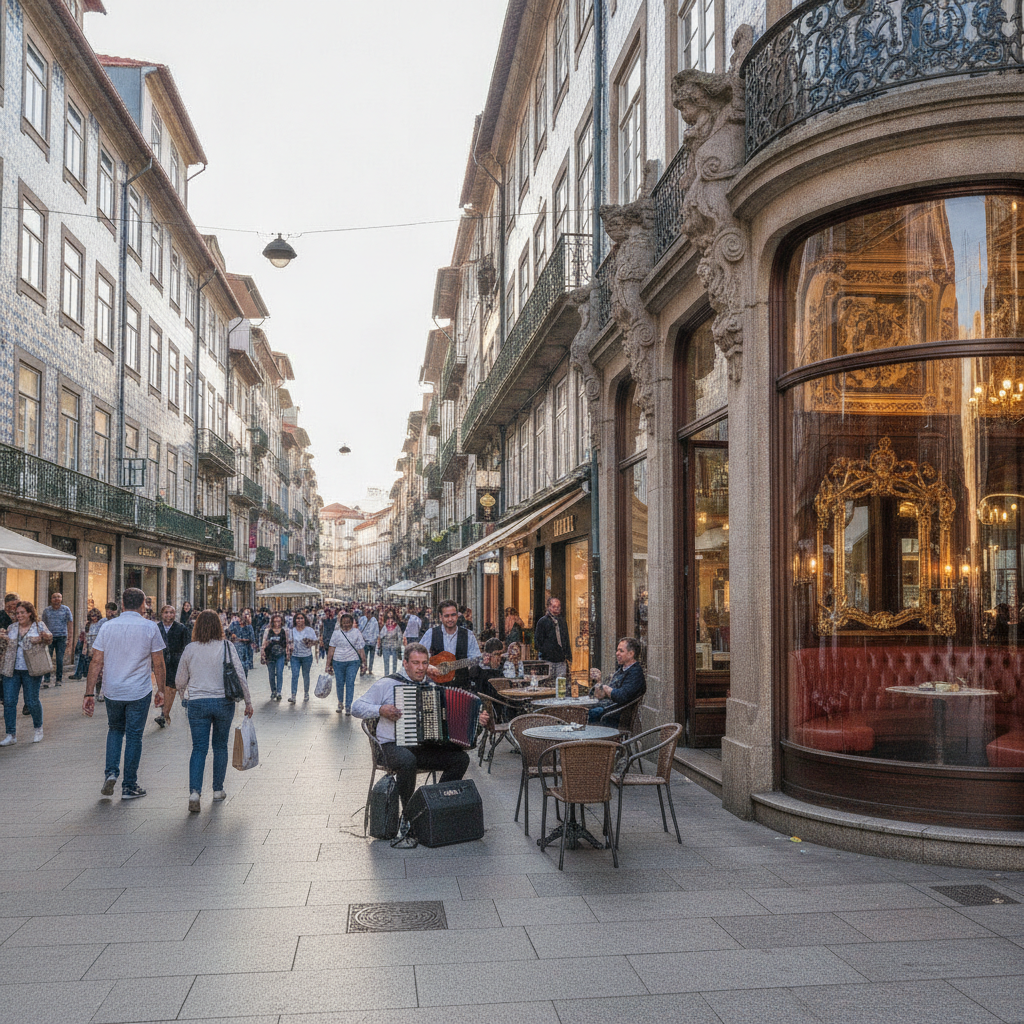
Rua de Santa Catarina (the main pedestrian shopping street of Porto — the 1 km pedestrian street running through the centre of Porto, the street of the Porto shoppers, the street performers, and the Café Majestic (the Art Nouveau café opened in 1921, one of the most beautiful cafés in Europe and a place where J. K. Rowling is said to have worked on Harry Potter during her Porto years)) is the living heart of everyday Porto street culture.
- 1
Café Majestic — Porto's Most Beautiful Art Nouveau Café
The Café Majestic (the 'Elite Café' as it was originally named when it opened in 1921, renamed the 'Café Majestic' in 1983 — the Art Nouveau café at Rua de Santa Catarina 112, the most beautiful café interior in Porto and one of the most celebrated café interiors in Europe): the interior (the Café Majestic interior — the elaborate Belle Époque interior of carved wood (the gilded carved wooden frames of the mirrors, the plaster bas-reliefs of the cherubs and the floral ornaments on the walls and the ceiling, and the leather banquette seating arranged along the walls of the long narrow room) in the Art Nouveau style): J. K. Rowling (the J. K. Rowling connection to the Café Majestic — the British author J. K. Rowling (b.1965), who taught English in Porto from 1991 to 1993 and who is said (by the popular tradition, though without firm documentary evidence) to have written early drafts of the Harry Potter novels in the Café Majestic during her Porto years): the menu (the Café Majestic menu — the traditional Portuguese café menu with the 'bica' (the Porto espresso), the 'galão' (the milky coffee in the tall glass), the 'torrada' (the thick slices of toasted bread with the butter), the 'pastel de nata' (the custard tart), and the Porto speciality: the 'prego no pão' (the steak sandwich on the crusty roll)): the queue (the queue outside the Café Majestic — the line of tourists waiting for a table at the most photographed café in Porto, the queue that is part of the Café Majestic experience and that moves more quickly than it appears).
- 2
Pedestrian Porto — Life on the Rua de Santa Catarina
The Rua de Santa Catarina pedestrian experience (the walking of the Rua de Santa Catarina — the 1 km pedestrian street from the Praça da Batalha (the 'Battle Square' — the square at the southern end of the Rua de Santa Catarina, with the Teatro Nacional São João (the National Theatre) and the Igreja de Santo Ildefonso (the church famous for the azulejo tile facade) on its perimeter) north to the Praça de Marquês de Pombal (the northern square at the far end of the street)): the shops (the shops on the Rua de Santa Catarina — the mix of the Portuguese chain stores (the Zara, the H&M, the Primark (the large Primark store in the former Cinema Batalha building at the south end of the street), and the Worten) and the traditional Porto independent shops (the shoe shops, the jewellers, the Portuguese clothing brands, and the Porto pastry shops)): the street performers (the street performers of the Rua de Santa Catarina — the musicians, the buskers, and the living statues that perform on the pedestrian street): the Chapel of Nossa Senhora dos Aflitos (the 'Chapel of Our Lady of the Afflicted' — the small 17th-century chapel set into the side of a building on the Rua de Santa Catarina, one of the smallest churches in Porto, the chapel dedicated to the protection of the sailors and the fishermen of the Douro and the Atlantic).
- 3
Praça da Batalha & Porto's Theatre District
The Praça da Batalha (the 'Battle Square' — the square at the southern end of the Rua de Santa Catarina, the square that is the cultural centre of the Porto historic centre): the Teatro Nacional São João (the 'National Theatre of São João' — the neoclassical theatre on the south side of the Praça da Batalha, built in 1798 and rebuilt after a fire in 1908, the principal opera house and theatre in Porto, the venue for the productions of the Porto Symphony Orchestra (the Orquestra Sinfónica do Porto), the ballet, and the theatre): the Igreja de Santo Ildefonso (the church on the east side of the Praça da Batalha — the 18th-century baroque church famous for the extraordinary azulejo tile facade (covered in 1932 with 11,000 blue-and-white azulejo tiles by the artist Jorge Colaço, depicting scenes from Ovid's 'Metamorphoses' and the rural scenes of the Douro Valley and the Minho): the Batalha Cinema (the 'Cinema Batalha' — the Art Deco cinema on the Praça da Batalha, built in 1947 and now hosting the Porto International Film Festival 'Fantasporto' (the fantasy and science fiction film festival, the most internationally known film festival in Porto)).
- 4
Porto Wine Bars & the Natural Wine Scene
Porto's wine bar scene (the wine bars and the natural wine scene of Porto — the city that is the second most important wine destination in Portugal after Lisbon, the city with the most dynamic wine bar scene in northern Portugal): the Port wine bars (the Port wine bars of Porto — the bars that serve the full range of Port wine styles (the Ruby, the Tawny, the White Port, and the Vintage) in the by-the-glass format, including the 'Ramos Pinto' wine bar (the wine bar of the Ramos Pinto Port wine company on the Avenida de Ramos Pinto in Gaia, the company founded in 1880), the 'Taylor's Port Wine Bar' in the Taylor's lodge in Gaia, and the 'Sandeman 1790 Bar' in the Sandeman lodge in Gaia): the natural wine bars (the natural wine bars of Porto — the bars that serve the natural, biodynamic, and low-intervention Portuguese wines from the Douro, the Dão, the Alentejo, and the Minho regions, including the 'Badalhoca' (the natural wine bar on the Rua do Almada), the 'Flow' (the wine bar in the Bonfim district), and the 'Vinologia' (the wine bar and shop in the Ribeira, the bar with the most extensive Port wine by-the-glass list in Porto)): the 'Vinho verde' experience (the 'Vinho Verde' bars of Porto — the bars that serve the local 'Vinho Verde' (the young, lightly sparkling white wine of the Minho and the Lima regions) from the chilled carafes, the essential summer drink of Porto.
- 5
Porto by Night — Bonfim, Cedofeita & the Club Scene
Porto's nightlife (the nightlife of Porto — the city that has developed one of the most vibrant and internationally recognized nightlife and cultural scenes in southern Europe in the 2010s and 2020s, the city that the New York Times, the Guardian, and the Monocle magazine have repeatedly identified as one of the most exciting cities in Europe for nightlife, culture, and food): the Bonfim district (the Bonfim — the gentrifying inner-city neighbourhood east of the historic centre, the neighbourhood with the highest concentration of independent restaurants, natural wine bars, and the cultural venues in Porto, the neighbourhood that has attracted the creative class of Porto (the architects, the designers, the musicians, and the restaurateurs) since the mid-2010s): the Cedofeita district (the Cedofeita — the bohemian neighbourhood west of the historic centre, the neighbourhood of the independent bookshops, the galleries, the vintage clothing shops, the concept stores, and the artist studios that make up the creative quarter of Porto): the Rua Galeria de Paris (the 'Galeria de Paris Street' — the bar street of Porto in the Cedofeita/Bonfim zone, the street that becomes one of the most animated bar streets in Porto after midnight, the bars and the clubs spilling their music and their customers onto the cobbled street): the Coliseu do Porto (the 'Porto Coliseum' — the circular concert hall on the Rua de Passos Manuel, built in 1941, the principal live music venue in Porto for the pop, rock, jazz, and classical concerts).
- 6
Porto's Viewpoints — Miradouros & the City Panorama
Porto's miradouros (the 'miradouros' — the viewpoints that offer the most celebrated panoramic views of Porto and the Douro Valley): the Miradouro da Vitória (the viewpoint on the Rua de São Bento da Vitória in the Vitória neighbourhood of the upper town — the viewpoint that offers the most celebrated view of Porto: the view of the Ribeira, the Dom Luís I Bridge, and Vila Nova de Gaia across the Douro, the view that is on the cover of every Porto travel guidebook): the Serra do Pilar (the Mosteiro da Serra do Pilar — the circular Renaissance monastery on the hillside above the south bank of the Douro in Vila Nova de Gaia (the monastery designated as a UNESCO World Heritage Site as part of the 'Historic Centre of Porto, Luiz I Bridge and Monastery of Serra do Pilar' inscription of 1996), the monastery that offers the most panoramic view of Porto from across the river — the view from the terrace of the monastery circular cloister overlooking the north bank, with the Ribeira quarter, the cathedral, and the historic skyline of Porto spread out across the hillside above the river): the Jardim do Palácio de Cristal (the garden of the Crystal Palace — the 19th-century public park on the hilltop above the Douro, the park with the rose gardens, the peacocks, and the western viewpoint over the Foz do Douro and the Atlantic Ocean).
Walk this route with audio
Stories play automatically as you reach each stop — no tapping needed.
More in porto
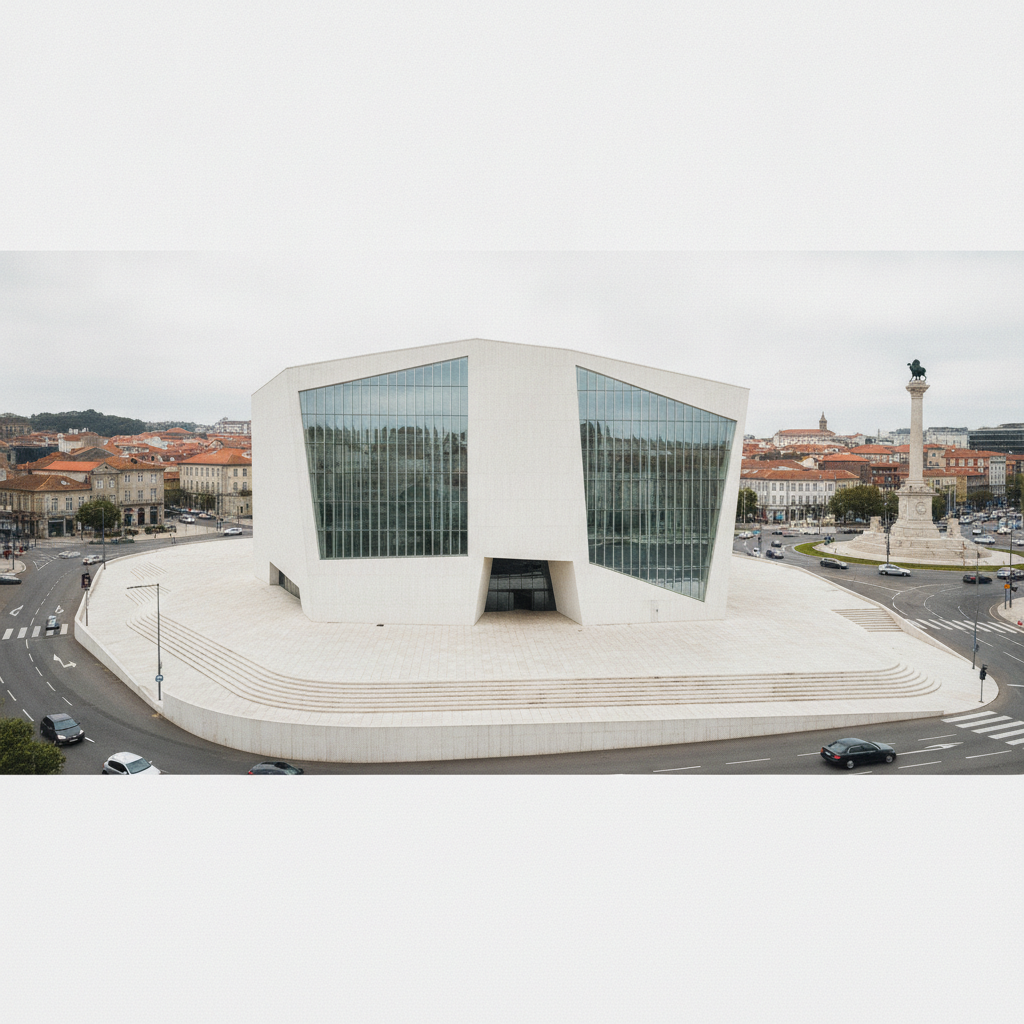
Casa da Música, Serralves & Porto's Contemporary Culture
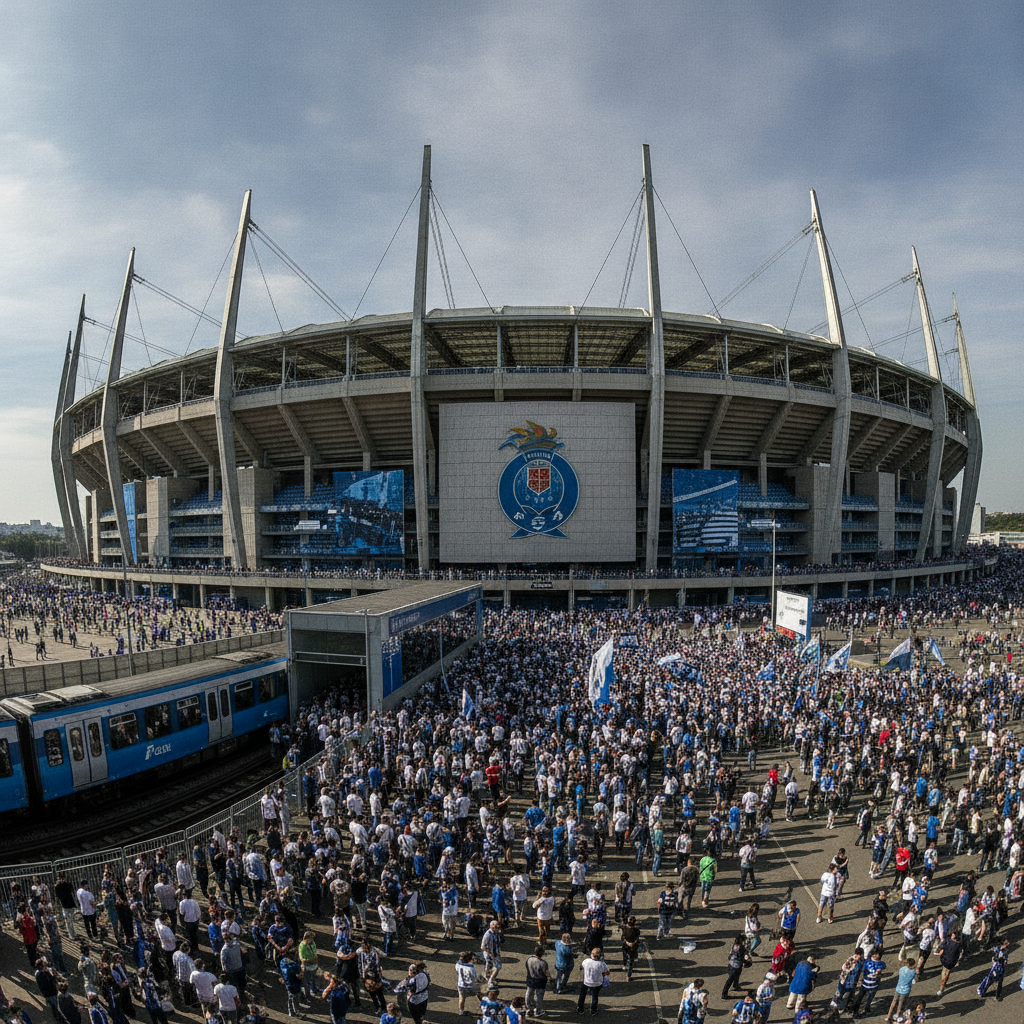
FC Porto, Estádio do Dragão & Portuguese Football Culture
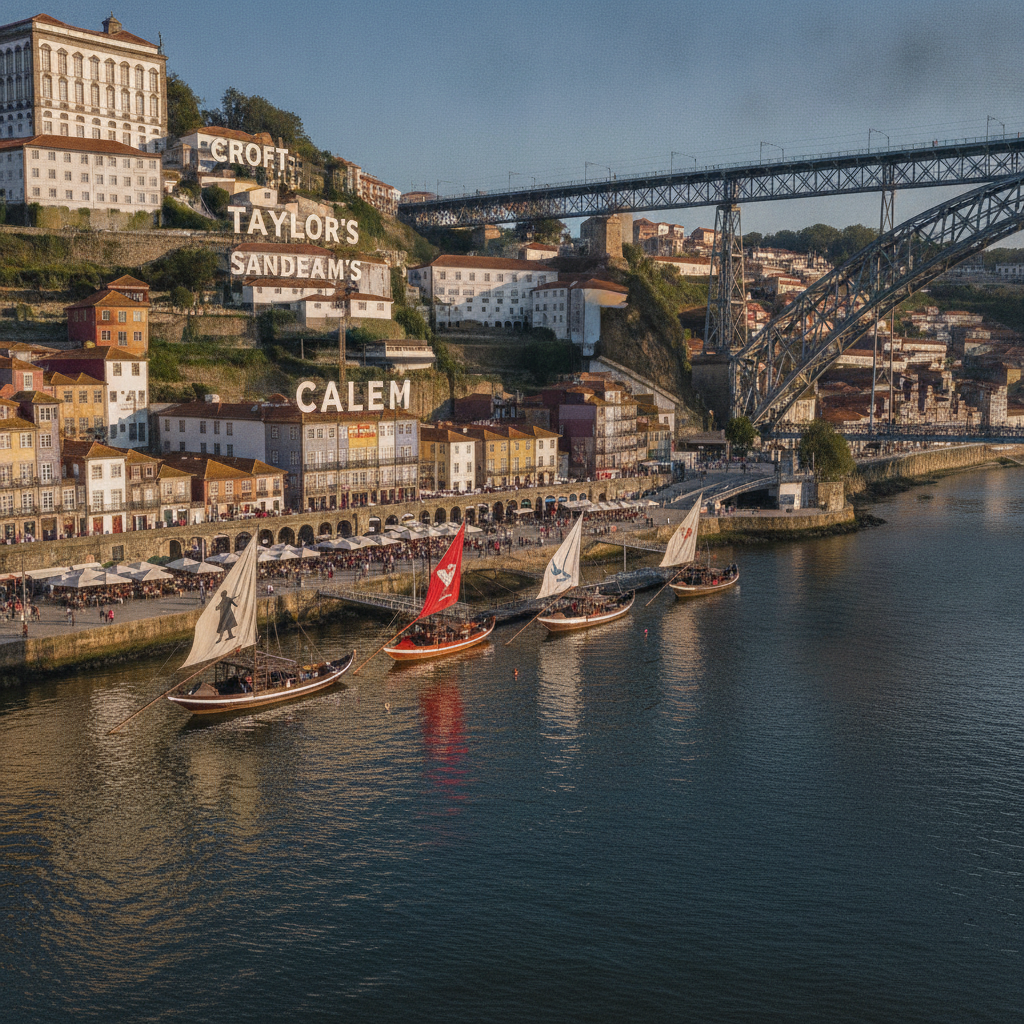
Vila Nova de Gaia, Port Wine Lodges & Tastings
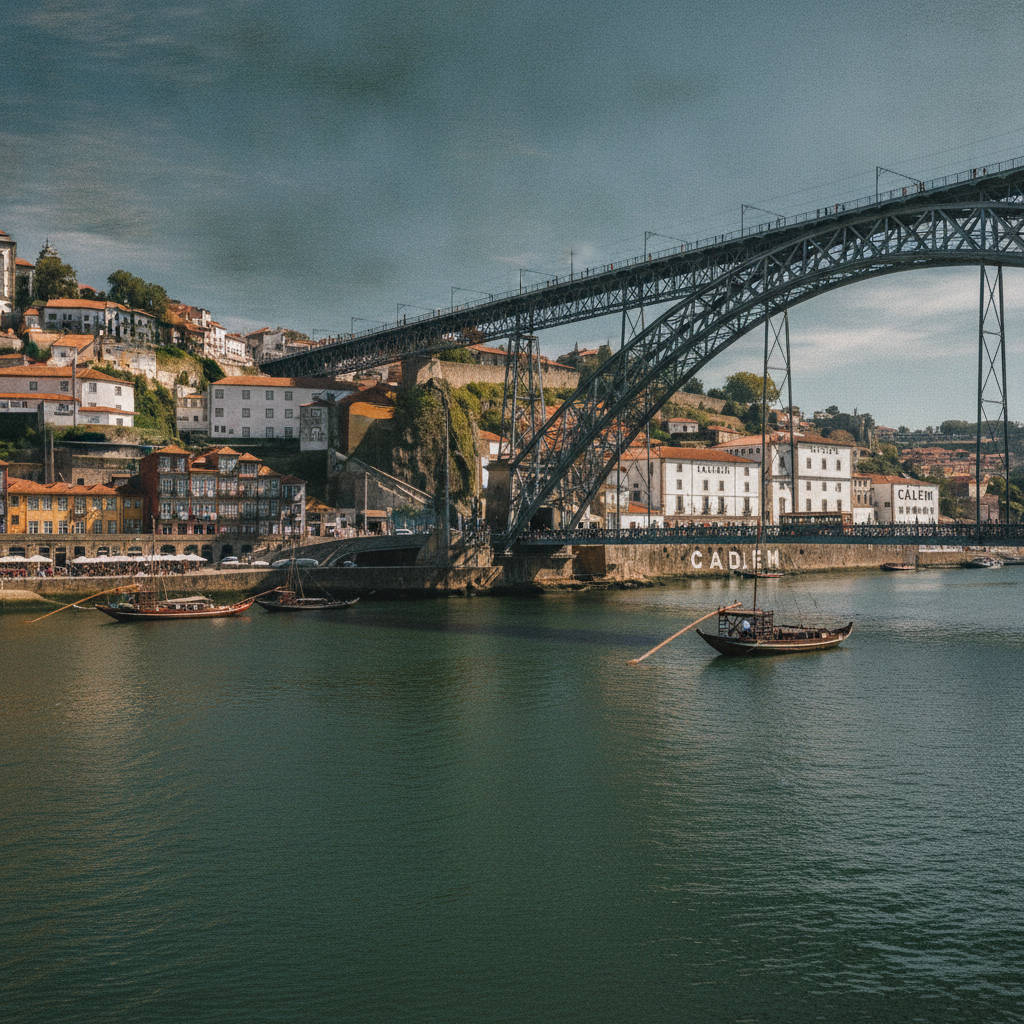
Ribeira, the Douro & Porto's UNESCO Waterfront
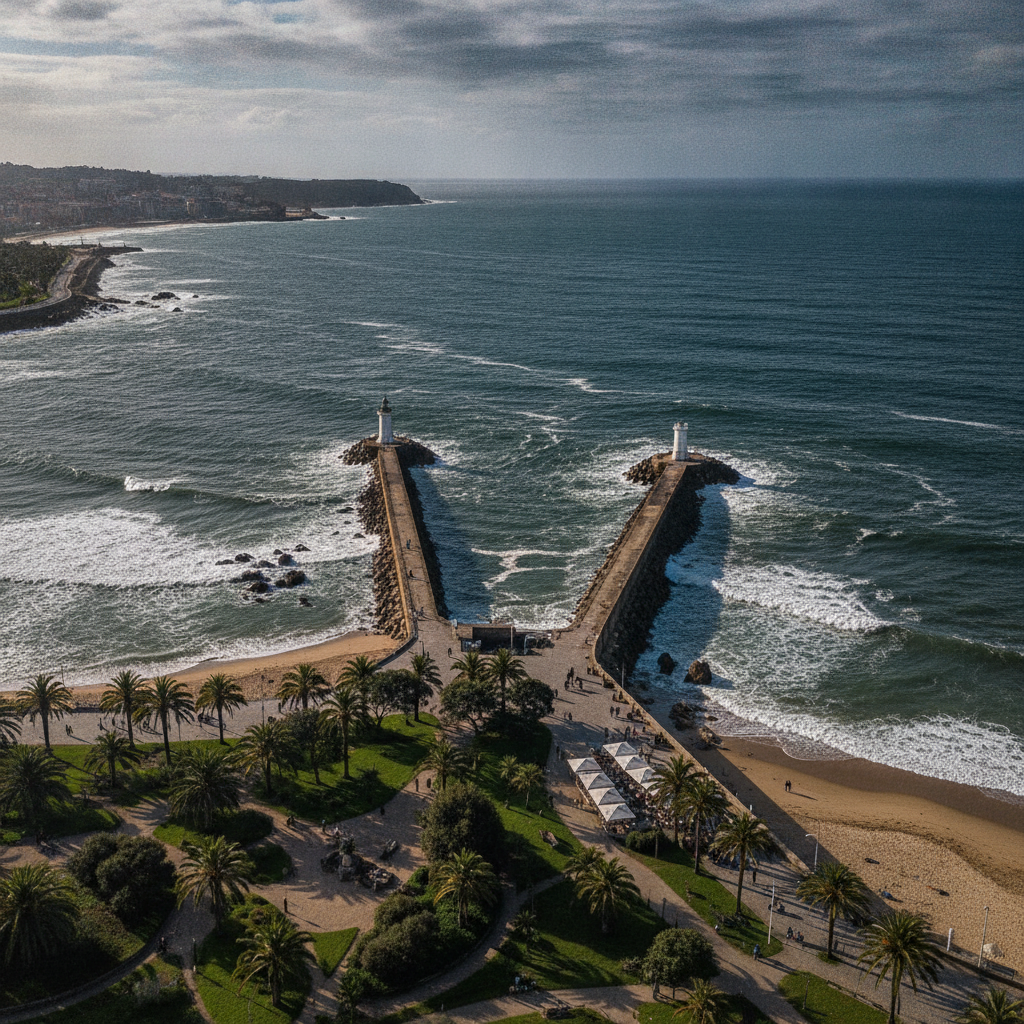
Foz do Douro, Atlantic Coast & Porto's Ocean Neighbourhood