The Douro Valley, Port Wine Quintas & UNESCO Wine Landscape
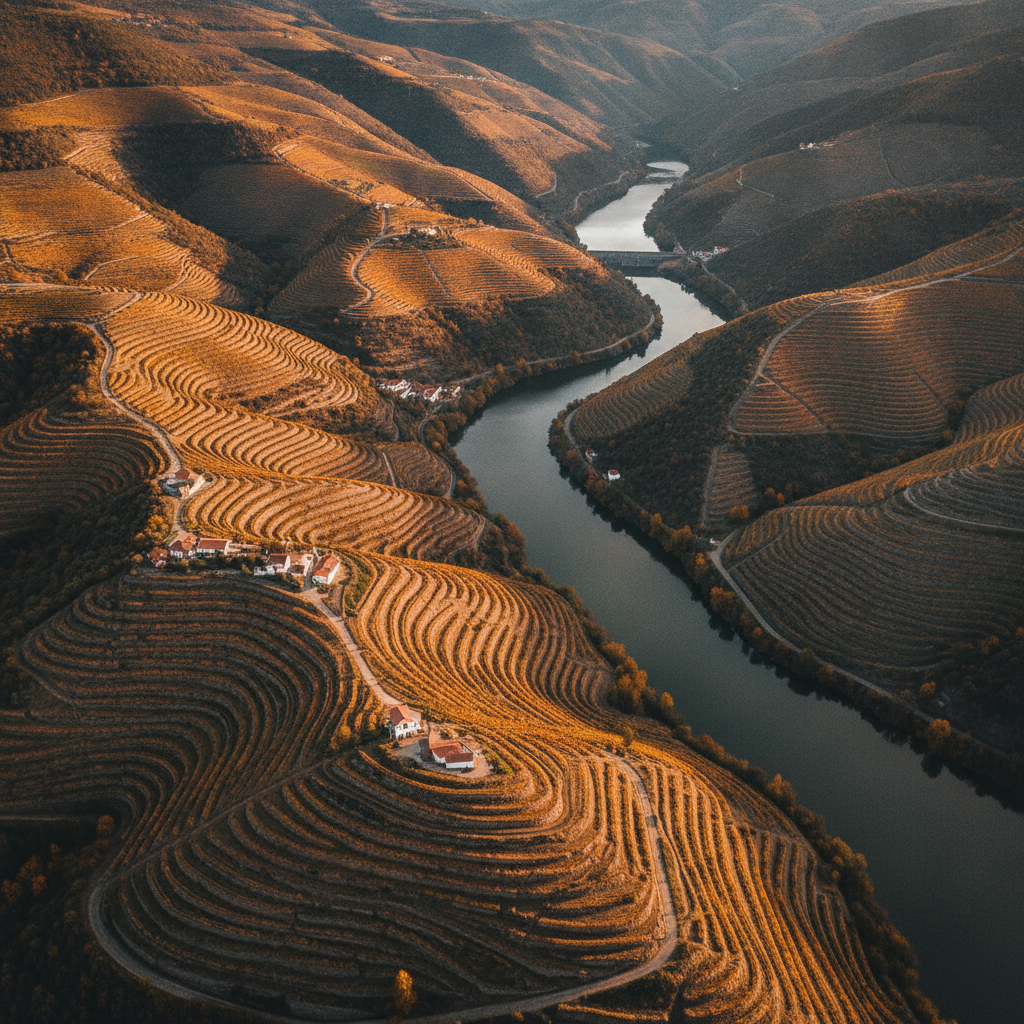
The Alto Douro Wine Region (the UNESCO World Heritage Site terraced wine landscape 100 km east of Porto — designated in 2001 as 'the oldest demarcated wine region in the world' (the Douro wine region officially demarcated in 1756 by the Marquis of Pombal)) and the 'quintas' (the wine estates of the Douro Valley, accessible by the historic Douro Line railway, the 'Linha do Douro', from Porto's São Bento station) are the most spectacular natural and cultural heritage accessible from Porto.
- 1
The Douro Line Railway — The Most Beautiful Train Ride in Europe
The Linha do Douro (the 'Douro Line' — the railway line from Porto Campanhã station to Pocinho (222 km / 138 miles), following the Douro River valley from Porto through the Porto wine country to the Spanish border): the train journey (the train journey from Porto to the Douro Valley — the journey that is consistently ranked as one of the most scenic railway journeys in Europe and in the world: the train departing from the São Bento or Campanhã station in Porto, passing through the Porto suburbs, then the river port of Entre-os-Rios (where the Tâmega river meets the Douro), then through the wine country of the Baião, Mesão Frio, and Peso da Régua municipalities, with the terraced vine hillsides rising steeply from the railway line on one side and the Douro River flowing on the other): the most scenic section (the most scenic section of the Douro Line — the section between Pinhão (the most famous Douro wine town, 150 km from Porto) and Pocinho, where the valley is at its most dramatic and the vineyards are at their most extensive): Pinhão station (the Pinhão railway station — the small station of the Douro wine town of Pinhão, famous for the azulejo tile panels on the station platform walls depicting the harvesting and the transport of the Port wine grapes in the traditional manner — the most beautiful station on the Douro Line): the Quinta da Pacheca (the wine estate accessible from Pinhão — the quinta famous for the largest wine barrel in the world (a decorative barrel of 100,000-litre capacity) and the wine accommodation (the 'barrel room suites' — the hotel rooms inside the large wine barrels in the quinta garden)).
- 2
Peso da Régua — The Capital of Port Wine Country
Peso da Régua (usually called 'Régua' — the small city on the Douro River, 100 km east of Porto, the de facto capital of the Port wine country and the most convenient base for exploring the Douro Valley): the Museu do Douro (the 'Douro Museum' — the museum in Régua dedicated to the history and culture of the Douro wine region, housed in the former railway station building of Régua (the 19th-century railway terminus that was the end of the Douro Line when the line opened in 1879)): the 'rabelo' boats (the 'barcos rabelos' — the traditional flat-bottomed wooden boats of the Douro, the boats historically used to transport the Port wine barrels from the high Douro Valley to the lodges of Gaia, the boats now used as tourist attractions and in the annual 'regata dos barcos rabelos' (the annual barco rabelo race held in Porto on June 23, the night of the São João festival)): the Quinta do Crasto (the wine estate accessible from Régua — the prestigious Port wine and Douro table wine producer on the hillside above the Douro River, with the terrace restaurant offering the finest view of the Douro Valley and the option of tasting the estate's wines including the 'Reserva' and the 'LBV' (Late Bottled Vintage) Ports): the wine harvest (the 'vindima' — the grape harvest in the Douro Valley, occurring in September-October, the period when the quintas are at their most active (the grape pickers harvesting the grapes by hand on the steep terraced hillsides, the 'lagares' (the stone treading tanks) active with the traditional foot-treading of the grapes for the finest Port wines) and the valley is at its most photogenic).
- 3
Porto's Cathedral & Historic Upper Town
The Sé do Porto (the 'Porto Cathedral' — the Romanesque cathedral on the hilltop above the Ribeira, the oldest monument in Porto): the cathedral (the Sé do Porto — the fortress-like Romanesque cathedral begun in the 12th century (the building period 1110-1200 CE) on the site of an earlier church, the building that has been modified and extended in multiple periods but that retains its essential Romanesque character in the two massive towers of the west facade): the terrace (the terrace in front of the Sé do Porto — the 'Terreiro da Sé', the paved square with the bronze equestrian statue of Vimara Peres (the Asturian military commander who reconquered Porto from the Moors in 868 CE and who is considered the founder of the County of Portugal from which the Portuguese kingdom would develop) and the panoramic views over the Douro River and the Ribeira): the Gothic cloister (the Gothic cloister of the Sé do Porto — the 14th-century cloister with the spectacular azulejo tile panels (18th century) depicting scenes from the Song of Songs (the 'Cântico dos Cânticos' — the biblical love poetry) and the life of the Virgin Mary, the blue-and-white tile panels surrounding the Gothic arches of the cloister galleries): the upper town (the historic upper town of Porto above the Ribeira — the winding medieval streets climbing from the riverside to the Sé, with the 'Casa Museu Guerra Junqueiro' (the former home of the Portuguese poet Guerra Junqueiro (1850-1923)), the Largo da Sé (the cathedral square), and the remains of the medieval city walls).
- 4
Fado do Porto & Portuguese Music Culture
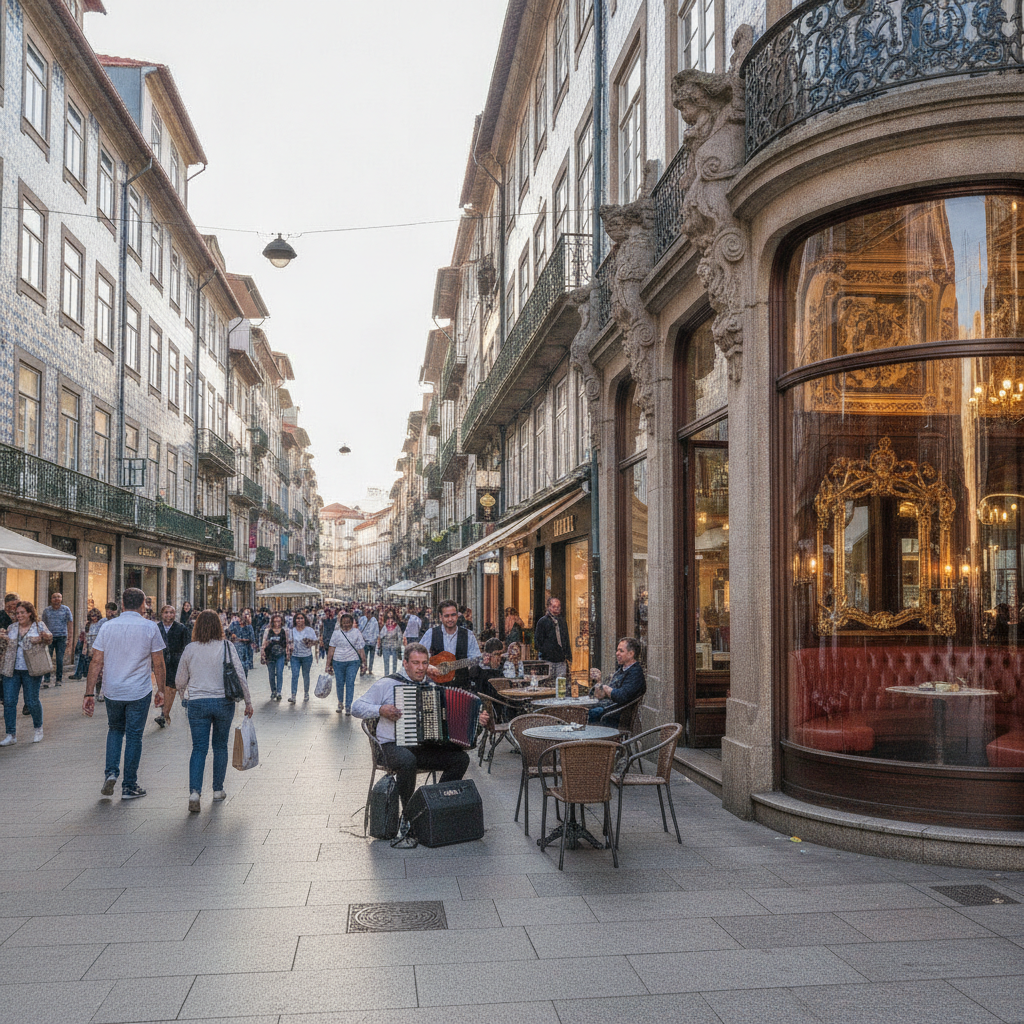
Porto's fado (the 'fado portuense' — the Porto variant of the fado, the Portuguese musical genre designated UNESCO Intangible Cultural Heritage of Humanity in 2011): the fado (the 'fado' — the Portuguese musical genre characterized by the 'saudade' (the untranslatable Portuguese concept of longing, melancholy, and nostalgia), the Portuguese guitar (the 'guitarra portuguesa' — the pear-shaped cittern with 12 wire strings tuned in pairs that is the defining instrument of the fado), and the classical guitar ('viola baixo') — the musical genre that originated in the Lisbon of the early 19th century (the Mouraria and the Alfama quarters of Lisbon) and that has been performed in Porto in the Porto variant of the style since the late 19th century): the 'fado de Coimbra' (the distinction between the three fado traditions — the Lisbon fado (the most internationally known, the fado of Amália Rodrigues (1920-1999) and Mariza (b.1973)), the Porto fado (the 'fado portuense' — the Porto variant with the distinctive accordion accompaniment instead of the Lisbon-style 'viola baixo'), and the Coimbra fado (the academic fado of the University of Coimbra, performed exclusively by male students in the black academic capes): the fado houses in Porto (the Porto fado venues — the 'fado ao centro' performances in the restaurants and bars of the Porto historic centre, the performances that are more intimate and less touristy than the Lisbon fado houses).
- 5
Porto's Contemporary Architecture & Cultural Scene
Porto's contemporary architecture (the remarkable collection of contemporary architecture in Porto — the city that has produced some of the most internationally significant architects of the late 20th and early 21st centuries): Álvaro Siza Vieira (b.1933 in Matosinhos, near Porto — the Porto architect who is the most internationally recognized Portuguese architect of the 20th century, the architect who won the Pritzker Prize (the 'Nobel Prize of Architecture') in 1992, the architect of the Museu de Serralves (1999), the Faculdade de Arquitectura da Universidade do Porto (1986-1993), and the Portuguese Pavilion at the Lisbon Expo 1998): Eduardo Souto de Moura (b.1952 in Porto — the Porto architect who won the Pritzker Prize in 2011, the architect of the Braga Municipal Stadium (2003 — the stadium for the 2004 UEFA European Championship, built into the hillside of Monte Castro with two grandstands cantilevered over the natural excavated pit), the Casa Moledo (1991-1998 — the weekend house built into the hillside above the Minho River), and the Porto Metro stations): the Museu de Arte Contemporânea de Serralves (the Serralves Museum of Contemporary Art — the museum designed by Álvaro Siza Vieira in the park of the Serralves Estate in the western residential districts of Porto, the museum that is the most important contemporary art institution in Portugal): the Casa da Música (the 'House of Music' — the concert hall designed by the Dutch architect Rem Koolhaas, built 2001-2005 on the Rotunda da Boavista, the most radical and the most controversial work of contemporary architecture in Porto).
- 6
Matosinhos & Porto's Atlantic Beach Scene
Matosinhos (the municipality immediately northwest of Porto on the Atlantic coast — the working port city and beach town that is the closest Atlantic beach to Porto, accessible from the Porto city centre in 15 minutes by the Porto Metro (the Linha A — the blue Metro line from the Trindade station to the Matosinhos Sul station)): the beach (the Praia de Matosinhos — the long Atlantic beach in the urban area of Matosinhos, the most used beach by the Porto population, with the Atlantic surf (the consistent Atlantic swell breaking on the wide sandy beach), the beach volleyball courts, and the beachfront seafood restaurants): the fish market (the 'Mercado de Matosinhos' — the fish market adjacent to the working port of Matosinhos, the market where the Porto restaurant buyers purchase the fresh Atlantic fish (the corvina (the meagre — Argyrosomus regius), the rodovalho (the turbot — Scophthalmus maximus), the linguado (the sole — Solea solea), and the chocos (the cuttlefish)) landed by the Matosinhos fishing fleet): the grilled fish restaurants (the grilled fish restaurants ('churrascaria de peixe') of Matosinhos — the restaurants on the Rua Roberto Ivens and the surrounding streets of Matosinhos that grill the fresh Atlantic fish over the charcoal fire in the traditional Portuguese manner, the restaurants that serve the 'dourada' (the sea bream — Sparus aurata) and the 'robalo' (the sea bass — Dicentrarchus labrax) grilled whole with the olive oil and the garlic, the most celebrated fish restaurants in the Porto metropolitan area).
Walk this route with audio
Stories play automatically as you reach each stop — no tapping needed.
More in porto
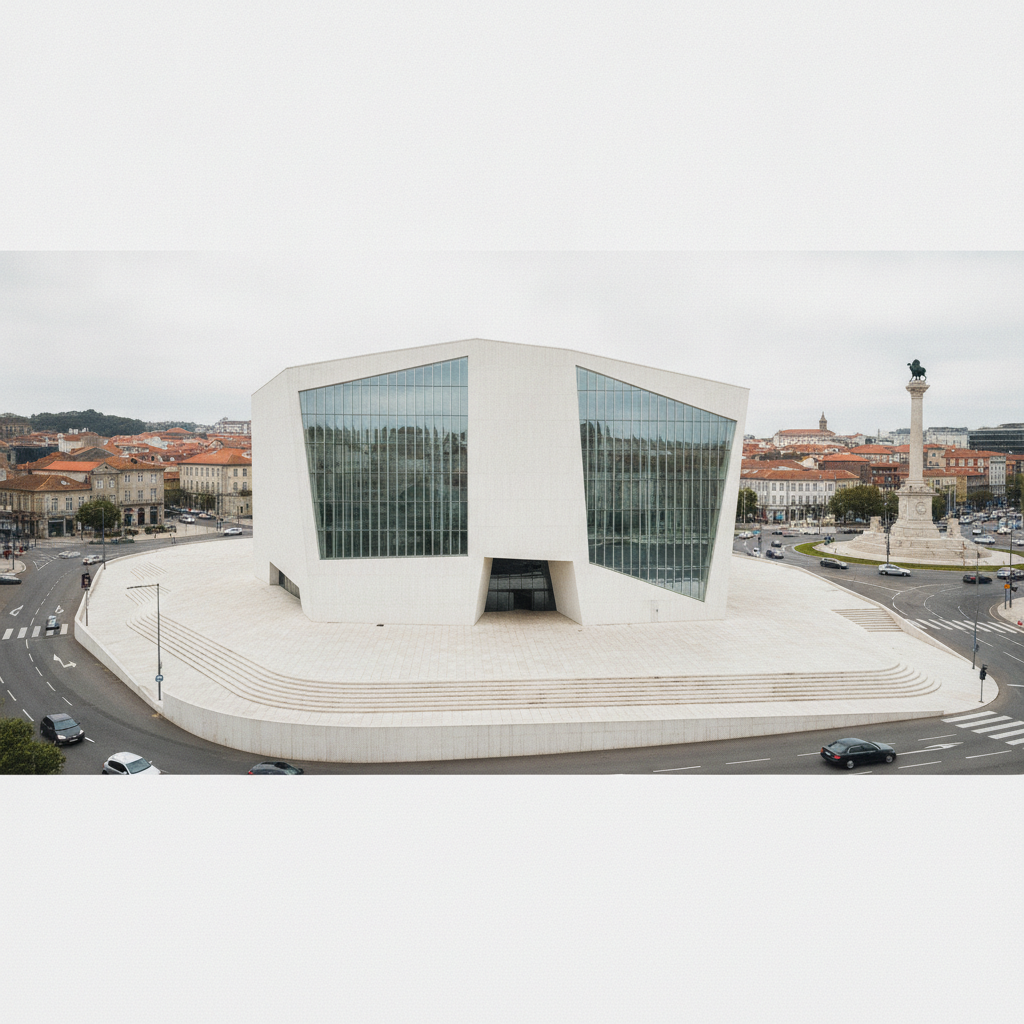
Casa da Música, Serralves & Porto's Contemporary Culture
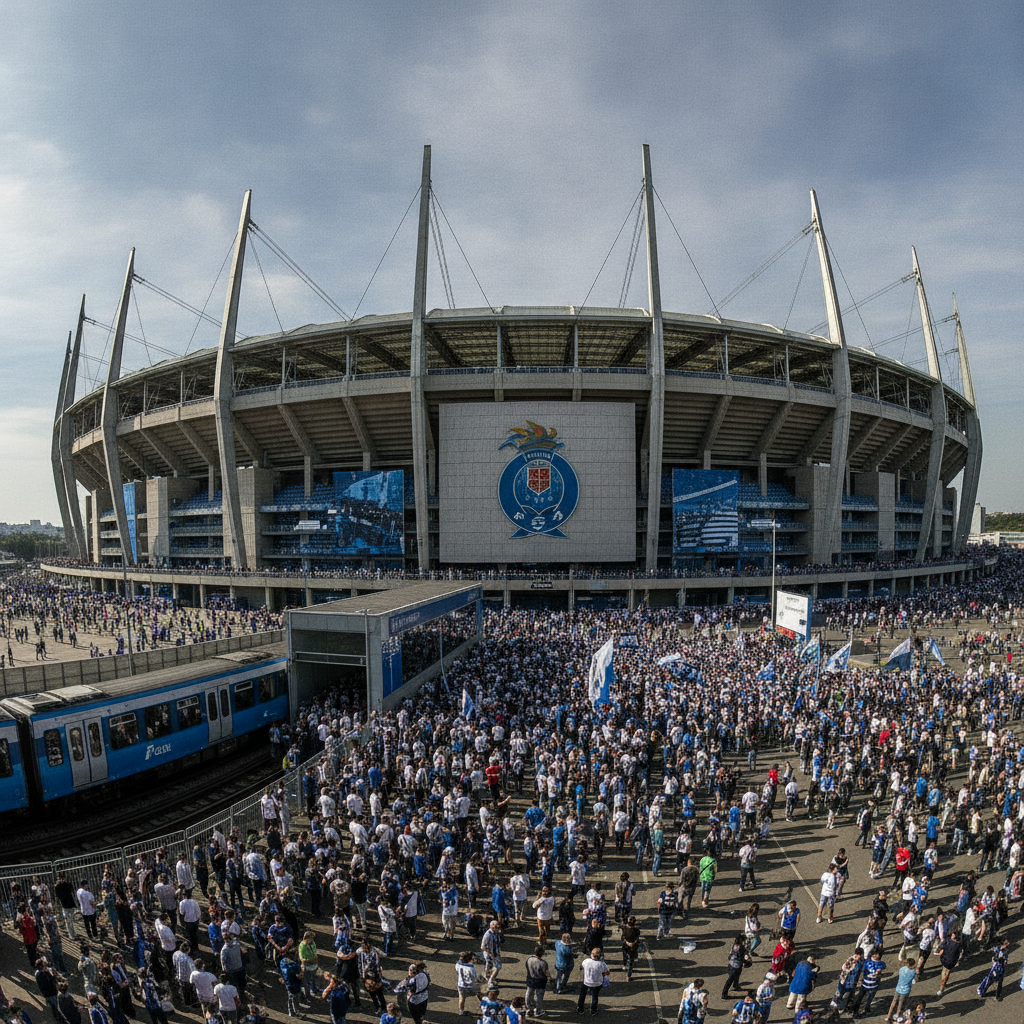
FC Porto, Estádio do Dragão & Portuguese Football Culture
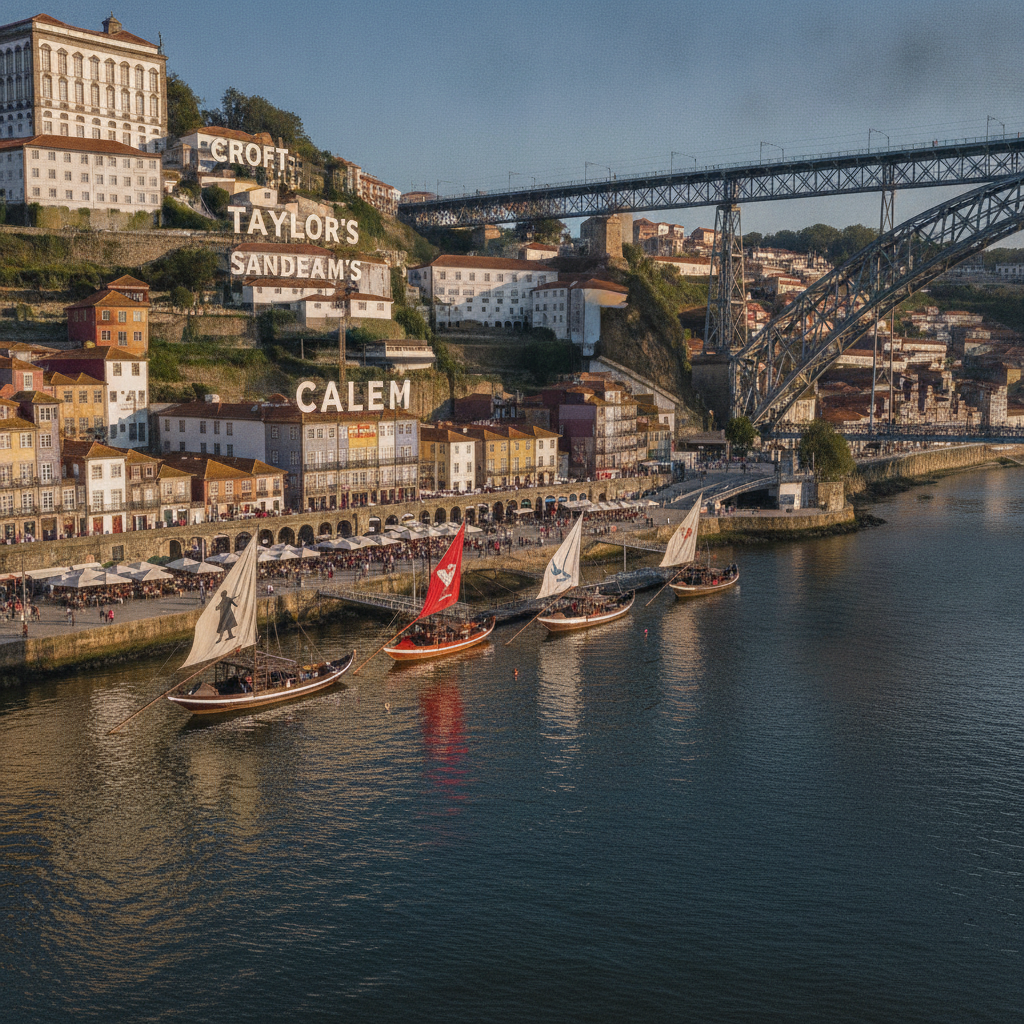
Vila Nova de Gaia, Port Wine Lodges & Tastings
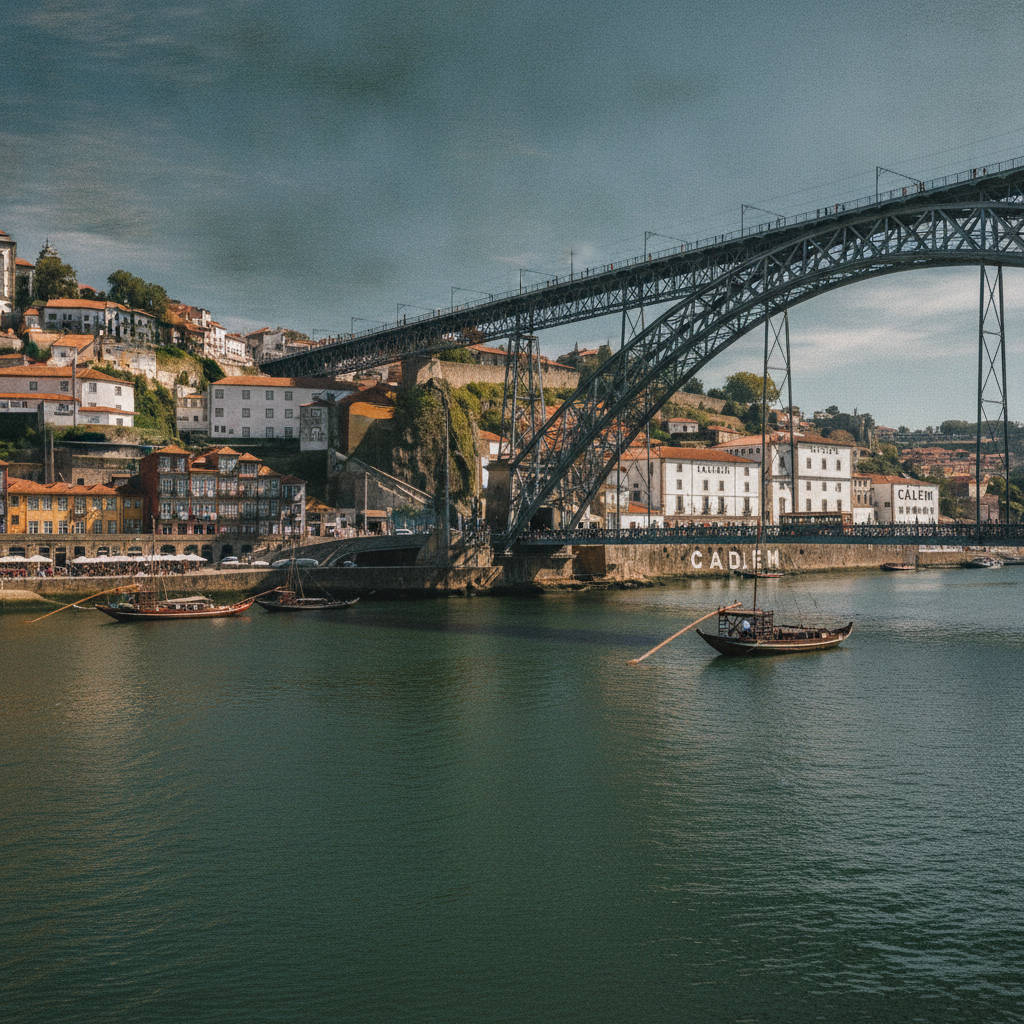
Ribeira, the Douro & Porto's UNESCO Waterfront
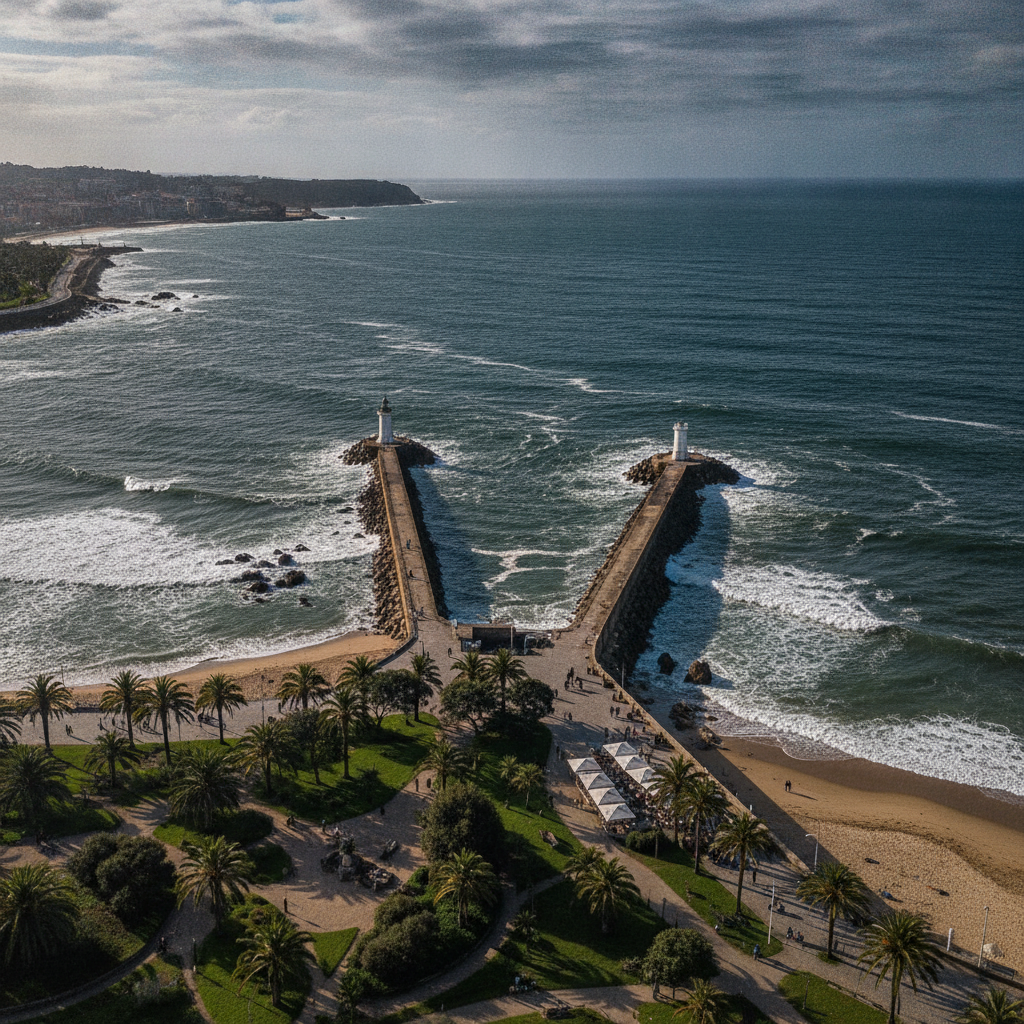
Foz do Douro, Atlantic Coast & Porto's Ocean Neighbourhood