Porto Alegre: Gaucho Culture, Chimarrao, the Mercado Publico, and the Serra Gaucha Highlands
Porto Alegre, the capital of Rio Grande do Sul, is the most distinctively European and most culturally autonomous of Brazil's major cities, where the gaucho identity of the pampa frontier and the German and Italian immigrant highlands create a culture of chimarrao mate, churrasco, fine wine, and the Farroupilha pride that has made the south the most regionally distinctive part of Brazil.
- 1
Mercado Publico: The Heart of Gaucho Commerce
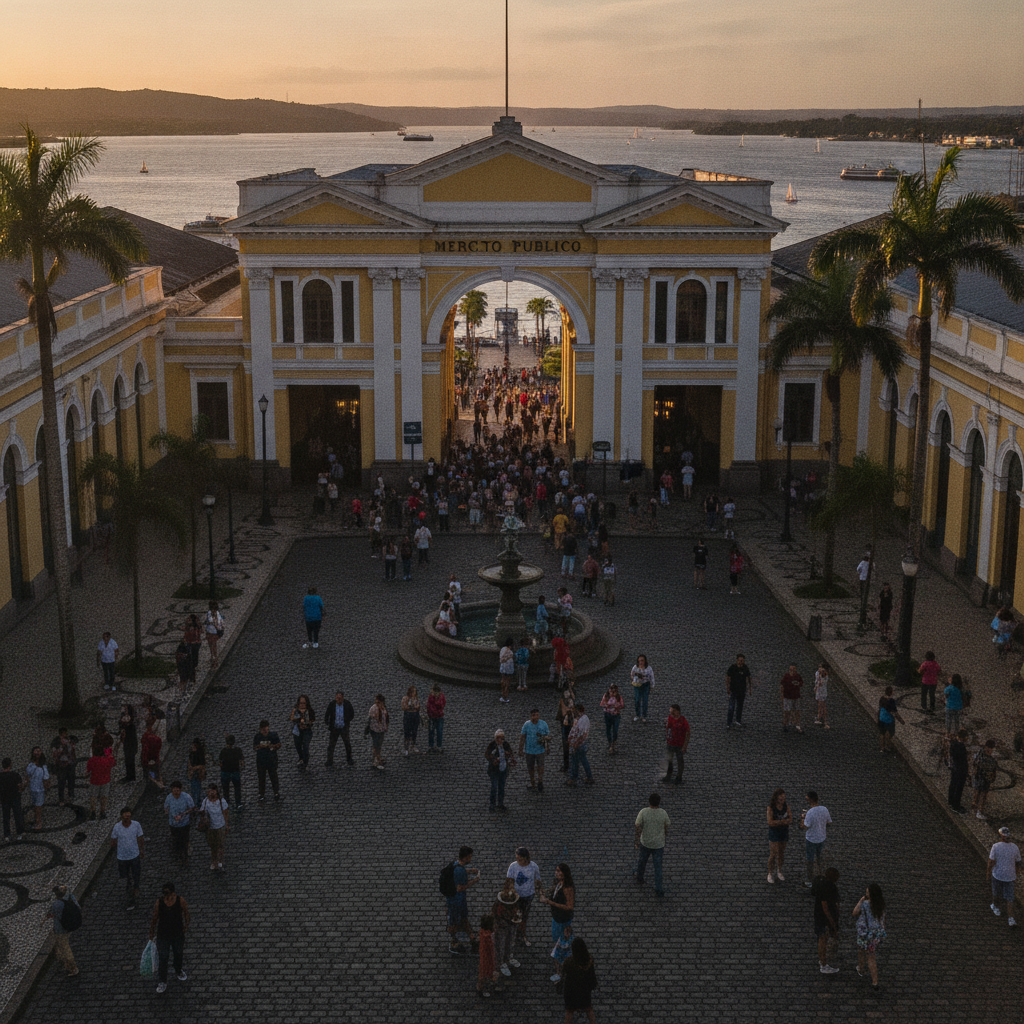
The Mercado Publico of Porto Alegre, built in 1869 on the city waterfront and one of the finest market buildings in Brazil, is the gastronomic and social heart of the city, where the banca stalls sell the full range of gaucho food products including charque dried beef, the regional chimichurri, and the artisanal cheeses of the Rio Grande do Sul highlands, alongside bars serving chimarrao mate in the characteristic cuia gourd throughout the day.
- 2
Chimarrao: The Mate Ritual
Chimarrao, the unroasted green mate herb consumed hot through a silver bombilla straw from the shared cuia gourd, is the defining social ritual of the gaucho culture of Rio Grande do Sul and is consumed multiple times daily by the majority of the population in a practice that is simultaneously a caffeine delivery system, a social bonding ritual, and a marker of regional identity distinct from the rest of Brazil. The quality of the mate herb and the artisanal cuia gourd are important distinctions in the gaucho household.
- 3
Gaucho Culture: The Farroupilha Heritage
Rio Grande do Sul is the most distinctively regional state in Brazil, where the gaucho identity of the cattle-herding pampa frontier, reinforced by the German and Italian immigrant communities that settled the highlands in the 19th century, has created a population that considers itself culturally distinct from the rest of Brazil. The Centro de Tradições Gaúchas network, which maintains the gaucho folk traditions of horsemanship, music, and food, has hundreds of local clubs throughout the state.
- 4
MARGS and the Porto Alegre Art Scene
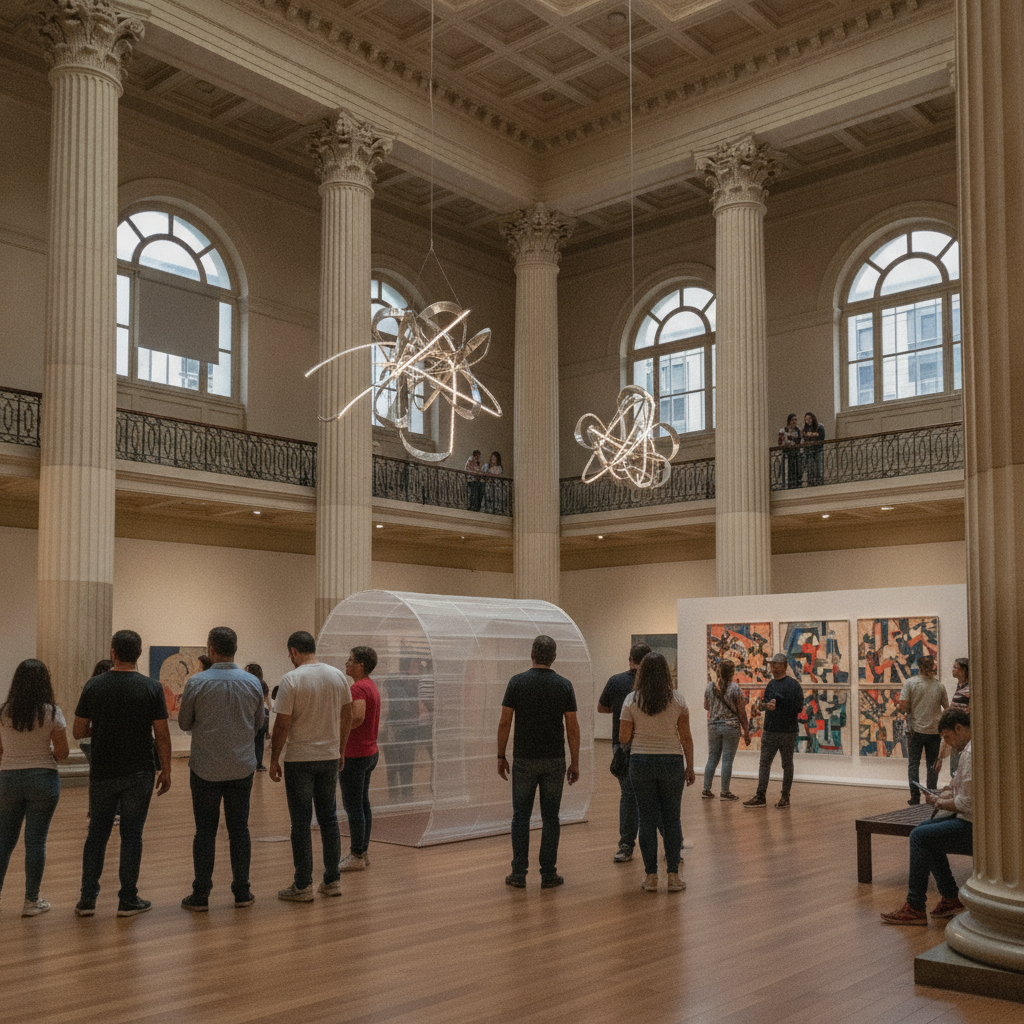
The Museu de Arte do Rio Grande do Sul in the Praça da Alfandega, housed in the former customs building, is the principal art museum of Porto Alegre and the anchor of a cultural district that includes the Santander Cultural center and the Usina do Gasômetro cultural complex on the Guaiba riverfront. Porto Alegre has one of the most active contemporary art scenes in Brazil outside the main axis of Rio and Sao Paulo.
- 5
Belem Novo and the Guaiba Sunset
The Guaiba lake that borders Porto Alegre to the west, technically a wide river delta rather than a lake, provides the most celebrated sunset in the south of Brazil from the Belem Novo viewpoint and the Orla do Guaiba promenade, where the sun sets behind the hills of the opposite bank in a display of color that is considered by gaúchos to be the defining aesthetic feature of the city. The Orla Moacyr Scliar promenade along the Guaiba is the primary public leisure space.
- 6
Serra Gaucha: The European Mountain Highlands
The Serra Gaucha, the highland zone north and northeast of Porto Alegre settled by Italian and German immigrants from the 1870s onward, contains the wine-producing towns of Bento Gonçalves, Garibaldi, and Caxias do Sul alongside the European-styled resort towns of Gramado and Canela, all accessible from Porto Alegre by bus or car in a journey of two to three hours. The Serra Gaucha is the most visited tourist region in the south of Brazil.
Walk this route with audio
Stories play automatically as you reach each stop — no tapping needed.
More in Porto Alegre
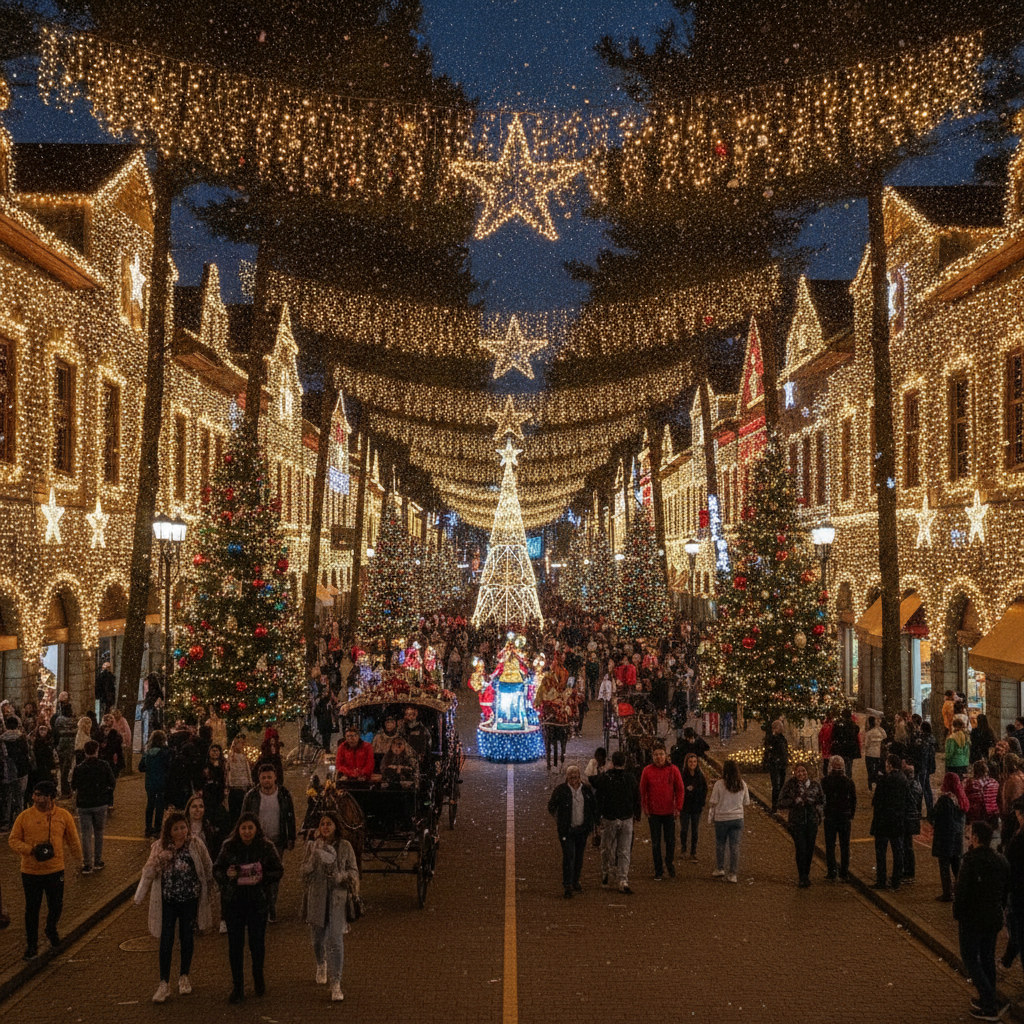
Serra Gaucha Highlights: Gramado Christmas, Bento Goncalves Harvest, Canela Waterfall, and Pelotas Candy
Porto Alegre Contemporary Life: Tech Economy, Italian Caxias do Sul, Gaucho Music, and the 2024 Flood Recovery
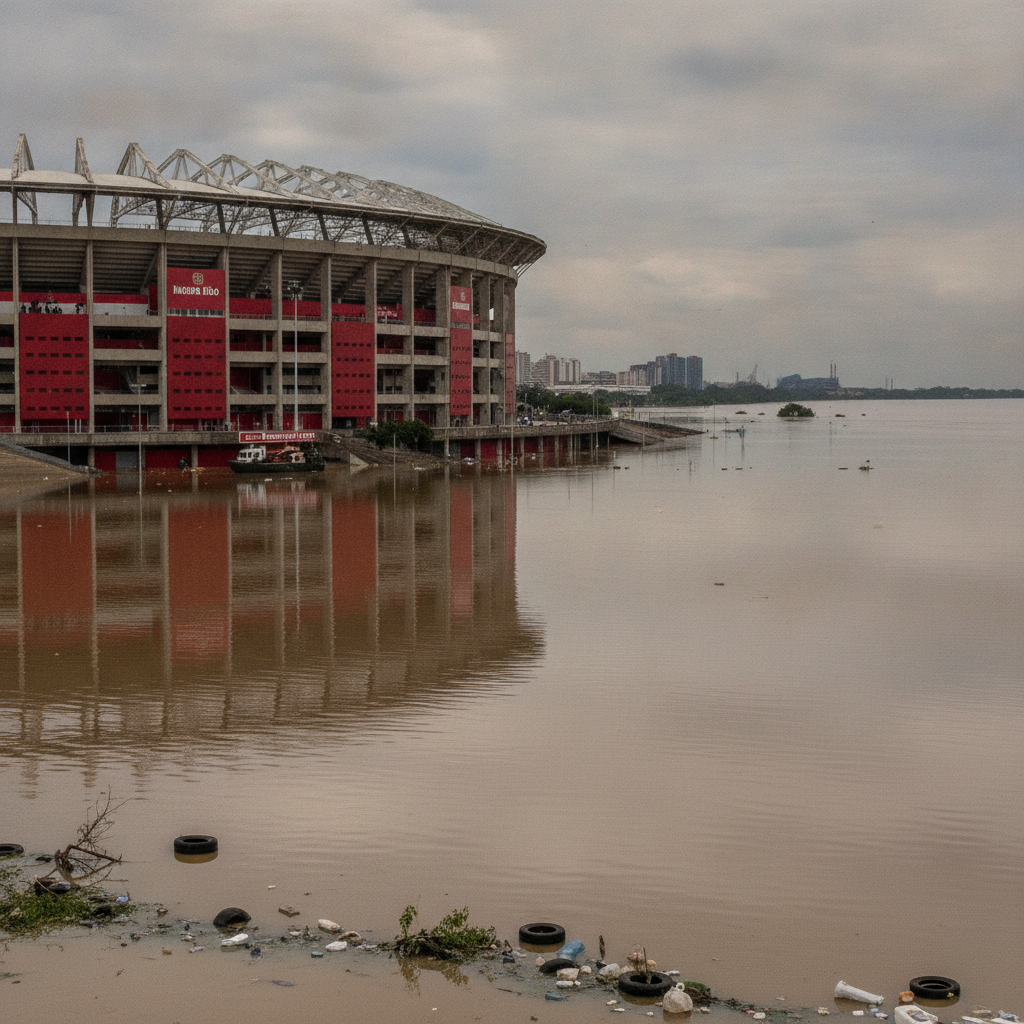
Porto Alegre History: The World Social Forum, the Gaucho Derby, the Farroupilha Revolution, and the 2024 Floods
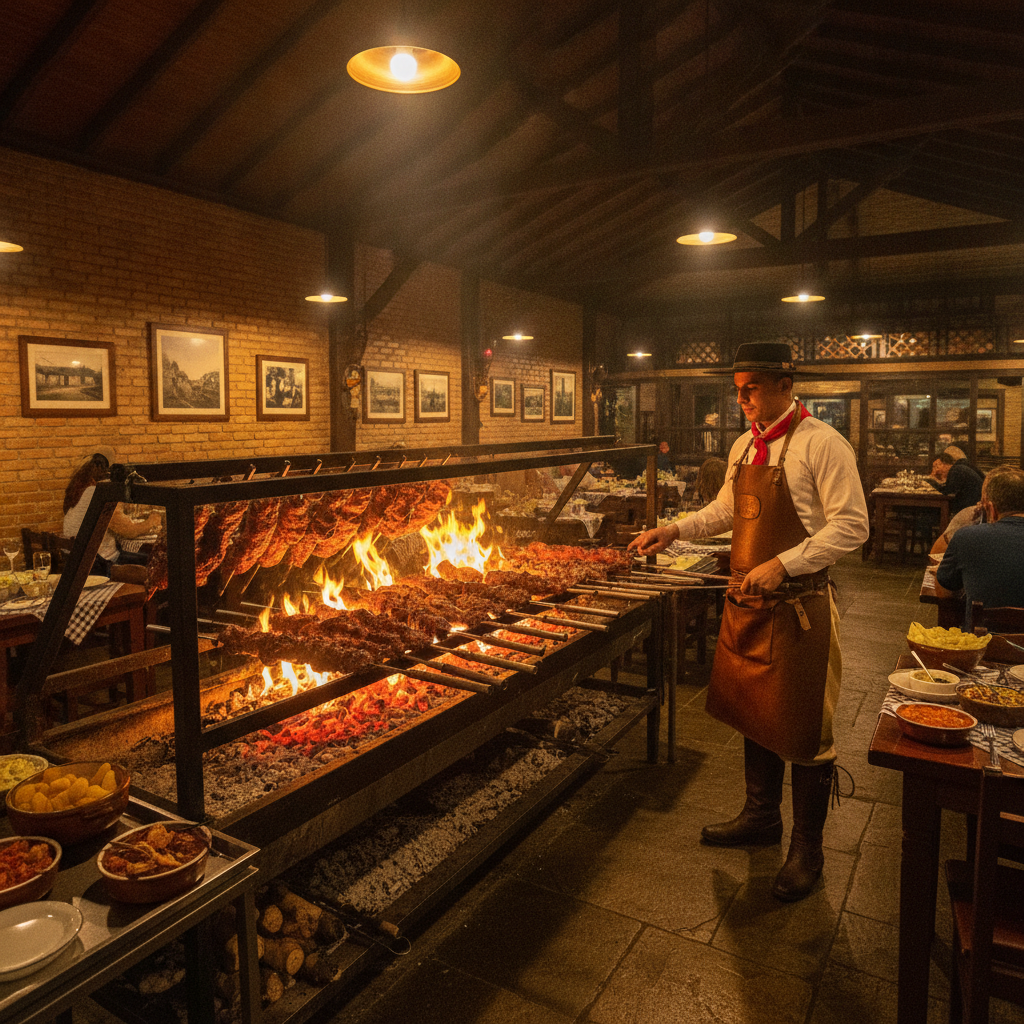
Porto Alegre Food: Churrasco, Serra Gaucha Wine, Chimarrao, and the Gaucho Comfort Food Tradition
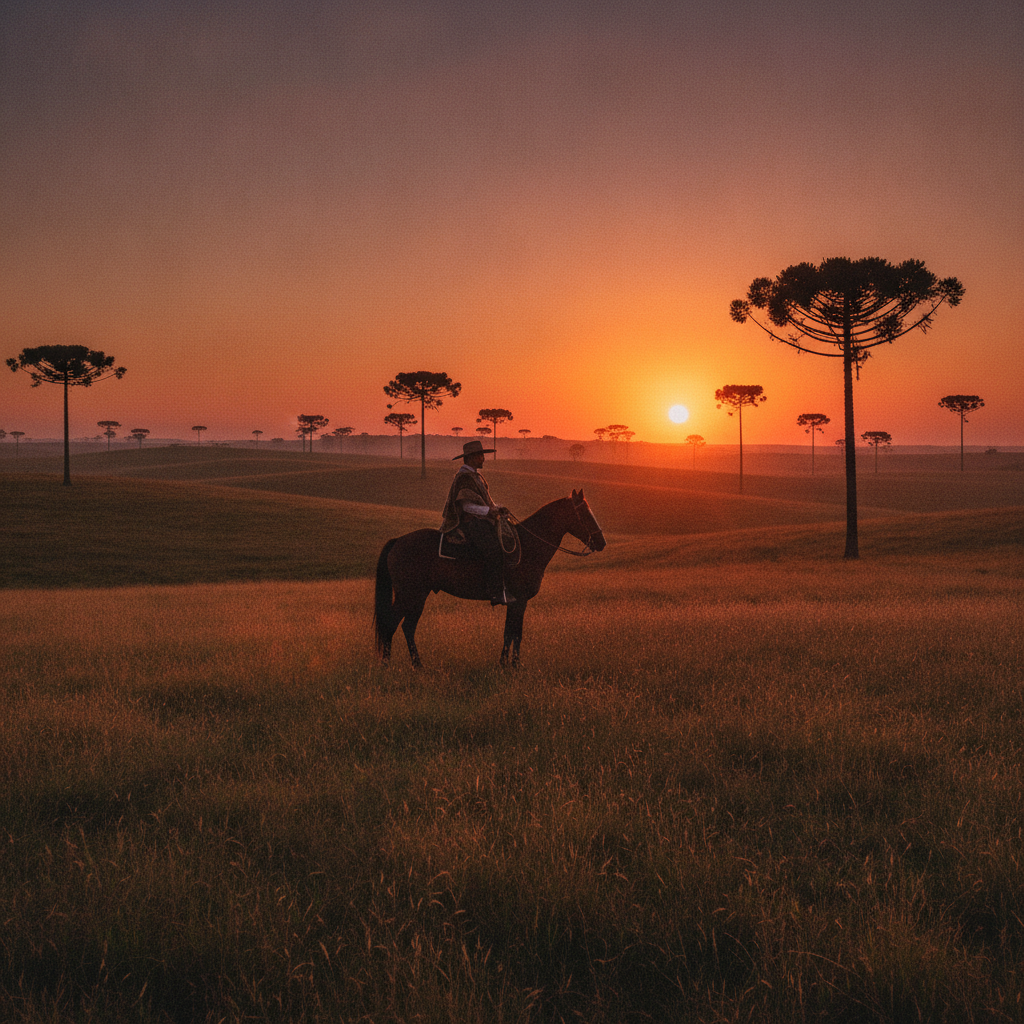
Rio Grande do Sul Beyond Porto Alegre: Pelotas Mansions, the Lagoa dos Patos, Pampa Frontier, and the Summer Beaches