Porto Alegre History: The World Social Forum, the Gaucho Derby, the Farroupilha Revolution, and the 2024 Floods
The history of Porto Alegre encompasses the World Social Forum that made the city the global center of participatory democracy, the intense football rivalry of Gremio and Internacional, the Farroupilha separatist revolution, and the catastrophic 2024 floods that demonstrated the climate vulnerability of the southern Brazilian lowlands.
- 1
World Social Forum: Porto Alegre and Global Civil Society
The World Social Forum, the civil society counter-event to the Davos World Economic Forum, held its first four annual meetings in Porto Alegre from 2001 to 2004, positioning the city as the global center of the alter-globalization movement and the participatory democracy tradition that the Porto Alegre municipal government pioneered with the Orcamento Participativo participatory budget program. The Porto Alegre model of participatory budgeting has been adopted by hundreds of cities worldwide.
- 2
Gremio and Internacional: The Gaucho Derby
The rivalry between Sport Club Internacional and Gremio Foot-Ball Porto Alegrense, the two major football clubs of Porto Alegre who share the city in what is considered one of the most intense urban club rivalries in Brazilian football, defines the social life of the city throughout the football season and divides families, workplaces, and neighborhoods along lines of red and blue that are as significant as any political affiliation.
- 3
Farroupilha Revolution: The Republican Separatist Tradition
The Farroupilha Revolution of 1835 to 1845, in which Rio Grande do Sul declared a republic separate from the Brazilian empire for ten years before negotiating a return to the union, is the defining historical event of the gaucho political tradition and the origin of the regional separatist sentiment that continues to resurface in contemporary Rio Grande do Sul politics. September 20, the date of the revolution's beginning, is the most important civic celebration of the state.
- 4
Simoes Lopes Neto: Literature of the Pampa
Joao Simoes Lopes Neto, the Pelotas writer whose Contos Gauchescos and Lendas do Sul of 1912 established the literary tradition of the Rio Grande do Sul gaucho narrative, is the founding figure of the gaucho literature that has continued through Luis Fernando Verissimo, the Porto Alegre columnist and novelist whose gentle satirical view of the Brazilian middle class made him the most widely read Brazilian author of the 20th century.
- 5
Rio Grande do Sul German Immigration: Novo Hamburgo and the Industrial South
The German immigration to the Rio Grande do Sul highlands that began in 1824 with the founding of Sao Leopoldo created the industrial foundation of the southern Brazilian economy, with the immigrant communities developing the leather and shoe manufacturing, the metalworking, and the food processing industries that make the Rio Grande do Sul metropolitan region the most industrial in the south of Brazil. Novo Hamburgo is the center of the Brazilian shoe manufacturing industry.
- 6
2024 Floods: The Climate Crisis Warning
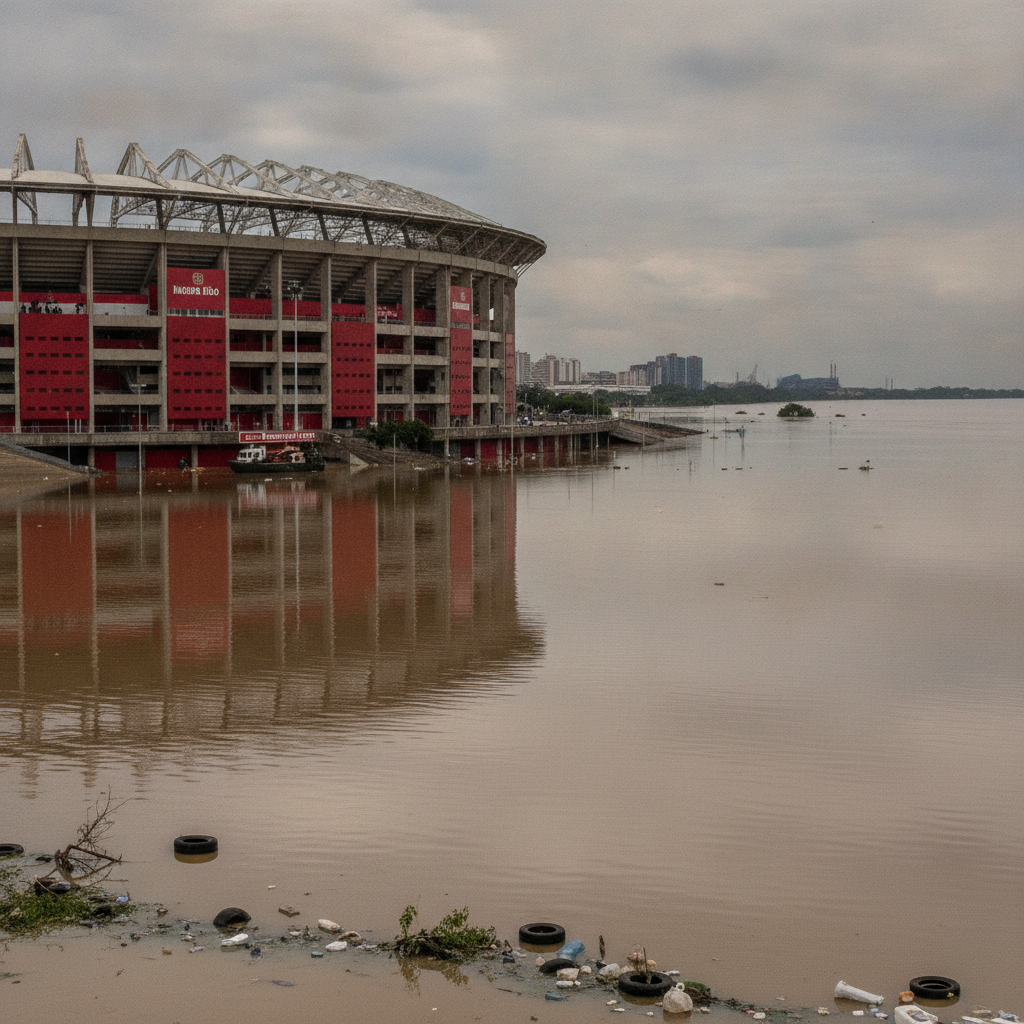
The catastrophic flooding of Rio Grande do Sul in May 2024, in which record rainfall from a subtropical cyclone system caused the inundation of hundreds of cities including Porto Alegre, killed more than 150 people, displaced hundreds of thousands, and caused billions in damage, was the most severe natural disaster in the history of the state and a visible demonstration of the relationship between climate change, deforestation, and extreme weather event intensity in the subtropical south.
Walk this route with audio
Stories play automatically as you reach each stop — no tapping needed.
More in Porto Alegre
Serra Gaucha Highlights: Gramado Christmas, Bento Goncalves Harvest, Canela Waterfall, and Pelotas Candy
Porto Alegre: Gaucho Culture, Chimarrao, the Mercado Publico, and the Serra Gaucha Highlands
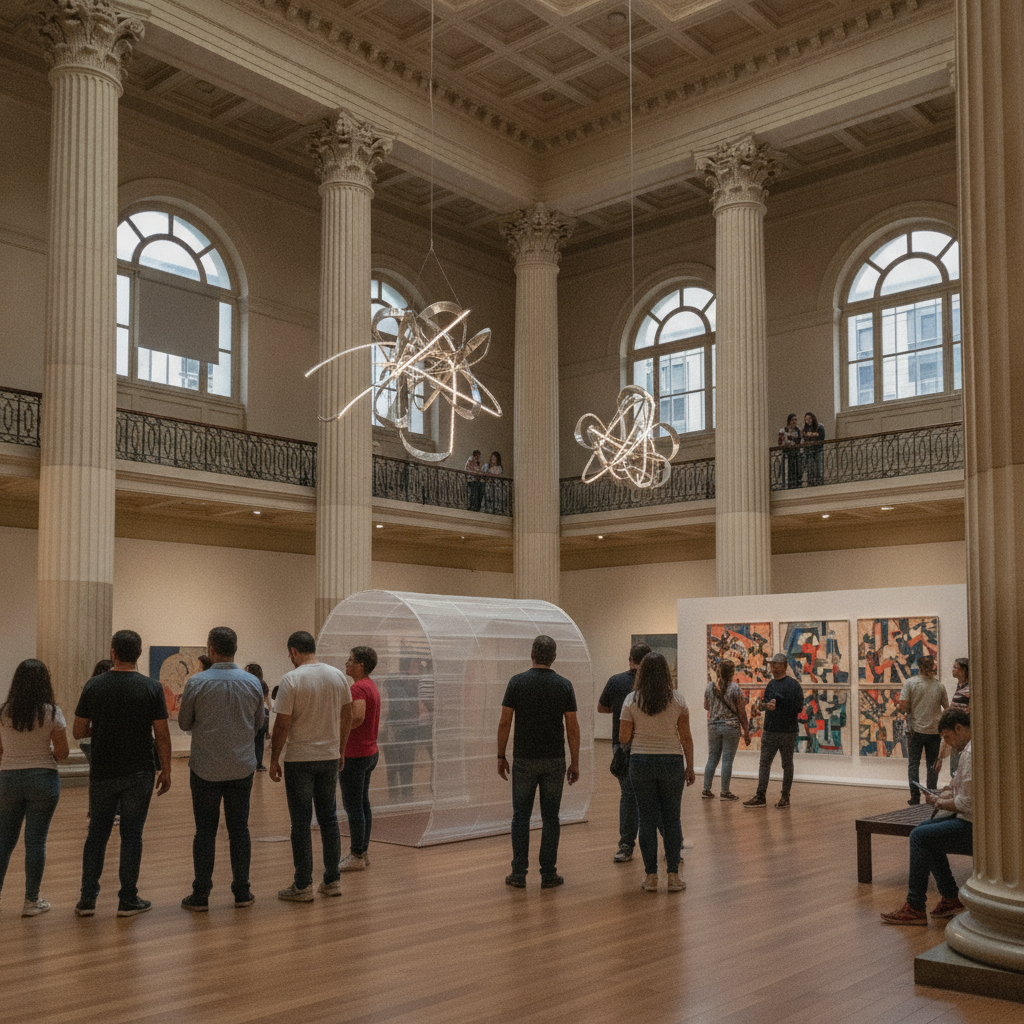
Porto Alegre Contemporary Life: Tech Economy, Italian Caxias do Sul, Gaucho Music, and the 2024 Flood Recovery
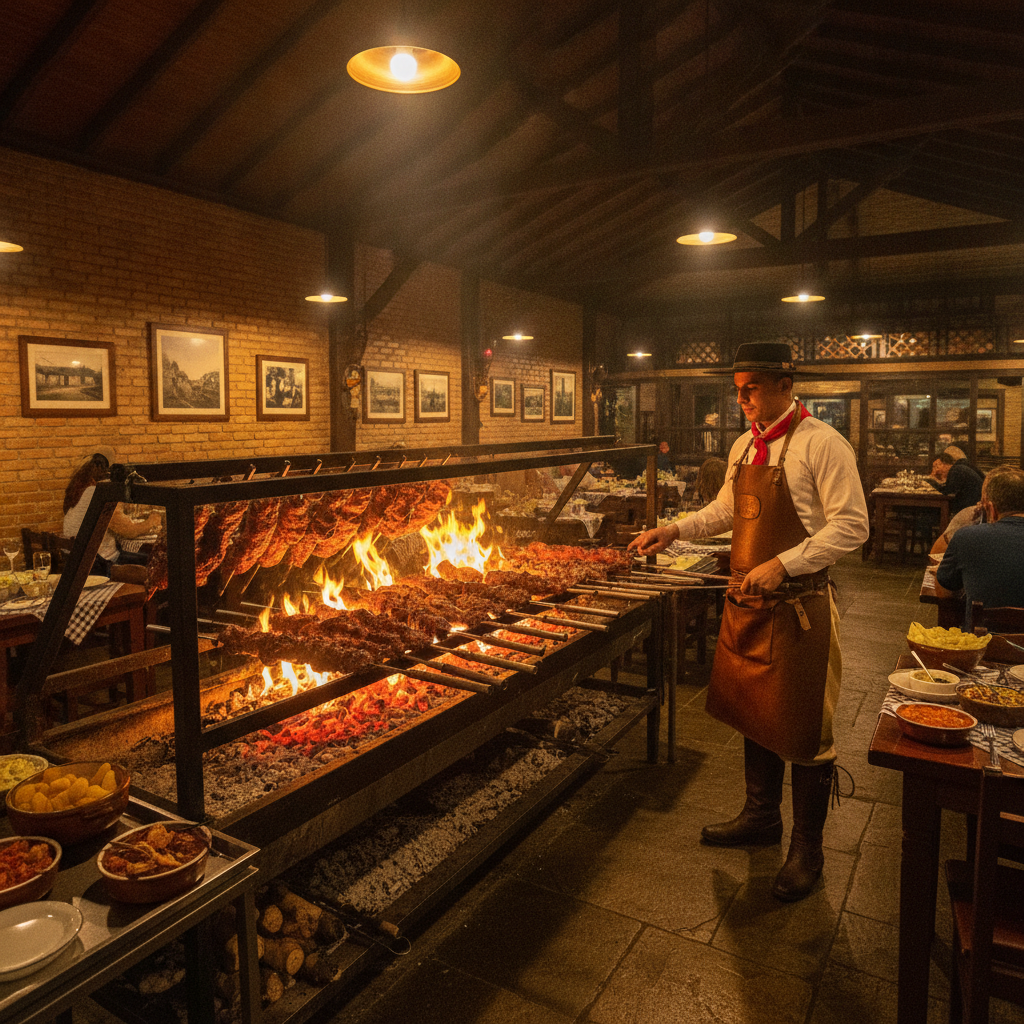
Porto Alegre Food: Churrasco, Serra Gaucha Wine, Chimarrao, and the Gaucho Comfort Food Tradition
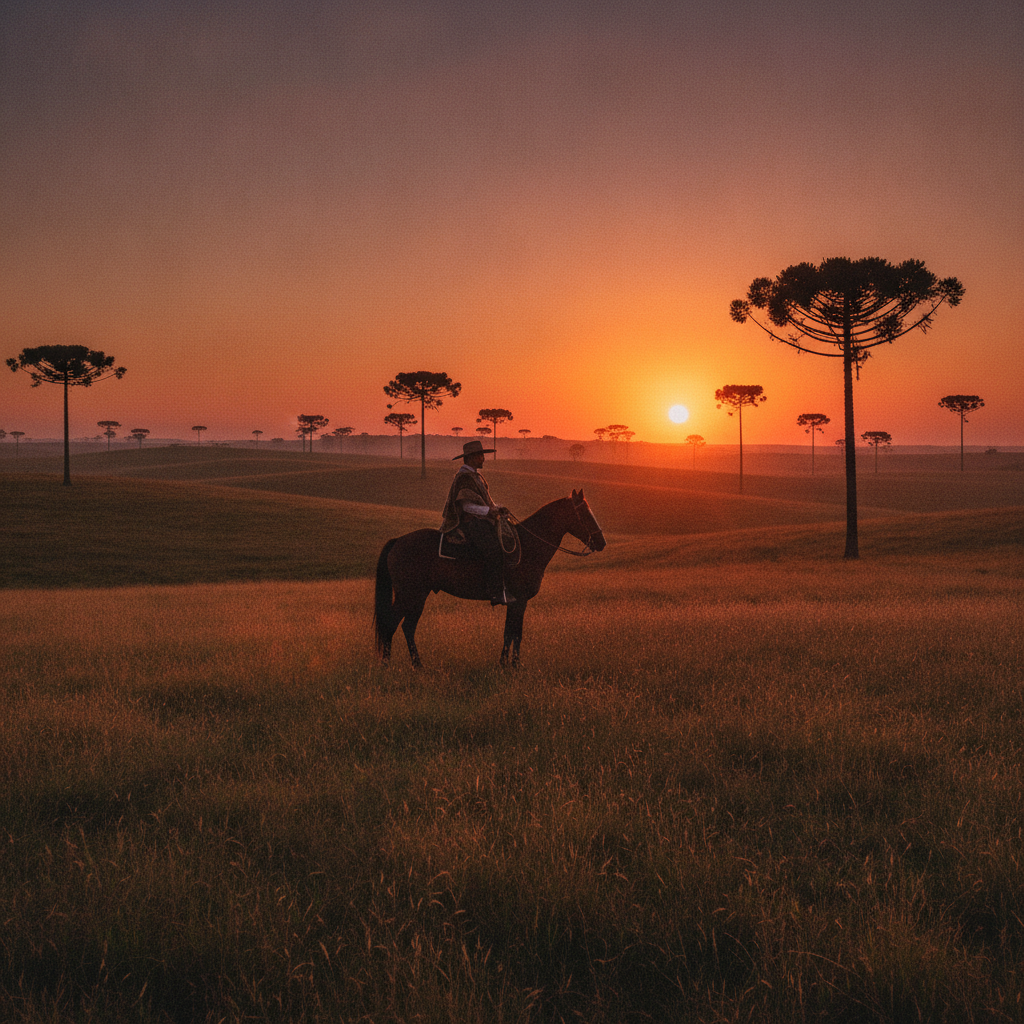
Rio Grande do Sul Beyond Porto Alegre: Pelotas Mansions, the Lagoa dos Patos, Pampa Frontier, and the Summer Beaches