Portland Maine: L.L. Bean Country, Windjammer Sails and All Four Seasons
Shop the 24-hour L.L. Bean flagship in Freeport, sail a historic windjammer schooner along the Maine coast, gallery-hop the Congress Street Arts District, swim in pristine Sebago Lake, walk the Victorian Old Port rebuilt after the 1866 fire, and plan a ski trip to Sunday River.
- 1
Freeport and L.L. Bean
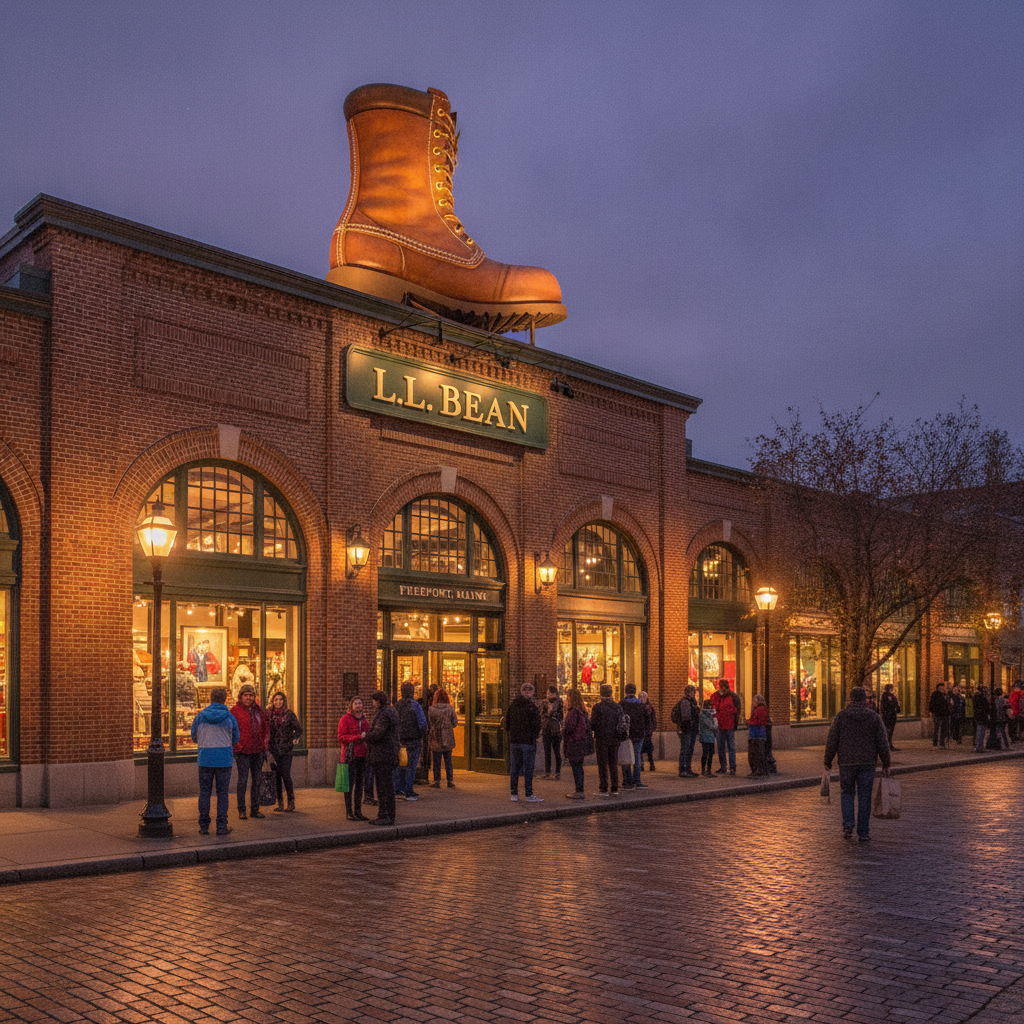
Freeport, 17 miles north of Portland on Interstate 295, is home to the L.L. Bean flagship store, which has operated 24 hours a day 365 days a year since 1951 and serves as the most visited retail destination in Maine. Leon Leonwood Bean founded the company in 1912 after developing a leather and rubber hunting boot, the Bean Boot, that he sold through direct mail. He offered an unconditional money-back guarantee that became foundational to the company brand. The flagship store grew from a small storefront to a 220,000 square foot campus selling outdoor clothing, equipment, and footwear. Freeport town center has become a premium outlet shopping district surrounding the Bean store, but the original Bean flagship and its iconic exterior giant boot sculpture remain the anchor. L.L. Bean generates annual revenues exceeding 1.8 billion dollars.
- 2
Maine Maritime Heritage and Windjammers
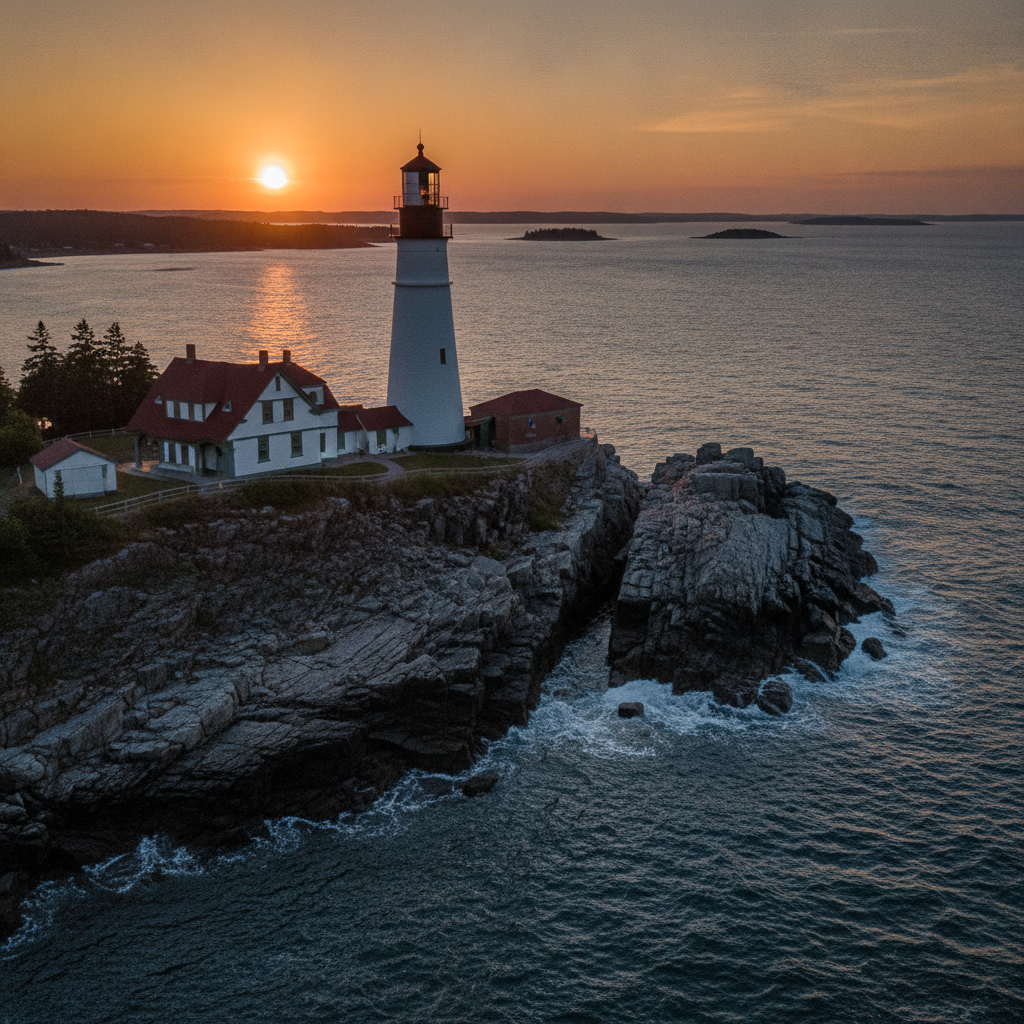
Portland is part of a coastline with one of the deepest maritime heritages in the United States, going back to the first English settlement at Popham Colony in 1607. The Maine windjammer fleet, based primarily in Rockland and Camden 80 miles northeast of Portland, operates classic wooden schooners offering multi-day sailing cruises among the coastal islands of Penobscot Bay. These vessels, built between 1900 and 1940 and carefully maintained, represent the last commercially active fleet of traditional American sailing cargo vessels. The Maine Windjammer Association coordinates the fleet of 13 vessels, some of which are National Historic Landmarks. The International Yacht Restoration School in Newport and the Maine Maritime Museum in Bath, 30 miles north of Portland, interpret the broader tradition.
- 3
Portland Arts District and Congress Street
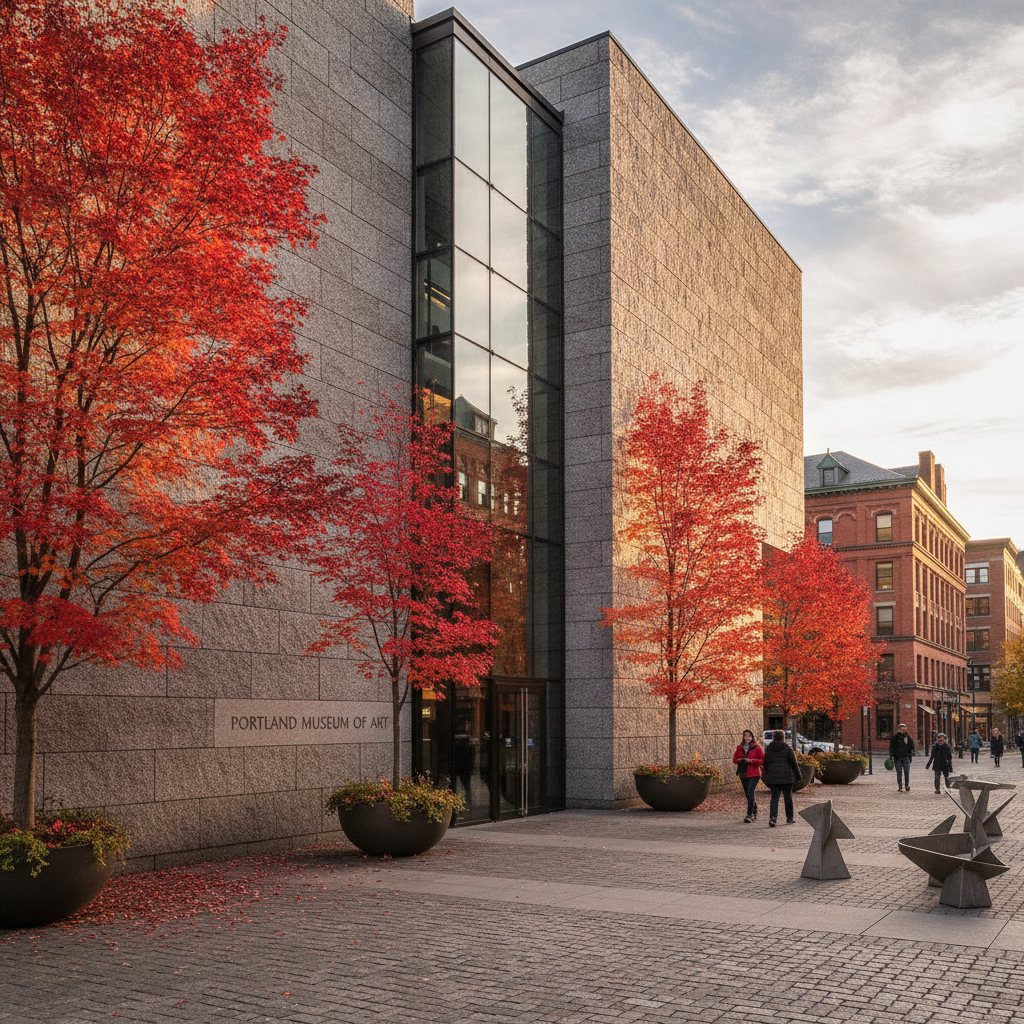
The Portland Arts District along Congress Street from Monument Square to the West End contains the greatest concentration of galleries, theaters, and cultural institutions in northern New England outside of Boston. Space Gallery at 538 Congress Street, founded in 1996, hosts contemporary visual art in a converted industrial building and has exhibited artists whose work has subsequently appeared in major American museums. Portland Stage Company, founded in 1974, is one of the most respected regional theater companies in New England. The State Theatre, a 1929 vaudeville and movie palace restored in 2009, presents national touring music acts. First Friday Art Walk on the first Friday of each month draws thousands of participants to gallery openings across the district from May through October.
- 4
Sebago Lake and Maine Lakes Region
Sebago Lake, 20 miles northwest of Portland and the second largest lake in Maine at 45 square miles, supplies drinking water to Portland and surrounding communities through one of the few unfiltered municipal water systems in the United States, possible because the watershed remains largely undeveloped. The lake is a major recreational destination for swimming, boating, and fishing, with smallmouth bass, landlocked salmon, and lake trout. Sebago Lake State Park provides public beach access, camping, and boat launches. The Songo River Queen II, a sternwheel riverboat, operates scenic cruises on the lake and the Songo River through the Lakes Region. Naples, a resort village on the lake, has operated as a summer destination for Portland families since the railroads reached it in the 1870s.
- 5
Portland Fire of 1866 and Rebuilding
The Great Portland Fire of July 4, 1866 destroyed 1,500 buildings across 58 acres of the city, leaving 10,000 people homeless in a city of 31,000. The fire started from fireworks in a boatbuilder shop on Commercial Street and spread rapidly through the wooden structures of the peninsula during a dry spell. Portland rebuilt within five years, which is why the current Old Port district contains such a coherent collection of Victorian brick commercial buildings rather than an older colonial streetscape. Architect Charles Alexander was responsible for many of the most significant post-fire buildings. The rebuilding effort attracted capital from Boston and New York investors who financed the brick warehouses that now serve as the boutique hotels and restaurants of the Old Port.
- 6
Maine Winter and Ski Culture
Maine winters, long and cold with the Portland area averaging 60 inches of snow annually, have shaped an outdoor recreation culture centered on cross-country skiing, snowshoeing, and ice skating alongside alpine skiing at Sunday River and Sugarloaf, the state two largest ski resorts. Sunday River in Bethel, 70 miles northwest of Portland, offers 870 acres of terrain across eight interconnected peaks and is consistently ranked among the top ski resorts in the eastern United States for snow reliability. The Maine Huts and Trails system, a network of backcountry huts connected by 80 miles of non-motorized trails in the western Maine mountains, opened in 2009 and represents a growing interest in wilderness skiing and hiking infrastructure. Ice fishing on inland lakes is a deeply embedded winter tradition that draws Mainers to remote lake camps from January through March.
Walk this route with audio
Stories play automatically as you reach each stop — no tapping needed.