Trinidad Nature: Leatherback Turtle Nesting at Grand Riviere, 480 Species Birding, Nariva Swamp Manatees, and Hummingbird Gallery
The extraordinary biodiversity of Trinidad, the most species-rich island in the Caribbean due to its recent separation from the South American mainland, encompasses the world-record leatherback turtle nesting at Grand Riviere, 480 bird species, the freshwater wetland of Nariva Swamp with its manatees and capybaras, and the prize-winning Trinitario cacao of the estate plantations.
- 1
The Paria Peninsula: The Remote Rainforest
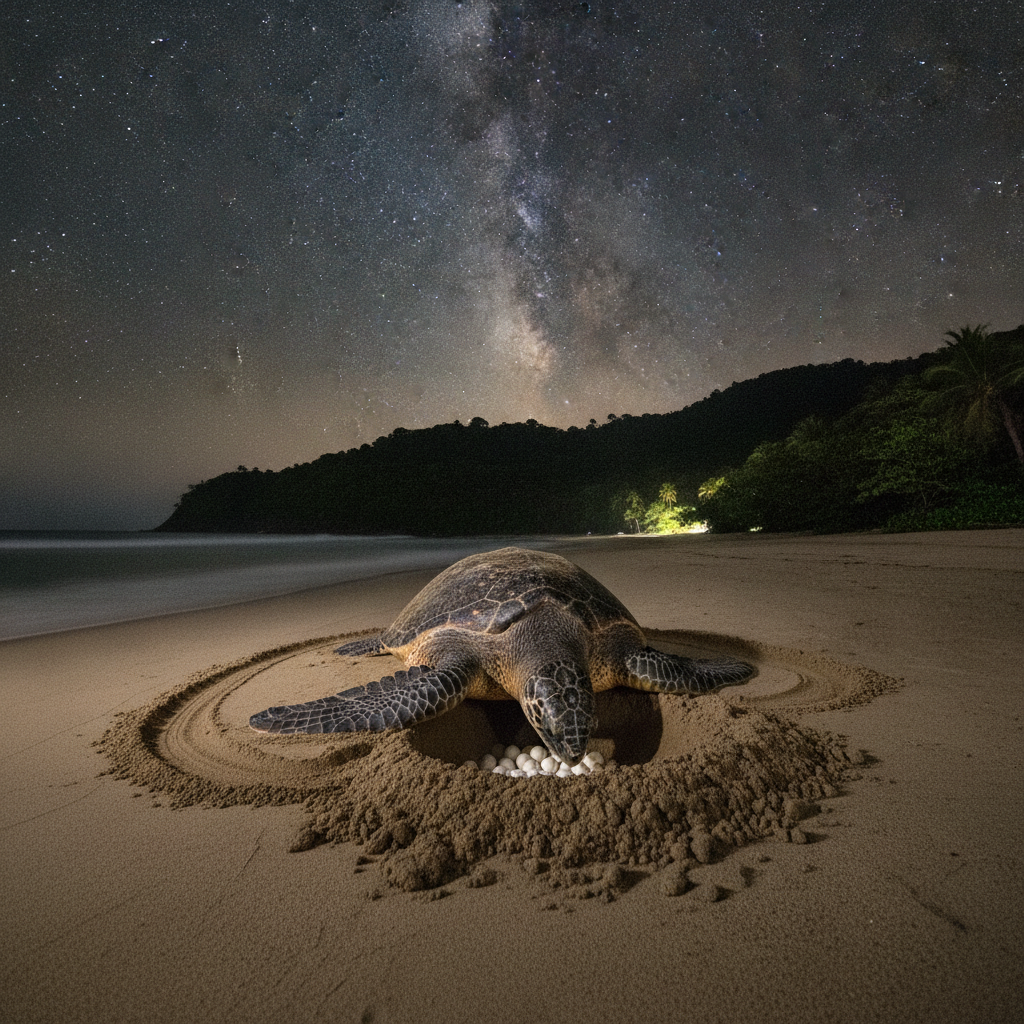
The Paria Peninsula on the northeast coast of Trinidad, the most remote and biodiversity-rich terrestrial habitat on the island, is accessible by a coastal hiking trail from Blanchisseuse that traverses the rainforest of the Northern Range to the isolated beaches of Paria Bay and Madamas Bay. The leatherback sea turtle nesting on the Paria Bay beaches from March to August, where the largest leatherbacks in the world weighing up to 900 kilograms come ashore to nest, is the most dramatic wildlife experience in Trinidad.
- 2
Leatherback Sea Turtle Nesting: The Grand Riviere Pilgrimage
Grand Riviere on the northeast Trinidad coast, the single beach with the highest density of leatherback sea turtle nesting in the world with more than 500 females nesting per night at the peak of the March to August season, is the most remarkable sea turtle nesting site accessible to visitors anywhere in the world. The organized night tours from the Grande Riviere guesthouses provide guided observation of the nesting process under the supervision of the community turtle watch program.
- 3
Trinidad Birding: 480 Species on a Single Island
Trinidad, with 480 recorded bird species on an island of 4,768 square kilometers, has the highest bird species density per unit area of any island in the Caribbean and one of the highest of any area in the Americas, attributable to the proximity of the island to the South American mainland from which it separated only 10,000 years ago. The Trinidad birding circuit of Asa Wright, the Caroni Swamp, the Nariva Swamp, and the Aripo Savannahs covers the complete range of habitats and the iconic species.
- 4
Nariva Swamp: The Freshwater Wetland
Nariva Swamp on the eastern coast of Trinidad, the largest freshwater wetland in the insular Caribbean and the habitat of the West Indian manatee, the anaconda, the capybara, and the red howler monkey, is a Ramsar Convention wetland of international importance and one of the most ecologically significant habitats in the Caribbean. The Bush Bush wildlife sanctuary within the swamp protects the populations of the squirrel monkey, the only population of this South American species outside South America.
- 5
Coconi Plantation: The Cocoa Heritage
The cacao plantations of the Trinidad interior, particularly the Coconi Estate and the Montserrat Hills estates that produce the Trinitario cacao hybrid that is the most prized fine-flavored cocoa in the world chocolate industry, represent a living heritage of the plantation economy that is being revived by the craft chocolate movement. The International Cocoa Awards have recognized Trinidad Trinitario cocoa as among the finest in the world.
- 6
Yerette Hummingbird Gallery: The Private Reserve
Yerette in Maraval, Port of Spain, a private garden managed as a hummingbird feeding station by naturalist Theo Ferguson, attracts 14 species of hummingbird to the feeding stations in the suburban garden, creating the most concentrated hummingbird observation opportunity in Trinidad. The 3-hour morning observation sessions by appointment are considered by experienced birders to be among the finest hummingbird experiences in the Caribbean.
Walk this route with audio
Stories play automatically as you reach each stop — no tapping needed.
More in Port of Spain
Trinidad and Tobago Culture and Nature: CLR James, Tobago Manta Rays, Buccoo Reef, Heritage Festival, and Island Transport
Trinidad Food: Doubles, Shark and Bake, Angostura Bitters, Pan Yard Visits, and the New Port of Spain Kitchen
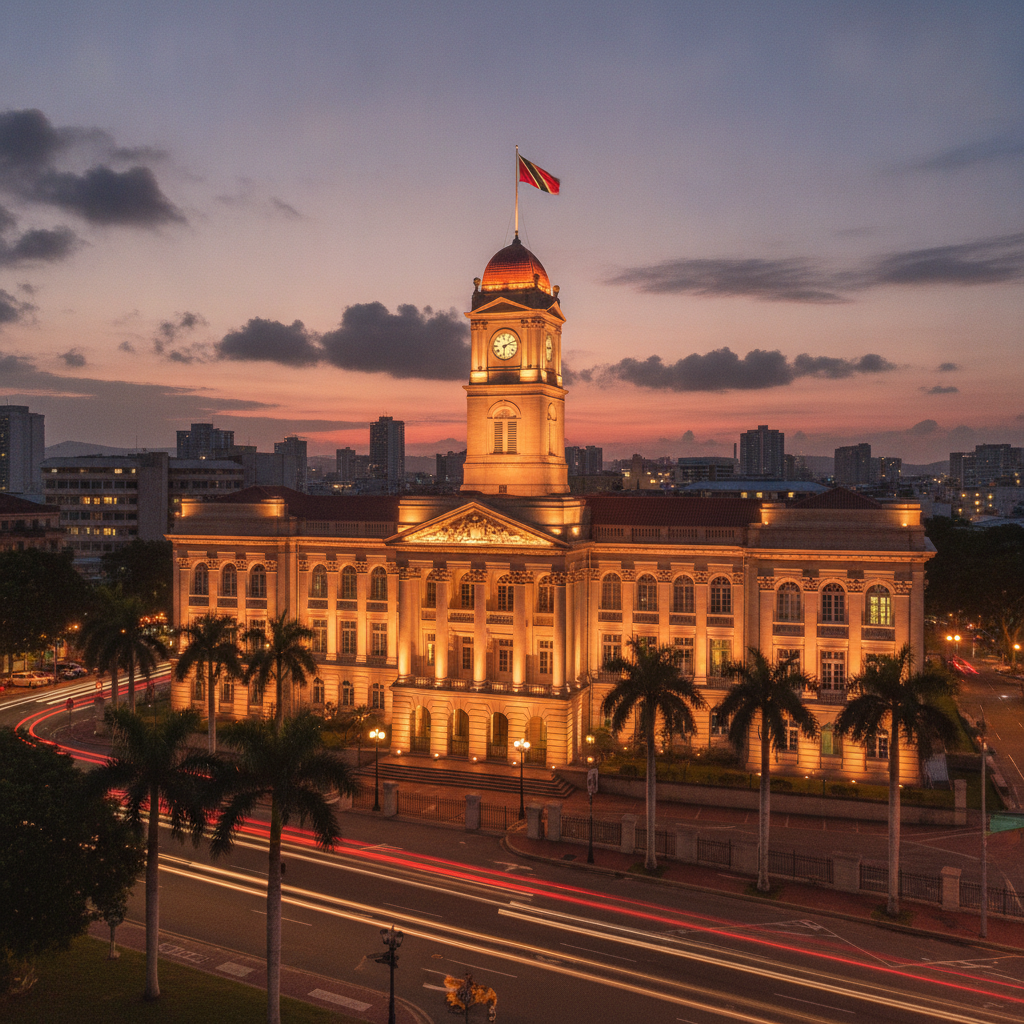
Port of Spain History and Practical: Eric Williams, the 1990 Coup, Laventille, the Red House, V.S. Naipaul Birthplace, and Visitor Logistics
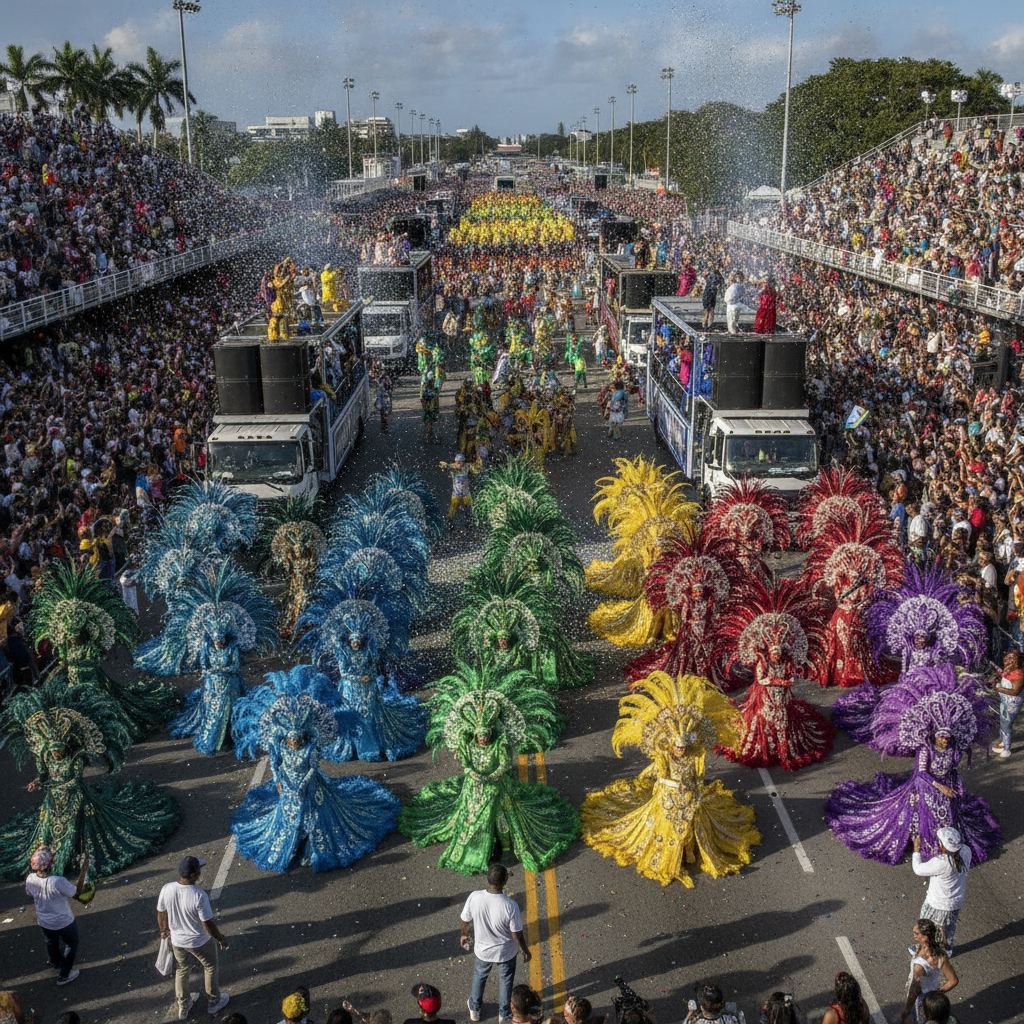
Port of Spain Carnival Deep Dive: All-Inclusive Fetes, Mas Camp Costumes, J'Ouvert Dawn, Ariapita Avenue Liming, and Practical Carnival Logistics
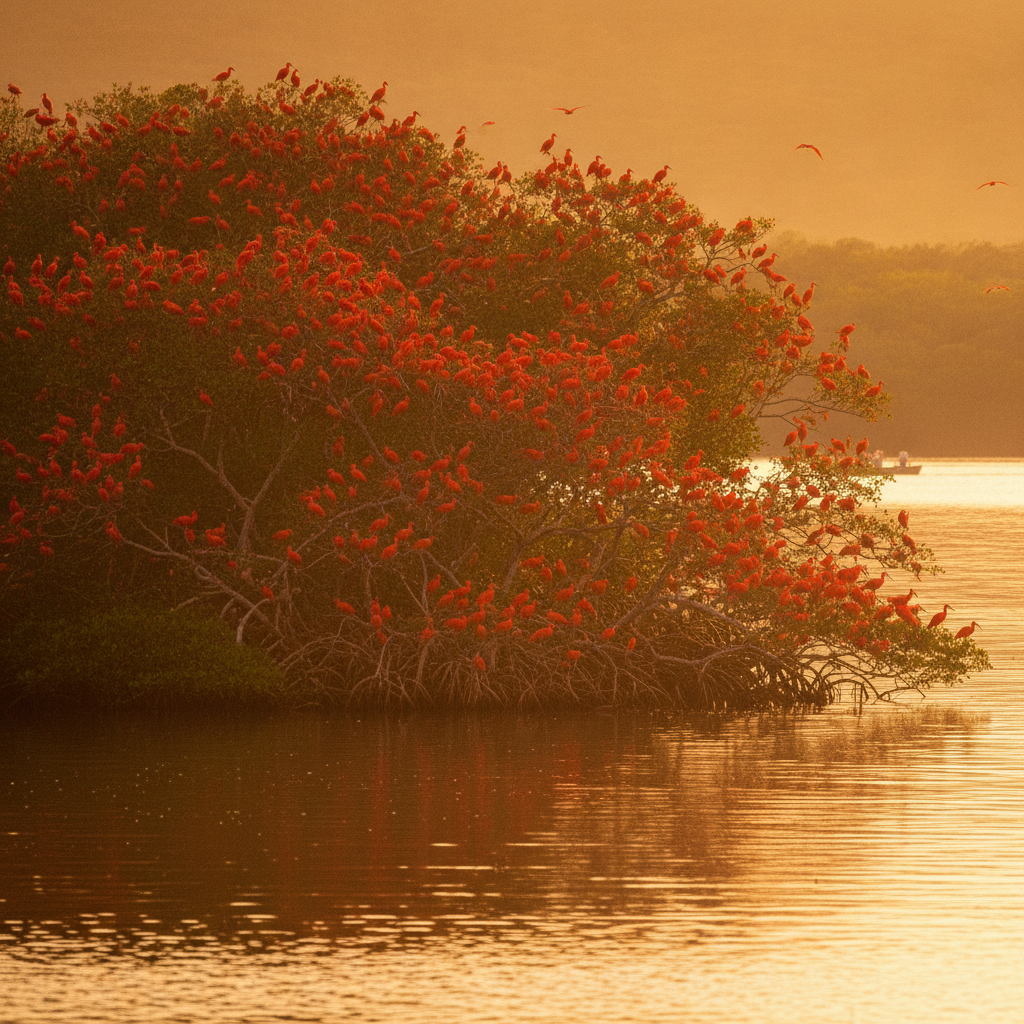
Trinidad Music and Nature: Soca Carnival, Panorama Pan Competition, Asa Wright Birding, and the Scarlet Ibis Roost