Port of Spain: Trinidad Carnival, the Steelpan, V.S. Naipaul, and the Sister Island of Tobago
Port of Spain, the capital of Trinidad and Tobago and the cultural capital of the English-speaking Caribbean, is the home of the world's greatest carnival, the only musical instrument invented in the 20th century, the Nobel Prize literary tradition of V.S. Naipaul, and the gateway to the biodiverse sister island of Tobago.
- 1
Trinidad Carnival: The Greatest Show on Earth
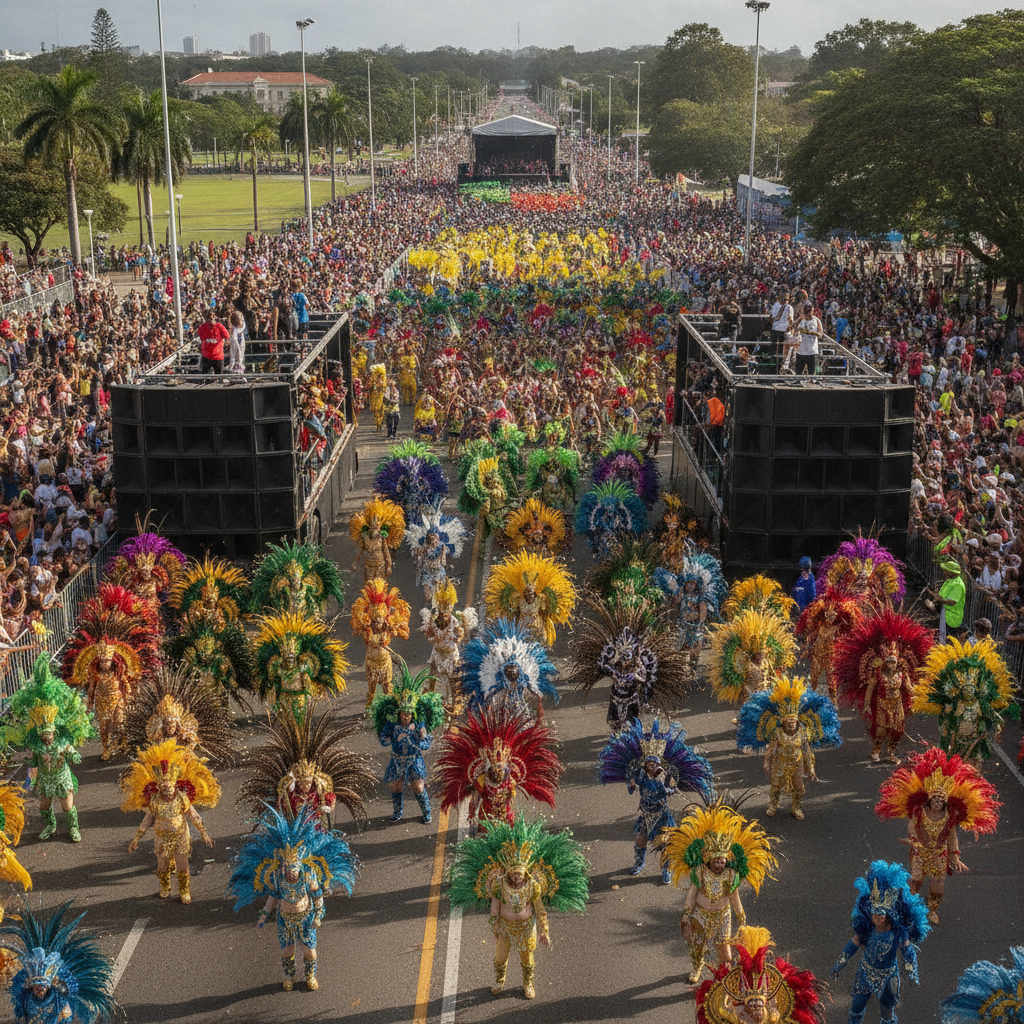
Trinidad and Tobago Carnival, held on the Monday and Tuesday before Lent in Port of Spain, is considered by scholars of carnival and by participants to be the finest carnival celebration in the world for the combination of the soca music, the elaborate masquerade costumes designed by the mas camps, the pan steel band tradition, and the participatory culture of the all-inclusive fete circuit that creates a week-long immersion in the most complete carnival culture in the Americas.
- 2
Steelpan: The Only Instrument Invented in the 20th Century
The steelpan, the percussion instrument created in the Trinidad calypso yards of Port of Spain from discarded 55-gallon oil drums in the 1930s and 1940s, is the only acoustic musical instrument invented in the 20th century and the national instrument of Trinidad and Tobago. The pan yards of the East Port of Spain neighborhoods, where the pan orchestras practice before the annual Panorama competition, are the most concentrated musical education institutions in the Caribbean.
- 3
Naipaul and the Trinidad Literary Tradition
V.S. Naipaul, born in Chaguanas Trinidad in 1932 and the author of A House for Mr. Biswas, The Mystic Masseur, and A Bend in the River, won the Nobel Prize for Literature in 2001 and is the most internationally recognized Caribbean writer. The Trinidad literary tradition also produced Derek Walcott's early influences, C.L.R. James's cricket writings, and Earl Lovelace whose The Dragon Can't Dance is the finest novel about Trinidad Carnival.
- 4
Queen's Park Savannah: The Seven Buildings and the Circular Park
The Queen's Park Savannah, the 260-acre circular park at the northern end of Port of Spain, is surrounded by the Seven Buildings, the colonial mansions of the 19th century planter class whose architectural variety of French, Scottish, and Caribbean colonial styles creates the most distinctive colonial residential streetscape in the Caribbean. The Savannah is the primary public open space of the capital and the venue for the Carnival events.
- 5
Maracas Bay: The Bay and the Shark and Bake
Maracas Bay on the north coast of Trinidad, accessible from Port of Spain by the spectacular Saddle Road through the Northern Range mountains in 45 minutes, is the most popular beach in Trinidad and the location of the shark and bake, the fried shark in a fried bread roll with the sauces and condiments that is the defining Trinidad beach food experience and the subject of passionate debate among Trinidadians about which stall makes the best version.
- 6
Tobago: The Quiet Sister Island
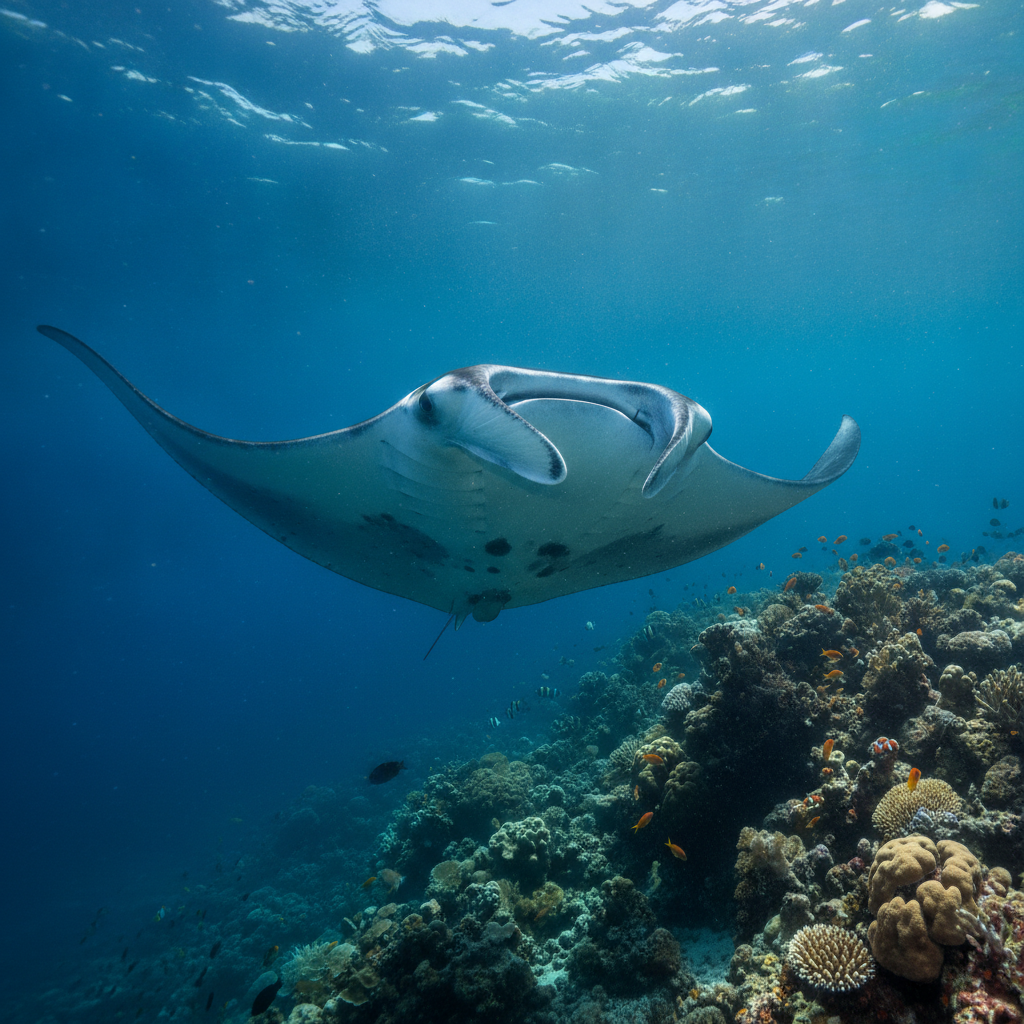
Tobago, the smaller island of the twin-island republic accessible from Port of Spain by 25-minute domestic flight or 2.5-hour ferry, provides the beach and nature experience that Trinidad does not: the Buccoo Reef, the oldest protected reef in the Caribbean, the Speyside manta ray and turtle diving, and the Nylon Pool sandbar in the lagoon create a complete ecotourism destination in the most biodiverse small island in the Caribbean.
Walk this route with audio
Stories play automatically as you reach each stop — no tapping needed.
More in Port of Spain
Trinidad and Tobago Culture and Nature: CLR James, Tobago Manta Rays, Buccoo Reef, Heritage Festival, and Island Transport
Trinidad Nature: Leatherback Turtle Nesting at Grand Riviere, 480 Species Birding, Nariva Swamp Manatees, and Hummingbird Gallery
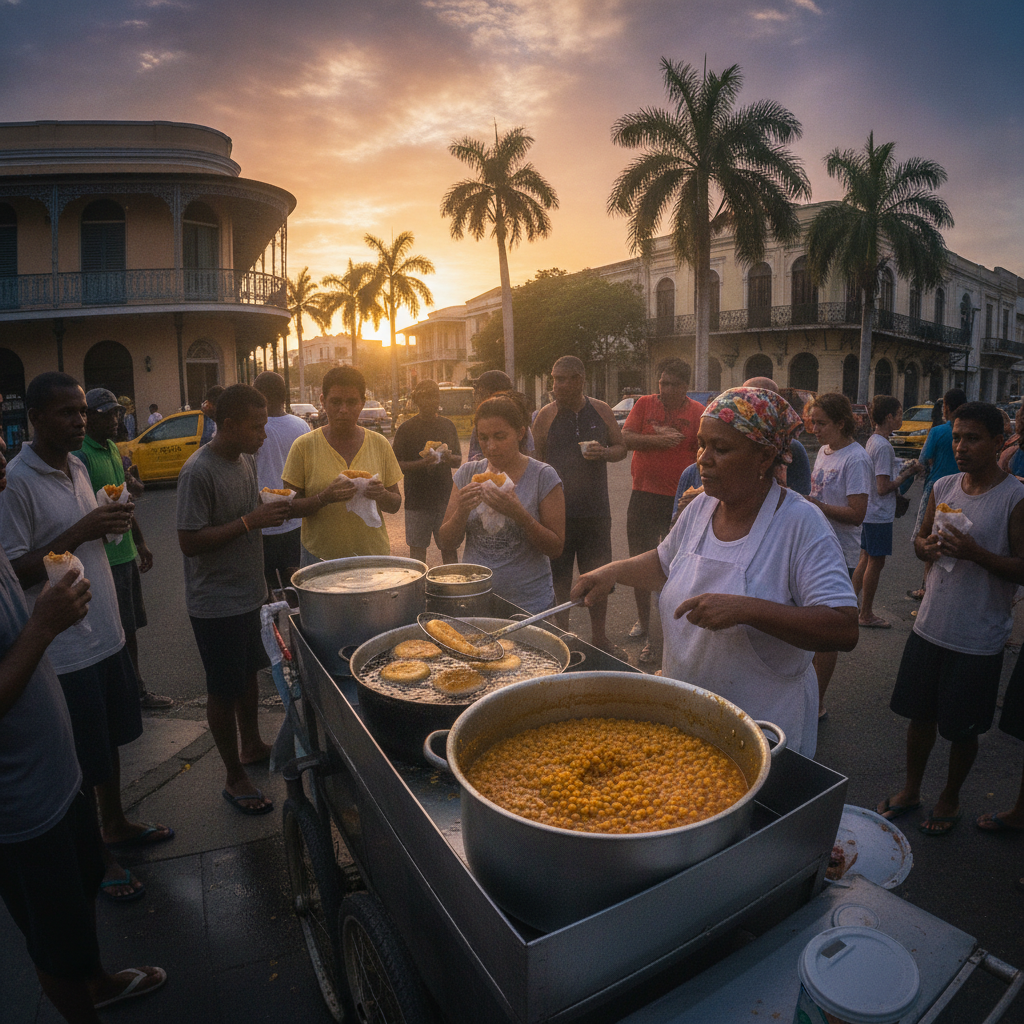
Trinidad Food: Doubles, Shark and Bake, Angostura Bitters, Pan Yard Visits, and the New Port of Spain Kitchen
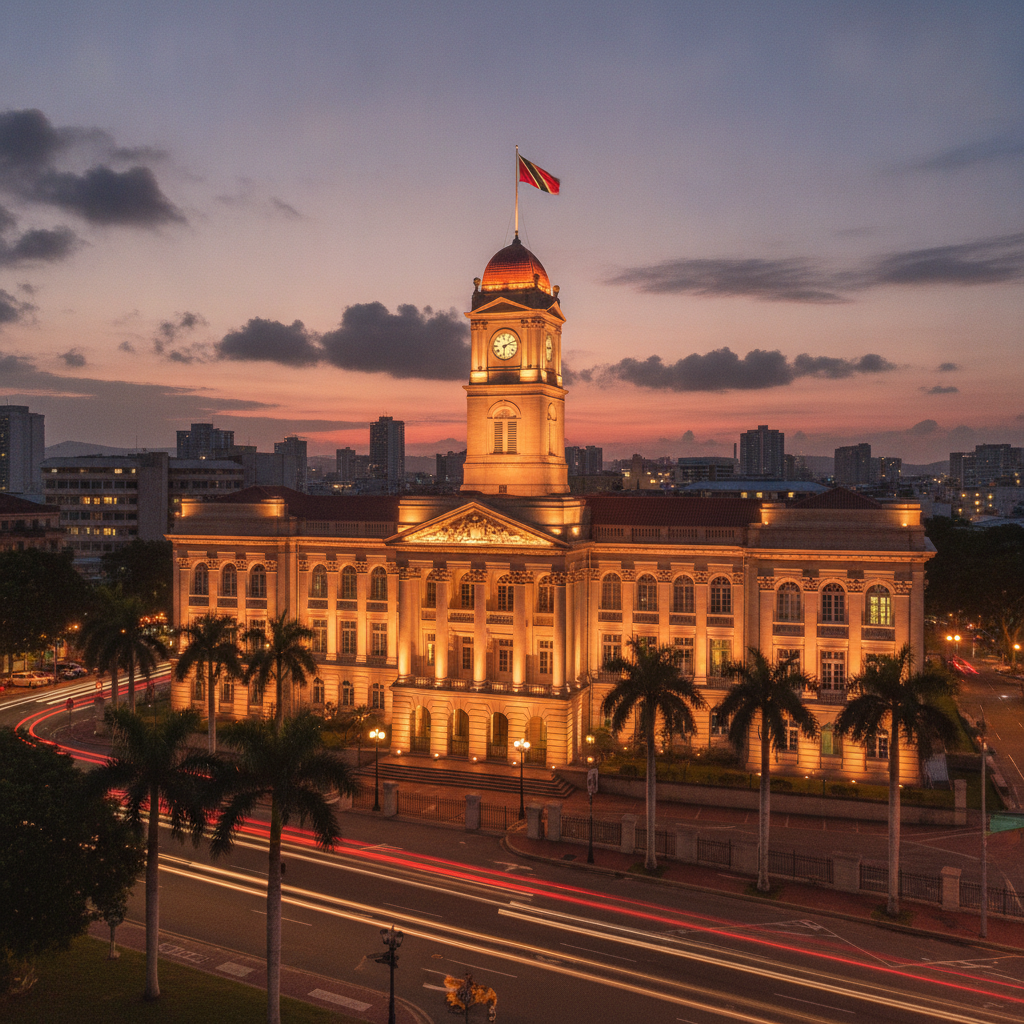
Port of Spain History and Practical: Eric Williams, the 1990 Coup, Laventille, the Red House, V.S. Naipaul Birthplace, and Visitor Logistics
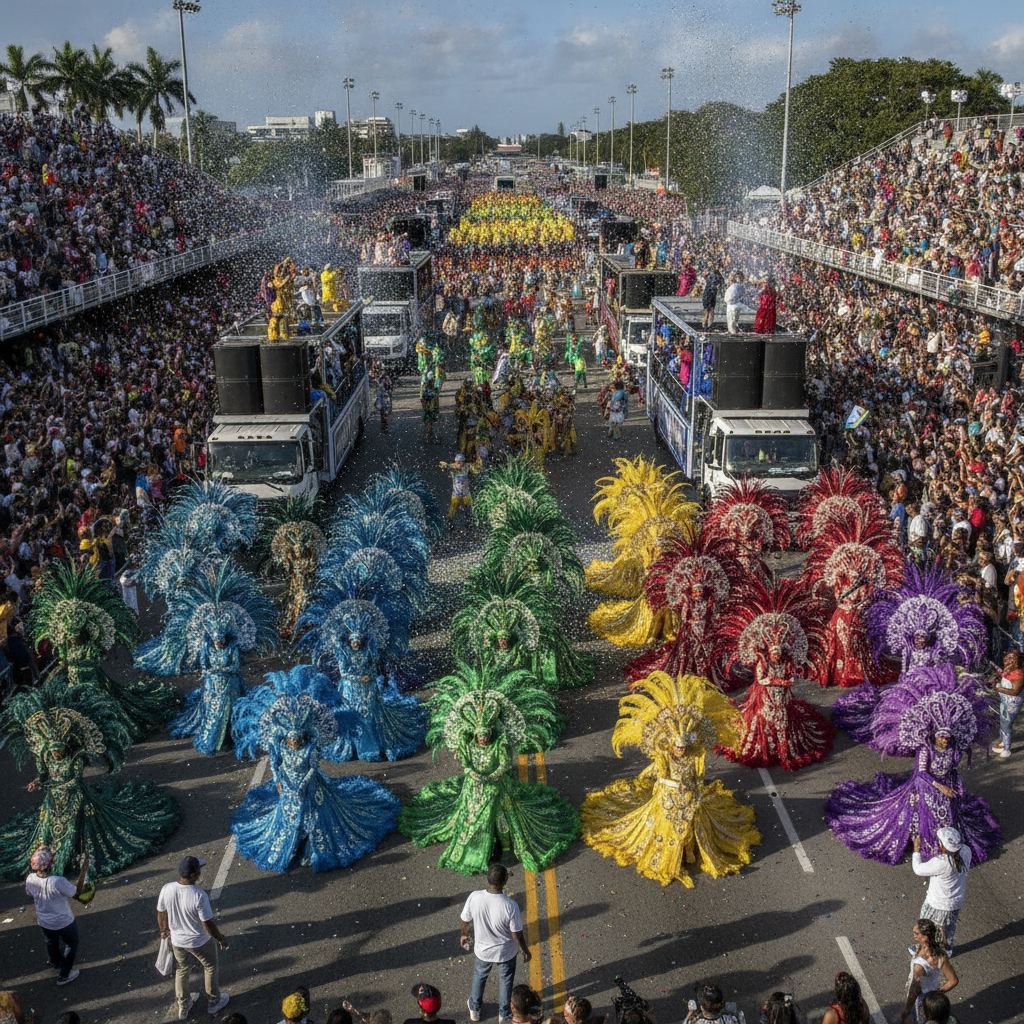
Port of Spain Carnival Deep Dive: All-Inclusive Fetes, Mas Camp Costumes, J'Ouvert Dawn, Ariapita Avenue Liming, and Practical Carnival Logistics