Port Louis: Mauritian Cuisine, Grand Bassin Pilgrimage, Black River Gorges, Pamplemousses Garden, and Rodrigues Island
Mauritius food and nature: dholl puri and Mauritian cuisine diversity, the Grand Bassin Hindu sacred lake and Maha Shivaratri pilgrimage, Black River Gorges National Park endemic birds, the Pamplemousses Botanical Garden (oldest in Africa), and the remote Rodrigues island dependency.
- 1
The Mauritian Cuisine - Dholl Puri, Octopus Curry, and the Indian Ocean Table
Mauritian cuisine: the most diverse food culture in the Indian Ocean, combining Indian, Creole, Chinese, and French culinary traditions in one small island. The dholl puri: the definitive Mauritius street food, a thin wheat flour flatbread made with boiled and spiced yellow split peas incorporated into the dough, served with a rougaille (tomato-based curry sauce), curried butter beans, and an achard (pickled vegetable relish). The gateaux piments (literally chili cakes): the deep-fried split pea fritters seasoned with chili, cumin, and coriander, the most ubiquitous street snack. The octopus curry (the Creole daube de poulpe): one of the signature Creole dishes, the octopus braised with tomatoes, onions, thyme, and spices to a rich, slightly chewy texture. The briani (the Mauritian biryani): the Indian-heritage rice dish cooked with meat, spices, and saffron, a major event food served at weddings and Eid celebrations in the Mauritian Muslim community. The farata (the Mauritius variant of the paratha flatbread): the primary bread of the Indian-heritage community.
- 2
The Grand Bassin - Sacred Lake and Maha Shivaratri Pilgrimage
The Grand Bassin (Ganga Talao in Hindi): the volcanic crater lake in the Black River District (approximately 30 km south of Port Louis) sacred to the Hindu community of Mauritius. The crater lake is believed to be connected underground to the River Ganges; water carried from the Grand Bassin to local temples during Maha Shivaratri is considered equivalent to water from the Ganges. The Maha Shivaratri pilgrimage (the annual Hindu festival of Shiva): approximately 400,000-500,000 Mauritians walk barefoot to the Grand Bassin carrying the kavadi (the elaborate decorated metal arch frame carried on the shoulders) and the kanvar (the decorated wooden yoke carrying the water jugs). The pilgrimage distance: many pilgrims walk 10-20 km or more to the Grand Bassin. Maha Shivaratri in Mauritius is considered the largest religious gathering in the southern hemisphere and is the most important annual cultural event in Mauritius. The Grand Bassin is surrounded by large statues of Hindu deities including a 33-meter statue of Shiva.
- 3
The Black River Gorges National Park - The Last Native Forest of Mauritius
The Black River Gorges National Park (the primary protected natural area of Mauritius, approximately 30 km south of Port Louis): the 6,560-hectare park protects the largest remaining area of native Mauritius forest. The native forest of Mauritius: severely depleted by logging, land clearing for sugar cane, and invasive species (the guava, the privet, and the strawberry guava have invaded large areas of the native forest). Approximately 9% of the original native forest remains. The endemic birds of the Mauritius native forest: the Mauritius kestrel (once the world rarest bird, with only 4 wild individuals remaining in 1974; a captive breeding program has brought the population back to approximately 500 birds), the echo parakeet (the only surviving wild parrot species of the Mascarene Islands), the pink pigeon (formerly critically endangered, now recovered to approximately 500-600 individuals from a low of 9 birds in the early 1990s through captive breeding). The Black River Gorges viewpoints: the dramatic view across the gorge to the southern coast and the Indian Ocean from the Alexandra Falls viewpoint.
- 4
The Pamplemousses Botanical Garden - The Oldest Botanical Garden in Africa
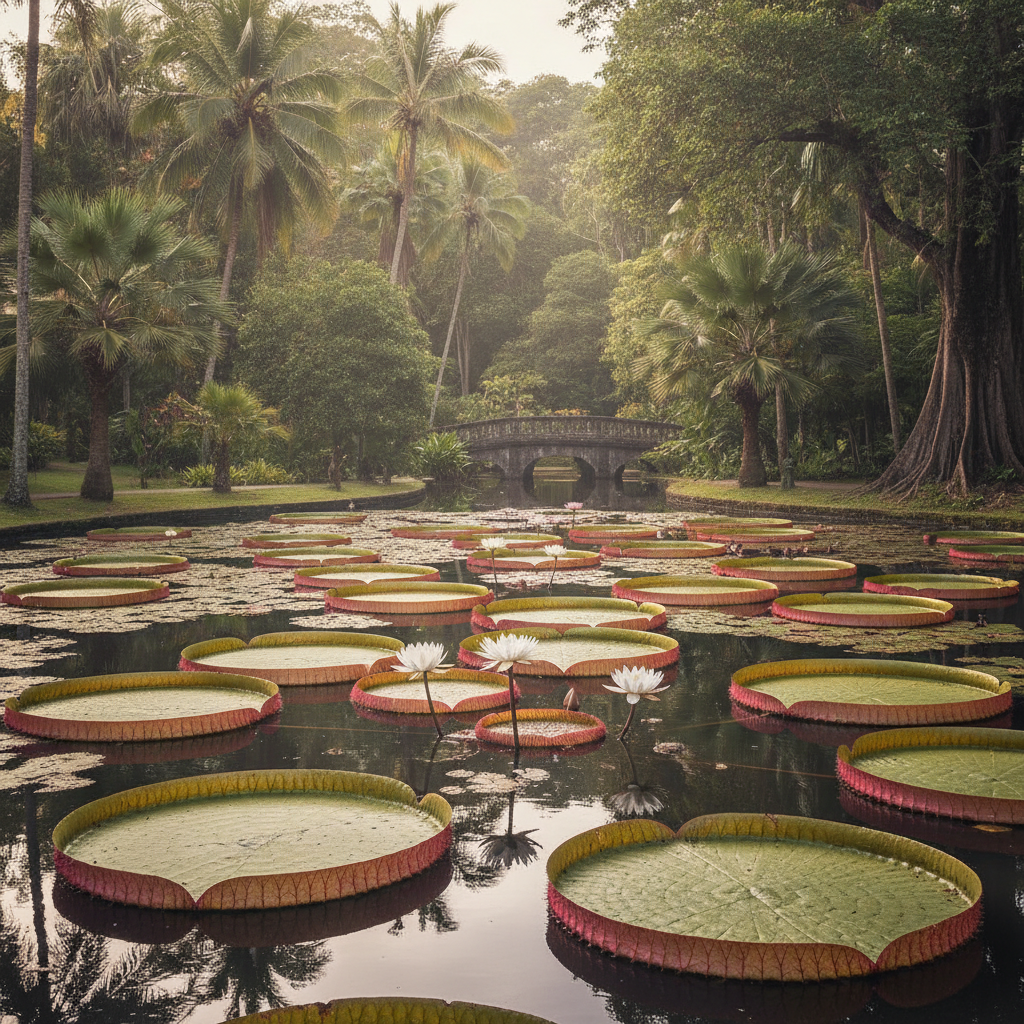
The Sir Seewoosagur Ramgoolam National Botanical Garden (the Pamplemousses Botanical Garden, approximately 13 km north of Port Louis): the oldest botanical garden in Africa (established 1770 by the French governor Pierre Poivre as the Jardin des Pamplemousses, for the cultivation of spices introduced from Asia). The giant Victoria amazonica water lilies (the enormous floating lily pads up to 2 meters in diameter): the most iconic feature of the Pamplemousses Botanical Garden, growing in the large ornamental pond since the 19th century. The garden contains: a collection of 85 palm species from around the world (the most comprehensive palm collection in the Indian Ocean), a collection of spice plants including the nutmeg, cinnamon, clove, and vanilla plants historically cultivated in the garden, the talipot palm (Corypha umbraculifera: flowers only once in 30-80 years, then dies), and the historic French colonial trees planted in the 18th century. The garden is the venue for the official state ceremonies of Mauritius.
- 5
Rodrigues Island - The Mauritius Dependency and the Last Wilderness
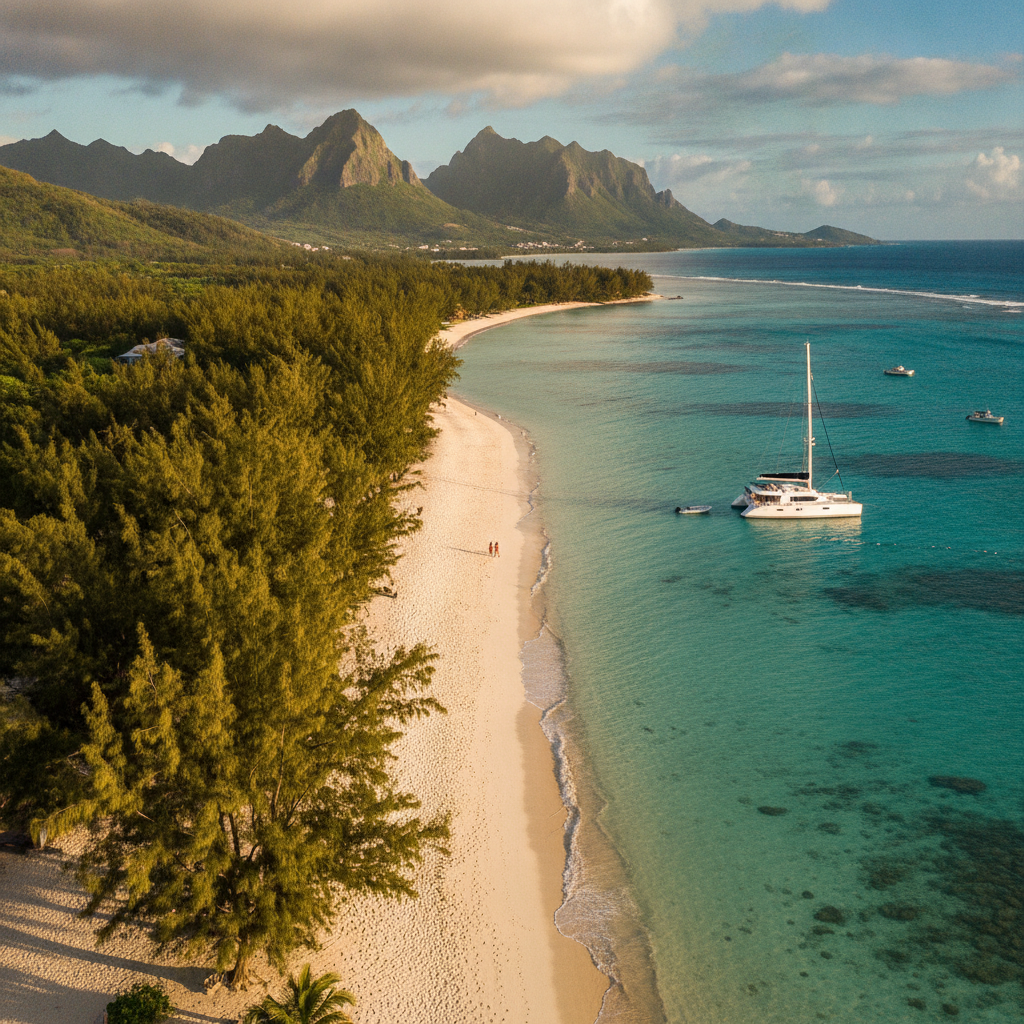
Rodrigues: the small island dependency of Mauritius (approximately 110 sq km, approximately 560 km east of Mauritius), accessible by 2-hour flight from SSR International Airport or by the once-monthly cargo ship from Port Louis. Rodrigues (named for the Portuguese navigator Diogo Rodrigues who visited in 1528) is one of the most isolated and least touristy inhabited islands in the Indian Ocean. The Rodrigues culture: the population of approximately 45,000 is predominantly Creole (descendants of enslaved Africans and their freed descendants, speaking a Creole dialect distinct from Mauritius Creole). The Rodrigues outdoor experience: outstanding snorkeling and scuba diving in a pristine lagoon (one of the largest lagoon-to-island ratios in the Indian Ocean), the spectacular kite surfing at Gros Sable, and the hiking trails. The Rodrigues giant tortoise (Cylindraspis vosmaeri): extinct (killed by sailors for food in the 18th century). The Aldabra giant tortoise (imported from Aldabra in the Seychelles) now roams in the Rodrigues nature reserves.
- 6
Port Louis Three Routes Complete and Mauritius Overview
Port Louis three routes complete. Route 1: Mauritius economic miracle (Africa highest GDP per capita), Caudan Waterfront and the world most valuable stamps (Blue Penny), Aapravasi Ghat UNESCO indentured labour, the dodo extinction, Mauritius multicultural mosaic, practical guide. Route 2: Central Market dholl puri and gateaux piments, Champ de Mars racecourse (oldest in southern hemisphere), L Aventure du Sucre sugar museum, Blue Bay Marine Park coral reef, Le Morne Brabant UNESCO Maroon resistance, Dutch-French-British colonial sequence. Route 3 (this route): Mauritius cuisine (dholl puri, octopus curry, briani, farata), Grand Bassin sacred lake and Maha Shivaratri pilgrimage (400,000 pilgrims), Black River Gorges National Park and endemic birds (Mauritius kestrel, echo parakeet, pink pigeon), Pamplemousses Botanical Garden (oldest in Africa), Rodrigues island. Routes 4-6 needed. Mauritius population approximately 1.3 million, area approximately 2,040 sq km, independence 1968. The island is one of the safest countries in Africa (crime is rare and tourists are generally secure). The primary tourist concern: traffic in Port Louis CBD is severely congested during rush hours.
Walk this route with audio
Stories play automatically as you reach each stop — no tapping needed.
More in port-louis
Port Louis: The Mauritius Miracle, Caudan Waterfront, Aapravasi Ghat UNESCO, the Dodo, Multicultural Society, and Practical Guide
Port Louis: Central Market, Champ de Mars Racecourse, Sugar Heritage, Blue Bay Coral Reef, Le Morne UNESCO, and Colonial History
Port Louis: Mauritius Luxury Tourism, Chamarel Eco-Tourism, Hindu Festivals, Sino-Mauritian Chinatown, and Creole Sega Music
Port Louis Final Legacy: Rum Heritage, Muslim Community, Underwater Diving, Mahebourg Museum, and the Complete Mauritius Reference