Port Louis: Mauritius Luxury Tourism, Chamarel Eco-Tourism, Hindu Festivals, Sino-Mauritian Chinatown, and Creole Sega Music
Mauritius culture and community: the luxury honeymoon resort industry, Chamarel (Seven Coloured Earths, rum distillery, waterfall), Hindu festivals (Diwali, Holi, Shivaratri), the Sino-Mauritian community and Chinatown, and the Creole sega music and dance tradition.
- 1
The Mauritius Honeymoon Industry - Why Mauritius Leads Indian Ocean Tourism
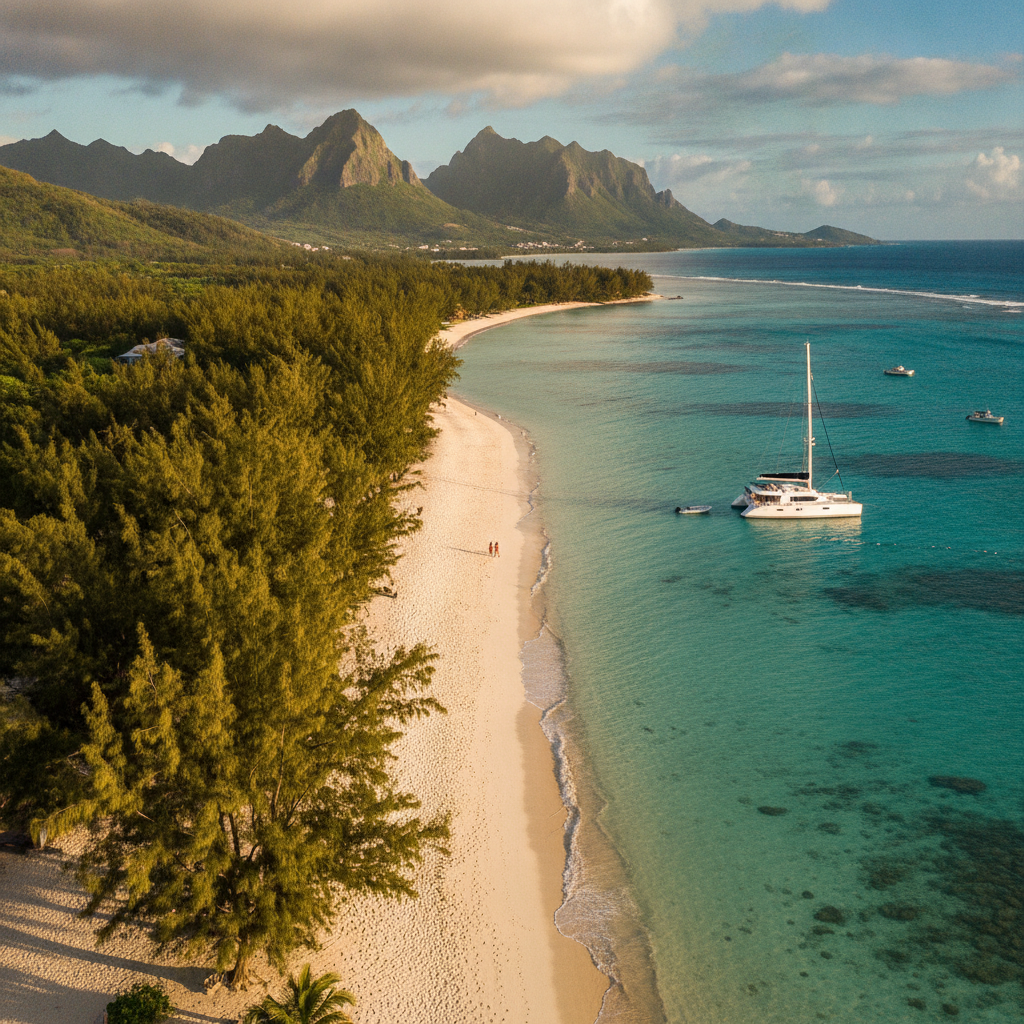
Mauritius is the Indian Ocean leading honeymoon and luxury resort destination. The luxury resort tradition: the over-water bungalow (a concept originated in Tahiti but adopted widely in the Indian Ocean) and the beachfront butler-service resort define the Mauritius luxury experience. The primary luxury resort areas: the west coast (Turtle Bay, the Sofitel Imperial, the One and Only Le Saint Geran at Belle Mare), the east coast (the Constance Belle Mare Plage, the Heritage Bel Ombre estate), and the north coast (the Oberoi Mauritius at Turtle Bay). The Mauritius tourism statistics: approximately 1.3 million tourist arrivals annually (pre-COVID), spending approximately USD 1.7 billion (approximately 12% of GDP). The primary tourist source markets: France (the largest single source, approximately 20% of visitors), Reunion (the French overseas department 200 km to the west), UK, Germany, and India. The Mauritius tourism proposition: the combination of the French colonial cultural elegance, Indian Ocean beach perfection, multilingual service (English, French, and Creole), and extraordinary food diversity creates a tourism product with few equivalents in the world.
- 2
The Mauritius Sugarcane Trails and Eco-Tourism
The Mauritius agri-tourism experience. The Chamarel Village (in the Black River District of southwestern Mauritius): the most scenic highland village in Mauritius, surrounded by sugar cane fields, vanilla plantations, and the Chamarel waterfall. The Seven Coloured Earths (the Chamarel coloured earths): a small area of volcanic ash and soil in seven distinct colors (red, brown, violet, green, blue, purple, and yellow) created by the differential cooling of volcanic lava. The Chamarel Rum Distillery (producing the Chamarel Rum range from sugar cane grown on the estate): one of the finest premium island rums in the Indian Ocean; the distillery tour includes cane processing, distillation, barrel aging, and tasting. The Chamarel waterfall (approximately 83 meters high): the most accessible significant waterfall in Mauritius. The vanilla plantation tours (in the eastern highlands): the hand-pollination of the vanilla flower, the curing process, and the vanilla product tasting.
- 3
The Mauritius Hindu Heritage - Diwali, Holi, and the Temple Architecture
The Hindu heritage of Mauritius: approximately 48% of the population is Hindu (the descendents of the Indian indentured workers, primarily from Bihar, eastern Uttar Pradesh, Andhra Pradesh, and Tamil Nadu). The Mauritius Hindu festivals: Diwali (the Festival of Lights: the most visually spectacular festival, celebrated in October-November with oil lamps, fireworks, and sweet-making; in Mauritius the entire island illuminates simultaneously with lanterns and diyas, creating a unique spectacle); Holi (the Festival of Colors: celebrated in March, the entire island splashes colored powder for a day); Maha Shivaratri (the most important Hindu festival in Mauritius: the 400,000-person barefoot pilgrimage to the Grand Bassin). The Hindu temples of Mauritius: the Sooruj Narain Mandir (the primary Varanasi-style temple in Triolet, north Mauritius), the Kovil Shri Casimir Ekambaranathar temple (the Tamil Hindu temple in Port Louis CBD). The Mauritius Tamil community (approximately 5-6% of the population): the Tamil culture (the kavadi festival, the fire-walking ceremony) is one of the most visually dramatic of the Mauritius cultural traditions.
- 4
The Mauritius Chinese Community - The Sino-Mauritian Heritage
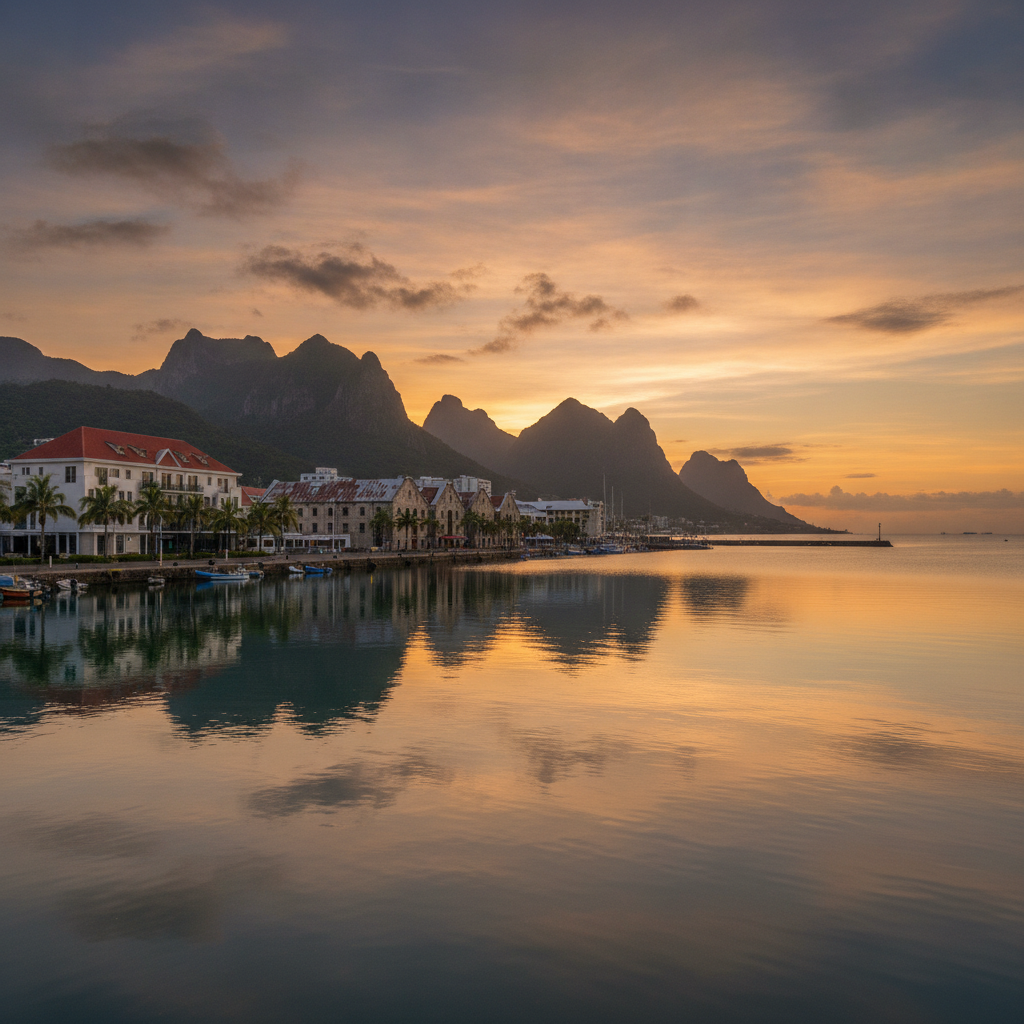
The Sino-Mauritian community (approximately 3% of the population, approximately 30,000-35,000 people): one of the smallest but most commercially influential communities in Mauritius. The Chinese arrived in Mauritius primarily from the Guangdong and Fujian provinces of China in the 19th century, initially as traders and shop owners. The Chinatown of Port Louis (the Place d Armes area and the surrounding streets of central Port Louis): the primary concentration of the Sino-Mauritian community, with the traditional Chinese medicine shops, the Chinese restaurant tradition (the Chinese restaurants of Port Louis are among the finest in the Indian Ocean), and the Chinese New Year celebrations (the Port Louis Chinese New Year parade is the most spectacular annual public celebration in the city). The Spring Festival (the Chinese New Year): one of the most exuberantly celebrated festivals in Mauritius, with the dragon dances, fireworks, and the traditional reunion dinner. The Sino-Mauritian contribution to Mauritius commerce: the Chinese community has traditionally dominated the retail trade, import-export business, and more recently the technology sector.
- 5
The Mauritian Creole Culture - Sega Music and the African Heritage
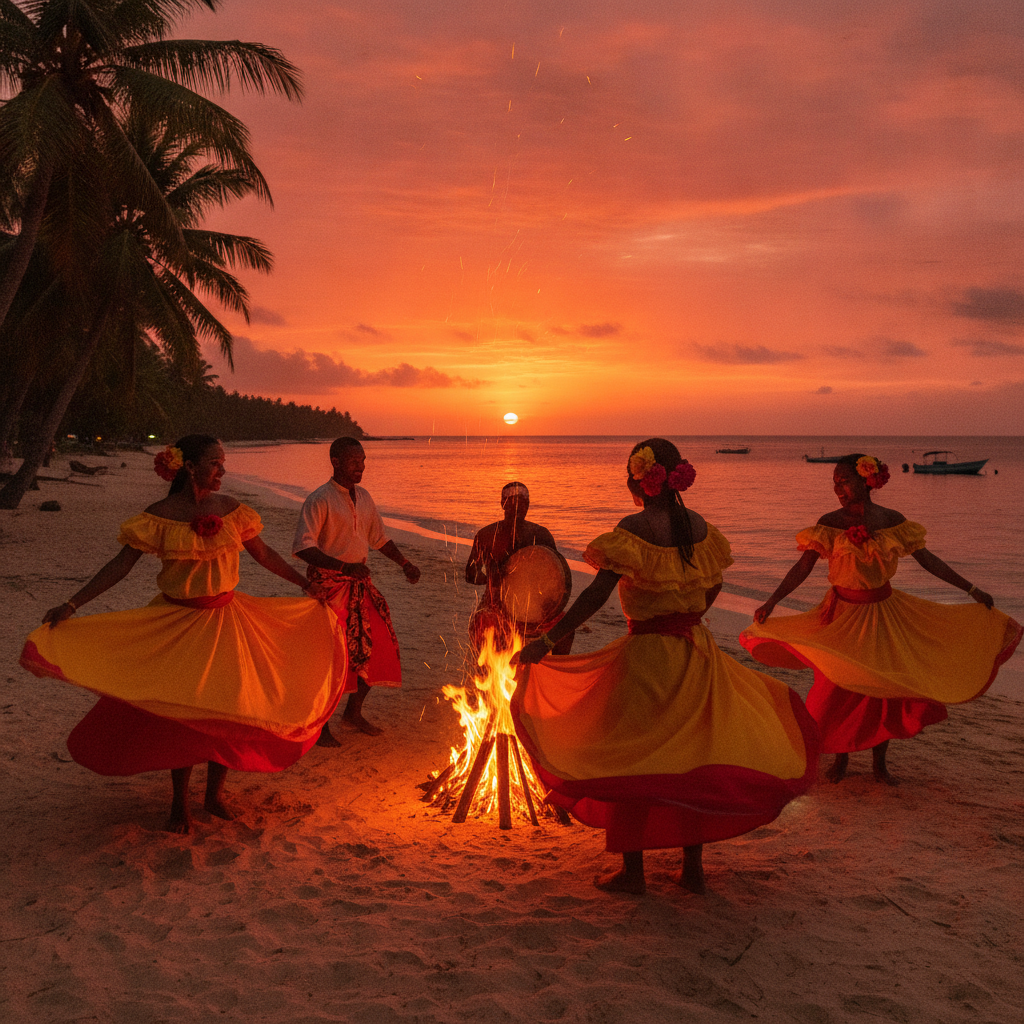
The Mauritian Creole culture: the approximately 27% of the population who identify as Creole are the descendents of the enslaved Africans and Malagasy people brought by the French colonizers, and of the mixed-race population that emerged from the colonial period. The sega music (the primary folk music of Mauritius Creole culture): the sega originated among the enslaved people of the French colonial period as a music of resistance and celebration at the end of the working day. The sega is characterized by the ravanne drum (a large flat hand drum made from goat skin), the maravanne (a rattle made from a box filled with seeds), and the triangle, combined with the swinging, sensual dance movements performed around the fire on the beach. The sega typique (the traditional form) vs the segakordeon (the contemporary electrified version incorporating the accordion). The séga séga: the double séga, the most energetic form of the traditional dance. The Creole food tradition (the rougaille, the daube, the riz creole) is the most distinctive contribution of the Creole community to the Mauritius food diversity.
- 6
Port Louis Five Routes Complete Summary
Port Louis five routes complete. Route 1: Mauritius economic miracle, Caudan Waterfront, Blue Penny stamps, Aapravasi Ghat UNESCO, dodo, multicultural society, practical. Route 2: Central Market, Champ de Mars, sugar heritage, Blue Bay coral reef, Le Morne UNESCO, colonial history. Route 3: Mauritian cuisine, Grand Bassin Shivaratri, Black River Gorges, Pamplemousses, Rodrigues. Route 4: offshore financial hub, Grand Baie beach resort, the Seychelles companion, sports, museums. Route 5 (this route): Mauritius honeymoon and luxury resort industry, Chamarel eco-tourism (Seven Coloured Earths, rum, waterfall), Hindu heritage (Diwali, Holi, Shivaratri, temple architecture), Sino-Mauritian Chinese community (Chinatown, Chinese New Year), the Creole sega music tradition. Route 6 needed: the final legacy. Mauritius is a country of extraordinary contradictions: the most economically successful country in sub-Saharan Africa yet based on a history of slavery and indenture; the most ethnically diverse country in the Indian Ocean yet largely peaceful and politically stable; a country where French colonial elegance, Indian Hindu devotion, Chinese commercial energy, and African Creole joie de vivre coexist on a 2,040-sq-km island in the middle of the ocean. The world in miniature; the Indian Ocean in full color.
Walk this route with audio
Stories play automatically as you reach each stop — no tapping needed.
More in port-louis
Port Louis: The Mauritius Miracle, Caudan Waterfront, Aapravasi Ghat UNESCO, the Dodo, Multicultural Society, and Practical Guide
Port Louis: Central Market, Champ de Mars Racecourse, Sugar Heritage, Blue Bay Coral Reef, Le Morne UNESCO, and Colonial History
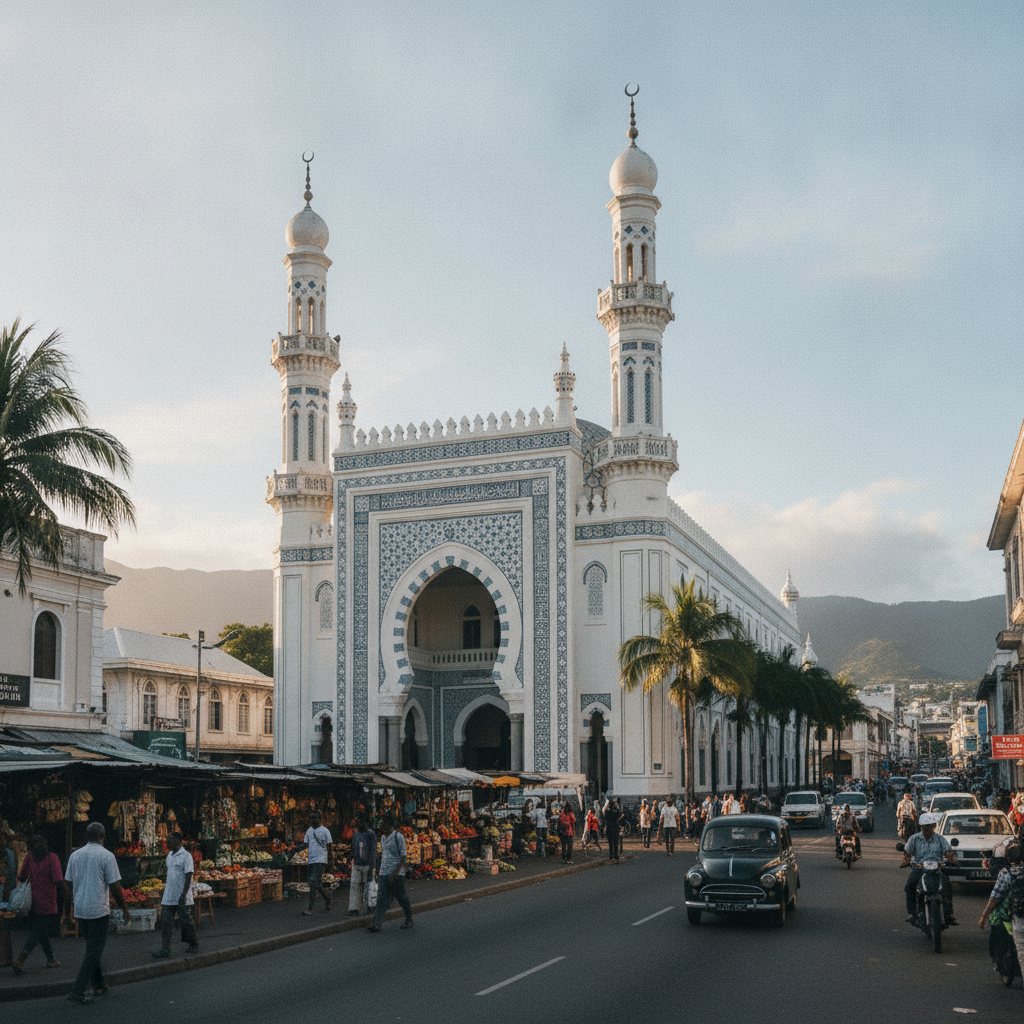
Port Louis Final Legacy: Rum Heritage, Muslim Community, Underwater Diving, Mahebourg Museum, and the Complete Mauritius Reference
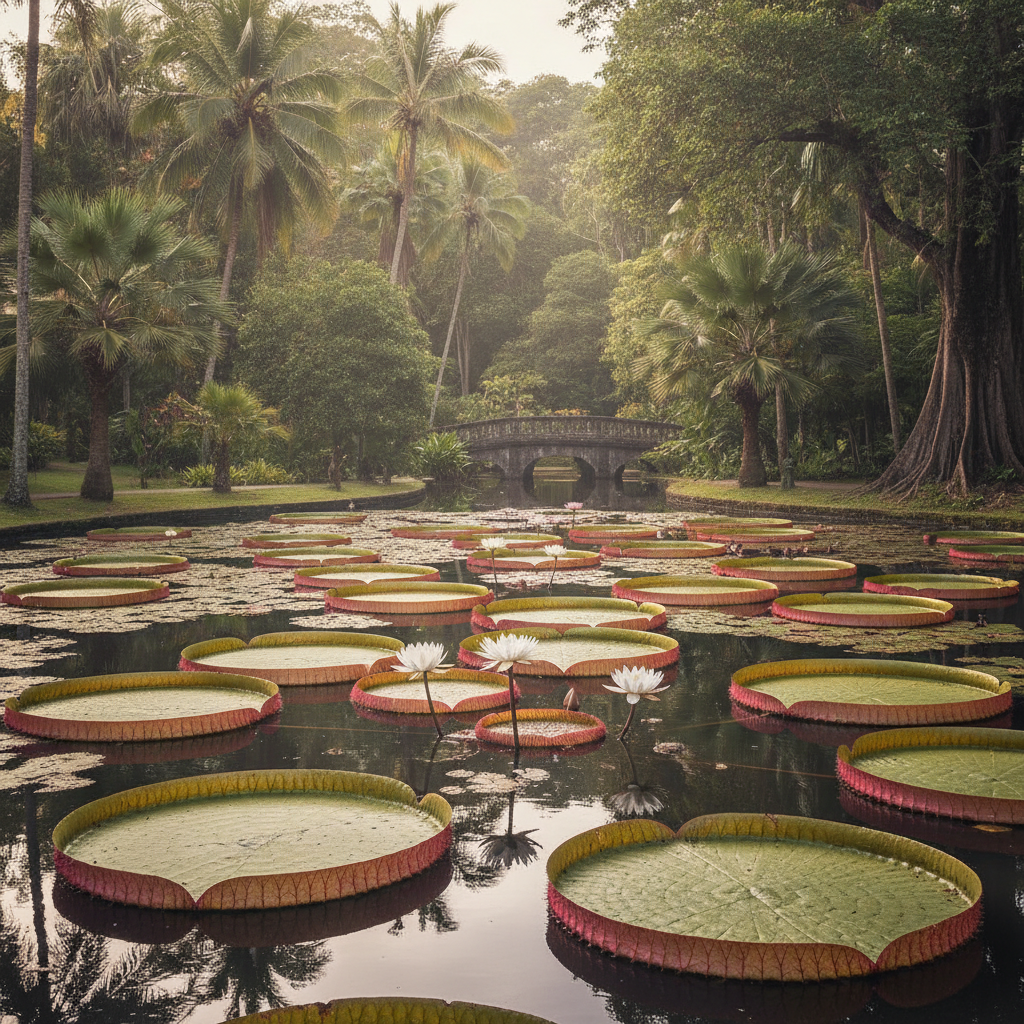
Port Louis: Mauritian Cuisine, Grand Bassin Pilgrimage, Black River Gorges, Pamplemousses Garden, and Rodrigues Island