Playa del Carmen Quinta Avenida Cozumel Ferry Caribbean Beach Clubs and the Riviera Maya City That Grew From a Ferry Dock to 350000 Residents in One Generation
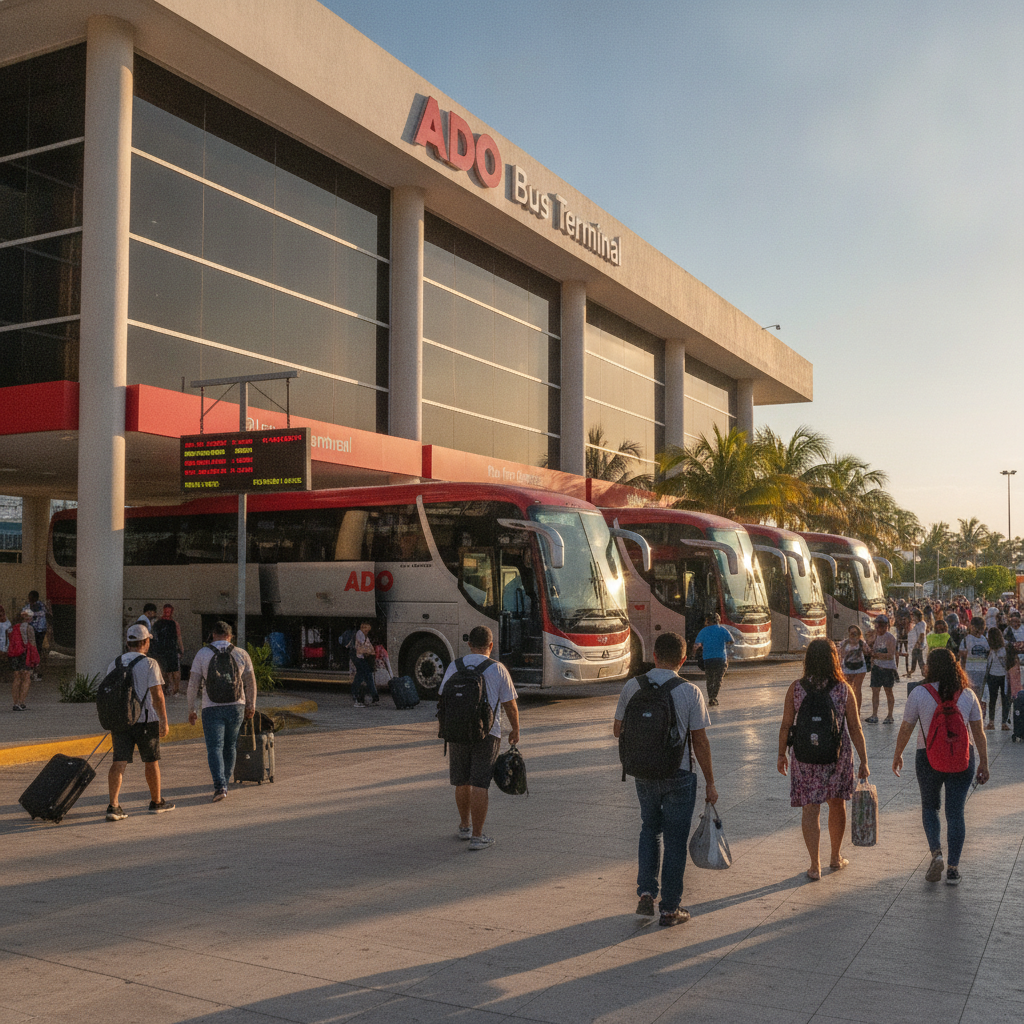
Playa del Carmen is the most rapid urban growth success story in Mexican tourism, a settlement of fewer than 100 people in 1974 when the Cancun project began and a city of 350,000 permanent residents by 2024, whose transformation was driven by the combination of the Cozumel ferry terminal that made the settlement the mainland gateway to the Caribbean island dive destination, the Quinta Avenida pedestrian promenade that organized the tourist commercial life of the early city around a walkable beach-to-jungle axis, and the position midway between the Cancun airport and the Tulum eco-luxury zone that made Playa del Carmen the natural base for the Riviera Maya circuit tourist. The Quinta Avenida, the 5th Avenue pedestrian street that runs parallel to the beach through the centro area of Playa del Carmen for 15 kilometres from the ferry terminal north, is the commercial and social spine of the tourist city, lined with restaurants, bars, boutique hotels, craft shops, pharmacies, souvenir stalls, and the street performers that animate the pedestrian flow from breakfast through the early morning hours in a social environment that combines the Latin American paseo tradition with the international resort promenade format. The beach club strip of Playa del Carmen, concentrated on the sections of beach accessible from the 5th Avenue through the beach access paths, offers the Caribbean beach experience in the day club format with bar and restaurant service, rentable beach beds, and the Caribbean water access that the coral reef protects from the wave energy that exposed Atlantic beaches experience. The Cozumel ferry from the Playa del Carmen terminal connects the mainland tourist economy to the island dive destination in 25 minutes, making Cozumel a day trip from the Playa del Carmen base rather than requiring an overnight island stay, and generating the foot traffic through the ferry terminal area that anchors the southern end of the Quinta Avenida commercial concentration.
- 1
Quinta Avenida Pedestrian Experience
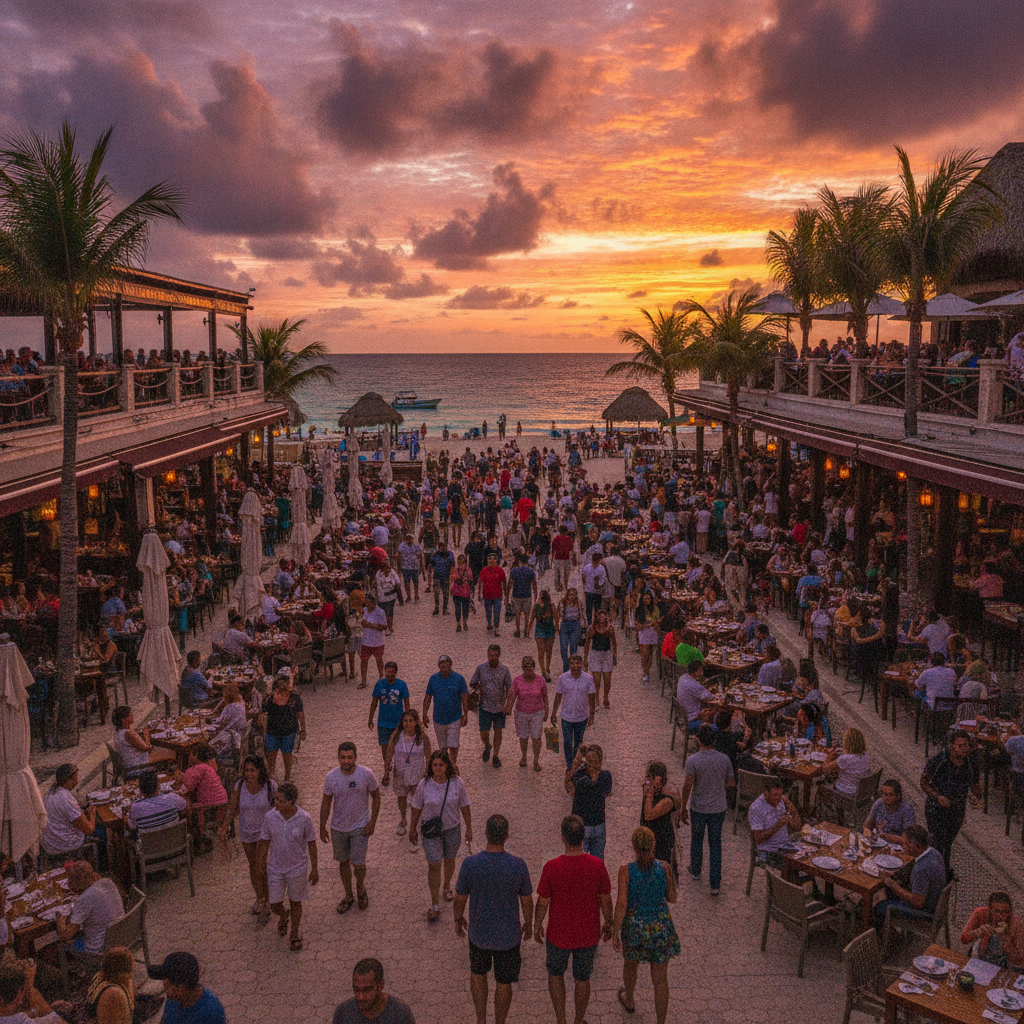
The Quinta Avenida of Playa del Carmen, the 15-kilometre pedestrian street whose core section between the ferry terminal and Constituyentes Avenue concentrates the international tourist commercial infrastructure of the city, is the most socially animated pedestrian environment on the Mexican Caribbean coast, combining the Latin American tradition of the evening paseo with the international resort promenade atmosphere that the 600-metre stretch of restaurants, bars, and beach access paths creates from sunset through midnight. The 5th Avenue restaurant circuit covers the full international cuisine range demanded by the polyglot tourist population of Playa del Carmen: the Italian, sushi, Argentine beef, Lebanese, Mexican street food, Yucatecan regional cuisine, and the international fusion restaurants occupy the converted colonial and contemporary buildings of the Quinta Avenida addresses, with the outdoor terrace seating that the Caribbean climate makes comfortable through most of the year. The street performance culture of the Quinta Avenida, with the fire jugglers, living statues, mariachi groups, and the Conchero dancers who perform on the pedestrian sections in the early evening hours, creates the ambient entertainment of a resort pedestrian street that has not yet been sanitized into the managed performance of a theme park. The shopping range of the Quinta Avenida spans from the handicraft stalls where the Maya artisan vendors from the surrounding communities sell silver jewelry, Talavera ceramics from Dolores Hidalgo, and the hammock and textile productions of the Yucatan, to the designer boutiques of the Paseo del Carmen mall at the ferry terminal end and the international chain stores that the 2010s commercial development brought to the street. The social mix of the Quinta Avenida evening, where the European package tourist, the North American spring break visitor, the Mexican family on domestic holiday, the expat resident heading to dinner, and the local Playa del Carmen community all navigate the same pedestrian street, creates the cosmopolitan social environment that distinguishes Playa del Carmen from the more segmented social spaces of the Cancun hotel zone.
- 2
Cozumel Ferry and Island Day Trip
The Cozumel-Playa del Carmen ferry route, served by the Ultramar and Winjet companies at prices of 200 to 250 pesos round trip, operates every 60 to 90 minutes from the Playa del Carmen ferry terminal through the day and into the evening, providing the most frequented short sea crossing in the Caribbean and the primary logistics link between the island dive tourism economy and the mainland tourist base. The 25-minute crossing on the catamaran ferries encounters the Caribbean swell and the current of the Cozumel Channel in a passage that is comfortable in calm conditions and actively rough in the northerly winds that push through the Yucatan Channel in winter, making the crossing an inadvertent adventure in the blow conditions that Cozumel dive operations sometimes cancel for. Cozumel as a day trip from Playa del Carmen provides access to the San Miguel de Cozumel town, the Palancar Reef snorkeling and diving, and the island's beach clubs and restaurants in a format that the dive tourist can supplement with afternoon coral reef snorkeling after the main certified dive is complete. The certified dive tourism of Cozumel, accessible through the island's 40 or more dive operations concentrated in the San Miguel town harbor area and on the hotel strip north of town, operates the drift dives of the Santa Rosa Wall, the Palancar Horseshoe, and the Colombia Shallows in the seasonal conditions of the Cozumel Channel current that produces the effortless flying sensation of the Caribbean drift dive at its best. The non-diving Cozumel day trip, organized around the beachfront restaurants and beach clubs of the eastern and western coast, the Chankanaab ecological park, and the Punta Sur lighthouse and crocodile lagoon, provides the island geography experience for the tourist who is not drawn to the dive tourism that gives Cozumel its international reputation.
- 3
Playa del Carmen Beach Clubs and Mamita's Beach
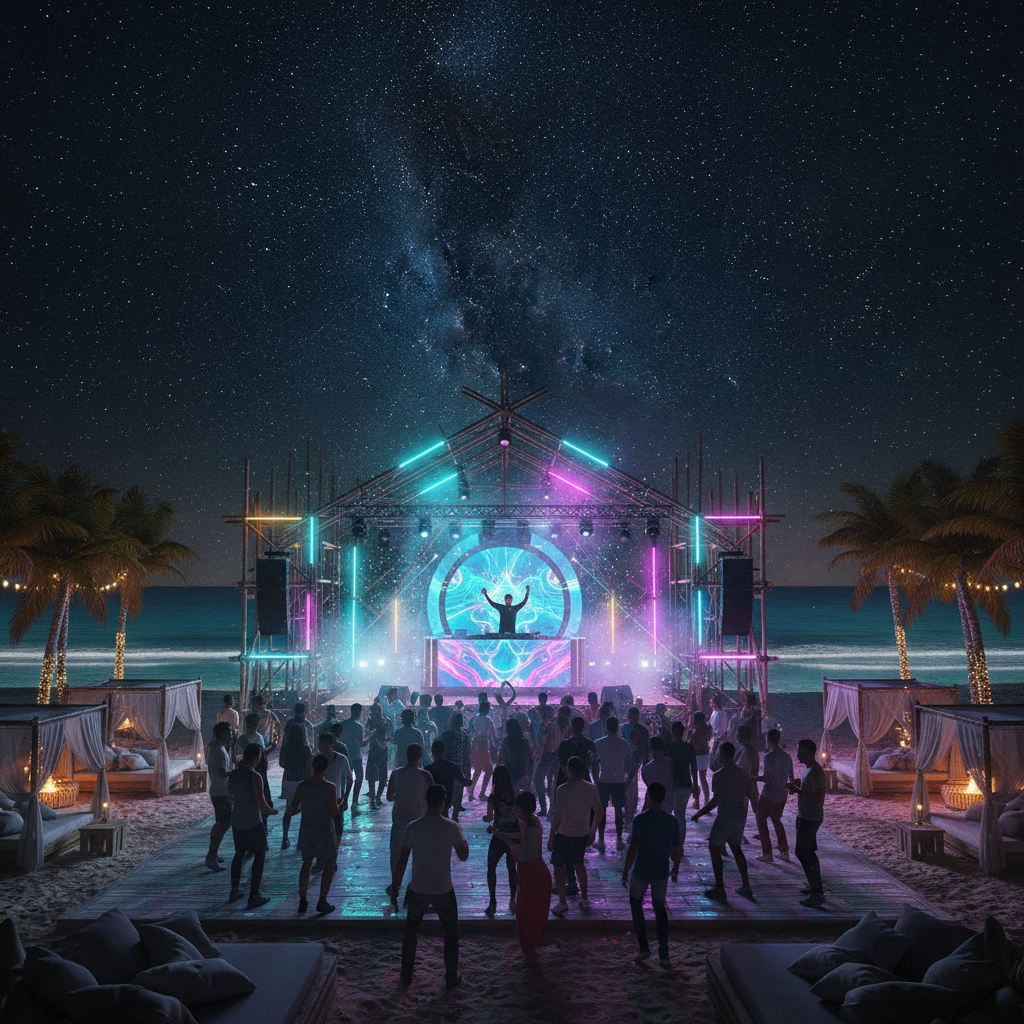
The Playa del Carmen beach club strip, concentrated on the Mamita's Beach section north of Constituyentes Avenue and the central beach sections accessible from the Quinta Avenida between 12 and 38 Streets, provides the full-service Caribbean beach day experience in the Latin American beach club format, with the minimum spend structure of 30 to 80 US dollars per person providing access to the beach beds, the Caribbean water, the bar and restaurant service, and the DJ programming that the beach club formula requires. Mamita's Beach, the community of beach clubs on the northern extension of the Playa del Carmen beach, has established itself as the reference destination for the party beach experience on the Riviera Maya, with the concentrated density of competing beach clubs, the volume of the DJ music, and the social energy of the international tourist crowd creating the atmosphere that the spring break and festival beach market seeks. The distinction between the Playa del Carmen beach experience and the Cancun hotel zone beach is in the social character: the Cancun hotel zone beach is primarily accessible through the resort hotels whose guests occupy the private beach fronting their property, while the Playa del Carmen beach clubs are theoretically open to any paying customer, creating a mixed social environment that the cosmopolitan character of the 5th Avenue city produces. The beach morning hours at Playa del Carmen, before the beach clubs fully activate at 11 am, provide the Caribbean beach experience without the commercial infrastructure, with the section between the ferry terminal and Constituyentes providing a free public beach with vendors selling fresh coconut water and the equipment rental of umbrellas and chairs at direct negotiation prices. The cenote Alux below the 5th Avenue, in the natural cave system under the city that the Alux restaurant has converted to the most dramatically sited dining space in the Riviera Maya, provides the underground cenote experience within walking distance of the beach clubs that is the most unusual Playa del Carmen tourism product.
- 4
Playa del Carmen Cenote Diving and the Underwater World
The cenote system of the Playa del Carmen area, accessible from the 5th Avenue area through the Alux cave entrance and from the network of cenote sites in the jungle 3 to 10 kilometres from the coast, provides the underwater cave exploration experience in the context of a city with the full infrastructure of the international tourist circuit. The Cenote Azul, 15 kilometres north of Playa del Carmen near the Puerto Morelos marine reserve, is the closest major cenote site to the city center, with the multi-pool complex of turquoise freshwater connected by underwater passages providing the snorkeling and swimming experience in the natural jungle setting. The Sistema Ox Bel Ha, the longest underwater cave system in Mexico and the second longest in the world after the Sistema Sac Actun near Tulum, is accessible through cenote entry points in the Playa del Carmen and Akumal areas, with the cave diving community using these entrances for the long-distance exploration dives that require the technical equipment and training of experienced cave divers. The Puerto Morelos National Marine Park, the coral reef protected area 25 kilometres north of Playa del Carmen where the barrier reef approaches closest to the mainland shore at a distance of 500 metres, provides the snorkeling experience from shore access that is unavailable in the Playa del Carmen beach section where the reef runs at greater distance from the beach. The dive shops of Playa del Carmen, concentrated in the 5th Avenue and the beach road areas, serve both the Cozumel ferry snorkeling and diving day trip market and the mainland cenote and reef diving market, with the training programs for the open water and advanced certifications using the cenote systems and the local reef sections as the primary training environments.
- 5
Playacar Resort Zone and the Playa del Carmen Urban Geography
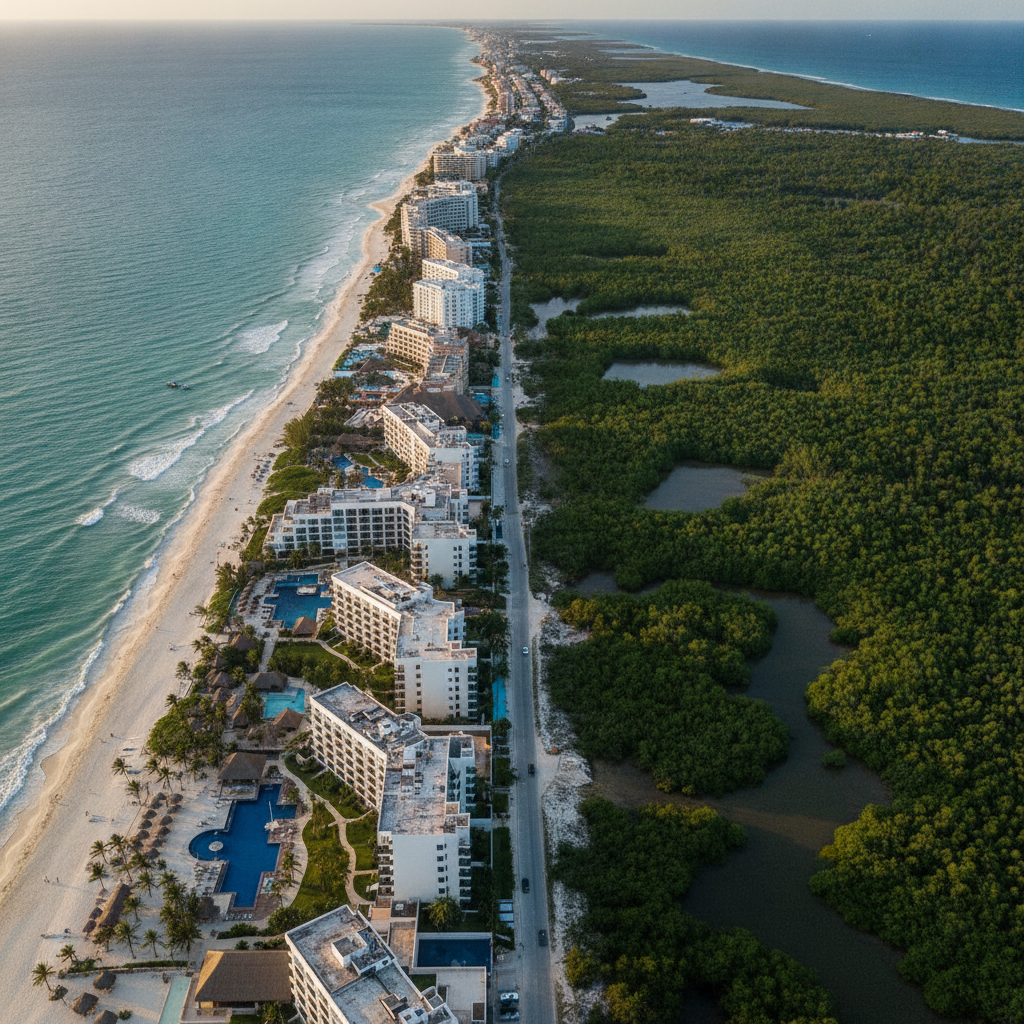
Playacar, the southern residential and resort zone of Playa del Carmen occupying the area between the ferry terminal and the Xcaret eco-park entrance, is the planned luxury enclave of the city, a private residential development of villas, condominiums, and the all-inclusive Barcelo and Royal Playa del Carmen hotels that has grown around the Mayan ruins of the Xaman-Ha site within its gated perimeter. The Xaman-Ha Maya ruins, preserved within the Playacar residential development as an archaeological site open to residents and guests, document the post-Classic Maya trading settlement that occupied the Playa del Carmen coast before the Spanish contact, providing the historical foundation beneath the golf course and villa development that surrounds the ruins. The all-inclusive hotel sector of Playacar and the northern hotel strip of Playa del Carmen represents the package tourism market that the independent traveler on the Quinta Avenida circuit coexists with, with the two markets occupying different physical and commercial zones of the city without significantly interacting. The residential real estate market of Playa del Carmen, one of the fastest-appreciating in Mexico through the 2010s and early 2020s, has attracted Mexican and international investment in the condo developments of the 5th to 10th Street zone and the private villa communities of the southern residential areas, creating the owner-investor market that drives the Airbnb short-term rental sector alongside the hotel accommodation. The infrastructure challenge of the Playa del Carmen urban growth, with the water supply, sewage treatment, road capacity, and public transport systems struggling to keep pace with the population and visitor growth that the tourism economy generates, is the development sustainability question that the Quintana Roo state government faces in managing a city that is growing at a rate that planned infrastructure cannot match.
- 6
Playa del Carmen Expat Community and International Social Life
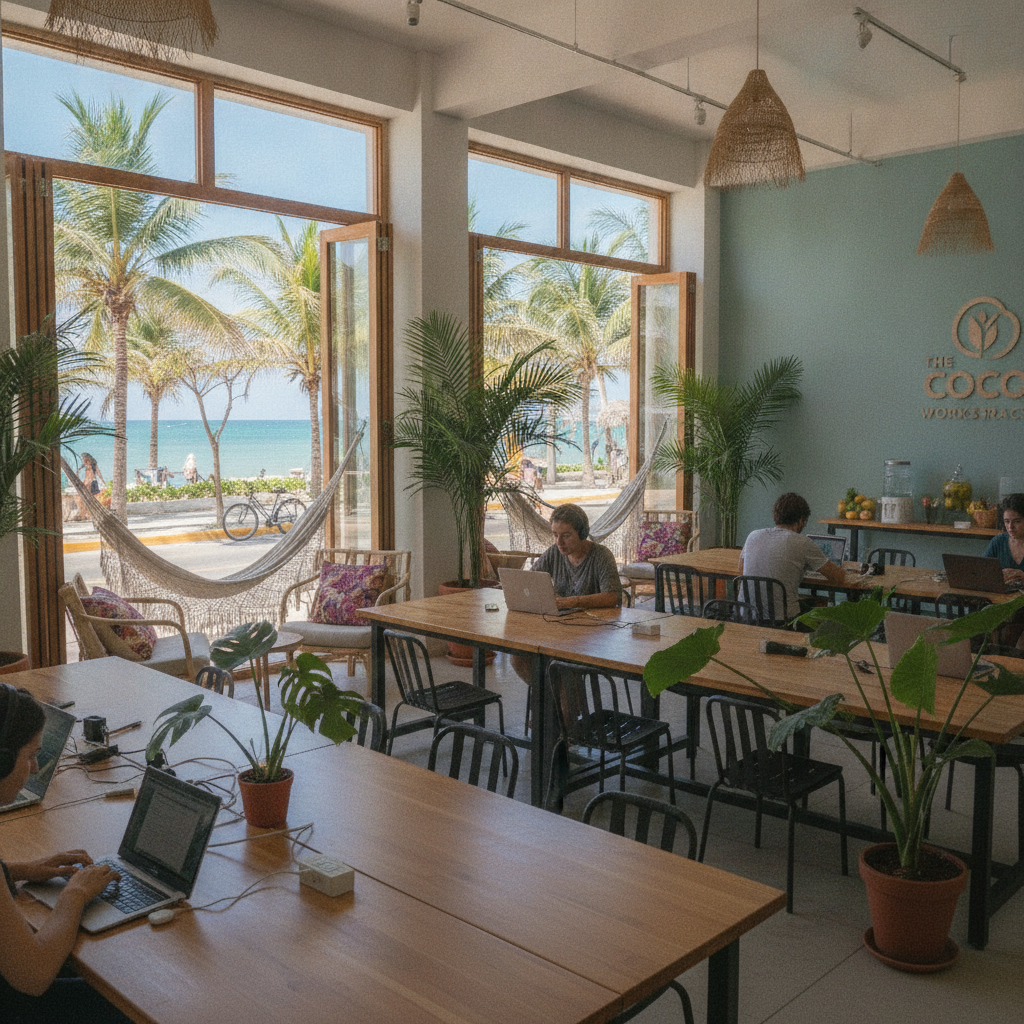
Playa del Carmen has the second-largest expatriate community in the Riviera Maya after Cancun city, with an estimated 25,000 to 40,000 North American and European residents who have established permanent or semi-permanent residency in the city and who generate the English-language social and commercial infrastructure of the Quinta Avenida tourist economy. The expat community of Playa del Carmen differs from the retirement-oriented expatriate community of San Miguel de Allende in its younger demographic, with the digital nomad and online entrepreneur population supplementing the hospitality industry workers, yoga teachers, and alternative lifestyle practitioners who found in Playa del Carmen the combination of Caribbean beach access, tropical climate, and international social community that constitutes the lifestyle emigration they sought. The digital nomad infrastructure of Playa del Carmen, recognized in the international remote work community as the most developed coworking and high-speed internet infrastructure on the Riviera Maya, includes dedicated coworking spaces on the 5th Avenue and adjacent streets, the cafe and coworking hybrid operations where the daily desk rate provides the work environment and the social contact that the home office isolation eliminates. The social life of the Playa del Carmen expat community is organized around the beach club social hours, the yoga studio and wellness class circuit, the Facebook groups and Meetup events that facilitate the connections between the constantly rotating population of semi-permanent residents, and the language exchange events at the bars and restaurants that connect the expat community to the Mexican resident population through the mutual interest in language learning. The language school infrastructure of Playa del Carmen, offering Spanish language courses at all levels for the international community that wants to integrate beyond the English-language tourist circuit, is more developed than any comparable destination in the Riviera Maya, reflecting the city's position as the most cosmopolitan community on the Caribbean Mexico coast.
Walk this route with audio
Stories play automatically as you reach each stop — no tapping needed.
More in Playa del Carmen
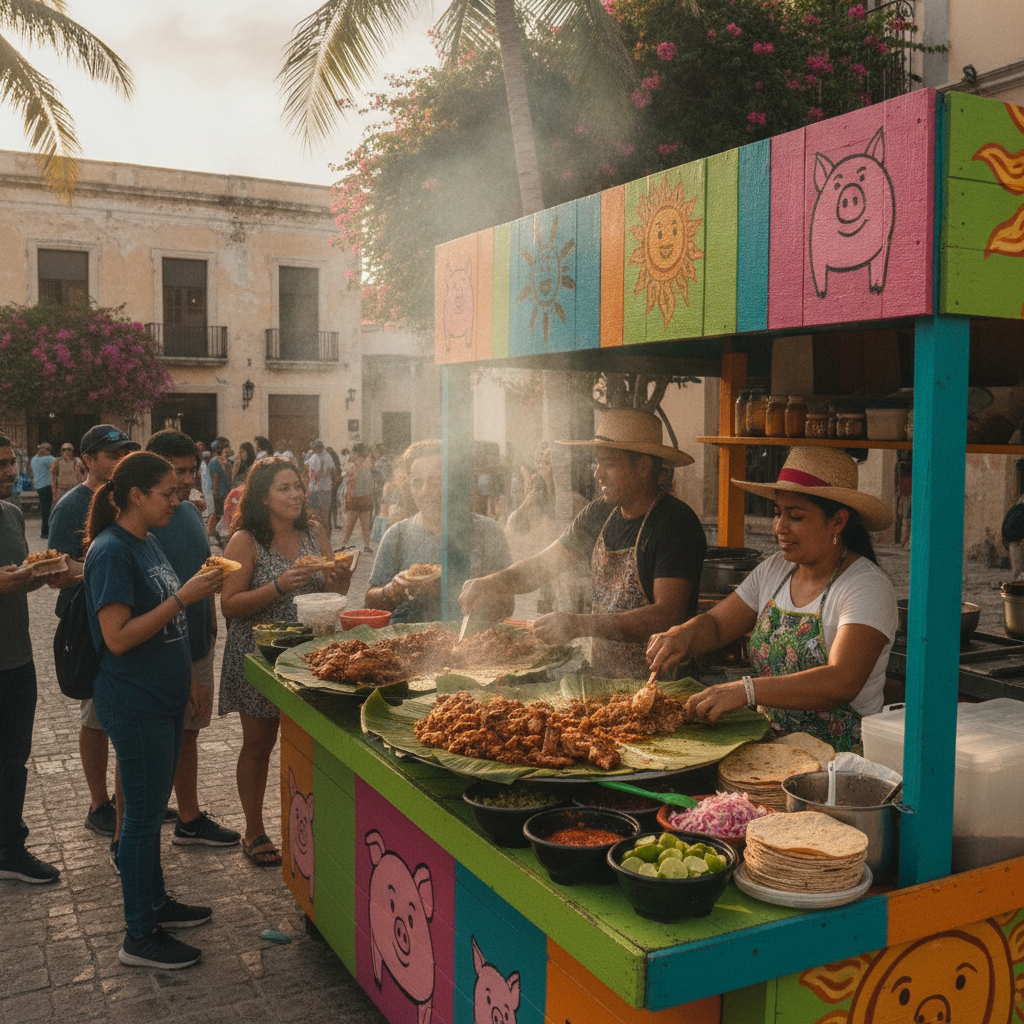
Playa del Carmen Food Scene: Tacos, Seafood, and International Dining
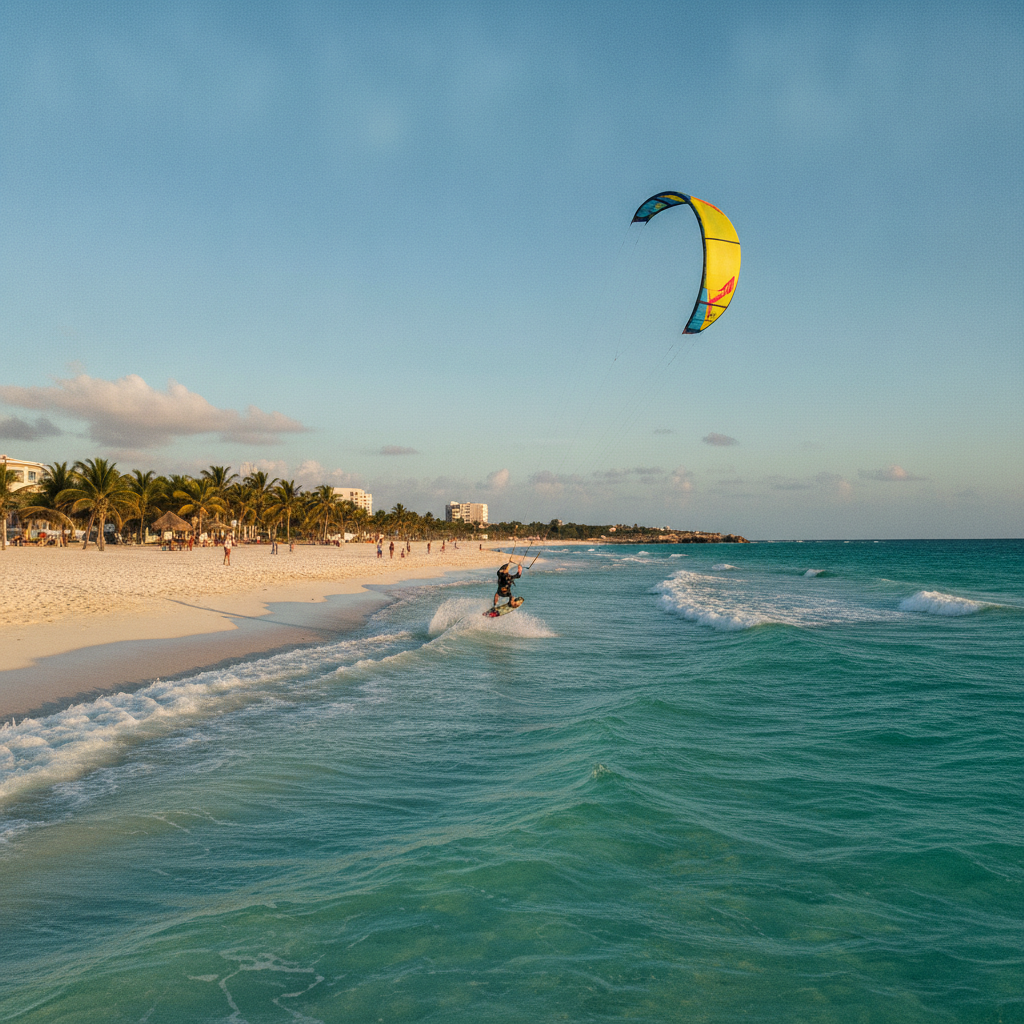
Water Sports, Cenotes, and Outdoor Activities Around Playa del Carmen
Playa del Carmen Nightlife: Beach Clubs, Clubs, and the After-Dark Economy
Expat Life, Digital Nomads, and Living in Playa del Carmen
History of Playa del Carmen: From Mayan Port to Riviera Maya Megadestination