Playa del Carmen as Riviera Maya Base: Day Trips and Regional Circuit
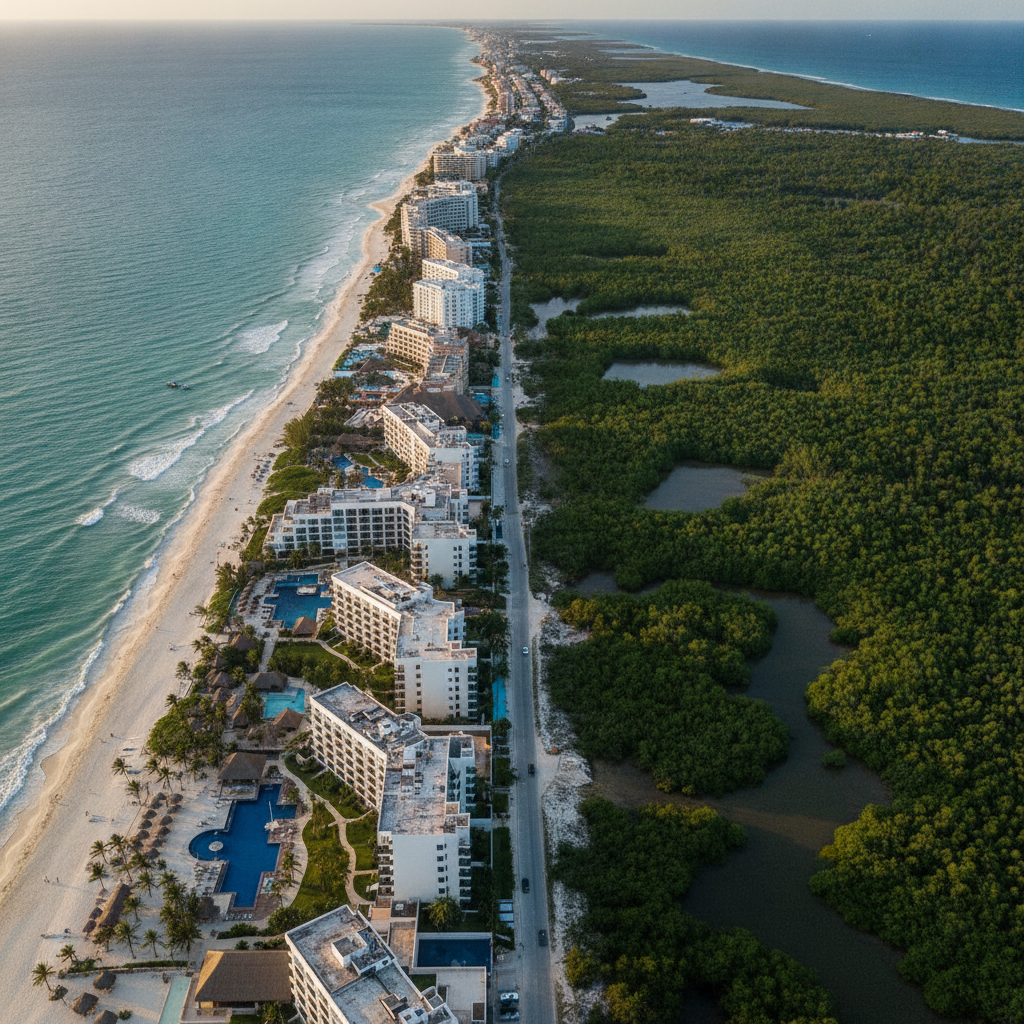
Playa del Carmen sits at the geographic center of the Riviera Maya tourism corridor, positioned between Cancun to the north and Tulum to the south and with Cozumel accessible by a 45-minute ferry. This central position makes it the most efficient base for exploring the region. This route maps the day-trip and multi-day circuit options from Playa, from the Tulum ruins to the Chichen Itza pyramid and the cenote towns of the interior Yucatan.
- 1
Cozumel Day Trip: The Island Reef and the Ferry Crossing
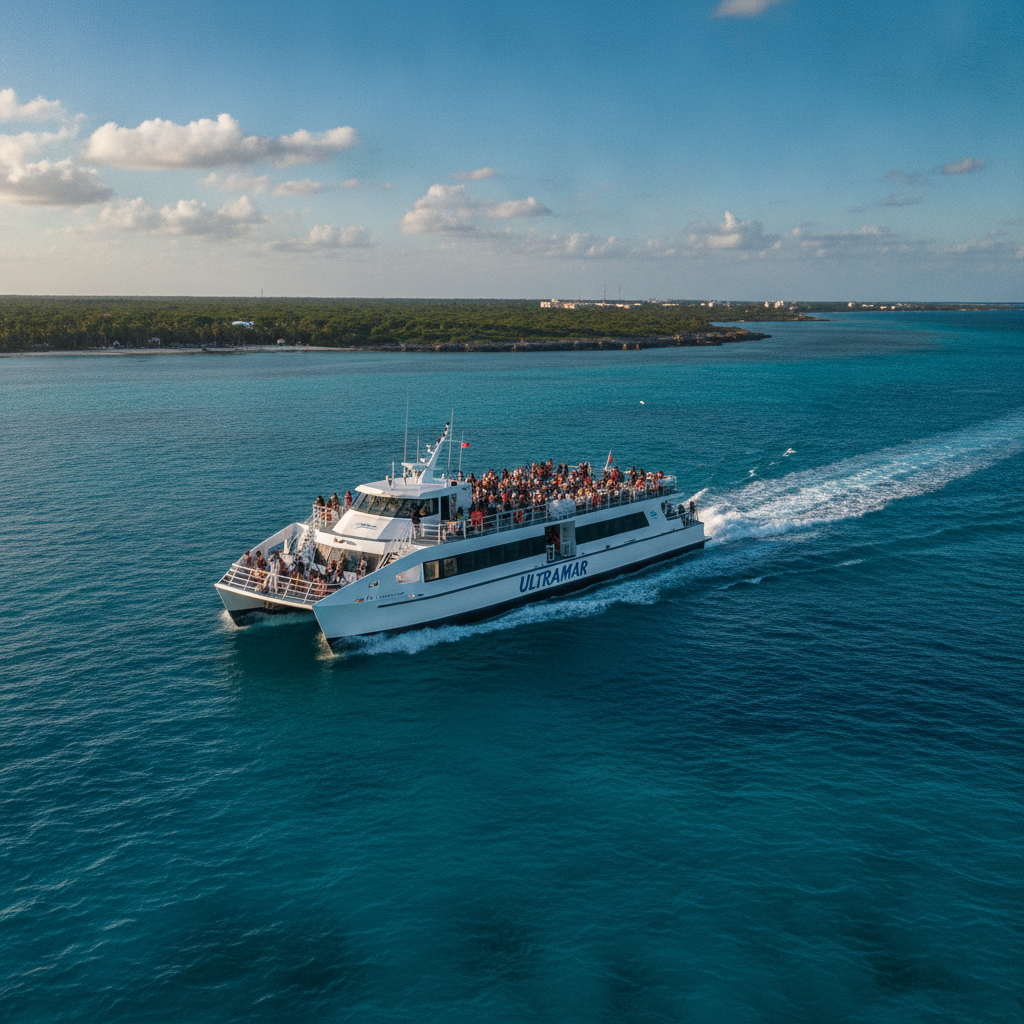
The ferry from the dock at the northern end of Quinta Avenida runs every one to two hours to Cozumel, a thirty-five kilometer crossing taking forty-five minutes. The island is home to the Palancar reef system, one of the most biodiverse sections of the Mesoamerican Barrier Reef and a major draw for scuba divers from around the world. Day trips combine a morning reef dive or snorkel with lunch in the town of San Miguel and an afternoon at one of the beach clubs on the west-facing coast. The island has its own airport but most visitors arrive by ferry from Playa del Carmen.
- 2
Tulum Ruins and Cenote Circuit: Southern Day Trip
Sixty kilometers south on Highway 307, Tulum offers the most visually dramatic archaeological site on the Caribbean coast, a walled Mayan city perched on a cliff above a turquoise bay. The site is reachable by ADO bus from the Playa del Carmen terminal or by colectivo van from Avenida 20. A day trip can combine the ruins in the morning, when the light is best for photography, with a cenote stop at Gran Cenote or Dos Ojos in the afternoon before returning. The distance and the ruins road congestion make an early start essential; arriving after 10 AM means joining crowds that can number several thousand visitors.
- 3
Chichen Itza: The Full Day Pyramid Excursion
Chichen Itza is a 200-kilometer drive west through the Yucatan Peninsula, typically organized as a guided bus tour departing Playa del Carmen at 7 or 8 AM and returning by evening. The El Castillo pyramid, the Great Ball Court, the Sacred Cenote, and the observatory make the site one of the most significant in Mesoamerica. The crowds peak between 10 AM and 2 PM; arriving early or late significantly improves the experience. Valladolid, a colonial town halfway along the route, is commonly included as a lunch stop. Independent travelers using ADO buses can do the same journey and visit at a fraction of the guided-tour price.
- 4
Xcaret and Xel-Ha: The Eco-Park Model
Fifteen kilometers south of Playa del Carmen, Xcaret is a large eco-archaeological park built around a cenote and coastal inlet, combining underground river swimming, a Maya village reconstruction, animal exhibits, and evening cultural shows. Xel-Ha, further south near Tulum, is a natural inlet converted into a snorkeling and activity park. Both parks are operated by Experiencias Xcaret, a major Riviera Maya tourism company, and represent the privatization of natural features into admission-based commercial experiences. The economics are significant: both parks charge over 100 USD admission and are among the highest-revenue single attractions in Mexico.
- 5
Akumal and Puerto Morelos: The Lower-Key Beach Towns
Between Playa del Carmen and Tulum, several smaller beach towns offer versions of the Caribbean coast experience without the scale and density of either major city. Akumal is famous for sea turtle snorkeling in Akumal Bay, where loggerhead and green turtles feed on seagrass in shallow water accessible from the beach. Puerto Morelos, north of Playa, preserves a fishing-village character with a protected reef close to shore. Both towns are accessible by colectivo and represent alternatives for travelers who find Playa del Carmen and Tulum too commercialized. Both face growing development pressure from the same forces that transformed their larger neighbors.
- 6
Interior Yucatan: Valladolid, Ek Balam, and the Cenote Towns
The Yucatan Peninsula interior contains significant archaeological sites and cenote towns largely bypassed by visitors who stay on the coast. Valladolid is a colonial city with a cenote in the town center, a working-class economy, and colonial architecture largely intact. Ek Balam, forty kilometers north of Valladolid, preserves the finest royal stucco relief carvings in Mesoamerican archaeology on its upper temple. The cenote towns of the interior, including Homun, specialize in hacienda cenote experiences with traditional food. All are reachable as day trips from Playa del Carmen using first-class ADO bus connections via Cancun or Merida.
Walk this route with audio
Stories play automatically as you reach each stop — no tapping needed.
More in Playa del Carmen
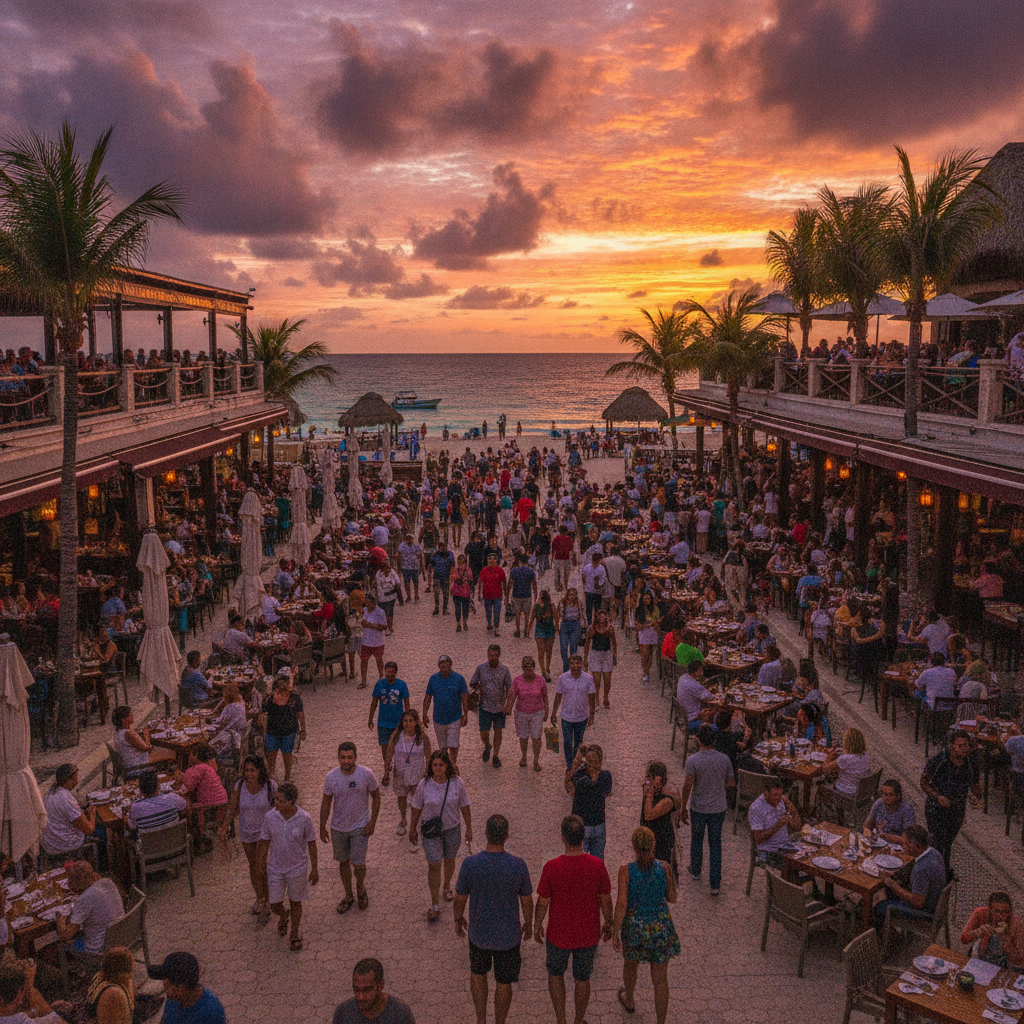
Playa del Carmen Quinta Avenida Cozumel Ferry Caribbean Beach Clubs and the Riviera Maya City That Grew From a Ferry Dock to 350000 Residents in One Generation
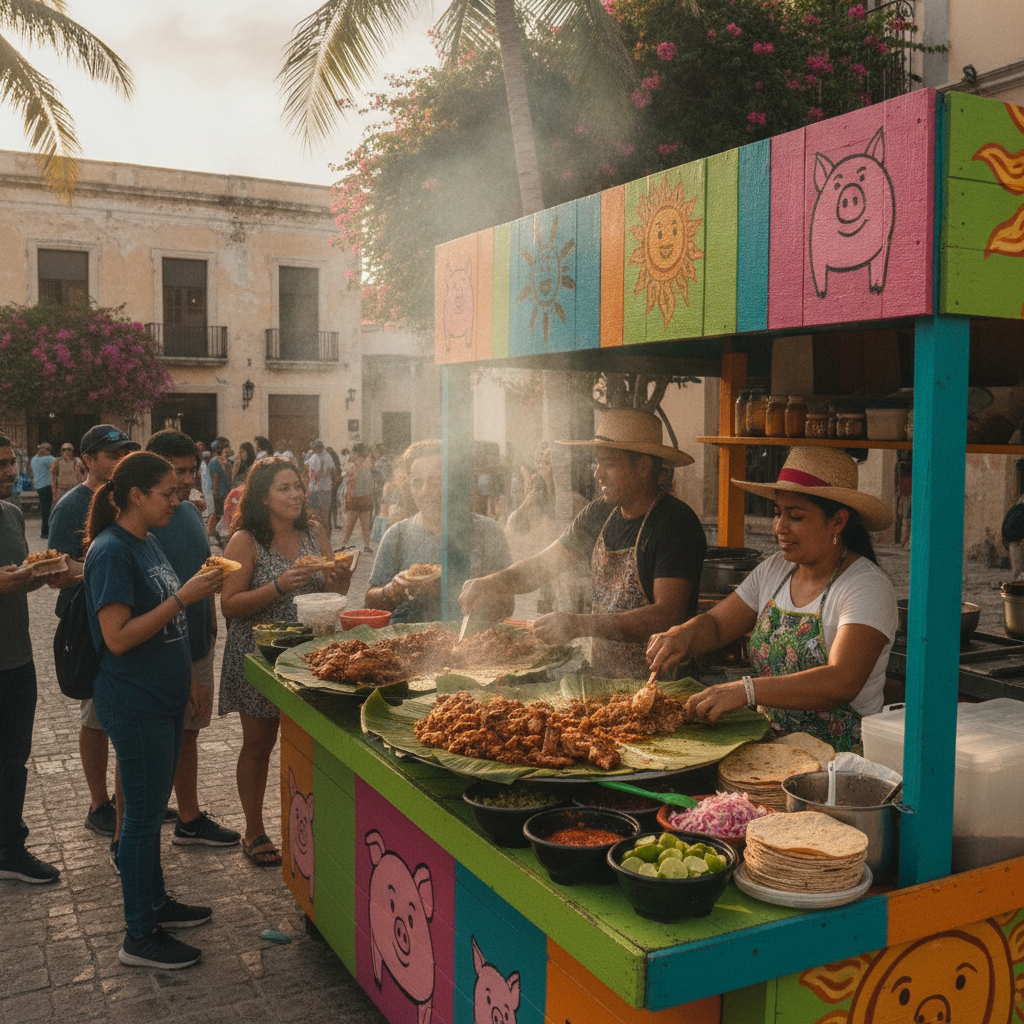
Playa del Carmen Food Scene: Tacos, Seafood, and International Dining
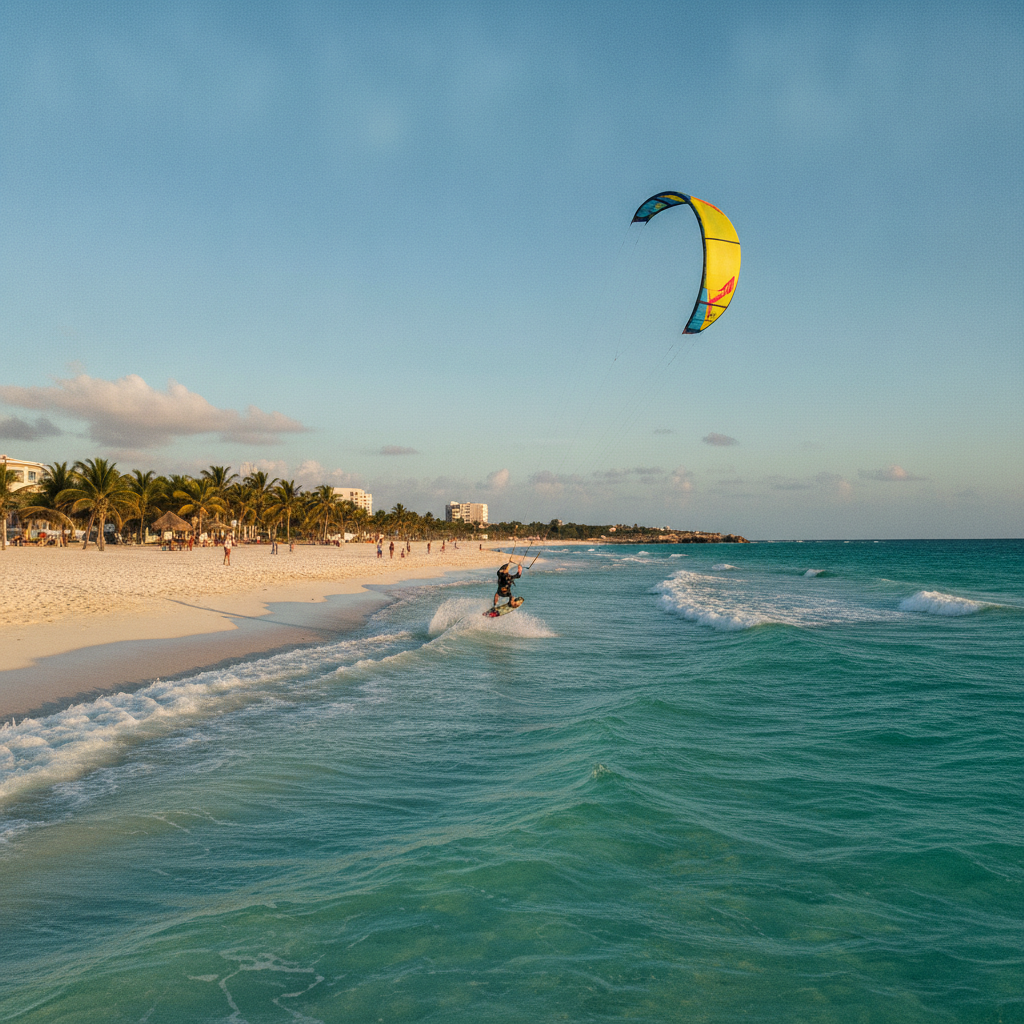
Water Sports, Cenotes, and Outdoor Activities Around Playa del Carmen

Playa del Carmen Nightlife: Beach Clubs, Clubs, and the After-Dark Economy
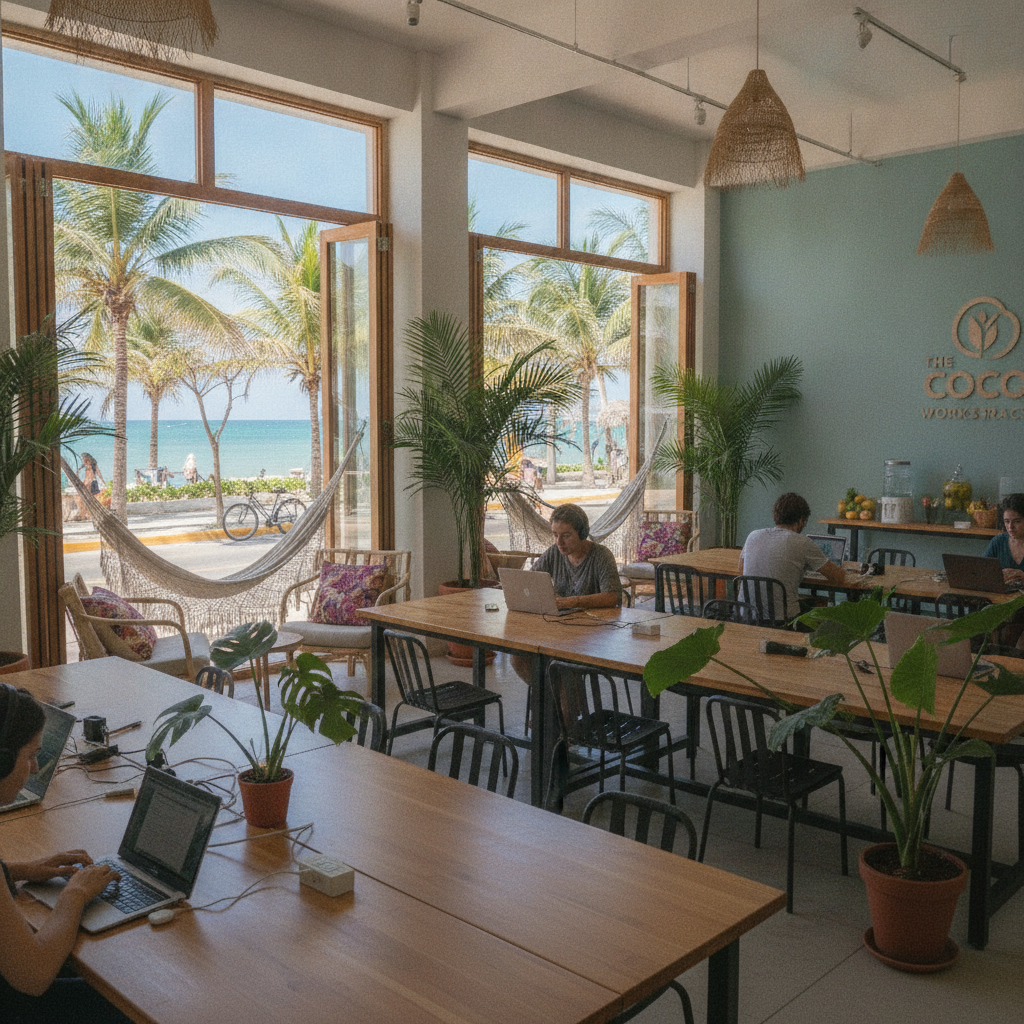
Expat Life, Digital Nomads, and Living in Playa del Carmen