Pittsburgh: Homestead Strike Gunfight, Mario Lemieux Buys the Team from Bankruptcy and the Oldest Building West of the Alleghenies
Stand at the 1892 Homestead Strike site where Pinkerton guards and steelworkers fought a gun battle that shaped American labor for 50 years, follow Penguins dynasty from Mario Lemieux surviving cancer to win two Cups to Sidney Crosby winning three more, eat Isaly chipped ham unique to Pittsburgh and vegan Polish food at Apteka in Bloomfield, drive the Monongahela Valley past the last blast furnace steel mill still operating and the shrunken remains of Braddock that Carnegie Library built when 20000 people lived there, tour the Richardson Allegheny Courthouse his masterpiece that defined American Romanesque, and stand at the Point State Park fountain at the exact spot the French and British fought the Seven Years War.
- 1
Pittsburgh Labor History and Homestead Strike
Pittsburgh is the most significant city in American labor history. The Great Railroad Strike of 1877, which began in Pittsburgh when workers struck against a 10 percent wage cut and erupted into riots that burned 39 buildings and 104 locomotives, was the first major nationwide labor action in US history. The Homestead Strike of July 1892 at Carnegie Steel pitted armed Pinkerton agents against steelworkers in a gun battle that killed 10 men and led to the National Guard occupation of Homestead for months. The 1892 strike effectively destroyed the Amalgamated Association and broke union power in steel for 45 years until the Steel Workers Organizing Committee campaigns of the late 1930s. The Waterfront retail development now occupies the Homestead site with a small historical marker. The United Steelworkers headquarters remains in Pittsburgh. The labor movement shaped American middle-class prosperity through the mid-20th century from its Pittsburgh origins.
- 2
Pittsburgh Penguins and Ice Hockey
The Pittsburgh Penguins, founded in 1967 as one of the NHL expansion franchises in the first major league expansion, have won five Stanley Cup championships in 1991, 1992, 2009, 2016, and 2017. The franchise produced two of the greatest players in hockey history in different eras: Mario Lemieux, who overcame Hodgkins lymphoma to win scoring championships and lead the 1991 and 1992 championships, and Sidney Crosby of Cole Harbour, Nova Scotia, who has won three Cups and multiple scoring titles. Lemieux purchased the team from bankruptcy in 1999 when it faced dissolution, transforming from player to owner and saving the franchise for Pittsburgh. Little Caesars Arena in the District Detroit — correction: PPG Paints Arena in Pittsburgh, opened 1999 on the Lower Hill District site of the demolished Civic Arena, hosts the Penguins and Pistons — correction: Penguins and Pittsburgh Riverhounds. The arena was built partly on land cleared for the Civic Arena that displaced Hill District residents.
- 3
Pittsburgh Public Market and Food Halls
Pittsburgh food culture beyond the Primanti Brothers sandwich has developed significantly since 2010. The Penn Avenue corridor from downtown through the Strip District and into Lawrenceville contains the densest concentration of independent restaurants in the city. Gaucho Parrilla Argentina in the Strip District, Apteka vegan Polish in Bloomfield, the Vandal craft cocktail bar in Lawrenceville, and Piccolo Forno Italian in Friendship represent the range of independent dining. Smallman Galley in the Strip District was one of the earliest incubator food halls in Pittsburgh, producing standalone restaurant successes. The Pittsburgh Public Market operates seasonally and the 16-62 Design Zone in the Cultural District presents design-focused retail. The regional food specialty beyond pierogies includes Isaly chipped ham, a processed ham product unique to the Pittsburgh market, used in sandwiches and consumed at a rate that bewilders visitors from outside the region.
- 4
Allegheny County and Suburban Landscape
Allegheny County surrounding Pittsburgh contains 130 municipalities in an extremely fragmented governmental structure, one of the most complex county-level political maps in the United States. The suburbs range from wealthy communities such as Fox Chapel and Sewickley to working-class mill towns along the rivers like Braddock, McKeesport, and Clairton, where the massive Edgar Thomson Works, the last surviving integrated blast furnace steel mill in the Pittsburgh region still operated by US Steel, continues production. Braddock, which contains the original Carnegie Library building donated by Andrew Carnegie in 1889 before his major philanthropy program, has been the subject of national attention and documentary film for its population decline from 20,000 in 1920 to under 2,000 today and for the experimental community development efforts of former mayor John Fetterman, later elected US Senator. The mill landscape of the Monongahela Valley south of Pittsburgh is the most industrial river scenery in America.
- 5
Pittsburgh Architecture Tour
Pittsburgh architecture reflects several distinct eras with notable examples of each. The H.C. Frick Building and Union Trust Building downtown represent the Beaux-Arts commercial era of the early 20th century. The Gulf Tower of 1932 is a step-pyramid Art Deco skyscraper. PPG Place by Philip Johnson is postmodern Gothic glass. The Allegheny County Courthouse and Jail by Henry Hobson Richardson, completed in 1888, is widely considered Richardson masterpiece and one of the most significant buildings in American architectural history, influencing the development of Romanesque Revival style across the country. Richardson died before it was completed. The jail bridge connecting the courthouse to the jail is the original bridge of sighs in American architecture. The David L. Lawrence Convention Center, designed by Rafael Vinoly and opened in 2003, is one of the most sustainably designed convention centers in the world, using the Allegheny River wind to cool the building.
- 6
Point State Park and Fort Pitt
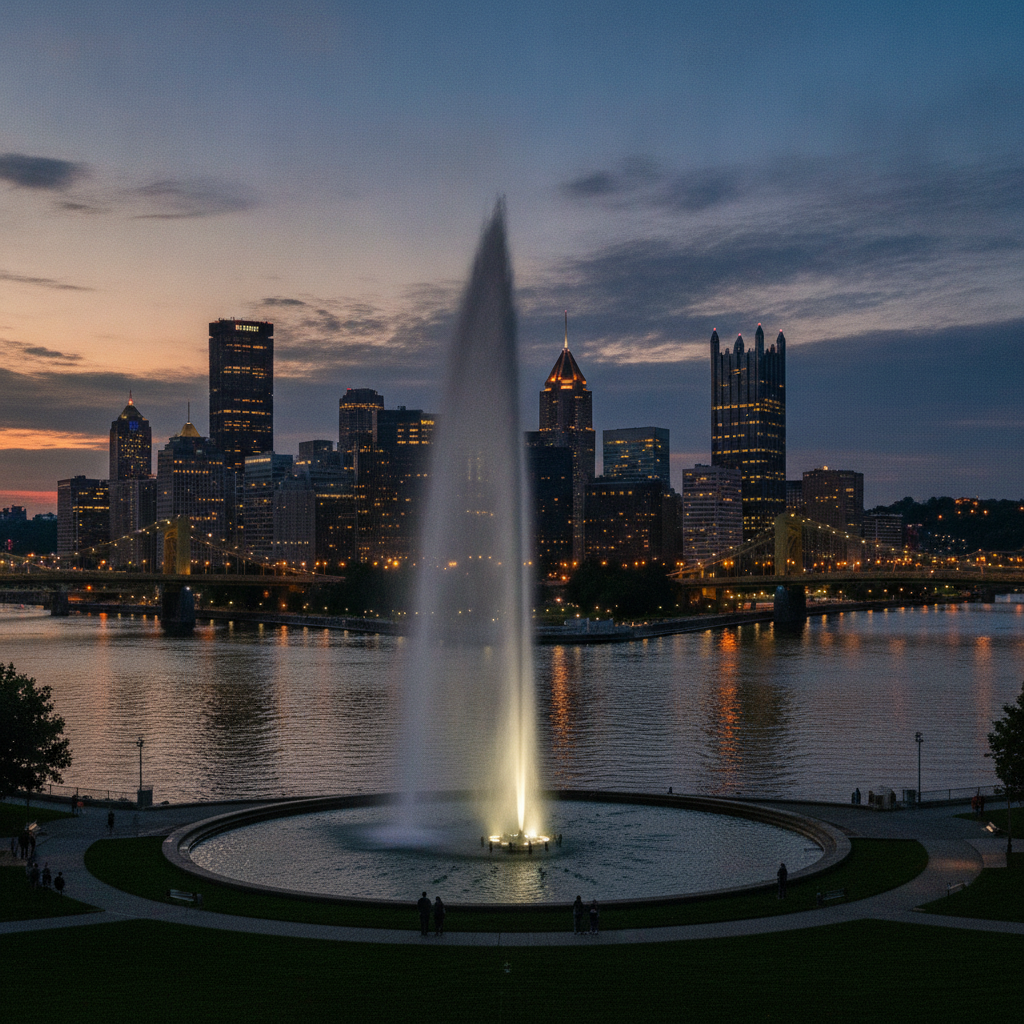
Point State Park at the confluence of the Allegheny and Monongahela Rivers where they form the Ohio River is the symbolic heart of Pittsburgh, a 36-acre park featuring the 150-foot geyser fountain that shoots water 150 feet into the air and the Fort Pitt Museum documenting the French and Indian War history of the site. Fort Duquesne, built by the French in 1754 at the forks of the Ohio, was the strategic prize of the Seven Years War in North America. The British captured and rebuilt it as Fort Pitt in 1758, named for Prime Minister William Pitt. The Fort Pitt blockhouse, built in 1764, is the oldest surviving structure west of the Allegheny Mountains and still stands at the edge of the park. The park was created by the Pittsburgh Renaissance urban renewal program of the 1950s that cleared the entire Point neighborhood of houses and businesses, demolishing the community to create a symbolic civic centerpiece.
Walk this route with audio
Stories play automatically as you reach each stop — no tapping needed.
More in Pittsburgh
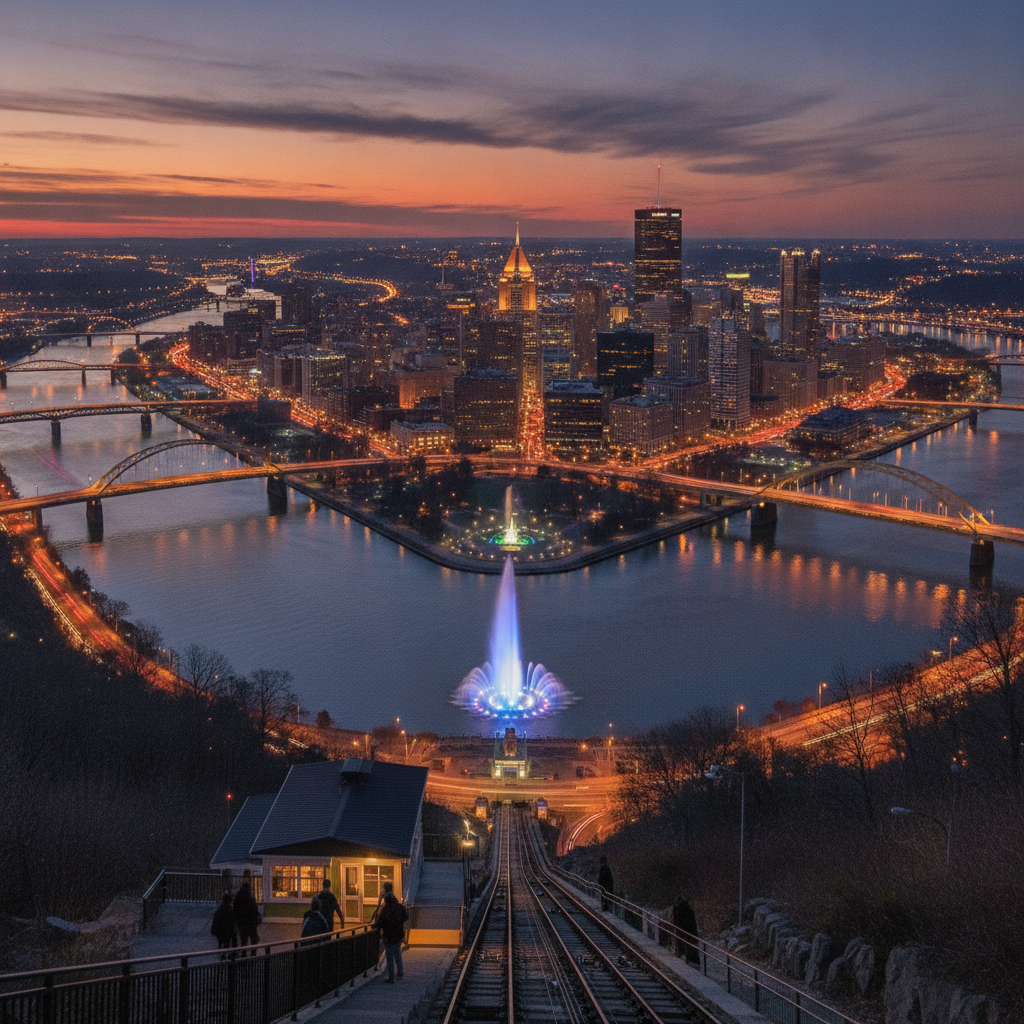
Pittsburgh: Steel legacy (446 bridges most in world, Carnegie Steel to US Steel 1901, 150,000 jobs lost 1979-1988, Homestead Strike 1892), Mount Washington inclines (Duquesne Incline 1877, Monongahela 1870 oldest continuous, Golden Triangle view three rivers confluence, Point State Park Fort Pitt 1758), Carnegie Museums (Natural History Diplodocus carnegii, Mary Cassatt Impressionist born Allegheny City, Andy Warhol Museum 900 works Campbell's Soup Marilyn Elvis), Pittsburgh sports (Steelers 6 Super Bowls Steel Curtain Immaculate Reception, Penguins 5 Stanley Cups Crosby, Pirates Mazeroski 1960 walk-off HR, PNC Park most beautiful stadium), Strip District and food (Primanti Brothers 1933 fries-in-sandwich, Pennsylvania Macaroni 1902, pierogi Pierogi Race Pirates), Practical (CMU computer science drama, Cathedral of Learning 42 stories tallest educational Western Hemisphere, autonomous vehicles Uber Waymo, Fallingwater 90km Fallingwater masterpiece)
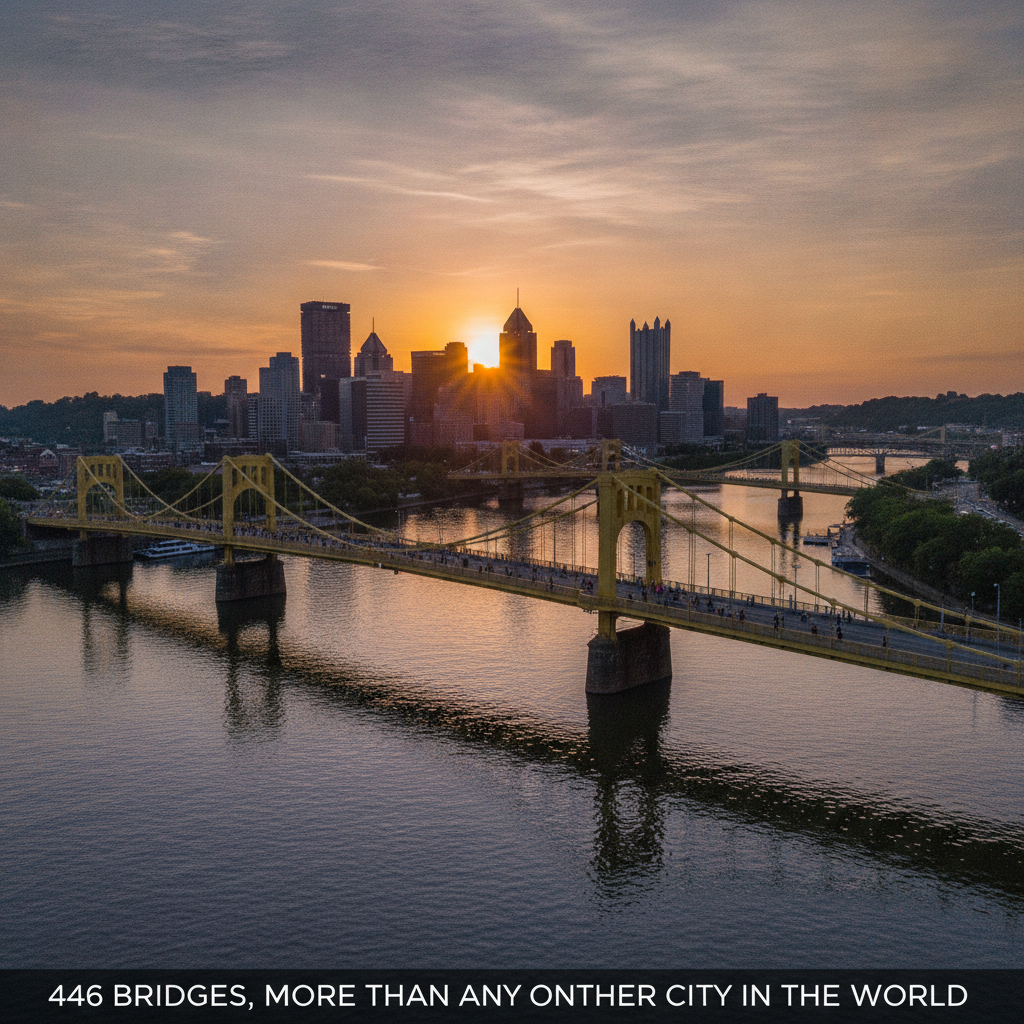
Pittsburgh R4: Oakland (Cathedral of Learning 42-story tallest educational Western Hemisphere, 30 Nationality Classrooms, Phipps Conservatory 1893 LEED Platinum, Schenley Park Mary Schenley 1889), Steelers dynasty (Chuck Noll 4 Super Bowls 1974 draft greatest in NFL history, Steel Curtain, Immaculate Reception 1972, Terrible Towel 1975, Yinzer Pittsburghese yinz jagoff), Penguins (Lemieux lymphoma 1993 hatrick 3 days after radiation, saved team from bankruptcy 1999, Crosby 3 Stanley Cups 2010 Olympic golden goal), Pittsburgh bridges 446 (Three Sisters self-anchored unique trio, Fort Pitt Tunnel arrival greatest urban moment, bridge engineering CMU Pitt), Roberto Clemente (18 seasons .317 BA 12 Gold Gloves 3,000 hits, died December 31 1972 Nicaragua earthquake relief, Hall of Fame 1973 no waiting period, MLB 21 retired league-wide 2023), Pittsburgh today (Google Duolingo 500M users von Ahn CMU, median home USD 200-250K affordable, carbon neutrality 2030 commitment)
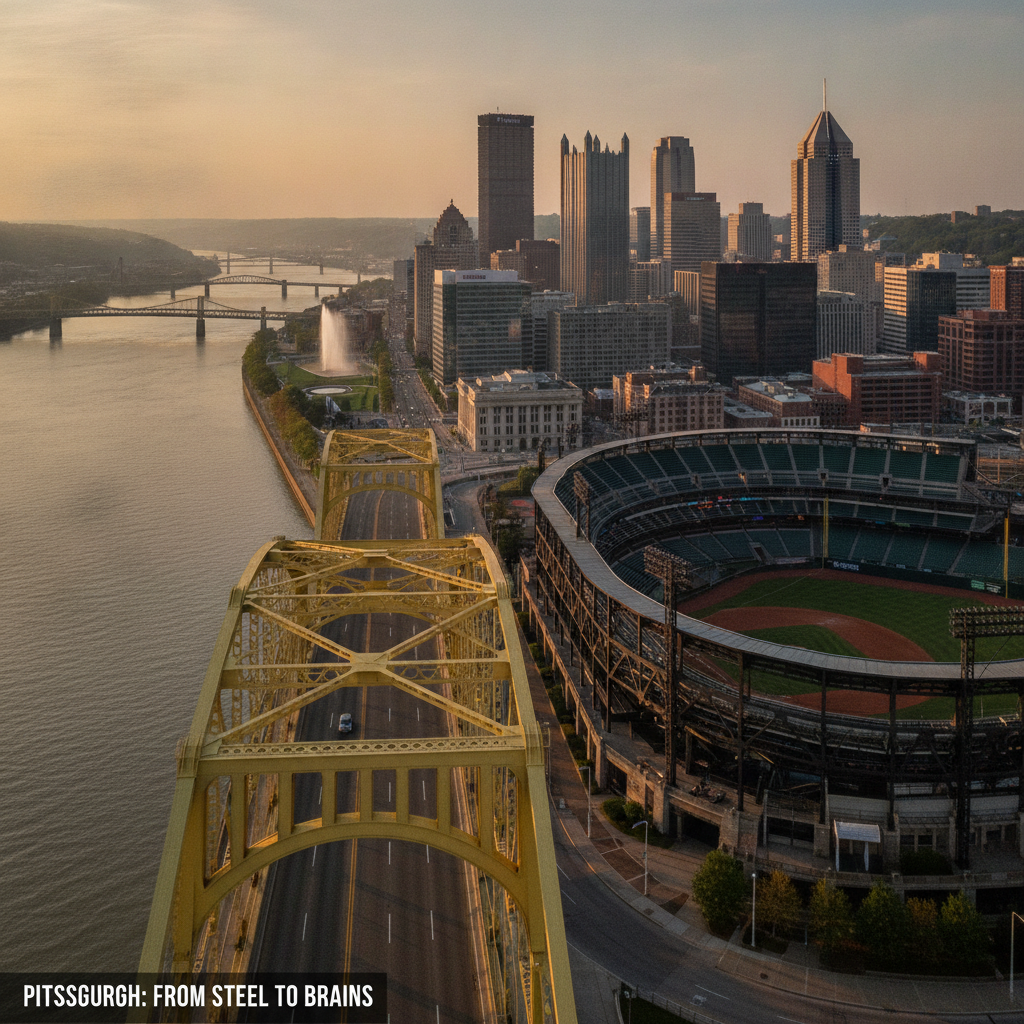
Pittsburgh R2: Neighborhoods (Squirrel Hill Tree of Life shooting October 2018 deadliest US antisemitic attack, Lawrenceville craft beer arts gentrification, Mexican War Streets Victorian), Rust Belt recovery (UPMC 92,000 employees USD 26B largest PA employer, CMU UM 55,000 students USD 3B, robotics Uber ATG Argo AI Aurora), Three Rivers outdoor (Heritage Trail 45km, Three Rivers Regatta largest free inland, Ohiopyle Class III-IV rapids Yough), Pittsburgh history (Fort Duquesne 1754 French Indian War George Washington first mission, Forbes captures 1758 Fort Pitt, Frick Westinghouse Mellon Gilded Age, Richardson Courthouse 1888 greatest 19th century American architecture), Warhol and arts (7-story museum Silver Clouds Time Capsule 600 boxes, Benedum Center Stanley Theater 1987, Pittsburgh Glass Center largest public US, Pittsburgh Symphony Orchestra), Practical (T light rail free downtown, PIT airport 1992 most advanced, 160-165 sunny days cloudiest major US city, Three Rivers Arts Festival 300,000 June)
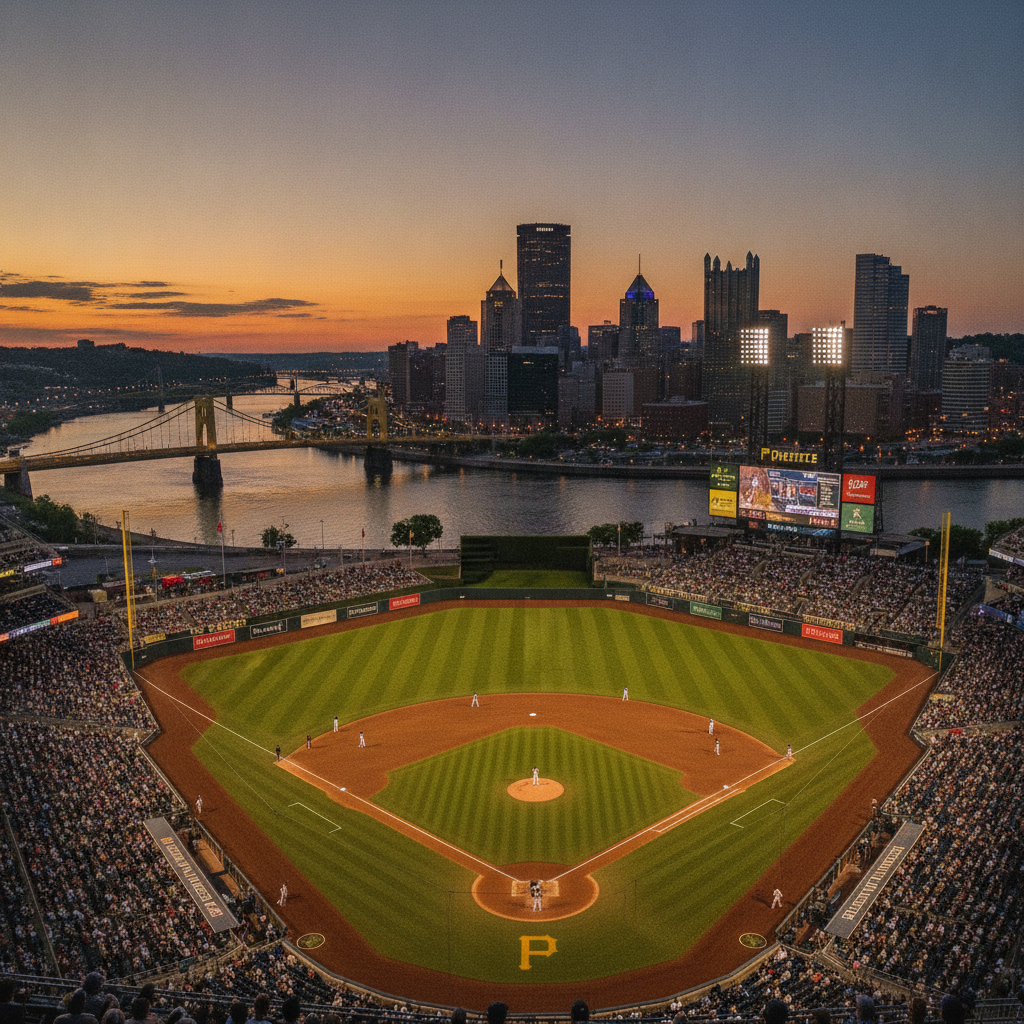
Pittsburgh: Fallingwater in the Forest, Glass Hothouses and the City That Reinvented Itself
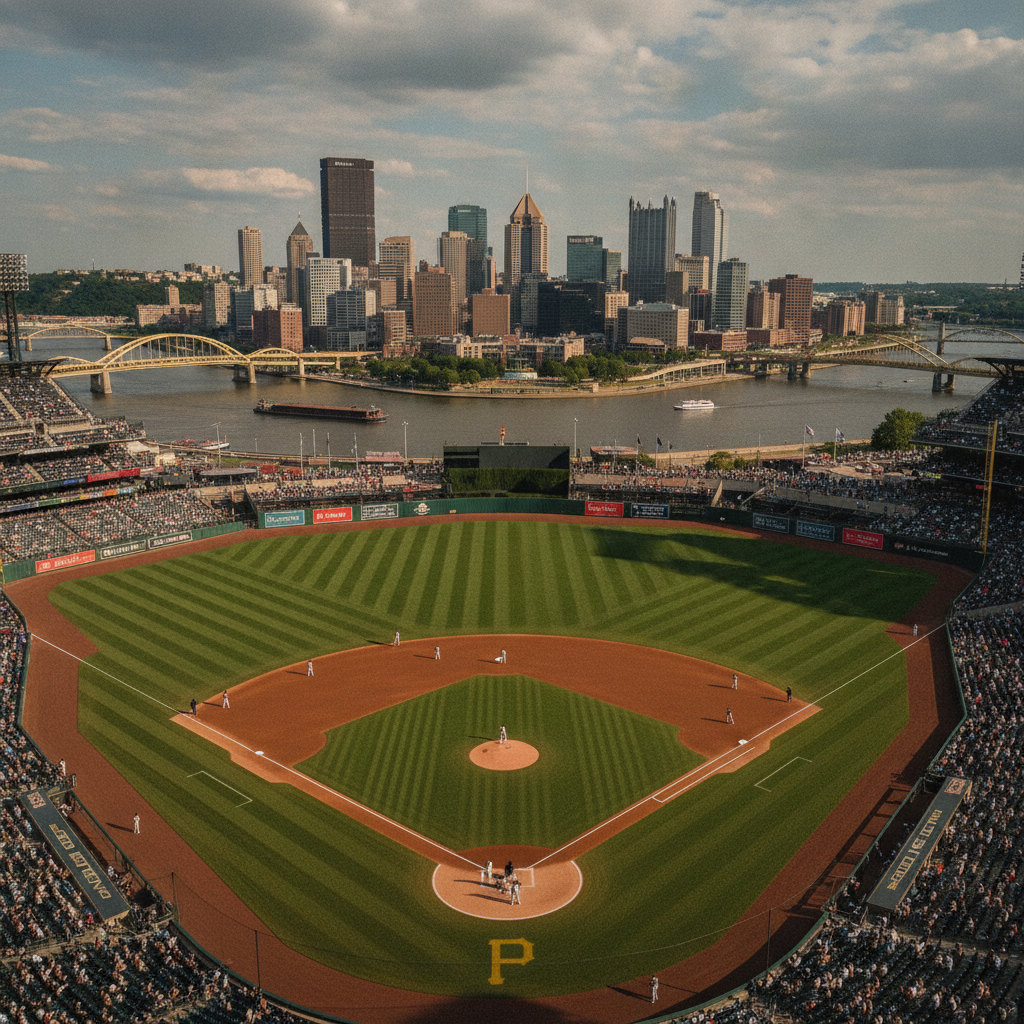
Pittsburgh: Six Super Bowls, Diplodocus Given to Kings and Fries Inside the Sandwich