Phoenix: Suns Triple Finals Heartbreak, Red Rock Vortexes and Bacon-Wrapped Hot Dogs
Hike to the granite spire of Pinnacle Peak above north Scottsdale billion-dollar estates, ride Tonto National Forest trails to a Wind Cave above cholla cactus, revisit the Suns triple Finals heartbreak at Footprint Center, browse 40 galleries at Tlaquepaque arts village in Sedona against red rock backdrops, explore the Southwest largest arts complex at Mesa Arts Center, and track down the Sonoran hot dog wrapped in bacon with pinto beans.
- 1
Pinnacle Peak and North Scottsdale
Pinnacle Peak Park in north Scottsdale, a 150-acre desert preserve centered on a distinctive granite spire rising 1,000 feet above the surrounding terrain, offers a 3.5-mile round trip trail with panoramic views of the McDowell Mountains, Four Peaks, and the Phoenix metropolitan area. The trailhead at 26802 North 102nd Way is surrounded by some of the most expensive residential development in Arizona, including guard-gated communities where estates commonly sell for 5 to 20 million dollars. North Scottsdale has attracted wealthy retirees, professional athletes, and business executives from across the country, making it one of the highest-income areas in the United States. The Pinnacle Peak Patio steakhouse near the trailhead, opened in 1957, is a Scottsdale institution famous for cutting off ties of customers who wear them, with thousands hanging from the ceiling. Grayhawk Golf Club and Troon North are among the premier desert golf courses in the region.
- 2
Usery Mountain and Tonto National Forest
Usery Mountain Regional Park east of Mesa at the transition between the low Sonoran Desert and the higher Tonto National Forest, offers 29 miles of trails through cholla and saguaro cactus landscapes to the Wind Cave, a natural alcove eroded into the Goldfield Mountains. The park is a premier mountain biking destination in the Phoenix metropolitan area. Beyond the park boundary, Tonto National Forest covers 2.87 million acres east and north of Phoenix and is one of the most heavily visited national forests in the United States. Canyon Lake, Saguaro Lake, and Apache Lake in the Salt River chain of reservoirs within the forest are popular for boating, camping, and the historic Dolly Steamboat tour. The Apache Trail, Arizona State Route 88, connecting Apache Junction to Roosevelt Dam through 40 miles of unpaved desert canyon road, is one of the most dramatic drives in the American Southwest. Theodore Roosevelt Dam, completed in 1911, was the first federal reclamation project.
- 3
Phoenix Suns and NBA History
The Phoenix Suns, founded in 1968 as one of two original NBA expansion franchises, have reached the NBA Finals three times without winning a championship: in 1976 against the Boston Celtics in a series remembered for the triple-overtime Game 5, in 1993 against the Chicago Bulls with Charles Barkley as league MVP, and in 2021 against the Milwaukee Bucks when Devin Booker and Chris Paul led the team to the finals before losing in six games. The Suns have been associated with some of the most creative offensive basketball in NBA history, particularly the Seven Seconds or Less fast-break offense of Steve Nash two-time MVP seasons in 2004-05 and 2005-06. Footprint Center in downtown Phoenix, reopened after renovation in 2021, anchors the entertainment district around First and Jefferson Streets. Charles Barkley trade from Philadelphia to Phoenix in 1992 remains one of the landmark transactions in Arizona sports history.
- 4
Tlaquepaque Arts Village Sedona
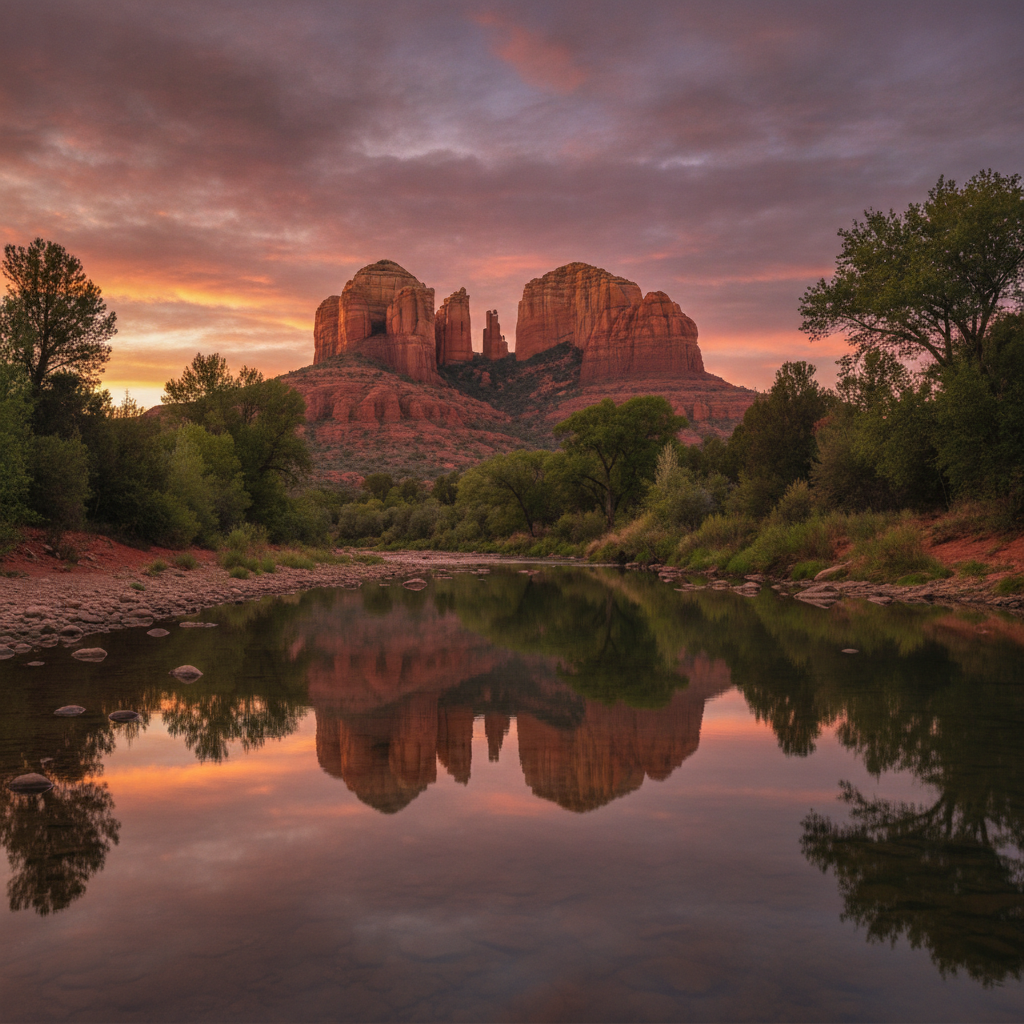
Tlaquepaque Arts and Shopping Village in Sedona, 110 miles north of Phoenix, is a collection of galleries and artisan studios built to resemble a traditional Mexican village, named for the craft market district of Guadalajara. The complex on State Route 179 at the base of Schnebly Hill Road houses over 40 galleries selling fine art, jewelry, ceramics, blown glass, and sculpture in a series of enclosed plazas and courtyards shaded by Arizona sycamore trees. The setting against the red sandstone formations of Oak Creek Canyon makes it one of the most photographed shopping environments in the Southwest. Sedona itself, surrounded by some of the most dramatic red rock formations in the American West, receives over 3 million visitors annually and has developed a reputation for spiritual tourism centered on alleged energy vortexes at sites including Airport Mesa, Cathedral Rock, Bell Rock, and Boynton Canyon.
- 5
Mesa Arts Center and East Valley Culture
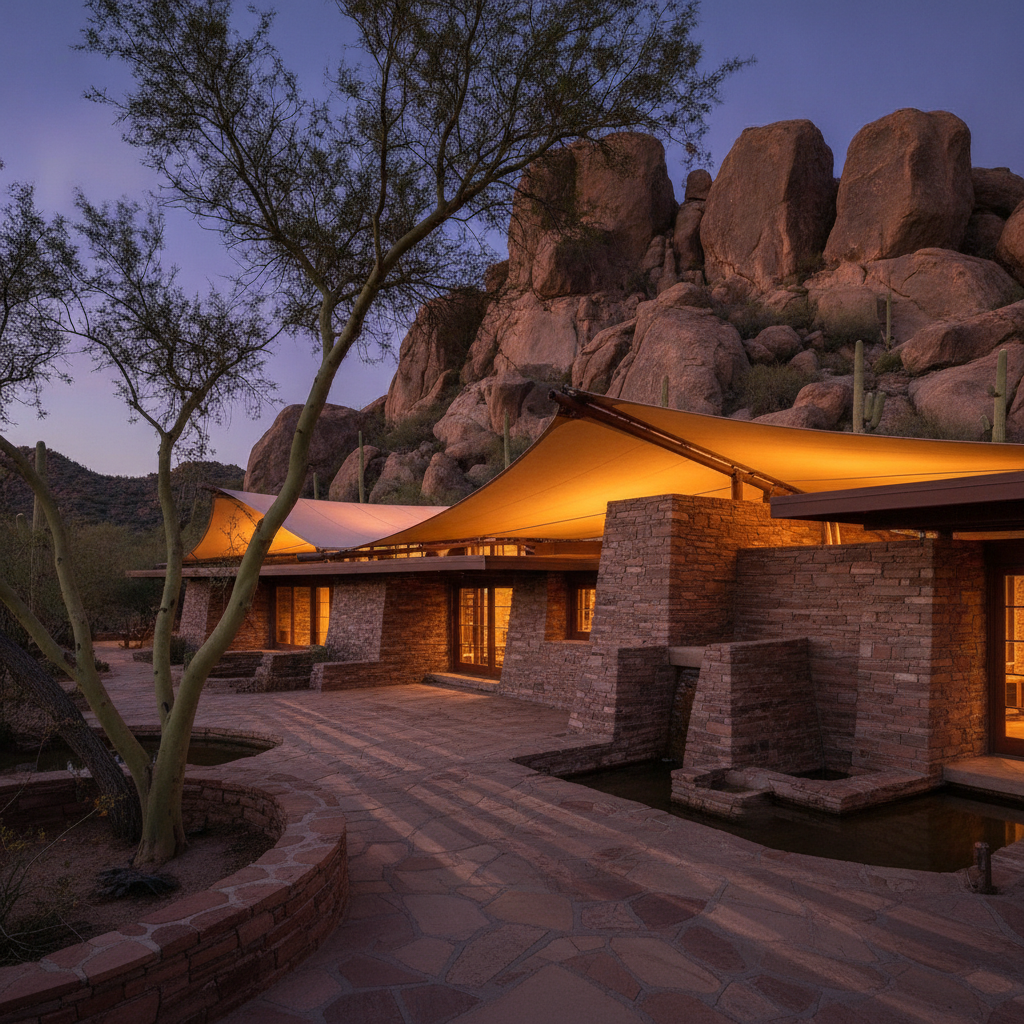
Mesa Arts Center, which opened in 2005 at the corner of Main Street and Center Street in downtown Mesa, is the largest arts complex in the American Southwest, covering 212,000 square feet with five theaters, four art studios, and a large gallery. The complex was designed by Donn Logan and the Boston-based firm Elmore Design Collaborative with specific attention to desert climate, using shade canopies, water features, and landscaping to moderate temperatures. Mesa, with a population of over 500,000, is the third largest city in Arizona and one of the largest cities in the United States that most Americans have not heard of because it is perceived as a suburb of Phoenix. The Mesa Grande Cultural Park protects a significant Hohokam archaeological site where platform mounds were constructed between 1100 and 1450 AD. Mesa Community College is one of the largest single-campus community colleges in the United States.
- 6
Phoenix Food Halls and Modern Dining
Phoenix has developed one of the strongest food hall and innovative dining scenes in the American Southwest over the past decade, driven partly by the relatively low commercial rents compared to coastal cities that allow entrepreneurial chefs to take risks. The Grand Avenue arts and food corridor connects downtown Phoenix to the emerging Melrose District. Culinary Dropout, Fox Restaurant Concepts, and the period of James Beard Award recognition for Arizona chefs including Chris Bianco of Pizzeria Bianco have elevated Phoenix dining nationally. Pizzeria Bianco, which opened in a Heritage Square building in 1994, was named the best pizza in America by Esquire magazine in 2004. The Phoenix dining scene incorporates strong Sonoran Mexican food traditions including carne asada, chiles rellenos, and machaca distinct from Tex-Mex or California Mexican. The Sonoran hot dog, wrapped in bacon and dressed with pinto beans, onion, tomato, and multiple sauces, is a regional specialty from the Tucson-Hermosillo corridor.
Walk this route with audio
Stories play automatically as you reach each stop — no tapping needed.
More in Phoenix
Phoenix: Every Instrument on Earth, Hohokam Solar Windows and the Anti-Phoenix in the Desert
Phoenix: Intel Silicon Desert, 16000 Acre City Park and the Deadliest Urban Hike in America
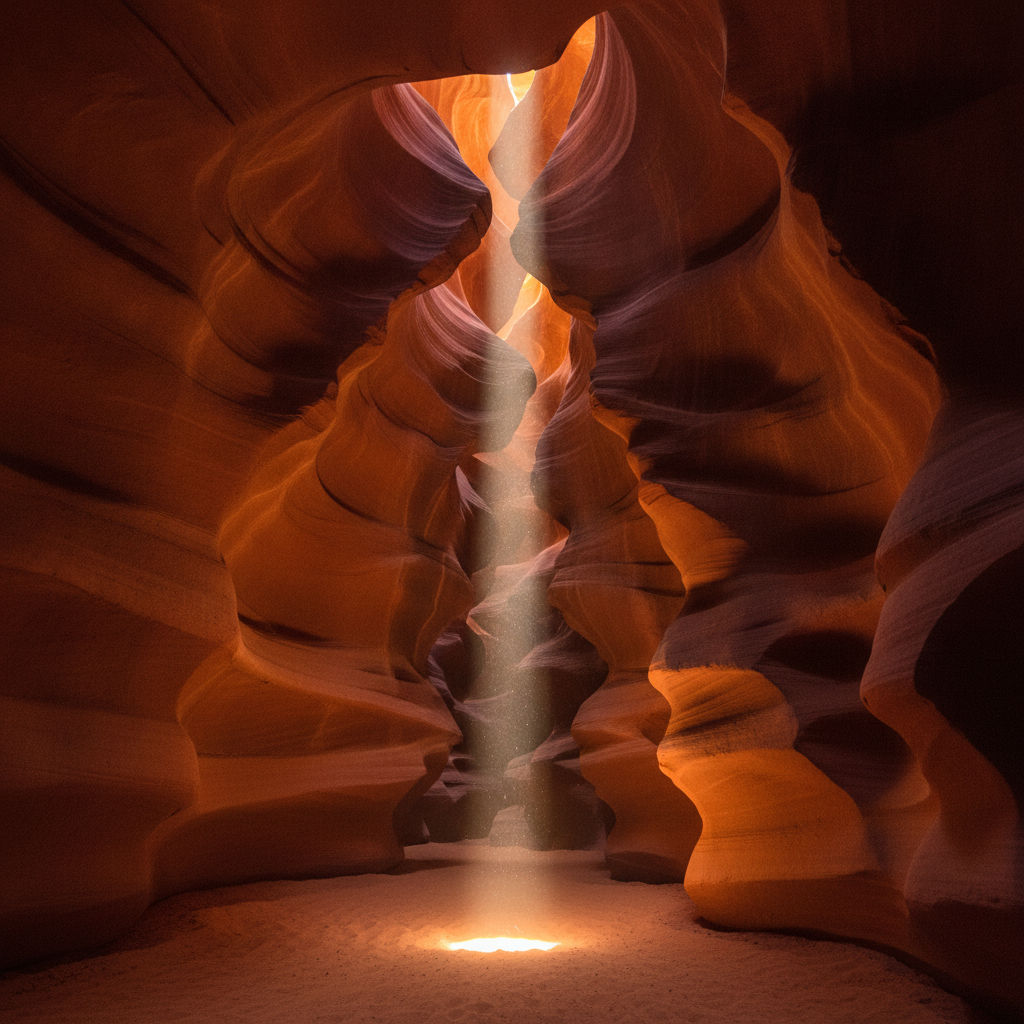
Phoenix: Antelope Canyon and Horseshoe Bend Day Trip (Navajo guided tours, light beams, Colorado River meander), Monument Valley Navajo Nation (John Ford Westerns, Valley Drive Navajo-guided), Arizona State University and Phoenix Tech Hub (Intel Chandler, most innovative US university), Scottsdale Western Heritage Museum (cowboy culture, Parada del Sol Rodeo), Phoenix Sonoran Mexican Food (chimichanga origin, Barrio Cafe, Queen Creek Olive Mill), and Petrified Forest National Park and Painted Desert
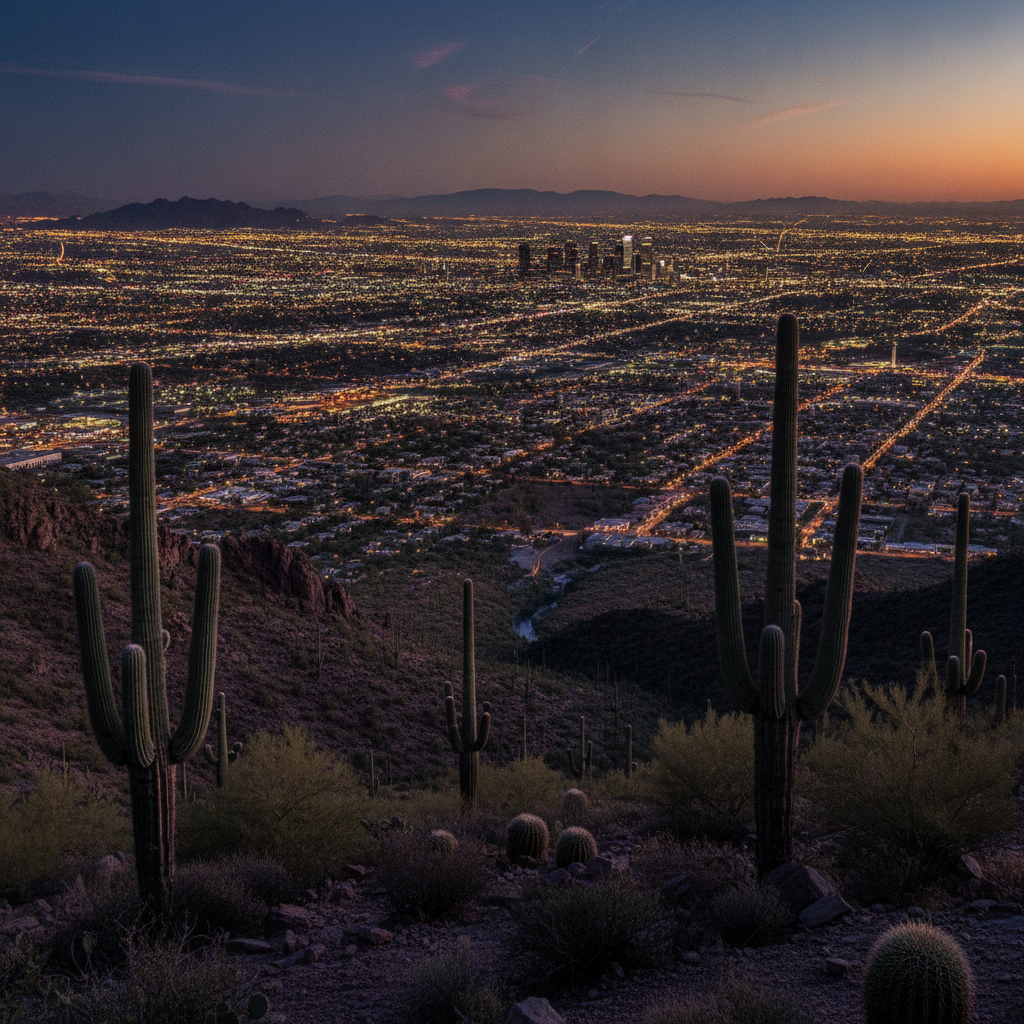
Phoenix: Climate Crisis and Water Security (Colorado River compact, Lake Mead shortage, urban heat island, 107 extreme heat days), Phoenix Outdoor Recreation (South Mountain Park largest urban park in US, McDowell Sonoran Preserve, mountain biking), Snowbird Culture (winter migration, 300000 seasonal residents, RV parks), Arizona Cardinals NFL and Phoenix Sports Scene, Phoenix Growth Story (fastest growing US metro, sprawl critique, light rail expansion), and Practical Guide (Sky Harbor Airport, freeway grid, best months to visit October-April)
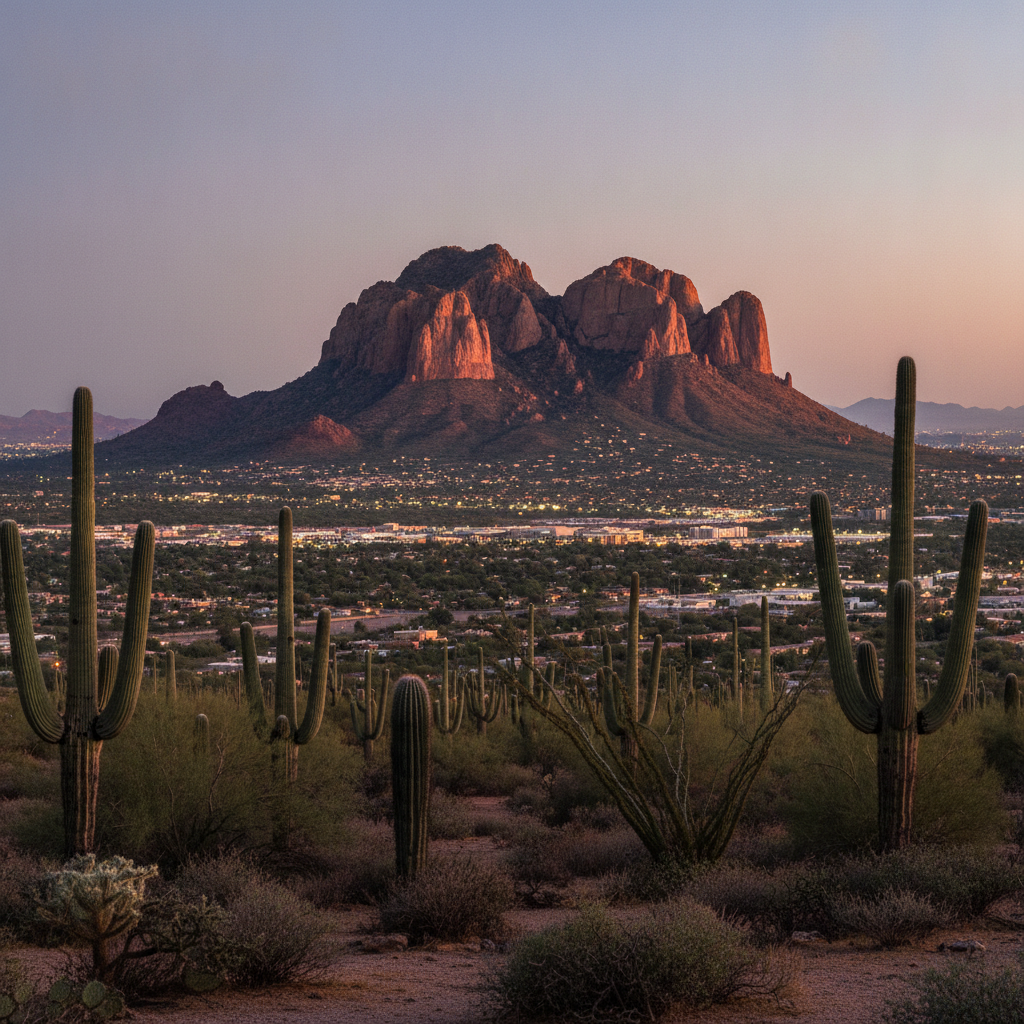
Phoenix: Camelback Mountain Hike (Echo Canyon Trail, 200 rescues per year, desert safety), Scottsdale Old Town Arts District (125 galleries, Western American art, luxury shopping), Sedona Red Rock Country Day Trip (energy vortexes, Cathedral Rock, Oak Creek Canyon, jeep tours), Grand Canyon South Rim (6M visitors, Bright Angel Trail, mule rides, Havasupai turquoise falls), and Desert Botanical Garden and Heard Museum (50000 plants, Native American art)