Phoenix: Every Instrument on Earth, Hohokam Solar Windows and the Anti-Phoenix in the Desert
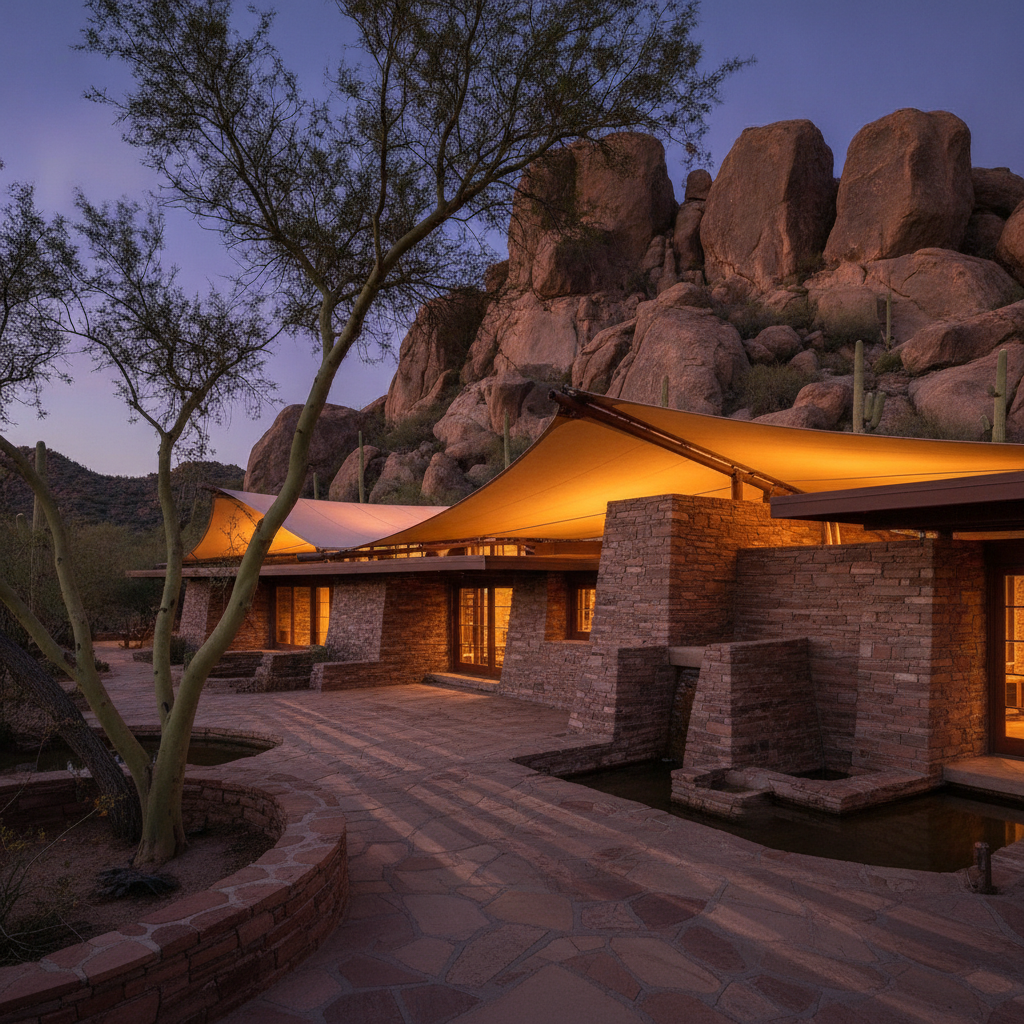
Engage honestly with Native history and 40000 artifacts at the Heard Museum, listen to musicians from every country on earth via wireless headsets at the Musical Instrument Museum, hike to the Hohokam solar calendar at Hole-in-the-Rock in Papago Park, join First Fridays in the Roosevelt Row arts district, learn about Pima and Maricopa canal-building history at the Salt River reservation, and drive 65 miles north to Arcosanti, Soleri compact city-as-ecological-critique of sprawling Phoenix.
- 1
Heard Museum of Native Culture
The Heard Museum at 2301 North Central Avenue in Phoenix, founded in 1929 by Dwight and Maie Heard, is the foremost museum dedicated to the art, history, and culture of Native peoples of the American Southwest, and is consistently ranked among the best art museums in the United States. The permanent collection includes more than 40,000 pieces of Native American art with particular strength in Hopi kachina figures, Navajo textiles and jewelry, and contemporary Native fine art. The museum presents the perspectives of Native peoples on their own history with particular directness, including frank examination of the federal boarding school system that forcibly removed Native children from their families from the 1880s through the mid-20th century and suppressed Indigenous languages and cultures. Annual Indian Fair and Market draws over 600 Native artists. The museum shops carry authenticated works directly from Native artists, offering a transparent alternative to the tourism market.
- 2
Musical Instrument Museum
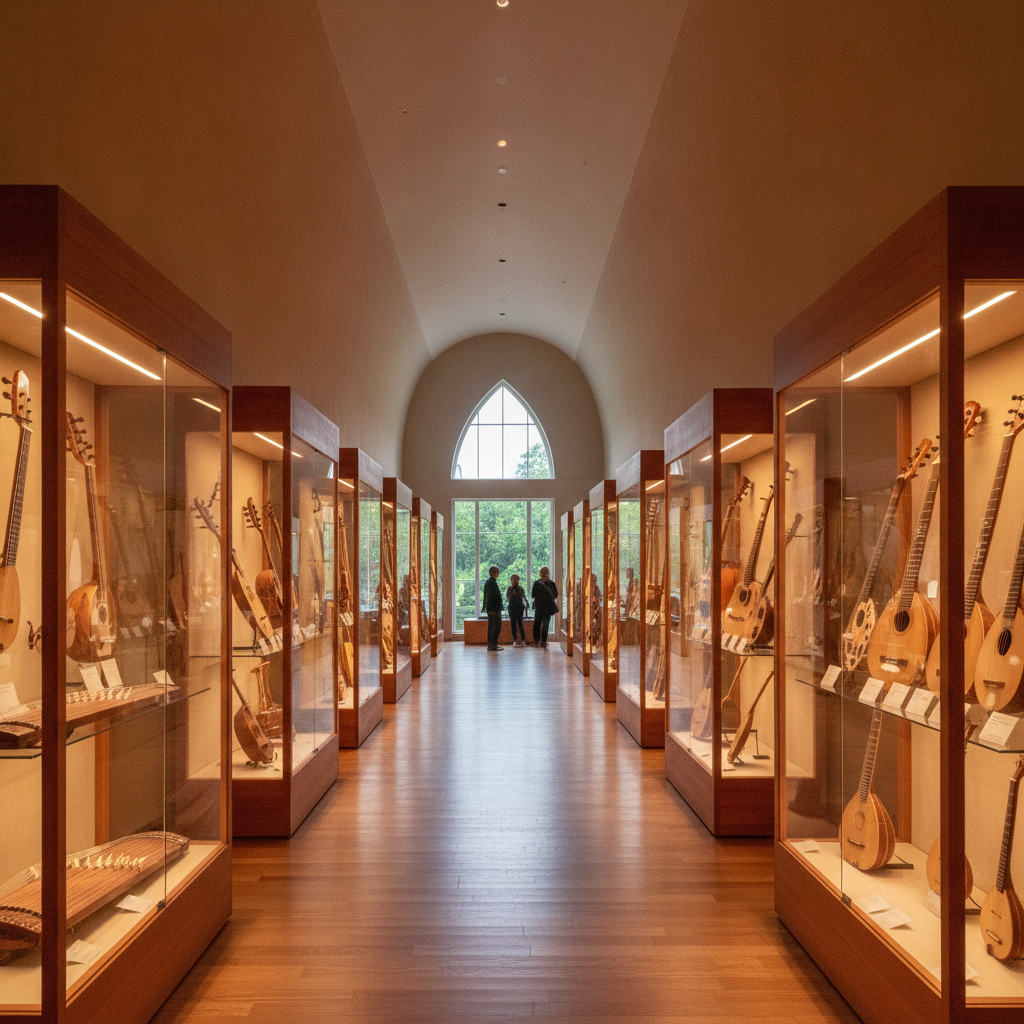
The Musical Instrument Museum at 4725 East Mayo Boulevard in North Phoenix, opened in 2010, is the only museum in the world dedicated to collecting and displaying musical instruments from every country on Earth, with over 6,800 instruments and artifacts representing more than 200 nations and territories on permanent display. The galleries are organized geographically and each display is accompanied by video of musicians from that country or region playing the instruments in their cultural context through wireless headsets visitors receive at entry. The Experience Gallery allows visitors to play instruments from around the world. Bob Dylan personal guitar collection is among the featured artifacts. The acoustics of the concert venue are exceptional. The museum was founded by retired Target Corporation CEO Robert Ulrich and is considered one of the most distinctive museum experiences in the American Southwest, drawing visitors who make it a specific travel destination rather than incidental stop.
- 3
Papago Park and Phoenix Mountains Preserve
Papago Park, a unit of the Phoenix park system straddling the boundary between Phoenix and Tempe around large red sandstone buttes, is a desert landscape of hiking trails, fishing lagoons, picnic areas, and the famous Hole-in-the-Rock formation, a natural oval window eroded through a sandstone butte that served as a solar calendar for prehistoric Hohokam people. The park contains the Phoenix Zoo, one of the largest privately supported zoos in the United States, and the Desert Botanical Garden, which displays over 50,000 plants representing 4,000 species from desert regions worldwide. The Phoenix Mountains Preserve north of the city protects 7,500 acres of Sonoran Desert with 40 miles of trails within city limits. Piestewa Peak, named in 2003 for Pfc. Lori Piestewa, the first Native American woman killed in combat while serving in the US military, offers a short but steep summit trail with views of the metropolitan area.
- 4
Downtown Phoenix and Roosevelt Row
Downtown Phoenix experienced significant urban revitalization from the 2000s onward, driven partly by construction of light rail opening in 2008 and growth of Arizona State University downtown campus. CityScape at First and Washington is the commercial center. Roosevelt Row, the arts district along Roosevelt Street east of Central Avenue, has anchored the cultural revival with galleries, studios, restaurants, and First Fridays, a monthly arts walk drawing thousands of visitors on the first Friday of each month that is one of the largest regular arts events in the American Southwest. The Phoenix Art Museum, one of the largest art museums in the American West with over 18,000 works, anchors the Cultural District along Central Avenue near McDowell. Chase Field, home of the Arizona Diamondbacks, opened in 1998 with a retractable roof and air conditioning, the first stadium in the world designed specifically for baseball with these features to address extreme summer heat.
- 5
Salt River Pima-Maricopa Indian Community
The Salt River Pima-Maricopa Indian Community, a federally recognized tribe occupying a 53,000-acre reservation bordering Scottsdale and Mesa east of Phoenix, is one of the most economically developed tribal nations in the United States. The community operates Talking Stick Resort and Casino, two golf courses, the Salt River Fields at Talking Stick spring training complex where the Colorado Rockies and Arizona Diamondbacks train, and various other commercial enterprises. The tribe consists of two distinct peoples, the Pima, also known as Akimel Oodham or River People, and the Maricopa, also known as Xalychidom Piipaash, who have lived along the Salt and Gila Rivers for centuries. The Huhugam Heritage Center on the reservation documents the Hohokam civilization, believed to be the ancestors of the Pima, who built hundreds of miles of irrigation canals across the Salt River Valley between approximately 1 AD and 1450 AD.
- 6
Arcosanti and Arizona Futurism
Arcosanti, a unique experimental town under construction since 1970 in the high desert 65 miles north of Phoenix near Cordes Junction, was designed by Italian-born architect Paolo Soleri as a demonstration of arcology, a concept combining architecture and ecology into compact urban forms that minimize environmental impact. Soleri, who studied under Frank Lloyd Wright at Taliesin West, envisioned Arcosanti ultimately housing 5,000 people in a single complex on 25 acres rather than sprawling across the landscape in conventional suburban form. The community remains home to about 50 to 80 permanent residents and a rotating group of workshop participants who build and maintain the structures. Arcosanti produces cast bronze and ceramic wind bells that are sold as the primary revenue source. The project has attracted global architectural attention as a philosophical counterpoint to Phoenix itself, which represents one of the most sprawling, car-dependent, water-intensive urban forms ever constructed.
Walk this route with audio
Stories play automatically as you reach each stop — no tapping needed.
More in Phoenix
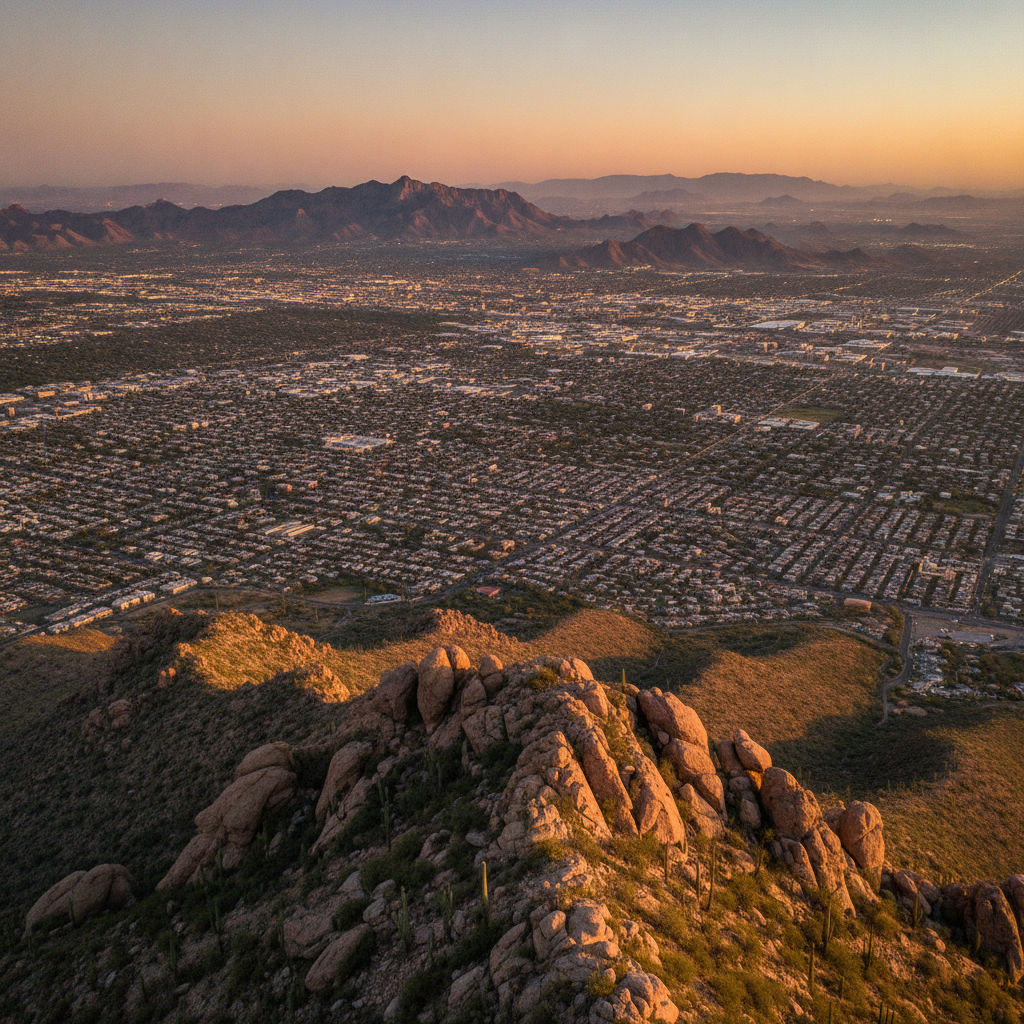
Phoenix: Intel Silicon Desert, 16000 Acre City Park and the Deadliest Urban Hike in America
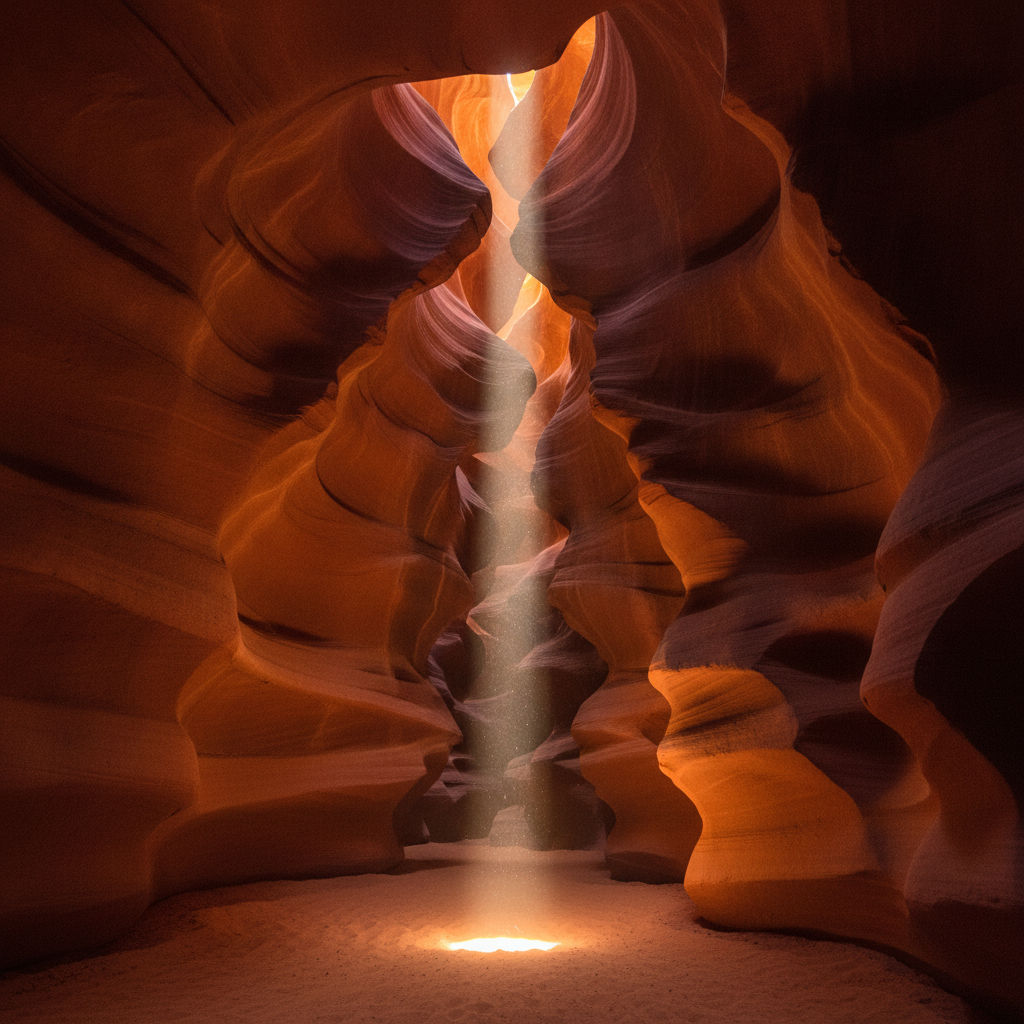
Phoenix: Antelope Canyon and Horseshoe Bend Day Trip (Navajo guided tours, light beams, Colorado River meander), Monument Valley Navajo Nation (John Ford Westerns, Valley Drive Navajo-guided), Arizona State University and Phoenix Tech Hub (Intel Chandler, most innovative US university), Scottsdale Western Heritage Museum (cowboy culture, Parada del Sol Rodeo), Phoenix Sonoran Mexican Food (chimichanga origin, Barrio Cafe, Queen Creek Olive Mill), and Petrified Forest National Park and Painted Desert
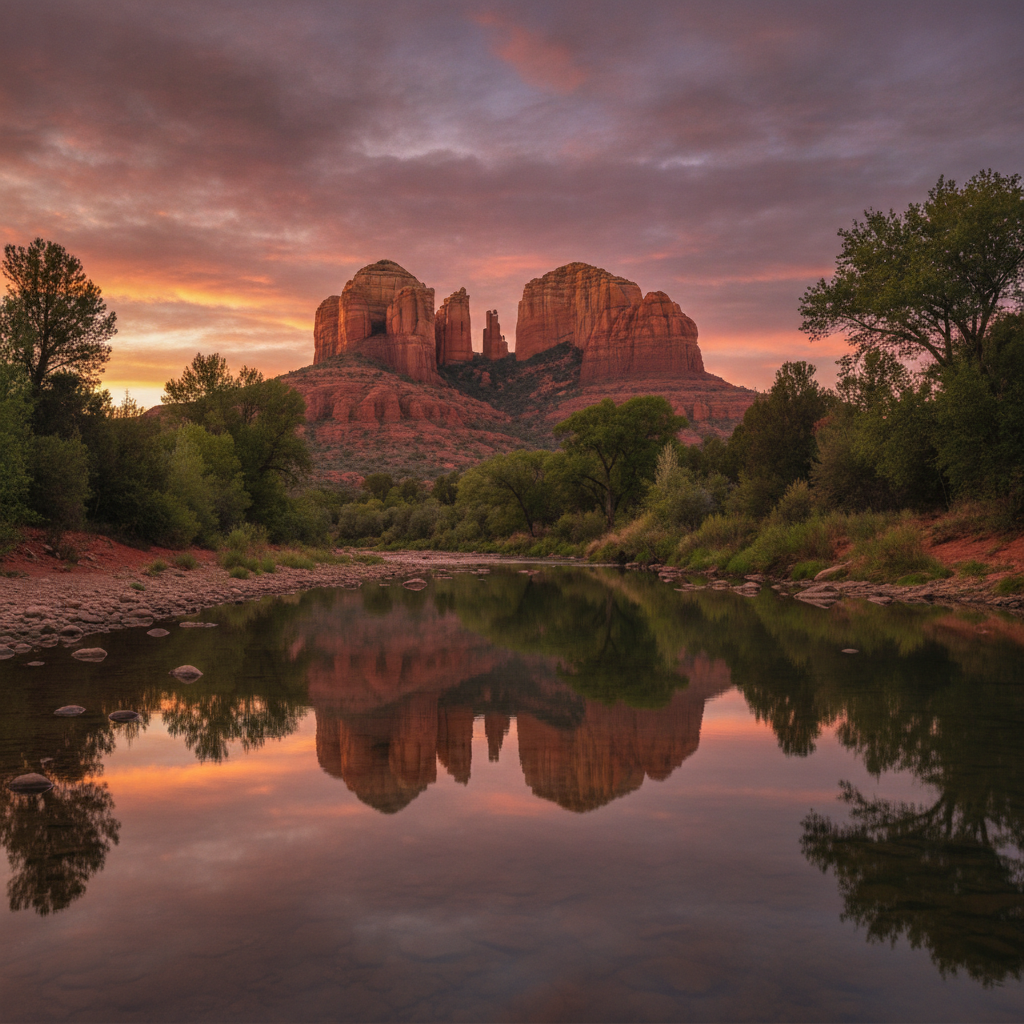
Phoenix: Suns Triple Finals Heartbreak, Red Rock Vortexes and Bacon-Wrapped Hot Dogs
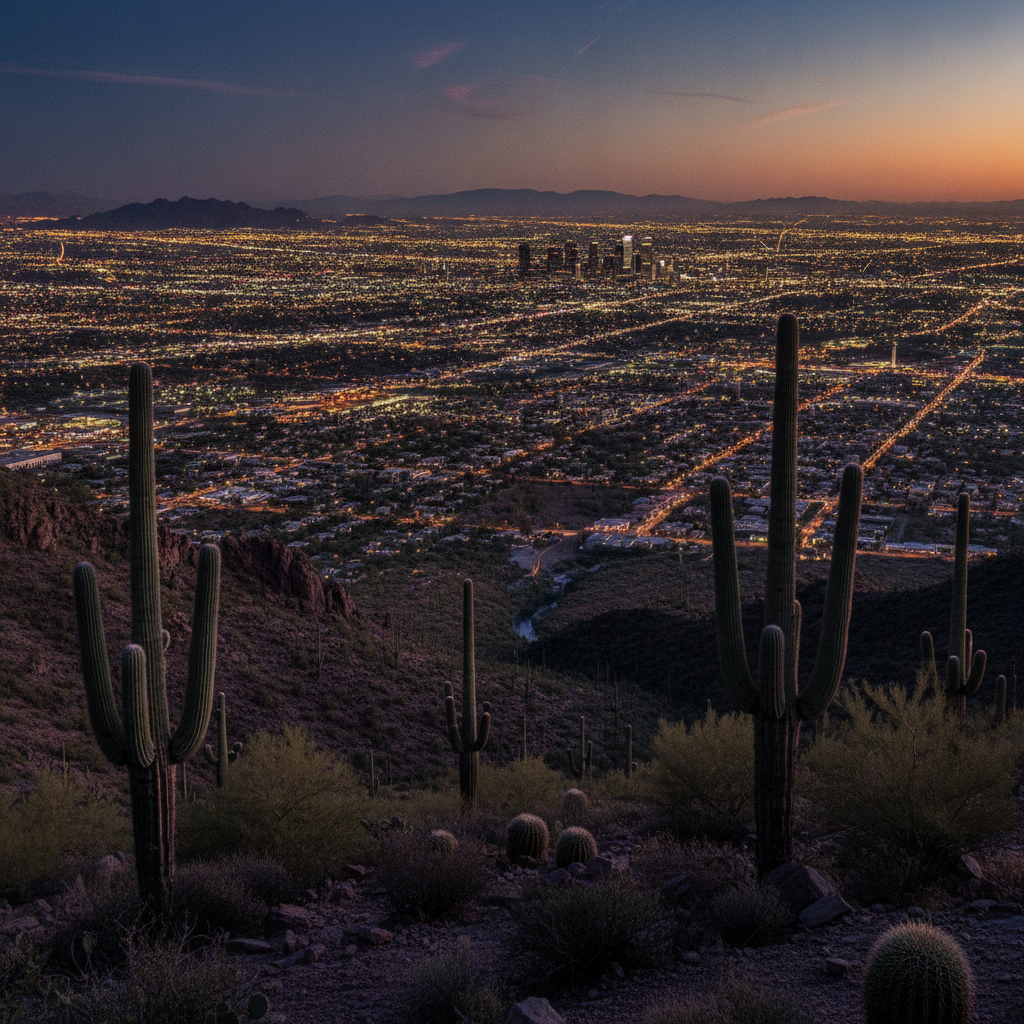
Phoenix: Climate Crisis and Water Security (Colorado River compact, Lake Mead shortage, urban heat island, 107 extreme heat days), Phoenix Outdoor Recreation (South Mountain Park largest urban park in US, McDowell Sonoran Preserve, mountain biking), Snowbird Culture (winter migration, 300000 seasonal residents, RV parks), Arizona Cardinals NFL and Phoenix Sports Scene, Phoenix Growth Story (fastest growing US metro, sprawl critique, light rail expansion), and Practical Guide (Sky Harbor Airport, freeway grid, best months to visit October-April)
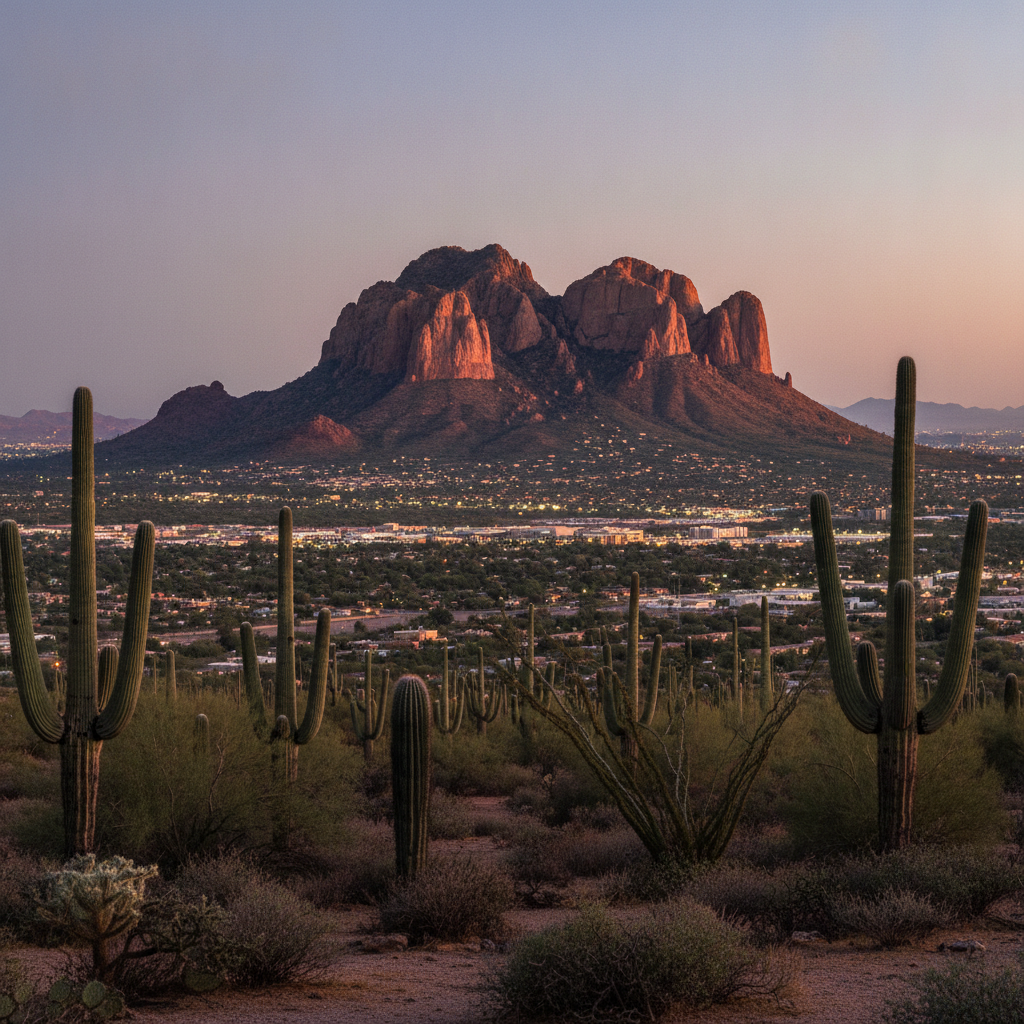
Phoenix: Camelback Mountain Hike (Echo Canyon Trail, 200 rescues per year, desert safety), Scottsdale Old Town Arts District (125 galleries, Western American art, luxury shopping), Sedona Red Rock Country Day Trip (energy vortexes, Cathedral Rock, Oak Creek Canyon, jeep tours), Grand Canyon South Rim (6M visitors, Bright Angel Trail, mule rides, Havasupai turquoise falls), and Desert Botanical Garden and Heard Museum (50000 plants, Native American art)