Phoenix: Climate Crisis and Water Security (Colorado River compact, Lake Mead shortage, urban heat island, 107 extreme heat days), Phoenix Outdoor Recreation (South Mountain Park largest urban park in US, McDowell Sonoran Preserve, mountain biking), Snowbird Culture (winter migration, 300000 seasonal residents, RV parks), Arizona Cardinals NFL and Phoenix Sports Scene, Phoenix Growth Story (fastest growing US metro, sprawl critique, light rail expansion), and Practical Guide (Sky Harbor Airport, freeway grid, best months to visit October-April)
Phoenix context and practicalities: Colorado River water crisis (Central Arizona Project canal, Lake Mead historic lows 2022, water use restrictions, Arizona groundwater law), South Mountain Park (16,000 acres, largest municipal park in US, 51 miles of trails), snowbird winter migration (October-April influx of 300,000+ seasonal residents from northern states and Canada), Phoenix sports culture (Cardinals NFL, Suns NBA, Coyotes NHL relocated to Salt Lake 2024, Diamondbacks World Series 2001 champions), Phoenix growth story (fastest growing US major metro, suburban sprawl, light rail expansion), and practical guide (Phoenix Sky Harbor Airport, October-April best weather, summer heat avoidance strategies).
- 1
Phoenix Water Crisis and the Colorado River
Phoenix water security: the Phoenix metro area receives approximately 180 mm of rainfall per year, far below the approximately 2,000-3,000 mm needed to sustain the current population without imported water. The Central Arizona Project (CAP): the 541 km canal from Lake Havasu on the Colorado River to Phoenix and Tucson, completed 1993 at a cost of USD 4 billion, delivers approximately 1.5 billion cubic meters of Colorado River water annually to Arizona. Lake Mead (the reservoir on the Colorado River behind the Hoover Dam): the water level fell to historically low levels in 2022 (to 27% capacity), triggering the first-ever Tier 2 water shortage declaration and mandatory cuts in Arizona water allocations. Arizona groundwater law: Arizona passed the Groundwater Management Act in 1980 (one of the most comprehensive groundwater management laws in the US), requiring Phoenix and Tucson to have a 100-year assured water supply before new development can proceed. The Phoenix response to climate change: the City of Phoenix has planted 10,000 trees in the hottest neighborhoods (a heat mitigation program), is expanding the urban tree canopy, and is piloting cool pavement programs. The Urban Heat Island of Phoenix: the Phoenix urban heat island adds 3-5C to nighttime temperatures, creating dangerous conditions for the most vulnerable residents; heat is the leading cause of weather-related death in Arizona.
- 2
South Mountain Park and McDowell Sonoran Preserve
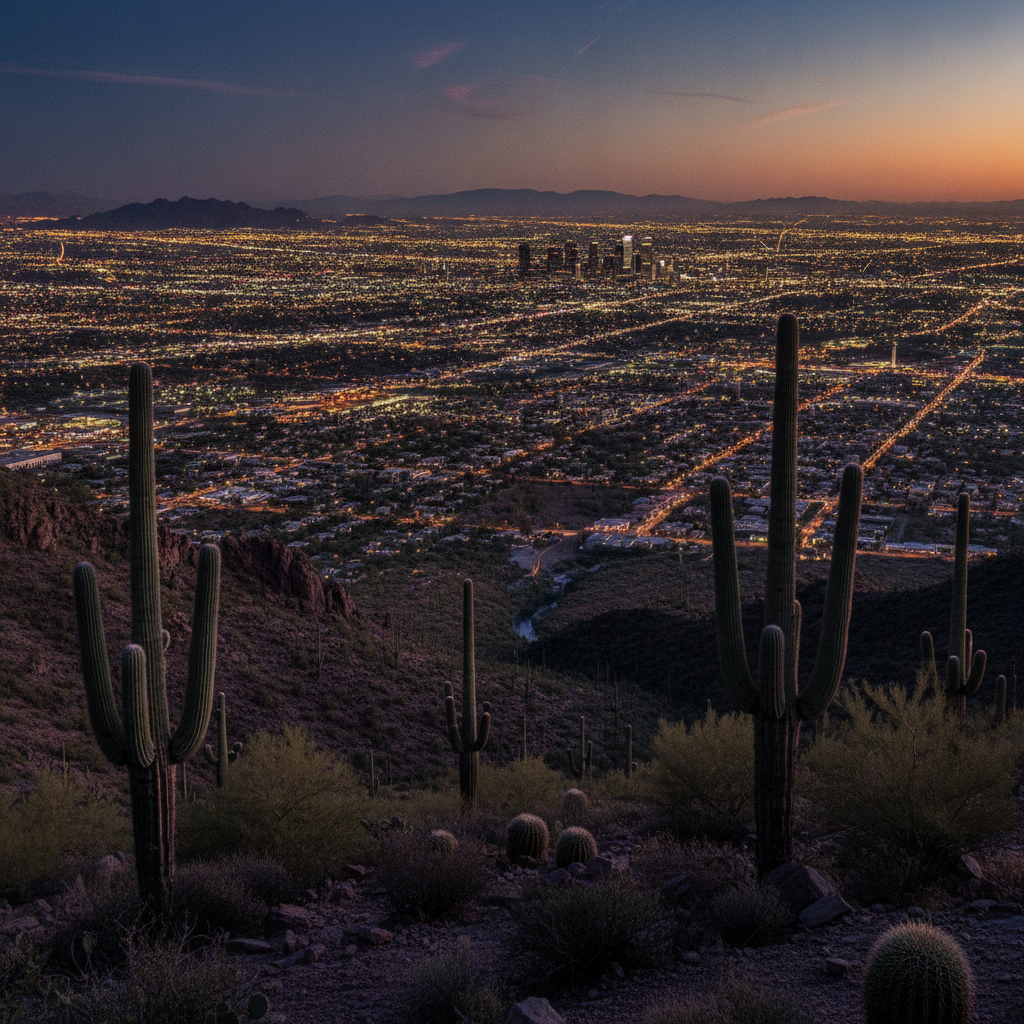
South Mountain Park and Preserve (at the southern edge of Phoenix, accessible from Baseline Road): at 16,000 acres, the largest municipal park in the United States (larger than many national parks), with 51 miles of hiking, mountain biking, and equestrian trails in the South Mountain range. The Dobbin Head summit (at 727 m, the highest point of South Mountain): the 3-mile round-trip hike to the communications tower summit, with the panoramic view of the entire Phoenix metro area. The McDowell Sonoran Preserve (in north Scottsdale, at the McDowell Mountains): 30,000 acres of preserved Sonoran Desert, with 225 km of multi-use trails and the Gateway Trailhead (the most popular trailhead in the Phoenix metro area). The Phoenix Mountain Park system (the seven mountain parks scattered through Phoenix): North Mountain Park (with the North Mountain Trail), Papago Park (the red rock park with the Desert Botanical Garden and the Phoenix Zoo), Dreamy Draw Recreation Area, and the Phoenix Mountains Preserve. The desert bloom: in years with good winter rainfall (the Pacific storm season December-March), the Sonoran Desert floor produces a spectacular wildflower bloom in February-April; the Mexican gold poppy (Eschscholzia californica mexicana), the owl clover, the lupin, and the phacelia create vivid color fields at Picacho Peak and the Wickenburg and Cave Creek areas.
- 3
Snowbird Culture and Winter in the Desert
The Phoenix snowbird phenomenon: the annual winter migration (October-April) of retirees and seasonal residents from the northern United States and Canada to the Phoenix metro area. The snowbird population: approximately 250,000-300,000 seasonal residents arrive in the Phoenix-Scottsdale-Mesa-Chandler area each winter, staying from a few weeks to the entire six-month season. The snowbird economy: the seasonal residents contribute approximately USD 3 billion annually to the Arizona economy through housing, food, entertainment, healthcare, and retail. The snowbird demographics: the primary source regions are the Upper Midwest (Minnesota, Wisconsin, Michigan, Ohio), Canada (particularly Alberta, British Columbia, and Ontario), and the northern Great Plains (North and South Dakota). The snowbird lifestyle: the approximately 150 RV resorts in the Phoenix metro area (providing full hookup RV sites with resort amenities including swimming pools, golf courses, social activities, and shuffleboard courts). Sun City (the planned retirement community at the northwestern edge of Phoenix, established 1960 by Del Webb): the first large-scale planned retirement community in the United States, with approximately 40,000 residents; Sun City requires at least one resident per household to be 55 or older. The winter sports season in Phoenix: the combination of mild weather (December-February highs of 18-22C) and the dense infrastructure of golf courses, pickleball courts, and cycling trails makes Phoenix the premier winter outdoor recreation destination in the continental United States.
- 4
Phoenix Sports Culture - Cardinals Suns Diamondbacks
Phoenix professional sports: the Phoenix metro area has franchises in all four major North American professional sports leagues plus MLS soccer. The Arizona Cardinals (NFL): the oldest professional football franchise in the United States (founded 1898 in Chicago as the Chicago Cardinals, moved to St. Louis, then to Arizona in 1988); play at State Farm Stadium (in Glendale, 24 km west of Phoenix), with the retractable roof and the natural grass field (the grass tray rolls outside to absorb sunlight, then rolls back inside for games). The Arizona Diamondbacks (MLB): founded 1998; won the World Series in 2001 in the most dramatic fashion (defeating the New York Yankees dynasty in 7 games, with Luis Gonzalez walk-off single in the bottom of the 9th inning of Game 7). The Phoenix Suns (NBA): one of the most storied NBA franchises, with the Showtime-era fast break play of the Steve Nash years (2004-2012); the Footprint Center in downtown Phoenix. Arizona State Sun Devils (college football, at Sun Devil Stadium in Tempe): the most prominent college sports program in Arizona. Phoenix Rising FC (USL Championship): the soccer club owned in part by soccer superstar Didier Drogba.
- 5
Phoenix Urban Sprawl and the Growth Story
Phoenix metro growth: the Phoenix metro area (Maricopa County) has been the fastest-growing large metropolitan area in the United States for most of the past three decades, with an average population growth of approximately 80,000-100,000 residents per year. Phoenix growth context: in 1950 Phoenix had a population of 107,000; by 2025 the metro area approaches 5 million. This growth has been driven by the combination of affordable land, business-friendly state tax policy, low housing costs relative to California (despite rapidly rising prices), the technology and semiconductor industry investment, and the climate appeal. The Phoenix sprawl: Phoenix is the most sprawling major city in the United States, with a metro area covering approximately 37,000 square km and an average population density of approximately 1,200 persons per square km. The light rail expansion: the Valley Metro Rail (75 km of light rail, opened 2008, with expansion ongoing) represents the most significant effort to introduce transit-oriented density into the sprawling Phoenix grid. The housing affordability crisis: the rapid population growth has pushed Phoenix housing prices to unprecedented levels (median home price exceeding USD 400,000 in 2024), pricing out the lower-income service workers who sustain the tourism and hospitality economy. The semiconductor investment boom: the TSMC semiconductor fabrication plant under construction in north Phoenix (a USD 40 billion investment for the world most advanced chip manufacturing) and the Intel Chandler expansion represent the largest private sector investment in Arizona history.
- 6
Phoenix Practical Guide - When to Visit Sky Harbor Airport
Phoenix visitor practical guide: Phoenix Sky Harbor International Airport (PHX): the 4th busiest airport in the United States, with direct flights to virtually all major US and international destinations. Phoenix location advantage: Phoenix is within a 4-5 hour drive of the Grand Canyon (365 km north), Las Vegas (470 km northwest via I-40 and US-93), Los Angeles (600 km west via I-10), San Diego (570 km west via I-8), and Tucson (185 km south). The best time to visit Phoenix: October through April (the cool season, with highs of 18-27C): the ideal season for all outdoor activities including hiking, golf, cycling, and outdoor dining. May, June, September: the shoulder months, with temperatures rising from 30C in May to 40C+ in June; outdoor activities are restricted to early morning and evening. July and August: the North American Monsoon season (afternoon thunderstorms, high humidity for Arizona, temperatures 38-43C): the least desirable months for most visitors; the monsoon rains (typically brief and intense, 30-60 minute afternoon and evening thunderstorms) bring dramatic lightning displays and sudden flooding. Phoenix freeway grid: Phoenix is built on a street grid with major arterials at each mile and freeways connecting the major activity centers; the Maricopa Freeway (I-10), the Papago Freeway (SR-202), and the Red Mountain Freeway (US-60) are the primary connectors. Uber, Lyft, and rental cars are the primary transportation options; the light rail is useful for the downtown Phoenix-Tempe-Mesa corridor only.
Walk this route with audio
Stories play automatically as you reach each stop — no tapping needed.
More in phoenix
Phoenix: Every Instrument on Earth, Hohokam Solar Windows and the Anti-Phoenix in the Desert
Phoenix: Intel Silicon Desert, 16000 Acre City Park and the Deadliest Urban Hike in America
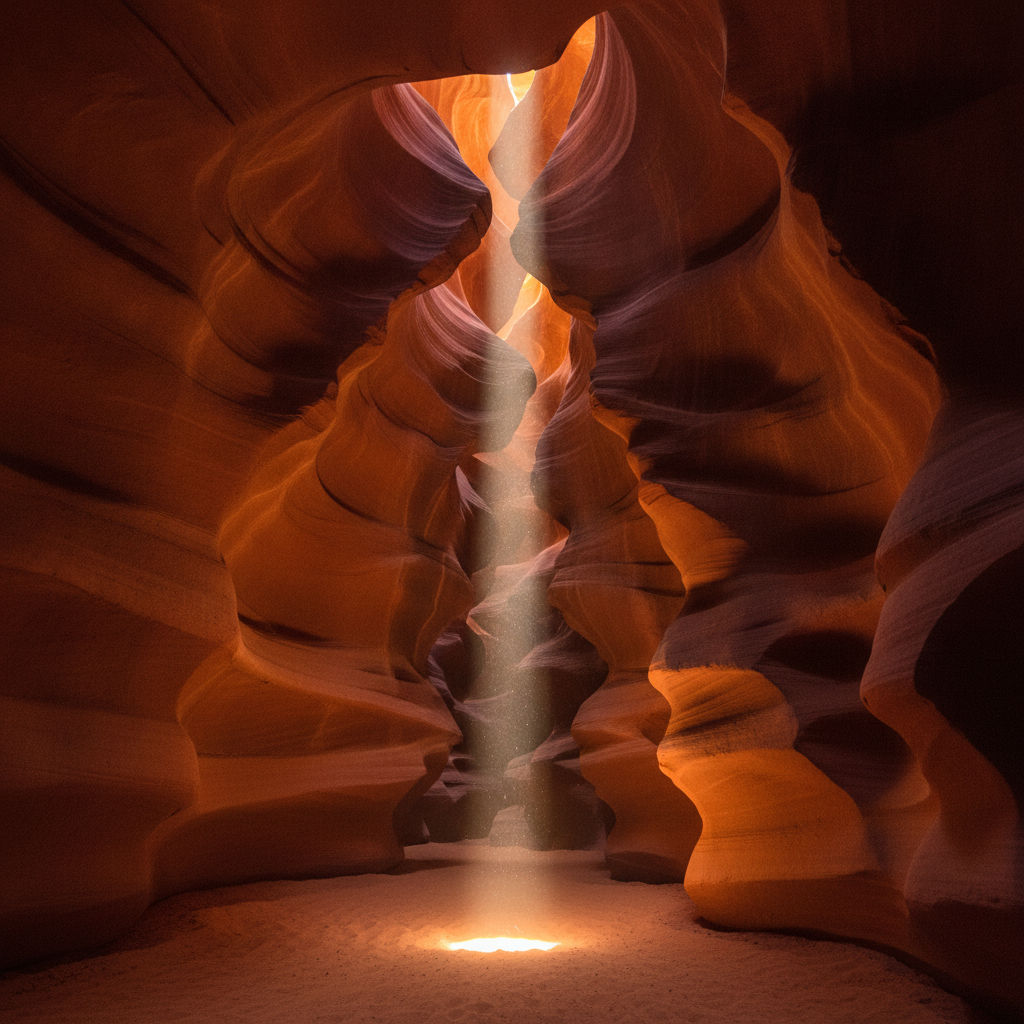
Phoenix: Antelope Canyon and Horseshoe Bend Day Trip (Navajo guided tours, light beams, Colorado River meander), Monument Valley Navajo Nation (John Ford Westerns, Valley Drive Navajo-guided), Arizona State University and Phoenix Tech Hub (Intel Chandler, most innovative US university), Scottsdale Western Heritage Museum (cowboy culture, Parada del Sol Rodeo), Phoenix Sonoran Mexican Food (chimichanga origin, Barrio Cafe, Queen Creek Olive Mill), and Petrified Forest National Park and Painted Desert
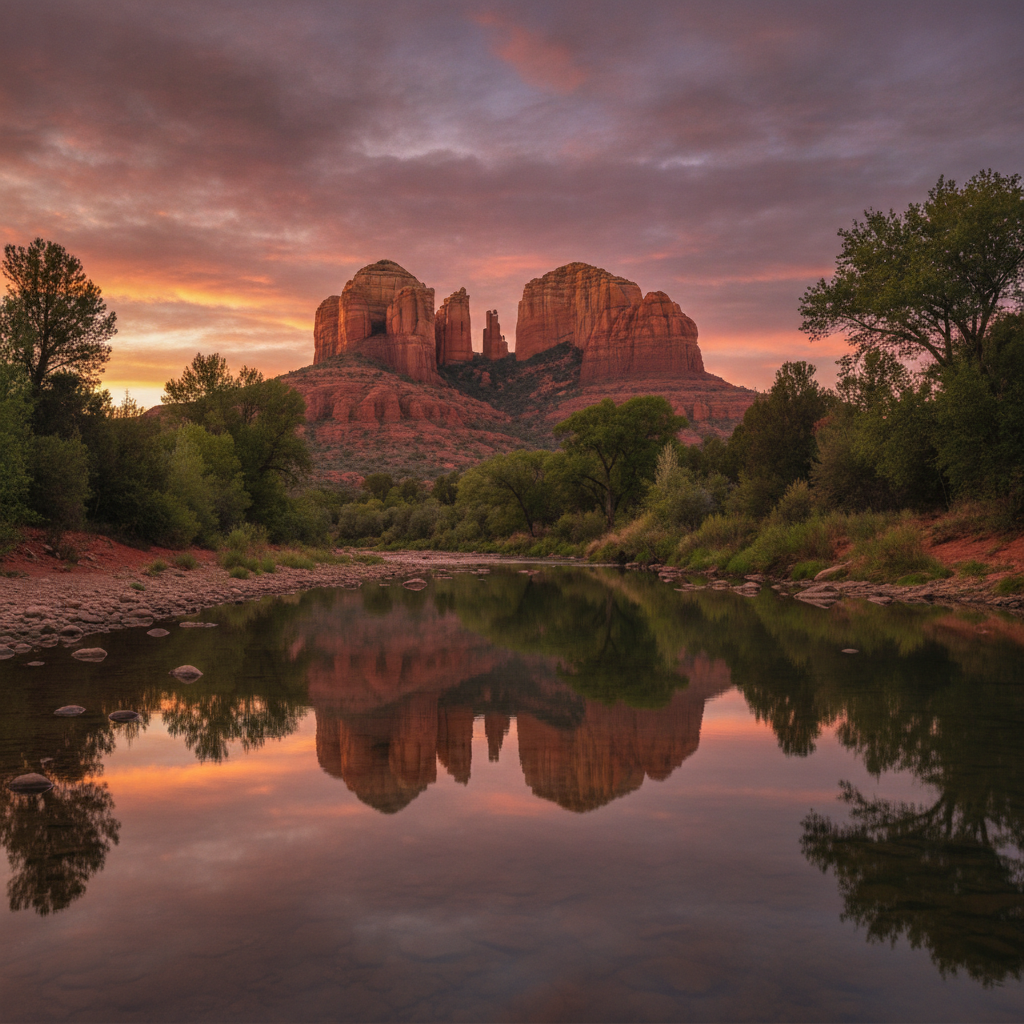
Phoenix: Suns Triple Finals Heartbreak, Red Rock Vortexes and Bacon-Wrapped Hot Dogs
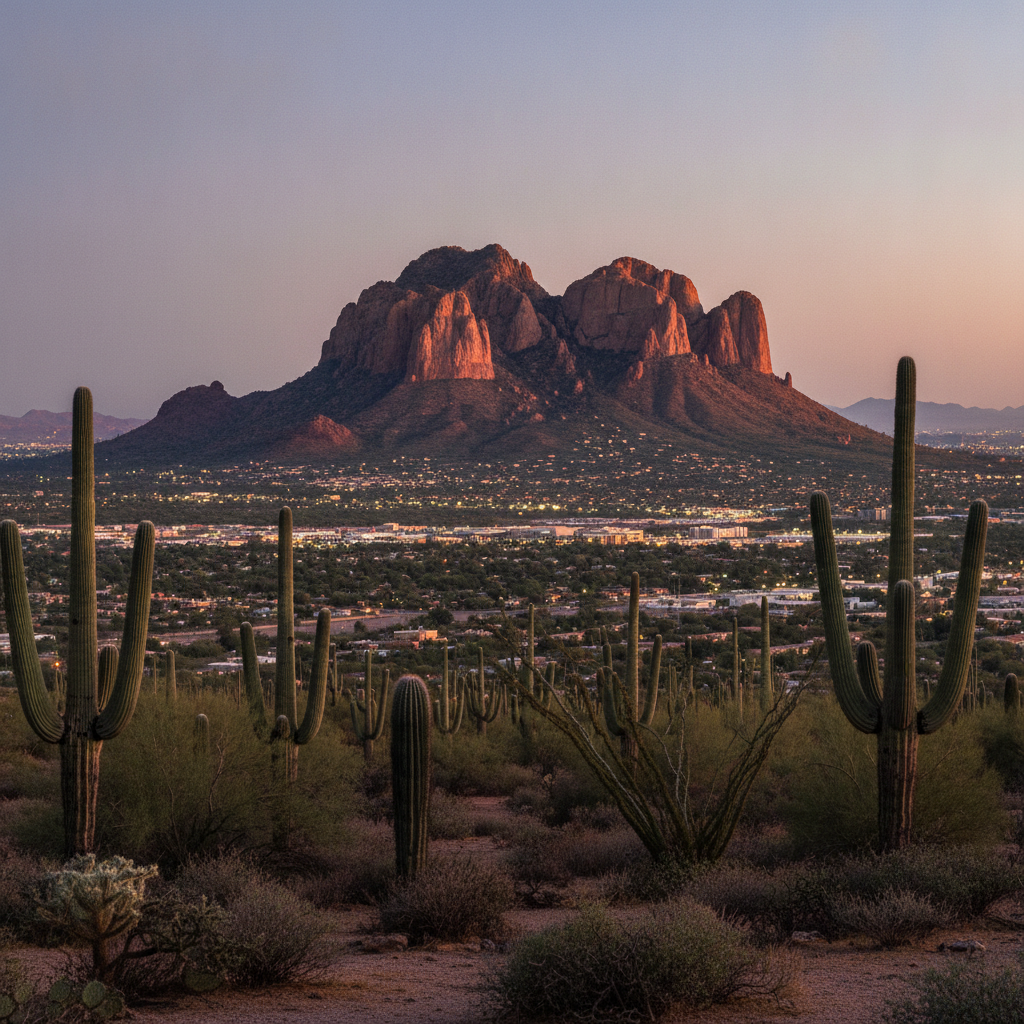
Phoenix: Camelback Mountain Hike (Echo Canyon Trail, 200 rescues per year, desert safety), Scottsdale Old Town Arts District (125 galleries, Western American art, luxury shopping), Sedona Red Rock Country Day Trip (energy vortexes, Cathedral Rock, Oak Creek Canyon, jeep tours), Grand Canyon South Rim (6M visitors, Bright Angel Trail, mule rides, Havasupai turquoise falls), and Desert Botanical Garden and Heard Museum (50000 plants, Native American art)