Philipsburg Shopping and Culture: Front Street Duty-Free, Saint Barthelemy Luxury Boutiques, the Dutch-French Island Contrast, Carnival Music, Creole Rock Dining, and Independent Travel Logistics
The Philipsburg cultural and commercial experience covers the Front Street duty-free shopping for cruise visitors, the Gustavia luxury boutique shopping for the affluent traveler, the vivid Dutch-French cultural contrast across the 15-kilometer island divide, the SXM Festival electronic music scene, the Creole Rock island restaurant, and the complete car rental and currency logistics for the independent visitor.
- 1
Philipsburg Front Street: The Duty-Free Capital
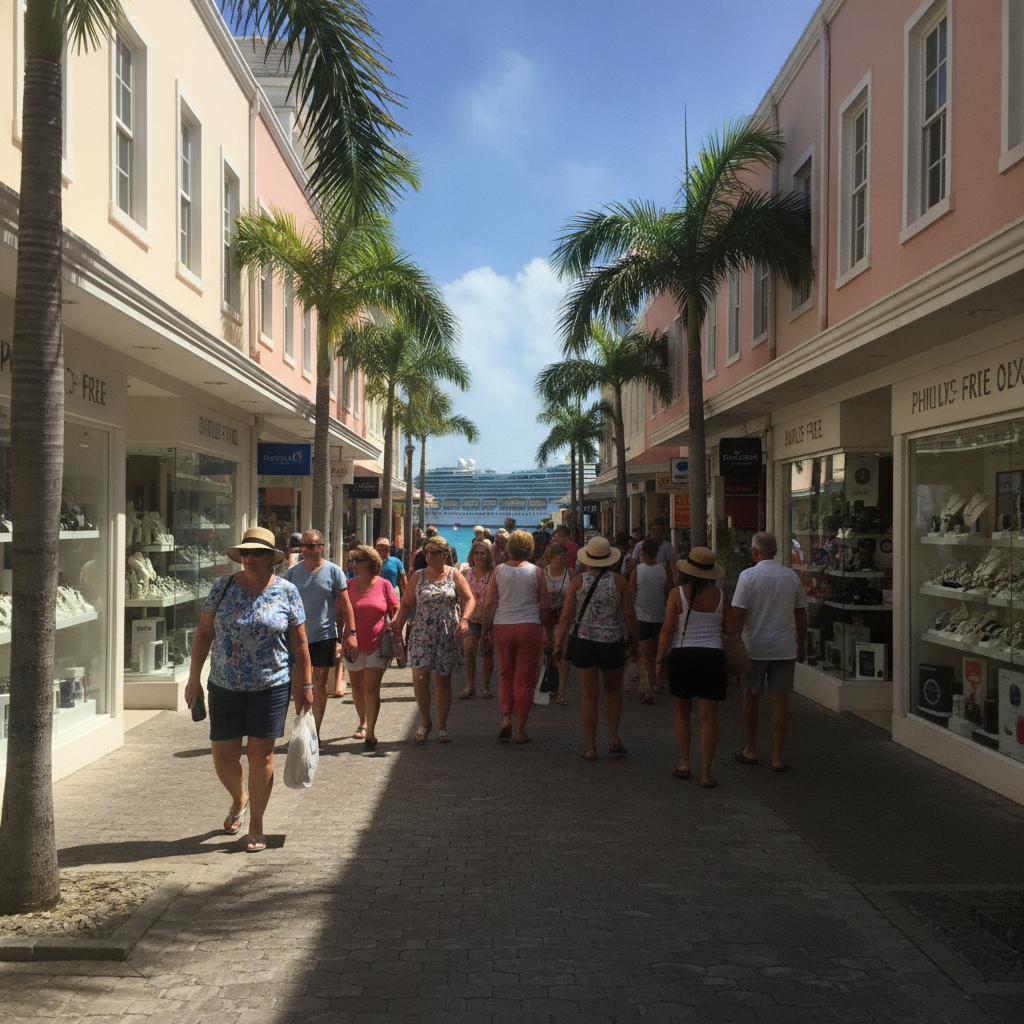
Philipsburg Front Street, the pedestrian shopping strip of the Sint Maarten capital running for approximately 1 kilometer behind the Great Bay Beach, is one of the highest-concentration duty-free shopping corridors in the Caribbean, with the jewelry stores, the electronics, the liquor shops, and the luxury goods retailers providing the cruise ship visitor with a tax-free shopping experience that is the primary commercial draw of the Sint Maarten cruise port. The Old Street pedestrian alley behind Front Street contains the more characterful local restaurants and craft shops.
- 2
Saint Barthelemy Shopping: The Luxury Boutiques
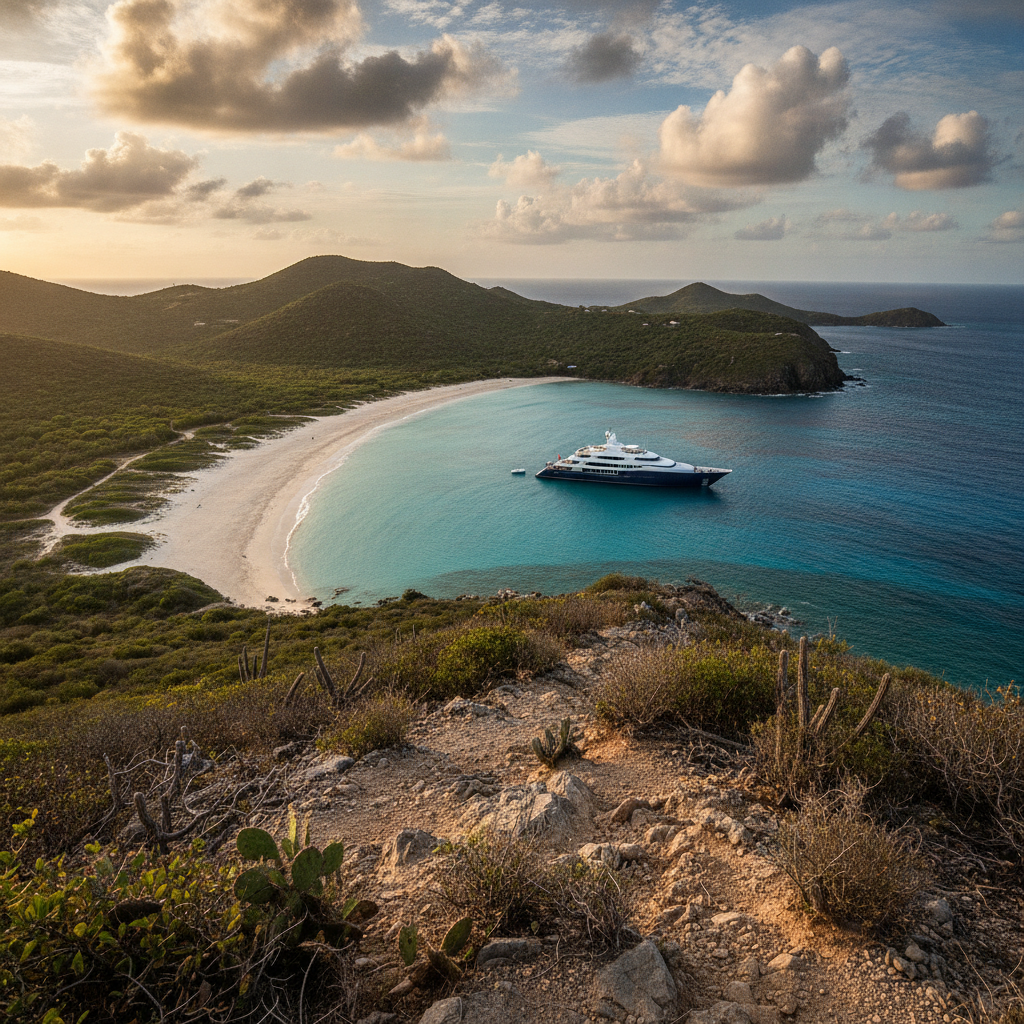
The Gustavia shopping district, where the Hermes, Bulgari, Cartier, and Dior boutiques operate alongside the local Saint Barthelemy brands and the artisan perfume houses, provides the luxury goods shopping experience that is the commercial complement to the beach and dining culture of the island. The duty-free status of Saint Barthelemy and the luxury consumer demographics of the New Year and winter season clientele support the boutique density that exceeds any other Caribbean island of comparable size.
- 3
The French-Dutch Island Contrast: Two Different Worlds
The contrast between the Dutch Sint Maarten and the French Saint Martin on the same island, experienced most vividly in the transition from the Philipsburg commercial resort atmosphere to the Marigot market town and the Grand Case village restaurant culture, encapsulates the fundamental difference between the Dutch Caribbean resort model and the French Caribbean cuisine and lifestyle model in a geographic distance of 15 kilometers. The island division is the most concentrated comparative experience of European Caribbean colonialism available anywhere.
- 4
Sint Maarten Music: The Calypso and Soca Festival Scene
Sint Maarten Carnival in April and May is the primary music and cultural event of the Dutch side, supplemented by the SXM Festival electronic music event in March that draws international DJs to the outdoor venues of the Simpson Bay and Maho area. The Sint Maarten musical calendar reflects the island's position between the French Caribbean and the English-speaking Leeward Islands in a musical culture that blends the calypso and soca of the Anglophone Caribbean with the zouk and biguine of the French Antilles.
- 5
Creole Rock: The Fish Restaurant Island
Creole Rock island in Grand Case Bay on the French side, accessible by a 2-minute water taxi from the Grand Case beach and surrounded by the snorkeling reef of the rock enclosure, is a 200-meter islet topped by the L'Islet restaurant that provides the unique experience of dining on a private island in Grand Case Bay. The Creole Rock snorkeling is among the most accessible and fish-rich snorkeling sites on either side of the island.
- 6
Sint Maarten Independent Traveler Guide: The Complete Logistics
The Sint Maarten independent traveler logistics: Princess Juliana Airport serves direct flights from the US East Coast, Europe, and the Caribbean. The island car rental from the airport is the most practical transport option for covering both the Dutch and French sides of the island in a single day. The island currency complexity, with the Eastern Caribbean dollar on the Dutch side and the Euro on the French side both supplemented by the universal acceptance of the US dollar, is managed most easily by carrying US dollar cash.
Walk this route with audio
Stories play automatically as you reach each stop — no tapping needed.
More in Philipsburg
Philipsburg Active and Cultural: Pelican Peak Hike, Island Produce Markets, Sint Maarten Water Sports, Sunset Beach Bar Aircraft Viewing, Carnival Road March, and the Post-Irma Responsible Tourism Debate
Philipsburg Island Hops: Anguilla Luxury Beaches, Saint Barthelemy Fashion, Saba and Statia Quiet Islands, Oyster Pond Yachting, Accommodation Spectrum, and the Hurricane Irma Recovery Story
Philipsburg History and Future: Arawak-to-Tourism History, HMS Proselyte Wreck Dive, Guana Bay Surf, the Friendly Island Culture, Luxury Villa Rentals, and the Climate Resilience Challenge
Philipsburg Beaches and History: Dawn Beach Surfing, Pinel Island Day Trip, the 1648 Concordia Treaty Legend, Saba Bank, Maho Casino Strip, and Princess Juliana Airport Connections
Sint Maarten Full: Simpson Bay Superyacht Lagoon, Grand Case Culinary Capital, Coral Restoration, Anse Marcel Seclusion, Marigot Market, and Sint Maarten Carnival