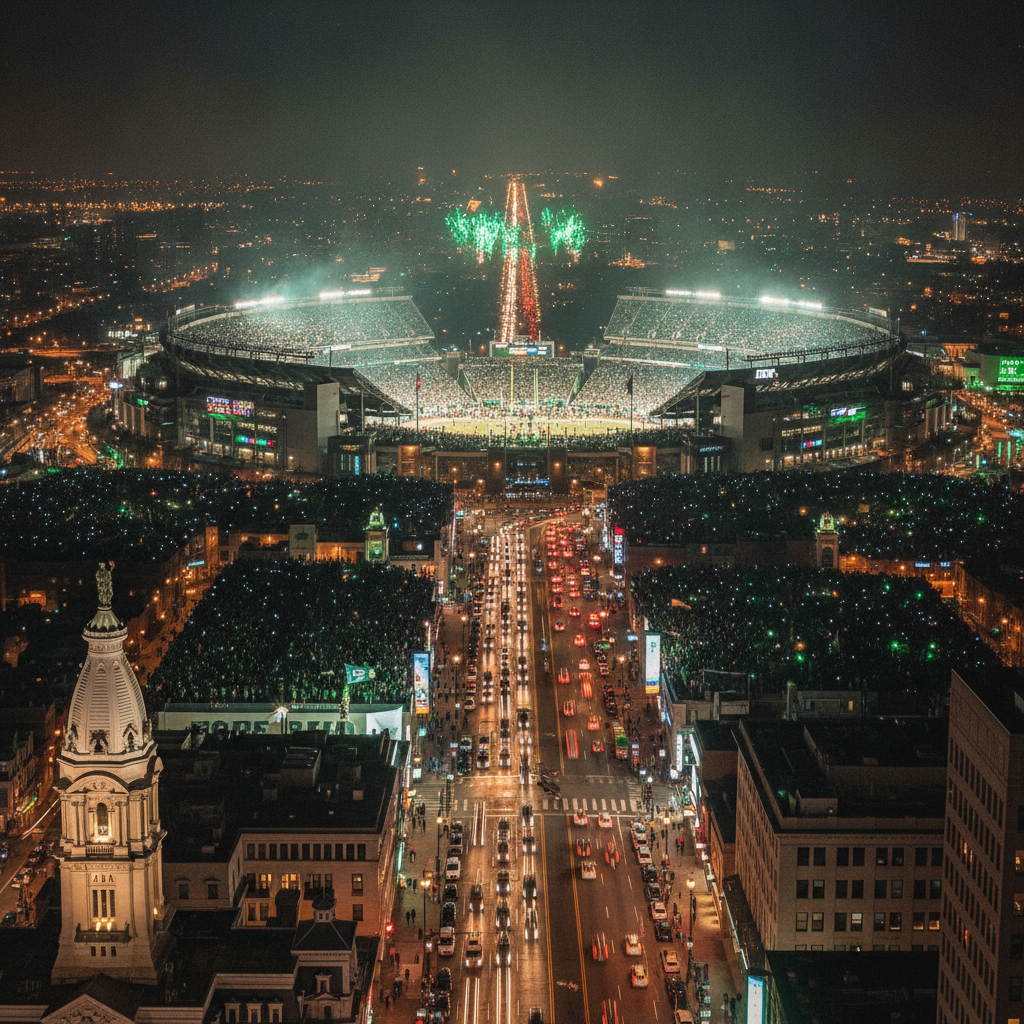
Philadelphia R3: Rittenhouse Square and dining (Zahav Michael Solomonov, Vetri Cucina, South Street Magic Gardens Isaiah Zagar mosaics), Philadelphia architecture (Society Hill Georgian I.M. Pei towers 1964, USS Olympia Spanish-American War oldest steel warship, Eastern State Penitentiary 1829 Pennsylvania solitary system), LGBTQ+ history (Annual Reminders 1965 first US LGBT political demonstrations Independence Hall, Mazzoni Center 1979, Gayborhood rainbow crosswalks, Walt Whitman Camden patron), Revolutionary War (Continental Congress Independence Hall, British occupation 1777-1778, Battle of Germantown fog friendly fire, Betsy Ross House first flag legend), Mummers Parade (January 1 oldest continuous US folk parade, String Bands South Philly clubs, First Friday Old City gallery walk), Practical (Philadelphia firsts — library hospital insurance zoo World's Fair telephone stock exchange, SEPTA El Broad St Line, 30th Street Station third busiest Amtrak, Acela NYC 75min DC 65min)
Philadelphia history and culture: Rittenhouse Square (William Penn 1682 five squares, Zahav James Beard best Israeli, Vetri best Italian outside NYC, South Street Magic Gardens 1020 mosaics), architecture (Society Hill Georgian IM Pei towers 1964, USS Olympia last Spanish-American War warship oldest steel ship, Eastern State Penitentiary 1829 solitary confinement influenced world prisons), LGBTQ+ (Annual Reminders August 28 1965 first US LGBT demonstrations at Independence Hall, Mazzoni Center 1979, Walt Whitman Camden patron saint), Revolutionary War (Continental Congress, British occupation Sep 1777-Jun 1778, Germantown fog friendly fire, Betsy Ross House flag 1776 legend), Mummers Parade (January 1 oldest US folk parade, String Bands Comics Wench Fancies South Philly clubs generational, Mummers Museum 1901 archive), practical (firsts — library 1731, hospital 1751, zoo 1859, World's Fair 1876 Bell telephone, stock exchange 1790 before NYSE, SEPTA El Broad Line Regional Rail, 30th Street Station third busiest Amtrak, Acela NYC 75min).
- 1
Rittenhouse Square and Center City Neighborhoods
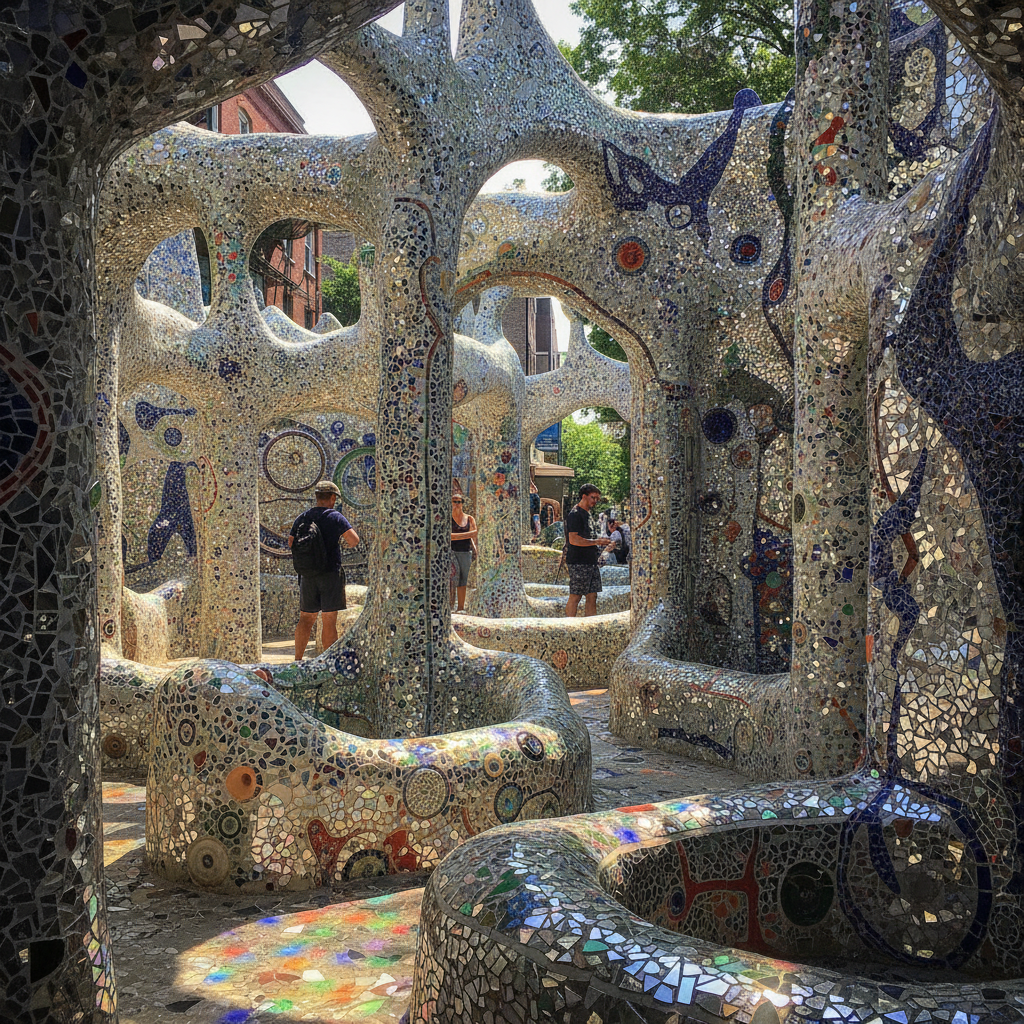
Rittenhouse Square (the park at 18th Street and Walnut Street, Center City Philadelphia): the most fashionable and expensive residential neighborhood in Philadelphia, with the most concentrated collection of high-end restaurants, boutiques, and cultural institutions outside of New York's Upper East Side. The square itself (the 1.6-acre park, one of the five original squares laid out by William Penn in his 1682 city plan) is surrounded by luxury apartment towers, the Curtis Institute of Music, and dozens of acclaimed restaurants. Rittenhouse Square dining: Philadelphia is one of the top restaurant cities in the United States, with the Center City restaurant scene including Zahav (at 237 St. James Place, the Israeli restaurant by James Beard Award winner Michael Solomonov, consistently ranked as one of the best restaurants in the United States), Vetri Cucina (the Italian fine dining institution by Marc Vetri, considered by many critics the best Italian restaurant in the United States outside of New York), and the concentrated restaurant row on East Passyunk Avenue in South Philadelphia. South Street (the bohemian commercial street running east-west through South Philadelphia, from the Delaware River to the Schuylkill River): the Philadelphia counterpart of Greenwich Village, with independent music venues, tattoo parlors, vintage clothing stores, and Philadelphia's best pizza slice at Lorenzo and Son. The Magic Gardens (at 1020 South Street): the mosaic art environment created by Philadelphia artist Isaiah Zagar, covering the facades, interiors, and courtyard of three properties on South Street with mosaics using bicycle wheels, bottles, tiles, mirrors, and found objects.
- 2
Philadelphia Architecture and William Penn's Grid
Philadelphia urban architecture: Philadelphia has one of the most significant collections of American architectural heritage of any US city, from the 17th-century buildings of Society Hill to the skyscrapers of the modern Center City skyline. Society Hill (the neighborhood bounded by Walnut, Lombard, Front, and 8th Streets): the most intact Georgian and Federal period residential neighborhood in any major American city, with 18th and 19th century townhouses that were restored in the 1950s-1970s after decades of deterioration. The Society Hill Towers (the three modernist high-rise apartment towers in the center of Society Hill, designed by I.M. Pei in 1964): one of the most successful examples of integrating modern architecture into a historic urban fabric in American history — the towers provide density and income that supported the restoration of the surrounding townhouses, while the glass and concrete towers contrast elegantly with the Georgian brick. Penn's Landing (the Delaware River waterfront, where William Penn first landed in 1682): the waterfront park and cultural district, with the Independence Seaport Museum (housing the USS Olympia, the last surviving warship of the Spanish-American War and the oldest steel warship in the world, and the USS Becuna, the World War II submarine). The Eastern State Penitentiary (at 2027 Fairmount Avenue, Fairmount neighborhood): the historic prison built 1829, the most expensive building constructed in the United States at the time of its completion, designed by John Haviland to house prisoners in solitary confinement cells with individual exercise yards (the Pennsylvania System of solitary confinement influenced prison design worldwide for decades). Now a haunted house and museum.
- 3
LGBTQ+ History and the Philadelphia Gay Village
Philadelphia LGBTQ+ heritage: Philadelphia has one of the most significant LGBTQ+ histories of any American city, and the Gayborhood (the informal name for the Washington Square West neighborhood, centered on the intersection of 13th and Locust Streets, Center City): the most vibrant and historic LGBTQ+ neighborhood in Philadelphia, with rainbow crosswalks, LGBTQ+-owned businesses, and the William Way LGBT Community Center (at 1315 Spruce Street). The Philadelphia Annual Pride Parade (held each June in the Gayborhood): one of the largest Pride events in the eastern United States. Philadelphia LGBTQ+ firsts: on August 28, 1965, at Independence Hall in Philadelphia, a group of 40 activists conducted the Annual Reminders (the first organized LGBTQ+ political demonstrations in the United States, held at Independence Hall each July 4th from 1965 to 1969, demanding that the United States live up to its Declaration of Independence promise of equal rights for all — these demonstrations were among the first organized LGBTQ+ political actions in American history). The Mazzoni Center (the LGBTQ+-focused health services organization, founded 1979 in Philadelphia): one of the oldest LGBTQ+ health centers in the United States. The AIDS Memorial (in Washington Square Park, Center City): the memorial to Philadelphia's AIDS epidemic, with the eternal flame and the inscription from Walt Whitman's poem When Lilacs Last in the Dooryard Bloom'd (Whitman lived in Camden, NJ, across the river from Philadelphia, from 1873 until his death in 1892, and is considered one of the patron saints of Philadelphia's literary culture).
- 4
Philadelphia History - Revolutionary War and the British Occupation
Philadelphia in the Revolutionary War: Philadelphia served as the capital of the United States from 1790 to 1800 (the temporary capital while Washington DC was being built), and was the largest city in British North America at the start of the Revolution, making it the most important political and strategic prize of the war. The Continental Congress (which met at Independence Hall from 1775 to 1783): the governing body that declared independence, prosecuted the war, negotiated the peace treaty, and drafted the Articles of Confederation. The British occupation of Philadelphia (September 26, 1777 to June 18, 1778): following the American defeat at the Battle of Brandywine, General Howe's British forces occupied Philadelphia for 9 months, during which time the Continental Congress fled to York, Pennsylvania, and George Washington's army encamped at Valley Forge. The Battle of Germantown (October 4, 1777): the battle in which Washington attempted to retake Philadelphia (the main Continental column got lost in the fog and Continental units began firing on each other, resulting in a defeat), fought in what is now the Germantown neighborhood of Northwest Philadelphia, where the Chew House (Cliveden, at 6401 Germantown Avenue) was used as a British strongpoint and still shows bullet holes from the battle. The Betsy Ross House (at 239 Arch Street, Old City): the home of Elizabeth Griscom Ross (Betsy Ross, 1752-1836), the Philadelphia seamstress who according to legend sewed the first American flag at the request of George Washington in June 1776 (the historical basis for this is disputed but the story is embedded in American national mythology).
- 5
Philadelphia's Mummers Parade and New Year Traditions
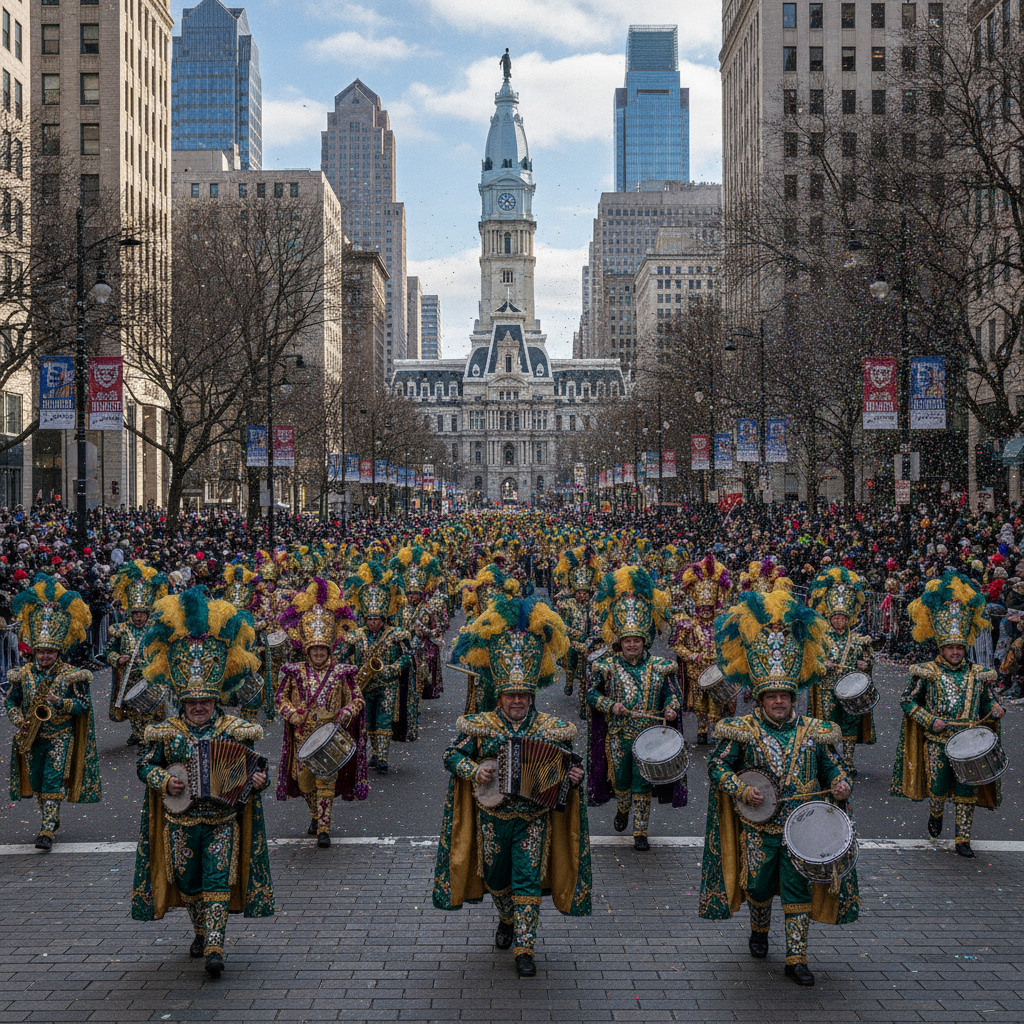
The Mummers Parade (held annually on New Year's Day, January 1, on Broad Street from Washington Avenue to City Hall, Philadelphia): the oldest continuous folk parade in the United States, with roots in the European masquerade and mummery traditions brought by Swedish and British settlers in the 17th century. The Mummers Parade format: four divisions of costumed clubs (the Comics, the Wench Brigades, the Fancies, and the String Bands) parade from South Philadelphia through Center City to City Hall, with the String Band competition (the most spectacular element, featuring elaborate feathered and sequined costumes, original music played on banjos, accordions, and glockenspiels, and choreographed routines performed in competition for prize money) being the centerpiece. The Mummers are organized into approximately 30 clubs, concentrated in the rowhouse neighborhoods of South Philadelphia, with membership often passed from generation to generation. The Mummers Museum (at 1100 S 2nd Street, South Philadelphia): the museum dedicated to the history and costumes of the Mummers tradition, with an archive of parade films and costume artifacts dating to 1901. Philadelphia New Year's culture: the New Year's Eve celebration at Penn's Landing (the waterfront fireworks and ice skating on the Delaware River), and the First Friday arts event in Old City (the monthly gallery open evening on the first Friday of each month, transforming the galleries of Old City into a walkable art district with free admission to dozens of galleries and studios).
- 6
Philadelphia Practical Summary - Getting Around and the Birthplace of Firsts
Philadelphia practical summary: Philadelphia is one of the most visitor-friendly major American cities, combining historical significance, world-class museums, excellent food, and a compact, walkable center city. Philadelphia firsts: the first American public library (1731), the first American hospital (1751), the first American fire insurance company (1752), the first American chartered zoo (1859), the first American World's Fair (the Centennial Exposition of 1876, celebrating the 100th anniversary of independence, held in Fairmount Park with 10 million visitors and the first demonstration of Alexander Graham Bell's telephone), the first American daily newspaper (the Pennsylvania Packet and Daily Advertiser, 1784), and the first American stock exchange (the Philadelphia Stock Exchange, 1790, which preceded the New York Stock Exchange by 2 years). Getting around Philadelphia: SEPTA (Southeastern Pennsylvania Transportation Authority): the Market-Frankford Line (the El, elevated above Market Street east of City Hall, underground west of City Hall) serves the University of Pennsylvania and West Philadelphia; the Broad Street Line (underground subway running north-south on Broad Street) serves the sports stadiums in South Philadelphia; the SEPTA Regional Rail connects Philadelphia to the suburbs, Princeton Junction NJ (for Amtrak connections to New York), Trenton NJ, and Wilmington DE. Amtrak: Philadelphia 30th Street Station (at 2955 Market Street, University City) is one of the busiest Amtrak stations in the United States (third busiest, after New York Penn and Washington Union Station), served by the Acela (75 minutes to New York, 65 minutes to Washington DC), the Northeast Regional, and long-distance trains.
Walk this route with audio
Stories play automatically as you reach each stop — no tapping needed.
More in philadelphia
Philadelphia: Mosaic Labyrinths, 181 Renoirs and the First Gay Rights March in America
Philadelphia: Super Bowl Underdogs, Pretzel Holy Trinity and the World Oldest Steel Warship
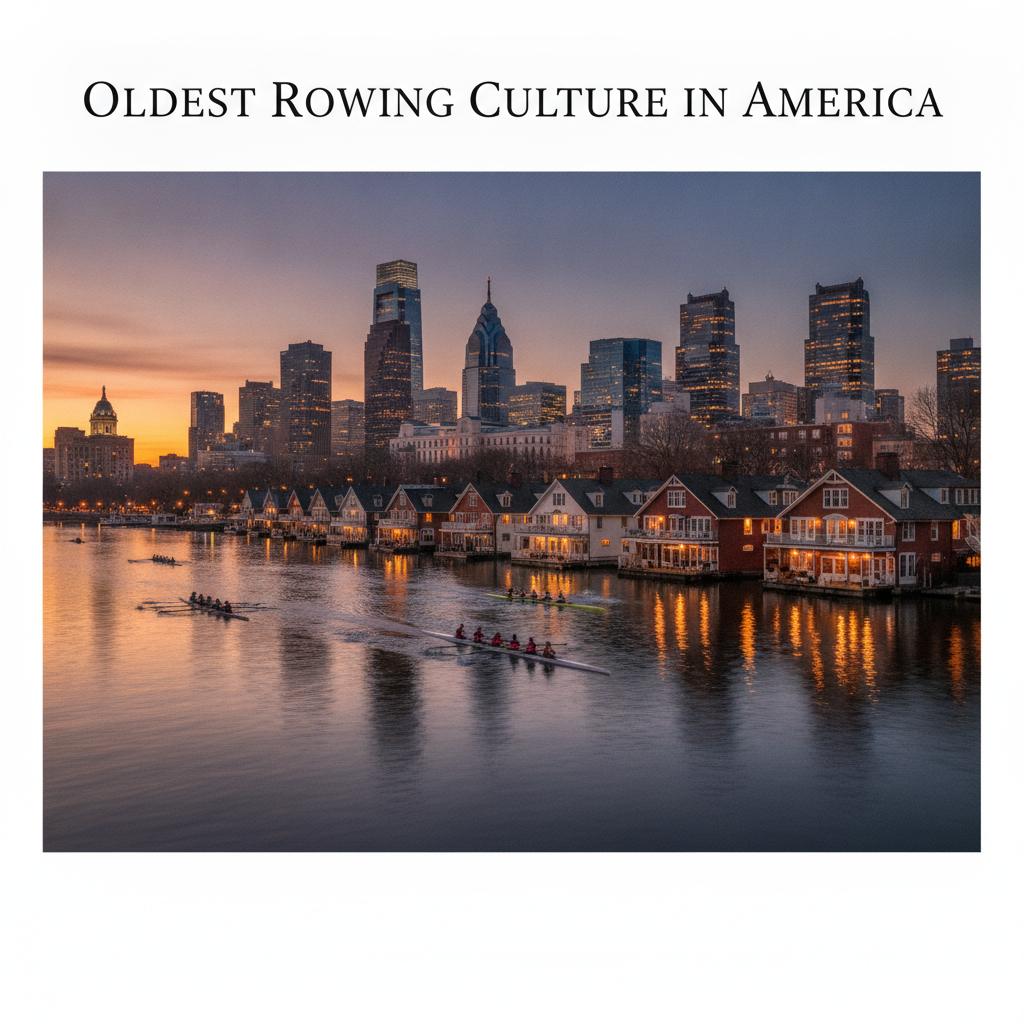
Philadelphia R2: Benjamin Franklin (only Founder to sign all 4 founding documents, inventor lightning rod bifocals, Library Company 1731, APS 1743, Franklin Court ghost frame), Penn Museum (Ramesses II sphinx largest US museum, Ram in Thicket Ur 2600BCE, University of Pennsylvania Wharton first business school 1881), Fairmount Park (10,300 acres largest US municipal park, Boathouse Row illuminated Schuylkill, Philadelphia Zoo first chartered 1859, Wissahickon gorge 57km trails), Old City (Elfreth's Alley oldest inhabited US street, Christ Church Franklin Washington, Philadelphia City Hall 167m Penn statue, One Liberty Place 1987 broke gentlemen's agreement), Philadelphia music (Philadelphia International Records 1971 Gamble-Huff TSOP soul, The Roots Questlove-Black Thought Tonight Show, Philadelphia Orchestra Leopold Stokowski Philadelphia Sound), Day trips (Valley Forge 2,000 deaths Baron von Steuben 1778, Atlantic City 1978 casino legalization, Cape May Victorian largest collection, Gettysburg 50,000 casualties 3 days)
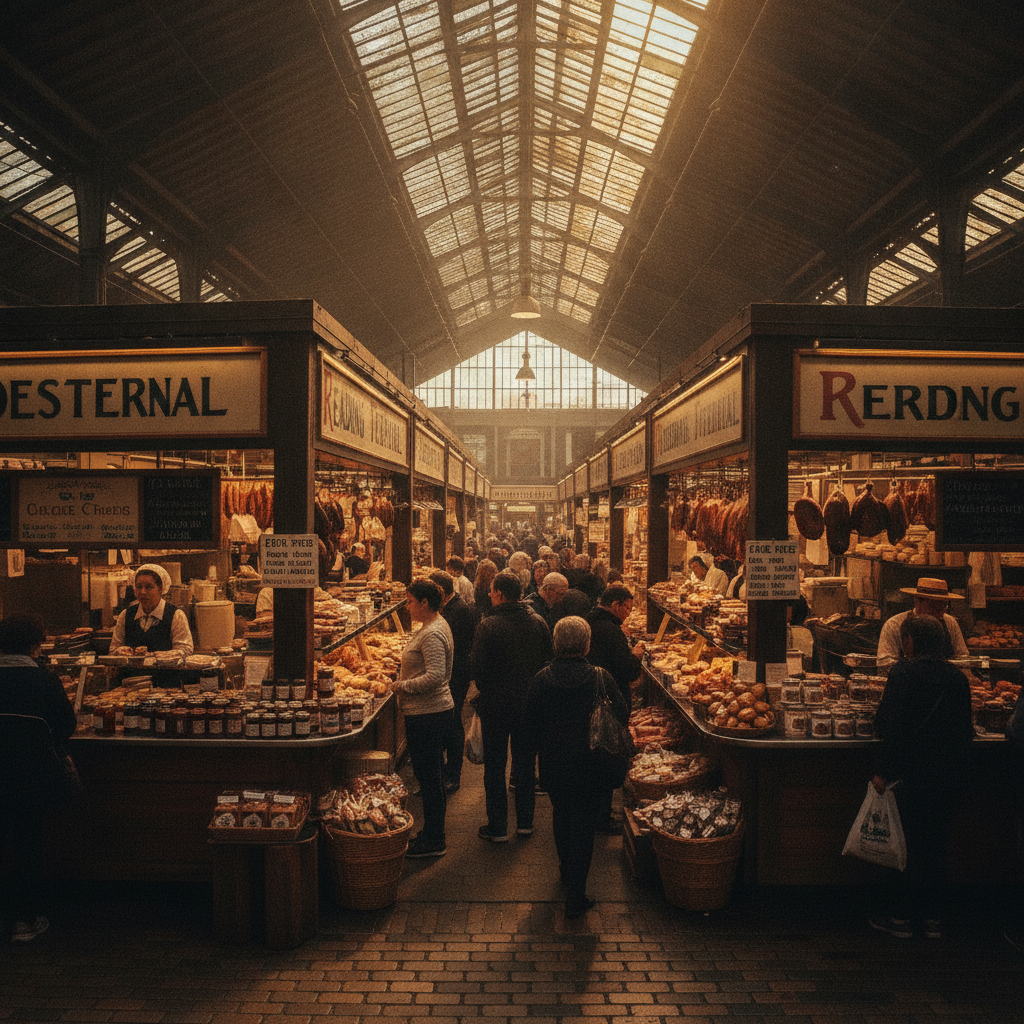
Philadelphia: Prison Reform, Orchestra Sound and the Oldest Street in America
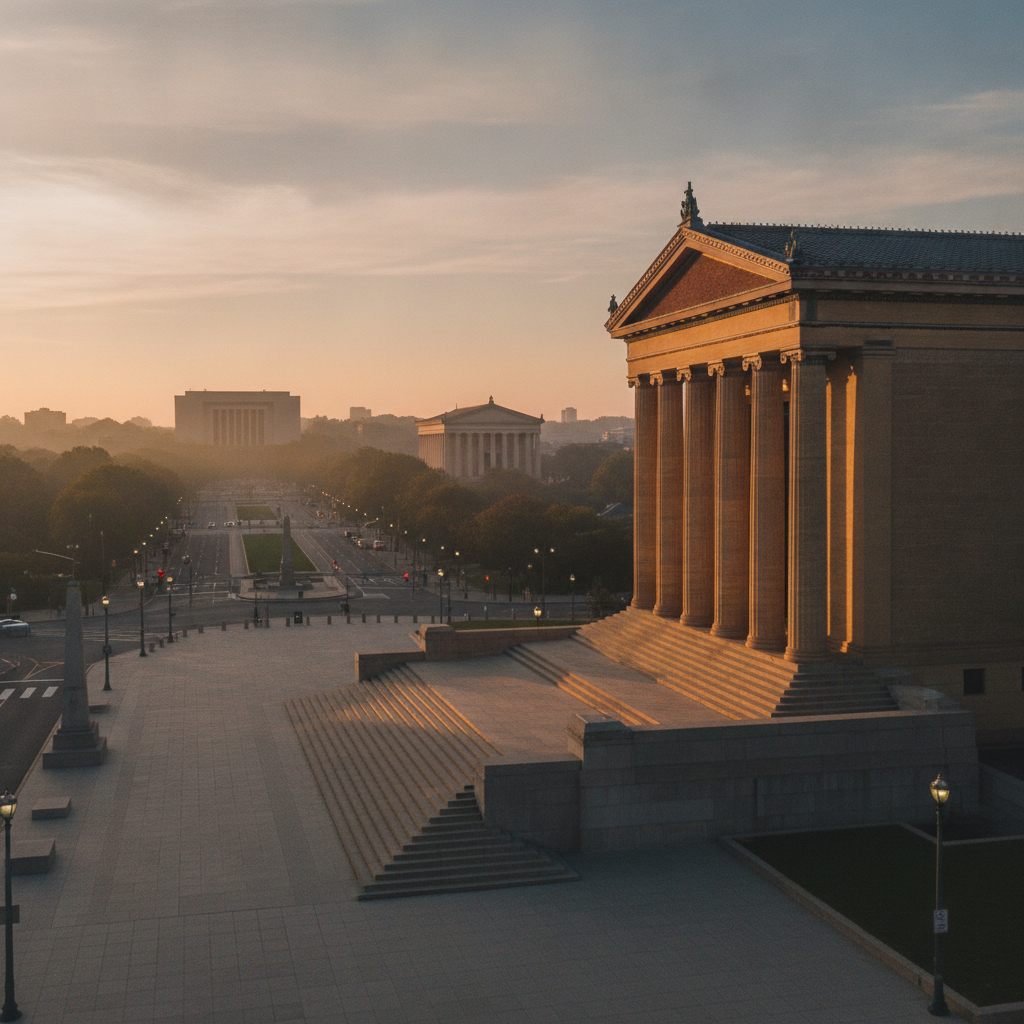
Philadelphia: Independence Hall (Declaration signed July 4 1776, Constitution signed September 17 1787, Liberty Bell cracked), Philadelphia Museum of Art (240,000 works, Rocky Steps Stallone 1976, Duchamp Large Glass, Barnes Foundation 800 Renoirs 69 Cezannes), Philadelphia food (cheesesteak Pat's 1930 vs Geno's 1966, Whiz wit order ritual, Italian Market oldest outdoor US market, Reading Terminal Market 1893 train shed), African American heritage (Mother Bethel AME 1793 first Black denomination, Philadelphia Mural Arts 4,000 murals, Great Migration 650,000), Philadelphia sports (Eagles Super Bowl LII 2018 Philly Special, Phillies 1980 and 2008 WS, Flyers Broad Street Bullies 1974-1975, Santa Claus booing 1968), Practical (SEPTA walkable city, PHL American hub, Old City Rittenhouse South Philly Fishtown, Valley Forge Gettysburg, Acela to NYC 75min)